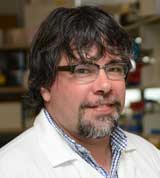
Sapha Barkati, MD, MSc is an Assistant Professor at the Department of Medicine, Faculty of Medicine and Health Sciences, McGill University , and an Investigator at the RI-MUHC Glen site . Her work bridges clinical practice and research in tropical medicine, focusing on parasitic diseases affecting vulnerable populations. Affiliations: Assistant Professor, McGill University Investigator, Research Institute of the McGill University Health Centre (RI-MUHC) McGill International Tuberculosis Centre Research Focus: Specializes in neglected tropical diseases like strongyloidiasis and tegumentary leishmaniasis, particularly among migrants and immunocompromised individuals. Studies include: Physician awareness of Strongyloides screening Prevalence patterns in non-endemic countries HTLV-1 co-infection treatment response Cost-effective screening strategies Scientific Contributions: Key publications address tropical disease management in non-endemic settings, mpox outbreak dynamics, and SARS-CoV-2 immunity patterns. Her work emphasizes evidence-based guidelines for: Parasite screening in transplant recipients Leishmaniasis treatment protocols Traveler disease prevention Collaborative Networks: Partners with institutions like Universidad Peruana Cayetano Heredia and participates in GeoSentinel surveillance. Leads studies on: Covid-19 health disparities Vaccine effectiveness against variants Remote patient monitoring systems
Dr. Noriko Daneshtalab is an Associate Professor and Associate Dean of Graduate Studies and Research at Memorial University of Newfoundland, with a cross-appointment in the Faculty of Medicine. She is affiliated with the Department of Pharmacy and leads research in cerebrovascular dysfunction, stroke, and pharmacokinetics in inflammatory diseases. Education: B.Sc. in Pharmacology, University of Alberta (1998) Ph.D. in Pharmaceutical Sciences, University of Alberta (2005) Post-doctoral Fellowship, John P. Robarts Research Institute, London, Ontario (2004–2006) – Cell Biology Post-doctoral Fellowship, Memorial University of Newfoundland (2007–2010) – Cardiovascular Research Her research focuses on the mechanisms of cerebrovascular dysfunction associated with chronic inflammation, particularly in autoimmune diseases, and how this predisposes individuals to stroke. She investigates the pharmacokinetic and pharmacodynamic alterations of cardiovascular and immunomodulatory drugs in stroke development, especially in the context of arthritis models. Her work also explores the role of pro-inflammatory mediators like IL-17a in therapeutic failure of cardiovascular treatments and how disease severity and antihypertensive therapy affect cardiovascular outcomes in rheumatoid arthritis (RA) patients. The recent publications highlight her focus on cerebrovascular regulation in stroke-prone models, antihypertensive drug effects on cerebral blood flow, and novel biomaterials for drug delivery. These works span neuroscience, cardiovascular pharmacology, and pharmaceutical technology, emphasizing translational research from molecular mechanisms to therapeutic applications. Scientific Awards: Ignite Research Development Corporation (RDC) Fund Dr. Daneshtalab supervises graduate students and leads several research projects, including the development of a hypertensive-arthritic animal model and investigations into IL-17a signaling in cerebrovascular impairment. She has secured research funding, including the Ignite RDC grant, supporting innovation in her field. As Associate Dean, she plays a key role in advancing graduate research and scholarly development within the university. Her current projects are centered in experimental pharmacology and involve molecular signaling, animal modeling, and drug therapy evaluation, contributing significantly to understanding stroke in complex disease states.
Andrew Braun is a Professor at the University of Calgary, affiliated with the Libin, Hotchkiss Brain Institute, and Snyder Institute. His research focuses on vascular physiology, particularly the role of potassium channels in regulating blood flow and pressure, with applications in diabetes and neurodegenerative diseases. He utilizes advanced techniques like patch clamping and arterial pressure myography. His work explores KCa channels , nitric oxide signaling , and calcium dynamics in vascular cells, aiming to develop novel therapies for endothelial dysfunction. He investigates how these channels affect myogenic tone , vasodilation , and coronary circulation in diseased states such as Type 2 Diabetes and Alzheimer's. The 15 most recent publications highlight his focus on pharmacological targeting of KCa channels to treat vascular complications in diabetes, aging, and atherosclerosis. Key subfields include platelet aggregation , genetic mutations in IP3 receptors , glycation effects on vascular function , and sex-dependent cerebrovascular defects . Contact information: Email abraun@ucalgary.ca. Administrative Assistant: Theresea Connolly (tconnoll@ucalgary.ca, 403-220-3018).
Xi-Long Zheng is a tenured Professor in the Department of Biochemistry and Molecular Biology and Department of Physiology and Pharmacology at the Cumming School of Medicine, University of Calgary. He holds additional appointments as a Member of the Libin Cardiovascular Institute and Associate Member of both the Snyder Institute for Chronic Diseases and Arnie Charbonneau Cancer Institute. His research focuses on vascular smooth muscle biology and its role in cardiovascular diseases. Doctor of Medicine, Hunan Medical University (1986) M.S. in Pharmacology, Hunan Medical University (1989) Doctor of Philosophy in Pharmacology, University of Calgary (1997) Dr. Zheng's research centers on vascular smooth muscle cell differentiation, proliferation, and phenotypic switching in vascular diseases. His laboratory investigates mechanisms of vascular smooth muscle dedifferentiation in atherosclerosis, abdominal aortic aneurysms, and vascular stiffness. Current work explores ferroptosis, epigenetic regulation (particularly BRD4), and PCSK9 functions in vascular pathologies. His studies integrate molecular, cellular, and in vivo approaches to identify novel therapeutic targets for cardiovascular diseases. Analysis of his recent publications reveals strong emphasis on cell death mechanisms (ferroptosis, cuproptosis), epigenetic regulation, lipid metabolism, and immune-vascular interactions in atherosclerosis. His work demonstrates increasing focus on translational applications targeting vascular smooth muscle phenotypic switching and plaque stability. Alberta Innovates ‒ Health Solutions Senior Scholar Award (2008-2015) Heart & Stroke Foundation New Investigator Award (2001-2006) CIHR/Hypertension Society Scholarship Award (2001-2004) Heart & Stroke Foundation Fellowship Award (1999-2001) AHFMR Independent Investigator Award (2008) Dr. Zheng serves on grant panels for Canadian Institutes of Health Research and Heart and Stroke Foundation of Canada. He is an editorial board member for Biochemical Journal and other scholarly publications. His laboratory receives funding from CIHR and NSERC for projects including smooth muscle PCSK9 in abdominal aortic aneurysm pathogenesis, smooth muscle autophagy in vascular aging, and epigenetic regulation of smooth muscle plasticity. The Zheng Lab investigates vascular smooth muscle functions across multiple organ systems including blood vessels, gastrointestinal tract, bladder, and uterus. His research has established critical mechanisms in vascular smooth muscle differentiation and cell cycle regulation, contributing over 100 peer-reviewed publications in high-impact journals including PNAS, ATVB, Diabetologia, JBC, and Hypertension.
Dr. Najib Ayas is an Associate Professor in the Division of Critical Care Medicine, Department of Medicine, Faculty of Medicine at the University of British Columbia. He graduated with distinction from the University of Alberta in 1992, completed Internal Medicine residency at the Mayo Clinic in 1996, and postgraduate training in Respiratory, Critical Care, and Sleep Medicine at Brigham and Women's Hospital/Harvard Medical School in 2000. He joined the Sleep Disorders Program at UBC in September 2002 and has maintained an active academic career since. Dr. Ayas received his undergraduate education at the University of Alberta (General Science, 1986-1988), followed by his MD (1988-1992). He completed a Rotating Internship at St Thomas Medical Center in Akron, Ohio (1992-1993), Internal Medicine Residency at Mayo Graduate School of Medicine in Rochester, MN (1993-1996), Pulmonary & Critical Care Fellowship at Harvard (1996-2000), and a Master of Public Health from Harvard School of Public Health (2000-2002). Dr. Ayas's primary research focus centers on the public health and safety consequences of sleep apnea and sleep deprivation. His work spans multiple domains including cardiovascular consequences of sleep disorders, epidemiology of obstructive sleep apnea, development of diagnostic tools, and cost-effectiveness of treatments. He has made significant contributions to understanding how sleep disorders affect occupational safety, cardiovascular health, and overall quality of life. His research often involves interdisciplinary collaborations across sleep medicine, critical care, public health, and epidemiology. Analysis of Dr. Ayas's recent publications reveals a strong focus on obstructive sleep apnea (OSA), particularly its cardiovascular consequences, diagnostic approaches, and treatment effectiveness. His work spans basic science investigating mechanisms like intermittent hypoxia effects on endothelial function, to clinical trials examining CPAP therapy, to large epidemiological studies on OSA prevalence and impact. A notable trend is his increasing focus on special populations including patients with spinal cord injuries, pregnant women, and those with comorbid conditions like COPD. His research maintains a strong translational emphasis, bridging laboratory findings to clinical applications. BC Lung Association Career Development Award (2002) New Investigator Salary Award, CIHR/BC Lung Association Award (2002-2007) Scholar Award, Michael Smith Foundation (2004-2009) Established Clinician Scholar Award, VCHRI (2009-2012) Award for Clinical Teaching Excellence, Division of Critical Care Medicine UBC (2013) Martin Hoffman Award Excellence in Research As an educator, Dr. Ayas has supervised numerous graduate students including Masters candidates, Doctoral students, and Post-doctoral fellows. His students have pursued research in areas including sleep apnea pathophysiology, cardiovascular consequences of sleep disorders, and clinical applications of sleep medicine. Dr. Ayas has served on multiple grant review panels for organizations including CIHR, Canadian Lung Association, and Michael Smith Foundation, contributing to the evaluation and funding of critical research in respiratory and sleep medicine. He has directed the Respiratory Physiology course (MED560/Path518) at UBC since 2006 and has been instrumental in developing clinical guidelines including the Canadian Thoracic Society and Canadian Sleep Society position paper on obstructive sleep apnea and driving.
Louise Pilote, MD, MPH, PhD is Professor of Medicine in the Department of Medicine, Division of Internal Medicine , McGill University , and Senior Scientist in the Cardiovascular Health Across the Lifespan Program at the Research Institute of the McGill University Health Centre (RI-MUHC) , Montréal, Canada. Education: Louise Pilote holds the combined degrees of MD, MPH, and PhD, reflecting advanced clinical, public-health and research training that underpins her translational work. Research Focus: Internationally recognized pioneer in sex- and gender-based cardiovascular epidemiology , developing novel gender indices to disentangle biological (sex) and sociocultural (gender) determinants of cardiovascular outcomes. Leads the multinational GOING-FWD consortium (Gender Outcomes International Group to Further Well-being Development), integrating sex/gender analytics across 30 cohorts totaling 30 million patients with chronic diseases. Authority on comparative effectiveness and pharmacoepidemiology leveraging administrative “Big Data”, clinical registries, and advanced biostatistical/machine-learning methodologies. Current clinical-translational projects include imaging-based diagnosis of coronary microvascular dysfunction , a condition disproportionately affecting women. Scientific Impact & Awards: While formal awards are not enumerated in the supplied text, Dr Pilote’s sustained leadership as senior author on major Canadian and international cardiovascular guidelines, her role in founding the GOING-FWD network, and her extensive publication record (398 PubMed-indexed articles, 1988-2025) collectively constitute significant peer recognition. Students & Mentoring: Specific trainee names are not provided in the text; however, as Professor at McGill and Senior Scientist at RI-MUHC she supervises graduate students, clinical research fellows, and post-doctoral researchers in cardiovascular epidemiology, data science, and gender medicine. Laboratories & Teams: Dr Pilote heads the cardiovascular epidemiology research group within the Centre for Outcomes Research and Evaluation (CORE) at RI-MUHC, coordinating a multi-disciplinary team of biostatisticians, data scientists, clinician-scientists, and trainees.
Dr. Stella Daskalopoulou is a Senior Scientist at the Research Institute of the McGill University Health Centre (RI-MUHC) and a Professor in the Department of Medicine at McGill University's Faculty of Medicine and Health Sciences. She specializes in translational cardiovascular research with a focus on vascular health, atherosclerosis, and hypertension management. Senior Scientist, RI-MUHC Glen site Professor, Department of Medicine, McGill University Member, Cardiovascular Health Across the Lifespan Program Research Focus: Her work integrates biomedical technology with clinical investigation to identify early vascular impairment markers. Key areas include: Arterial stiffness and hemodynamic assessment Adiponectin signaling pathways in atherosclerosis Sex-specific cardiovascular risk stratification Biomarker discovery for plaque instability Pregnancy-related vascular complications Machine learning applications in plaque classification Scientific Engagement: Dr. Daskalopoulou contributes to hypertension guideline development (2024 ESC Guidelines) and explores environmental impacts on vascular health (household pollution studies). Her recent publications emphasize: Deep learning for plaque characterization Sex hormone receptor pathways in atherosclerosis Adipokine interactions with HDL metabolism Clinical decision tools for preeclampsia prediction Laboratory: Leads the Vascular Health Unit at RI-MUHC, combining histopathology, immunophenotyping, and advanced imaging for translational research.
Dr. David Natale is an Associate Professor in the Department of Obstetrics and Gynaecology at Queen's University, with a cross-appointment in the Department of Biomedical and Molecular Sciences. His research focuses on placental development, particularly in pregnancies complicated by maternal disease (e.g., pre-eclampsia, diabetes) or exposures (e.g., cannabis). He uses mouse and rat models to study trophoblast stem cell differentiation and placental dysfunction. Education: Ph.D. in Physiology and Pharmacology (University of Western Ontario, 2003), B.Sc. (University of Western Ontario, 1996). Postdoctoral training under Dr. Jay Cross (University of Calgary) and later appointments include Assistant Professor roles at the University of Calgary (2008–2013) and University of California San Diego (2013–2019). Research interests span cell biology, regenerative medicine, and placental biology. His lab investigates how trophoblast populations and interactions are altered under compromised conditions, with recent emphasis on cannabinoid effects and maternal-fetal outcomes. Grants and funding include support from CIHR, NIH/NICHD, and UCSD/UCLA Diabetes Research Center. Current supervision includes postdoctoral fellow Samantha Benton. Labs/Teams: Queen's University placental research group, collaborations with human placenta research teams.
Sabah Hussain, MD, PhD, is Distinguished James McGill Professor in the Department of Medicine, Faculty of Medicine and Health Sciences at McGill University and Senior Scientist in the Translational Research in Respiratory Diseases Program of the Research Institute of the McGill University Health Centre (RI-MUHC, Glen site). She leads an integrated bench-to-bedside program focused on skeletal-muscle wasting, autophagy, and angiogenesis. Education & Training: MD – University of Baghdad, 1978 PhD (Physiology) – McGill University, 1989 Research Focus: Dr Hussain’s laboratory investigates the molecular machinery governing skeletal-muscle mass in health and disease. Using transgenic models of angiopoietin signaling, sepsis, COPD and mechanical ventilation, her team has dissected how autophagy, mitophagy and proteasomal pathways drive diaphragmatic and locomotor muscle atrophy. A second axis of work explores gene-therapy delivery of angiopoietins to accelerate muscle regeneration after injury or in Duchenne Muscular Dystrophy models. More recently, her group is mapping epigenetic regulators—microRNAs and long non-coding RNAs—that fine-tune these degradative pathways. Scientific Awards & Funding: Distinguished James McGill Professorship CIHR Project Grant – Fall 2024 competition NSERC Discovery Grant – 2024 competition Advising & Mentorship: Dr Hussain mentors graduate students, post-doctoral fellows and clinical research trainees. Sami Sedraoui, a PDF in her group, received the April 2025 Relève-Étoile Jacques-Genest Award from CIHR. Laboratory & Affiliations: Her laboratory is located in the Meakins-Christie Laboratories, RI-MUHC Block E, Glen site (1001 Decarie Blvd, Montréal). The group is embedded within the Centre for Translational Biology and benefits from the RI-MUHC Technology Platforms including Proteomics, Small-Animal Imaging and Molecular Imaging Services.
Jean-Philippe Gratton is a Full Professor and Director of the Department of Pharmacology and Physiology at the Université de Montréal's Faculty of Medicine. He heads the Endothelial Cell Biology Unit at the Montreal Clinical Research Institute (IRCM), a position he has held since 2002. His dual appointments reflect his significant contributions to both academic medicine and clinical research in vascular biology. Dr. Gratton earned his Bachelor's degree in Biochemistry (1992), followed by a Master's (1995) and Doctorate (1998) in Pharmacology, all from the University of Sherbrooke. He completed his post-doctoral training at Yale University School of Medicine in 2002, establishing the foundation for his career in vascular biology research. His research focuses on endothelial cell biology, particularly the cellular mechanisms controlling endothelial cell proliferation, survival, and differentiation. Using molecular and cellular biology techniques combined with modern pharmacology, Dr. Gratton investigates intracellular signaling of endothelial growth factors, especially VEGF receptor dynamics and their influence on nitric oxide release. His work spans cardiovascular diseases and tumor angiogenesis, with particular interest in plasma membrane lipid microdomains, eNOS regulation, and endothelial dysfunction. His laboratory's findings have significant implications for understanding both vascular health and cancer progression. Analysis of his recent publications reveals a consistent research trajectory centered on endothelial cell signaling mechanisms, with increasing focus on the intersection between vascular biology and cancer immunology. His work demonstrates how endothelial signaling pathways influence tumor microenvironments and can be targeted to improve cancer therapies, particularly through modulation of AXL receptor signaling and angiogenic processes. Université de Montréal Research Chair in Endothelial Cell Signaling and Angiogenesis (2013-present) Merck Canada Chair in Pharmacology at the University of Montreal Dr. Gratton leads a productive research program with consistent funding and numerous collaborations across institutions. His laboratory serves as a training ground for the next generation of vascular biologists and pharmacologists, contributing significantly to understanding endothelial cell function in health and disease. The Endothelial Cell Biology Unit at IRCM maintains state-of-the-art facilities for molecular and cellular analysis of vascular processes.
Dr. Mike Tymko is an Assistant Professor at the University of Guelph , affiliated with the College of Biological Science . His research focuses on environmental and cerebrovascular physiology, particularly how stressors like hypoxia, thermal changes, and orthostatic challenges affect autonomic regulation and cerebral blood flow. Mount Royal University (B.H.Sc) University of British Columbia (MSc, PhD) University of Alberta (Postdoc) University of British Columbia (Postdoc) Research Interests: Dr. Tymko investigates the interplay between autonomic nervous activity and cerebrovascular function. His work spans high-altitude adaptations, concussion-related vascular changes, and environmental stress responses, employing methods like microneurography and blood flow monitoring. Publication Trends (2016-2025): His articles demonstrate consistent focus on: Neurovascular coupling under stress Dynamic autonomic responses High-altitude physiological adaptations Thermal and hypoxic stress mechanisms Comparative population vascular studies Human circulatory biomarkers Students: Current MSc advisees include Jenna McCrone and Christabel Osei-Boateng . He actively recruits graduate students for his Integrative Cerebrovascular & Environmental Physiology Lab.
Peter Backx is a Full Professor in the Department of Biology at York University and Canada Research Chair in Cardiovascular Biology. He is also an Emeritus Professor at the University of Toronto and a Senior Scientist at the University Health Network. His academic journey includes a B.Sc., M.Sc., DVM (University of Guelph), and Ph.D. (University of Calgary), followed by postdoctoral training at Johns Hopkins University. His research focuses on cardiac physiology, ion channels, arrhythmias, and stem cell applications in cardiovascular biology. Dr. Backx has secured over $14M in research funding and published over 200 articles in top journals. He has supervised 26 graduate students and 17 postdoctoral fellows. His awards include Fellowships from the Royal Society of Canada and American Heart Association, as well as the Lowell Langille Mentorship Award. His work emphasizes mechanisms underlying heart disease, including atrial fibrillation and heart failure, with a focus on translational applications like tissue-specific drug delivery. Key research areas include ion transport, myocardial signaling, and cardiac development using pluripotent stem cells. He has pioneered models of atrial fibrillation and engineered cardiac tissues. Recent studies explore TNF-alpha’s role in exercise-induced atrial remodeling and therapeutic strategies for Duchenne muscular dystrophy. Dr. Backx’s labs integrate electrophysiology, proteomics, and tissue engineering to advance cardiovascular medicine.
Mohsen Agharazii is a Clinical Physician and Full Professor at the Faculty of Medicine, Laval University. Affiliated with the Research Center of the CHU de Québec - Université Laval, his work focuses on vascular health in chronic kidney disease (CKD), arterial stiffness, hypertension, and numerical simulation models for biomechanical analysis. He has led major funded projects, including RENEW-HD (vascular health in hemodialysis) and Néphro-psy (psychosocial aspects of CKD). Current Funding: RENEW-HD (2025-2027), NéphroPsy (2024-2026), RETAME-PA (2024-2027), and others Past Funding: CARTESIAN (CVD in CKD), CENTRAL-CKD (blood pressure targets), and studies on arterial stiffness His recent research explores subclinical primary aldosteronism as a cardiovascular risk modifier, vascular aging in dialysis patients, and bone-vascular interactions post-transplantation. Collaborative work spans institutions like University of British Columbia, Université de Montréal, and McGill University. No scientific awards are explicitly mentioned. Supervisions: 8 active and completed PhD and Master’s students in clinical sciences, physics, and kinesiology Labs: Research Center of the CHU de Québec - Université Laval
Dr. Michael B. Boffa is an Associate Professor in the Department of Biochemistry at Western University, where he investigates the multifunctional TAFI protein and its role in cardiovascular disease. His research spans: Protein Biochemistry : Structural instability of TAFIa, molecular mechanisms of activation Cardiovascular Research : Atherosclerosis progression, thrombosis, sex-specific plaque vulnerability Cancer Biology : TAFI's inhibitory effects on breast cancer metastasis Lipid Metabolism : Molecular regulation of lipoprotein(a), receptor identification challenges Key article trends (2017-2025) focus on Lp(a)-targeted therapies , transgenic disease models , and clinical lipidology translation. Current research explores: Protein structure-function relationships Sex-specific cardiovascular mechanisms Novel therapeutic targets for Lp(a) regulation Translational applications in preventive cardiology
Sheldon Magder is a Professor in the Department of Physiology at McGill University. He is affiliated with the Critical Care Division at the MUHC-Glen in Montreal, Quebec. His research focuses on cardiovascular physiology, particularly the control and distribution of peripheral blood flow during exercise, heat stress, and shock. Dr. Magder holds an M.D. from the University of Toronto. His work integrates clinical practice with physiological mechanisms, emphasizing hemodynamic monitoring, fluid management, and cardiopulmonary interactions in critical care settings. He has contributed extensively to understanding central venous pressure, right ventricular function, and the physiological basis of shock. His research also addresses challenges in mechanical ventilation, acid-base balance, and the application of Guytonian cardiovascular models in clinical decision-making. Education: M.D., University of Toronto. Research interests include fluid resuscitation strategies, hemodynamic monitoring technologies, and the pathophysiology of acute right heart failure. His recent studies explore the interplay between respiratory and cardiovascular systems in critical illness, with a focus on translational physiology. Dr. Magder’s publications highlight advancements in clinical guidelines for IV fluids, the role of neuropeptides in endothelial function, and the optimization of vasoactive therapies in shock. His scientific contributions span over four decades, with a focus on bridging basic physiology and clinical practice. Notable areas include the reinterpretation of central venous pressure, the mechanistic understanding of intraabdominal hypertension, and the physiological basis of cardiopulmonary monitoring in the ICU. His work has informed international guidelines for fluid management and mechanical ventilation protocols.