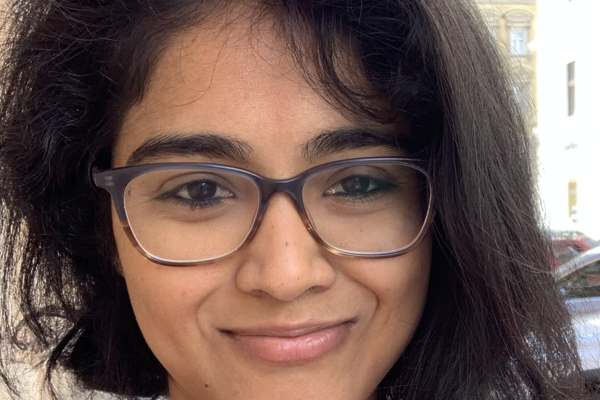
Prof. Dr. Markus Meissner is a Professor at the Faculty of Veterinary Medicine, Ludwig Maximilian University of Munich, leading the Chair of Experimental Parasitology. His research focuses on the molecular mechanisms of host cell invasion and modulation by Apicomplexan parasites, particularly Toxoplasma gondii and Plasmodium species. Research Group: Meissner Laboratory Location: Lena-Christ-Str. 48, 82152 Planegg-Martinsried Contact: markus.meissner@lmu.de His work investigates the secretory pathway of parasites, vesicular trafficking systems, and essential genes involved in host cell invasion and intracellular development. Toxoplasma gondii serves as a model organism for studying Apicomplexan biology, including nuclear division and CRMP complex functionality. Recent publications highlight the role of Rab GTPases in protein trafficking, chromatin remodeling in Plasmodium, and actin dynamics in parasite motility. Articles span topics such as egress factors, Golgi pathways, and lineage-specific organelle emergence, reflecting a multidisciplinary approach combining molecular biology, cell biology, and evolutionary analysis. The Meissner Lab includes PhD students (Peipei Qin, Yuan Song, Ella Schadt, Vitoria Catschor dos Santos) and postdocs (Dr. Wei Li, Dr. Miriam Rafajlovic). Research is conducted in Lena-Christ-Str. 48, Planegg-Martinsried, with a focus on experimental systems for studying parasite mechanisms.
Pietro Spanu is a Professor of Molecular Plant Pathology at the Department of Life Sciences, Imperial College London, within the Faculty of Natural Sciences. His work focuses on understanding plant-pathogen interactions, particularly the genomics and molecular mechanisms of powdery mildews. He leads research into how pathogens manipulate host cellular processes and evade immune responses. Key affiliations include the Agri Futures Lab, Fungal Science Network, and Microbiome Network. His research interests span the genomics of powdery mildews, effector proteins, and host-pathogen communication via extracellular vesicles. He employs cutting-edge techniques like AI-guided discovery and transcriptomics to study pathogen virulence and host defense. Recent work highlights effector interference with endosomal complexes, RNA fragment roles in cross-kingdom signaling, and evolutionary dynamics of plant pathogens. Spanu’s contributions include groundbreaking studies on barley and wheat powdery mildews, revealing mechanisms behind fungal adaptation and virulence. His lab integrates molecular genetics, genomics, and computational biology to address agricultural challenges like crop disease resistance and food security. Collaborations span microbiome networks and interdisciplinary platforms like the Industrial Biotechnology Hub.
Verena Kriechbaumer is a Senior Lecturer in Biotechnology and Plant Sciences at the School of Biological and Medical Sciences, Oxford Brookes University . She is Deputy Director of the Oxford Brookes University Centre for Bioimaging and a leading expert in plant endoplasmic reticulum (ER) structure, membrane proteins, and auxin biosynthesis, utilizing biochemical techniques, high-resolution live cell imaging, and interdisciplinary approaches. Research Focus: Plant cell biology, ER architecture, auxin metabolic pathways, protein-membrane interactions, bioinformatics, and translational projects such as engineering plants to convert methane into biofuel. Key Techniques: FRET-FLIM, light sheet microscopy, single-particle tracking, and optogenetics. Publication Trends: Recent studies emphasize ER-membrane contact sites, organelle interaction networks, and the role of reticulons in viral trafficking and methane monooxygenase expression. Collaborative work spans physics, bioenergy, and industrial biotechnology. Scientific Awards: Fellowship from Korean Federation of Science and Technology Societies (2013) Santander Travel Fellowship (2018) Oxford Brookes Research Excellence Award (2020-21) Grants: Leverhulme Trust grant for "pMMO in plants" (2015-2017), STFC Harwell facility grants (2017-2021), BBSRC funding (2021-2026), and industry collaborations with Porton Biopharma Ltd. Labs & Teams: Leads the Endomembrane Structure and Function Group , collaborates with physicists at STFC Harwell Campus, and contributes to European Commission-funded projects like "Advanced Training for Next Generation Scientists in Spatio-Temporal Imaging."
Jennifer (Jenny) Hyde serves as an Assistant Professor in the Department of Microbiology at the University of Washington, where her laboratory investigates molecular mechanisms of viral pathogenesis with primary emphasis on alphaviruses like Venezuelan equine encephalitis virus (VEEV) and other positive-sense RNA viruses. Her research centers on viral RNA structure dynamics as a determinant of pathogenesis and replication across diverse host species (including mosquitoes and mammals) and environmental conditions. Key projects include identifying RNA structures driving pathogenic alphavirus emergence, elucidating encephalitic alphavirus mechanisms, analyzing RNA structure impacts on myeloid cell tropism, and exploring viral RNA roles in host switching and structural conformers. The lab also investigates antiviral functions of coronavirus genes and novel host antiviral gene activities. Recent publications demonstrate consistent focus on RNA-level host-virus interactions, revealing how alphavirus 3' UTR diversity modulates IFIT2 restriction in cell-type-specific manners, how OAS1 endomembrane targeting enhances antiviral activity, and how ZAP isoforms differentially regulate immunity. High-throughput screening against SARS-CoV-2 nsp15 further highlights translational approaches to antiviral development, collectively bridging RNA virology and innate immunity. The Hyde laboratory employs comparative virology using attenuated and pathogenic virus strains to dissect molecular determinants of viral emergence, advancing understanding of RNA virus evolution with direct implications for emerging infectious disease threats.
Yağmur Denizhan is a full-time Professor at Boğaziçi University. Their research focuses on chaos control, nonlinear dynamic systems modeling, and biological systems analysis. Key interests include renal sympathetic nerve activity modeling, stochastic processes, and optimization algorithms. Research highlights include long-term mathematical models of renal function and arterial pressure dynamics, as well as advancements in Particle Swarm Optimization (PSO) algorithms. Their work bridges chaos theory, computational methods, and biomedical engineering. Notable contributions include studies on targeting methodologies in chaotic systems and interdisciplinary explorations of semiotics combined with thermodynamics. Recent publications (2010-2013) emphasize real-time object recognition systems and evolutionary modeling frameworks. No scientific awards or grants are listed in the provided information. No student advisees are explicitly mentioned.
Sergio Catz, PhD is a Professor in the Department of Molecular and Cellular Biology at Scripps Research. His research focuses on intracellular vesicular transport mechanisms and their roles in immunity, inflammation, and disease. He leads a laboratory utilizing super-resolution microscopy and systems biology approaches to study Rab GTPases and vesicular trafficking in innate immune cells. Education: PhD in Biological Sciences, University of Buenos Aires (1997) BSc in Biochemistry, University of Buenos Aires (1991) Research Interests: His work investigates molecular mechanisms of autophagy, exocytosis, and phagocytosis, with applications to coronary artery disease, lysosomal storage disorders, and autoinflammatory syndromes. The lab develops small-molecule inhibitors/activators of vesicular trafficking and employs high-throughput screening assays. Awards & Leadership: Chair-elect, Neutrophil Biennial International Symposium (2026) NIH Study Section Member (CSF1, MBPP) Editorial Board, Journal of Leukocyte Biology Recipient: Prize Boeringher Ingelheim (1995) Lab & Collaborations: The lab is internationally recognized for studying vesicular trafficking in innate immunity. Current projects include pre-clinical trials for lysosomal disorders and viral encephalitis using novel compounds.
Prof. Dr. Rüdiger Simon serves as Research Professor at the Institute of Developmental Genetics, Heinrich Heine University Düsseldorf, where he leads investigations into intercellular signaling pathways governing plant shoot and root meristem development. His work centers on how meristems—harboring stem cells that determine growth capacity, organ generation, and root architecture—utilize regulatory networks for plant architecture control and plasmodesmata-mediated cytoplasmic communication. Simon's research spans four integrated scientific concepts: RA1 optimizing plant performance through development-metabolism interfaces; RA2 plant-microbiota metabolic networks in soil adaptation; RA3 synthetic and reconstruction biology approaches; and RA4 theoretical plant biology with data science integration. His group employs specialized facilities including the Plant Metabolism and Metabolomics Facility and Imaging Platform, contributing to CEPLAS Data resources and public toolsets for the plant science community. Analysis of his 30-year publication record reveals persistent focus on Arabidopsis thaliana stem cell regulation, with recent expansion into proteomics (2023 plasmodesmata proteome study) and data science. Key recurring themes include CLE peptide signaling pathways, receptor kinase complexes, and calcium-mediated cell fate determination—demonstrating evolution from foundational work on CLV3 feedback loops (Science 2000) to current systems-level investigations of meristem communication networks. As part of CEPLAS (Cluster of Excellence on Plant Sciences), Simon maintains active research programs supported by ongoing funding cycles beyond the archived 2013-2018 period, evidenced by 2023 publications and operational facilities. His work bridges molecular genetics, cell biology, and computational approaches to address fundamental questions in plant development.
Dr. Eunsook Park is an Assistant Professor in the Department of Molecular Biology at the University of Wyoming, affiliated with the College of Agriculture, Life Sciences and Natural Resources. Her research focuses on understanding organelle dynamics and their roles in plant immunity, particularly chloroplast-nucleus communication during stress responses and autophagy modulation in fungal pathogens. She investigates how pathogens disrupt host organelle function and employs high-throughput screening to develop novel antifungal agents. Her research interests are divided into two main areas: 1) Exploring chloroplast-nucleus communication mechanisms during plant immune responses to microbial infections, and 2) Developing autophagy-modulating compounds to combat fungal diseases. Recent work includes studies on RXLR effector proteins disrupting vesicle trafficking and BRET-based screens for antifungal lead compounds. Key achievements include establishing a non-integrative viral delivery system for CRISPR-Cas9 genome editing in plants and characterizing the role of NLR immune receptors in programmed cell death. Her work is supported by grants such as an international NIH-funded project in Korea. While no formal advisees are listed, her lab focuses on plant-microbe interactions, organelle biology, and translational research for agricultural applications. No scientific awards are explicitly mentioned in the provided texts.
Michael L Skowyra is an Assistant Professor in the Department of Biochemistry at the University of Texas Southwestern Medical Center (UTSW), where he joined as an Endowed Scholar in spring 2025. His laboratory investigates fundamental mechanisms of peroxisome biogenesis, protein import, and membrane repair using innovative biochemical and cell biological approaches. His educational background includes a doctoral degree from Washington University School of Medicine in St. Louis, where he trained with Phyllis I. Hanson and discovered a lysosomal membrane-repair pathway. He subsequently conducted postdoctoral research with Tom A. Rapoport at Harvard Medical School as a Howard Hughes Medical Institute Fellow of the Helen Hay Whitney Foundation, where he elucidated the mechanism of peroxisomal protein import. Dr. Skowyra's research focuses on how cellular organelles like peroxisomes form, maintain their identity, and execute critical metabolic functions including myelin synthesis, fat breakdown, and toxin processing. His lab employs intact cells , biochemical reconstitution with purified components , and a novel cell-free system derived from Xenopus egg extracts to study peroxisomal protein import through nuclear pore-like conduits, organelle growth/division mechanisms, and damage response pathways. Defects in these processes are linked to fatal human diseases, which his work aims to understand and cure. His publication record reveals a consistent focus on organelle biology, with recent work (2022-2025) centered on peroxisomal protein translocation mechanisms using structural and biochemical approaches, while earlier research (2011-2018) examined membrane repair pathways and fungal pathogenesis. This progression demonstrates a shift from studying ESCRT machinery in lysosomal repair to specialized investigation of peroxisome biogenesis. 2023 Porter Prize for Research Excellence (American Society for Cell Biology) Spencer T. and Ann W. Olin Medical Science Fellow (2019) Howard Hughes Medical Institute Fellow of the Helen Hay Whitney Foundation Dr. Skowyra has demonstrated leadership in academic community development as Chair of the Harvard Medical Postdoc Association (2023-2025), where he advocated for equitable postdoc compensation and career development resources. His laboratory, located in room K3.502 of UTSW's Jonsson Building, utilizes high-speed fluorescence imaging and in vitro reconstitution techniques to explore fundamental questions in organelle biology with direct implications for understanding human disease mechanisms.
Sheri Holmen, Ph.D. is a Professor of Surgery and Adjunct Professor of Oncological Sciences at the University of Utah, and co-leads the Cell Response and Regulation Program and Melanoma Center at the Huntsman Cancer Institute (HCI). Her laboratory employs sophisticated genetically-engineered mouse models to dissect the molecular circuitry governing melanoma and glioblastoma initiation, progression, and therapeutic resistance. Education: B.S. – Western Michigan University Ph.D. – Mayo Clinic College of Medicine Research Focus: Dr Holmen’s team concentrates on high-priority oncogenic pathways—PI3K/AKT/mTOR, MAPK, and focal adhesion kinase (FAK)—leveraging conditional RCAS/TVA retroviral systems to introduce precise genetic alterations in melanocytes and neural progenitors. The overarching goal is to uncover tractable therapeutic targets for metastatic melanoma and glioblastoma, particularly brain metastases that portend dismal prognosis. Scientific Impact & Trends: Across more than 100 peer-reviewed publications since 2012, Holmen’s group has demonstrated convergent mechanisms of resistance to BRAF/MEK inhibition, identified ARF6-mediated immune evasion, and validated combinatorial FAK + RAF/MEK blockade as a strategy to overcome micro-environmental resistance. Their 2024–2025 output emphasises metabolic liabilities (OXPHOS, CNDP1) and rational immunotherapy combinations. Current Funding & Collaborations: Principal investigator on multiple NCI-funded R01 and P30 awards via HCI. Founding steering committee member of the international InterMEL consortium (>2,000 early-stage melanomas) to discover prognostic biomarkers. Co-investigator on Utah Genome Project and Oncology Research Information Exchange Network initiatives. Laboratory & Resources: The Holmen laboratory occupies modern space within the HCI research tower and maintains dedicated SPF animal facilities for RCAS/TVA modelling, high-throughput drug screening suites, and single-cell genomics cores. Cross-disciplinary teams include bioinformaticians, translational pharmacologists, and clinician-scientists to accelerate bench-to-bedside translation.
Federica Brandizzi is an MSU Research Foundation Professor and Director of the MSU-DOE Plant Research Laboratory at Michigan State University. She holds joint appointments in the Department of Plant Biology and Molecular Plant Sciences Program. Her research integrates functional genomics and live-cell imaging to study organelle biology, endomembrane systems, and stress responses in plants. Research Focus: Dr. Brandizzi leads projects spanning biofuels (hemicellulose biosynthesis for renewable energy), space biology (plant adaptation to extraterrestrial environments), endomembrane-photosynthesis crosstalk, ER stress responses, and organelle identity maintenance. Her lab investigates fundamental mechanisms of cellular resilience with applications in crop improvement and sustainable energy. Publication Trends: Recent articles (2018-2024) demonstrate a focus on stress response mechanisms, organelle communication, and cell wall dynamics. Key themes include ER stress resolution, membrane contact sites, immune signaling, and transcriptional regulation during proteotoxic stress. Leadership & Training: As lab director, she oversees interdisciplinary teams exploring plant adaptation. Her work has secured NASA and DOE funding for space biology and bioenergy initiatives.
Dr. Divya Venkatesh is a BBSRC Discovery Fellow at the University of Oxford, based at the Peter Medawar Building for Pathogen Research. Her research focuses on understanding viral and host determinants of species specificity and susceptibility in infectious diseases, particularly influenza A virus. She investigates how avian influenza adapts to mammals, using the avian-seal interface as a natural experiment to study pathogenicity differences between grey and harbour seals. This work aims to predict and mitigate wildlife disease outbreaks and future pandemics. Her research interests include zoonotic diseases, viral evolution, and host-pathogen interactions, with a focus on influenza A virus dynamics in wild birds, livestock, and marine mammals. Venkatesh’s recent studies emphasize antigenic characterization, pandemic risk assessment, and genetic reassortment patterns in avian and swine influenza viruses. Awards: BBSRC Discovery Fellowship Key Themes: Avian influenza spillover, pathogen adaptation in mammals, and One Health approaches. Her publications highlight contributions to understanding influenza’s zoonotic potential, viral evolution in diverse hosts, and molecular mechanisms of pathogenesis in kinetoplastid parasites.
Kavya Gauba is a Researcher at the Institute of Plant Biotechnology and Cell Biology within the Department of Biotechnology and Food Science at the University of Natural Resources and Life Sciences, Vienna (BOKU). She is based at Muthgasse 18, 1190 Wien, Austria, and is listed in the university's Research Information System (FIS) as active scientific staff as of 2025. Her research interests align with the institute's core focus on posttranslational protein modifications and molecular pathways, particularly emphasizing protein glycosylation mechanisms, glycan functions in cellular processes like plant cell wall biosynthesis and growth control, intracellular protein trafficking, proteolytic processing events, advanced microscopy for endomembrane compartment analysis, and CRISPR/Cas-based genetic engineering of food/feed crops for quality trait improvement and pharmaceutical protein production systems. No scientific awards or honors are documented in the FIS database. The absence of supervised theses records indicates no formal PhD/Master's advisees are currently listed in the university system.
Xiao-Song Xie is a Professor of Internal Medicine at UT Southwestern Medical Center, affiliated with the McDermott Center for Human Growth and Development. He has been a faculty member since 1987, progressing from Assistant Professor (1987-1990) to Associate Professor (1990-1998), and currently holds full professorships in Internal Medicine and Biological Chemistry. He is a member of the Graduate Faculty in Biological Chemistry since 1987. Education: PhD in Biochemistry from Cornell University (1980-1985), advised by Efraim Racker. Postdoctoral research at UT Southwestern Medical Center (1985-1987). Research Interests: Focuses on membrane transport proteins, including ABC transporters (ABCG5/ABCG8), V-type proton pumps, and phospholipid asymmetry in apoptosis. Key projects investigate sterol transport mechanisms, structural biology of V-ATPases, and lipid regulation in cell death. Publications: Over 49 peer-reviewed articles since 1983, with recent contributions on ABCG5/ABCG8 structure-function relationships, V-ATPase inhibition mechanisms, and mitochondrial apoptosis pathways. His work combines biochemical reconstitution, structural biology, and genetic approaches. Labs/Teams: Leads research groups studying membrane transport and cellular energy systems within UT Southwestern’s Department of Internal Medicine and the McDermott Center.
James Kronstad is a Professor in the Department of Microbiology and Immunology at the University of British Columbia , based at the Michael Smith Laboratories . A leading figure in fungal biology, he investigates the molecular mechanisms underlying pathogenesis, morphogenesis, and host–microbe interactions in both plant and human fungal pathogens. Education & Academic Background While explicit degree details are not provided, his long-standing professorship and leadership in genomics and molecular genetics indicate extensive training in microbiology and fungal biology. Research Focus Kronstad’s lab employs functional and structural genomics to dissect how fungi adapt to, and exploit, their hosts. Major themes include: Fungal pathogenesis : Understanding how Cryptococcus neoformans and C. gattii cause life-threatening infections, especially in immunocompromised individuals. Plant-microbe interactions : Elucidating how Ustilago maydis and U. hordei infect maize and barley, respectively, leading to smut diseases. Iron homeostasis & signaling : Deciphering transcriptional networks (Cir1, HapX) that regulate iron acquisition and virulence. cAMP/PKA signaling : Investigating how this pathway controls morphological transitions and pathogenicity across basidiomycetes. Comparative genomics : Building physical maps and reference genomes to enable comparative studies of pathogenic fungi. Recent Publications & Trends Between 2024-2025, the lab has published extensively on redox regulation, polyphosphate metabolism, iron acquisition, and novel antifungal targets, reflecting a pivot toward translational applications in antifungal therapy and vaccine development. Scientific Awards & Recognition Burroughs Wellcome Fund Scholar Award in Molecular Pathogenic Mycology Canadian Institute for Advanced Research (CIFAR) Fellowship, Fungal Kingdom: Threats & Opportunities Graduate Training & Mentorship Kronstad currently supervises multiple PhD candidates and post-doctoral fellows, including Sara Vujakovic, Braydon Black, Elise Bedford, Djihane Damoo, Xianya (Sabrina) Qu, and Kabir Bhalla. A long list of former trainees (over 40 names) attests to his extensive mentorship record. Funding & Collaborations Research is funded by the Natural Sciences and Engineering Research Council of Canada , Canadian Institutes of Health Research , National Institute of Allergy and Infectious Diseases (NIH) , BC Lung Association , and Genome Canada/Genome BC . The lab actively partners with the Michael Smith Genome Sciences Centre for large-scale sequencing projects and welcomes interdisciplinary collaborations. Laboratory & Facilities The Kronstad Lab is housed within the state-of-the-art Michael Smith Laboratories at UBC, offering cutting-edge facilities for genomics, proteomics, molecular genetics, and animal infection models.