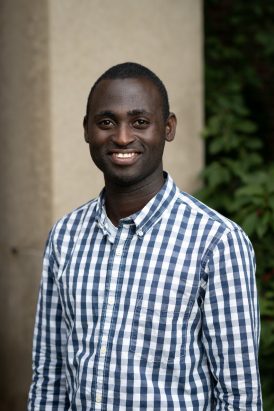
Olawale Akingbade is a Ph.D. candidate in the Department of Linguistics at the University of Michigan. His research focuses on language documentation, phonology, and tone grammar, particularly for understudied and endangered languages in Africa. His work includes dictionary compilation, phonological analysis, and grammar documentation. Recent publications highlight acoustic studies of Yoruba oral poetry and tonological analysis in Ilaje. For contact, reach him at olawale@umich.edu. His office is located in Lorch Hall, Ann Arbor, MI.
University of California, Los AngelesUnited States
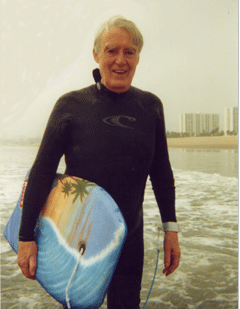
Peter Ladefoged (1925–2006) was a Distinguished Professor of Linguistics at UCLA, specializing in phonetic documentation of endangered languages. He directed the UCLA Phonetics Laboratory and authored foundational texts like A Course in Phonetics and The Sounds of the World’s Languages . His NSF-funded fieldwork spanned Africa, India, and Australia, resulting in dictionaries and grammars for Chadic languages. He expanded the International Phonetic Alphabet and consulted for My Fair Lady . Ladefoged contributed to speech technology, forensic phonetics, and respiratory physiology in speech. He trained 20+ PhD students, including Ian Maddieson, and received honors like the Gold Medal at ICPhS. He died during fieldwork in India in 2006.
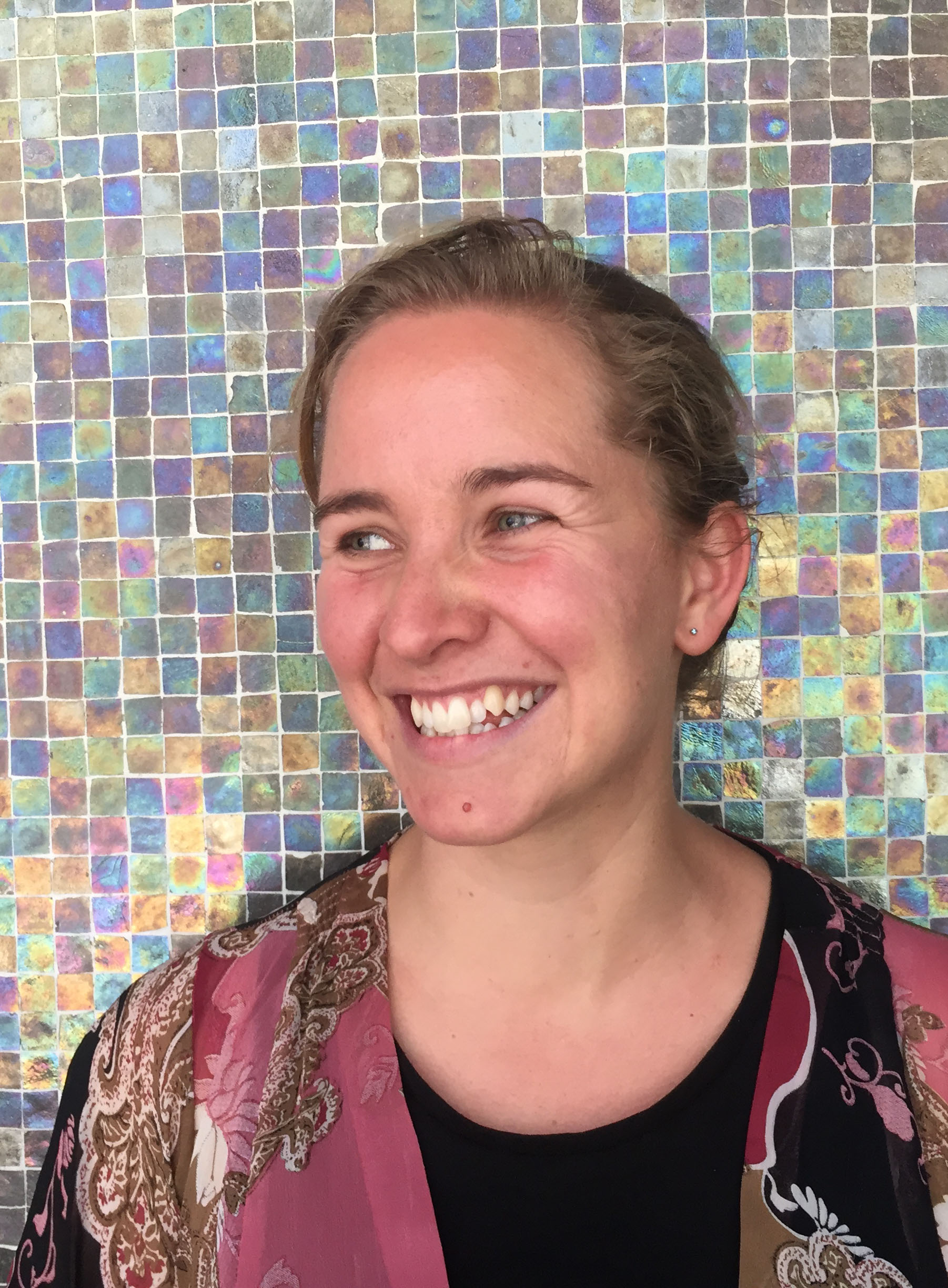
Dr. Yishan Huang is an Honorary Lecturer in the Department of Linguistics at The University of Sydney. She holds a BA from Minnan Normal University (China), an MA from Guangxi Normal University (China), and a PhD from the Australian National University (ANU). Her research focuses on tonal languages in East and Southeast Asia, with a multidimensional approach to tonetics (tonal phonetics), tonology (tonal phonology), and tonotactics (tonal phonotactics). She also investigates morphology, syntax-semantics interfaces, and endangered language documentation. Research Interests Dr. Huang specializes in the phonetic-phonological-morpho-syntactic interfaces of tonal languages. Her work combines acoustic analysis, articulatory data, and theoretical linguistics to explore tonogenesis, tonal phonotactics, and the sociolinguistic dimensions of language endangerment. Recent studies emphasize Zhangzhou Southern Min dialect's tonal systems, phonation types, and morphological processes like infixation and reduplication. Publications Trends Her recent work (2020–2024) reveals a consistent focus on Zhangzhou Southern Min dialect, addressing tonal acoustics, phonotactic constraints, and morphological processes. Methodologically, she integrates computational linguistics with fieldwork, employing multidimensional analyses to decode complex linguistic interactions. Key themes include tonal sandhi, glottal stop evolution, and the documentation of endangered language practices. Awards & Grants 2020 Humanities Travelling Fellowship (Australian Academy of Humanities) 2017 Research Grant (Australian Linguistics Society) 2016 ARC Centre of Excellence for the Dynamics of Language Grant Grants & Affiliations Dr. Huang has secured grants supporting fieldwork in Southeast Asia and collaborative research on tonal systems. She is affiliated with the Sydney Southeast Asia Centre and active in organizations like the International Association of Chinese Linguistics. Her work bridges theoretical linguistics and applied language documentation, with a focus on preserving cultural knowledge embedded in endangered languages. Labs & Teams She collaborates with the Sydney Southeast Asia Centre, contributing to interdisciplinary projects on language and cultural sustainability in Southeast Asia.
Zara Maxwell-Smith is a Lecturer in Indonesian Studies at the School of Humanities and Social Sciences (HASS), UNSW Canberra. She earned her doctorate from the Australian National University (ANU) in 2024, where she also taught from 2013 to 2023. Her professional experience spans multiple universities, schools, and government research roles. Zara holds a Graduate Diploma in Teaching and a Bachelor’s degree (details partially obscured). Her Doctorate: ANU, 2024 Graduate Diploma in Teaching Bachelor’s degree (field unspecified) Zara’s research focuses on leveraging computational methods for Indonesian language education. She explores Natural Language Processing (NLP) in bilingual teaching contexts Corpus linguistics for curriculum design Speech recognition technologies for low-resource languages Cultural representation in language pedagogy Policy implications for language education Her publications emphasize technological innovation in language teaching, including speech recognition systems for YouTube-based lessons, fine-tuned language models, and the OIL corpus. These works highlight trends in Code-switching analysis in Indonesian-English contexts Transfer learning applications for ASR Curriculum development using computational tools Documenting language usage patterns Zara collaborates with institutions like the Centre of Excellence for the Dynamics of Language (CoEDL) and has contributed to initiatives such as the Transcription Acceleration Project (TAP). She has developed open-source language models and educational datasets aimed at improving accessibility for Indonesian learners.
Prof. Dr. Karoline Kühl is a Professor of Danish Linguistics at Europa-Universität Flensburg (EUF), specializing in sociolinguistics, language contact, and heritage languages. Her work focuses on Danish outside Denmark, including in Argentina, North America, the Faroe Islands, and Schleswig-Holstein. She leads major projects like 'Dansk sprog i forandring' and 'Danske Stemmer i USA og Argentina,' documenting diasporic Danish varieties. Her research integrates corpus linguistics and sociolinguistic fieldwork. Education: PhD (2008) in Danish Linguistics from EUF State Exam (2003) in Danish Education Research Interests: Linguistic variation in multilingual communities Language ecology of translocated communities Documentation of endangered Danish dialects Language maintenance strategies in immigrant contexts Projects: 'Danske Stemmer' (2014-2018): Created the Corpus of American Danish with 300+ recordings 'Dansk uden for Danmark' (2012-2014): Analyzed Danish in Schleswig, Faroes, and Americas Grants & Awards: Kurt-Hamer-Promotionsstipendium (2003) Funding from Carlsberg Foundation, A.P. Møller Foundation Labs & Teams: Leads EUF's Danish Linguistics research group, collaborating internationally on heritage language projects.
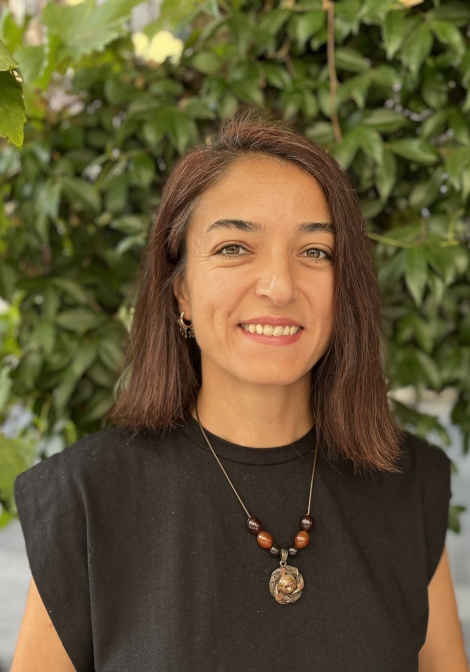
Dr. Neşe Kaya Özkan is an Assistant Professor in the Department of Anthropology at Appalachian State University. Her research focuses on the intersections of language and environmental politics, particularly among Turkey’s Hemshin minority group, who speak an endangered Armenian language. She examines how socio-linguistic and environmental changes shape inequalities and political subjectivities, combining linguistic anthropology with environmental justice frameworks. Education: Ph.D. in Anthropology, University of Arizona (2023) M.A. in Anthropology, Sabancı University (2014) M.A. in Anthropology, Boğaziçi University (2011) B.A. in Anthropology, Boğaziçi University (2008) Research emphasizes language reclamation, environmental justice, and multispecies ethnography, with a regional focus on Turkey and the Middle East. Her work highlights the Hemshin community’s strategies for navigating linguistic and ecological challenges through language ideologies and environmental activism. No scientific awards or articles are explicitly listed in the provided text.
California State University, Los AngelesUnited States
Simona Montanari is a Professor in the Department of Child and Family Studies at California State University, Los Angeles (CSULA), specializing in bilingual and multilingual language development. She holds a Ph.D. in Linguistics from the University of Southern California (USC), focusing on early trilingual development. Her research is funded by the National Institutes of Health (NIH), emphasizing speech perception, vocabulary growth, and narrative skills in Spanish-speaking bilingual/trilingual children in the U.S. Dr. Montanari co-founded an Italian/English dual language program in Los Angeles County in 2009, studying its educational outcomes. She received CSULA’s prestigious Outstanding Professor Award in 2021. Her research highlights include examining heritage language development, parental attitudes toward bilingual education, and the impact of socioeconomic status on language outcomes. Key projects involve analyzing phonetic and phonological differences in bilingual preschoolers and evaluating the role of maternal education in speech development. Montanari’s work bridges theoretical linguistics with practical educational policy, emphasizing the importance of multilingualism in diverse communities. She collaborates internationally, contributing to edited volumes on multilingualism and bilingualism across the lifespan. Research Trends: Her publications consistently address bilingual/multilingual speech development, dual-language program effectiveness, and sociolinguistic factors influencing language acquisition. Recent work explores the impact of community language exposure and maternal cultural orientation on linguistic outcomes. She also investigates narrative development through parent-child interactions and evaluates retention challenges in Hispanic-serving institutions. Awards: 2021 CSULA Outstanding Professor Award Grants: NIH-funded research on bilingual child development Program Impact: Italian/English dual-language program evaluation since 2009 Montanari’s contributions span academia and community advocacy, shaping educational policies to support multilingual learners. Her edited volumes and collaborative research reflect a commitment to interdisciplinary approaches in linguistics and education.
Robert Henderson is a Professor of Linguistics at the University of Arizona, with appointments in Cognitive Science and Second Language Acquisition and Teaching. His research focuses on formal semantics, particularly in indigenous languages of Mesoamerica, including Mayan languages and their sign languages. He leads and collaborates on projects such as documenting village sign languages in Mesoamerica, analyzing morphosemantics of plurality in languages like Hiaki and Seri, and developing NLP tools for Mesoamerican languages through the MesoUD initiative. His work emphasizes documentation, revitalization, and computational modeling of endangered languages. Key research areas include pluractionality, sign language documentation, and the intersection of phonetics/phonology with morphosyntax. He has secured NSF and CNRS grants for projects on Mesoamerican languages, including collaborations with institutions like Indiana University and CNRS. His methodologies integrate fieldwork, computational linguistics, and theoretical frameworks in semantics and syntax. Henderson’s recent publications address topics like incremental plurality in Hualapai, vowel deletion in Uspanteko, and the sociolinguistics of dogwhistle communication. His work bridges theoretical linguistics with applied challenges in language documentation and revitalization, particularly for endangered Indigenous languages.
Manami Sato is a Professor at the Department of English and American Language and Culture within the Faculty of Cultural Studies at Okinawa International University. Her expertise spans psycholinguistics, cognitive linguistics, experimental psychology, field linguistics, and endangered languages. She holds a Ph.D. in Linguistics from the University of Hawaii, USA, an MA from the same institution, and a BA with honors from the University of California, Berkeley, USA. Education: Ph.D. in Linguistics, University of Hawaii (USA) MA in Linguistics, University of Hawaii (USA) BA in Linguistics, University of California, Berkeley (USA) Her research focuses on embodied cognition, cross-linguistic studies of event perception, and experimental methods applied to endangered languages like Truku Seediq. Notable activities include invited lectures at institutions such as National Dong Hwa University (Taiwan), Tohoku University, and Harvard University. She has contributed to over 10 peer-reviewed publications and secured multiple grants including JSPS KAKENHI grants (基盤研究) and an NSF Dissertation Research Grant. Her educational activities emphasize bridging theoretical linguistics with field-based research, particularly in Austronesian and Mayan languages. She has collaborated on projects examining the relationship between language structure, gesture, and cognitive processing in OS languages.
Dr. Marc E. Gillespie is a Professor in the Department of Pharmaceutical Sciences at St. John’s University College of Pharmacy and Health Sciences. His research bridges bioinformatics, biomarker discovery, and immunology, with a focus on chronic toxicant exposure and SNARE protein mechanisms in mast cells. PhD in Oncological Sciences from the University of Utah (1998) BA in Zoology from the University of Vermont Research areas include affordable proteomics , SNARE-mediated exocytosis , and bioinformatics pathway modeling . His lab develops low-cost proteomic tools for biomarker identification in lead and manganese toxicity, while actively contributing to the Reactome project’s curation of human molecular pathways. Recent publications highlight his leadership in computational frameworks for COVID-19 mechanism analysis , viral life cycle curation , and student-faculty research partnerships . His work addresses global health challenges through systematic data integration and educational innovation. Chair, College Assessment Committee Chair, Institutional Biosafety Committee Dr. Gillespie’s lab engages students in crowdsourced discovery and innovative science education , emphasizing accessible research tools and collaborative learning.
Massachusetts Institute of TechnologyUnited States
Norvin Richards is the Dean’s Distinguished Professor of Linguistics at MIT, affiliated with the Department of Linguistics and Philosophy. His research focuses on syntax, endangered languages, and Austronesian languages such as Tagalog and Lardil. He co-teaches courses like 24.900 (Introduction to Linguistics) and actively participates in the MIT Indigenous Language Initiative (MITILI). Key achievements include authoring books like Contiguity Theory (2016) and receiving the Margaret MacVicar Faculty Fellow award. His work explores syntactic derivation, phonology-syntax interactions, and language reclamation projects like the Wôpanâak Language Reclamation Project. Recent research emphasizes contiguity theory, wh-movement, and phase-based extraction constraints. Notable publications address ergative extraction bans, generalized earliness, and syntactic restructuring in endangered languages. Richards collaborates on projects involving Dinka, Maliseet, and Wampanoag, advancing theoretical linguistics while supporting language revitalization efforts. His contributions to syntax theory and language documentation underscore interdisciplinary connections between formal analysis and sociolinguistic imperatives.
Massachusetts Institute of TechnologyUnited States
Cora Lesure is a Postdoctoral Associate in the Department of Linguistics and Philosophy at the Massachusetts Institute of Technology (MIT). Her research focuses on morphology, morphophonology, linguistics in education, and language revitalization. She is affiliated with MIT’s Linguistics and Philosophy program, contributing to theoretical and applied linguistic studies. While no formal educational background or grants are detailed in the provided text, her work emphasizes practical applications of linguistics in educational contexts and efforts to revitalize endangered languages. No awards or lab affiliations are explicitly mentioned, though her role suggests engagement with MIT’s academic and research community.
Gilbert MacMillan is a Senior Lecturer in Celtic and Gaelic at the University of Glasgow, serving as Head of Subject for the Department of Celtic and Gaelic and Creative Placements Officer in the College of Arts. His teaching spans undergraduate and postgraduate courses including Gaelic grammar, translation, literature, and performance, with a focus on revitalizing Gaelic language and culture through education and creative practice. His research centers on Gaelic oral traditions, song transmission in South Uist, and Gaelic dialectology. Notable projects include the Guthan an Iar and Aig an Iasgach studies, exploring maritime folklore and linguistic preservation. He has held grants from the European Oral Song Tradition and ESRC for projects on Gaelic fishing culture and song transmission networks. A accomplished performer and songwriter, MacMillan has presented at festivals worldwide and teaches Gaelic song workshops internationally. His translation work includes classics like Romeo and Juliet and Tintin into Gaelic, contributing to language revitalization efforts. His supervision includes Kathleen Reddy’s MRes and PhD on Gaelic prayer practices and cultural connections in the Western Isles. Teaching responsibilities include convening courses like Gaelic Song in Performance and Translation Studies: Gaelic , alongside contributions to beginner and advanced language courses. His creative output blends academic rigor with cultural practice, maintaining the vitality of Gaelic heritage through multiple media.
Elisabetta RAGAGNIN is an Associate Professor at the Department of Asian and North African Studies at Ca' Foscari University of Venice. She serves as Director's Delegate for the Coordination of the EUTOPIA European Alliance and is a member of the Academic Senate . Her research focuses on Turkic and Mongolic languages, cultural contacts, and endangered language documentation. She holds expertise in comparative linguistics, historical linguistics, and sociolinguistics. Her work includes studies on Turkic and Mongolic language contact phenomena, Marco Polo’s linguistic and cultural references, and documentation of minority languages like Dukhan and Tuhan. She has edited volumes on endangered languages and serves on editorial boards for journals like Journal of Turkic Languages and International Journal of Eurasian Linguistics . Key publications (2021–2025) explore non-verbal predicates in Turkic languages, Marco Polo’s linguistic legacy, and fictional interviews with historical figures like Genghis Khan and Alexander the Great. She is fluent in multiple languages, including Mongolian, Turkish, and Persian, and actively contributes to language documentation initiatives through projects like the Dukhan Documentation . Her research also addresses topics such as throat-singing in Turkic-Mongolic traditions, syntax in Azeri, and the sociolinguistic challenges faced by minority languages in post-Soviet contexts.
Andries W Coetzee is the Judith T. Irvine Collegiate Professor of Linguistics at the University of Michigan, where he also serves as Special Advisor to the Provost and Director of International Partnerships (Literature, Sciences, and the Arts). He holds an additional appointment as an Extraordinary Professor at South Africa’s North-West University. His research bridges phonetics, speech processing, and phonological theory, with a focus on individual differences in perception-production dynamics and the documentation of Southern African languages, particularly Afrikaans. He has advised numerous graduate students, including Michael Marlo, Miyeon Ahn, Xinting Zhang, and Harim Kwon, whose work spans topics like tonogenesis and cross-language speech perception. Coetzee earned his PhD in Linguistics from the University of Massachusetts (2004), following MAs in Linguistics (2002) and Semitic Languages (1996) from UMass and Potchefstroom University, South Africa. His leadership roles include co-directing the 2013 Linguistic Institute, chairing the LSA Program Committee, and editing the journal Language . He was inducted as an LSA Fellow in 2015. Research interests include the interplay between phonetics and phonological theory, with methodological innovations using eye-tracking, ultrasound imaging, and airflow measures. Key projects investigate coarticulation dynamics and sound change mechanisms, alongside documenting endangered Southern African languages. His work often centers on the role of perception-production interfaces in linguistic evolution. Coetzee’s awards include the LSA Fellowship (2015) and sustained contributions to phonological theory through constraint-based frameworks like Optimality Theory. He maintains active collaborations with global institutions, including Tokyo University of Foreign Studies as a Research Associate.