Dr. Aria Fallah, MD, is an Assistant Professor in Neurosurgery at the University of California, Los Angeles (UCLA), with secondary appointments in Health Policy and Management. His research focuses on Evidence-Based Surgery , Clinical Trials , and Meta-Analyses for pediatric epilepsy surgery outcomes, including prognostic tools and comparative effectiveness studies . He actively participates in international collaborations like the CTSI and has published extensively in journals such as Epilepsia , Neurology , and Clinical Neurophysiology . University: University of California, Los Angeles Department: Neurosurgery Email: afallah@mednet.ucla.edu Dr. Fallah’s research integrates machine learning and deep learning to analyze high-frequency oscillations in epilepsy, aiming to refine diagnostic and therapeutic strategies. His recent work includes developing tools like PyHFO for oscillation detection and HOPS calculator for predicting seizure freedom after hemispherectomy. His publications highlight collaborations across institutions in pediatric epilepsy surgery , hemimegalencephaly , and thalamic neuromodulation . While no explicit awards or student advisement are listed, his contributions span clinical trials , neuroimmunology , and global neurosurgery initiatives , including work in Haiti.
Dr. Anil Kumar is an Assistant Professor in the Department of Biochemistry, Microbiology & Immunology at the University of Saskatchewan's College of Medicine. He specializes in molecular virology, focusing on positive-stranded RNA viruses and their interactions with host immune systems. His research employs high-throughput genetic screens and reverse genetics systems to identify host factors critical for viral infection. Education includes a BSc in Agricultural Sciences (1999, Kerala Agricultural University), MSc in Plant Pathology (2001, Indian Agricultural Research Institute), and PhD in Molecular Virology (2010, University of Heidelberg). Postdoctoral training included stints at the University of Heidelberg (2010–2013) and the University of Alberta (2014–2020). Research interests center on Eastern Equine Encephalitis virus (EEEV) and Enterovirus D68 (EV-D68). For EEEV, his lab investigates immune evasion mechanisms and host-virus protein interactions to identify therapeutic targets. For EV-D68, they study CNS invasion mechanisms and novel host dependency factors linked to acute flaccid myelitis (AFM). Recent work includes studies on SARS-CoV-2, uncovering roles for host proteins like Argonaute 2 in viral restriction. His lab integrates molecular biology, virology, and systems biology approaches, with a focus on translational research for antiviral drug development. Collaborations include work on respiratory syncytial virus (RSV) entry mechanisms and dengue virus replication regulation.
Debra Moore-Hill is an Associate Professor in the Department of Neurology at the Medical College of Georgia, Augusta University. She serves as Section Chief of Epilepsy and Vice Chair for Neurology Education, playing a pivotal role in clinical leadership and medical education. Her work spans epilepsy care, neurophysiology, and resident training. MPH in Public Health, Augusta University, 2017 MD, Medical College of Georgia, 2007 Her research and clinical interests focus on ICU EEG monitoring, epilepsy in women of childbearing age, and epilepsy in neuro-oncology patients. She is deeply committed to curriculum development and resident education, with a strong emphasis on clinical neurophysiology and the management of intractable epilepsy. Her work also addresses health disparities in epilepsy clinical trials and innovative treatments for autoimmune encephalitis. Recent publications highlight her expertise in spreading depolarization in stroke models, NORSE treatment with VNS, and disparities in epilepsy research. Her work bridges translational neuroscience, clinical innovation, and educational excellence. Clinical Science Teaching Distinguished Faculty Award, 2024 Alpha Omega Alpha Honor Society, 2022 Exemplary Teaching Award (2022, 2018) Top percentile scorer on national residency examination, 2011 Dr. Moore-Hill is actively involved in graduate medical education, serving as Chair of the GME Cardiology Special Review Committee and member of multiple GME and institutional quality committees. She mentors students through SEEP and has led public health initiatives, including CPR training and Women in STEM outreach. Her service extends to national organizations like the American Academy of Neurology and the American Clinical Neurophysiological Society. She contributes to resident education through courses such as Neurology Clerkships, Consult Clinics, and the Osler Apprenticeship. Her leadership in the Department of Neurology Quality/OPPE and GME Housestaff in Difficulty Consult Team underscores her commitment to educational and clinical excellence.
Olivier Lortholary is Professor of Medicine at Paris Descartes University and holds multiple significant positions in the field of medical mycology and infectious diseases. He serves as Deputy Director of the French National Reference Center for Invasive Mycoses and Antifungals, and is Head of the Necker-Pasteur Center for Infectious Diseases and Tropical Medicine at Necker Hospital in Paris. His work is closely associated with the Institut Pasteur in Paris, France, where he is actively involved in research and teaching initiatives. Dr. Lortholary's educational background includes an M.D. from the Paris 6 School of Medicine and a Ph.D. from Paris 7 University. His extensive academic career has positioned him as a leading expert in medical mycology, with particular focus on fungal infections in immunocompromised patients. His research primarily centers on translational aspects of medical mycology, with special emphasis on Cryptococcus neoformans and cryptococcal meningitis, which represents the leading opportunistic fungal infection in advanced HIV-infected patients. He also investigates new immune deficiencies that predispose individuals to invasive fungal infections, develops diagnostic and therapeutic innovations for these conditions, and conducts clinical and microbiological studies of central nervous system infections and emerging infectious diseases. Dr. Lortholary has made substantial contributions to the field, with over 590 published papers, including more than 12 invited contributions to prestigious journals such as Clinical Infectious Diseases and Lancet Infectious Diseases. His research spans epidemiology of fungal infections, antifungal susceptibility testing, and clinical management approaches across various patient populations. He plays a significant role in shaping clinical guidelines as a member of various international expert panels, including the Infectious Diseases Society of America (for cryptococcosis management), the American Society of Transplantation (for donor-derived fungal infections), and ESCMID (for Candida and other fungal infections). Additionally, he serves as the French representative on the EUCAST Antifungal Susceptibility Testing Committee. As an educator, Dr. Lortholary co-directs the Medical Mycology course at the Pasteur Institute and has developed a MOOC (Massive Open Online Course) on Medical Mycology available through FUN-MOOC, reaching a global audience of healthcare professionals and researchers.
Susan Butler-Wu, PhD, D(ABMM), SM (ASCP) serves as the Director of Medical Microbiology at LAC+USC Medical Center and holds the position of Clinical Associate Professor of Clinical Pathology at the Keck School of Medicine of the University of Southern California. She received her PhD in Molecular Microbiology from Tufts University and completed postdoctoral fellowships in Tuberculosis Pathogenesis at New York University and Medical and Public Health Microbiology at the University of Washington. Prior to her current role, she was the Associate Director of Clinical Microbiology at the University of Washington Medical Center. Research Focus: Rapid diagnostics for infectious diseases, antimicrobial resistance detection, and diagnostic stewardship. Professional Roles: Member of the editorial board of the Journal of Clinical Microbiology; serves on working groups for the Clinical Laboratory Standards Institute (CLSI) and the American Society for Microbiology (ASM). Key Contributions: Extensive publications on MALDI-TOF mass spectrometry, SARS-CoV-2 diagnostics, and antimicrobial resistance trends.
Dr. Arpan Mehta is an Independent Investigator at the MRC Protein Phosphorylation and Ubiquitylation Unit, specializing in neurodegenerative diseases with a focus on Amyotrophic Lateral Sclerosis (ALS) and frontotemporal dementia. He was awarded the 51st Sir John Halliday Croom Medal and Lectureship by the Royal College of Physicians of Edinburgh for his groundbreaking research on ALS mechanisms. His work explores the role of kinases and genetic mutations (e.g., C9ORF72) in neurodegeneration, alongside mitochondrial dysfunction and clinical trial methodologies. Research interests include molecular mechanisms underlying ALS, neuroimmunology, and improving clinical trial designs for neurodegenerative diseases. Dr. Mehta advocates for rigorous research standards, addressing reproducibility challenges, and optimizing therapeutic approaches. His recent studies investigate mitochondrial bioenergetic deficits in ALS motor neurons and the impact of cerebrospinal fluid (CSF) toxicity. Awards: Sir John Halliday Croom Medal and Lectureship (2025) His publications span clinical neurology, neurodegenerative disease mechanisms, and ethical aspects of medical practice. Dr. Mehta emphasizes interdisciplinary collaboration to advance understanding of ALS pathogenesis and translational therapies.
Samantha A. Latorre, MD is an Assistant Professor at the University of Maryland School of Medicine , where she works in the Consultation-Liaison Psychiatry division . She also serves as the Associate Program Director for the Consultation-Liaison Psychiatry Fellowship. Her clinical and research focus spans reproductive psychiatry , collaborative care , and women's mental health , with additional expertise in HIV-related mental health. Undergraduate: University of Dayton (Pre-Medicine, Psychology) Medical School: Wright State University Boonshoft School of Medicine (2014) Residency: Adult Psychiatry at University Hospitals Cleveland Medical Center (Case Western, 2018) Fellowships: Public and Community Psychiatry, Women’s Mental Health (2018); Consultation-Liaison Psychiatry (2019) Dr. Latorre’s research emphasizes reproductive psychiatry , particularly perinatal mental health and post-miscarriage depression. She actively contributes to collaborative care models in clinical settings, including HIV clinics, and focuses on multidisciplinary approaches to psychiatric symptoms in complex cases. Her publications and presentations highlight expertise in reproductive psychiatry , collaborative care , and educational initiatives for psychiatry residents. Article topics include anti-NMDAR encephalitis, postpartum psychiatric disorders, geriatric mental health, and documentation practices. Scientific Awards : 2018 Trainee Travel Award (ACLP) 2017 Teaching Award for Women’s Mental Health Day 2017 Best Oral Presentation (Cleveland Consultation Liaison Society) 2017 Scholarship in Teaching Award for resident-led education Dr. Latorre received a $10,000 GME Grant (2015-16) for Women’s Mental Health Day. She teaches medical students and psychiatry/non-psychiatry trainees, emphasizing interdisciplinary education and practical skill development.
Professor Rosalyn Moran is a Professor of Computational Neuroscience and Deputy Director of King's Institute for Artificial Intelligence at King's College London. She holds roles in the Department of Neuroimaging and School of Neuroscience within the Institute of Psychiatry, Psychology & Neuroscience. Her research focuses on computational neuroscience, computational psychiatry, and neurology, particularly integrating brain connectivity with algorithmic principles like the free energy principle. She explores neurotransmitter roles in decision-making and disease modeling, with applications in artificial intelligence and neurodegenerative disorders. Moran serves as an editor for Neuroimage and collaborates with leading institutions. Key projects include global neuroimaging initiatives (UNITY) and low-field MRI advancements in low-resource settings. Her work bridges Bayesian inference, AI, and neurobiology, with recent emphasis on pediatric neuroimaging and treatment-resistant psychosis. Education & Research Interests Rosalyn Moran's research spans computational psychiatry, neuroimaging techniques, and AI applications in healthcare. Her lab investigates serotonin and dopamine signaling, brain connectivity patterns, and predictive coding frameworks. Notable contributions include modeling NMDA receptor dysfunction in encephalitis and developing super-resolution MRI methods for global health contexts. Grants & Collaborations Funded projects include MRC Human Functional Genomics (2024-2028), NIHR Maudsley BRC (2022-2027), and Gates Foundation initiatives for low-field MRI enhancement. Collaborators include Karl Friston (UCL), Read Montague (Virginia Tech), and Klaas Enno Stephan (University of Zurich). Recent events include presenting the Free Energy Principle's role in generative AI (May 2023). Labs & Teams Her lab focuses on computational psychiatry and AI-driven neuroimaging solutions, collaborating with the King’s Global Health Institute to advance medical imaging accessibility in low-income regions.
Dr. Kiran T. Thakur serves as the Herbert Irving Associate Professor of Neurology at Columbia University Irving Medical Center and practices as an inpatient neurologist at NewYork-Presbyterian/CUIMC. Her clinical expertise spans neuroinfectious diseases, neuroimmunology, emergency neurology, and global health, with active clinical and research engagements across eight countries in Africa, Southeast Asia, and the Caribbean. She holds leadership roles including Neurology Clerkship Director at Perdana University Graduate School of Medicine (Malaysia) and serves as a neurology consultant for the World Health Organization. Her educational background includes an MD from Tufts University School of Medicine (2008), internship at Johns Hopkins Hospital's Osler Medical Service, neurology residency at Harvard's Brigham & Women's Hospital (where she served as chief resident), and fellowship in neuroinfectious disease/neuroimmunology at Johns Hopkins Hospital. She is additionally pursuing a Master of Science in clinical trials at the London School of Tropical Medicine and Hygiene. Dr. Thakur's research program focuses on improving detection and management of neuroinfectious diseases in hospital settings, with particular emphasis on vulnerable populations including HIV-positive individuals and immigrants. Her work integrates clinical, translational, and implementation science approaches to address cerebral malaria, tuberculous meningitis, Zika-related complications, and SARS-CoV-2 neurological outcomes. Current projects investigate novel diagnostics for infectious meningoencephalitis, risk factors for neuroinvasive infections, and therapeutic strategies for viral encephalitis. Analysis of her 15 most recent publications reveals consistent focus on neuroinfectious disease epidemiology (particularly in resource-limited settings), diagnostic challenges in immunocompromised patients, and global health implementation strategies. Her work prominently features Zika virus complications, tuberculous meningitis management, and CNS infections in travelers, reflecting her dual expertise in tropical medicine and neuroimmunology. Scientific recognition includes: Lewis P. Rowland Teaching Award (Columbia University, 2016) CDC Nakona Citation Award (2014) Dr. Thakur directs the NIH NINDS K23-funded study on pathogen identification in neurological infections (2018-2023) and leads Columbia's post-doctoral neuroinfectious disease fellowship for physician-scientists from low/middle-income countries. Her research program receives support from the NIH, World Federation of Neurology, and American Academy of Neurology, with implementation studies conducted in collaboration with WHO, PAHO, and CDC. The Thakur Laboratory at Columbia's Neurological Institute coordinates international research networks across Malawi, Vietnam, Bangladesh, Uganda, and the Dominican Republic. Her team conducts clinical trials on antimicrobial dosing, develops diagnostic algorithms for resource-limited settings, and implements training programs to build neuroinfectious disease capacity in underserved regions, with current emphasis on SARS-CoV-2 neurological sequelae and tropical disease management.
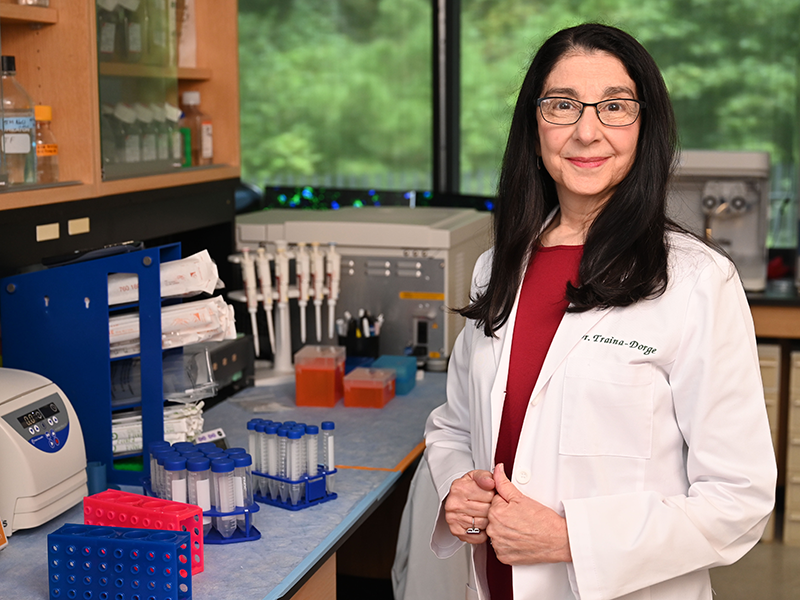
Dr. Vicki L. Traina-Dorge is a Professor of Microbiology and Immunology at Tulane University School of Medicine and a molecular virologist at the Tulane National Primate Research Center. Her research focuses on viral pathogenesis, vaccine efficacy, and nonhuman primate models for infections like SVV, SIV, RSV, and alphaviruses. She leads NIH-funded vaccine trials targeting HIV and studies reactivation of latent viruses linked to diseases like shingles, stroke, and Alzheimer's. Education: BS in Biology and Medical Technology, Jacksonville State University M.T. (ASCP), Medical Technology, Caraway Methodist Medical Center PhD in Microbiology and Immunology, Tulane University Medical Center Research Interests: Her work spans viral mechanisms, vaccine development, and latent viral reactivation. Key areas include: Simian varicella virus (SVV) latency and zoster models Preclinical HIV vaccine trials using rSVV-SIV vectors Alphavirus (EEE/WEE/VEE) VLP vaccine efficacy Mucosal immunity in SIV/RSV challenges Grants & Labs: PI of NIH RO1 and SVEU Contract awards. Active in the Tulane National Primate Research Center, collaborating on vaccine trials and pathogenesis studies.
Jennifer Golden is an Associate Professor in the Department of Pharmaceutical Sciences at the School of Pharmacy , University of Wisconsin-Madison . Her research focuses on synthetic medicinal chemistry to develop novel antiviral and anti-parasitic agents for diseases like alphavirus infections and kinetoplastid parasites. The Golden Lab emphasizes chemical methodology development and structure-activity relationship analysis through collaborations assessing compound efficacy in cell and animal models . Research Projects Quinazolinone Rearrangement: Developing synthetic transformations for amidine formation and ring-fused scaffolds. Anti-Alphaviral Agents: Creating FDA-approved therapeutic candidates for mosquito-borne RNA viruses. Broad-Spectrum Antiparasitics: Optimizing compounds for malaria, African sleeping sickness, and leishmaniasis. Publications highlight her work on ML336 (anti-VEEV), quinazolinone derivatives , and collaborations with experts in high-throughput screening and structural biology . Her lab trains students in hit-to-lead optimization , regioselective synthesis , and medicinal chemistry tactics . Education: B.S. (1996) – Eastern Illinois University Ph.D. (2002) – University of Kansas Postdoctoral Research (2004) – Stanford University
Professor Ruth Zadoks is a faculty member at the Sydney School of Veterinary Science, University of Sydney. She holds academic positions in the Sydney Institute of Agriculture and Sydney Southeast Asia Centre, and is involved with the Sydney Infectious Diseases Institute. Her research focuses on antimicrobial resistance, zoonotic diseases, bovine health, and One Health principles. Notable projects include investigations into Japanese encephalitis transmission dynamics, antibiotic use in East African livestock, and molecular epidemiology of Group B Streptococcus. Recent grants include studies on microbial spillover in aquaculture and precision feeding in broiler chickens. Her work integrates veterinary and public health perspectives, addressing issues like anthrax impacts in rural Africa, tilapia-borne zoonoses, and diagnostic innovations for bovine mastitis. Over 118 peer-reviewed publications highlight her contributions to aquatic pathogen genomics, food safety, and livestock disease ecology. Recent grants (2024): - Revealing microbial spillover drivers in aquaculture (SSEAC Incubator) - Sustainable Precision Feeding in Broiler Chickens (AgriFutures) - ASEAN Antimicrobial Resistance Network (DFAT-funded) Labs/Teams: Affiliated with Sydney Infectious Diseases Institute and collaborates across interdisciplinary One Health networks.
Masoud Majed is an Assistant Professor of Clinical Neurology at the University of Southern California , with expertise in neuroimmunology and autoimmune neurological disorders. His clinical and research focus centers on neuromyelitis optica spectrum disorder, multiple sclerosis, and the diagnostic utility of cerebrospinal fluid biomarkers. Email: mmajed@usc.edu Research Interests Majed's work explores: Neuroimmunological mechanisms in demyelinating diseases Role of MOG and AQP4 antibodies in diagnosis and prognosis Complement-mediated pathologies in neuroimmunological conditions Paraneoplastic syndromes linking cancer and neurological autoimmunity Global epidemiology of neuroinflammatory disorders Publication Trends His research output demonstrates a consistent focus on neuroimmunology since 2016, with increasing emphasis on: Cell-based assays for antibody detection Predictive modeling of disease progression Polypill interventions in cardiovascular comorbidities Interplay between autoimmune disorders and oncological conditions Standardization of neuroimmunological diagnostic criteria CSF biomarker validation across diverse populations
Manoj Upadhya is a Postdoctoral Research Associate at the Aston School of Life and Health Sciences, Aston University (UK). His research focuses on epilepsy, neuropharmacology, and neurodegenerative diseases, with expertise in rodent models, electrophysiology, and molecular biology. He holds a PhD from RTM Nagpur University (India) and has held roles including Assistant Professor in Pharmacology and Research positions at IISER Pune and Sun Pharma. Education : PhD (Role of CART peptide in Neurodegeneration), RTM Nagpur University, 2009–2013 Research Interests : Translational epilepsy research, autoimmune encephalitis, pain mechanisms, and neurodegenerative diseases using rodent models. Techniques include behavioral paradigms, electrophysiology, and confocal imaging. Key contributions include identifying therapeutic targets for Parkinson's, Alzheimer's, and Huntington's diseases. Articles Trends : Recent work emphasizes autoimmune epilepsy mechanisms, neuroprotective therapies (e.g., AP39), and pain modulation via TRP channels. Studies utilize rodent models, monoclonal antibodies, and neurosteroid interventions. Awards : Best Publication in Peer-Reviewed Journal Category (2016) Executive Master of Business Administration (EMBA) (2015) Best Poster Award (2013) Grants & Advising : Accepting PhD students for projects like 'Brain on fire – investigating microglia in epilepsy.' Active in drug discovery collaborations, including patents for Parkinson's therapies. Labs/Teams : Maintains research collaborations with institutions like IISER Pune and the Encephalitis Society (UK). Active in professional bodies such as the Society for Neuroscience.
Hans-Gustaf Ljunggren is Professor and Senior Physician at the Department of Medicine, Huddinge, Karolinska Institutet (KI) in Sweden, where he has served since 2001. In parallel he founded and directs the Center for Infectious Medicine (CIM) . He is additionally a part-time visiting professor at Nova Southeastern University, USA (2017-2019), and an elected member of the Academia Europaea (2023). Education & Training: MD and PhD, Karolinska Institutet, 1982-1992 Post-doctoral fellowship, Center for Cancer Research, MIT, Boston, USA, 1992-1994 Research Focus His group investigates human immune responses in cancer and infectious diseases , with emphasis on natural-killer (NK) cell biology, innate and adaptive immunity, and immunotherapeutic applications. Major themes include: NK-cell reactivity against tumors and NK-cell–based cancer immunotherapy Immunity to flaviviruses (TBEV, JEV, YFV) and SARS-CoV-2 Vaccine immunogenicity in healthy and immunocompromised populations Genetic and functional studies of cytotoxic lymphocyte defects Scientific Awards & Honors Cancer Research Institute Post-Graduate Fellowship, New York (1990) J William Fulbright Foreign Scholarship Award (1992) Distinguished Professor Recognition, Karolinska Institutet (2010) Tobias Foundation Prize, Royal Swedish Academy of Sciences (2011) Medal for Zealous and Devoted Service to the Swedish Government (2020) Leadership & Service Prof. Ljunggren has held numerous leadership roles at KI, including member of the Nobel Assembly, Dean of Research (2013-2016), and currently Director of the NextGenNK Competence Center founded by Sweden’s Innovation Agency. He has served on editorial boards, national grant panels, and as scientific secretary of the Swedish Cancer Society.