Yana Reshetnyak is a Professor of Physics at the University of Rhode Island, where she leads research in biological physics with applications to medical imaging and cancer therapy. She directs a laboratory focused on pH-sensitive peptide technologies (pHLIP) for targeted drug delivery and diagnostic imaging. Her research encompasses: Development of pH-sensitive molecular probes for cancer detection Targeted delivery systems for therapeutic agents Tumor microenvironment characterization Novel approaches to fluorescence-guided surgery Recent work demonstrates strong emphasis on translational applications of pHLIP technology, including radiolabeled imaging agents, liposomal formulations, and combination immunotherapies. Her patents and publications show consistent innovation in cancer detection and treatment strategies. Awards and Recognition: Multiple URI Outstanding Inventor awards (2010-2022) Intellectual Property Awards for pHLIP technology development International recognition for fluorescence research
Bipro Dubey is Lecturer in Food and Chemical Engineering at Sheffield Hallam University's Department of Engineering and Mathematics. His research focuses on sustainable food processing technologies, particularly ultrasound-assisted extraction of plant proteins and functional food design. Education includes Ph.D. in Process Engineering from ETH Zurich and MEng in Chemical Engineering from TU Dortmund. Research affiliations include the National Centre of Excellence for Food Engineering (NCEFE) and Hallam Energy, with expertise spanning colloids, multiphase flow, food structuring, and encapsulation. Current investigations optimize ultrasound extraction of faba bean proteins, analyzing structural/functional properties for food applications. Work emphasizes sustainable processing, waste valorization, and alternative protein development. Recent studies characterize gelation behavior, thermal stability, and emulsification properties of novel plant proteins. Publications (2019-2025) predominantly address plant protein extraction (60%), emulsion technology (20%), sustainable processing (15%), and fluid dynamics (5%). Key advances include response surface methodology for process optimization and submicron particle design for functional foods. Laboratory activities develop non-thermal processing techniques to enhance nutritional and techno-functional properties of plant-based ingredients. No student advising or major awards documented.
Filipa Lourosa Sousa is a Junior Researcher at the University of Aveiro's Department of Chemistry and CICECO - Aveiro Institute of Materials. She holds a PhD in Polyoxometalate Chemistry from the University of Aveiro (2010) and has conducted postdoctoral research in magnetic and optically active microcapsules. Her research focuses on microencapsulation, polyoxometalate-based materials, and their applications in biomedicine and advanced materials. Education: BSc in Chemistry (2000), University of Aveiro MSc in Materials Science and Engineering (2003), University of Aveiro PhD in Chemistry (2010), University of Aveiro under Prof. Dr. Achim Müller Research Interests: Development of smart microcapsules for drug delivery and thermal therapies Metal-oxide clusters and magnetic dry fluids Functional hybrid materials for biomedical applications Publications: Filipa has authored 27 journal articles, 1 book chapter, and 2 theses, with an h-index of 11. Her work spans advanced drug screening in 3D tumor models, pH/NIR-responsive hydrogels, and polyoxometalate composites for cancer therapy. Awards: None explicitly mentioned, but her contributions to nanomedicine and materials science are recognized through her publication record and collaborative projects. Advising & Grants: Supervised 5 MSc/PhD students and participated in European and industry-funded projects like O2CELLS (HORIZON) and PlatILPlus (FCT). Active collaborator with institutions such as New York University and University of Tokyo. Labs/Teams: Principal investigator in CICECO's nanomedicine and materials chemistry groups, contributing to interdisciplinary research in biomaterials and drug delivery.
Maria Paula Seabra is an Assistant Professor in the Department of Materials and Ceramic Engineering at the University of Aveiro (UA) and a researcher at CICECO – Aveiro Institute of Materials. Her academic journey includes a BSc (1988), MSc (1992) in Ceramics and Materials Engineering from UA, followed by industrial R&D roles at Vitricer/Fritta and Revigrés. She completed a PhD (2000) and postdoctoral research in microwave materials and rehabilitation mortars before joining CICECO in 2008 and becoming an Assistant Professor in 2021. Education: BSc in Ceramics and Glass Engineering (1988), University of Aveiro MSc in Materials and Science Engineering (1992), University of Aveiro PhD in Dielectric Materials for Microwave Applications (2000), University of Aveiro Research Focus: Her work centers on sustainable materials innovation, including inorganic pigment development from industrial waste, photocatalytic TiO₂ coatings for air/water purification, eco-mortars, and circular economy strategies. Key themes include recycling hazardous byproducts, functional ceramic tile design, and biomass-derived geopolymer applications. Recent Trends in Publications: Recent work emphasizes waste valorization (biomass fly ash, red mud, eggshell), photocatalytic material design for environmental remediation, and low-carbon construction materials. Over 138 journal articles reflect a multidisciplinary approach spanning materials science, environmental engineering, and biomedical applications. Awards and Recognition: Project EGGSHELLENCE won the Go!ODS Awards ECOGRES 4.0 finalist in the RegioStars 2024 competition Supervision and Collaboration: Current PhD students include Inês Vieira and Rayyan Bou Karroum. She supervises over 20 MSc/PhD theses on topics like antimicrobial ceramics, anaerobic digestion pH regulation, and geopolymer foams. Key collaborators include João Labrincha, Robert Pullar, and international teams from Italy, Brazil, and the UK. Labs and Projects: Lead researcher in ECOCERAMICA (3) – a national ceramics industry sustainability pact Develops EcoCerâmica products with industry partners like KERATEC and Revigrés Participates in EU-funded initiatives on bio-refinery and waste upcycling
Sofia M. Bruno is an Assistant Researcher at CICECO – Aveiro Institute of Materials, associated with the University of Aveiro's Department of Chemistry since 2019. She holds a PhD in Chemistry from the University of Aveiro (2009) and a BSc in Chemistry from the Faculty of Sciences of the University of Lisbon (2004), with a 9-month stay at the University of Bourgogne. Her research focuses on organometallic complexes, catalysis, and materials science, particularly in heterogeneous and homogeneous catalytic systems for epoxidation, alcoholysis, and biomass valorization. Key areas include molybdenum-based catalysts, layered materials, and supramolecular systems. Her work spans over 40 publications, emphasizing advancements in catalyst design, green chemistry, and material characterization. She has supervised multiple MSc students and contributed to projects involving Egyptian Blue pigment studies and sustainable catalytic processes. Her expertise also extends to photoluminescent materials and cytotoxic studies linked to cyclodextrin encapsulation. Teaching roles include courses in chemistry fundamentals and project supervision at the undergraduate and graduate levels. She is actively involved in CICECO, contributing to interdisciplinary research in porous materials and nanosystems.
Michael Qian is a Professor in the Department of Food Science & Technology at Oregon State University's College of Agricultural Sciences. He is also a core member of the Oregon Wine Research Institute and has extensive professional affiliations including the Executive Committee of the Agricultural and Food Chemistry Division of the American Chemical Society, the Institute of Food Technologists, American Dairy Scientist Association, and American Society of Enology and Viticulture. Dr. Qian received his B.S. in Chemistry from Wuhan University (1982), M.S. in Food Science from the University of Illinois at Urbana-Champaign (1989), and Ph.D. in Food Science from the University of Minnesota (2000). His research focuses on flavor chemistry and technology, with particular emphasis on wine and grape flavor chemistry to identify and quantify flavor compounds important to wine quality and understand how they change the chemical composition of fruit after winemaking and during aging. His laboratory research is centered on aroma and flavor compound identification and characterization, flavor compounds chemical and biochemical generation, and flavor retention and deterioration during processing and storage. Current projects involve flavor chemistry of small fruits, grape and wine, beer, hop, and dairy products. He specializes in solventless sample preparation techniques such as solid phase micro-extraction, solid phase dynamic extraction, stir bar sorptive extraction and instrumental analysis with GC, fast GC, HPLC, GC-MS, GC-MS/olfactometry, and multi-dimensional GC/GC-MS analysis. Dr. Qian's publication record demonstrates consistent expertise in food flavor chemistry, particularly in wine, beer, and distilled spirits analysis. His recent work shows increasing focus on advanced analytical techniques for detecting smoke exposure in wine, volatile phenol analysis, and comprehensive two-dimensional gas chromatography for flavor profiling across diverse food and beverage matrices. FEMA Excellence in Flavor Science, Flavor and Extract Manufacturers Association of the U.S. (FEMA). (October 24, 2022) Distinguished Lipid and Flavor Science Award in honor of Stephen S. Chang, The Institute of Food Technologists (IFT). (July 10, 2022) 2020-21 James and Mildred Oldfield/E.R. Jackman Team Award, College of Agricultural Sciences. (2021) Industry Partner Award, Oregon Wine Board. (February 22, 2021) Stay at Home Hero Award, Oregon State University College of Agricultural Sciences. (October 2020) Fellow, American Chemical Society (ACS). (August 2019) Distinguished Service Award, American Chemical Society-Agricultural Food Chemistry Division. (2018) Fellow, American Chemical Society – Agricultural & Food Chemistry Division. (August 2014) Honorary State FFA Degree Recipient, Oregon FFA Association. (2010) Emerging Scholar Award, The Honor Society of PHI KAPPA PHI. (2006) Dr. Qian has served as past chair of the Agricultural and Food Chemistry Division of the American Chemical Society and is an elected fellow of this division. His research has been supported by various funding sources related to food science, viticulture, and enology, with numerous publications spanning food chemistry, analytical techniques, and flavor science. As a core member of the Oregon Wine Research Institute, Dr. Qian contributes to collaborative research efforts focused on advancing the science of wine production and quality. His laboratory serves as a hub for flavor chemistry research with state-of-the-art analytical instrumentation for comprehensive flavor analysis across multiple food and beverage systems.
Kattesh V. Katti is Curators' Professor of Physics and Radiology at the University of Missouri , where he directs the Institute of Green Nanotechnology and the Cancer Nanotechnology Platform. His work bridges physics, chemistry, and medicine through green nanotechnology , focusing on biocompatible gold and silver nanoparticles functionalized with phytochemicals for tumor-specific diagnosis and therapy. PhD: Indian Institute of Science, Bangalore Current roles: Curators’ Professor, Director of two research institutes His research in nanomedicine pioneers Nano Ayurvedic Medicine by merging traditional Indian herbal compounds with modern nanotechnology. Key areas include cancer targeting , antiviral silver nanomaterials , and whole-body therapeutics for diseases like COVID-19 and Parkinson’s . He has commercialized gold nanoparticle-based cancer therapies through clinical trials. Dr. Katti's publications highlight gold and silver nanoparticles for prostate, breast, and pancreatic cancers , antifungal agents , and green synthesis methods using cinnamon, tea leaves, and Ginkgo biloba . His team explores radioactive isotopes (e.g., Gold-198) and photothermal therapy in animal models . Scientific recognition includes: Fellow of the American Association for the Advancement of Science (AAAS) Fellow of the National Academy of Inventors (NAI) Fellow of the Royal Society of Chemistry (FRSC) Alexander von Humboldt Fellowship (1985) Nobel-endorsed title: 'Father of Green Nanotechnology' Katti's work spans interdisciplinary collaborations with oncologists, veterinarians, and international researchers, aiming for clinical translation of nanotechnology into human and veterinary medicine .
Kristopher Davis is an Assistant Professor of Materials Science & Engineering at the University of Central Florida (UCF), affiliated with CREOL, The College of Optics and Photonics. His research focuses on advancing photovoltaic technology, with emphasis on solar cell efficiency, nanophotonics, and materials science. He leads the Nanophotonics Device Group, investigating energy systems resilience and environmental impacts on photovoltaic modules. His work integrates experimental materials characterization with data science, addressing challenges in solar cell durability, defect analysis, and community-based energy solutions. Notable contributions include studies on UV fluorescence imaging for module metrology, laser-sintered metallization techniques, and transdisciplinary approaches to clean energy equity. He collaborates on projects involving machine learning for defect detection and technoeconomic analysis of photovoltaic systems in vulnerable communities. Dr. Davis’ expertise spans silicon heterojunction architectures, contact corrosion mechanisms, and photon management strategies. His research addresses both fundamental material science and applied engineering challenges, aiming to improve solar energy accessibility and grid resilience.
Dr. Ananth Pannala is the Subject Lead for Pharmacy and Principal Lecturer at the University of Brighton's School of Applied Sciences. He leads the Biomaterials and Drug Delivery Research and Enterprise Group, focusing on novel drug delivery technologies and antioxidant therapies. He holds a PhD from King’s College London (1997) and an MPharm from Manipal Academy of Higher Education (1993). His research emphasizes targeted drug delivery systems, pulmonary drug delivery, and the therapeutic role of natural antioxidants in kidney injury. He has supervised six PhD students and collaborated with global pharmaceutical companies. Research Interests: Development of drug delivery nanoparticles/microparticles Antioxidant therapies for renal health PLA-based formulations Oral and pulmonary drug delivery systems Awards: Fellow of the Royal Society of Chemistry (FRSC) Senior Fellow of the Academy of Higher Education (SFHEA) Advising & Grants: Supervised 6 PhD students in drug delivery innovation. Secured grants including a British Council Newton International Links grant for technology transfer and collaborations with CooperVision for contact lens drug delivery. Labs & Teams: Leads the Biomaterials and Drug Delivery Group and collaborates with the Centre of Research Excellence for Precision Health. Active in industry partnerships for translational research.
Pieter Cullis is a Professor at the University of British Columbia's Department of Biochemistry and Molecular Biology, Faculty of Medicine. He directs the Nanomedicine Research Group from the Life Sciences Centre office 5451. His research focuses on membrane structure/function relationships and therapeutic applications of lipid nanoparticles (LN). Key areas include: LN delivery systems for siRNA and genetic drugs Immunostimulatory drug delivery for cancer therapy Chemotherapeutic encapsulation for tumor-targeted delivery His work has led to clinical-stage liposomal formulations including a doxorubicin treatment currently in advanced trials. Publications demonstrate consistent focus on lipid nanoparticle evolution, with recent advancements in mRNA transfection potency and in vivo CAR T cell engineering. Research trends show progression from fundamental lipid design to clinical translation of nucleic acid therapeutics.
Dr. Yoonjee Park is an Associate Professor in the Department of Chemical & Environmental Engineering at the University of Cincinnati, with secondary appointments in Biomedical Engineering, Ophthalmology, and Materials Science and Engineering. She earned her PhD in Chemical Engineering from Purdue University (2010), following a Master's degree from the same institution (2009), and a Bachelor's degree in Chemical & Biological Engineering from Seoul National University, Korea (2006). Her research focuses on advanced drug delivery systems , particularly light-activated drug release mechanisms for treating ocular diseases. Dr. Park has pioneered biodegradable implants that provide controlled, on-demand drug delivery to the posterior segment of the eye, addressing critical challenges in treating age-related macular degeneration. Her work bridges chemical engineering principles with biomedical applications, creating solutions that reduce the need for frequent intravitreal injections. Analysis of her publication record reveals a consistent research trajectory focused on liposome-based drug carriers, nanoporous capsules, and light-triggered release mechanisms. Her most recent work has expanded into applications for vocal fold scar treatment and antimicrobial therapies, demonstrating the versatility of her drug delivery platform. 2022 CEAS Distinguished Research Award 2021 NIH Academic Research Enhancement Awards (R15) 2020 Lois Hagelberger Huebner Young Investigator Award 2018 NIH KL2 Scholar Program Award Multiple Ohio Lion Eye Research Foundation AMD Awards (2017-2022) Dr. Park has secured significant research funding as Principal Investigator from NIH (R03, R21, R15 mechanisms), the Ohio Lions Eye Research Foundation, and internal university programs. She teaches CHE 2064 Materials & Energy Balances, CHE 4061 Separation Processes, and CHE 5099/60 Nanocolloids and Their Applications, while actively mentoring undergraduate researchers who have won awards like the 1st prize in Protege Undergraduate Research Presentation. Her laboratory maintains strong clinical collaborations with ophthalmologists at the University of Cincinnati Medical Center, ensuring their technological developments address real clinical needs. Current projects include light-activated drug delivery systems for vocal fold scar treatment, long-acting antibody implants for AMD, and 3D-printed co-delivery drug implants.
Finbarr O'Sullivan is an Assistant Professor, Senior Post-Doctoral Researcher, and Associate Director at the National Institute for Cellular Biotechnology (NICB) at Dublin City University. His work bridges academic research with clinical applications through collaborations with The Royal Victoria Eye & Ear Hospital and the Irish Blood Transfusion Service (IBTS). Key Research Areas: Limbal-stem cell interactions in corneal biology Biomaterials for corneal epithelial regeneration miRNA mechanisms in Fuchs dystrophy Encapsulation technologies for pancreatic islet transplantation Metal complex interactions in intestinal systems Major Projects: Co-Principal Investigator for H2020 DRIVE consortium (diabetes treatment) Lead scientist for FP7 BacterioSafe consortium (pediatric burn wound dressings)
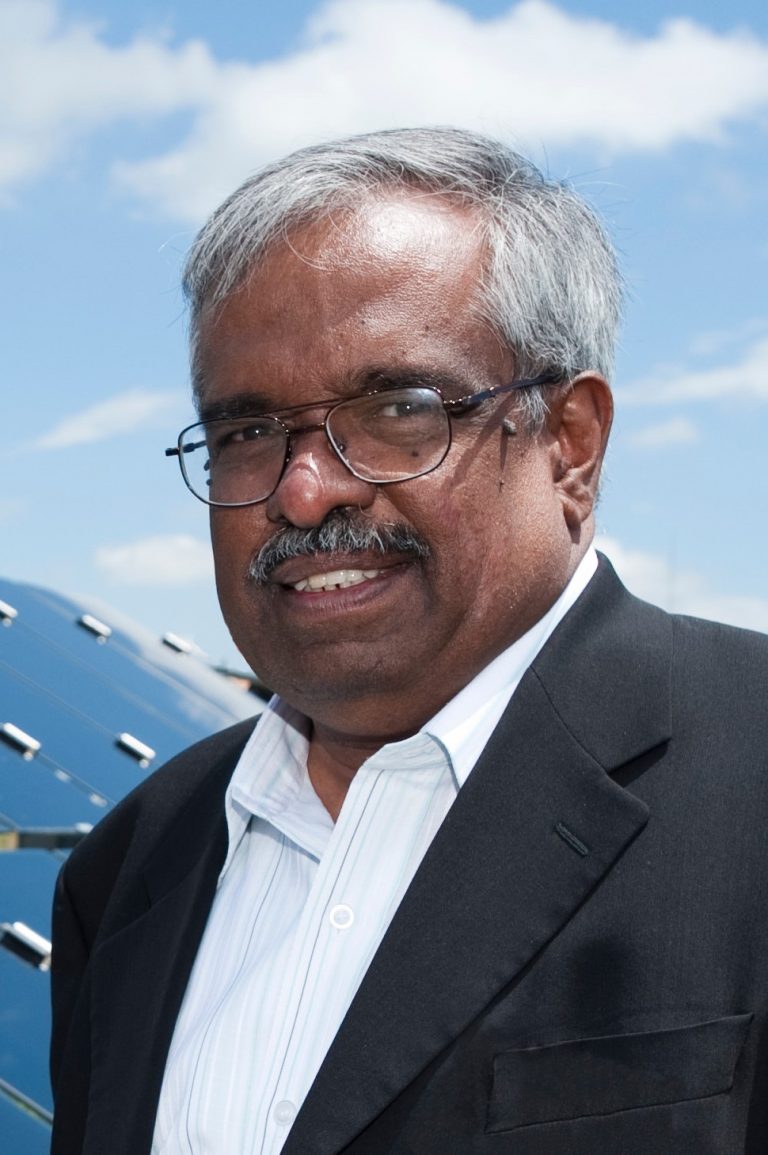
Walajabad S. Sampath is Professor of Mechanical Engineering at Colorado State University and Director of the NSF Center for Next Generation Photovoltaics. His research advances CdTe thin-film solar technology, achieving record 20.14% efficiency. With 100+ publications and 17 patents, he focuses on sustainable energy manufacturing. Education: Ph.D. (Arizona State). Awards recognize innovation in photovoltaic commercialization. Articles demonstrate breakthroughs in materials design and solar module architecture. International collaborations include Loughborough University and the Asian Institute of Technology.
Paul Baker is a Research Officer at BioComposites, focusing on bio-based materials and biorefinery technologies. His research spans fungal degradation processes, agri-food waste valorization, and lignocellulosic biomass utilization. Key areas include optimizing solid-state fermentation for enzyme production and enhancing thermal stability of biocontrol agents. He has contributed to studies on willow biomass as a biorefinery feedstock and olive pomace valorization. Collaborations emphasize environmental sustainability and industrial applications. Education and past roles include a researcher position at University College Cork (2007–2009). His work integrates microbiology, biochemistry, and engineering to address resource efficiency challenges in agriculture and food systems. Research highlights include development of encapsulation techniques for spore preservation and pilot-scale protein extraction from rapeseed cake. His experimental approaches often involve pilot-scale processing and advanced analytical methods like HPLC-MS profiling.
Kristin Bowman-James is a University Distinguished Professor in the Department of Chemistry at the University of Kansas. Her research focuses on host-guest chemistry, anion coordination, and supramolecular systems with applications in environmental science, toxicology, and nuclear waste management. She leads a lab exploring molecular receptors for anions like sulfate and fluoride, as well as chemical mustards, collaborating with institutions such as Oak Ridge National Laboratory and international partners in Spain and Italy. Her work emphasizes the design of macrocyclic and pincer ligands for selective anion binding, with implications for environmental monitoring, nuclear waste remediation, and understanding biological processes. Key projects include developing receptors for phytate (a major phosphorus reservoir) and Mustard Gas detoxification. She co-edited Anion Coordination Chemistry (Wiley-VCH, 2012) and contributed to Supramolecular Chemistry of Anions (1997). Research Highlights: Recent studies investigate oligomeric phosphate clusters, urea-based sulfate sensors, and structural analysis of inositol hexaphosphate. Her team employs X-ray diffraction and NMR for structural elucidation, complemented by quantum topology analyses of hydrogen bonds. Awards: University Distinguished Professor (KU). Collaborations & Grants: DOE-funded projects targeting nuclear waste ions and NSF support for phytate research (INFEWS grant). Active in mentoring and promoting diversity in STEM through COACh initiatives. Lab Activities: Focus areas include ‘Supramolecular Traps,’ ‘Macrocyclic Influences on CO2 Uptake,’ and ‘Transition Metal/Pincer Chemistry.’