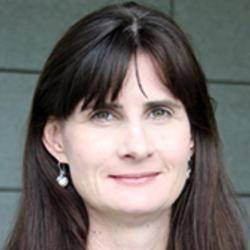
Heping Zhang is the Susan Dwight Bliss Professor of Biostatistics at the Yale School of Public Health , with secondary appointments in the Child Study Center , Department of Statistics and Data Science , and Department of Obstetrics, Gynecology, and Reproductive Sciences . He directs the Collaborative Center for Statistics in Science (C²S²) and leads the Reproductive Medicine Network data coordinating center. Education: PhD in Statistics, Stanford University (1991) Postdoctoral Fellow, Mathematical Science Research Institute (1991) Research Focus : Zhang specializes in biostatistical methodology for genomic data analysis , clinical trials , and reproductive medicine . His work bridges genetics , mental health , and maternal-child health through innovative statistical approaches. Awards : 2023 Web of Science Highly Cited Researcher 2023 International Chinese Statistical Association Distinguished Achievement Award 2022 Institute of Mathematical Statistics Neyman Award and Lecture 2011 Royan Institute International Research Award 2011 Institute of Mathematical Statistics Medallion Award 2008 Harvard School of Public Health Myrto Lefokopoulou Distinguished Lecturer Professional Roles : He served as President of the International Chinese Statistical Association (2019) and Former Editor of the Journal of the American Statistical Association - Applications and Case Studies . His lab develops open-source software tools like ABESS , STREE , and modSaRa for genomic and clinical data analysis.
Massimo Mischi is a Full Professor at the Faculty of Electrical Engineering of the Eindhoven University of Technology (TU/e) and chairs the Signal Processing Systems (SPS) Division , the largest division at TU/e with over 250 researchers. He founded the Biomedical Diagnostics (BM/d) Lab in 2012, which now includes 180 researchers and clinical/industrial advisors, focusing on biomedical signal processing for diagnostics and monitoring.
Gerco Angenent is a Full Professor in the Laboratory of Molecular Biology at Wageningen University & Research, part of the EPS Researcher group. His primary research focuses on plant development systems, transcription factors, and gene regulatory networks in plants like Arabidopsis, tomato, and tulip. He leads projects on epigenetic reprogramming, fruit ripening, and seed dormancy mechanisms. Key research interests include the functional roles of PEBP proteins, CRISPR/Cas9 mutagenesis in plants, and the molecular basis of floral organ development. Recent work explores how transcription factors like FRUITFULL and TCP5 regulate flowering time, inflorescence architecture, and embryo development. Angenent supervises multiple PhD candidates investigating topics such as wood lignin formation and BABY BOOM’s role in embryogenesis. His collaborative projects span international teams, with studies on temperature-dependent flowering pathways, genome editing tools for crop improvement, and the evolutionary origins of plant genes. Angenent has contributed to over 200 peer-reviewed publications and actively participates in academic outreach activities like media contributions and lectures.
Ueli Grossniklaus is an Ordinary Professor at the University of Zurich within the Faculty of Mathematical and Natural Sciences , affiliated with the Department of Plant and Microbiology . His work focuses on plant developmental biology, particularly epigenetic and genetic mechanisms governing reproduction and adaptation. Key Courses: Epigenetics, Plant Biology Workshop, Group Seminars on Current Research Laboratory Techniques: Advanced methods in plant cell mechanics, transcriptomics, and genome editing Research Interests span plant epigenetics, reproductive biology, and the interplay between environmental stress and genetic regulation. He investigates: Mechanistic control of gametogenesis and fertilization Epigenetic contributions to plant adaptation Evolutionary implications of asexual reproduction Biophysical forces in plant cell growth Publication Trends (2025–2018) reveal expertise in: Arabidopsis and fern model systems Epigenetic regulation (DNA methylation, histone dynamics) Apomixis and hybrid seed failure mechanisms Biomechanics of pollen tubes and carnivorous plants Genome editing tools (CRISPR) and long-read sequencing Scientific Collaborations include interdisciplinary projects on: Microfluidic devices for plant cell analysis Gene drive ecology and ethics 3D imaging of plant reproductive structures Advising and Grants focus on mentoring through research internships in developmental biology, genetics, and systems biology. His lab engages in: Epigenetic response to environmental stress Cell wall mechanics in reproduction Computational modeling of plant growth Laboratory Teams integrate plant biologists, bioengineers, and computational scientists to study: Mechanistic gene regulation Evolutionary developmental biology Microrobotics for cellular force measurement
Professor Siladitya Bhattacharya is Vice-Principal (Global Engagement) at the University of Aberdeen , affiliated with the School of Medicine, Medical Sciences and Nutrition . A leading figure in reproductive medicine, he combines clinical expertise with extensive research in infertility, epidemiology, and health services. MD in Obstetrics and Gynaecology (University of Aberdeen, 1997) FRCOG and MRCOG (Royal College of Obstetricians and Gynaecologists) Subspecialty Accreditation in Reproductive Medicine (1999) His research focuses on reproductive health epidemiology , infertility outcomes , clinical and cost-effectiveness of interventions , and systematic reviews . He leads major randomized trials and health technology assessments in endometriosis, IVF strategies, and male hypogonadism. His work integrates epidemiological methods with real-world clinical data to inform policy and practice. Recent publications highlight trends in endometriosis management , embryo transfer strategies , testosterone therapy , and core outcome set development for infertility research. His articles span high-impact journals like The Lancet , BMJ , Human Reproduction , and Cochrane Database , reflecting a strong emphasis on evidence-based medicine and meta-analytic approaches. His scientific honors include the MRCOG Prize Medal, ESHRE Established Clinician Award, and multiple Wellcome and NIHR awards. He has held key editorial roles as Editor-in-Chief of Human Reproduction Open and Editor for Cochrane Gynaecology and Fertility . Prof. Bhattacharya supervises PhD students and leads the International Network for Research in Reproductive Medicine (INREM) . He has secured substantial funding from NIHR, MRC, CSO, and Wellcome Trust for projects on endometriosis, IVF, and male infertility. His advisory roles include NHS boards, FIGO, RCOG, and international research consortia. He leads global collaborations across the UK, USA, India, Australia, and Europe, advancing research in reproductive health through multi-centre trials and consensus development.
Dr. Jun Wu is an Assistant Professor in the Department of Molecular Biology at UT Southwestern Medical Center. He holds a PhD in Life Science from the University of Tennessee and completed postdoctoral training at the University of Southern California and the Salk Institute. His research focuses on stem cell biology, genome editing, and interspecies chimeras to advance regenerative medicine and developmental biology. Education: Bachelor of Medicine, Shandong University School of Medicine (China) PhD in Life Science, University of Tennessee (2013) Postdoctoral Fellowships: USC (2013-2015) and Salk Institute (2015-2017) Research Interests: Generation of pluripotent stem cells with distinct molecular/phenotypic features Development of interspecies blastocyst complementation systems Modeling peri-implantation human development using stem cell embryo models Study of species-specific developmental barriers and evolutionary biology Application of chimeras to study cancer resistance and organ size determination Lab Activities: The Wu Lab develops stem cell models to study mammalian development and create regenerative therapies. Key projects include: Creation of interspecies chimeras (human-monkey, rat-mouse) Development of blastoids and peri-gastruloids Analysis of species-specific cell competition mechanisms Engineering cross-species organogenesis systems Grant Activities: Focuses on NIH-funded projects related to stem cell biology, interspecies chimerism, and regenerative medicine applications. Collaborates with institutions like Salk Institute and University of California campuses. Lab Team: Includes postdoctoral researchers like Dr. Yi Ding and a multidisciplinary team of molecular biologists, bioengineers, and computational biologists.
Prof. Dr. Susanne E. Ulbrich is a Full Professor of Animal Physiology at the Department of Environmental Systems Science, ETH Zurich, where she leads the Chair of Animal Physiology since September 2013. Her research focuses on livestock metabolism with emphasis on relationships affecting fertility and reproduction, contributing significantly to the World Food strategy of the Department of Environmental Systems Science and the Agrovet-Strickhof project in collaboration with the University of Zurich and the Canton of Zurich. Prof. Ulbrich's educational background includes studies in Agricultural Sciences with a focus on Animal Sciences at the Technical University Munich (TUM), followed by postgraduate studies in Biotechnology. She received her doctorate in physiology at the Science Center Weihenstephan of the TUM in 2005 with the distinction "summa cum laude" and subsequently managed a research group at TUM. Her international research experience includes research stays at the University of Adelaide in Australia and the Universidad de Concepcion in Chillán, Chile. Prof. Ulbrich's research interests span animal physiology with particular focus on reproductive biology, embryonic development, and metabolism. Her work on livestock metabolism has brought her international recognition, especially her research on embryonic diapause in roe deer, uterine fluid composition, and the effects of embryos on maternal physiology. She applies advanced techniques such as metabolomics, proteomics, and extracellular vesicle analysis to investigate reproductive processes across species. Her recent publications demonstrate a strong focus on comparative reproductive biology, particularly examining the European roe deer as a model for embryonic diapause and conceptus elongation. She also investigates mastitis mechanisms, bovine reproduction, and applications of extracellular vesicles in reproductive medicine. Her work bridges wildlife biology, livestock science, and human reproductive medicine, revealing fundamental principles of embryo-maternal communication. Graduation Award Bund der Freunde der TU München (2005) Research Award Dr.-Heinrich-Baur-Preis (2011) Prof. Ulbrich serves as a reviewer for numerous scientific journals and is an active member of professional societies including the German Society of Endocrinology, the Society for the Study of Reproduction, and the International Embryo Transfer Society. Her research is supported by grants such as "Embryonic Diapause: pluripotency on hold?" (SNF 185026), reflecting her leadership in understanding reproductive mechanisms across species. Her laboratory at ETH Zurich focuses on comparative reproductive biology, utilizing advanced techniques to study embryo-maternal communication, with particular emphasis on the European roe deer as a natural model of embryonic diapause. Her team comprises researchers with expertise in metabolomics, molecular biology, and reproductive physiology, working collaboratively to unravel the complex mechanisms governing early embryonic development and maternal recognition of pregnancy.
Christoph J. Fahrni is a Professor at the School of Chemistry and Biochemistry, Georgia Institute of Technology. He earned his M.S. from the Federal Institute of Technology (ETH) in Zurich and a Ph.D. in Chemistry from the University of Basel in 1995. After postdoctoral work at Northwestern University, he joined Georgia Tech in 1999, where his research focuses on metal ion biochemistry, particularly copper and zinc, using fluorescent probes and X-ray fluorescence imaging. Education: M.S., Federal Institute of Technology (ETH), Zurich Ph.D., University of Basel, 1995 His research integrates synthetic fluorescent probes and X-ray fluorescence microscopy to study intracellular metal ion dynamics, including copper trafficking, zinc homeostasis, and their roles in diseases like Menkes syndrome. The lab develops high-affinity ligands for copper buffering, investigates P-type ATPase transporters, and uses 3D X-ray tomography to map metals in zebrafish embryos. Key methodologies include ratiometric two-photon microscopy and bioorganometallic catalyst design. Recent publications highlight advancements in subzeptomolar copper probes, dynamic zinc imaging during development, and metal chelation therapy applications. Collaborative projects with Prof. Robert Dickson explore low-background fluorescent protein imaging. The Fahrni group trains graduate students like Daisy Bourassa and Adam McCallum, focusing on biochemical copper/zinc interactions and probe development.
Sarah Franklin is Professor of Sociology at the University of Cambridge and Director of the Reproductive Sociology Research Group (ReproSoc). A Wellcome Trust Senior Investigator, her work bridges reproductive biomedicine, gender theory, and science studies. She previously held academic positions at the London School of Economics, Lancaster University, and the University of Manchester. PhD from Birmingham Centre for Contemporary Cultural Studies MA in Women’s Studies (University of Kent, 1984) and MA in Anthropology (NYU, 1986) Her research explores the cultural and historical dimensions of reproductive technologies, including IVF, cloning, stem cells, and preimplantation genetic diagnosis. She examines how these innovations reshape kinship, biological understanding, and societal norms, with a focus on bioethics, visual culture, and postcolonial science studies. Recent publications address embryo models, the 14-day rule, and global fertility trends. Key awards include grants from the Wellcome Trust, ESRC, and British Academy. She serves on the editorial board of Reproductive Biomedicine Online and chairs the Anne McLaren Trust. Her interdisciplinary approach integrates ethnography, feminist theory, and bioscientific analysis.
Kathleen Liddell is the Herschel Smith Senior Lecturer of Intellectual Property Law at the University of Cambridge, where she serves as the Founding Director of the Cambridge Centre for Law, Medicine and Life Sciences and is a member of the Cambridge Centre for IP and Information Law. She holds degrees including a D.Phil from Oxford, LLB (hons) and BSc from Melbourne, and an MBioeth from Monash. With experience in both academic and practical legal settings, including private practice and public sector legal services for a health department, Dr. Liddell brings a comprehensive perspective to her interdisciplinary work at the intersection of law, medicine, and technology. Dr. Liddell's educational background reflects her interdisciplinary approach: D.Phil in Law from the University of Oxford, focusing on regulation of controversial genetic technologies in morally pluralist societies LLB (hons) and BSc from the University of Melbourne MBioeth from Monash University Her research focuses on health, medicine and society, with particular emphasis on intellectual property frameworks that govern medical innovation. Dr. Liddell examines how intellectual property rights both help and hinder the translation of medical discoveries into effective clinical treatments, and how these frameworks could be modified to be more effective and just. She leads international collaborations investigating intellectual property law across five key areas of bioinnovation: pharmaceutical repurposing, antibiotics, biologics, rare diseases, and machine-learning based precision medicine. Her work also addresses legal challenges in pre-mortem interventions for organ transplantation, regulatory gaps in healthcare, and the application of theoretical insights from regulatory and political theory to biomedical controversies. Dr. Liddell employs diverse legal methodologies including statutory and case law analysis, normative analysis drawing on moral philosophy, regulatory theory, empirical investigations (interviews, surveys, patent mapping), and expert meetings. She has made significant contributions to understanding the impact of patent law on life sciences innovation, particularly regarding genetic technologies, precision medicine, and diagnostic tools. Her notable scientific contributions include: Principal investigator for a major research project on intellectual property rights, precision medicine and genomic medicine (2015-2018) International collaborations on intellectual property law in bioinnovation Empirical studies on the impact of patent law on medical innovation Research on regulatory frameworks for emerging health technologies Analysis of legal implications for organ transplantation and antimicrobial resistance Dr. Liddell actively supervises research theses at all levels, including PhD students, and teaches across various courses including Law and Ethics of Medicine, Law, Medicine and Life Sciences, Intellectual Property, and the Law PhD Research Methodologies course. She also serves as a Senior Fellow at the University of Melbourne, teaching 'Law and Emerging Health Technologies.' Her research has significant practical applications, informing policy development in areas such as: Intellectual property frameworks for medical innovation Regulation of diagnostics and pharmaceuticals Legal aspects of precision medicine and genomic medicine Machine learning applications in healthcare Stem cell and regenerative medicine Gene editing technologies
Dr. Aleona Swegen is an ARC DECRA Fellow at the School of Environmental and Life Sciences, University of Newcastle, Australia. A veterinarian and research fellow specializing in animal fertility, she applies cutting-edge reproductive biology techniques to benefit both endangered species and livestock. Her work focuses on developing novel approaches to preserve fertility, particularly through proteomic and molecular analyses of reproductive processes. Bachelor of Veterinary Science, University of Sydney (2010) PhD in Reproductive Science, University of Newcastle, Australia (completed under Laureate Professor John Aitken) Dr. Swegen's research spans multiple interconnected areas of reproductive biology. Her primary focus is on equine reproduction, particularly stallion sperm biology and fertility. She investigates how environmental factors like heat stress impact male fertility and offspring health. Her work also extends to endangered species conservation, notably her contributions to the Rhino Fertility Project aimed at rescuing the Northern White Rhino from extinction. Through proteomic, lipidomic, and molecular approaches, she explores embryo-maternal interactions, sperm metabolism, and novel fertility preservation techniques. Analysis of Dr. Swegen's recent publications reveals a strong emphasis on applying advanced 'omics technologies to reproductive challenges. Her work consistently bridges basic science with practical applications in both livestock breeding and endangered species conservation. A notable trend is her exploration of how environmental stressors, particularly heat stress, affect reproductive outcomes across species. Her research demonstrates increasing integration of multi-omics approaches (proteomics, lipidomics) to identify biomarkers and develop diagnostic tools for fertility assessment. ARC DECRA Fellowship (2022-2024) for research on heat stress effects on male fertility Dr. Swegen actively supervises multiple PhD and Masters students, focusing on topics related to equine reproduction, heat stress effects, and fertility preservation. She has secured significant research funding, including multiple ARC grants and AgriFutures Australia projects totaling over $3 million. Her current projects include 'Early pregnancy in the mare: mechanisms of immune recognition and novel assays for pregnancy testing' and 'Pioneering reproductive biotechnology innovations for equine breeding,' reflecting her dual focus on fundamental research and practical applications. As part of the Priority Research Centre for Reproductive Science at the University of Newcastle, Dr. Swegen collaborates with interdisciplinary teams working on reproductive challenges across species. Her work connects with conservation efforts globally, particularly through collaborations with institutions like the Smithsonian Conservation Biology Institute and the University of Oxford's Rhino Fertility Project.
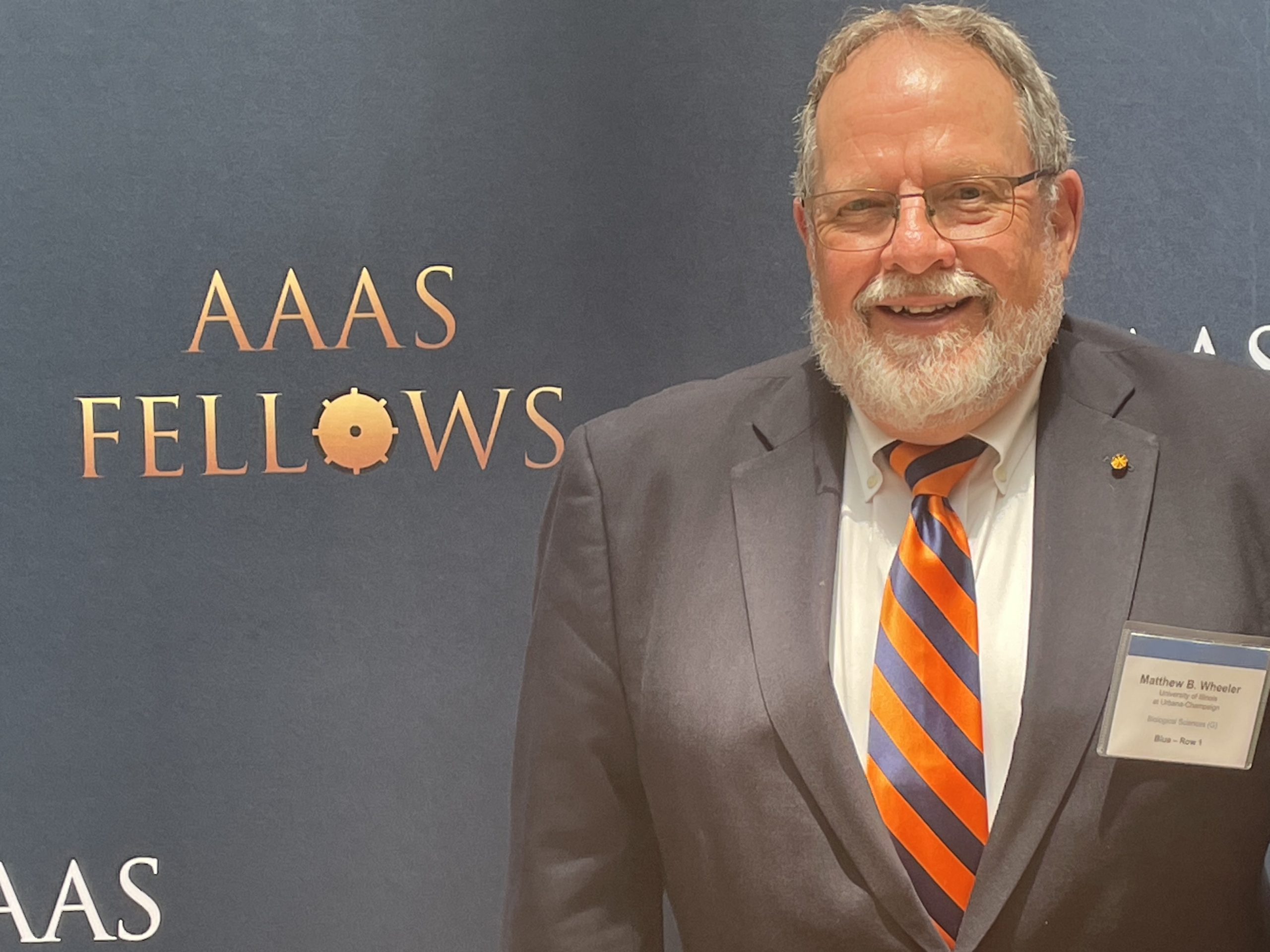
Matthew B. Wheeler is a Professor in the Department of Animal Sciences at the University of Illinois Urbana-Champaign, with additional affiliations at the Beckman Institute for Advanced Science and Technology, the Carl R. Woese Institute for Genomic Biology, the Carle Illinois College of Medicine, The Grainger College of Engineering, and the College of Veterinary Medicine. His research focuses on enhancing global food supply and animal agriculture through biotechnology, particularly in livestock reproduction and genetics. Wheeler's work has significant implications for both animal and human health, addressing hunger and malnutrition while developing better models for studying disease. Wheeler's research interests center on reproductive biology, transgenic animal technology, and embryo engineering. He has pioneered work in developing transgenic livestock for improved food production and biomedical applications. His current projects include creating transgenic cattle that produce human insulin in their milk as a more efficient production method for diabetes treatment, and developing tropical-adapted dairy cattle through strategic crossbreeding of Gyr and Jersey cattle to improve milk production in Tanzania. His laboratory has also made significant advances in microfluidic technologies for assisted reproduction, including the development of 3D imaging techniques for embryo evaluation. Wheeler's recent publications demonstrate a strong focus on practical applications of reproductive technologies in both developed and developing contexts. His work spans transgenic animal production, embryo imaging and selection, stem cell research, and tropical-adapted cattle development. The trend shows increasing emphasis on translational research that addresses global food security challenges while maintaining scientific rigor in reproductive biology. Among his notable scientific achievements, Wheeler was named a 2024 Fellow of the American Association for the Advancement of Science (AAAS) for 'distinguished contributions to the field of reproductive biology, particularly the use of transgenic and other biotechnological approaches to improve livestock and animal models of human disease.' He also received the 2024 Campus Award for Excellence in Graduate Student Mentoring at the University of Illinois. As a dedicated mentor, Wheeler has supervised numerous graduate students who have gone on to successful careers in academia and industry. His research has been supported by various funding sources including the USDA National Institute of Food and Agriculture, the National Science Foundation, and international collaborators. Wheeler leads significant international projects, most notably the Tanzania Tropical Adapted Cattle Project aimed at improving food security in the Global South through advanced reproductive technologies. Wheeler directs laboratory facilities focused on reproductive biotechnology and transgenic animal research. His team works across multiple species including cattle, swine, and deer, developing innovative approaches to embryo production, stem cell research, and genetic improvement of livestock. Current projects include developing a 100-head herd of transgenic cattle that could potentially produce all the insulin needed for the United States, and creating high-milk-yield cattle adapted to tropical climates that could transform dairy production in developing countries.
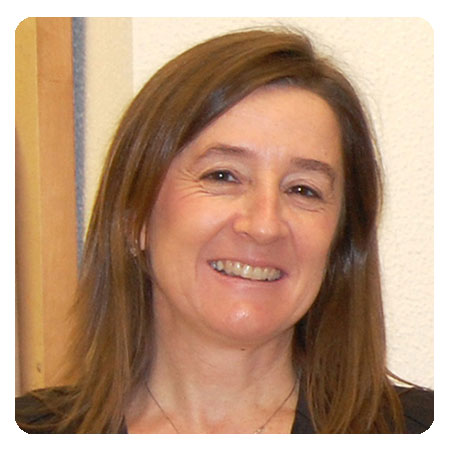
Maria Pilar Coy Fuster is a Full Professor at the University of Murcia , affiliated with the Faculty of Veterinary Medicine and the Department of Physiology . Her research focuses on reproductive physiology, in vitro fertilization (IVF), oviductal mechanisms, epigenetics, and assisted reproductive technologies (ART) in mammals, particularly pigs and cattle. Education : Degree in Veterinary Medicine, University of Murcia (1987) PhD in Veterinary Medicine, University of Murcia (1991) Diplomate in Animal Reproduction, European College of Animal Reproduction (2001) Research Interests encompass understanding oviductal glycoproteins like OVGP1 that regulate polyspermy, genomic and proteomic analysis of reproductive fluids, epigenetic impacts of ART, and developing biobanks for reproductive biofluids. She co-discovered a conserved oviductal mechanism in ungulates (absent in humans) that enhances IVF efficiency, leading to a PNAS publication and a patent. Scientific Awards include: Mention of Quality by the Spanish Ministry of Education Mention of Excellence by the Spanish Ministry of Education She has secured substantial funding, including a €3.8 million European Horizon 2020 grant for the Rep-Biotech Marie Sklodowska-Curie program, producing 15 international PhDs. Currently, she leads the AFRODITA network. Teaching Contributions include designing the internationally recognized Master and PhD programs in Reproductive Biology and Technology at the University of Murcia. She plays a leadership role as an Associate Editor for journals like Molecular Reproduction and Development and Molecular Human Reproduction .
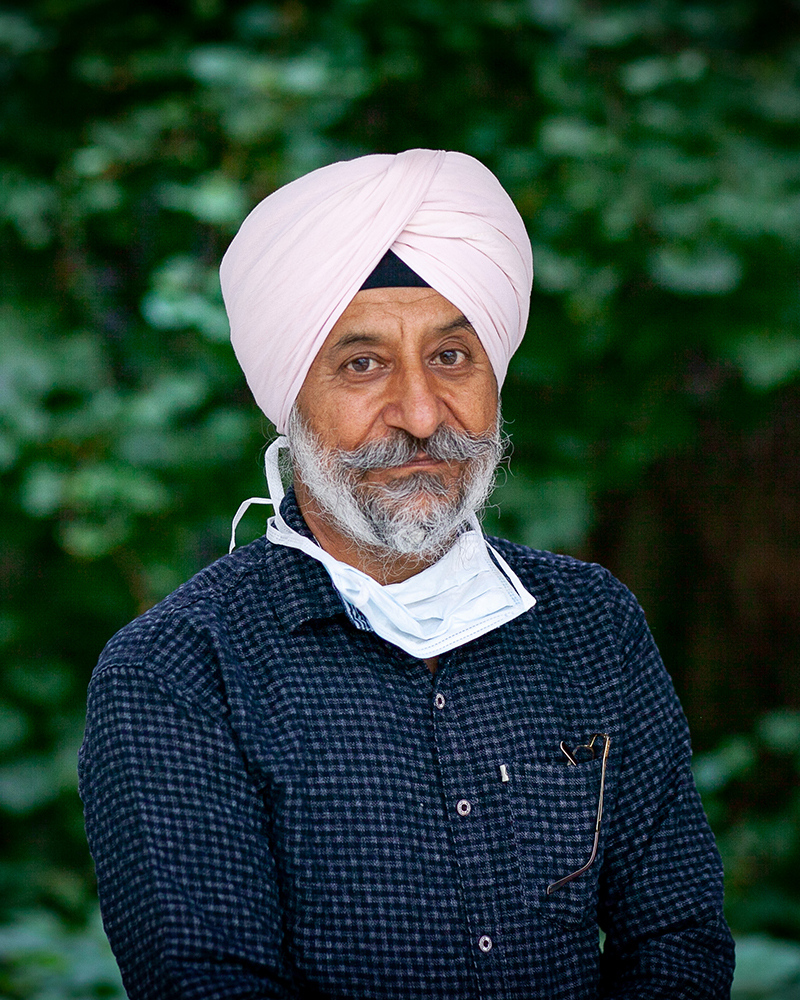
Jaswant Singh is a Professor at the Department of Veterinary Biomedical Sciences, Western College of Veterinary Medicine (WCVM), University of Saskatchewan. He serves as Associate Dean of Academic Excellence and Innovation at the College of Graduate and Postdoctoral Studies (CGPS). His work bridges veterinary reproductive biology with human health research, focusing on ovarian function and oocyte competence using bovine models. BVSc and AH (1983, Punjab Agricultural University, India) MVSc (1986, Punjab Agricultural University, India) PhD (1997, University of Saskatchewan, Canada) His research explores the molecular and endocrine control of ovarian follicles, with applications in cattle breeding and human reproductive disorders like endometriosis. He pioneered the use of GnRH antagonists for follicle synchronization and ultrasound biomicroscopy for in vivo oocyte imaging. His lab maintains specialized facilities for molecular and live-cell imaging. Dr. Singh’s work spans basic and applied research, including field studies on ergot alkaloids in cattle feed and domestic animal models for human prostate and endometrial disorders. He has authored over 135 peer-reviewed articles and secured 21 consecutive NSERC Discovery Grants. He mentors extensively, co-directed 13 reproductive ultrasonography workshops, and contributes to university governance as a University Council member and Chair of the Biomedical Engineering Division.
Shilpa Amin is an Assistant Clinical Professor in the Department of Obstetrics & Gynecology at McMaster University. With over two decades of clinical and research experience, she specializes in reproductive medicine and infertility treatment, contributing to advancements in embryo selection, genetic testing, and ovarian stimulation protocols. Academic affiliation: McMaster University Department: Obstetrics & Gynecology Contact: aminsh@mcmaster.ca Her research focuses on improving fertility outcomes through: Preimplantation genetic testing (PGT-A) Embryo quality assessment Hormonal stimulation optimization Environmental factors in reproductive health PCOS management Clinical adaptations during global health crises Recent work analyzes mi-PGT-A techniques (2025), bisphenol exposure impacts (2024), and pandemic-related treatment modifications (2024), demonstrating her commitment to clinical innovation and evidence-based practice.