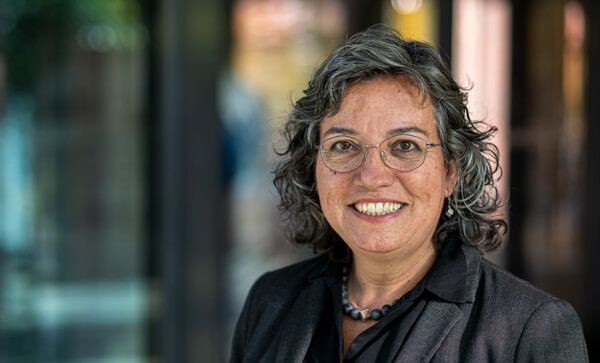
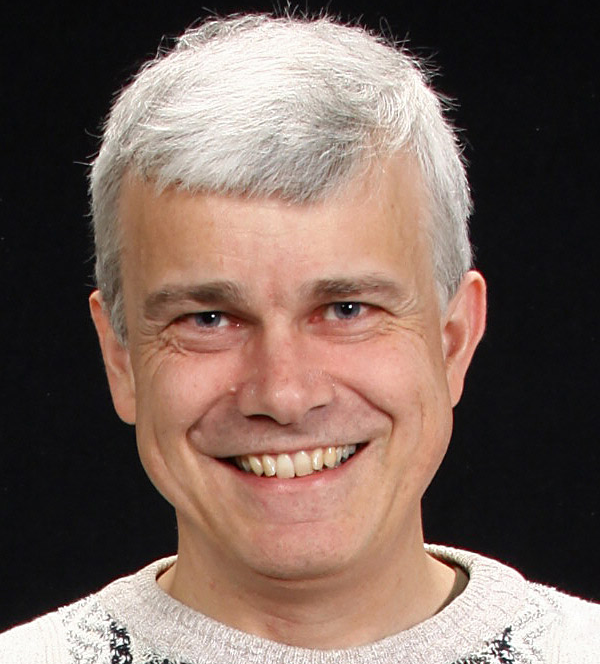
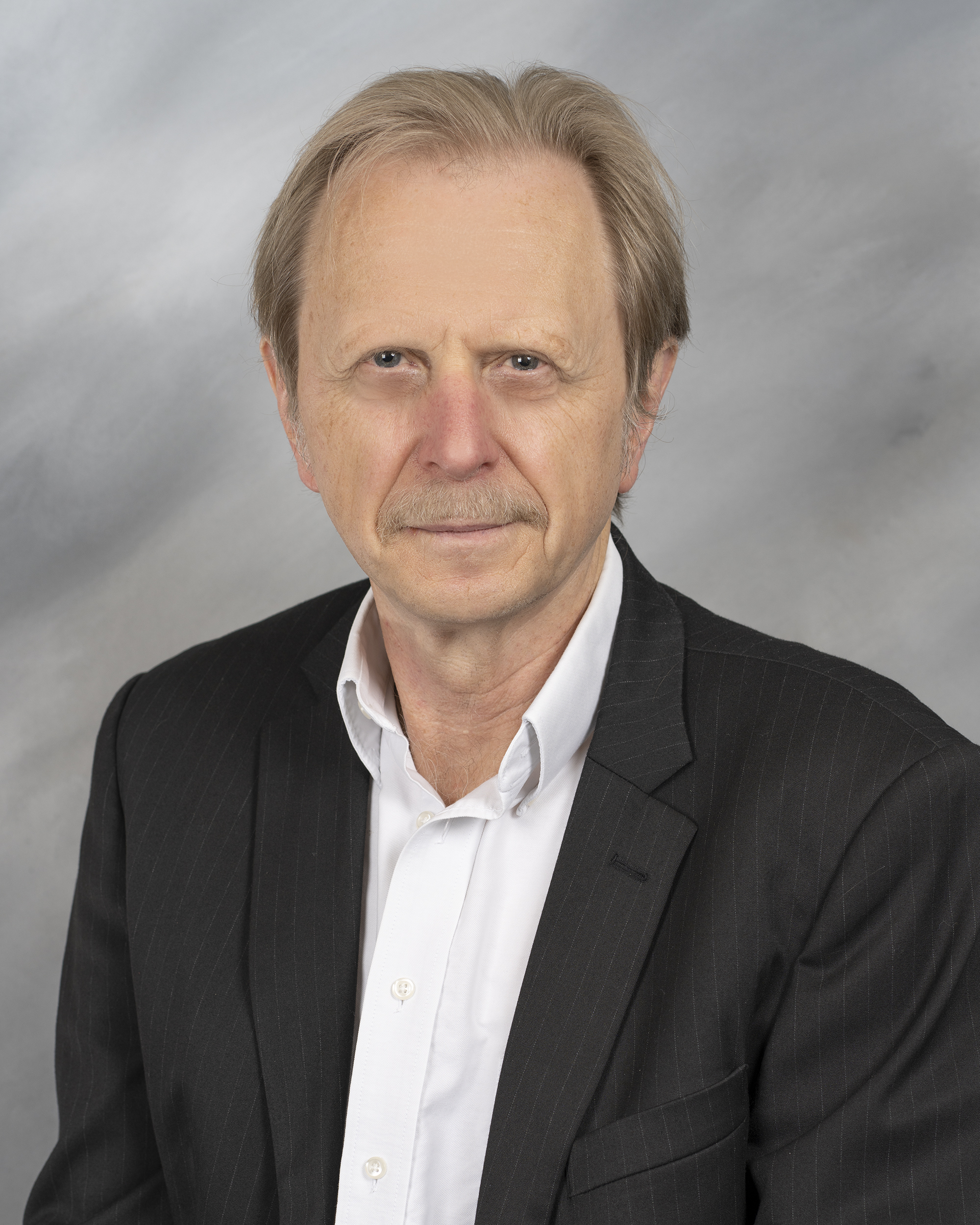
Britta van Beers is a Full Professor at Vrije Universiteit Amsterdam, holding positions in Legal Theory and Legal History within the Faculty of Law, as well as affiliations with the Kooijmans Institute, Law & Technology, and Boundaries of Law. Her research focuses on intersections between law, emerging technologies, bioethics, and human rights. She has authored over 70 publications since 2015, addressing topics like CRISPR governance, surrogacy regulation, and legal personhood in the age of biotechnology. Awarded multiple grants and prizes (specifics unspecified) Supervised 2 PhD theses Edited volumes on personalized medicine ethics and symbolic legislation Her work critically examines technological innovations' impact on legal frameworks, particularly in genetics, artificial intelligence, and reproductive technologies. Recent projects include analyzing human germline modification dialogues and ethical challenges in accessing biobanks for forensic purposes. Key contributions include redefining legal personhood in the context of posthuman technologies and advocating for explicit goals in public dialogues about gene editing. She frequently engages with policymakers, as seen in her contributions to Dutch parliamentary discussions on embryo law reforms.
Prof. Dr. Beate Escher is Head of the Department of Cell Toxicology at the Helmholtz Centre for Environmental Research (UFZ) in Leipzig, Germany. She holds professorial positions at Eberhard Karls University of Tübingen , is a Privatdozent at ETH Zurich , and is affiliated with the University of Queensland and Griffith University in Australia. Her research program focuses on advancing in vitro bioassays and New Approach Methods (NAMs) for environmental and human health risk assessment of micropollutants. Her research interests lie at the intersection of environmental toxicology , molecular toxicology , and exposure science . She develops and applies bioanalytical tools for water quality assessment, with a focus on pharmaceuticals, pesticides, and transformation products. Her work includes mechanism-based toxicity assessment , toxicokinetic-toxicodynamic (TKTD) modeling , and the development of the CITEPro robotic bioassay platform for high-throughput screening. She integrates omics data , computational modeling , and machine learning to improve chemical hazard characterization. Recent publications highlight trends in chemical mixture toxicity , safe-by-design chemicals , ionic compound assessment , and machine learning applications in toxicology. Her work increasingly leverages data-driven approaches to prioritize contaminants and predict biological effects across species. Scientific Awards: Highly Cited Researcher (Web of Science/Clarivate, Top 0.1%, 2020) Outstanding Achievements in Environmental Science and Technology (ES&T & ACS ENVR, 2023) Advising and Grants: She supervises multiple doctoral students and leads major collaborative projects such as InCeTo, MibiTox, nanoINHALE, and SafePol. She received an Australian Research Council grant (2011–2014) and leads Swiss National Science Foundation-funded initiatives. She was a member of the German Science Council (2017–2024) and serves on the Board of Reviewing Editors of SCIENCE . Labs and Teams: She leads the Cell Toxicology team at UFZ, which includes researchers such as Dr. Luise Henneberger, Dr. Julia Huchthausen, and Dr. Haotian Wang. The team operates the CITEPro platform and contributes to international consortia focused on exposome research and chemical safety.
Prof. Dr. Susanne E. Ulbrich is a Full Professor of Animal Physiology at the Department of Environmental Systems Science, ETH Zurich, where she leads the Chair of Animal Physiology since September 2013. Her research focuses on livestock metabolism with emphasis on relationships affecting fertility and reproduction, contributing significantly to the World Food strategy of the Department of Environmental Systems Science and the Agrovet-Strickhof project in collaboration with the University of Zurich and the Canton of Zurich. Prof. Ulbrich's educational background includes studies in Agricultural Sciences with a focus on Animal Sciences at the Technical University Munich (TUM), followed by postgraduate studies in Biotechnology. She received her doctorate in physiology at the Science Center Weihenstephan of the TUM in 2005 with the distinction "summa cum laude" and subsequently managed a research group at TUM. Her international research experience includes research stays at the University of Adelaide in Australia and the Universidad de Concepcion in Chillán, Chile. Prof. Ulbrich's research interests span animal physiology with particular focus on reproductive biology, embryonic development, and metabolism. Her work on livestock metabolism has brought her international recognition, especially her research on embryonic diapause in roe deer, uterine fluid composition, and the effects of embryos on maternal physiology. She applies advanced techniques such as metabolomics, proteomics, and extracellular vesicle analysis to investigate reproductive processes across species. Her recent publications demonstrate a strong focus on comparative reproductive biology, particularly examining the European roe deer as a model for embryonic diapause and conceptus elongation. She also investigates mastitis mechanisms, bovine reproduction, and applications of extracellular vesicles in reproductive medicine. Her work bridges wildlife biology, livestock science, and human reproductive medicine, revealing fundamental principles of embryo-maternal communication. Graduation Award Bund der Freunde der TU München (2005) Research Award Dr.-Heinrich-Baur-Preis (2011) Prof. Ulbrich serves as a reviewer for numerous scientific journals and is an active member of professional societies including the German Society of Endocrinology, the Society for the Study of Reproduction, and the International Embryo Transfer Society. Her research is supported by grants such as "Embryonic Diapause: pluripotency on hold?" (SNF 185026), reflecting her leadership in understanding reproductive mechanisms across species. Her laboratory at ETH Zurich focuses on comparative reproductive biology, utilizing advanced techniques to study embryo-maternal communication, with particular emphasis on the European roe deer as a natural model of embryonic diapause. Her team comprises researchers with expertise in metabolomics, molecular biology, and reproductive physiology, working collaboratively to unravel the complex mechanisms governing early embryonic development and maternal recognition of pregnancy.
Christoph J. Fahrni is a Professor at the School of Chemistry and Biochemistry, Georgia Institute of Technology. He earned his M.S. from the Federal Institute of Technology (ETH) in Zurich and a Ph.D. in Chemistry from the University of Basel in 1995. After postdoctoral work at Northwestern University, he joined Georgia Tech in 1999, where his research focuses on metal ion biochemistry, particularly copper and zinc, using fluorescent probes and X-ray fluorescence imaging. Education: M.S., Federal Institute of Technology (ETH), Zurich Ph.D., University of Basel, 1995 His research integrates synthetic fluorescent probes and X-ray fluorescence microscopy to study intracellular metal ion dynamics, including copper trafficking, zinc homeostasis, and their roles in diseases like Menkes syndrome. The lab develops high-affinity ligands for copper buffering, investigates P-type ATPase transporters, and uses 3D X-ray tomography to map metals in zebrafish embryos. Key methodologies include ratiometric two-photon microscopy and bioorganometallic catalyst design. Recent publications highlight advancements in subzeptomolar copper probes, dynamic zinc imaging during development, and metal chelation therapy applications. Collaborative projects with Prof. Robert Dickson explore low-background fluorescent protein imaging. The Fahrni group trains graduate students like Daisy Bourassa and Adam McCallum, focusing on biochemical copper/zinc interactions and probe development.
Stephen A. Krawetz is a Professor at Wayne State University with dual appointments in the Departments of Obstetrics and Gynecology and Molecular Medicine and Genetics . He serves as the Charlotte B. Failing Professor of Fetal Therapy and Diagnosis and Associate Director of the C.S. Mott Center for Human Growth and Development .
Sarah Franklin is Professor of Sociology at the University of Cambridge and Director of the Reproductive Sociology Research Group (ReproSoc). A Wellcome Trust Senior Investigator, her work bridges reproductive biomedicine, gender theory, and science studies. She previously held academic positions at the London School of Economics, Lancaster University, and the University of Manchester. PhD from Birmingham Centre for Contemporary Cultural Studies MA in Women’s Studies (University of Kent, 1984) and MA in Anthropology (NYU, 1986) Her research explores the cultural and historical dimensions of reproductive technologies, including IVF, cloning, stem cells, and preimplantation genetic diagnosis. She examines how these innovations reshape kinship, biological understanding, and societal norms, with a focus on bioethics, visual culture, and postcolonial science studies. Recent publications address embryo models, the 14-day rule, and global fertility trends. Key awards include grants from the Wellcome Trust, ESRC, and British Academy. She serves on the editorial board of Reproductive Biomedicine Online and chairs the Anne McLaren Trust. Her interdisciplinary approach integrates ethnography, feminist theory, and bioscientific analysis.
Kathleen Liddell is the Herschel Smith Senior Lecturer of Intellectual Property Law at the University of Cambridge, where she serves as the Founding Director of the Cambridge Centre for Law, Medicine and Life Sciences and is a member of the Cambridge Centre for IP and Information Law. She holds degrees including a D.Phil from Oxford, LLB (hons) and BSc from Melbourne, and an MBioeth from Monash. With experience in both academic and practical legal settings, including private practice and public sector legal services for a health department, Dr. Liddell brings a comprehensive perspective to her interdisciplinary work at the intersection of law, medicine, and technology. Dr. Liddell's educational background reflects her interdisciplinary approach: D.Phil in Law from the University of Oxford, focusing on regulation of controversial genetic technologies in morally pluralist societies LLB (hons) and BSc from the University of Melbourne MBioeth from Monash University Her research focuses on health, medicine and society, with particular emphasis on intellectual property frameworks that govern medical innovation. Dr. Liddell examines how intellectual property rights both help and hinder the translation of medical discoveries into effective clinical treatments, and how these frameworks could be modified to be more effective and just. She leads international collaborations investigating intellectual property law across five key areas of bioinnovation: pharmaceutical repurposing, antibiotics, biologics, rare diseases, and machine-learning based precision medicine. Her work also addresses legal challenges in pre-mortem interventions for organ transplantation, regulatory gaps in healthcare, and the application of theoretical insights from regulatory and political theory to biomedical controversies. Dr. Liddell employs diverse legal methodologies including statutory and case law analysis, normative analysis drawing on moral philosophy, regulatory theory, empirical investigations (interviews, surveys, patent mapping), and expert meetings. She has made significant contributions to understanding the impact of patent law on life sciences innovation, particularly regarding genetic technologies, precision medicine, and diagnostic tools. Her notable scientific contributions include: Principal investigator for a major research project on intellectual property rights, precision medicine and genomic medicine (2015-2018) International collaborations on intellectual property law in bioinnovation Empirical studies on the impact of patent law on medical innovation Research on regulatory frameworks for emerging health technologies Analysis of legal implications for organ transplantation and antimicrobial resistance Dr. Liddell actively supervises research theses at all levels, including PhD students, and teaches across various courses including Law and Ethics of Medicine, Law, Medicine and Life Sciences, Intellectual Property, and the Law PhD Research Methodologies course. She also serves as a Senior Fellow at the University of Melbourne, teaching 'Law and Emerging Health Technologies.' Her research has significant practical applications, informing policy development in areas such as: Intellectual property frameworks for medical innovation Regulation of diagnostics and pharmaceuticals Legal aspects of precision medicine and genomic medicine Machine learning applications in healthcare Stem cell and regenerative medicine Gene editing technologies
Dr. Marco Conti is the Fred Gellert Endowed Professor at the University of California San Francisco (UCSF) School of Medicine, where he serves in the Department of Obstetrics, Gynecology and Reproductive Sciences. He previously directed the Center for Reproductive Sciences at UCSF, a leading institution in reproductive biology research. Dr. Conti received his M.D. from the University of Rome School of Medicine in 1974, followed by postdoctoral training in Reproductive Biology at the same institution (1974-75) and Endocrinology at the National Institutes of Health in Bethesda, MD (1975-77). His research career spans over four decades with significant contributions to understanding oocyte development and reproductive biology. Dr. Conti's research program focuses on signal transduction pathways required for germ cell development, particularly those controlling oocyte meiotic maturation and developmental competence. His lab has identified critical signals arising in somatic cells during ovulation that establish oocyte developmental competence. The research examines how disruption of these pathways affects maternal mRNA translation patterns into proteins critical for nuclear reprogramming and early embryo development. This work has significant implications for stem cell research, understanding mechanisms controlling cell replication during preimplantation development, and developing embryonic stem cells into artificial gametes. Additional research interests include fertility preservation for cancer patients. Analysis of Dr. Conti's publication record reveals a consistent focus on reproductive biology with particular emphasis on cAMP signaling pathways, phosphodiesterases, mRNA translation regulation, and oocyte maturation. His work shows progression from foundational studies on cAMP-specific phosphodiesterases in the 1990s to more recent sophisticated analyses of maternal mRNA translation programs using single-cell approaches and multi-omics techniques. The research demonstrates increasing complexity in methodology while maintaining focus on fundamental questions of oocyte developmental competence. International Fogarty Fellow (1975-77) Phi Beta Kappa Teaching Excellence Award (2000) Sandler Foundation Senior Investigator Award (2001) Society for the Study of Reproduction Research Award (2003) Board of Directors Society for the Study of Reproduction (2006) Dr. Conti has mentored numerous researchers in reproductive biology and has been instrumental in establishing genetic models to study oocyte developmental competence. His laboratory work has significant translational potential for improving assisted reproductive technologies and understanding age-related declines in fertility. The Center for Reproductive Sciences at UCSF, which he previously directed, serves as a hub for interdisciplinary research connecting basic science discoveries with clinical applications in reproductive medicine.
George Khushf is a Professor at the University of South Carolina's Department of Philosophy and serves as Director of the Center for Bioethics. His work bridges philosophy with bioethics, focusing on the ethical implications of emerging technologies and medical practices. Education: B.S. in Civil Engineering (summa cum laude, Texas A&M, 1983), Fulbright in Philosophy (University of Tübingen, 1988-1989), M.A. (1990) and PhD (1993) from Rice University, with postdoctoral work at Baylor College of Medicine's Center for Ethics and Health Policy (1993-1995). His research spans bioethics, philosophy of medicine, and the ethics of emerging technologies like nanomedicine. He has developed ethical frameworks for genomic data stewardship and EHR-based big data studies, emphasizing bias mitigation and equitable practices. Recent publications (2025-2013) show sustained focus on electronic health records, genetic ethics, systems theory, and NBIC convergence. His work often intersects with policy development for organizations like the American College of Medical Genetics and Genomics (ACMG). Scientific Awards: Fulbright Scholarship in Philosophy (University of Tübingen, Germany, 1988-1989), NSF SGER Grant (2006) for nanobiotechnology research. Khushf has not explicitly listed advisees, but his institutional roles include leading the Center for Bioethics. He has contributed extensively to debates on genetic enhancement, managed care ethics, and conflicts in scientific paradigms. He is affiliated with the Center for Bioethics at the University of South Carolina, where he integrates philosophical inquiry with practical ethical challenges in healthcare and emerging technologies.
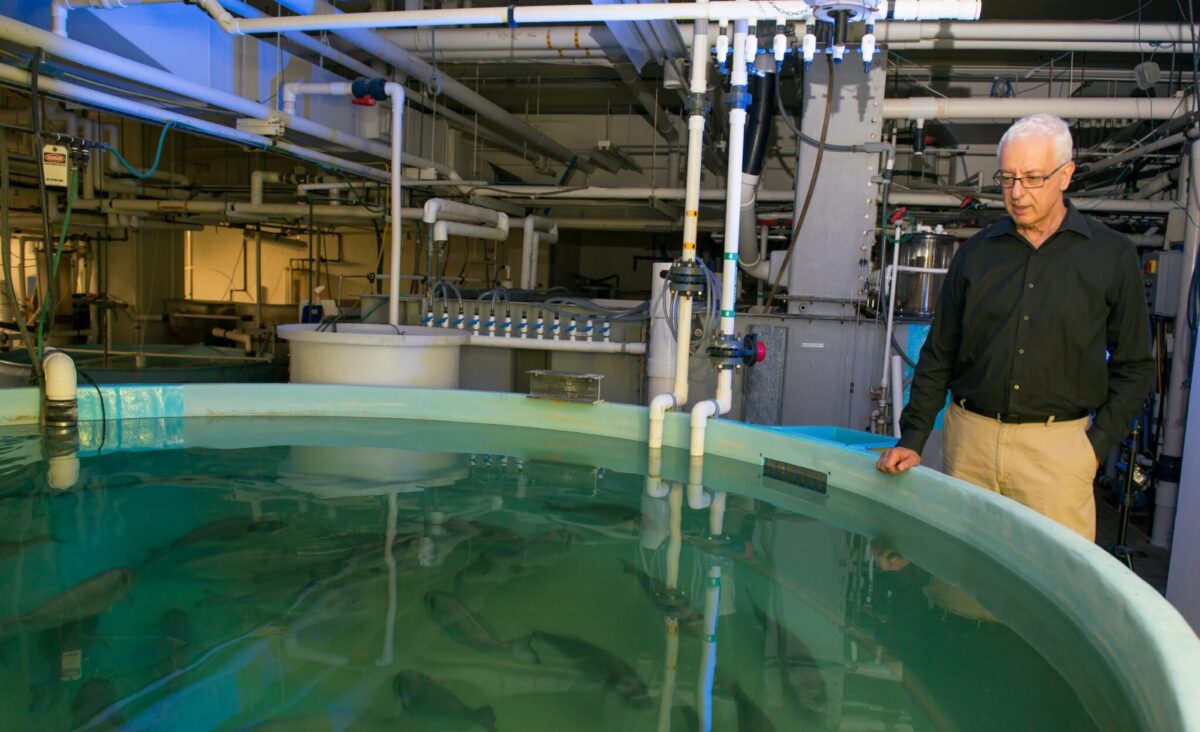
Yonathan Zohar is a Professor of Marine Biotechnology at the University of Maryland, Baltimore County (UMBC), leading research at the Institute of Marine and Environmental Technology (IMET). His work focuses on advancing sustainable aquaculture and fish reproductive biology. He has pioneered land-based aquaculture systems to address environmental and logistical challenges, including year-round salmon spawning and waste management innovations. Zohar’s research combines fundamental endocrinology with applied solutions, such as developing sterile fish strains and biodegradable waste systems. In 2020, he received the International Society for Fish Endocrinology’s Lifetime Achievement Award for his transformative contributions. His research interests span fish endocrinology, reproductive physiology, and aquaculture sustainability. Notable projects include manipulating fish reproduction cycles using environmental cues and converting fish waste into biogas to reduce energy costs. With a $10M USDA grant, he collaborates globally to commercialize land-based aquaculture. Zohar’s work emphasizes environmental responsibility and economic viability, aiming to reduce overfishing and meet rising seafood demand. Key Projects: Year-round salmon spawning, biogas production from fish waste, sterile fish development Funding: USDA grant ($10M), BARD Fund (U.S.-Israel partnership) Scientific contributions include over 50 peer-reviewed articles on fish endocrinology and aquaculture. His teams at IMET and the Aquaculture Research Center (ARC) address industry bottlenecks like sludge management and seasonal reproduction limits. Awards: Lifetime Achievement Award (2020) Collaborations: U.S. and international government/industry partnerships
Magdalena Zernicka-Goetz is a Bren Professor of Biology and Biological Engineering at the California Institute of Technology (Caltech), where she leads a lab focused on understanding early mammalian development. She holds a Ph.D. from the University of Warsaw (1993) and has held visiting roles at Caltech since 2018. Her research spans mouse and human embryo models, emphasizing cell lineage specification, self-organization of stem cells, and developmental mechanisms. Education: Ph.D., University of Warsaw, 1993 Research Interests: Her work explores how embryos self-organize from stem cells, focusing on mechanisms driving lineage allocation, morphogenesis, and the transition from totipotency to pluripotency. Key areas include synthetic embryo models, developmental clocks, and the role of signaling pathways (e.g., BMP4, PLC) in shaping embryonic patterns. Grant & Advising: Funded by NIH grants for projects like synthetic placenta systems and maternal-fetal interface studies. Advises over 15 graduate students and postdocs on topics ranging from stem cell engineering to IVF optimization. Labs & Collaborations: Her Caltech lab collaborates with the University of Cambridge and institutions globally, advancing embryo modeling technologies and ethical discourse on synthetic embryos.
J. Brad Reich serves as a Professor in the School of Business and Leadership at the University of Puget Sound, where he teaches Law and Ethics (BUS 340), Sports Law (BUS 476), and Never-Never Land (CONN 387) for the Fall 2025 semester. His scholarship emphasizes practical application for diverse audiences across legal and business domains. His academic credentials include: BBA, University of Iowa, 1991 JD, Drake University, 1994 LLM, University of Missouri Columbia, 2001 Reich's research centers on cutting-edge intersections of law and technology, particularly "cyberprocreation" (internet-based human reproduction through sperm/egg donation, embryo acquisition, and surrogacy), alongside critical sports law issues including National Letter of Intent enforcement, Title IX compliance, and NFL concussion liability. His work garners significant scholarly attention with citations from Harvard, Stanford, Columbia, and other elite institutions, reflecting its real-world relevance in evolving legal landscapes. No scientific awards were documented in the source material. His teaching philosophy prioritizes preparing students for immediate professional challenges through courses emphasizing ethical decision-making and dispute resolution. No information was provided regarding student advising, research grants, or laboratory affiliations.
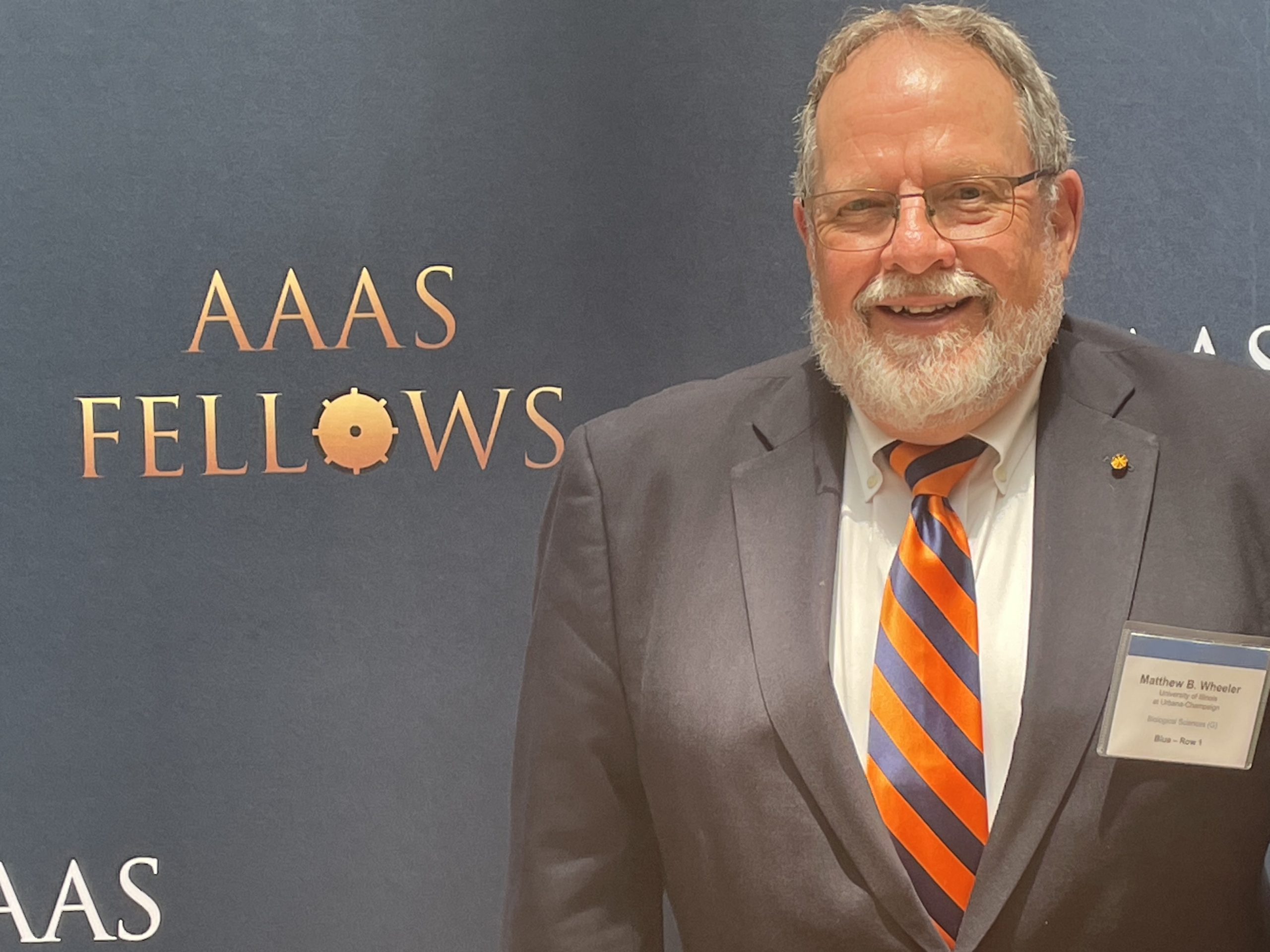
Matthew B. Wheeler is a Professor in the Department of Animal Sciences at the University of Illinois Urbana-Champaign, with additional affiliations at the Beckman Institute for Advanced Science and Technology, the Carl R. Woese Institute for Genomic Biology, the Carle Illinois College of Medicine, The Grainger College of Engineering, and the College of Veterinary Medicine. His research focuses on enhancing global food supply and animal agriculture through biotechnology, particularly in livestock reproduction and genetics. Wheeler's work has significant implications for both animal and human health, addressing hunger and malnutrition while developing better models for studying disease. Wheeler's research interests center on reproductive biology, transgenic animal technology, and embryo engineering. He has pioneered work in developing transgenic livestock for improved food production and biomedical applications. His current projects include creating transgenic cattle that produce human insulin in their milk as a more efficient production method for diabetes treatment, and developing tropical-adapted dairy cattle through strategic crossbreeding of Gyr and Jersey cattle to improve milk production in Tanzania. His laboratory has also made significant advances in microfluidic technologies for assisted reproduction, including the development of 3D imaging techniques for embryo evaluation. Wheeler's recent publications demonstrate a strong focus on practical applications of reproductive technologies in both developed and developing contexts. His work spans transgenic animal production, embryo imaging and selection, stem cell research, and tropical-adapted cattle development. The trend shows increasing emphasis on translational research that addresses global food security challenges while maintaining scientific rigor in reproductive biology. Among his notable scientific achievements, Wheeler was named a 2024 Fellow of the American Association for the Advancement of Science (AAAS) for 'distinguished contributions to the field of reproductive biology, particularly the use of transgenic and other biotechnological approaches to improve livestock and animal models of human disease.' He also received the 2024 Campus Award for Excellence in Graduate Student Mentoring at the University of Illinois. As a dedicated mentor, Wheeler has supervised numerous graduate students who have gone on to successful careers in academia and industry. His research has been supported by various funding sources including the USDA National Institute of Food and Agriculture, the National Science Foundation, and international collaborators. Wheeler leads significant international projects, most notably the Tanzania Tropical Adapted Cattle Project aimed at improving food security in the Global South through advanced reproductive technologies. Wheeler directs laboratory facilities focused on reproductive biotechnology and transgenic animal research. His team works across multiple species including cattle, swine, and deer, developing innovative approaches to embryo production, stem cell research, and genetic improvement of livestock. Current projects include developing a 100-head herd of transgenic cattle that could potentially produce all the insulin needed for the United States, and creating high-milk-yield cattle adapted to tropical climates that could transform dairy production in developing countries.
Maria Pilar Coy Fuster is a Full Professor at the University of Murcia , affiliated with the Faculty of Veterinary Medicine and the Department of Physiology . Her research focuses on reproductive physiology, in vitro fertilization (IVF), oviductal mechanisms, epigenetics, and assisted reproductive technologies (ART) in mammals, particularly pigs and cattle. Education : Degree in Veterinary Medicine, University of Murcia (1987) PhD in Veterinary Medicine, University of Murcia (1991) Diplomate in Animal Reproduction, European College of Animal Reproduction (2001) Research Interests encompass understanding oviductal glycoproteins like OVGP1 that regulate polyspermy, genomic and proteomic analysis of reproductive fluids, epigenetic impacts of ART, and developing biobanks for reproductive biofluids. She co-discovered a conserved oviductal mechanism in ungulates (absent in humans) that enhances IVF efficiency, leading to a PNAS publication and a patent. Scientific Awards include: Mention of Quality by the Spanish Ministry of Education Mention of Excellence by the Spanish Ministry of Education She has secured substantial funding, including a €3.8 million European Horizon 2020 grant for the Rep-Biotech Marie Sklodowska-Curie program, producing 15 international PhDs. Currently, she leads the AFRODITA network. Teaching Contributions include designing the internationally recognized Master and PhD programs in Reproductive Biology and Technology at the University of Murcia. She plays a leadership role as an Associate Editor for journals like Molecular Reproduction and Development and Molecular Human Reproduction .
Richard Storrow is a Professor of Law at the City University of New York School of Law, where he has taught since 2008. His academic career spans over 25 years, with previous positions at Hamline University, the University of Illinois, Penn State, and Texas Wesleyan Law Schools. His research focuses on reproductive justice, human rights, and family law, particularly in the context of assisted reproductive technologies and cross-border legal challenges. He has been recognized as an outstanding teacher five times and was a Fulbright Scholar in Spain (2010), researching assisted reproductive technology regulations. Education and Professional Background: After earning his law degree, Storrow clerked for Minnesota Court of Appeals Judge Edward J. Parker and practiced family law in Minneapolis. His early career included internships with the ACLU, Lambda Legal Defense, and the National Commission for Human Rights in Togo. He later served on the ACLU of North Texas Board. Research Interests: Storrow’s work bridges law and bioethics, addressing issues like surrogacy rights, international child citizenship, and legal frameworks for reproductive technologies. Notable contributions include critiques of marital status discrimination in adoption and advocacy for human rights-centered approaches to reproductive justice. Publications Overview: His articles span topics from cross-border wills to the legal status of children born via surrogacy. Recent work includes analyses of pandemic-era legal attestation practices and the intersection of gender identity with birth certificate policies. These publications reflect a focus on evolving legal responses to technological and social changes. Awards and Recognition: Beyond teaching accolades, Storrow’s Fulbright Scholarship highlights his international scholarly impact. His work has been cited in bioethics journals and law reviews, emphasizing practical and ethical dimensions of legal frameworks.