Andrew Corcoran is a Research Fellow at Monash University's Centre for Consciousness and Contemplative Studies. His work focuses on consciousness studies, predictive processing, and embodied cognition. Key areas include neural mechanisms of learning, interoception's role in cognition, and theoretical frameworks like active inference. He has published extensively in neuroscience and cognitive science journals, with recent work examining sleep's role in language learning, developmental agency origins, and adversarial collaborations in consciousness research. His interdisciplinary approach bridges philosophy, neuroscience, and physiology.
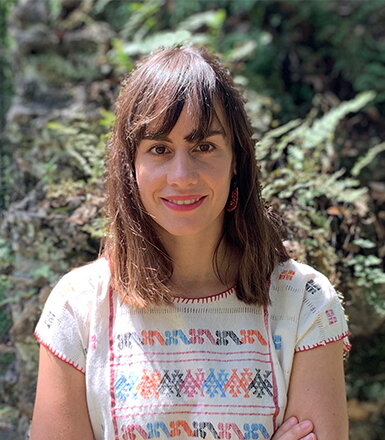
Magdalena Paz Novoa Echaurren serves as Assistant Professor in Urban and Regional Planning at the University of Illinois Urbana-Champaign, with affiliate appointments at the Center for Global Gender Equity and Center for Latin American and Caribbean Studies. Her scholarship bridges historic preservation, social justice, and community-based planning across the Americas through decolonial frameworks. Education: Ph.D. from University of Texas at Austin M.A. in Arts and Cultural Management from London School of Communication B.A. in Fine Arts from Pontificia Universidad Católica de Chile B.A. in Education from Universidad Gabriela Mistral Research Focus: Novoa investigates cultural heritage politics through gendered and place-based ethics of care , examining how marginalized communities navigate planning systems. Her work employs ethnographic, participatory, and arts-based methods to document insurgent heritage practices in deindustrialized landscapes (notably Chile's Lota region), challenging colonial legacies in preservation and planning. Key themes include memory in place-making, grassroots resistance to extractive projects, and pluriversal knowledge systems. Publication Trends: Her 2018-2025 articles reveal consistent engagement with decolonial methodologies and Chilean case studies , evolving toward broader applications in U.S. contexts (e.g., Dakota Access Pipeline protests). Recurring threads include the gendered dimensions of industrial decline, community-led heritage tourism, and embodied resistance to spatial dispossession across urban planning , cultural geography , and critical heritage studies . Scientific Awards: No awards or fellowships are documented in the provided materials. Practice Integration: Novoa partners with Chilean NGOs including Aldea foundation and co-leads OH! Stgo (Santiago's urban festival), translating research into public engagement through 100+ building openings, tours, and workshops. This community praxis emphasizes visibility for marginalized narratives in policy and academic discourse. Collaborative Networks: Her work involves transnational teams including Chilean community organizers, urban planners, and co-authors like R. Vasudevan and B. Sletto. Current projects focus on decolonizing planning scholarship through relational methodologies and insurgent heritage documentation in post-industrial communities.
Dr. Jackie Chappell is an Associate Professor in Animal Behaviour at the University of Birmingham and Deputy Head of the School of Biosciences. She holds a DPhil from the University of Oxford (1996) and has been at the University of Birmingham since 2004. Her research focuses on animal cognition, particularly tool use in New Caledonian crows, and practical applications of cognition in captive animal welfare. She collaborates with institutions like Twycross Zoo and the Bornean Orangutan Survival Foundation to improve enclosure design for great apes and parrots. Her academic roles include teaching modules such as 'Animal Behaviour: From Theory to Application' and supervising student projects, often involving fieldwork at zoos. She has secured grants from NERC, the ARCUS Foundation, and the Royal Society. Dr. Chappell’s work extends to editorial roles in journals like Animal Behaviour and Learning & Behavior , and she engages in public outreach through podcasts and media. Key research projects include the Enclosure Design Tool (EDT) , which uses wild ape behavior data to optimize zoo enclosures, and studies on parrot cognition and welfare. Her interdisciplinary collaborations span computer science, psychology, and conservation biology.
Annemarie Samuels is an Associate Professor at the Leiden Institute of Cultural Anthropology and Development Sociology within Leiden University's Faculty of Social and Behavioural Sciences. Her research focuses on medical anthropology, disaster studies, HIV/AIDS, and palliative care, with extensive fieldwork in Indonesia. She leads the ERC-funded project 'Globalizing Palliative Care,' exploring end-of-life care practices globally. Her work bridges ethnographic methods with policy analysis, addressing issues like data gaps in digital governance and cultural dimensions of healthcare. Research Interests: Medical anthropology Palliative care narratives HIV/AIDS stigma and care Disaster ethnography Public health policies Cultural competence in global health Awards & Grants: ERC Starting Grant (2020) for 'Globalizing Palliative Care' Vidi Grant (2024) for 'The Future of Dying' KWF Funding (2024) for culturally sensitive palliative care research KIEM Grant (2025) for humanities projects Advising & Collaboration: Samuels co-convenes the Leiden University Medical Anthropology Network (LUMAN), fostering interdisciplinary health research across Leiden's faculties. Her work integrates qualitative methods like participatory action research, narrative analysis, and ethnographic fieldwork with policy critique. Key Themes in Publications: Her articles highlight strategies of silence in healthcare, narrative navigation of HIV/AIDS, data gaps in public policy, and embodied experiences of disaster. Recent work emphasizes global health interventions and ethical dilemmas in end-of-life care.
Vesa Markuksela is a Senior Lecturer at the University of Lapland's Faculty of Social Sciences, affiliated with the Sustainable Naturecultures and Multispecies Future (SuMu) research group. His work reimagines human-nature boundaries through interdisciplinary approaches, blending organizational studies, marketing, and tourism with sensory ethnography. He explores multispecies connections in environments like waterscapes, mountain biking trails, and sportfishing practices, emphasizing nonhuman agency and sensory engagement. Key projects include collaborative investigations into customer service innovation (e.g., LIIKE-TAUKO project on exercise in road service stations) and service design methodologies. His research outputs span sensory encounters in Arctic tourism, motorboating ethics, and the role of sonar technology in sportfishing practices. Recent work focuses on mountain biking trails as sites of multispecies collaboration and the ‘sonar-o-graphy’ method for studying underwater interactions. Research Interests: Multispecies studies, sensory ethnography, environmental humanities, sportfishing communities, Arctic tourism, and embodied practices Key Projects: Co-PI in LIIKE-TAUKO (2015–2017), The Time of the Customer (2017–2019), and service design frameworks His work challenges conventional human-centric frameworks, advocating for inclusive, multispecies perspectives in both academic and applied contexts. Current trends in his publications highlight innovative methods like sonar-o-graphy and emphasize ethical considerations in recreational activities.
Professor C. Karen Liu is a Professor of Computer Science at Stanford University, previously serving as faculty at Georgia Tech's School of Interactive Computing. She holds a B.S. from National Taiwan University (1999), and M.S. and Ph.D. from the University of Washington (2001, 2005). Her research focuses on computer graphics and robotics, particularly physics-based animation, character animation, optimal control, reinforcement learning, and computational biomechanics. She leads The Movement Lab, advancing interdisciplinary work in human movement modeling, humanoid robotics, and assistive technologies. Notable contributions include the Stanford ToddlerBot for embodied intelligence, physics simulators like DART, and exoskeleton design. Awards include the NSF CAREER Award, Alfred P. Sloan Fellowship, and ACM SIGGRAPH's Significant New Researcher Award. Her lab bridges robotics, biomechanics, and AI, developing tools for motion prediction, human-robot interaction, and personalized biomechanical models. Key projects include the AddBiomechanics dataset and motion diffusion frameworks.
Oliver Haimson is an Assistant Professor at the University of Michigan's School of Information and the Digital Studies Institute in the College of Literature, Science, and the Arts. His research focuses on social computing, human-computer interaction, and trans technologies. He holds a PhD in Information & Computer Science from UC Irvine. Academic Roles: Faculty member, PhD advisor, and recipient of the NSF CAREER Award (2020-2025). Research Interests: Encompass trans technology design, content moderation for marginalized groups, and LGBTQ+ health. His upcoming book Trans Technologies (MIT Press, 2025) explores trans-led innovations in digital spaces. Notable contributions include the Online Identity Help Center, a resource for marginalized users navigating platform policies, and collaborations on AI ethics and content moderation challenges. His work emphasizes community-centered design and intersectional approaches to technology. He has advised numerous students and co-authored over 50 papers, with recent grants from NSF, U-M, and the Institute for Research on Women & Gender. His advocacy extends to gender equity in tech and LGBTQ+ inclusion in academia.
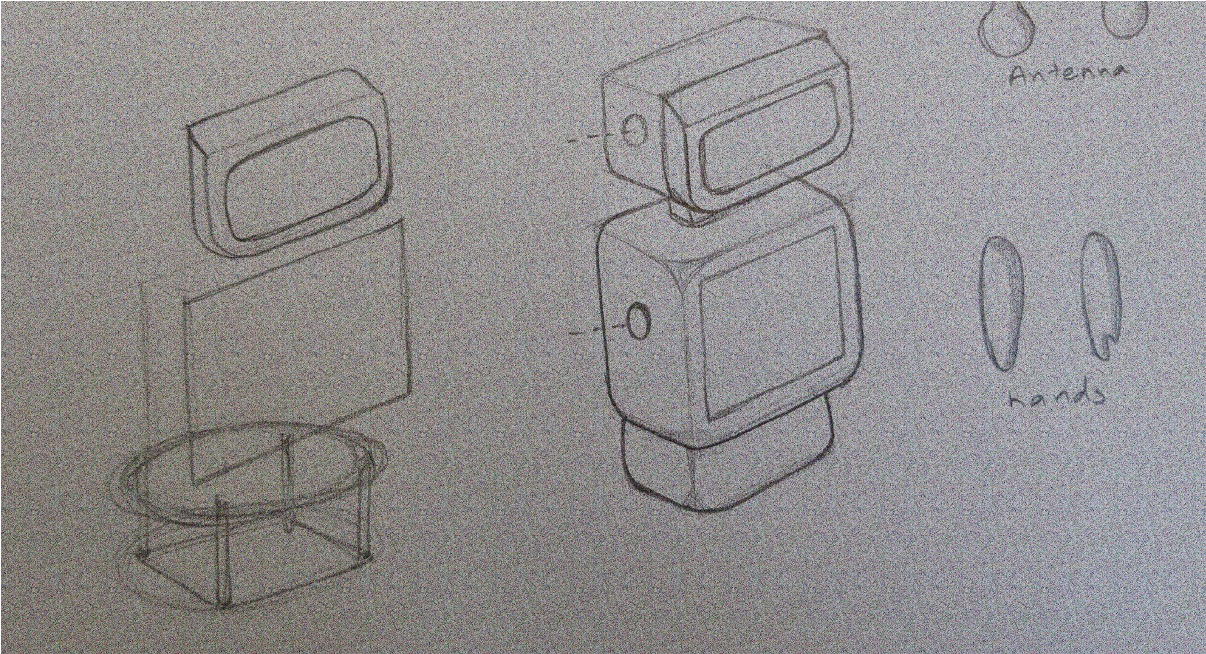
Patrícia Alves-Oliveira is an Assistant Professor of Robotics at the University of Michigan, leading the Robot Studio. Her research focuses on Human-Robot Interaction, Embodied Social AI, and Human-Centered Systems, with applications in health, education, and arts. She holds affiliations with MIDAS, ESC, and OSL, and teaches courses like 'Human Evaluation of Robot Systems' and 'Design for Human-Robot Interaction.' Her work integrates robotics, psychology, and design to create robots that are both functional and aesthetically engaging. Notable projects include the AURA project (winner of the ICRA 2025 HRI Award) and YOLO, a creativity-stimulating robot. She has secured grants such as the NSF EAGER Award and DARPA Faculty Award. Recent achievements include launching the 'Robo Reflections' HRI reading group, advising students like Atharva Kashyap and Grace Pan, and presenting keynotes at AAAI Symposia and FARI Conferences. Her research emphasizes real-world deployment and ethical design, with a focus on marginalized populations like incarcerated youth. Awards include the Best Paper Award at HRI 2021 and multiple recognitions for her contributions to creative AI systems. Her lab collaborates across disciplines, hosting visiting scholars and organizing workshops on topics like theory-grounded HRI and participatory design.
Ben Volmer is a Lecturer in the UniSA STEM unit at the University of South Australia. His research focuses on the intersection of augmented reality (AR), virtual reality (VR), and neuroscience, particularly examining how these technologies affect cognitive processes and human performance. He investigates EEG responses to incongruent sensory information in AR environments, spatial AR predictive cues' impact on mental effort, and VR applications for remapping motor control in prosthetic systems. Key research areas include: EEG-based analysis of cognitive load in AR/VR contexts Optimizing AR interfaces for procedural task guidance Neural adaptation in extended reality environments His recent work explores: Real-time neural decoding of incongruent stimuli (2024) Effects of predictive cues on sleep-deprived users (2022) Third-arm remapping in VR (2019) Ben has conducted studies on: Storyline visualization for wargame analysis (2024) Multi-level AR precues for workspace navigation (2023) No scientific awards or major grants were explicitly mentioned in the provided information.
Elisabet Marco Arocas is a Lecturer in the Department of Sociology at the Faculty of Social Sciences, Universitat de València. Her work is closely associated with two research groups: TERRES, focusing on educational transitions, resistances, gender relations, exclusion, and health; and COSiDES, which explores social embodiments, subjectivities, and dissidences. Her research interests lie at the intersection of sociology, migration, gender, and social exclusion. She investigates how young individuals, particularly those from marginalized backgrounds such as Moroccan youth migrating alone to the Valencian region, navigate social structures, educational systems, and health outcomes. Her work emphasizes embodied experiences and dissident identities within contemporary social frameworks. The thematic trends in her research suggest a strong commitment to qualitative sociological inquiry, critical theory, and interdisciplinary approaches linking education, health, and identity formation. Although no publications are listed in the provided text, her affiliations and thesis topic indicate sustained engagement with pressing social issues in Southern Europe. She has not been mentioned as receiving any scientific awards in the provided content. Elisabet Marco Arocas was supervised during her doctoral studies by Dr. Ignacio Martínez Morales and Dr. Inmaculada Serra Yoldi. While no current advisees or grant funding are listed, her role in active research groups suggests ongoing mentorship and collaborative research activities. She is affiliated with two key research groups: TERRES and COSiDES, both contributing to critical sociological research on marginalization, identity, and social change within the Spanish and broader European context.
Noah Cowan is a Professor in the Department of Mechanical Engineering at Johns Hopkins University, affiliated with the Whiting School of Engineering. He leads the Locomotion in Mechanical and Biological Systems (LIMBS) laboratory, an interdisciplinary research group that bridges engineering, neuroscience, and integrative biology to study movement in animals and robots. His research focuses on understanding the neural and biomechanical control of locomotion, using experimental and computational approaches to uncover principles of sensory guidance, feedback control, and motor adaptation. Key areas include path integration in place cells, sensorimotor adaptation in weakly electric fish, and embodied control in insects and mammals. Systems and Computational Neuroscience Feedback and Control Theory in Biological Systems Biomechanics and Robotics Neural Circuits and Motor Control Sensorimotor Integration and Active Sensing The recent publications reflect a strong trend in applying control theory to neuroscience, particularly in understanding how organisms use sensory feedback to guide movement. Work spans from fundamental neural mechanisms in rodents and fish to applications in prosthetics and robotics. A recurring theme is the role of feedback in stabilizing movement and enabling adaptation. Noah Cowan has not been mentioned with any scientific awards in the provided text. He actively mentors a diverse team of researchers, including postdoctoral fellows, PhD students, and undergraduate researchers. His lab has secured funding to support interdisciplinary projects that integrate biology and engineering. While specific grants are not listed, the scope and publication record suggest sustained support from federal and private research agencies. The LIMBS lab develops advanced experimental platforms such as the Dome virtual reality system for rodents and high-precision tracking tools, enabling cutting-edge studies in freely moving animals and bio-inspired robots.
Derek Reilly is an Associate Professor in the Faculty of Computer Science at Dalhousie University, where he co-directs the Graphics and Experiential Media (GEM) Lab and chairs the HCI, Visualization, and Graphics research cluster. His work focuses on human-computer interaction, particularly in mobile, immersive, and ubiquitous interfaces, with strong emphasis on spatial thinking, embodied interaction, and mixed reality environments. His research interests include: Human-Computer Interaction (HCI) Ubiquitous and Mobile Computing Mixed and Virtual Reality Embodied and Whole Body Interaction Information and Immersive Visualization Computer-Supported Cooperative Work Interactive Exhibits and Cultural Heritage His recent publications reflect a consistent focus on spatial and experiential computing, with projects spanning AR storytelling, collaborative play, accessible VR, and urban wayfinding. These works demonstrate a trajectory toward inclusive, embodied, and context-aware interactive systems. His scientific contributions are supported through lab-based research and student mentorship, though specific awards are not listed in the provided texts. He advises students and leads research initiatives in the GEM Lab, where he fosters innovation in experiential media. His teaching includes courses in user interface design, AR/VR, object-oriented programming, and ubiquitous computing, reflecting his interdisciplinary approach. He is actively involved in research and education, with ongoing projects and fellowship opportunities available. His lab explores the intersection of technology, physicality, and environment, aiming to create meaningful and impactful interactive experiences.
Adrien Peyrache is an Assistant Professor at the Department of Neurology and Neurosurgery, Faculty of Medicine and Health Sciences, McGill University, and directs the Peyrache Lab at The Neuro (Montreal Neurological Institute-Hospital). He holds the Canadian Research Chair in Systems Neuroscience (Tier 2) and joined the Azrieli Centre for Autism Research in 2022. His research investigates the neuronal basis of cognition, focusing on: Spatial navigation and the brain's 'GPS' in rodents Neural circuit organization during sleep and wake states Learning, memory consolidation, and neuronal population dynamics Neurodevelopmental disorders (autism) using Fragile X models His publications demonstrate expertise in neural coding mechanisms, particularly in head-direction systems, hippocampal-prefrontal networks, and sleep-related neural dynamics. Research frequently employs electrophysiology, computational modeling, and behavioral analysis. Awards and Honors: Killam Laureate (2017-2022) NIH K99 Award (2014) Human Frontiers Science Program Fellowship He chairs The Neuro's Open Science Prize committee and advocates for open neuroscience practices. His lab collaborates internationally on projects linking neural circuit dysfunction to epilepsy and depression.
Dr Ken McAnally is an Affiliate of the Centre for Sensorimotor Performance at the University of Queensland 's School of Human Movement and Nutrition Sciences. His research spans auditory perception, cognitive neuroscience, and virtual reality applications in human movement studies. Key research themes include: Visuomotor integration in real and virtual environments Auditory processing in dyslexia and schizophrenia Metacognition and change detection mechanisms Sensory integration in cognitive disorders Recent publications (2024-2025) demonstrate expertise in: VR-induced vergence-accommodation conflict resolution Automation transparency in human-computer interaction Perceptual span in schizotypal populations His work appears in journals like Neuroscience , Human Factors , and Psychological Research . Contact: kenneth.mcanally@uq.edu.au
Nicholas Bartlett is an Assistant Professor in the Department of Asian and Middle Eastern Cultures at Barnard College, part of Columbia University. He is affiliated with the medical anthropology track and co-chairs Columbia’s Modern China Seminar, reflecting his deep engagement with contemporary Chinese society and culture. Education: BA: Pomona College MA: Columbia University PhD: University of California, Berkeley and San Francisco (Medical Anthropology) His research lies at the intersection of medical and psychological anthropology, with core interests in addiction and recovery, labor, embodiment, civil society, psychoanalysis, and the politics of psychological knowledge in China. Drawing on ethnographic fieldwork, Bartlett explores how individuals navigate historical change, trauma, and social transformation. His work often examines the interplay between personal suffering and broader socio-political shifts, particularly in post-reform China. The themes across his publications reveal a consistent focus on the lived experience of marginalization, historical consciousness, and therapeutic practices. His research spans heroin addiction recovery, entrepreneurial failure, socialist labor legacies, and the introduction of Western psychoanalytic group methods in China. These investigations highlight the affective and symbolic dimensions of social change. Scientific Awards: No awards mentioned in the provided text. Nicholas Bartlett has taught anthropology courses at USC and UCLA before joining Barnard. He mentors students through seminars on trauma, desire, labor, and East Asian mental health. While specific advisees are not listed, his role as a course instructor and seminar co-chair indicates active academic guidance. He is involved in collaborative research projects, including a special issue on China’s long 1980s and a book on affect during the pandemic, suggesting ongoing grant-supported or collective scholarly work. His current fieldwork on Group Relations Conferences (GRCs) in China explores how unconscious group dynamics shape leadership and collective life. This research situates him at the nexus of psychoanalytic theory and political anthropology. Though no formal lab is mentioned, his participation in conferences and institutional collaborations indicates active team-based and interdisciplinary inquiry.