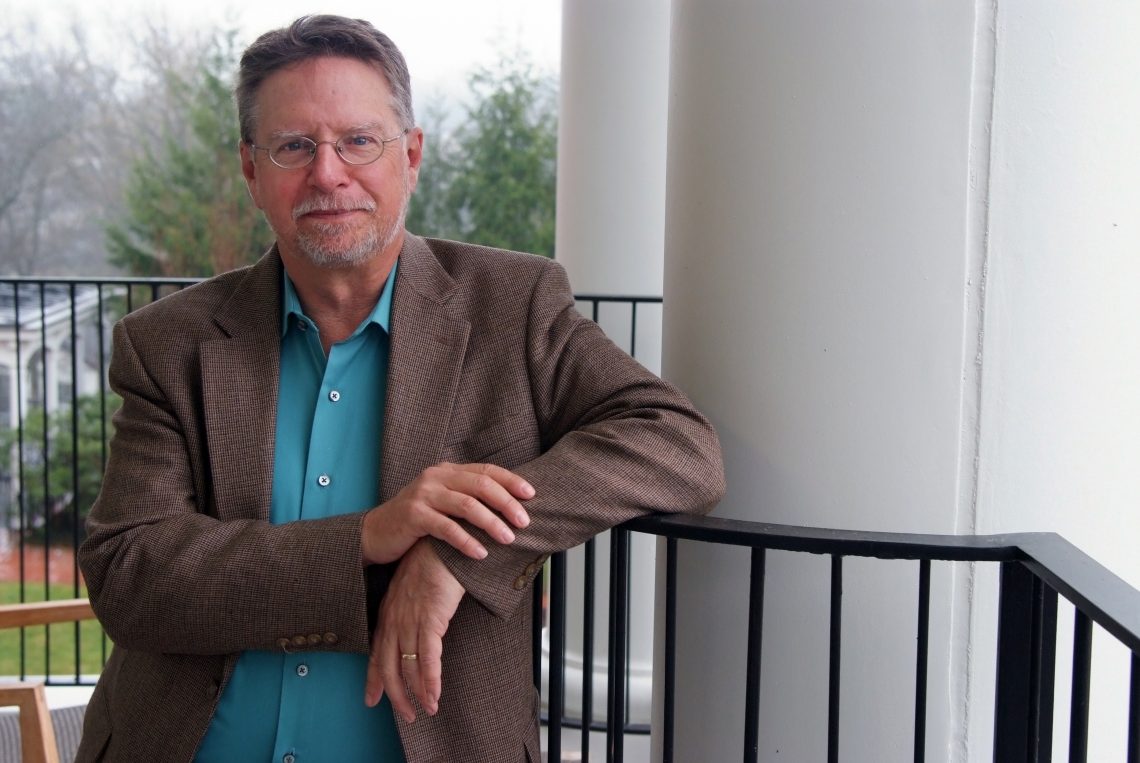
Ji Hwan Park is an Assistant Professor in the School of Interactive Games and Media at RIT's Golisano College of Computing and Information Sciences (GCCIS). He holds a PhD from Stony Brook University under Prof. Arie Kaufman. His research focuses on accessible data visualization, digital twins, human-AI collaboration, and VR/AR applications. Notable contributions include developing tools for ADHD-friendly visualizations and interactive protein motif identification. He has received funding from the Department of Defense for biomedical research and earned an Honorable Mention at CHI 2024. Current teaching includes courses on game design and advanced algorithms. Research activities span medical imaging analytics (e.g., CMed framework for crowd-sourced diagnostics), climate modeling through Bayesian deep learning, and creative visualization techniques like Graphoto. His work bridges technical innovation with human-centered design principles, particularly in healthcare and neurodivergent accessibility contexts.
Dina Danish (b. 1981, Paris) is an Egyptian-Danish artist and educator working at the intersection of language, historical reinterpretation, and conceptual practice. She holds a Lecturer position at the Fine Arts department of KABK in The Hague and serves as a teaching mentor at the Rietveld Academy, Amsterdam . Guest teaching roles include the Sandberg Institute and American University in Cairo . Education : BA from American University in Cairo; MFA from California College of the Arts (San Francisco) Residencies : Rijksakademie Amsterdam, Spinola Banna Italy, PiST/// Istanbul, A.i.R. Dubai, Affiliated Fellow at American Academy in Rome Her research explores humor, mistranslation, and overlooked historical moments , often through video art, performance, and text-based installations . Key themes include linguistic structures, cultural memory, and Dadaist methodologies . Recent projects examine ancient motifs in contemporary art (e.g., Jean-Baptiste Maitre) and political commentary through playful abstraction . Notable exhibitions at SFMOMA, Stedelijk Museum Schiedam, and Kunsthall Oslo highlight her focus on translation errors, sound poetry, and archival interventions . Volkskrant Award finalist Abraaj Art Prize nominee Illy Present Future Prize recipient Celeste Award nominee Barclay Simpson Award nominee Dina collaborates with institutions like Hotel Maria Kapel and De Nederlandsche Bank , and co-curated a Rijksakademie anniversary exhibition. Her work is represented by galleries in Amsterdam, Milan, and Zurich.
Hedvig Harmati is a university professor and research leader at the Moholy-Nagy University of Art and Design (MOME), where she has held pivotal roles since 2005. She served as Department Head of the Textile Department (2005-2019), led the MOME Doctoral School (2019-2024), and acted as a supervisor for both the Fashion and Textile Design MA and the Doctoral School. Her work bridges textile design and structural design , emphasizing technological integration and architectural parallels. Education: DLA degree (2009), Habilitation (2018) Leadership: Department Head (2005-2019), Doctoral School Leader (2019-2024) Key Projects: Clean Architecture (2016), Human Washer (2016), Plait Positions (2012) Her research focuses on textile design innovation, structural design principles, and the intersection of industrial technology with artistic expression. She has pioneered projects like the Clean Architecture collection (2016), which demonstrated architectural influences in textile design, and the Dark Light international research project (2015-2017). Harmati’s work has been recognized with prestigious awards including: Ferenczy Noémi Award (2017) Hungarian Design Awards (2002, 2016) Main Prize of the Hungarian Academy of Arts (2012) Design 21 Award (UNESCO, 1997) Szombathely Textile Biennale Prize (1998) She has received multiple Creative Grants from Hungary’s National Cultural Fund (2008, 2016-2017) and the Moholy-Nagy László Design Grant (2001, 2004). As a supervisor in the MOME Doctoral School (2019-2024), she mentored future generations while leading the international research project Future Traditions (2022-2026).
Dr. Alice Sullivan is an Assistant Professor in the Department of History of Art and Architecture at Tufts University, School of Arts and Sciences. Her research focuses on medieval art, architecture, and visual culture in Eastern Europe and the Byzantine-Slavic cultural spheres, with emphasis on regions like Romania and Ukraine between the 14th and 17th centuries. She has held prestigious fellowships from institutions including the Mellon Foundation and the Getty Foundation, and her work has been recognized with awards such as the 2023 Early Slavic Studies Association Book Prize and the Medieval Academy’s Digital Humanities Prize. Sullivan co-founded digital initiatives like the Sinai Digital Archive and North of Byzantium, which explore medieval cultural heritage. Her teaching spans courses on medieval art, global book cultures, and architectural history. Currently, she is a Senior Researcher on the HER-UKR project, addressing EU heritage diplomacy in Ukraine. Education: - PhD, University of Michigan (2017) - MA, Williams College (2010) - BA, Bowdoin College (2008) Research Interests: Medieval art and architecture, Byzantine-Slavic cultural intersections, image theory, monasticism, cross-cultural exchanges, and historical patronage. Key Projects: - Sinai Digital Archive : Enhancing access to medieval religious artifacts. - North of Byzantium : Exploring Byzantine Empire’s northern frontiers. - HER-UKR : EU heritage diplomacy in Ukraine (2024–2026). Grants and Awards: 2023 Book Prize (Early Slavic Studies Association) 2023 Digital Humanities Prize (Medieval Academy) Neubauer Faculty Fellowship (Tufts University, 2021–2022) Teaching: Courses include Medieval Architecture, Theories of Art History, and special topics like Dracula’s Cultural Afterlife.
Dr. Denise Sprynskyj is a Senior Lecturer in the Department of Fashion & Textiles at RMIT University, located at the City Campus in Australia. Her work focuses on creative design practice, surface manipulation, and contemporary fashion practices with an emphasis on Japanese design models. She collaborates frequently with designer Paul Boyd, producing innovative fashion presentations and installations across Melbourne's major festivals and events. Her research interests include textile embellishment, reconstructing tailoring techniques, and deconstructivist approaches to fashion. She actively supervises research projects like 'Double Take: Text, Garment, and Filmed ‘Replica’s’ and explores intersections between traditional decorative techniques and modern innovations. Dr. Sprynskyj has presented works at venues including the Swedish School of Textiles, National Gallery of Victoria, and Melbourne Fashion Festival. Her creative outputs blend performance art, material experimentation, and collaborative curation to challenge conventional fashion narratives. Despite no explicitly stated awards, her prolific exhibition record demonstrates significant recognition in the field. As an educator, she teaches courses on independent practice, surface pattern design, and curriculum development in fashion education. Her ORCID profile (0000-0002-2611-6517) documents extensive creative outputs since 2009, emphasizing material innovation and interdisciplinary collaboration.
AHMET BURAK BASMACIOĞLU is a Professor at Anadolu University State Conservatory's Music Department since 2023. He has held academic positions at the same institution since 1992, including Associate Professor (2010-2023) and Lecturer (1992-2010). His work focuses on early music performance , keyboard pedagogy , and hermeneutics in historical performance . 1992: Hacettepe University undergraduate 1994-1996: Postgraduate at Anadolu University 1996-2003: Master's and PhD in Piano at Anadolu University 1998-2006: Specialization in Early Music at Strasbourg Conservatory His research areas include historically informed performance , baroque keyboard , and basso continuo . He has supervised 6 theses on topics like Bach adaptations and ornamentation systems. His recent publications analyze French Baroque ornaments (2022) and microtonal keyboards (2023), while his conference work explores hermeneutics in early music . As an active performer, he has led harpsichord and organ recitals since 1992, including collaborations with Istanbul Symphony Orchestra (2024) and Ankara Music Festival (2024). He also contributes to academic journals as Special Issue Editor for the International Journal of New Trends in Arts, Sports & Science Education (2022-2024).
Roles and Affiliations: Dympna Callaghan is a University Professor and William L. Safire Professor of Modern Letters in Syracuse University's Department of English. She holds affiliations with the Women's and Gender Studies and Medieval and Renaissance Studies programs within the College of Arts & Sciences. Education: D.Phil, Sussex University (1986) M.A., Renaissance Literature, Sussex University (1982) M.A., American Studies, Bowling Green State University (1981) B.A. (Hons.), English Literature, University of Newcastle Upon Tyne (1980) Research Interests: Callaghan specializes in Early Modern literature with a focus on Shakespeare, feminist criticism, gender studies, and the intersection of colonialism/race in drama. Her work often explores the performative dimensions of language and identity, with recent projects addressing Shakespearean poetry, global intercultural adaptations, and the relationship between freedom of speech and poetic expression. She has pioneered international collaborations, including the A/S/I/A Asian Shakespeare Intercultural Archive and co-editing the Palgrave Shakespeare series. Recent Article Trends: Her recent scholarship bridges historical textual analysis with contemporary critical frameworks—e.g., ecocritical readings of Shakespeare, feminist reinterpretations of early modern gender roles, and investigations into material culture (e.g., costume, manuscript circulation). She also engages with interdisciplinary topics like performance studies, postcolonial theory, and the digital humanities. Awards and Recognition: Fletcher Jones Distinguished Fellow in British Studies (2019–2020) Fellowships at Folger, Huntington, and Newberry Libraries Life Member of Clare Hall, Cambridge University Recipient of distinguished lectureships across three continents Service and Mentorship: Callaghan serves as series editor for Palgrave Shakespeare Studies and Arden Shakespeare Language and Writing Series . She has mentored students on topics ranging from early modern women's theater to race in colonial drama. Recent service roles include revising curricula for Global Early Modern Studies and mentoring humanities faculty. Labs/Initiatives: Leads the core editorial team for the A/S/I/A gender collection and organizes interdisciplinary conferences like Shakespeare and Relevance: Climate, Race, and Gender (2022). Collaborates with institutions such as the British Shakespeare Centre and the Asian Shakespeare Association.
Lauren Darrouzet is a Visiting Assistant Professor of Metals and 3D Fabrication at Earlham College, where she teaches within the School of Visual and Performing Arts. She is based in the Center for Visual and Performing Arts, Room 234, and can be reached at darrola@earlham.edu. Her academic journey includes an MFA in Metalsmithing + Jewelry Design from Indiana University and a BFA in Photography from the University of North Texas. Her educational background includes: MFA, Metalsmithing + Jewelry Design, Indiana University (2019-2022) BFA, Photography, University of North Texas, Cum Laude (2009) Distinguished Honors Scholar, University of North Texas Honors College Dr. Darrouzet's artistic practice explores the relationship between collecting, childhood memories, and nostalgia. She investigates longing, control, and delight connected to the act of collecting objects during youth. Her meditative approach to designing and embellishing creates colorful, reflective, and playful ornamentation that connects her with her younger self. Her work frequently engages with feminist perspectives and identity politics, as seen in series like 'Gothic Dyke' and 'Womxn Hex,' with pieces often referencing the feminist statement 'Men are afraid that women will laugh at them. Women are afraid that men will kill them.' Her recent artistic output shows a strong focus on transforming childhood nostalgia into contemporary art forms. The 'Polly Pocket' series from 2022 represents her most recent exploration of childhood artifacts reimagined through a contemporary art lens, while her 'Bejeweled' and 'Kinechroma' series demonstrate technical mastery with materials like sterling silver, acrylic, and various embellishments. Her work incorporates elements of memory, identity, and personal history through innovative material combinations. Her notable awards include: Mary Jane McIntire Endowed Fellowship (2021) Metalsmithing + Jewelry Design Area Award (2021) SNAG Educational Endowment Scholarship (2021) Alma R. Eikerman Scholarship (2020) Friends of Art Award (2020) As an educator at a Quaker-founded liberal arts college, Darrouzet emphasizes personalized attention and meaningful conversations in her teaching. She believes 'the most memorable classes are guided by mutual respect and push us to develop new modes of self-expression.' Her professional memberships include the Society of North American Goldsmiths and Ethical Metalsmiths, connecting her to broader networks in her field. She maintains an active exhibition record with both solo and group shows at venues including the Grunwald Gallery of Art and the Athens Institute for Contemporary Art. While specific lab information isn't detailed in the available text, her work suggests engagement with metalworking studios and 3D fabrication facilities at Earlham College, where she likely maintains studio practice alongside her teaching responsibilities.
Oliver Gather is a full-time lecturer in the Department of Culture, Aesthetics, Media at Hochschule Düsseldorf's Faculty of Social Sciences and Cultural Studies. Born in 1963, Gather is an active artist-educator whose work bridges academic teaching and artistic practice, with recent projects extending through 2024. His institutional affiliation centers on exploring aesthetic practices within social and spatial contexts. Gather's research interests focus on examining social contexts through visual arts media. His practice spans drawing, concrete and plaster work, experimental film, public interventions, performance, installation, photography, and sound art. Central to his approach is challenging aesthetic perception of the world, with particular attention to how sense organs allow us to grasp physicality and spatiality. Rather than using art to decorate or embellish, Gather employs it to enable awareness of our own situation from perspectives complementary to scientific thinking. His recent artistic output reveals a sustained engagement with landscape, urban space, and human relationships to environments. Projects like 'Schmuckeremit*in im Edelsteingarten' demonstrate his interest in historical references within contemporary contexts, while 'Sounds for a wounded landscape' and 'Hochsitzen' explore human-animal and human-environment relationships through ethnographic observation frameworks. Gather frequently utilizes digital tools like Google Street View as artistic media, as seen in 'Home Search,' creating what he terms 'Road Movie 2.0' approaches to spatial representation. Scientific Awards: Award at Oberhausen Short Film Festival 2021 for 'Hochsitzen' DA Scholarship in Gravenhorst (2014) Gather's teaching practice emphasizes collaborative and site-specific approaches, as evidenced by courses like 'Ästhetische Praxen im Landschaftsraum' (Aesthetic Practices in Landscape Space) and 'Performance im öffentlichen Raum - Interventionen.' His artistic research projects often involve partnerships with performers, sound artists, and local communities, such as the 'Schmuckeremit*in' project which included a public casting process with neighborhood residents serving on the selection jury. While specific grant information isn't detailed in the provided texts, his DA Scholarship indicates recognition from arts funding bodies. Through projects like 'Gasthof Worringer Platz' (2013-2020) and ongoing work at Worringer Platz in Düsseldorf, Gather has established long-term engagement with specific urban sites, creating what functions as de facto research laboratories for examining social dynamics in public space. His website platforms (www.olivergather.de, www.gatherseminare.de, www.gasthofworringerplatz.de) serve as digital extensions of these physical research spaces, documenting interventions and facilitating ongoing dialogue about urban environments.
Dr. Casey Stannard is the Beverly Griffin Shea Associate Professor at Louisiana State University specializing in sustainable apparel design and fiber arts. Her research explores innovative applications of materials including wild alligator leather, 3D printed elements, and locally grown fibers through experimental patternmaking techniques. Stannard's creative scholarship focuses on sustainable design methodologies including gradable zero-waste systems that eliminate textile waste throughout the sizing process. She investigates consumer interactions with wearable technology and analyzes market opportunities for sustainable materials. Her work with small fiber farmers examines Etsy marketing strategies for locally sourced materials. With expertise in social-psychological aspects of dress, she has published on fan fashion practices, body image influences, and craft community behaviors. Her creative work has been exhibited internationally, featuring innovations in wearable basketry techniques and transformable garment systems. She teaches courses including Flat Pattern Design, Couture Embellishment, and Apparel Design Through Draping.
Spyridon Antonopoulos is an Honorary Research Fellow in the Department of Performing Arts at City St George's, University of London. His research focuses on medieval Byzantine chant, archaeoacoustics, and music's role in identity formation. He holds a PhD in Musicology from City University London (2012), alongside a Master of Music from the New England Conservatory and a BA in Classics and Music from Brown University. Dr. Antonopoulos has received grants from the Higher Education Innovation Fund (2013) and the AHRC Cultural Engagement Fund (2013), as well as the Mercer's Company prize for academic excellence (2014-15). He has taught courses on music theory and ethnomusicology at City St George's and collaborates on interdisciplinary projects such as Stanford’s Icons of Sound and UCLA/USC’s Soundscapes of Medieval Byzantium , exploring sound, space, and liturgy in the Byzantine world. As founder and director of vocal ensemble Psaltikon , he has performed and recorded Byzantine chant globally, including the world premiere of the 7th-century Paschal Canon . His work with Cappella Romana has taken him to venues like the Utrecht Early Music Festival and the Metropolitan Museum of Art. His scholarly contributions include articles in Dumbarton Oaks Papers and Hesperia , as well as entries in major encyclopedic projects. Antonopoulos’ research bridges performance practice and historical analysis, emphasizing how Byzantine music shaped imperial rituals and cultural identity. Recent projects include acoustic reconstructions of Constantinople’s liturgical spaces and studies on rebetika’s role in modern Greek identity.
Jeffrey C. Barnett is the S. Blount Mason Professor of Romance Languages at Washington and Lee University. He joined the faculty in 1989 after earning his doctorate from the University of Kentucky, where he specialized in Latin American and Caribbean Studies. Barnett teaches courses on language, culture, and literature, including Spanish-American novels from the 'Boom Generation,' Caribbean literature, and literary translation. His inaugural lecture for the endowed professorship, titled 'Lost (And Found Again) in Translation,' highlights his personal experiences as a literary translator of Spanish-American authors such as Carlos Fuentes, Uva de Aragón, and Zurelys López Amaya. Barnett emphasizes the artistic balance between literal and embellished translations to maintain fidelity to original works. Director of the Global Stewardship Program Program Head of Latin American and Caribbean Studies Program (2007–present) The S. Blount Mason Professorship, established in 1973, honors the legacy of Sidney Mathias Baxter Coulling, Dabney Stuart, and Jim Warren—all emeritus professors of English.
Maile Hutterer is an Associate Professor in the Department of History at the University of Oregon, affiliated with the College of Arts and Sciences. She serves as Director/Advisor for the Medieval Studies Program. PhD in Medieval Art and Architecture from New York University (2011) Previous appointments at Rutgers University and Western Illinois University Her research focuses on medieval ecclesiastical architecture, particularly French Gothic churches. Key themes include: Structural elements as expressions of social and religious power Evolution of sacred space and urban development Artistic and engineering innovations in flying buttress systems Selected publications span architectural history journals and interdisciplinary volumes, with a monograph on buttresses in French Gothic architecture (2019). Courses taught include World Architecture I, Medieval Art, Gothic Architecture, and Art and Crusade.
Prof. Michael Locher is a Professor of Building in Existing Structures at the Department of Civil Engineering, Technische Hochschule Lübeck. As Vice Dean and Head of the Master's program in Architecture, he focuses on design and construction strategies for historical buildings. His work bridges conservation, sustainability, and urban development. Selected projects include: Bern Art Museum Federal Criminal Police Office, Berlin Science Campus, Beijing Retirement home, Unterseen Loft, Neuchâtel Kirchenfeld Competition, Bern His research emphasizes contextual architectural solutions and the role of embellishment in urban preservation. While no explicit scientific awards are listed, his international projects (Switzerland, Germany, Denmark, China) reflect his expertise in integrating new designs with historical structures.
Adam Knight Gilbert is Professor, Director of the Early Music department, and Chair of the Musicology program at the University of Southern California. A premier performer of Renaissance wind instruments (recorder, historical double reeds, shawm), he is a founding member of ensemble Ciaramella and has performed globally with groups like Piffaro, Waverly Consort, and the Folger Consort. Education: PhD, Case Western Reserve University (2003) Mannes College of Music (1984) Rotterdams Conservatorium (1990-1991) Visiting Scholar, Katholieke Universiteit Leuven (1998-2001) Research Interests: Specializes in 15th-17th century music, including allusion in Renaissance song/Mass, pastourelle symbolism, improvisation, compositional processes (1400-1700), and performance practice of shawms/bagpipes. His work bridges musicology, iconography, and historical performance. Publications Focus: Recent scholarly works emphasize Renaissance/Medieval performance practice, instrument studies (bagpipes), composition techniques, and ensemble direction. Key themes include historical improvisation, symbolic meanings in music, and editing early music sources. Awards: Fulbright Fellowship (1998-1999) Belgian American Education Foundation Grant (1998-2000) Professional Activities: International master classes; adjunct faculty at Tilburg Conservatorium (Netherlands); recordings on Dorian, Naxos, and Archiv labels; compositions featured in American Recorder Society Magazine and ensemble albums.