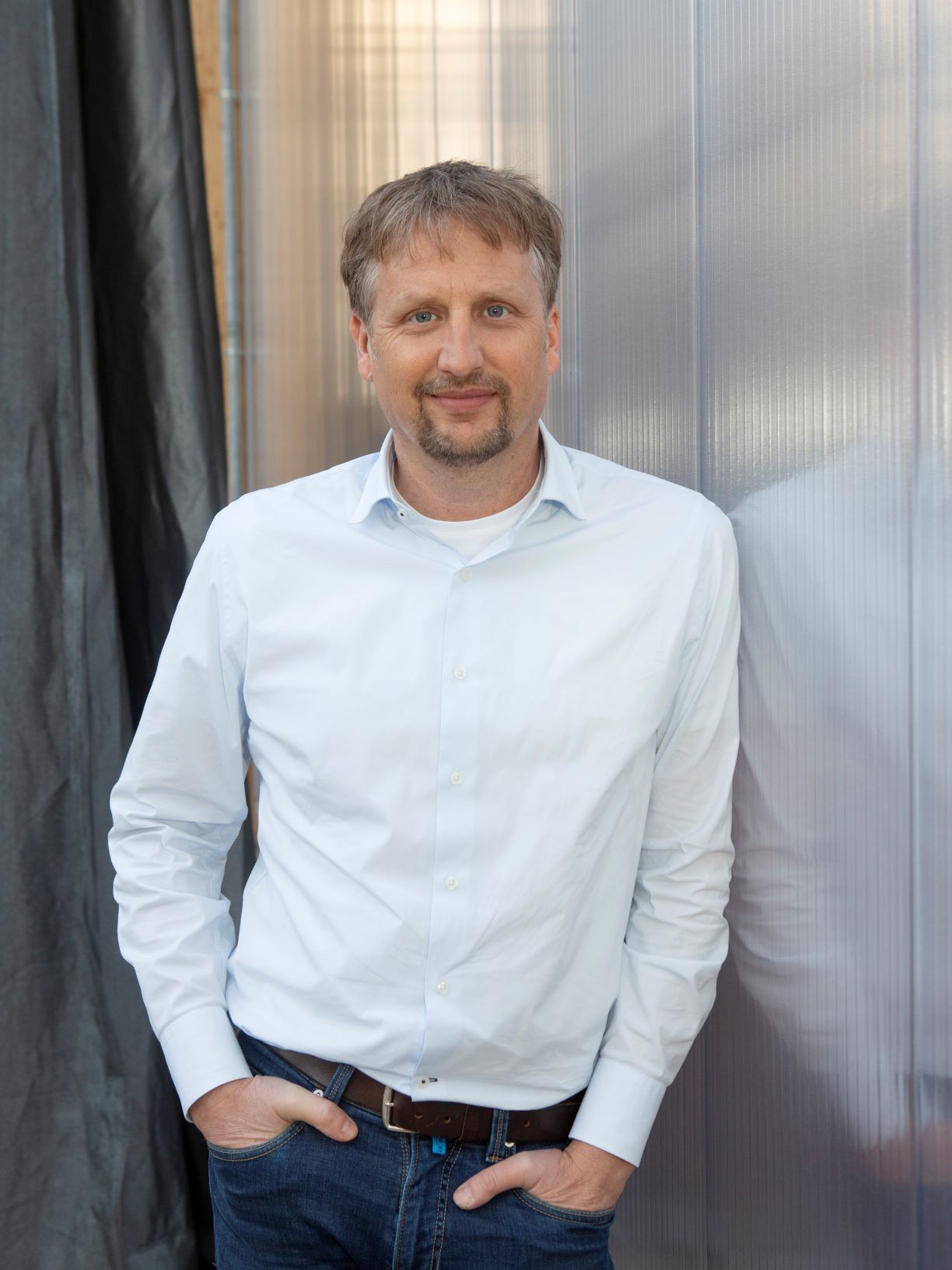
Prof. Alexander Holleitner leads the Chair of Nanotechnology and Nanomaterials at the Department of Physics, Technical University of Munich , under the Walter Schottky Institute. His research focuses on ultrafast optoelectronics, quantum optoelectronics, and excitonic systems in nanoscale circuits. Research Directions : Ultrafast optoelectronics, quantum optoelectronics, excitonic systems, THz time-domain spectroscopy, and nanofabrication of mixed organic/inorganic systems. Publications : Recent work spans hyperbolic polaritons, interlayer excitons, graphene nano-gap dynamics, and defect engineering in 2D materials. Collaborations include interdisciplinary projects with groups studying semiconductor heterostructures and quantum technologies. His lab welcomes students and researchers interested in experimental physics, quantum electronics, and nanofabrication.
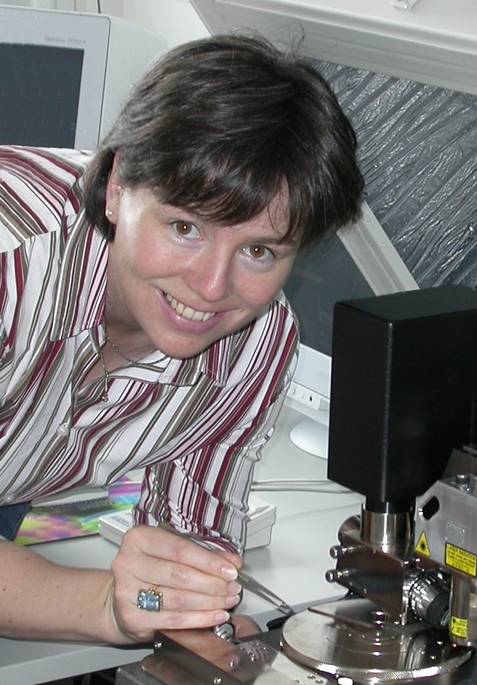
Karin Jacobs is a Professor in the Department of Physics at Saarland University, where she leads the research group for soft matter physics within the Faculty of Natural Sciences and Technology. Her work bridges experimental physics and applied materials science, focusing on interfacial phenomena, thin films, and functional materials. Research Interests: Her group investigates the stability of coatings, properties of simple and complex fluids, and the adhesion of biomolecules on surfaces. Using advanced experimental techniques such as atomic force microscopy (AFM), ellipsometry, surface plasmon resonance spectroscopy, optical microscopy, and ultra-high vacuum (UHV) methods like photoelectron spectroscopy, her team probes nanoscale and microscale interactions at solid-liquid and solid-gas interfaces. The research spans fundamental and applied domains, including the synthesis and characterization of graphene and boronitrene, production of water-in-water vesicles using hydrophobins, and bacterial adhesion studies. These investigations are often linked to industrial applications in the paint, semiconductor, and biomedical sectors. Publication Trends: Over the past 15 years, her publications reflect a consistent focus on surface physics and soft matter. Key themes include graphene synthesis via liquid precursor deposition (including unconventional sources like fingerprints), interfacial rheology, biopolymer adsorption, and quantitative imaging analysis. The interdisciplinary nature of her work is evident in the combination of physics, chemistry, and biological interfaces. Scientific Awards: No specific awards are mentioned in the provided text. Advising and Grants: As head of an active research group, Prof. Jacobs supervises graduate students and postdoctoral researchers, though specific names are not listed. Her collaborations with theoretical groups and external institutions (e.g., University of Augsburg) suggest participation in joint grants and funded projects, particularly in nanomaterials and surface science. The applied orientation of her research indicates engagement with industry partners in coatings and semiconductor technologies. Labs and Teams: The Jacobs Group operates a well-equipped experimental laboratory at Campus E2 9, Saarland University, specializing in surface analysis and soft matter characterization. The team includes researchers working on biofilms, microfluidics, and functional materials, supported by technical and administrative staff.
Vishal Choudhury is a Research Fellow at the Max Planck Institute for the Science of Light (MPL), focusing on advanced optical technologies and nonlinear phenomena in fiber lasers. His work contributes to the development of high-power lasers, supercontinuum generation, and optical feedback systems. He is affiliated with the MPL’s core research areas in nonlinear optics, quantum optics, and photonics technology. Choudhury’s research explores cutting-edge applications such as Fourier spectral shapers for laser wavelength control, computational ellipsometry for material characterization, and the mitigation of stimulated Brillouin scattering effects in fiber systems. His studies bridge fundamental optical physics with practical advancements in laser engineering and high-power light sources. His publications emphasize innovations in cascaded Raman lasers, broadband supercontinuum generation, and the optimization of fiber laser performance. Choudhury’s contributions highlight advancements in spectral shaping, polarization maintenance, and the integration of distributed feedback mechanisms to enhance laser stability and tunability.
Prof. Dr. Wolfgang Brütting is a group leader at the Institute of Physics, Experimental Physics IV of the University of Augsburg . His research focuses on organic semiconductors and their applications in optoelectronic devices, particularly organic light-emitting diodes (OLEDs) . The group investigates molecular orientation, charge transport, and interfacial polarization mechanisms to enhance device efficiency and stability. Research Interests include: Molecular orientation in organic emitters Charge injection and accumulation in OLEDs Thermally activated delayed fluorescence (TADF) Perovskite nanocrystals for LEDs Organic-inorganic hybrid materials Thin film characterization techniques Recent Publications (2025-2023) highlight advancements in interface engineering, TADF emitter design, and perovskite nanocrystal stabilization. Collaborative efforts span institutions in Germany, Japan, and the U.S., with a strong emphasis on experimental validation and computational modeling. Key Facilities include: Transmission Electron Microscope (TEM) Molecular-beam epitaxy setups Photoluminescence and ellipsometry systems Numerical simulation tools
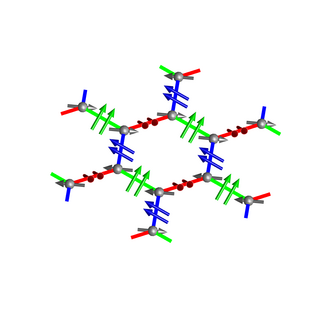
Professor Markus Braden is a distinguished faculty member at the University of Cologne's Institute of Physics, where he leads the X-ray and Neutron Scattering Group. His research focuses on understanding the structural and magnetic properties of complex materials using advanced scattering techniques, with particular emphasis on strongly correlated electron systems and quantum materials. Braden's research interests span condensed matter physics, with special focus on unconventional superconductors, materials exhibiting strong spin-orbit coupling, and multiferroic compounds. His group employs both X-ray and neutron scattering methods to investigate crystal structures and excitation spectra in transition metal compounds, particularly those with 4d and 5d elements like ruthenates and iridates. The group has made significant contributions to understanding the magnetic interactions in α-RuCl3 as a candidate for Kitaev physics, the magnetic properties of Sr2RuO4 as a potential unconventional superconductor, and the complex behavior of multiferroic materials where magnetic order couples with ferroelectric polarization. Recent publications reveal Braden's leadership in polarized neutron scattering techniques, particularly in studying magnetic excitations with chiral properties and directional dependencies. His work on ruthenates has demonstrated how spin-orbit coupling creates highly anisotropic magnetic interactions, while research on multiferroics has revealed novel domain dynamics and electric field control mechanisms. The group frequently collaborates with international neutron facilities including MLZ in Garching and ILL in Grenoble. Braden supervises multiple PhD students and postdoctoral researchers, fostering expertise in neutron and X-ray techniques. His laboratory utilizes advanced instrumentation including the KOMPASS spectrometer, a cold triple-axis neutron spectrometer optimized for polarization analysis developed in collaboration with Prof. Böni's group, as well as X-ray diffractometers and crystal growth facilities for sample preparation.
Dr. Sven Burger is a leading Researcher at the Zuse Institute Berlin (ZIB) within the Modeling and Simulation of Complex Processes department. His work focuses on Nanophotonics , Quantum Technologies , and Optical Resonance Computation , particularly in photonic crystals, plasmonic systems, and quantum light sources. Key projects: NanoLab GRIPS 2024 , MATH+ TES QT , MATH+ PaA-1 (perovskite solar cells), Colour Impression of Solar Cells Collaborations: MATH+ , BIFOLD , Research Campus MODAL His research spans Bayesian optimization for quantum systems, quasinormal mode expansions , chiral plasmonics , and terawatt-scale photovoltaics . Recent work emphasizes RPExpand software for resonance analysis and AAA algorithm applications in photonic design. He contributes to quantum key distribution via plug&play single-photon sources, hot carrier dynamics in plasmonic nanocrystals, and high-efficiency light extraction for deep-UV LEDs. His computational methods address non-Hermitian systems , exceptional points , and self-interference nanoparticle tracking .
Prof. Dr. Michael Veith is a Professor at the Westphalian University of Applied Sciences, serving as Vice Dean and Chair of the Examination Board in Molecular Biology within the Department of Engineering and Natural Sciences. He leads the Biophysics Laboratory and Laboratory for Physical Chemistry, focusing on biomaterials and biomedical applications. Research areas: Biomaterials, Medical Implants, Biosensors, Nanotechnology, Biophysics, Nano-Biotechnology Key methods: Ellipsometry, SPR spectroscopy, Laser confocal scanning microscopy, SEM/EDX, Atomic Force Microscopy He teaches modules including Thermodynamics, Biophysics, Quantum Physics, and Bio-Nanotechnology, with a focus on surface functionalization of medical implants. His supervised students include Michael Lehnert (2012), Stefan Pfeifer (2013), and Volker Ettelt (2017).
Alexandre Baron serves as an Assistant Professor at the University of Bordeaux and holds a concurrent position as Adjunct Assistant Professor at Duke University. Based at the Paul Pascal Research Center (CNRS) in Pessac, France, his work bridges fundamental optical physics with materials science applications in nanophotonics and metamaterials. His academic training includes: PhD in Nonlinear Optics from Institute of Optics Graduate School/University Paris-Sud 11 (2007-2011) Master Degree in Physics - Optics and Photonics from Paris-Sud 11 University (2006-2007) Engineering Degree in Optics from Institute of Optics Graduate School (2004-2007) Baron's research program focuses on cutting-edge optical phenomena, particularly in metamaterials including self-assembled structures, optical magnetism, hyperbolic metamaterials, and metasurfaces. His nanophotonics work investigates plasmonic, dielectric and composite nanoparticles, while his nonlinear optics research examines field enhancement effects and nonlinear plasmonics. His photonic crystals studies address slow light phenomena, nonlinear effects, and disorder impacts. Analysis of his publication record reveals consistent contributions to fundamental understanding of light-matter interactions at the nanoscale, with increasing emphasis on engineered nanostructures and their optical properties. His recent work demonstrates sophisticated control over multipolar responses and tailored scattering in metamaterial systems. As a member of the Paul Pascal Research Center - a joint CNRS and University of Bordeaux unit focused on functional materials and soft matter - Baron contributes to an interdisciplinary research environment that brings together chemists, biochemists, physical chemists and physicists across six research teams.
Professor Jane Jiang is a distinguished academic at the University of Huddersfield , affiliated with the School of Computing and Engineering and the Department of Engineering . She specializes in surface metrology, precision engineering, and advanced manufacturing technologies. Her work focuses on optimizing measurement techniques for additive manufacturing, X-ray computed tomography, and optical systems. Research Interests Her research spans surface texture analysis , 3D vision systems , and metrology for smart manufacturing . She develops novel methods for characterizing complex surfaces using techniques like phase measuring deflectometry and chromatic confocal sensors. Her contributions bridge engineering and materials science, emphasizing practical applications in aerospace, biomedical, and industrial sectors. Recent Contributions Her 2025 work includes advancements in freeform optics design, vibration-resistant microscopy, and neural network-based surface characterization. Her studies on XCT measurement for additive manufacturing parts address critical challenges in precision and data analysis. Affiliations & Projects She leads the Centre for Precision Technologies and actively collaborates on EU-funded projects. She organized the 1st International Conference on Metrology and Standard (2024) and contributes to interdisciplinary initiatives in bio-engineering and advanced materials. Grants & Teams Her team includes researchers like Shan Lou and Paul Scott , focusing on metrology for medical implants and aerospace components. She supervises PhD students exploring AI-driven surface specification and manufacturing process optimization.
Prof. Dr. Donat Josef As is a Professor in the Department of Physics at the University of Paderborn’s Faculty of Science, leading the Optoelectronic Semiconductors group focused on Group III-Nitrides (GaN, AlN, InN). He is a member of the Center for Optoelectronics and Photonics (CeOPP) and heads the research area Optoelectronic Materials and Devices. Research Focus: Fabrication and characterization of cubic III-nitride semiconductors via molecular beam epitaxy (MBE), enabling advanced optoelectronic devices (e.g., field-effect transistors, quantum dot emitters, THz detectors). Notable Achievements: Developed the first field-effect transistor using cubic AlGaN/GaN and demonstrated single-photon emissions from cubic quantum dots up to 200 K. His recent projects include TRR 142 (Tailored Nonlinear Photonics) and ultrafast acoustics for light emission modulation. He has received an ERC grant for his groundbreaking work. His research intersects semiconductor physics, nanotechnology, and quantum photonics. Key Publications: Investigated dielectric properties of cubic GaN, remote epitaxy of nitrides on graphene-covered substrates, and many-body optical effects in AlGaN alloys. Prof. As teaches courses including Materials Physics and Analysis , Lab Project , and Halbleiterepitaxie (semiconductor epitaxy). His lab explores device structures for extreme environments and high-frequency applications.
Dr. Carsten Bundesmann is a Researcher at the Leibniz Institute for Surface Modification (IOM) in Leipzig, Germany. His work focuses on ion beam technology , thin film deposition , and electric propulsion diagnostics . He has been active at IOM since 2006, with prior affiliations at the University of Leipzig where he completed his PhD in 2005. University of Leipzig (PhD in Physics, 2005) University of Liverpool (Mathematics exchange program, 1997-1998) Research interests span ion beam sputtering , infrared ellipsometry , and plasma diagnostics for space propulsion systems. His work addresses: Thin film property control via ion beam parameters In situ characterization of electric propulsion thrusters Development of advanced diagnostic tools Phonon/plasmon analysis in semiconductor materials Scientific contributions include 5 recent publications with topics ranging from gallium oxide thin films to plasma erosion measurement systems . Key projects include: DFG-funded TiO 2 deposition studies (2011-2018) ESA/ESTEC AEPD system qualification (2013-2019) SAB PRECIOS project for magnetron deposition control (2012-2014) Awarded the German Academic Scholarship Foundation grant (1996-2001), he serves on the Scientific and Technical Council of IOM and has delivered over 15 invited lectures globally. Current activities include membership in the Interdisciplinary Working Group for Semiconductor Research Leipzig and the Ellipsometry Working Group (AKE) .
Dr. Gabriel Zieger serves as Group Leader (Arbeitsgruppenleiter) in the Photonics and Quantum Detection Department at the Leibniz Institute of Photonic Technology (Leibniz-IPHT) in Jena, Germany, where he heads the IR Radiation Detection working group. His research spans advanced materials engineering with particular focus on nanoporous platinum structures, thermoelectric materials, and infrared detection systems. With continuous publication output from 2017 through 2025, Dr. Zieger maintains an active research program within this photonics research institute. Dr. Zieger's research interests center around the development and characterization of novel photonic materials, particularly platinum-based nanostructures for infrared applications. His work explores electrochemical fabrication methods for nanoporous materials, optical properties of nanoscale structures, and energy conversion technologies. He investigates how material composition and nanostructure affect optical absorption, electrical conductivity, and thermoelectric performance across various applications from security imaging to wearable energy harvesting systems. His research bridges fundamental materials science with practical device engineering for photonics applications. Analysis of Dr. Zieger's publication record reveals consistent focus on material engineering for photonics applications, with particular emphasis on platinum-based nanostructures for infrared detection. His work demonstrates progression from fundamental studies of nanoporous platinum growth mechanisms toward increasingly applied research in thermoelectric devices and security imaging systems. The interdisciplinary nature of his publications spans materials science, optics, electrochemistry, and device engineering, showing collaboration across multiple research groups at Leibniz-IPHT. Recent publications indicate growing emphasis on practical applications including textile-based energy generation and terahertz security cameras. As Arbeitsgruppenleiter, Dr. Zieger leads the IR Radiation Detection research group, which appears to focus on developing advanced materials for infrared sensor applications. His laboratory work involves electrochemical deposition techniques, materials characterization using electron microscopy and spectroscopy, and device testing for optical and thermoelectric properties. The group maintains strong collaborative ties within Leibniz-IPHT, particularly with researchers working on nanomaterials, sensor development, and photonic devices.
Dr. Marco Diegel is a Researcher at the Leibniz Institute of Photonic Technology (Leibniz-IPHT) in Jena, Germany, affiliated with the Center of Competence for Micro and Nanotechnologies and the Microstructure Analysis Working Group. His contact information includes email (marco.diegel@leibniz-ipht.de) and office locations HG S43 and HG 151. Dr. Diegel's research focuses on advanced materials for optoelectronic and energy applications with expertise in nanomaterials synthesis , thin film characterization , and device fabrication . Key areas include: Development of porous platinum for electrocatalysis and optical applications Investigation of epsilon-near-zero properties in $$\text{ITO}$$ thin films Study of resistive switching mechanisms in memristive devices using $$\text{HoMnO}_3$$ and $$\text{BiFeO}_3$$ Design of nanozymes for colorimetric detection applications Characterization of plasmonic nanowire lasers using $$\text{ZnO}$$ structures Analysis of Dr. Diegel's recent publications reveals a strong interdisciplinary focus bridging fundamental materials science with practical device implementation. His work demonstrates particular strength in resistive memory devices , photocatalysis , and optical sensing , with collaborations spanning physics, chemistry, and engineering disciplines. The progression of his research shows increasing sophistication in materials engineering for targeted applications. Dr. Diegel is an active contributor to the Microstructure Analysis Working Group at Leibniz-IPHT, with research that has practical implications across renewable energy, environmental monitoring, and biomedical technologies. His work on tunable magnetic nanoparticles and nanozyme-based sensors shows particular promise for real-world applications.
Prof. Julien Bachmann is a Chair of Thin Film Materials Chemistry at the Faculty of Chemistry and Pharmacy , Friedrich-Alexander-University Erlangen-Nürnberg . His research focuses on advanced thin film synthesis methods such as atomic layer deposition (ALD) and solution ALD (sALD) , with applications in photovoltaics , electrocatalysis , and nanomaterials engineering . Key Affiliations : Chair of Thin Film Materials Chemistry (2017–present) Professor, Inorganic and General Chemistry (2012–present) Former PostDoc, Max Planck Institute for Microstructure of Solids (2007–2008) Research Themes : Photovoltaics : Sb2S3/Sb2Se3 solar cells, quantum dot integration, interfacial charge management Electrocatalysis : Oxygen evolution reaction, Ir-based nanofibers, stability-activity relationships 3D Printing & Nanostructuring : Atomic layer additive manufacturing, spray-dried supraparticles, SCALMS model systems Material Characterization : In situ X-ray scattering, impedance spectroscopy, spectroscopic ellipsometry Recent Article Trends : Advancements in ALD/sALD for catalysts and solar cells Focus on earth-abundant materials and low noble-metal loading Development of self-aligned fabrication and corrosion-resistant interfaces Integration of computational modeling with experimental validation Exploration of liquid metal solutions and photocorrosion mechanisms Labs & Collaborations : Leads the Bachmann Group at FAU, collaborating with institutions across Germany, France, Italy, and the UK . Partners include researchers in nanochemistry , energy materials , and microfluidic engineering .
Prof. Dr. Marius Grundmann is a faculty member at the University of Leipzig, serving as Dean of the Faculty of Physics and Earth System Sciences. His research focuses on semiconductor physics, nanotechnology, quantum computing, and thin films, with applications in electronics and optoelectronic materials. Specializations: Semiconductor, Electronics, Nanotechnology, Quantum Technology, Quantum Computers, Thin Films His recent work highlights advancements in semiconductor thin films , including epitaxial growth of ultrawide bandgap materials (e.g., γ-(Ga0.8Ge0.2)2O3, α-Ga2O3: Zr) and quantum computing systems. Techniques like pulsed laser deposition, magnetron sputtering, and spectroscopic ellipsometry are central to his studies. Key research themes include bandgap engineering , charge carrier dynamics, defect analysis, and heterostructure design. While no explicit awards, students, or grants are listed, his extensive publications underscore leadership in semiconductor materials and device fabrication.