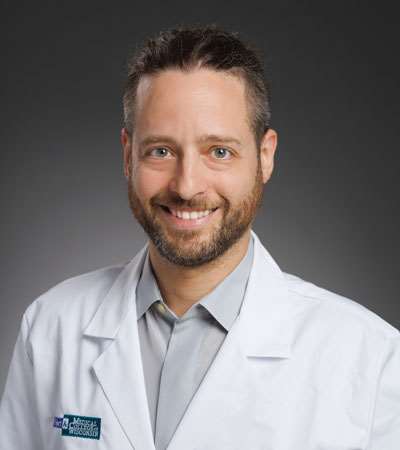
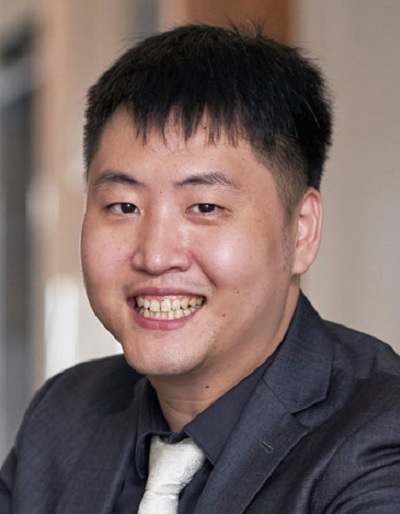
Sumit Chopra is an Associate Professor at the Grossman School of Medicine , affiliated with the Department of Radiology at New York University. His work focuses on integrating machine learning and artificial intelligence with medical imaging to enhance diagnostic accuracy and clinical decision-making. Research interests include: Deep learning applications in prostate cancer imaging and MRI reconstruction Development of open-access medical imaging datasets (e.g., FastMRI Prostate) Improving biopsy decision strategies via representation learning AI-driven Alzheimer's disease risk prediction using electronic health records Advancements in radiologic assessment for pancreatic cystic lesions Email: Sumit.Chopra@nyulangone.org
Ken Wong is an Associate Professor in the Department of Computing Science at the University of Alberta's Faculty of Science. He also serves as Associate Chair within the same department. Holding a PhD in Computer Science from the University of Victoria (1999), his research focuses on software engineering challenges such as reverse engineering, program understanding, and software visualization. He emphasizes improving software evolution through tools like architecture recovery and root cause analysis, with applications in web/mobile platforms and diverse system understanding. Teaching highlights include developing Massive Open Online Courses (MOOCs) via Coursera, including the 'Software Product Management Specialization' and courses on Agile practices, client needs analysis, and software metrics. His recent publications (2023–2025) span AI-driven healthcare innovations (e.g., medical imaging, photoacoustic tomography) and advanced computer vision techniques (e.g., diffusion models, video inpainting). Notable collaborations include EVAREST studies on heart failure management and lung transplantation outcomes. His work bridges software engineering theory and practical applications in healthcare technology, with contributions to federated learning frameworks (e.g., FedLPPA) and AI-augmented clinical decision support systems. Research also extends to autonomous driving (DriveGPT4-V2) and 3D human avatar generation (DreamAvatar), showcasing interdisciplinary impact.
Anru Zhang is the tenured Eugene Anson Stead, Jr. M.D. Associate Professor with joint appointments in Biostatistics & Bioinformatics, Computer Science, Electrical and Computer Engineering, and Statistical Science at Duke University. He holds a Ph.D. from the University of Pennsylvania (2015, advised by T. Tony Cai) and a B.S. in Mathematics from Peking University (2010). Current roles: Associate Professor at Duke (2024–present), previously Assistant Professor at UW-Madison (2018–2021) Research focus: Tensor learning, high-dimensional statistics, EHR analysis, and healthcare applications Mentorship: Supervises active research team including postdocs (Jianbin Tan, Qiuyi Wu) and PhD students (Runshi Tang, Yinrui Sun) Research Trends : His recent publications emphasize tensor methods in biomedical data (EHR, microbiome, Alzheimer’s), Riemannian optimization for high-dimensional problems, and hybrid statistical-computational approaches. Key themes include healthcare AI, EHR analysis, and non-convex optimization. Scientific Awards : COPSS Emerging Leader Award (2024) IMS Tweedie New Researcher Award (2022) ASA Gottfried E. Noether Junior Award (2021) NSF CAREER Award (2020) AMIA Data Science Outstanding Paper Award (2023) Advising & Grants : Mentored 16+ students/postdocs, including Yuetian Luo (IMS Lawrence D. Brown Award) and Yuchen Zhou (IMS Hannan Travel Award). Current grants include NIH-funded projects on sepsis detection, mental health AI, precision genetic testing, and telehealth interventions, plus NSF CAREER funding for statistical inference in high-dimensional structures. Labs & Teams : Leads a research group at Duke focusing on tensor learning, statistical theory, and healthcare AI applications. Collaborates with Duke’s AI Health initiative and serves as Associate Editor for leading journals like Annals of Statistics and JASA.
Dr. Tim Oates is a Professor in the Department of Computer Science and Electrical Engineering at the University of Maryland, Baltimore County . His research spans machine learning, artificial intelligence, and brain-machine interfaces, with a focus on weakly supervised methods, human-in-the-loop reinforcement learning, and grounded policy development for robotics. Ph.D., Computer Science, University of Massachusetts, Amherst, 2000 M.S., Computer Science, University of Massachusetts, Amherst, 1997 B.S., Computer Science and Electrical Engineering, 1989 Current research threads include: Developing non-invasive brain injury severity assessment via medical time series Modeling human brain development through computational frameworks Designing algorithms for autonomous robotic learning Recent publications highlight AI security mechanisms (backdoor detection via tensor decomposition, matrix factorization) Medical applications (3D artery reconstruction, skin lesion diagnosis, EEG denoising) Neuro-symbolic integration (holographic representations, language-guided reinforcement learning) Mathematical reasoning (schema-based problem solving, subitizing algorithms) Contact: oates@cs.umbc.edu | Office: 336 Information Technology and Engineering (ITE) Building
Rong Xu is a Professor of Biomedical Informatics at Case Western Reserve University School of Medicine, where she also serves as Director of the Center for AI in Drug Discovery. She is a member of the Cancer Genomics and Epigenomics Program at the Case Comprehensive Cancer Center. Dr. Xu's research focuses on developing innovative computational approaches including artificial intelligence, natural language processing, data mining, machine learning, and knowledge representation to advance biomedical discovery. Her work spans both computer science and biomedical science domains. Her computer science research interests include Artificial Intelligence, Natural Language Processing, Machine Learning, Deep Learning, Systems Biology, Data Mining, Graph Theory, and Ontology. Her biomedical science interests encompass Drug Discovery, Drug Repositioning, Disease Gene Discovery, Gene-Environment Interactions, Human Gut Microbiome, Drug Target Discovery, Drug Toxicity Prediction, Cancer Drug Toxicity, Drug Addiction, and Neuroscience Informatics. Dr. Xu's recent publications demonstrate a strong focus on applying AI and computational methods to drug discovery, particularly for neurological conditions, diabetes-related complications, and substance use disorders. Her work prominently examines the effects of GLP-1 receptor agonists like semaglutide on various health outcomes, including Alzheimer's disease, opioid use disorder, and cancer. Fellow of American College of Medical Informatics (FACMI) 2020 American College of Medical Informatics Research Scholar 2016 American Cancer Society New Investigator Award 2015 American Medical Informatics Association AACR INNOVATOR Award 2015 Landon Foundation Director's Innovator Award 2014 National Institutes of Health Siebel Scholar 2004 Dr. Xu directs the Center for AI in Drug Discovery and has received significant grant funding for her research, including a $1.4 million grant from NIDA for developing AI technologies to identify potential medications for cocaine use disorder. Her work bridges computational science with clinical applications, focusing on translating AI discoveries into practical healthcare solutions.
Kimberly Becker is Professor in the Department of Psychology at the McCausland College of Arts and Sciences, University of South Carolina. She holds a BA from College of William & Mary, PhD from University of Arizona, Clinical Respecialization Certificate from University of Hawaii, completed clinical internship at Kennedy Krieger Institute, and postdoctoral fellowship at Johns Hopkins University. Dr. Becker directs the Becker Lab focused on extending mental health service reach and effectiveness. Her research encompasses: Treatment engagement strategies for youth/families Clinical decision support tools development Workforce training through supervision/coaching Expanding mental health workforce capacity School-based intervention implementation Dr. Becker's publications demonstrate consistent focus on mental health services research. Recent work (2023-2025) examines clinical decision-making, implementation science, school-based services during COVID-19, and cross-cultural interventions. Her articles frequently address treatment engagement barriers, workforce development, and scalable service models in diverse settings. Her research has been supported by: William T. Grant Foundation Klingenstein Foundation National Institute on Drug Abuse She trains doctoral students in evidence-based psychosocial treatments and clinical decision-making. Dr. Becker mentors students in developing research programs to improve mental health services for underserved populations. She leads the Becker Lab whose mission emphasizes equity, authentic partnerships, applied science, and paradigm-shifting approaches to children's mental health services.
Adam Rule is an Assistant Professor of Information Science at the University of Wisconsin–Madison’s Information School. He also holds honorary and affiliate roles in the Department of Family Medicine and Community Health, the Department of Medicine (Division of General Internal Medicine), and the Department of Biostatistics and Medical Informatics. His research focuses on human-computer interaction, medical informatics, and human-centered data science, particularly in the context of electronic health records (EHRs). Education: PhD in Cognitive Science, University of California, San Diego (2013–2018) MS in Human-Centered Design & Engineering, University of Washington (2011–2013) BS in Industrial Engineering, University of Illinois Urbana-Champaign (2008–2011) Research Interests: EHR workflow analysis and usability Clinician documentation practices Computational notebooks and collaborative data science Impact of technology on healthcare workflows Awards & Fellowships: National Library of Medicine Postdoctoral Training Grant (2019–2021) Best Paper, 2nd Place, MedInfo 2021 CHI 2018 Honorable Mention Grants & Advising: Co-Investigator on grants examining EHR workload and team support in primary care Mentored over 20 students across MS, BS, and MD programs Labs & Teams: Collaborative Computing Group (UW–Madison Information School), with interdisciplinary ties to clinical and informatics teams.
Ramana Vinjamuri is an Associate Professor in the Department of Computer Science and Electrical Engineering at the University of Maryland, Baltimore County (UMBC). He holds a secondary appointment as Visiting Professor at the Indian Institute of Technology, Hyderabad, India. His academic journey includes a Ph.D. in Electrical Engineering from the University of Pittsburgh (2008), M.S. in Bioinstrumentation from Villanova University (2004), and B.Tech. in Electrical and Electronics Engineering from Kakatiya University (2002). Dr. Vinjamuri's research focuses on Brain-Machine Interfaces (BMIs) for upper-limb prostheses control , neuroprosthetics and exoskeletons , machine learning in motor control , and neurophysiological signal processing . His work extends synergy-based models to control 37-dimensional hand movements, addresses human-robot interaction through emotionally intelligent systems, and develops neurotechnologies for substance use disorder using wearable sensors and AI. NSF CAREER Award (2019) NSF IUCRC BRAIN Center Planning Grant (2020) Harvey N Davis Distinguished Teaching Assistant Professor Award (2018) His publications demonstrate expertise in EEG and EMG signal analysis , deep learning for motor decoding , synergy modeling , and humanoid robot control . The Vinjamuri Lab at UMBC involves graduate, undergraduate, and high school researchers, with international collaborations in India and the US.
Hernan G. Rey, PhD, is an Assistant Professor in the Department of Neurosurgery at the Medical College of Wisconsin (MCW) and the Marquette-MCW Joint Department of Biomedical Engineering. He previously held an Assistant Professor position at Baylor College of Medicine until July 2022. His research focuses on understanding human episodic memory, improving epilepsy diagnosis and treatment, and developing tools for electrophysiological data analysis. Rey's lab records single-neuron activity and intracranial EEG from epilepsy patients to investigate brain mechanisms underlying memory and neurophysiological processes. Education: PhD in Engineering, University of Buenos Aires (2009) Postdoctoral Fellowship in Biomedical Informatics, University of Leicester (2012–2015) Bachelor's in Electronics Engineering, University of Buenos Aires (2002) Research Interests: Dr. Rey explores anterior temporal lobectomy, drug-resistant epilepsy, electrophysiology, hippocampal function, machine learning applications in neuroscience, and signal processing. His work bridges clinical neurosurgery, biomedical engineering, and cognitive neuroscience to advance both fundamental understanding and clinical interventions. Publications: His recent work highlights studies on parietal cortex function in action monitoring, single-neuron responses in memory encoding, and neurophysiological correlates of depression. These reflect a focus on translational neuroscience and interdisciplinary collaboration. Awards: EPSRC Rising Star Award (2014) Labs/Teams: The ReyLab drives innovation in electrophysiological data acquisition and analysis, emphasizing clinical application for epilepsy and memory disorders.
Robert S. Laramee is a Professor at the University of Nottingham (previously at Swansea University), specializing in visualization research. His work focuses on data visualization, scientific visualization, and computational fluid dynamics. He has authored over 170 publications in top journals like IEEE Transactions on Visualization and Computer Graphics, Computer Graphics Forum, and IEEE Computer Graphics and Applications. Research Interests: His research spans information visualization, flow visualization, visual literacy, and educational aspects of visualization. He emphasizes practical applications in fields like healthcare, digital humanities, and computational science. Recent Trends: Recent work includes studies on treemap literacy, educational frameworks for visualization, and interactive systems for clinical data. He has also contributed to visualization resources and surveys, aiming to bridge academic and industry needs. Grants & Collaborations: Collaborations include projects on visualization for smart cities, protein-lipid interactions, and quantum chromodynamics data analysis. No specific grant details are provided in the text. Labs & Teams: Affiliated with visualization research groups at Nottingham and Swansea, though specific lab names are not mentioned.
Dr. Richard Segall is a Professor in the Department of Information Systems and Business Analytics at Arkansas State University , affiliated with the Beck College of Sciences & Mathematics . He is also affiliated faculty in the Master of Engineering Management (MEM) Program , the Environmental Sciences Program , and serves on thesis committees at the University of Arkansas at Little Rock (UALR) . Education: Ph.D. in Operations Research, University of Massachusetts at Amherst (1984) M.S. in Operations Research and Statistics, Rensselaer Polytechnic Institute (1975) M.S. in Mathematics, Rensselaer Polytechnic Institute (1973) B.S. in Mathematics, Rensselaer Polytechnic Institute (1971) Dr. Segall's research spans data mining, text mining, web mining, big data analytics, bioinformatics, supercomputing applications, and mathematical modeling . His work bridges business analytics and computational biology , with a focus on transdisciplinary applications in agriculture, healthcare, and space systems. His recent publications emphasize genomic data analysis , plant disease diagnostics , AI-driven healthcare solutions , and space technology forecasting . The integration of machine learning , data visualization , and open-source tools is a recurring theme across domains. Scientific Awards & Grants: Three research awards from the National Research Council (NRC) Software grants from Oracle Corporation and SAS Institute, Inc. Dr. Segall has served on the editorial boards of the International Journal of Data Science , International Journal of Data Mining, Modelling and Management , and International Journal of Fog Computing . He previously contributed to the Arkansas Center for Plant-Powered Production (P3) and currently participates in the Center for No-Boundary Thinking (CNBT) .
Lucca Geurts is a Senior Lecturer at the Faculty of Industrial Engineering Sciences at KU Leuven, where he is affiliated with the Department of Computer Science. He serves as chairman of the Leuven Centre for Accessible Health Technology, subdivision head of Subdivision 3, Campus Group T Leuven, and Head of Education of the OC Innovative Health Technology. Additionally, he is an active member of DigiSoc – KU Leuven Institute for Digital Society. His research focuses on Technology for Tangible and Playful Interactions, particularly in healthcare applications. Dr. Geurts leads numerous research projects including therapeutic games for children with visual disorders, flexible activity measurement systems, intimate interactive systems, and early-stage glaucoma screening platforms. His work bridges human-computer interaction with accessible health technology, emphasizing user-centered design principles and practical healthcare solutions. Dr. Geurts' publication record demonstrates a consistent trajectory from fundamental interaction techniques to applied healthcare contexts. His recent work shows increasing sophistication in squeeze interactions, emotion regulation through tangible interfaces, and medical applications of interactive technology. The research trends indicate a growing focus on accessible medical diagnostics, therapeutic applications, and user experience in healthcare technology. As an educator, Dr. Geurts teaches across multiple domains including Electronics, Computer Architectures, Health Entrepreneurship, Sensors and Circuits for Healthcare Applications, and Extended Reality. His educational leadership extends to Master's theses and internships in health engineering, reflecting his commitment to training the next generation of healthcare technologists. Committee for Culture, Art and Heritage Faculty Council of Industrial Engineering Sciences Evaluation Committee of the Faculty of Industrial Engineering Sciences POC Advanced Education Faculty of Industrial Engineering Sciences Secretary of the OC Innovative Health Technology Departmental Council for Computer Science Interfaculty Council for Global Development (as substitute member) Dr. Geurts maintains an active research profile with numerous publications in top-tier human-computer interaction conferences and journals. His work shows a clear progression toward increasingly impactful healthcare applications, with strong emphasis on accessibility and user experience in medical technology development.
Marylyn D Ritchie, PhD, is the Edward Rose, M.D. and Elizabeth Kirk Rose, M.D. Professor at the Perelman School of Medicine, University of Pennsylvania. She concurrently serves as Director of the Institute for Biomedical Informatics, Vice President for Research Informatics for the University of Pennsylvania Health System, Director of the Division of Informatics in the Department of Biostatistics, Epidemiology, and Informatics, and Vice Dean of Artificial Intelligence and Computing. Education: BS in Biology, University of Pittsburgh at Johnstown, 1999 MS in Applied Statistics, Vanderbilt University, 2002 PhD in Statistical Genetics, Vanderbilt University, 2004 Research Interests Dr Ritchie’s work integrates computational genomics , bioinformatics , pharmacogenomics , and systems genomics to advance precision medicine. She develops statistical and machine-learning approaches to dissect epistasis , genetic epidemiology , and evolutionary computation in large-scale biobanks, with a special focus on cardiovascular disease and Alzheimer’s disease . Her group is also pioneering translational informatics methods that incorporate social determinants of health and fairness metrics into AI-driven clinical decision support. Publication Trends In 2025 alone, Dr Ritchie co-authored more than fifteen high-impact studies spanning vision-language models for 3D CT , multi-omics Alzheimer’s risk prediction , fairness in neuroimaging AI , ancestry-specific pharmacogenomics , and cloud-based polygenic risk score platforms . The collective work highlights a shift from single-omics discovery to integrative, equitable, and clinically actionable models across diverse ancestries. Awards & Honors While specific named awards were not detailed in the text, Dr Ritchie’s endowed professorship and multi-institutional leadership roles signify sustained recognition. Grants & Advising Dr Ritchie leads large NIH, foundation, and industry-funded initiatives that support interdisciplinary teams of postdocs, graduate students, and data scientists. Her lab actively mentors trainees from UPenn’s Cell and Molecular Biology and Genomics and Computational Biology graduate groups. Laboratories & Teams She directs the Ritchie Lab (ritchielab.org), which develops open-source visualization tools such as PhenoGram , PheWAS-View , and Synthesis-View for genome-wide and phenome-wide data exploration. The lab operates within the Institute for Biomedical Informatics and collaborates closely with the Penn Medicine BioBank and multiple clinical departments to translate big-data discoveries into precision medicine workflows.
Dr. Madhushi Bandara is a Lecturer at the School of Computer Science, University of Technology Sydney (UTS), specializing in knowledge representation, complex system modeling, and data analytics. She leads the data management research stream at the UTS DigiSAS lab and is a core member of the Biomedical Data Science Laboratory within the UTS Australian Artificial Intelligence Institute. Her industry collaborations include Telstra, Cancer Australia, and Capsifi, focusing on AI integration in healthcare and finance. She coordinates the Business Information Systems major in UTS's Master of Information Technology program and convenes the Future Generation Enterprise Architecture Community of Practice. Education PhD in AI Systems Engineering, University of New South Wales (2020) BSc (Hons) in Engineering, University of Moratuwa, Sri Lanka (2015) Research Interests Madhushi's work bridges machine learning, knowledge graphs, and enterprise architecture to address challenges in data governance for SMEs, ESG metric management, and healthcare pathway analysis. Her research emphasizes translating cutting-edge AI into industry solutions through contextual domain knowledge integration. Scientific Awards UNSW-UTS Trustworthy Digital Society Scholarship Teaching & Leadership She teaches enterprise information systems, digital strategy, and AI for enterprises in UTS's online postgraduate programs. Her service roles include co-chairing tracks at the Australasian Conference on Information Systems and reviewing for Expert Systems with Applications.
**FENG Mengling** is an Associate Professor at the National University of Singapore (NUS) and holds primary affiliation with the Saw Swee Hock School of Public Health. She serves as the Domain Leader for the Biostatistics, Modelling, AI and Data Analytics (B.MAD) Domain and Director of the AI for Public Health (AI4PH) Program. Her academic credentials include a Senior Post-doc from Harvard-MIT Health Science Technology Division, a PhD from Nanyang Technological University (2009), and a Bachelor's degree (2003) from NTU. Research & Teaching: Her research focuses on causal inference for evidence-based medicine, generative models for medical time-series analysis, and healthcare data analytics. She teaches courses on big data technologies for healthcare problems and healthcare data analytics. Professional Roles & Awards: She has led the Biomedical and Healthcare Analytics Lab at the Institute for Infocomm Research (2014–2015) and currently serves as an Affiliate Scientist at Harvard-MIT. Notable accolades include the MIT Teaching & Learning Laboratory Kaufman Teaching Certificate and recognition as a finalist in MIT’s 2013 Innovation Showcase. Her work has been featured in prominent media outlets like The Straits Times and Channel NewsAsia, highlighting breakthroughs such as AI nurses and Singlish-speaking healthcare assistants. Publications & Impact: Over 50 peer-reviewed publications span AI-driven clinical decision support, medical imaging analysis, and predictive modeling in critical care. Key contributions include frameworks like MedDreamer (reinforcement learning for EHR analysis) and DivScore (LLM-generated text detection). Her research bridges causal inference, generative AI, and scalable healthcare solutions. Labs & Initiatives: As a leader in NUS’s Public Health AI Innovation Center (launching early 2025), she drives initiatives like FxMammo (AI for breast cancer screening) and the Biomedical and Healthcare Analytics Lab. Her work emphasizes ethical AI deployment and cross-disciplinary collaboration in healthcare.