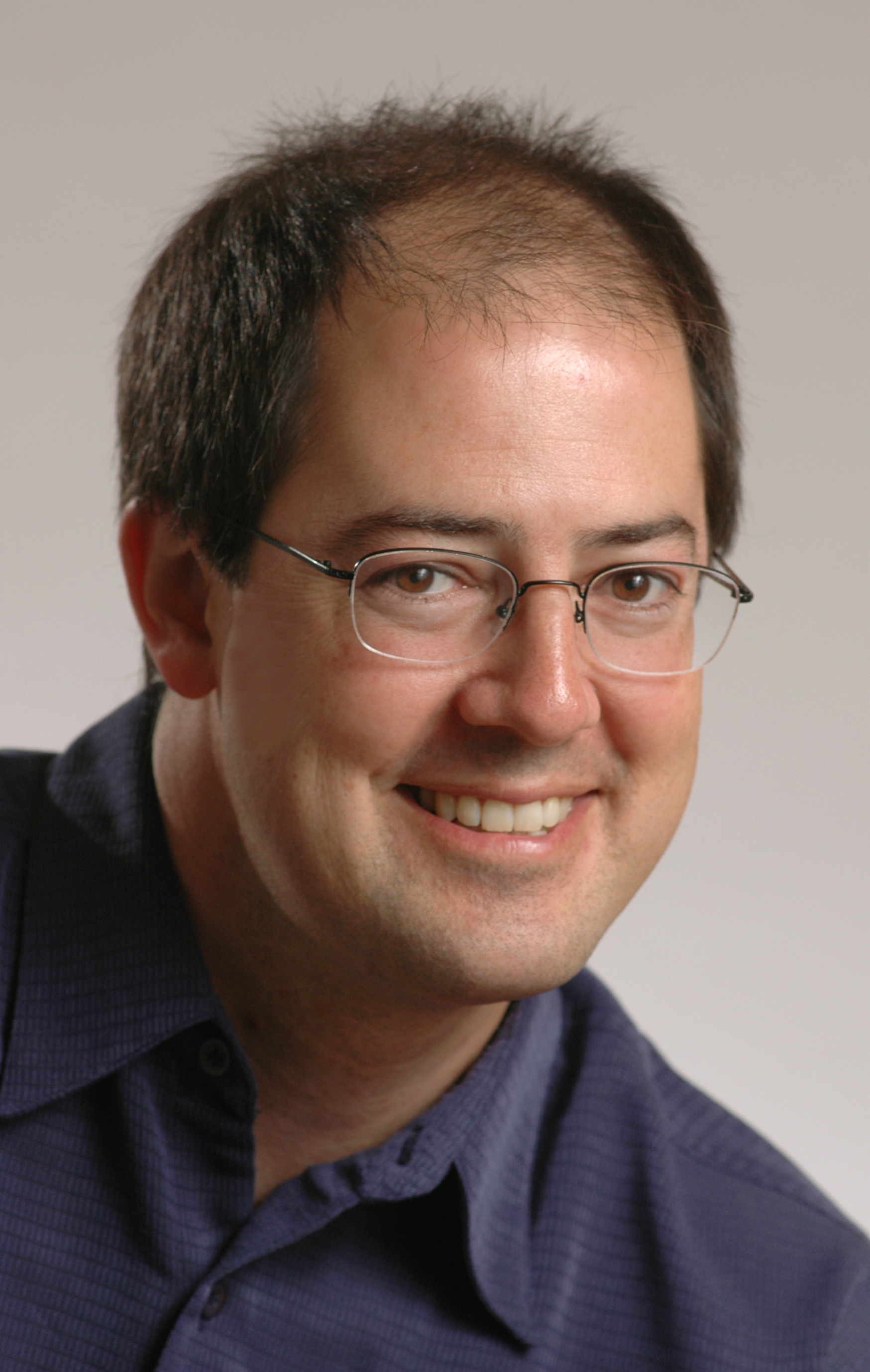
Kristofer Pister is a Professor in the Department of Electrical Engineering and Computer Sciences at the University of California, Berkeley. He co-directs the Berkeley Sensor and Actuator Center (BSAC) and the Ubiquitous Swarm Lab. His career spans groundbreaking innovations in Micro/Nano Electro Mechanical Systems (MEMS), Control Systems, and Low-Power Circuits, with a focus on Smart Dust and synthetic insects. Education: Ph.D. and M.S. in EECS from UC Berkeley (1992, 1989); B.A. in Applied Physics from UC San Diego (1986). His research areas include MEMS , Control Systems , Robotics , and Integrated Circuits , with recent work on self-powered micro-sensors, crystal-free radios, and interplanetary swarm networks. Key awards include the ISA Albert F. Sperry Founder Award (2009) , Alexander Schwarzkopf Prize (2006) , and the NSF CAREER Award (1996) . He has authored numerous influential publications in wireless sensor networks and microrobotics. His lab, Ubiquitous Swarm Lab , explores distributed robotics and swarm intelligence. Pister emphasizes open collaboration in research, ethical conduct in academia, and efficient resource utilization for graduate students.
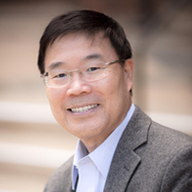
Xiaoqing Pan is a Professor and Henry Samueli Endowed Chair in Engineering at the University of California, Irvine, with dual appointments in the Department of Materials Science and Engineering and the Department of Physics and Astronomy. He serves as Director of the Irvine Materials Research Institute (IMRI) and the Center for Complex and Active Materials (NSF MRSEC). A renowned electron microscopy expert, Pan has developed advanced transmission electron microscopy (TEM) techniques for atomic-scale material characterization. Ph.D., Universität des Saarlandes, Germany (1991) His research focuses on atomic-scale structure-property relationships in oxide heterostructures, ferroelectrics, nanocatalysts, and 2D functional materials. Pan leads development of novel 4D-STEM and momentum-resolved vibrational electron microscopy methods to study single-atom catalysts and complex oxides. With over 400 high-impact publications in Nature , Science , and Nature Materials , his work has been recognized by major fellowships and awards from the American Ceramic Society, American Physical Society, and National Science Foundation. Pan's recent work includes: Atomic-scale analysis of grain boundary phonon anisotropy Advances in FeSe/SrTiO 3 interface electron-phonon coupling Plastic waste upcycling through carbon intermediate interception Control of metal-support interactions in photocatalysts Strain engineering in high-entropy oxide films His laboratory at UCI represents the forefront of materials characterization technology development.
Prof. Dr. Ioachim Pupeza serves as Group Leader in the Department of Spectroscopy/Imaging at the Leibniz Institute of Photonic Technology (Leibniz-IPHT) in Jena, Germany. His research focuses on advanced optical measurement techniques, particularly in the field of field-resolved spectroscopy and precision optical measurements. Dr. Pupeza's research interests center around optical spectroscopy with a particular emphasis on field-resolved techniques that capture the complete electric field waveform of light-matter interactions. His work spans infrared spectroscopy , molecular fingerprinting , ultrafast laser technology , and precision optical measurements . He has made significant contributions to electro-optic sampling techniques, which enable characterization of electric-field waveforms across the terahertz to visible spectral range. His research also extends to mid-infrared light generation , terahertz spintronic emitters , and cavity-enhanced spectroscopy , with applications ranging from fundamental physics to medical diagnostics. Analysis of Dr. Pupeza's recent publications reveals a strong trend toward increasingly sophisticated field-resolved spectroscopy techniques with applications in both fundamental science and practical diagnostics. His work has evolved from basic measurement techniques to applications in cancer detection through molecular fingerprinting of biofluids. A consistent theme across his publications is the pursuit of higher precision, broader bandwidth, and improved sensitivity in optical measurements, often achieving attosecond-level precision. His research bridges physics, engineering, and medical applications, demonstrating how fundamental optical advances can translate to real-world diagnostic tools. Dr. Pupeza leads the research group "Field-Resolved Optical Precision Measurement Methods" at Leibniz-IPHT, which appears to collaborate extensively with other research institutions and groups. His work involves sophisticated laser systems including high-power Yb:YAG thin-disk oscillators, femtosecond enhancement cavities, and dual-oscillator systems for precision measurements. The group's research has implications for molecular spectroscopy, medical diagnostics, and fundamental studies of light-matter interactions at the most fundamental time scales.
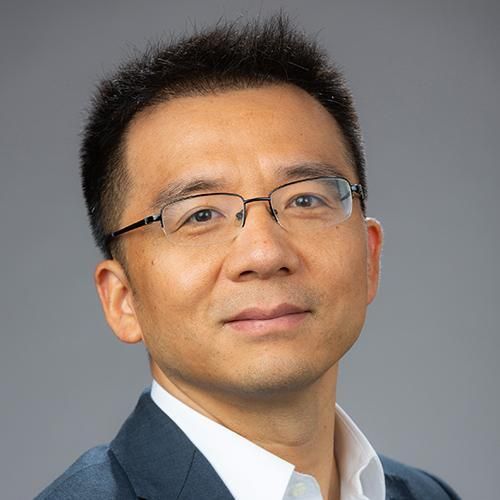
Konstantin Vodopyanov is a Professor and 21st Century Scholar Chair in Optics & Photonics at the University of Central Florida (UCF), affiliated with CREOL, the College of Optics and Photonics, and the Department of Electrical & Computer Engineering. He holds academic appointments in both Optics and Physics. His career includes roles as a Royal Society postdoctoral fellow at Imperial College London, industry leadership at Inrad, Inc., and technical guidance for multiple companies. He is a Fellow of APS, OSA, SPIE, and the UK Institute of Physics. Education: MS from Moscow Institute of Physics and Technology, PhD and DSc (Habilitation) from Lebedev Physical Institute (Moscow). Research focuses on mid-IR and terahertz photonics, frequency combs, nonlinear optics, and their applications in spectroscopy and biomedical diagnostics. His group develops ultra-broadband mid-IR combs, trace gas sensors, and nano-IR technologies. He has authored over 350 publications and chairs major conferences like CLEO. Research Interests: Nonlinear optics, mid-IR/THz generation, frequency combs, biomedical sensing, supercontinuum generation, and spectroscopic applications. Awards: 2023 CREOL Teaching Award, multiple fellowships in optics societies. Lab Team: Includes postdocs (Dmitrii Konnov), research scientists (Andrey Muraviev), graduate students (Woraprach Kusolthossakul), and undergraduates in CREOL labs. Publications emphasize dual-comb spectroscopy, electro-optic sampling, and novel mid-IR sources. His work bridges academia and industry, with innovations in laser systems and biomedical diagnostics. Current projects include real-time spectral analysis and high-resolution molecular sensing across 2–200 µm wavelengths.
Tony Jun Huang is the William Bevan Distinguished Professor of Mechanical Engineering and Materials Science at Duke University, with additional professorships in Electrical and Computer Engineering and Biomedical Engineering. His research focuses on acoustofluidics, optofluidics, and micro/nano systems for biomedical diagnostics and therapeutics. Ph.D. in Mechanical and Aerospace Engineering (UCLA, 2005) Huang's research has revolutionized biomedical microsystems through acoustofluidic technologies, enabling contactless particle manipulation, exosome isolation, and advanced diagnostic platforms. His work has been cited over 36,000 times (h-index: 102) with 30 issued/pending patents. Recent publications highlight his innovations in acoustic tweezers, extracellular vesicle analysis, topological acoustofluidics, and AI-assisted biomimetic imaging. His lab develops technologies for single-cell analysis, non-invasive diagnostics, and programmable material systems. 2023 Highly Cited Researcher (Web of Science) 2020 Fellow of the National Academy of Inventors (NAI) 2019 Van C. Mow Medal (ASME) 2017 Analytical Chemistry Young Innovator Award (ACS) 2010 NIH Director's New Innovator Award Huang has taught courses including ME 535: Biomedical Microsystems and mentored numerous graduate students through his Duke Acoustofluidics Lab. His lab's technologies are applied in cancer biomarker detection, Alzheimer's diagnostics, and wound healing hydrogels.
Prof. Kwang W. Oh is a Professor and Director of Graduate Studies in the Department of Electrical Engineering at the University at Buffalo (SUNY), with an adjunct appointment in the Department of Biomedical Engineering. He directs the Sensors and MicroActuators Learning Lab (SMALL), focusing on biomedical microfluidic devices, sensors, and actuators for applications in medical diagnostics and biological research. His educational background includes: PhD in Electrical and Computer Engineering from the University of Cincinnati (2001) MS in Electrical and Computer Engineering from the University of Cincinnati (1997) BS in Physics with summa cum laude from Chonbuk National University, Korea (1994) Prof. Oh's research centers on microfluidics and BioMEMS (Bio Micro Electro Mechanical Systems), with specializations in LOC (lab-on-a-chip), MicroTAS (Micro Total Analysis Systems), and SANS (Sample-to-Answer Nano/microfluidic Systems). His work develops practical microfluidic devices for medical diagnostics, including point-of-care blood testing, single cell manipulation, and nanobiosensors. His lab has pioneered innovative approaches like the "pysanky" wax-based technique for rapid prototyping of microfluidic devices and vacuum-driven micropumps for plasma separation from finger-prick blood samples. His recent publications reveal a strong trend toward practical medical applications of microfluidics, particularly in photoacoustic imaging test phantoms, point-of-care diagnostics, and nanoparticle synthesis for viral treatment. His research bridges engineering with clinical needs, focusing on making laboratory functions portable and accessible through microfluidic integration. Among his notable awards: The SUNY Chancellor's Award for Excellence in Teaching (2020) President Emeritus and Mrs. Meyerson Award for Distinguished Undergraduate Teaching and Mentoring (2019) Qualcomm Faculty Award (2019) Senior Teacher of the Year Award, SEAS, UB (2017) Emerging Investigators 2012, Lab Chip, Royal Society of Chemistry (2013) Honor of CEO, Samsung Electronics for development of a micro PCR system (2003) Prof. Oh has advised numerous graduate students including Dr. Anyang Wang, Dr. Nikhila Nyayapathi, and Dr. Domin Koh, who have gone on to successful careers in academia and industry. His research has been supported by significant grants, including a Qualcomm Faculty Award in 2019, which recognizes research that "inspires students and sparks new approaches in key technology areas." He actively participates in professional service as an editorial board member for several journals including Sensors and Micromachines. He directs the Sensors and MicroActuators Learning Lab (SMALL), which houses state-of-the-art facilities for microfluidic device fabrication and testing. The lab focuses on developing practical microfluidic solutions for medical diagnostics, with recent projects including test phantoms for photoacoustic imaging, vacuum-driven micropumps for point-of-care blood separation, and microfluidic devices for nanoparticle synthesis targeting viral treatments. The lab fosters interdisciplinary collaboration between engineering, medicine, and life sciences to translate microfluidic innovations into real-world medical applications.
Xudong Fan is a Professor at the University of Michigan specializing in advanced analytical and diagnostic technologies. His work bridges engineering, chemistry, and clinical medicine through innovative device development. His research focuses on: Miniaturized gas chromatography systems for portable chemical analysis and planetary science missions Optofluidic immunoassays using biolasers for ultrasensitive, label-free biomarker detection Machine learning integration for chromatographic data analysis and biosensor accuracy enhancement Breath-based diagnostics for cancer, infectious diseases, and respiratory conditions Microfluidic platforms requiring minimal sample volumes (e.g., 1μL fingertip blood) Professor Fan's 2025 publications reveal a strong emphasis on device miniaturization, automation, and multimodal sensing. Key trends include the convergence of micro-GC with photoionization detectors for field-deployable chemical analysis, deep learning solutions for chromatographic co-elution challenges, and biolaser-based platforms enabling antigen-independent cancer cell detection. These efforts target affordable point-of-care diagnostics with applications in tuberculosis monitoring, COVID-19 immunity assessment, and early lung cancer screening through breath analysis. His work demonstrates significant translational impact, particularly in resource-limited settings where cost, portability, and minimal sample requirements are critical. Current projects show strong alignment with NASA planetary science objectives through micro-GC development for extraterrestrial organic analysis.
Dr. Venkat Bhethanabotla is a Professor and Director of the Materials Science and Engineering Program at the University of South Florida's College of Engineering. He holds a B.S. from Osmania University and a Ph.D. from Penn State University, both in Chemical Engineering. His research focuses on chemical/biological sensors, plasmonics, and catalysis, with emphasis on point-of-care biosensors, photocatalytic CO₂ conversion, and acoustic wave applications. Research highlights include development of SAW-based biosensors for protein biomarkers, plasmonic-enhanced fluorescence systems, and silica-supported perovskite catalysts for CO₂ conversion. He has pioneered techniques combining acoustic streaming with plasmonic effects for improved sensor performance. His work spans materials synthesis, computational modeling (DFT), and biomedical applications. Awards: Fellowships from AAAS, AIMBE, and AIChE Labs/Teams: Bhethanabotla Group (focusing on sensors, catalysis, and plasmonics) Over 150 publications span journals like IEEE Sensors, ChemSusChem, and ACS Applied Materials. Active in editorial roles (Associate Editor, IEEE Sensors Journal). Current projects include acoustic manipulation of lipid vesicles, electro-plasmonic neural stimulation, and additive manufacturing of optical interconnects.
Nicolás Quesada is an Associate Professor in the Department of Engineering Physics at Polytechnique Montréal, where he holds the MEI Chair in Quantum Photonics. He serves as Director of COPL (Centre d'optique, photonique et laser) and is a member of INTRIQ (Institut transdisciplinaire d'informatique quantique). His research program focuses on quantum information, quantum computing, and quantum optics, with particular emphasis on photonic implementations of quantum technologies. Dr. Quesada earned his B.Sc. in Physics from Universidad de Antioquia in 2010, followed by M.Sc. and Ph.D. degrees in Physics from the University of Toronto. During his doctoral studies, he was awarded both Vanier and Stoicheff scholarships. Prior to joining Polytechnique Montréal, he worked at Xanadu Quantum Technologies as lead developer of the Strawberry Fields and The Walrus software libraries, where he led theoretical efforts demonstrating photonic quantum advantage. His research interests span quantum photonics, quantum computing, and quantum optics, with specific focus on Gaussian Boson Sampling, squeezed light generation, non-Gaussian light sources, and quantum benchmarking techniques. His group develops theoretical frameworks and computational tools for next-generation quantum light sources needed for fault-tolerant quantum computers, quantum communication networks, and quantum sensors. His work bridges theoretical quantum information science with practical photonic implementations. Analysis of his recent publications reveals a strong focus on advancing Gaussian Boson Sampling as a platform for quantum advantage, developing mathematical frameworks for quantum optics, and engineering practical photonic quantum devices. His work spans from fundamental quantum optics to applied quantum computing, with increasing emphasis on verification and benchmarking of quantum computational advantage. Dr. Quesada has received notable recognition including the Vanier Canada Graduate Scholarship and the Stoicheff Scholarship during his doctoral studies. His research has attracted significant funding, including a $6 million grant for quantum projects at Polytechnique Montréal announced in January 2025 and involvement in a $1.91 million NSERC quantum sensing project led by Professor Denis Seletskiy. He has supervised two Master's students to completion in 2024: Dalbec-Constant, N. who worked on photon counting from transition-edge sensors, and Zhao, J. who researched optimal pumps for spontaneous parametric down-conversion. His research group collaborates extensively with both academic and industry partners in the quantum technology sector. As Director of COPL, he oversees one of Canada's leading photonics research centers, facilitating interdisciplinary research across quantum optics, classical optics, and laser technologies.
Vipul Gupta is an Adjunct Senior Lecturer in Chemistry at the University of Tasmania's School of Natural Sciences, where he conducts research at the intersection of 3D printing, analytical chemistry, and materials engineering. His academic positions include Lecturer (2021-present), ARC DECRA Fellow (2020-2023), and ACES Research Fellow (2018-2020). He holds a PhD from the University of Tasmania, an M.S. from Brigham Young University, and a B.Pharm from the University of Delhi. His research interests span 3D printing , chromatography , microfluidics , material science , and separation technologies . Gupta's work focuses on developing commercially viable analytical platforms through interdisciplinary approaches combining chemistry, engineering, and biology. Current projects include 3D printing of glass, multi-material high-resolution 3D printing, and point-of-care analysis systems. Analysis of his 15 most recent publications (2020-2023) reveals a strong emphasis on miniaturized analytical devices , 3D printed microfluidics , and advanced separation technologies . His work bridges fundamental materials science with practical applications in environmental monitoring, healthcare diagnostics, and sustainable manufacturing, particularly through innovations in polymer-derived ceramics and diamond-based separation media. His scientific achievements have been recognized with numerous awards: Tasmanian STEM Early Career Researcher of the Year Award ARC DECRA Fellowship (2020) Australian Academy of Science SIEF Fellowship (2015) Brigham Young University Roland K. Robins Fellowship (2012) The Royal Society of Tasmania Peter Smith Medal Selection as one of Australia's top 13 young researchers Gupta actively supervises doctoral students working on field-deployable analytical platforms, 3D printed microfluidic systems, and novel materials for separation science. His research is supported by multiple ARC grants totaling over $7 million, including the ARC Training Centre for Hyphenated Analytical Separation Technologies ($6.3 million) and the Portable and field-deployable analytical platforms for water monitoring project ($563,855). He also co-founded 3DMADe (3dmade.com.au) and authored the book '3D Printing in Chemical Sciences,' demonstrating his commitment to translating research into practical applications and industry partnerships.
Marinko Sarunic is an Adjunct Professor at the School of Engineering Science , Simon Fraser University . He holds a PhD in Biomedical Engineering from Duke University and has been recognized as a Michael Smith Foundation for Health Research Scholar . His research focuses on biomedical imaging , particularly optical coherence tomography (OCT) , microscopy , and low-coherence interferometry , with applications in diabetic retinopathy , Alzheimer’s disease , and age-related macular degeneration . Dr. Sarunic's work spans adaptive optics , deep learning , and sensorless OCT systems , emphasizing clinical translation and open-source software development (e.g., OCTAVA ). His Google Scholar publications highlight multimodal imaging , vascular heterogeneity analysis , and AI-driven diagnostics for retinal diseases. His contributions include the Michael Smith Foundation for Health Research Scholar award. Though not currently teaching courses, his collaborations and leadership in retinal imaging and medical device innovation are pivotal for advancing non-invasive diagnostics in neurodegenerative and diabetic conditions .
Eric Eaton is a prominent researcher in Computer Science, specializing in Artificial Intelligence, Reinforcement Learning, and Federated Learning. His work bridges theoretical advancements with practical applications in healthcare, robotics, and educational technology, as evidenced by his collaborations with institutions like the Vector Institute and co-authors such as Marcel Hussing and Amir-massoud Farahmand. Research Focus: Lifelong Learning, Object-Centric Representation, and Algorithmic Fairness Key Contributions: ELLA algorithm, Distributed Continual Learning frameworks, and AI integration in surgical video analysis His recent publications address critical challenges in high update ratio reinforcement learning, federated learning for surgical data, and ethical considerations in algorithmic fairness. These works highlight his interdisciplinary approach, combining AI with healthcare and education. Eaton's leadership in projects like FORLA and Slot-BERT demonstrates innovation in unsupervised learning and temporal coherence. His involvement in the CS2023 curriculum design underscores his commitment to advancing computer science education.
David Inglis is an Associate Professor in the School of Engineering at Macquarie University, Australia. His research focuses on microfabrication technologies for biomedical applications, particularly particle separation systems and photonics. He holds affiliations with the Macquarie University BioFocus Research Centre and MQ Photonics Research Centre. Dr. Inglis earned a BSc in Engineering Physics from the University of Alberta (2001) and a PhD in Electrical Engineering from Princeton University (2007). His postdoctoral work included an Australian Postdoctoral Fellowship at Macquarie University's Physics Department (2008-2011). His research interests include deterministic lateral displacement (DLD) separations, electro-hydrodynamics, and microfluidic device development. Notable projects include liquid biopsy analysis for cancer diagnosis, high-throughput blood fractionation systems, and novel microfluidic sensors for extracellular vesicle detection. Inglis has led over 40 research projects and published 87 peer-reviewed articles. His work bridges engineering and medicine, with applications in diagnostics and therapeutic screening.
Henric Krawczynski is Professor and Wilfred R. and Ann Lee Konneker Distinguished Professor of Physics at Washington University in St. Louis. He directs experimental and theoretical research on black holes using cutting-edge X-ray and gamma-ray technologies. His research combines: Balloon-borne X-ray polarimetry (XL-Calibur mission) Quantum sensor development for dark matter detection General relativistic modeling of accretion physics Cryogenic detector innovation As principal investigator of NASA's XL-Calibur telescope, he leads international collaborations studying cosmic particle accelerators. Recent advances include record-sensitivity terahertz detection systems and MHz-rate spectroscopy techniques. Publications demonstrate expertise in translating fundamental physics into space instrumentation, with applications in astrophysics and quantum communication. Krawczynski co-founded Washington University's Center for Quantum Leaps and serves in the McDonnell Center for Space Sciences. He received the DOE Outstanding Junior Investigator Award and mentors students in advanced device physics.
Konstantin L. Vodopyanov is the 21st Century Scholar Chair and Professor of Optics & Photonics at CREOL, The College of Optics and Photonics, University of Central Florida. He holds academic appointments in the Department of Optics & Photonics and is affiliated with the College of Engineering and Computer Science (CECS). His research spans nonlinear optics, mid-infrared (mid-IR) photonics, terahertz-wave generation, and ultra-broadband frequency combs with applications in spectroscopy and biomedical engineering. Dr. Vodopyanov's education includes an MS from the Moscow Institute of Physics and Technology, and PhD/DSc from the Lebedev Physical Institute (Moscow). He has held roles at Imperial College London, Stanford University, and industry positions including leadership at Inrad, Inc. and Picarro, Inc. He co-founded multiple companies and advises startups in photonics. His research group focuses on Broadband mid-IR frequency combs using subharmonic optical parametric oscillators High-resolution trace molecular sensing Mid-IR biomedical applications Supercontinuum generation in chalcogenide fibers Photonic THz wave generation Nano-IR spectroscopy He has published over 350 technical papers and chairs major conferences like CLEO and Photonics West. His awards include APS, OSA, SPIE, and IOP Fellowships, plus the 2023 CREOL Excellence in Teaching Award. Current advising includes PhD student Woraprach Kusolthossakul and undergraduate assistants Emilio Armas/Jacob Silver. Alumni include Taiki Kawamori (PhD 2021) and Dmitrii Konnov (PhD 2024). Labs under his direction develop advanced mid-IR systems for applications in environmental sensing, medical diagnostics, and quantum optics.