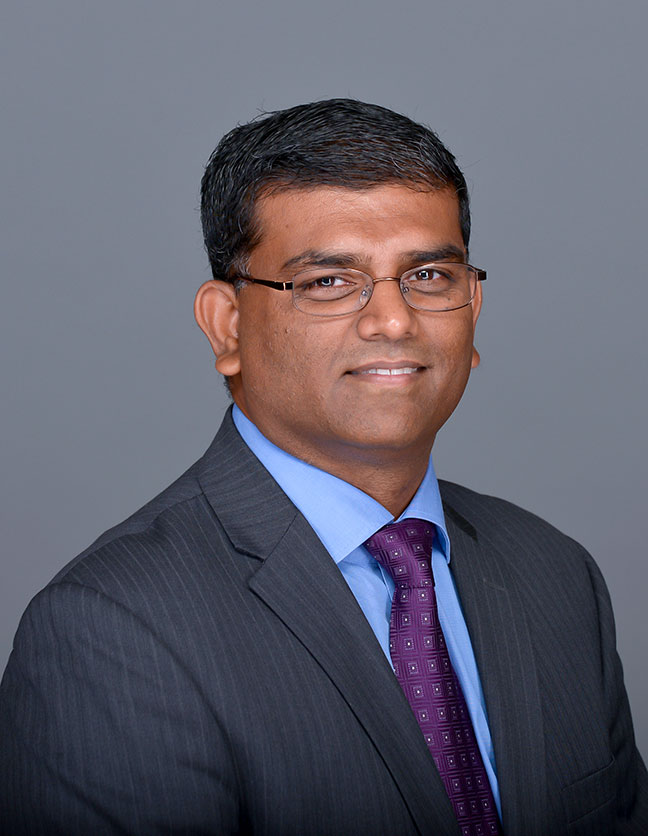
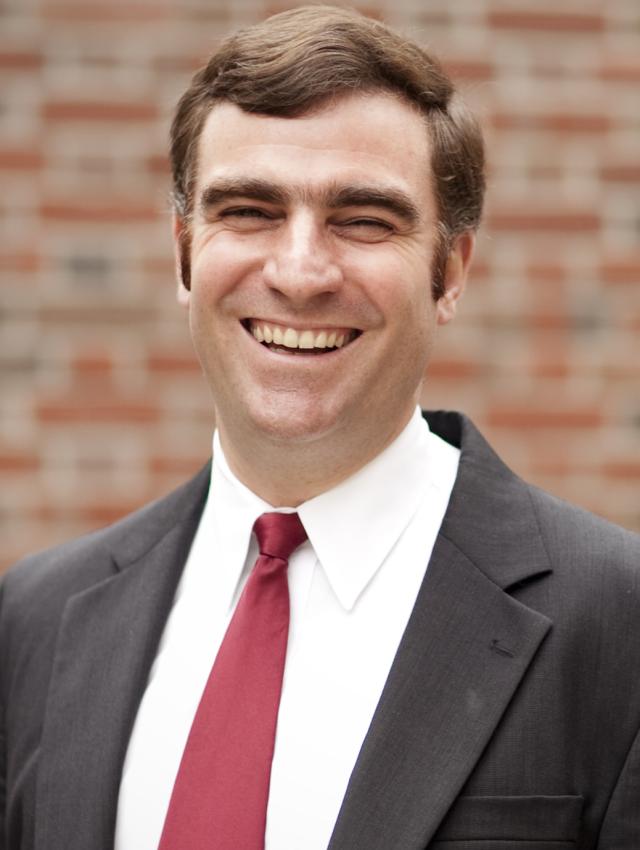
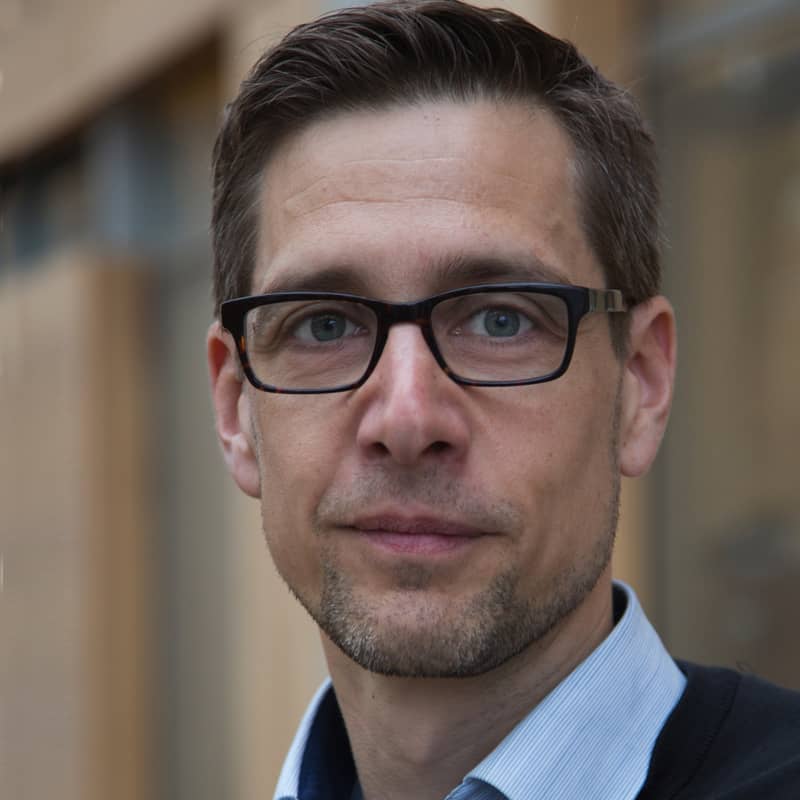
Michelle Doas is an Associate Professor of Nursing at Chatham University 's College of Health Sciences , where she has been actively contributing since 2007. Her expertise spans clinical nursing, education, and interdisciplinary research applications. Ed,D., MSN, BSN, RN Research Interests Dr. Doas focuses on critical thinking development in nursing education , adult literacy in healthcare , and reminiscence therapy . Her work bridges clinical practice with pedagogical innovation, exploring how techniques from service industries (e.g., Disney's hospitality model) can enhance patient satisfaction and communication in healthcare settings. Article Trends Her publications and presentations demonstrate a consistent emphasis on improving clinical outcomes through structured interventions like mind mapping for education, relaxation therapy for post-operative care, and concept mapping for knowledge organization. Key themes include patient safety , workplace culture , and interdisciplinary applications in nursing. Scientific Awards She is a member of the prestigious Sigma Theta Tau International Honor Society , recognizing her contributions to nursing scholarship. Additional Contributions Dr. Doas has served on the Business Faculty Search Committee (2008) and presented on diverse topics such as food handling safety in environmental science contexts and nursing career advocacy at high school outreach events.
Emma Martin is Senior Lecturer in Museology at the University of Manchester's School of Arts, Languages and Cultures, where she serves as Associate Director for Research (Impact and Knowledge Exchange). With over 25 years of professional experience including 17 years as Senior Curator for National Museums Liverpool (2003-2020), her work bridges academic research and museum practice. Her current research focuses on colonial-era Tibetan collections, contemporary museum activism, and dissident curatorial practices in exile contexts. Dr. Martin's research interests sit at the critical intersection of colonialism, Tibetan Studies, and material culture studies. She examines how colonial-era museum collections continue to shape contemporary representations of Tibet while exploring pathways for Tibetan agency in museum decision-making. Her practice-led research includes serving as curatorial advisor to the Dalai Lama Centre for Tibetan and Ancient Indian Wisdom (2024-25) and leading the development of the Tibet Museum for the Central Tibetan Administration (2017-2023). She co-convenes the international Tibetan Materiality Network, fostering cross-border collaboration on Himalayan material culture research. Her publication trends reveal a sustained focus on decolonizing museum practices through historical analysis of Tibetan material culture. Early work examined colonial collecting networks and diplomatic gift exchanges, while recent publications address contemporary issues like digital sovereignty, museum representation of diaspora communities, and dissident curatorial methodologies. Her scholarship consistently connects archival research with practical museum interventions, demonstrating how historical understanding can inform ethical contemporary practice. Fellow, Royal Asiatic Society Fellow, Higher Education Academy Dr. Martin has supervised four completed PhDs and currently mentors five doctoral students working on topics spanning South Asian, Himalayan, and Tibetan museology. Her research project "Object Lessons from Tibet and the Himalayas" involves international collaboration with institutions in Copenhagen and explores how material culture can challenge colonial narratives. Her impact work includes developing new museological approaches for representing Tibet, referenced in Wikipedia and cited by policy makers addressing cultural restitution. She leads the Tibetan Materiality Network connecting European and Asian researchers, and her current monograph "The Dissident Museum: Oppositional Curating at the Tibet Museum" (Routledge) documents innovative curatorial practices developed during the Tibet Museum project. Her external roles include curatorial advisory positions with Tibetan cultural institutions and examination duties at UCL and University of Westminster.
Michelle A. Holling, Ph.D. is a Full Professor of Communication at California State University San Marcos, where she also serves as Director of Ethnic Studies. She joined the Department of Communication at CSUSM in 2007 and has held significant leadership roles including Director of the Ethnic Studies Program, Chair of the Communication Department, and member of the Ethnic Studies Steering Committee. Dr. Holling earned her interdisciplinary Ph.D. in Communication from Arizona State University and her M.A. and B.A. in Communication from San Francisco State University. Her academic journey has been marked by leadership and scholarly excellence within the field of communication studies with a focus on ethnic and gender perspectives. Her research expertise centers on Chican@-Latin@ vernacular discourse; testimonio and gendered violence; and womyn of color, academe, and intersectional microaggressions. Dr. Holling's work bridges critical race theory, gender studies, and communication scholarship, examining how marginalized communities navigate systems of power through discourse and performance. She has developed innovative courses including COMM 405, Feminist Rhetorics and COMM 485, Chican@s-Latin@s in Film & TV. Dr. Holling's scholarly contributions demonstrate a consistent focus on intersectional approaches to communication, with particular attention to Latin@ experiences, gendered violence, and critical race perspectives. Her work often examines how marginalized communities use discourse to resist oppression and create liberatory spaces. Outstanding Article Award (2022) from Feminist Gender Studies Division of NCA Outstanding Book Chapter Award (2021) from Latino/a Communication Studies Division of NCA Cordova-Puchot Scholar of the Year Award (2009) from Latino/a Communication Studies Division of NCA B. Aubrey Fisher Outstanding Journal Article (2007) from Western States Communication Association Dr. Holling has been actively involved in professional organizations, founding the Communication, Identities, and Difference interest group in the Western States Communication Association (WSCA), where she served as President (2017-2018) and Immediate Past President (2018-2019). She was also President of the Organization for Research on Women and Communication (2007-2010). Her leadership extends to editorial work, including co-editing "Race(ing) Intercultural Communication: Racial Logics in a Colorblind Era" (2016) and "Latina/o Discourse in Vernacular Spaces: Somos de Una Voz?" (2011).
Rakesh Peter-Dass serves as Associate Professor of Religion at Hope College, where he has been teaching since 2016. His academic journey spans multiple prestigious institutions including Harvard University, Yale University, and the University of Oxford, where he earned advanced degrees in theology, divinity, and business administration. His research focuses on the complex intersections of religion with business, language, law, and politics, particularly in the South Asian context. Dr. Peter-Dass examines how religious identities are shaped through linguistic choices, legal frameworks, and socio-political dynamics, with special attention to Hindu-Christian relations and religious rights. His work bridges theological scholarship with practical applications in interfaith dialogue and religious freedom advocacy. His publications reveal a consistent focus on South Asian religious contexts, particularly examining Hindi Christian literature, Hindu nationalism, and comparative theological approaches between Hindu and Christian traditions. The research demonstrates interdisciplinary connections between religious studies, political science, linguistics, and legal studies, with significant contributions to understanding religious rights in both Indian and American Supreme Court contexts. Among his notable honors are the Saïd Foundation Scholarship from Oxford University, multiple Harvard University fellowships, and the Selva J. Raj Endowed International Dissertation Research Fellowship from the American Academy of Religion. His teaching excellence has been recognized through Harvard University's Certificate of Distinction in Teaching. Dr. Peter-Dass has served in significant professional capacities including as Co-Chair of the Theology and Religious Reflection Unit at the American Academy of Religion (2018-2023) and on the Editorial Board of the Hindi Theological Literature Committee in India (2011-2015). His extensive consulting work with international development agencies, intergovernmental organizations, and religious bodies demonstrates his commitment to applying academic research to real-world religious and social challenges.
Dr. Gábor Pintér holds dual academic appointments as Assistant Professor at Károli Gáspár Reformed University's Faculty of Humanities and Social Sciences (Department of Japanology) and as Associate Professor at Kobe University's School of Languages and Communication. Born in Hungary in 1977, he earned his MA (2005) and PhD (2008) in Linguistics from Kobe University, Japan, with a dissertation on asymmetrical segment distributions in Japanese. His research focuses on three interconnected domains: phonological theory (especially Japanese phonology), experimental phonetics, and applications of automatic speech recognition in language education. Specific interests include vowel devoicing patterns, prosodic perception in L2 learners, phonotactic constraints, and diachronic sound changes in Japanese. Pintér actively contributes to international research collaborations, including the JSPS-funded project 'Stochastic & theoretical phonological research' and serves as chair of the Phonology Association in Kansai (PAIK). His 15 most recent publications demonstrate methodological diversity, combining theoretical linguistics with computational approaches and experimental studies, primarily focused on Japanese phonetics and speech technology applications. Professional memberships include board positions in The Phonological Society of Japan and memberships in the International Speech Communication Association and Association for Laboratory Phonology.
Björn Ross is a Lecturer in Computational Social Science at the University of Edinburgh's School of Informatics, where he is affiliated with the Institute for Language, Cognition and Computation. He serves as Director of the SMASH research group and is part of the management team for the Centre for Doctoral Training in Natural Language Processing (CDT in NLP). His educational background includes: PhD (2019) from the University of Duisburg-Essen MSc in Computer Science (2016) from the University of Münster Exchange year (2014-2015) at the University of Strasbourg BSc in Information Systems (2013) from the University of Münster Ross's research focuses on computational social science, particularly using natural language processing, social network analysis, and agent-based modeling to study social media phenomena. His work examines misinformation, hate speech, bot activity, and the ethical implications of computational methods. He also investigates how social media can be leveraged for social good, especially in crisis communication contexts. A significant portion of his recent research addresses bias and fairness issues in AI systems, particularly regarding marginalized communities and LGBTQ+ identities. His work spans both technical development of computational methods and critical examination of their societal impacts. Analysis of his recent publications reveals a strong trend toward examining bias in AI systems, particularly regarding marginalized communities. His work spans multiple methodologies including computational analysis of social media data, development of NLP techniques, and critical examination of AI ethics. He frequently collaborates across disciplines, working with researchers in computer science, social sciences, and healthcare domains. His professional recognition includes: Best Paper Award at the Hawaii International Conference on System Sciences (HICSS) in 2018 Associate Editor for Business & Information Systems Engineering Active membership in professional organizations including AIS, ACL, and ACM Ross currently supervises multiple PhD students including Agostina Calabrese, Eddie Ungless, Sandrine Chausson, Wendy Zheng, Seraphina Goldfarb-Tarrant, and Mahmoud Ibrahim. At the University of Edinburgh, he teaches courses such as 'Text Technologies for Data Science' and 'Evidence, Argument and Persuasion in a Digital Age,' reflecting his expertise at the intersection of computational methods and social implications.
Professor Craig Williams is a renowned academic at the University of Exeter’s School of Public Health and Sport Sciences. He serves as Director of the Children’s Health and Exercise Research Centre (CHERC) and lectures on physiological aspects of undergraduate and postgraduate programs. His work bridges clinical and applied settings, focusing on pediatric populations. BEd (Hons) from University of Exeter (1987) MSc from University of Alberta (1992) PhD from University of Exeter (1995) Williams specializes in paediatric exercise physiology, investigating physiological responses to high-intensity exercise and fatigue in children (6-18 years). His research integrates clinical applications for cystic fibrosis and congenital heart disease, alongside youth sports performance. He emphasizes exercise tolerance, fatigue mechanisms, and their relationship to growth, maturation, and sex differences. He has been recognized as a Fellow of the Higher Education Academy in 2006. His professional roles include Honorary Research Fellow at RD&E Hospital Trust since 2006 and leadership in CHERC. Williams contributes to sustainable development goals such as Good Health and Well-Being (SDG 3) and Quality Education (SDG 4).
Stephen D. Hart is a Full Professor in the Department of Psychology at Simon Fraser University, with expertise in clinical-forensic psychology. His work focuses on assessment in criminal and civil settings, particularly violence risk and psychopathic personality disorder. He has also served as a Visiting Professor at the University of Bergen since 2000 and provides violence risk assessment and management services through Protect International Risk and Safety Services. Dr. Hart completed his education at the University of British Columbia, obtaining a BA in 1984, MA in 1987, and PhD in 1993. He began teaching at Simon Fraser University in 1990 and was appointed a regular faculty member in 1994. His primary research interest is clinical-forensic assessment, with specific focus on violence risk (including intimate partner violence, sexual violence, stalking, workplace violence, and terrorism) and psychopathic personality disorder. He co-developed the Structured Professional Judgment (SPJ) approach to violence risk assessment and has co-authored numerous SPJ violence risk assessment guides including HCR-20, RSVP, SVR-20, SARA, B-SAFER, SAM, PATRIARCH, MLG, and EARLI. He also developed the Comprehensive Assessment of Psychopathic Personality (CAPP) concept map with colleagues at Glasgow Caledonian University and the University of Liverpool. His publication record shows consistent output with significant contributions to understanding violence risk assessment across cultures and settings, as evidenced by his work on cases like Ewert v. Canada. His recent publications focus on economic analysis of crime costs associated with psychopathic personality disorder, stalking recidivism, and online stalking behaviors. Distinguished Contributions Award, American Academy of Forensic Psychology (2019) Distinguished Achievement Award, Association of Threat Assessment Professionals (2009) Career Achievement Award, Section on Clinical Emergencies and Crises (Section VII) of the Society of Clinical Psychology (2003) Jerome Fisher Memorial Lecture Award (2001) Saleem Shah Award for Early Career Research Excellence (1995) Dr. Hart has supervised numerous graduate and undergraduate students at Simon Fraser University and other institutions, and has acted as external examiner for graduate students worldwide. His research has received substantial funding, enabling the development and validation of multiple assessment instruments that have become standards in forensic practice. He has also served as Editor of the Journal of Threat Assessment and Management, further demonstrating his leadership in the field. Dr. Hart leads or significantly contributes to research teams focused on violence risk assessment and psychopathy assessment, collaborating with international colleagues across multiple disciplines including psychology, psychiatry, criminology, and law. His work bridges academic research and practical application in forensic settings globally.
Adam M. Kleinbaum is Professor of Leadership and Organizations at the Tuck School of Business, Dartmouth College, where he teaches MBA courses in organizational behavior, social networks, and leads global expeditions to Israel. He also serves as interim faculty chair for Health Care Management Education at Dartmouth, teaching in both the Masters in Healthcare Delivery Science and Masters of Health Administration programs, as well as an organizational behavior class in the Thayer School of Engineering. Dr. Kleinbaum holds a DBA from Harvard University (2008) and an AB from Harvard College (1998). Prior to joining Tuck, he served as a post-doctoral fellow at Harvard Business School. His research examines the antecedents and evolution of social networks in organizations, investigating how formal and informal structures, career history, personality, and even brain structure shape network formation. A second research stream applies network science to study diversity, equity and inclusion practices. His work has been published in top journals including Nature Communications , Administrative Science Quarterly , Organization Science , and Strategic Management Journal . Analysis of his publications reveals consistent focus on network dynamics within organizational contexts, with increasing attention to DEI applications and remote/hybrid work implications in recent years. His work bridges theoretical organizational research with practical business applications. 2018 ASQ Award for Scholarly Contribution for 'Organizational Misfits' Featured in 2018's 'Top Ten Insights from the Science of a Meaningful Life' Third most-read Life and Biological Sciences paper in Nature Communications (2018) Recognized as one of Poets & Quants' Best 40-Under-40 MBA Professors Professor Kleinbaum serves as Deputy Editor at Administrative Science Quarterly , with previous editorial roles at Management Science and Academy of Management Annals . He co-founded the Dartmouth Interdisciplinary Network Research (DINR) Group, which brings together scholars from multiple disciplines to advance network science applications. His research has been featured in major media outlets including the New York Times , Wall Street Journal , Scientific American , and The Atlantic .
Dr Jan Woudstra is an Honorary Professor at the University of Sheffield's School of Architecture and Landscape. With a PhD in Landscape Architecture from University College London and a background in landscape design, horticulture, and conservation, he has taught landscape architecture and history since 1995 and part-time at the Architectural Association School of Architecture from 1988-2005. Education: PhD, MA (Conservation), Dip Hort (Kew) Research Focus: History and theory of modern movement landscape architecture, planting design, hard landscape detailing, and international design trends Supervision: Claudia Leticia Martínez Velarde, Lei Gao, Kairan Li, Sang Jung Yoon, Vivienne Rose Parrott, Jijun Zhao, Manoochehr Salahi Moghadam, Hossein Donyavi, Sally O’Halloran Contact: j.woudstra@sheffield.ac.uk | Arts Tower, Floor 12, Western Bank, Sheffield, S10 2TN His research emphasizes landscape conservation, sustainability, and social equitability, with case studies on designers like Christopher Tunnard, Peter Shepheard, and Robert Marnock. He explores the tension between memory and innovation in historic landscapes. Recent publications address Buddhist pilgrimage sites, Scandinavian design, and historical planting techniques. Collaborations with Peter Blundell Jones and others analyze the interplay between architecture and landscape.
Dr. Ed E. Moret is an Associate Professor of Computational Medicinal Chemistry at Utrecht University, where he serves as Managing Director of the Utrecht Institute for Pharmaceutical Sciences. He is a member of the Departmental Executive Board and Chair of the Board of Examiners of the School of Pharmacy. His academic career spans over three decades with significant contributions to pharmaceutical sciences. Utrecht University, Utrecht Institute for Pharmaceutical Sciences School of Pharmacy, Department of Chemical Biology and Drug Discovery Managing Director since January 2010 Dr. Moret's educational background includes completing Gymnasium-b at Gymnasium Camphusianum in Gorinchem in 1979, followed by pharmacy studies at Utrecht University until 1988. He earned his PhD in 1993 with research on calculations and simulations of DNA-alkylating cytostatics under supervision of Prof. L.H.M. Janssen and Prof. J.P.A.E. Tollenaere. He also conducted postdoctoral research at the Scripps Research Institute with Prof. A.J. Olson. His primary research interests focus on molecular recognition, particularly in auto-immune diseases, with expertise spanning computational medicinal chemistry, computer-aided drug discovery, cheminformatics, and bioinformatics. Dr. Moret's work bridges the gap between theoretical calculations and experimental validation in drug design. His research portfolio demonstrates a consistent trajectory from fundamental molecular interactions to applied drug discovery, with particular emphasis on enzyme inhibitors, carbohydrate-protein interactions, and molecular recognition processes. Analysis of his publication record reveals a strong focus on structure-based drug design, with significant contributions to the development of inhibitors for enzymes like β-glucocerebrosidase, NNMT, and neuraminidase. His work spans multiple therapeutic areas including lysosomal storage disorders, cancer metabolism, and infectious diseases. The interdisciplinary nature of his research is evident in the integration of computational approaches with experimental validation across biochemistry, pharmacology, and medicinal chemistry. Teacher of the Year (awarded three times by Pharmacy students) Member of editorial boards for Medicines and Conceptuur journals Secretary of Board of FIGON (2016) Secretary of Raad voor de Farmaceutische Wetenschappen (2024) Member of Board of Stichting Farmaceutische Erfgoed (2024) Dr. Moret has been actively involved in educational innovation, developing and coordinating the master's programme Drug Innovation, the profile Drug Regulatory Sciences, and the Honours programme Pharmaceutical Sciences. He has taught courses for pharmacy, chemistry, UCU and medical sciences students, as well as PhD courses in bioinformatics and computer-aided drug discovery. His educational contributions include developing an inquiry-based elective course on drug discovery, for which he published educational research. He holds BKO and SKO teaching qualifications and participated in the Centre of Excellence in University Teaching program. As Managing Director of the Utrecht Institute for Pharmaceutical Sciences, Dr. Moret leads research initiatives across chemical biology, drug discovery, and pharmaceutical sciences. His leadership extends to multiple advisory and editorial roles within the pharmaceutical research community, reflecting his significant contributions to both academic and professional spheres of pharmaceutical sciences.
Dominik Roeser is a Professor and Associate Dean of Research Forests & Community Outreach at the University of British Columbia's Faculty of Forestry, Department of Forest Resources Management. With over 21 years of experience in forest research and innovation, he has built a comprehensive forest operations research program since joining UBC in 2018, following his tenure as Senior Director at FPInnovations where he managed multidisciplinary teams focused on improving forest sector competitiveness and wildfire management solutions in Western Canada. Professor Roeser's research interests center on sustainable forest management and the bioeconomy, with specific expertise in forest bioproduction, supply chain design, steep slope harvesting, and biomass operations. His work through the Forest Action Lab applies diverse research methods including productivity studies, field trials, and modeling to address sustainability challenges across different operational environments. His research portfolio spans sustainable forest biomass utilization, harvesting in difficult terrain, innovative forest planning tools, operational productivity, carbon management, and community sustainability impacts from reforestation. His publication record shows a strong focus on practical applications of forest science, with recent work emphasizing wildfire management, remote sensing technologies for precision forestry, biomass energy systems, and the socio-ecological dimensions of forest management. His research increasingly integrates advanced technologies like LiDAR and drone-based systems with traditional forest operations to address contemporary challenges in sustainable forest management. Roeser has received the Recognition Award from the Canadian Forest Service (2017) for his contributions to forest science and innovation. His work demonstrates significant impact on both academic understanding and practical implementation of sustainable forest operations across North America and Europe. As an educator, Professor Roeser teaches several key courses including FOPR 264 Introduction to Forest Operations, FOPR 362 Harvesting systems and forest access, FOPR 464 Operational planning and management, and FRST 452 Coastal field school. He considers educating the next generation of forestry professionals one of his passions, bridging theoretical knowledge with practical industry applications. The Forest Action Lab, led by Professor Roeser, represents a multidisciplinary research hub applying diverse methodologies to address forestry stakeholders' needs across British Columbia, Canada, and globally. The lab's work connects academic research with industry implementation, focusing on practical solutions for sustainable forest utilization in varied operational environments.
Ariel Rubinstein is a prominent Israeli economist and Professor of Economics at Tel Aviv University's School of Economics and the Department of Economics at New York University. Born on April 13, 1951, he has established himself as a leading figure in game theory and economic theory over his decades-long career. His research spans Game Theory, Bounded Rationality, Economic Theory, and Experimental Economics. Rubinstein is particularly renowned for developing the Rubinstein bargaining model, published in 1982, which describes two-person bargaining as an extensive game with perfect information. He also co-authored the highly influential A Course in Game Theory (1994) with Martin J. Osborne, which has been cited over 4,000 times. His recent scholarly output shows continued productivity across multiple subfields of economic theory, with a focus on behavioral aspects of decision-making, implementation theory, and the philosophical foundations of economic modeling. His work often challenges conventional approaches in economics while maintaining rigorous theoretical foundations. Honorary Fellow recognition Author of highly cited textbooks and scholarly articles Creator of educational resources including game theory experiments website Rubinstein maintains an active teaching role at NYU, where he has taught PhD microeconomics courses through 2024. His work extends beyond traditional academic boundaries through his 'Rubinstein's Atlas of Cafes where one can think,' his political commentary, and his engagement with public discourse on economic methodology and social issues. He has created protest materials and written extensively on contemporary political matters, particularly regarding the Israeli-Palestinian conflict. His laboratory focuses on Economic Theory, Bounded Rationality, Game Theory, and Experimental Economics, reflecting his interdisciplinary approach to understanding human decision-making within economic frameworks.
Hens Runhaar is Professor of Policy and Governance for Sustainable Food Systems at Utrecht University's Copernicus Institute of Sustainable Development. He holds positions as Chair of the Examination Committee for Sustainable Development and is a member of the Core Team of Future Food Utrecht. Additionally, he serves on the Editorial Board of Earth System Governance Journal and as Associate Editor of Frontiers in Sustainable Food Systems journal. His research focuses on sustainable food systems, policy and governance for biodiversity conservation, and nature-inclusive agriculture. Runhaar's research interests center on understanding the connectivity issues in Western food systems that lead to sustainability challenges including biodiversity loss, climate change, and food-related diseases. He investigates the decoupling of food production from environmental conditions, disconnects between feed production and livestock farming, and the separation between food production and consumption areas. His work emphasizes biodiversity as a key indicator of sustainable food systems, with special interest in scaling up agroecology, regenerative agriculture, and nature-inclusive agriculture. He delivered his inaugural lecture on January 17, 2025, titled 'Governing towards sustainable food systems: new connections for more diversity'. His recent publications demonstrate a strong focus on biodiversity policy integration, nature-based solutions, and transformative food system changes. Runhaar has been instrumental in special issues on biodiversity governance and environmental policy integration. His research projects include COMBINED (2025-2031), REWIRE, DivGrass, and work on the Water Framework Directive after 2027. Editorial Board Member of Earth System Governance Journal Associate editor of Frontiers in Sustainable Food Systems journal Member of the Scientific Advisory Committee of Dutch Bird Protection Association Senior Research Fellow of Earth System Governance research network Fellow of Wageningen School of Social Sciences Runhaar actively supervises numerous PhD students and postdoctoral researchers, with a focus on sustainable food systems, biodiversity conservation, and nature-inclusive agriculture. He has contributed significantly to societal debates through media appearances in NRC, De Volkskrant, and EenVandaag, addressing topics like nitrogen policy, nature restoration, and the role of farmers in sustainability transitions. Beyond academia, he volunteers with the Badger Working Group Utrecht and 't Gooi Foundation, monitoring badgers since 2012 and contributing to nature conservation efforts.
Professor David Taubman is a distinguished academic serving as Professor and Deputy Head of School (Research) at the School of Electrical Engineering and Telecommunications (EE&T) at the University of New South Wales (UNSW) in Sydney, Australia. He is also co-director of Kakadu Software Pty. Ltd. and its affiliates Kakadu R&D and Kakadu GPU. With a career spanning over three decades, Professor Taubman has made significant contributions to the field of image and video compression, most notably as the author of the EBCOT coding algorithm adopted in the JPEG2000 international standard. Professor Taubman earned his B.Sc. in Mathematics and Computer Science (1986) and B.E. (Medal) in Electrical Engineering (1988) from the University of Sydney, followed by an M.Sc. (1992) and Ph.D. (1994) in Electrical Engineering from the University of California at Berkeley. His professional journey includes engineering work at the Electricity Commission of N.S.W. (1988-1990), research positions at Hewlett-Packard Laboratories in Palo Alto (1994-1998), and an academic career at UNSW where he progressed from Senior Lecturer (1998-2003) to Associate Professor (2004-2009) and finally to Professor (2009-present). He has held various leadership roles including Head of the EE&T Telecommunications Research Group (2003-2014), Head of the EE&T Signal Processing Research Group (2014-present), Director of Research for the School of EE&T (2011-2016), and Deputy Head of School (Research) since 2017. Professor Taubman's research interests center on image and video compression, with particular expertise in JPEG2000 standards and implementations. His work spans signal processing, wavelet transforms, scalable video coding, motion modeling, and multimedia systems. He has pioneered numerous compression algorithms and frameworks, including the EBCOT coding algorithm that became central to the JPEG2000 standard. His recent research focuses on efficient motion modeling with cuboidal partitioning, learned lifting-based transform structures, and high-throughput implementations of JPEG2000 for video applications. His work bridges theoretical foundations with practical implementations, as evidenced by the commercially successful Kakadu Software tools that have garnered around 500 commercial licensees. Analysis of Professor Taubman's recent publications reveals a consistent focus on advancing compression technologies with particular emphasis on scalability, efficiency, and adaptability. His work spans traditional image compression (JPEG2000 extensions), video coding (cuboid-based partitioning for UHD/360-degree video), and emerging applications (nanopore sequencing data compression). A notable trend is the integration of machine learning techniques with traditional compression frameworks, as seen in his work on learned lifting-based transform structures. His research maintains strong connections to real-world applications across diverse domains including medical imaging, astronomical data processing, and genomic sequencing. IEEE Fellow Engineers Australia Fellow (by invitation) Professor Taubman has served as Associate Editor for the IEEE Transactions on Image Processing for two four-year appointments (2003-2005 and 2010-2013). He has been actively involved in numerous research grants focused on image and video compression technologies, particularly those related to the JPEG2000 standard and its extensions. His work has received significant industry support, reflected in his consultancy with various U.S., Japanese, and Australian corporations. He has also contributed to international standards development as a member of Standards Australia Technical Committee MS-065 (mirroring ISO TC42 on Digital Photography) and as a constitutional member of Standards Australia Technical Committee IT-029 (Coded Representation of Picture, Audio and Multimedia/Hypermedia Information). Professor Taubman co-directs Kakadu Software Pty. Ltd. and its research affiliates Kakadu R&D and Kakadu GPU, which have developed the commercially successful Kakadu Software tools for JPEG2000. His research group at UNSW focuses on advanced image and video compression techniques, with particular expertise in wavelet-based methods, scalable coding, and motion modeling. The group maintains strong industry connections and has contributed significantly to the development and standardization of image compression technologies worldwide.