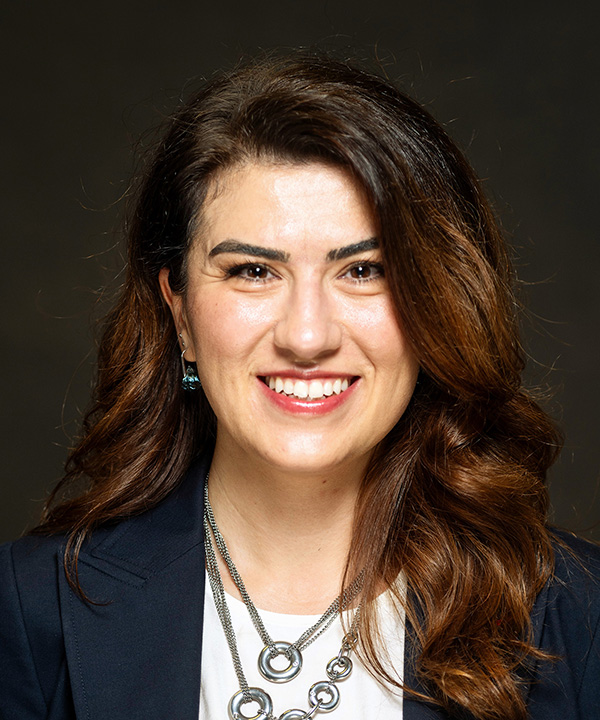
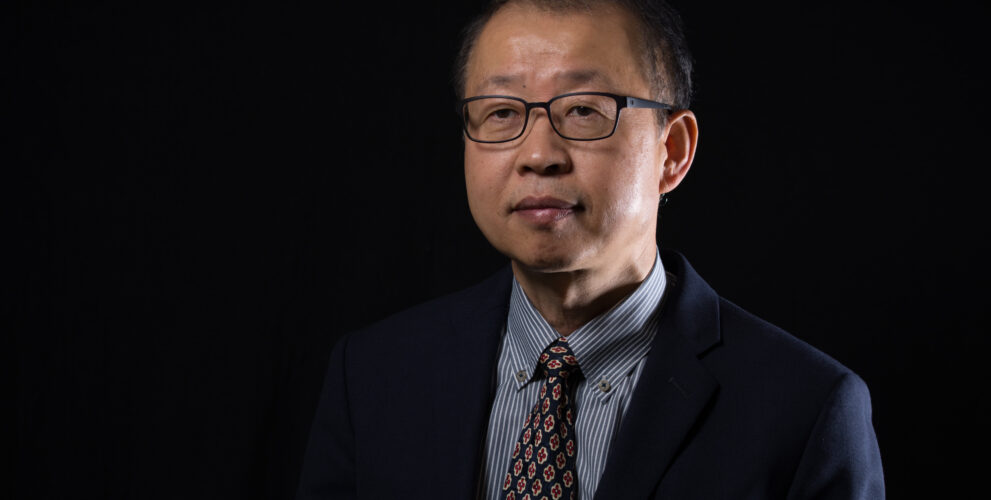
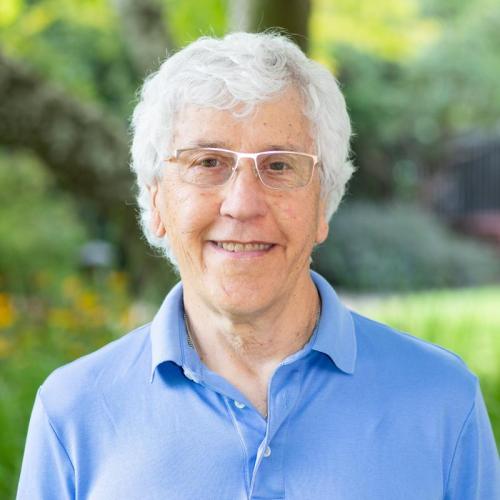
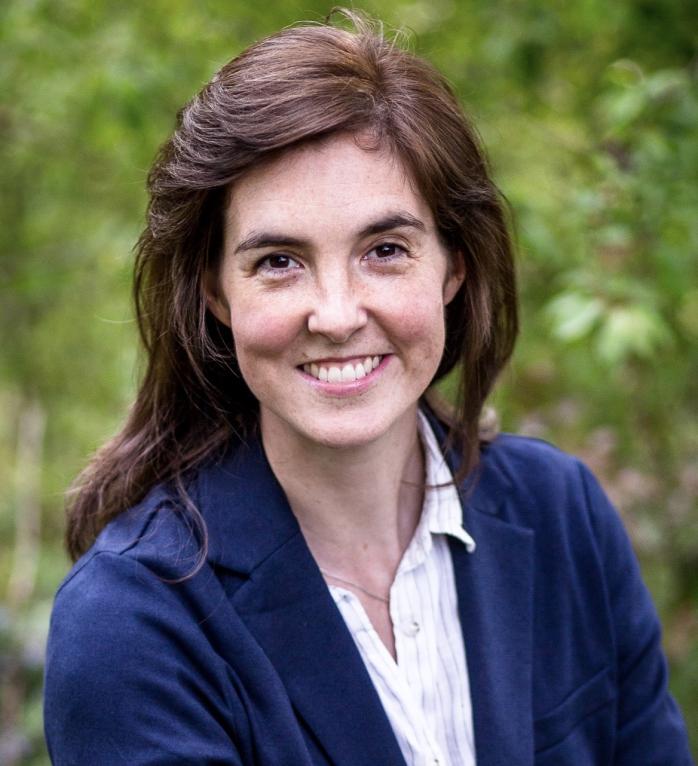
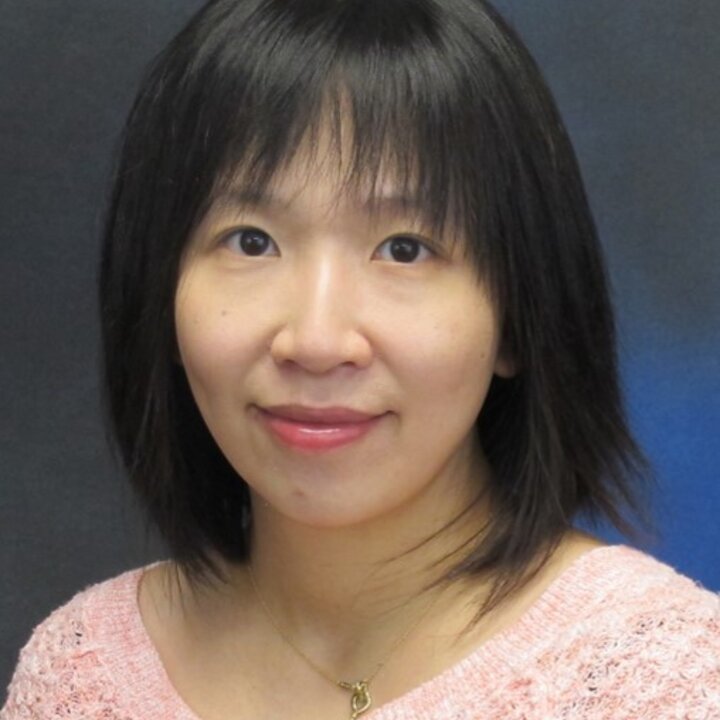
Michael McAlpine is a Professor in the Mechanical Engineering department at the University of Minnesota . He also holds affiliations with the Biomedical Engineering and Electrical and Computer Engineering departments. His research focuses on 3D printing functional materials & devices , Nanoscale inks , Biomedical devices , Bioelectronics , and Flexible Microsystems . Research Interests : 3D Printing, Biomedical Engineering, Nanotechnology, Flexible Electronics, Microfluidics Labs : ME 361/363 Contact : mcalpine@umn.edu , (612) 626-3303, ME 117 Recent Research Trends include 3D Printed Biomedical Devices , Flexible Electronics , and Bioprinting Applications . His work spans from Spinal Organoid Formation to Programmable Drug Release Capsules . Scientific Award : Circulation Research 2020 Best Manuscript Award
Zeynep Temel is an Assistant Professor at Carnegie Mellon University's College of Engineering, jointly appointed in the Biomedical Engineering and Robotics Institute. She leads the Zoom Lab, focusing on bio-inspired compliant mechanisms for robotic systems. Current research emphasizes adaptable robots for complex environments through mechanical intelligence and embedded control . Key application areas include surgical robotics , search-and-rescue , and micromanipulation . Her work spans bio-inspired design, compliant robotics, and human-centered applications. Recent publications highlight advancements in: Swarm robotics for collaborative exploration Soft actuators using bioplastics and gelatin Dexterous manipulation via delta robot frameworks The Zoom Lab trains students in robotic fabrication and biological modeling, with members transitioning to roles in academia and industry.
Dr. Lin Wei is a Professor and Graduate Coordinator in the Department of Agricultural and Biosystems Engineering at South Dakota State University (SDSU). He holds a B.S. in Agricultural Engineering from China Agricultural University, M.S. in Mechanical Engineering (Guangxi University), and M.S./Ph.D. in Biological Engineering (Mississippi State University). His research focuses on biomass conversion, bioenergy production, smart agriculture, and food safety. He leads projects on biochar-based fertilizers, cold plasma food safety technologies, and AI-driven precision farming. Dr. Wei has authored over 80 peer-reviewed papers and secured $7M+ in grants. He chairs multiple professional committees (ASABE Renewable Energy, USDA-S1075, ISO-WG6) and serves as editor for journals like Agricultural Engineering and Transactions of the ASABE. Recent grants include biochar soil health studies ($583K USDA) and nanobubble dairy waste management ($22K SD WRI). His team develops smart sensors for crop monitoring and biopolymer nanocomposites for food packaging. Notable awards include 2024 Outstanding Researcher (College of Agriculture) and 2022 Excellence in Editing (ASABE). Ongoing work integrates thermochemical processes with AI to enhance biofuel production efficiency and environmental sustainability.
Jinsoo Hwang is a Professor in the Department of Foodservice Management at Sejong University's College of Hospitality & Tourism Management, where he has served since 2016 with progressive promotion to full Professor in 2022. He concurrently holds leadership roles including Head of the Graduate Program of Foodservice Management (2024) and previously led Sejong University's Graduate School of Tourism (2019-2022). Education: Ph.D. in Hospitality Management, Kansas State University (2011) M.S. in Hospitality Management, Florida International University (2007) M.B.A. in Hospitality and Tourism Management, Sejong University (2005) B.L. in Law, Cheongju University (2003) His research centers on service marketing dynamics and technology adoption in hospitality contexts, with particular expertise in consumer innovativeness, brand loyalty, and rapport building. Recent work examines emerging technologies including robot food delivery, facial recognition payments, and smart farm restaurant systems through cross-cultural lenses. His studies frequently apply theoretical frameworks like UTAUT, TAM, and social penetration theory to analyze consumer behavior in airline, restaurant, and golf resort settings. Publication trends reveal consistent high-impact output with 192 SSCI-indexed papers through 2025, averaging 20+ annual publications since 2019. His work predominantly appears in Q1 hospitality journals like International Journal of Hospitality Management (IF=11.7), focusing on technology-service intersections and cross-national consumer behavior comparisons. Key awards: 2024 Highly Cited Researcher (Web of Science) Sejong University Distinguished Professor (2023-2025) Research.com Top 4 Business Scientist in Korea (2024) SciVal Top 3 Author in Korean Business Research (2018-2023) Albert Nelson Marquis Lifetime Achievement Award (2018) Hwang directs the Gwang603 Laboratory and serves as Head of Sejong University's Smart FM Track under the LINC+ industry-university cooperation program. His leadership extends to editorial roles in major hospitality journals where he frequently reviews submissions on technology adoption and consumer behavior. Current research initiatives focus on human-robot service interactions and sustainable foodservice innovations.
Alan Morrison is a Senior Lecturer in the Department of Electrical and Electronic Engineering at University College Cork (UCC), part of the College of Science, Engineering and Food Science (SEFS). He holds roles including Vice-Dean for Undergraduate Affairs (since 2021) and former Dean of Engineering (2012–2018). His academic career began at UCC in 1998, progressing from Lecturer to Senior Lecturer in 2006. A Chartered Physicist (1998) and Senior Member of IEEE (since 2002), Morrison is also a Science Foundation Ireland Principal Investigator. Education : - B.E. (First Class Honors) in Electrical Engineering, UCC (1992) - Ph.D. in Electrical Engineering, National University of Ireland (1997) Research Interests : Morrison's work focuses on three core areas: 1. Multi-spectral LED lighting for horticulture (collaboration with School of BEES, UCC) 2. Optical detection, including Geiger-mode avalanche photodiodes (SPADs) for low-light imaging and photon counting 3. Photovoltaic systems and energy storage, with contributions to multi-junction solar cell development and concentrated photovoltaic (CPV) systems. His dormant research included nanopore DNA analysis technologies. Grants & Awards : - Science Foundation Ireland (SFI) grants: PhoCUS (897k), MODCON-PV (310k) - EU funding: Nano-ChApp (203k) - Over 150 peer-reviewed publications and multiple patents. Teaching : Courses include EE1007 (Intro to Electrical Engineering), NE4008 (Photovoltaic Systems), and others focused on photonics, renewable energy, and embedded systems. Lab & Collaborations : Affiliated with the Tyndall National Institute's Photonics Centre. Active in interdisciplinary projects involving nanotechnology, energy systems, and agricultural technology.
Yuta Sugiura is an Associate Professor in the Department of Information and Computer Science at Keio University's Faculty of Science and Technology. His research focuses on innovative human-computer interaction techniques, particularly in wearable computing, tangible interfaces, and novel input methods. Previously, he worked as a postdoctoral researcher at the National Institute of Advanced Industrial Science. Dr. Sugiura's research interests span Human-Computer Interaction, Wearable Computing, Augmented Reality, Tangible User Interfaces, Gesture Recognition, Ubiquitous Computing, Haptics, and Virtual Reality. His work often explores how everyday objects and environments can become interactive surfaces, with notable projects including the iRing (intelligent ring), SenSkin (skin as interface), and EarHover (mid-air gesture recognition for hearables). He has developed numerous novel interaction techniques that leverage physical properties of materials and human physiology for input and output. His recent publications indicate a strong focus on hearable computing, medical applications of HCI, edible interfaces, and novel authentication methods. The research shows a consistent pattern of exploring unconventional interaction surfaces and leveraging subtle physical phenomena for input sensing. His work has significant implications for healthcare applications, particularly in neurological disorder screening and rehabilitation. Best Paper Award Dr. Sugiura has advised numerous students who have gone on to publish significant work in top-tier HCI venues. His research has been supported by various grants enabling the development of novel interaction techniques and systems. He maintains strong collaborations with researchers across Japan and internationally, particularly in the fields of wearable computing and medical applications of HCI. His laboratory appears to focus on lifestyle computing, developing interfaces that integrate seamlessly into daily activities. Current projects include exploring edible displays, adaptive ear interfaces, and novel authentication methods using wearable devices. Future work seems to be heading toward more medical applications of HCI, particularly in neurological assessment and rehabilitation.
Dr. José Garcia-Bravo is an Associate Professor at the Purdue Polytechnic Institute, Department of Mechanical Engineering Technology, specializing in fluid power systems, additive manufacturing, and smart manufacturing using Industrial Internet of Things (IIoT) technologies. His work bridges applied research with educational innovation, including the development of a miniature electro-hydraulic excavator arm and the Fluid Power Student Club. Education: Ph.D. in Engineering (Fluid Power), Purdue University, 2011 M.Sc. in Engineering, Purdue University, 2006 M.A. in Teaching of Spanish, Purdue University, 2004 B.Sc. in Mechanical Engineering, Universidad de Los Andes, 2002 His research interests span fluid power & motion control, digital twins, reverse osmosis systems, and mixed reality applications in manufacturing. He focuses on optimizing hydraulic systems for heavy-duty vehicles, embedding sensors in 3D-printed components, and advancing water purification technologies. Recent publications highlight innovations in digital hydraulics, bio-based packaging materials, and reverse osmosis efficiency. He has secured patents for 3D-printed lens gratings and processes for additive manufacturing. Scientific Awards: Purdue Polytechnic Outstanding Faculty in Learning Award (2019) Purdue Polytechnic Outstanding Faculty in Engagement Award (2022) Dr. Garcia-Bravo actively engages in globalizing fluid power education, facilitating student exchanges with Latin American countries and contributing to international standards for hydraulic components through ISO committees.
Holly Golecki is a Professor in the Department of Bioengineering at the University of Illinois at Urbana-Champaign (UIUC), affiliated with the Grainger College of Engineering. Her research focuses on the interface of humans and materials in medical devices and engineering education, emphasizing biomaterials in robotic systems, medical device design, and experiential learning. She leads initiatives such as the SIIP & Share Podcast , aimed at disseminating education innovations in engineering, and mentors programs like the UIUC First Gen Scholars Research Program. Her educational background includes contributions to bioengineering curriculum development, including courses on soft robotics and neural organoid biofabrication. She has secured funding through NSF grants, including the SCI-LSAMP project and the Jump Arches Program for wheelchair seat cushion development. Her work bridges research and practice, with a focus on increasing STEM participation through outreach and inclusive pedagogy. Golecki’s research group explores topics such as neural organoid engineering, soft robotics for medical applications, and adaptive scaffolding in capstone design. Collaborations include partnerships with institutions like Harvard Biodesign Lab and Sandia National Labs. Her lab activities include projects on biofabrication, tissue engineering, and robotics-enabled solutions for healthcare challenges. Notable contributions include over 20 peer-reviewed articles, conference presentations, and educational modules. She actively mentors students, supporting their transition to graduate programs and fostering interdisciplinary teamwork. Her efforts in grant acquisition and program leadership highlight her commitment to advancing both academic and practical contributions to biomedical engineering.
Prof. Remko Boom is a Full Professor of Food Process Engineering at Wageningen University & Research. His research focuses on sustainable food systems, plant-based alternatives, and advanced food processing technologies such as 3D food printing, membrane filtration, and protein functionalization. Key areas include edible robotics, animal-free cheese alternatives via artificial casein micelles, and functional ingredient extraction from plant and insect-based sources. He collaborates globally on biorefinery processes and contributes to edible robotic systems through material science innovations. Education Background: PhD in Food Technology (exact details not specified) Master's/Undergraduate degrees in relevant engineering disciplines (not explicitly stated) Research Interests: Prof. Boom's work spans food process engineering with emphasis on: - Development of plant-based protein ingredients using mild fractionation techniques - 3D-printed food materials with tailored mechanical properties - Electrophoretic and membrane-based separation technologies for food components - Engineering edible casein micelles for cheese analogues - Biodegradable robotics using food-grade materials Recent Research Trends: Publications from 2024-2025 highlight advancements in: - 3D-printed starch cryogels and protein-based composites - Oleosome extraction and encapsulation of bioactive compounds - Functional characterization of artificial casein micelles - Edible robots powered by Marangoni propulsion Awards & Recognition: No specific awards listed in available data, though his work has received significant media attention including features on edible robotics and sustainable food innovations. Advising & Collaboration: Supervising 87+ PhD projects including work on: - Electrohydrodynamic drying - Brewer's spent grain valorization - Recombinant protein purification Active in industry partnerships for scaling-up electrophoretic separation and 3D food printing technologies Labs & Teams: Leads research groups focused on: - Advanced Food Processing Technologies - Sustainable Ingredient Development - Biorefinery Applications in Food Systems
Hyoung Jin Cho is a Professor and Interim Chair in the Department of Mechanical and Aerospace Engineering at the University of Central Florida's College of Engineering and Computer Science. He earned his Ph.D. in Electrical Engineering from the University of Cincinnati (2002), with prior degrees in Materials Engineering from Seoul National University (BS 1989, MS 1991). His career spans academic leadership roles, including Associate Chair since 2014, and extensive research in MEMS, microfluidics, and nanotechnology. Ph.D., Electrical Engineering, University of Cincinnati (2002) MS, Materials Engineering, Seoul National University (1991) BS, Materials Engineering, Seoul National University (1989) Cho leads the Miniaturized Multifunctional Devices Lab, focusing on miniaturized actuators, sensors, and microfluidic components. His work integrates MEMS technology with sustainable materials for applications in environmental monitoring, healthcare, and flexible electronics. Current projects include batteryless UV sensors for food packaging and bio-inspired soft actuators for water remediation. His research has been supported by multiple NSF grants (CAREER, MRI, REU, NUE, RET, I/UCRC), NIH STTR, and industry partnerships. He co-directs the NSF Multi-Functional Integrated System Technology Center at UCF and has received the College’s Distinguished Researcher Award (2007). Cho has authored over 100 peer-reviewed papers and mentored educational initiatives like the i-STEM program (2014). NSF CAREER Award (2004-2009) UCF Distinguished Researcher Award (2007) WCU Visiting Professorship (2009-2010) UCF i-STEM Fellow (2014) Cho’s publications demonstrate expertise in MEMS, nanotechnology, and sensor design. Notable works include graphene-based UV sensors, biopolymer-metal composites, and self-sanitizing medical masks. His article on nanoporous bismuth electrodes (2019) highlights innovations in heavy metal detection, while his 2014 review on thermocapillarity remains a foundational reference in microfluidics.
Todor Nedev Todorov is a Senior Assistant at the Faculty of Electrical Engineering and Electronics at Technical University - Gabrovo, Bulgaria, holding a Doctor (scientific and educational) degree in Technical Sciences. He works in the Department of Automation, Information and Control Technology, with office location in cabinet 3411. Dr. Todorov's research focuses on sensor systems and electronic nose technology for food quality assessment and authentication. His work integrates artificial neural networks with gas sensor arrays to develop innovative solutions for monitoring food products during processing and aging. He has made significant contributions to applications in cheese classification, sunflower oil quality assessment, and bean origin identification. Analysis of Dr. Todorov's publication record from 2012-2023 reveals a consistent research trajectory centered on electronic nose systems and their applications in food science. His work shows progression from basic sensor development to sophisticated neural network implementations for food quality assessment. The research demonstrates strong interdisciplinary connections between electrical engineering, food science, and artificial intelligence. Dr. Todorov has been actively involved in numerous research projects, primarily focusing on sensor systems for environmental monitoring and food quality control. His project portfolio includes both internal university research initiatives and international collaborations aimed at incorporating technology into educational curricula. His laboratory work appears centered around sensor development and integration, particularly gas sensor arrays for food quality monitoring applications. The research infrastructure likely includes electronic nose systems, neural network training environments, and food product testing facilities.
John Simonsen is Professor in the Department of Wood Science & Engineering at Oregon State University's College of Forestry. His research focuses on forest-based bioproducts including nanocellulose applications, biopolymers, wood-based composites, and 3D printing technologies. Simonsen's work develops sustainable materials from renewable resources, with applications in food coatings, packaging, tissue engineering scaffolds, and composite materials. His lab specializes in nanocellulose extraction, functionalization, and composite development. His publication record demonstrates consistent innovation in nanocellulose technologies, edible coatings for food preservation, polymer nanocomposites, and sustainable material processing. Recent work explores biomedical applications of cellulose-based materials and environmentally benign elastomers. Simonsen teaches courses including 'Chemistry of Renewable Materials' (WSE 321), 'Polymer Composites' (WSE 530), and 'Industrial Hemp' (WSE 266). As Graduate Major Advisor, he mentors students in renewable materials science and engineering.
Bokeon Kwak is a Postdoctoral Researcher at the Swiss Federal Institute of Technology Lausanne (EPFL) , affiliated with the School of Engineering and the Institute of Mechanical Engineering . They work within the Laboratory of Intelligent Systems , focusing on interdisciplinary robotics research. Fields of Interest: Bio-inspired robotics, Edible Robotics, Soft Robotics Contact: bokeon.kwak@epfl.ch
Lily Chambers is a Professor at the Faculty of Technology and Bionics, Rhein-Waal University of Applied Sciences, Kleve Campus. Her academic position centers on Bionics with a specialized focus on biological systems integration within engineering frameworks. She maintains active laboratory operations and research leadership within the university's technical faculties. Her research spans Bionics, Biomimetics, Microbial Fuel Cells, Flow Sensing, Biodegradable Materials, Antifouling Coatings, Robotics, and Artificial Muscles. Chambers pioneers bio-inspired engineering solutions, particularly in sustainable energy systems and sensory robotics. Her work bridges biological principles with practical engineering applications, emphasizing environmental sustainability through biodegradable material development and natural resource utilization. Analysis of her 2012-2022 publications reveals dominant themes in biomimetic flow sensing systems (particularly artificial lateral lines for underwater robotics), microbial fuel cell innovation (including urine-activated and fully biodegradable designs), and natural antifouling solutions. Her research demonstrates consistent focus on translating biological concepts into functional engineering systems while prioritizing environmental responsibility and material sustainability. Chambers leads the FILOSE project developing bioinspired flow-sensing robots, with laboratory operations focused on creating biodegradable alternatives for energy generation and robotic components. Her team specializes in hydrodynamic sensor development, microbial fuel cell engineering, and marine antifouling research using natural compounds, maintaining strong connections between biological inspiration and practical technological implementation.
Dr. Wei-Zhen Liang is a Researcher at the Department of Biological Systems Engineering, University of Nebraska-Lincoln, specializing in precision agriculture, crop and livestock modeling, and IoT technologies. His work bridges digital agriculture with practical irrigation management solutions. Ph.D. , Agricultural and Biological Engineering, Purdue University (2015) M.S. , Biological and Agricultural Engineering, North Carolina State University (2011) B.S. , Bioenvironmental Systems Engineering, National Taiwan University (2008) His research interests focus on precision agriculture , AI and machine learning for agricultural IoT networks, image analysis in crop monitoring, and sensor development for irrigation management. He integrates edge computing and cloud technologies to optimize water use in semi-arid regions. Recent publications highlight advancements in real-time data systems for crop water stress analysis, canopy cover sensing for dry edible beans, and weed detection frameworks using edge-computing. Grant funding includes USDA and NSF projects for AI capacity building in digital agriculture. USDA-CBG Grant (2024-2027) : Building AI/ML capacity for digital agriculture USDA-AFRI Grant (2023-2026) : Precision engineering for vineyard water management NSF-ExLENT Grant (2023-2026) : Experiential learning in plant phenotyping AG2PI Grant (2022-2023) : Training programs for precision agriculture tools Dr. Liang collaborates with institutions like Purdue University and Florida A&M University, emphasizing interdisciplinary approaches to sustainable agricultural systems.