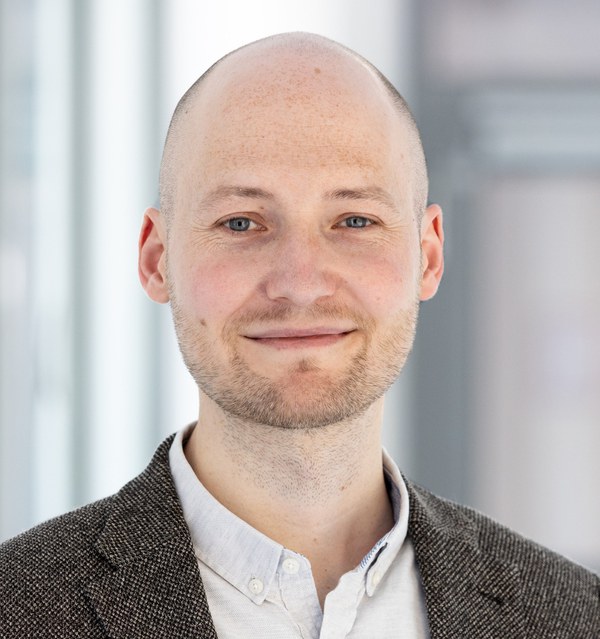
Dr. Jann Michael Weinand is the head of the Integrated Scenarios department at the Institute of Climate and Energy Systems (ICE-2) within Forschungszentrum Jülich GmbH. He leads a team of 30 scientists, PhD students, and master students focusing on energy system analysis, complexity management, and AI integration. His work addresses regional and international energy systems, emphasizing renewable energy resource assessment and techno-economic feasibility. Dr. Weinand holds a Dr.-Ing. from the Karlsruhe Institute of Technology (2020) and a Mechanical Engineering and Business Administration degree from RWTH Aachen University (2016). His research spans energy autonomy, renewable resource optimization, and the socio-technical challenges of energy transitions. Key research areas include energy system modeling, geothermal and wind energy potential, and data-driven methodologies. He coordinates interdisciplinary projects with academic and industrial partners, contributing to high-impact journals like Nature Energy and Joule. His team develops open-source tools (e.g., ETHOS workflows) for reproducible energy assessments and advocates for spatially disaggregated energy planning. Publications highlight trade-offs in energy system design, AI risks, and land-use conflicts for renewables. He emphasizes integrating social, technical, and environmental factors into energy policy frameworks.
Dr. Matthias Ritter is a Senior Researcher at the University of Tübingen's Faculty of Economics and Social Sciences, holding a position at the Chair of Marketing. Previously, he served as an Associate Professor and Assistant Professor at Jönköping International Business School (Sweden) and held roles including Junior Professor of Quantitative Agricultural Economics at Humboldt University Berlin. He earned his PhD in Economics (Dr. rer. oec.) from Humboldt University Berlin in 2011, focusing on econometrics and economic statistics. Education: PhD in Economics, Humboldt University Berlin (2011) Postdoctoral Researcher, Technical University Berlin (2013) Diploma in Mathematics (university unspecified) Research Interests: Ritter’s work centers on applied econometrics, agricultural land markets, renewable energy (especially wind energy), and weather risk management. His research bridges economic theory with practical applications in climate change adaptation, land valuation, and energy policy. Recent studies include analyzing bargaining power in agricultural land markets and modeling wind energy potential in urban areas. Key Awards: Best Paper Award (GEWISOLA, 2021) Humboldt Award for Excellence in Teaching (2020 shortlist) Stifterverband Prize (2018) for land market research Finanzkompass Innovation Award (2013) for dissertation Teaching & Advising: Ritter teaches courses in data science, agricultural economics, and renewable energy economics. He has advised students in both bachelor’s and master’s thesis seminars but no named advisees are listed. His research has explored interdisciplinary topics such as wind turbine efficiency, climate modeling, and digital teaching strategies post-pandemic. Labs/Teams: Engaged with agricultural economics and energy policy research groups, focusing on collaborative projects involving land markets, renewable energy integration, and climate risk assessment.
Jason Abaluck is a Professor of Economics at Yale School of Management, specializing in health economics and behavioral economics. His research focuses on consumer choice in health insurance markets, particularly Medicare Part D, and the effects of health interventions. Abaluck has led major research initiatives including a cluster randomized trial in Bangladesh involving 350,000 people to assess the impact of community masking on COVID-19 transmission. Abaluck's research interests span health economics, insurance markets, behavioral economics, and public health interventions. His work examines how consumers make decisions in complex health insurance markets, with a particular focus on Medicare Part D. He investigates choice inconsistencies, welfare implications, and potential policy solutions to improve decision-making. His research on mask-wearing during the pandemic demonstrated significant reductions in COVID transmission, particularly among vulnerable elderly populations. Analysis of Abaluck's publications reveals a consistent focus on healthcare decision-making across multiple contexts. His work spans theoretical modeling of consumer choice, empirical analysis of insurance markets, and field experiments testing public health interventions. Key themes include the impact of information on decision quality, the welfare consequences of choice inconsistencies, and the design of market structures to improve outcomes. Abaluck's scientific contributions have been recognized with several prestigious awards: 2023 Top 10 Clinical Research Award for his work on community masking during the pandemic 2017 NIHCM Honorable Mention for the Best Paper in Health Economics 2012 NIHCM Winner for the Best Paper in Health Economics Abaluck has secured significant research funding for projects including 'Differential Mortality in Medicare Advantage,' 'Mortality Effects of Health Insurance Networks and Providers,' and 'HEARTSPOT: Implementation and Rigorous Evaluation of a Machine Learning System to Aid Decision-Making in the Emergency Department.' His current work includes large-scale cluster randomized trials in multiple countries examining vaccination rates and the impact of trial representativeness on doctor treatment decisions. Abaluck leads collaborative research teams involving dozens of researchers from Yale, Stanford, Berkeley, and other institutions. His Bangladesh mask-wearing study, for example, involved coordination across multiple organizations and 600 villages. His work often bridges economics, public health, and clinical medicine, reflecting his interdisciplinary approach to solving complex healthcare problems.
Michel Besserve is a Senior Research Scientist in the Empirical Inference department at the Max Planck Institute for Intelligent Systems in Tübingen, Germany. His research bridges machine learning theory with applications in neuroscience and complex systems analysis. He leads a research group focused on developing causal machine learning tools to uncover the internal structure and transformations of complex artificial, physical, and socioeconomic systems. Dr. Besserve's primary research interests center on causal machine learning and its applications to understanding complex systems. His work investigates how causality can provide principled ways to study and improve AI algorithms, particularly focusing on the identifiability of causal models and the principle of Independence of Causal Mechanisms (ICM). He develops theoretical frameworks and practical tools for causal inference in complex equilibrium systems, neural circuits, and socioeconomic contexts. His research has significant implications for building trustworthy and interpretable AI systems that can reliably handle real-world complexity. Analysis of Dr. Besserve's recent publications reveals a strong focus on causal representation learning, with significant contributions to independent mechanism analysis and the identifiability of nonlinear generative models. His work spans both theoretical foundations and practical applications, connecting machine learning with neuroscience to understand brain function through causal inference. The interdisciplinary nature of his research is evident in publications spanning top machine learning conferences (NeurIPS, ICML, ICLR) and leading neuroscience journals (Nature, PLOS Biology). Dr. Besserve has established productive collaborations across multiple institutions, particularly with researchers at the Max Planck Institute and ETH Zurich. His work demonstrates how integrating causal principles with machine learning can address fundamental challenges in AI robustness and interpretability, with applications ranging from brain network analysis to economic modeling. His research group focuses on developing the Causal Computational Model (CCM) framework, which aims to create digital representations of real-world systems that integrate data, domain knowledge, and interpretable causal structure. This work has potential applications in climate modeling, industrial digital twins, and economic simulation.
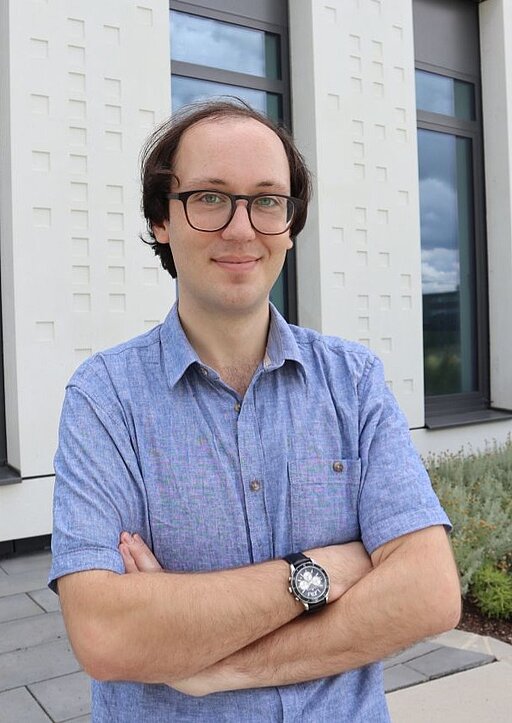
Dr. Alexander Hubert is a Research Assistant at the Chair of Classical Philology II (Latin Studies) at Julius-Maximilians-University Würzburg. His work focuses on Neo-Latin and Neo-Greek texts, Renaissance Humanist networks, and the epistolary works of Joachim Camerarius the Elder (1500–1574). Studied Latin, Mathematics, and Greek at Julius-Maximilians-University Würzburg. Current projects include the Camerarius digital initiative (2021–2024) and contributions to the Würzburger Jahrbücher für die Altertumswissenschaft . His research spans interdisciplinary domains, combining Classical Philology with Digital Humanities and historical correspondence analysis. He is also involved in citizen science projects like Planet Hunters TESS and has interests in linguistics and speculative literature from antiquity to modern times. Key trends in his publications include interdisciplinary approaches to spatial planning in Alpine regions, economic analyses of tourism in protected areas, and transnational conservation strategies. He has contributed to policy handbooks and strategic recommendations for the OpenSpaceAlps project, focusing on open space preservation and climate-resilient planning. Dr. Hubert is active in academic outreach, delivering lectures on Camerarius and participating in digital humanities initiatives. He is affiliated with the Institute of Classical Philology and contributes to the OpenSpaceAlps and other environmental policy projects.
Dr. Ihtiyor Bobojonov is a Researcher at the Leibniz Institute of Agricultural Development in Transition and Emerging Economies (IAMO) , where he has worked since 2012. His research focuses on climate change adaptation , agricultural insurance , and supply chain dynamics in transition economies, particularly Central Asia. He completed his PhD at the University of Bonn , analyzing crop and water allocation under uncertainty in Uzbekistan, and received the ZEF Doctoral Thesis Prize (2007–2009). His work addresses agricultural market potentials in CIS countries, emphasizing supply chain transformation 's impact on producer welfare and insurance market development for climate resilience. He leads IAMO’s Central Asia International Research Group and coordinates the German-Uzbek Chair on Central Asian Agricultural Economics at Tashkent International Agricultural University. His methodological expertise spans bioeconomic modeling , machine learning , and experimental economics , with applications in weather index insurance and remote sensing for yield estimation. Key scientific awards include ZEF’s best thesis prize. His 15 most recent articles (2025–2020) explore topics across agricultural insurance markets , climate risk mitigation , wheat yield modeling , and peer influence on adaptation strategies , with empirical studies in Uzbekistan, Kyrgyzstan, and Mongolia. Research projects like KlimALEZ and DETECCT highlight his commitment to building climate-resilient agrifood systems through innovative financial instruments and digital technologies .
Ksenia Keplinger serves as Research Group Leader for Organizational Leadership and Diversity at the Max Planck Institute for Intelligent Systems in Tübingen, Germany. Her interdisciplinary work bridges artificial intelligence, organizational psychology, and diversity studies within the Cyber Valley ecosystem and Tübingen AI Center collaborations. Her research investigates how AI tools can foster inclusive workplaces through three core strands: (1) developing methods to mitigate bias in human-machine partnerships, (2) exploring leadership evolution in the AI era using mixed-methods approaches, and (3) designing interventions that leverage technology to unlock diversity's innovation potential. Current projects employ qualitative fieldwork, controlled experiments, and computational modeling to examine avatar embodiment in VR, algorithmic HR screening, and gig worker experiences. Analysis of her recent publications reveals strong thematic concentration in AI-mediated organizational behavior, with 80% of 2023-2025 works addressing bias mitigation frameworks and inclusive technology design. Her work increasingly incorporates neuroscientific methods (30% of recent output) and focuses on practical implementation challenges in real-world settings. Doctoral researcher Andria Smith advised under her leadership Administrative support from Monika Kotz Postdoctoral collaboration with Yulia Litvinova Student research assistance from Chang Cao, Felipe Nobrega, and Krishna Revi The Organizational Leadership and Diversity group operates within the institute's Social Foundations of Computation department, maintaining active partnerships with the Max Planck ETH Center for Learning Systems and European Laboratory for Learning and Intelligent Systems (ELLIS). Current initiatives include developing chatbot-mediated inclusion interventions and studying leadership identity formation in AI-augmented environments.
Prof. Heidi Webber is a leading agricultural scientist at the Leibniz Centre for Agricultural Landscape Research (ZALF), serving as Co-Head of Program Area 3 'Agricultural Landscape Systems' and Head of the 'Integrated Crop Production Systems Analysis' working group. Her research focuses on climate risk assessment, crop stress modeling, and sustainable agronomic systems. She holds a Diplom-Agraringenieurin degree and has extensive experience in interdisciplinary studies combining biophysical and socio-economic analyses. Her expertise includes modeling plant growth under abiotic stresses and developing resource-efficient cultivation strategies. Notable contributions involve the AgMIP-Wheat initiative, high-yielding trait experiments, and climate-resilient crop systems in diverse regions like West Africa, South Korea, and Europe. She co-leads international projects addressing climate change impacts on agriculture and leads modeling efforts for crop diversification and adaptation strategies. Key research themes include: Climate risk assessment frameworks Multi-model ensemble approaches for crop yield prediction Abiotic stress tolerance mechanisms in cereals Climate-smart agricultural practices Agroecological transition in smallholder farming systems Her work bridges field experiments with advanced computational models, emphasizing data-driven solutions for sustainable intensification. Current projects explore index-based crop insurance, soil carbon dynamics, and the transformation of farming systems toward silicon-enhanced resilience.
Prof. Dr.-Ing. Marco Pruckner leads the Chair of Communication Networks at the University of Würzburg since 2022, following his assistant professorship in Energy Informatics at Friedrich-Alexander-University Erlangen-Nürnberg (2016–2022). His research focuses on energy system analysis, vehicle grid integration, and future mobility systems using modeling and simulation methodologies. University of Würzburg (2022–present) Friedrich-Alexander-University Erlangen-Nürnberg (2016–2022) UC Berkeley (Visiting Scholar, 2020) Key research areas: Modeling and simulation of integrated energy systems Digital twin development for local energy systems Optimization of electric vehicle charging strategies Water-energy nexus analysis and sustainability metrics Recent publications (2022–2025) demonstrate expertise in: Smart charging algorithms for vehicle grid integration Heat pump electrification and seasonal performance modeling Battery state-of-health estimation techniques Multi-objective optimization for data centers and energy systems His team at University of Würzburg includes Daniel Bayer, Paul Benz, Jonas Schiller, and Leo Strobel. Methodologies combine system dynamics, discrete-event simulation, and machine learning for energy and mobility system analysis.
Professor Jörn Müller-Quade is a leading expert in cryptography and IT security at the Karlsruhe Institute of Technology (KIT). He serves as Director of the KASTEL — Institute for Information Security and Reliability at KIT and heads the Cryptography and Security research group. Müller-Quade is also the head of the "IT Security, Privacy, Law and Ethics" working group at the Learning Systems Platform initiated by the Federal Ministry of Education and Research. His work focuses on developing secure systems that can withstand intelligent attackers through rigorous mathematical models and cryptographic methods. Professor Müller-Quade's research spans multiple critical areas of modern digital security. His primary interests include cryptography, secure multi-party computations, privacy-preserving analytics, and the intersection of artificial intelligence with security systems. He investigates how to develop security properties that can be mathematically proven, particularly against intelligent adversaries who constantly develop new attack methods. His work on cryptographic voting procedures demonstrates how seemingly contradictory requirements like ballot secrecy and verifiable counting can be simultaneously achieved. Müller-Quade also explores how AI systems change IT security landscapes, creating both new vulnerabilities and potential defense mechanisms. Analysis of Professor Müller-Quade's publications reveals consistent focus on practical security applications with societal impact. His work spans election security, patient data protection, surveillance debates, and industrial espionage prevention. A recurring theme is the need for security systems that remain robust against previously unknown attacks. His publications show increasing attention to AI's dual role in security - both as a tool for attackers and defenders. The evolution of his work demonstrates growing emphasis on European digital sovereignty and the need for mandatory cybersecurity standards. Professor Müller-Quade's notable achievements include: Receiving the German IT Security Award in 2008 for his "Bingo Voting" system Initiating and directing KASTEL, which evolved from a competence center to a permanent institute at KIT Contributing to influential white papers on AI security and medical applications of AI Providing expert testimony on critical security issues to policymakers As Director of KASTEL — Institute for Information Security and Reliability, Müller-Quade leads a major interdisciplinary research effort that brings together cryptographers, IT security experts, software engineers, lawyers, and network specialists. The institute focuses on "Engineering Secure Systems" for economically and socially relevant fields including energy, mobility, and production. Müller-Quade emphasizes the importance of evaluating security in a comprehensive manner, noting that security engineering should ideally encompass all aspects of a system. His team works closely with existing infrastructures to develop practical security solutions that address real-world challenges.
Anirban Basu is a Professor of Health Economics and the Stergachis Family Endowed Director of The CHOICE Institute at the University of Washington School of Pharmacy. He holds joint appointments with the Departments of Health Services and Economics at UW and serves as a Research Associate at the US National Bureau of Economic Research. As an elected Fellow of the American Statistical Association, his academic leadership extends to editorial roles at major journals including serving as Associate Editor for Observational Studies and as an Editorial Advisory Board Member for Value in Health Journal. Dr. Basu's research sits at the intersection of microeconomics, statistics, and health policy, with three primary focus areas: understanding the economic value of health care, generating causal evidence, and examining potential discrimination with machine learning and AI algorithms. His work spans diverse topics including health technology assessment, cancer treatment value, sickle cell disease economics, diabetes management, and algorithmic fairness in healthcare. He has led numerous federally funded projects including the Value of Information Methods for NHLBI Trials and the Cure Sickle Cell Model for Economic Analysis of Sickle Cell. The trends in Dr. Basu's recent publications indicate growing emphasis on health equity considerations in economic evaluations, methodological innovations in causal inference, and critical examination of AI applications in healthcare. His work increasingly addresses how to incorporate equity considerations into traditional cost-effectiveness frameworks while advancing methods for analyzing real-world data. Among his notable scientific honors are: 2018 Mid-Career Excellence Award from the Health Policy Statistics Section of the American Statistical Association Multiple Research Excellence Awards for Methodological Excellence (2007, 2016) Bernie O'Brien New Investigator Award from ISPOR (2009) Alan Williams Health Economics Fellowship from University of York (2008) Labelle Lectureship in Health Economics from McMaster University (2009) Dr. Basu has served on the 2nd Panel on Cost-effectiveness Analysis in Health and Medicine and as Associate Editor for Health Economics and the Journal of Health Economics . He has been involved in numerous research grants from agencies including NIH, AHRQ, NHLBI, and ICER, with recent projects focusing on value-based pricing, comparative effectiveness of treatments, and health disparities. His leadership extends to directing The CHOICE Institute's Annual Health Econometrics Workshop and contributing to the Pacific Northwest Evidence-based Practice Center's systematic reviews. At the University of Washington, Dr. Basu directs The CHOICE Institute, a research and education center focused on comparative health outcomes, policy, and economics. The Institute collaborates with major initiatives like the Institute for Clinical and Economic Review (ICER) and works with decision makers including patients, physicians, industry, and payers at regional, national, and global levels. Current research directions include addressing national healthcare challenges related to the Affordable Care Act, personalized medicines, medication adherence, healthcare technology, and international collaborations through the Global Medicines Program.
Dr. Karsten Schrödter is a PostDoc researcher at the Chair of Machine Learning and Data Engineering, part of the School of Business and Economics at the University of Münster. His affiliation includes the Leonardo Campus 3 in Münster, where he occupies Room 222. His work focuses on advancing machine learning and data engineering methodologies, with potential applications in computational science and artificial intelligence. Contactable via email , his research aligns with the department's emphasis on theoretical and applied data-driven solutions.
Dr.-Ing. Urbain Nzotcha is a Postdoc at the Jülich Research Centre , affiliated with the Institute of Energy Technologies (IET) and the Fundamentals of Electrochemistry (IET-1) department. His research focuses on Power-to-X , Techno-economic analyses , and CO2 electroreduction value chains , with an emphasis on sustainable energy systems and industrial carbon management. Dr. Nzotcha’s work explores the intersection of renewable energy systems , CO2 electroreduction , and techno-economic optimization , particularly in Sub-Saharan Africa and European contexts. His recent publications address challenges in Power-to-X scalability , pumped hydropower storage , and adaptive control for photovoltaic systems , reflecting interdisciplinary expertise in energy engineering and environmental economics. His research trends highlight the integration of electrochemical processes with industrial CO2 utilization , hybrid renewable systems , and sustainable development in African regions . Technological innovations and cross-sectoral analyses are central to his contributions.
Florian Rüffer is a Researcher and Doctoral Student at the University of Mannheim's Mannheim Business School, affiliated with the Department of Information Systems under the Heinzl research team. He has served as a Research Assistant since 2018 and commenced doctoral studies at the Graduate School of Economic and Social Sciences (GESS) in 2023. His educational background includes: Master of Science in Business Informatics with Artificial Intelligence specialization (2020-2023) Bachelor of Science in Business Informatics (2017-2020) Rüffer's research bridges artificial intelligence and healthcare through three core pillars: generative models in healthcare for medical data synthesis, explainable AI for transparent clinical decision-making, and multimodal AI integrating diverse medical data streams. His work emphasizes human-centered design principles to ensure AI systems meet clinicians' practical needs while advancing technical innovation in medical imaging applications. His DESRIST 2023 award-winning publication exemplifies the convergence of design science methodology with healthcare AI, establishing trends toward user-tailored explainability frameworks that address real-world clinical workflow challenges. Professional recognition includes: Best Paper Award at DESRIST Conference 2023 Rüffer actively contributes to the federally funded Mannheim Molecular Intervention Environment (M²OLIE) research campus, participating in grant-driven initiatives focused on AI-powered molecular interventions. His research trajectory demonstrates strong potential for future leadership in healthcare AI translation. He operates within Prof. Heinzl's research ecosystem at the Department of Information Systems, collaborating on projects that integrate business informatics methodologies with cutting-edge medical applications through the M²OLIE initiative.
Professor Martin Behnisch holds the Professorship for Spatial Information and Modelling at Dresden University of Technology (TUD) since 2023 and leads the same research area at the Leibniz-Institute of Ecological and Regional Development since 2011. He has held academic roles including Lecturer at Technische Universität Dortmund (2007–2011) and Senior Lecturer at Tianjin University (2005–2007). Diploma: Architecture (KIT, 1995–1998) MSc in Geographical Information Science and Systems (summa cum laude, Paris Lodron University Salzburg, 2004–2007) PhD (summa cum laude, Karlsruhe Institute of Technology, 1998–2004) His research interests span Spatial Data Science , Urban Sprawl , Building Stock Dynamics , and GIScience for Sustainable Urban Development , with a focus on data-driven approaches to monitor land consumption, soil sealing, and urban metrics. He has led major projects funded by DFG , SNF , BMBF , and BMWI , including analyses of urban solar potential , non-residential building databases , and insect biodiversity in protected areas . Recent publications (2024–2025) address residential infill determinants , urban sprawl drivers , and hybrid energy modeling , emphasizing spatiotemporal analysis. Earlier works (2018–2023) explored cluster analysis for land use patterns, 3D urban modeling , and crowdsourcing façade data . Key Collaborations : Associate Professor Dr. Jochen A.G. Jaeger (Concordia University), Prof. Dr. Markus Neppl (KIT), Prof. Niklaus Kohler (ETH Zurich) Grants : DFG (land use change), SNF (building stock conservation), BMWi (solar potential), BBSR (non-residential data), UBA (settlement trends) Editorial Roles : Guest Editor for ISPRS International Journal of Geo-Information and Environment and Planning B