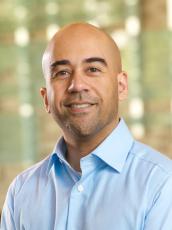
Katherine V. Gough is Professor of Human Geography at Lund University, Sweden, with a 30-year research focus on housing/home, work/entrepreneurship, youth/elderly geographies, mobility, urbanisation, and climate change across Africa, Latin America, and Asia-Pacific. She collaborates with Loughborough University's Clear Climate team on extreme heat mitigation in Ghana and leads the 'Trocha de Paz' project for Colombia's 'Total Peace' agenda. Research Themes Extreme Heat in Ghana Peacebuilding in Colombia Rural-Urban Dynamics Her multidisciplinary approach bridges academia, policy, and communities through projects like VEWEC, REFIT, and Paz Alto Cauca. Current work emphasizes: Climate-resilient housing design Post-conflict governance Informal sector innovation Scientific Engagement: British Academy funded VEWEC and REFIT projects Principal Investigator for Trocha de Paz (Colombia) Her collaborative research strengthens stakeholder networks in: West African urban livelihoods Colombian territorial peacebuilding Tropical climate adaptation
Myriam Dunn Cavelty serves as Deputy Head of Research and Teaching at the Center for Security Studies (CSS) at ETH Zurich, where she leads significant academic initiatives in cybersecurity and digital governance. She holds formal affiliations as an associate researcher at the Center for Advanced Security Theory at the University of Copenhagen, and has held prestigious visiting positions at Brown University, the University of Darmstadt (as a Mercator Fellow), and the Central European University. Her research expertise centers on how digital technologies influence political behavior and societal values, with particular attention to governance arrangements for digital technologies and their embedding in social, political, and economic processes. Her scholarly contributions span cybersecurity politics, cyber warfare, critical infrastructure protection, and strategic foresight, reflecting an interdisciplinary approach that bridges political science, international relations, and technology studies. Dunn Cavelty's publication record demonstrates remarkable consistency and impact, with works spanning from 2008 to the present. Her research shows an evolution from early analyses of cyber-threat construction to contemporary examinations of AI in security contexts and the political dimensions of cybersecurity governance. Her work consistently addresses the intersection of technological capabilities and political constraints, examining how states and other actors navigate security challenges in the digital domain. Mercator Fellow at the University of Darmstadt Editor-in-Chief of Contemporary Security Policy Advisory work for governments, international institutions, and corporations As an academic leader, she has advised numerous doctoral students and supervised research projects examining the political dimensions of cybersecurity. Her work with the Center for Security Studies involves directing research programs that connect academic inquiry with policy relevance, particularly in the areas of risk analysis and strategic foresight. She has established herself as a leading voice in European cybersecurity scholarship, with particular expertise in the Swiss context and broader European security frameworks.
Professor Paul Marx is a faculty member at the University of Bonn, affiliated with the Faculty of Philosophy and the Institute of Political Science and Sociology. His research focuses on critical areas of political sociology and policy analysis, with particular emphasis on labor market dynamics and political participation. His research interests center on labor market policy , attitude research , policy analysis , politics and emotions , political socialization , tax and redistribution policy , and inequalities in political participation and representation . Professor Marx examines how economic conditions, particularly labor market experiences, shape political attitudes, behaviors, and representation. His work often employs mixed-methods approaches, combining quantitative analysis with qualitative insights from focus groups and elite interviews. Analysis of Professor Marx's recent publications reveals a consistent focus on the intersection of economic conditions and political behavior. His research demonstrates how labor market insecurity, income inequality, and welfare state policies influence political participation, voting behavior, and attitudes toward redistribution. A notable trend is his examination of political inequality, particularly how economic hardship in childhood affects later political engagement. His work also addresses contemporary political debates in Germany and Europe, including identity politics, gender-neutral language, and taxation policies. Professor Marx maintains an active research agenda with numerous publications in 2023-2025. His work appears to focus on German politics and comparative European welfare states, with some research extending to development contexts such as Bangladesh. His methodology frequently combines survey data with experimental and qualitative approaches to provide comprehensive insights into political behavior.
Dr. Zoë Bell is a Research Fellow at King's College London, affiliated with the Department of Nutritional Sciences within the School of Life Course and Population Sciences. Her work focuses on maternal health, food insecurity during pregnancy, and public health interventions. Currently, she holds a 12-month Economic and Social Research Council fellowship, collaborating with Lambeth Council’s Health Determinants Research Centre (HEART) to address perinatal food insecurity through qualitative methodologies and co-design workshops. Her research interests include maternal and child nutrition, behavioral determinants of food choices, and systemic drivers of health disparities such as racism and environmental pollution. She has supervised students at undergraduate, master’s, and PhD levels and previously led the BSc/MSc Clinical Nutrition module. Recent articles highlight her contributions to understanding gestational diabetes intervention acceptability, food insecurity’s impact on pregnancy outcomes, and elite athletes’ perceptions of pregnancy. Her work has been recognized with the 2025 Outreach and Engagement Prize, awarded for collaborative health policy initiatives. Zoë also serves on the Association for the Study of Obesity’s events committee and actively engages in policy translation, bridging academic research with practical health solutions. Her interdisciplinary approach integrates biomedical, nutritional, and social science methodologies to inform equitable healthcare practices.
Professor Mustapha Sheikh is Chair in Islamic Thought and Muslim Societies at the School of Languages, Cultures and Societies, University of Leeds. He is Co-Director of the Iqbal Centre for Critical Muslim Studies and actively contributes to interdisciplinary research on Muslim intellectual history, Islamic law, and contemporary socio-political issues affecting Muslim communities globally. His educational background includes a DPhil in Theology and Religion from the University of Oxford, an MSt in the Study of Religions (Oxford), a BA in Arabic and Islamic Law, and a BSc in Project Management from University College London. His academic journey reflects a deep integration of traditional Islamic scholarship and rigorous Western academic training. Sheikh's research is centered on two interrelated strands: first, Islamic intellectual and legal history, particularly revivalist and reformist movements in the Ottoman and early modern Islamic world; second, the socio-scientific analysis of contemporary Muslim societies, including Islamophobia, Islamic finance, food and water security, and decolonial studies. His seminal work Ottoman Puritanism and Its Discontents (Oxford University Press, 2016) has significantly reshaped scholarly understanding of the Qadizadeli movement and Taymiyyan influences in Ottoman thought. He is a pioneer in advancing Critical Muslim Studies as a post-Orientalist framework for rethinking Islamic tradition. His recent publications reveal a strong interdisciplinary trend, combining Islamic legal theory with social justice, environmental security, and political economy. Themes such as intersectional oppression, decoloniality, and ethical finance recur across his work, reflecting a commitment to justice-oriented scholarship. He frequently collaborates with scholars across disciplines and geographies, particularly in the Global South. Member, British Society for Middle Eastern Studies (BRISMES) Member, British Association of Islamic Studies (BRAIS) Board Member, (In)Justice International Professor Sheikh actively supervises PhD students and has successfully guided over 20 doctoral candidates to completion. His research is supported by collaborations across institutions, including the University of Punjab (where he is a Visiting Professor) and Harper Adams University. He is currently co-editing volumes on global injustice and Islamic finance, and working on a book about healing racial trauma from an Islamic psycho-spiritual perspective. He leads and participates in numerous research groups, including the Arabic History group and the Centre for Religion and Public Life, and is deeply involved in public engagement through talks, webinars, and podcasts addressing Islamophobia, women’s rights under Shari’a, and decolonising knowledge.
Yoon Ji-hyun is a Professor in the Department of Food and Nutrition at Seoul National University's College of Human Ecology. Her work focuses on food service management, nutrition policy, and dietary behavior analysis, with a particular emphasis on multicultural dietary practices and sustainable development in food systems. Education: Bachelor's in Food and Nutrition (SNU), BBA (SNU), MS in Hotel, Restaurant, and Institution Management (Iowa State University), PhD in Hospitality and Tourism Management (Purdue University). Leadership Roles: Associate Dean (2019-2021), Director of Ho-Am Faculty House (2010-2012), and multiple directorships in nutrition policy centers. Her research integrates public health and consumer behavior, analyzing topics like pandemic-induced dietary changes, school lunch standards, and food safety anxiety. She has led projects on non-face-to-face food safety management, food education policies, and sodium-reduced environments, funded by South Korea's Ministry of Food and Drug Safety, Ministry of Education, and others. Professor Yoon's work also addresses urban dietary trends, including single-person households' kitchen needs and workers' meal patterns, using data from national health surveys and time-use studies. She has contributed to regional and inter-Korean comparative studies on nutritional disparities and dietary guidelines. She teaches courses on foodservice management, consumer market analysis, and graduate-level research methodologies, while serving as Vice President in several academic societies, including the Korean Society of Dietary Culture and Korean Cancer Association.
Jennifer Nelson is an Assistant Professor in the Department of Education Policy, Organization & Leadership at the University of Illinois, Urbana-Champaign, with a joint appointment in the School of Labor and Employment Relations. Her interdisciplinary work bridges educational leadership, organizational sociology, and social inequality research, focusing on how school structures shape educators' experiences. PhD in Sociology, Emory University BA in Sociology, Columbia University IES Postdoctoral Fellow, Vanderbilt University Former high school teacher in public urban school Nelson's research examines work and organizations through a sociological lens, with particular attention to structures of social inequality by race, class, and gender. As an organizational ethnographer, she investigates how school structures and practices shape teachers' behavior, attitudes, and social interactions. Her work explores teacher networks, interracial relations, job satisfaction, and turnover, with a focus on how principal practices influence teachers' access to workplace resources and support. Nelson also studies urban teachers' job reward bundles as predictors of turnover, early childhood teachers' identity strategies, organizational justice in predicting teacher trust, and determinants of state-level adoption of alternative teacher certification laws. Currently, she is conducting research on principal compensation and evaluation, as well as teacher-principal social interactions. Her scholarly work demonstrates consistent focus on educational leadership, organizational sociology, and social inequality in schools. The majority of her publications appear in top-tier journals across education and sociology disciplines, reflecting interdisciplinary scholarship that bridges theory and practice. Her research methods primarily employ qualitative and mixed-methods approaches, with increasing incorporation of survey data and statistical analysis in recent work. Michael Fullan Emerging Scholar in Professional Capital and Community Award (2020) AERA Division A Outstanding Dissertation Award (2019) Nelson actively contributes to the academic community through editorial work for the journal "Work and Occupations" and teaches graduate courses including EPOL 557: Education and Stratification, EPOL 544: Organizational Theory for Educational Leaders, and EPOL 547: District Change for Equity and Social Justice. Her research is supported by collaborations with colleagues across institutions, particularly with scholars at Vanderbilt University, and addresses critical questions about how school organizations can better support educators and promote equity.
James Burton is a Professor in the Department of Management at the College of Business, Northern Illinois University, where he conducts research at the intersection of organizational behavior and human resource management. His work focuses on workplace dynamics including abusive supervision, employee retention, and fairness perceptions. Education: Ph.D. in Organizational Behavior and Human Resource Management, University of Washington M.B.A. in Management, Illinois State University B.S. in Finance, Marquette University Burton's research investigates how personality traits and fairness perceptions influence workplace behaviors, with particular emphasis on abusive supervision dynamics and employee retention strategies. His studies examine coping mechanisms like mindfulness and exercise in mitigating workplace stress, alongside the role of job embeddedness in preventing turnover during economic uncertainty. Recent work explores self-compassion restoration and spillover effects of work stress into home life. His publication pattern reveals consistent focus on abusive supervision (12 articles since 2006), job embeddedness (9 articles), and stress-coping mechanisms (5 articles), primarily in top-tier journals like Journal of Applied Psychology and Academy of Management Journal . Methodologically, he employs longitudinal designs and integrates personality psychology with organizational theory. No specific scientific awards were listed in the source materials, though recognition for teaching and research excellence was noted. Burton serves as a consultant for major organizations including Boeing and Verizon, applying his research on negotiation effectiveness and workplace behavior. While no formal advising relationships or grant details were specified, his industry collaborations demonstrate applied research impact. His work shows increasing focus on physiological interventions (sleep/exercise) for workplace stress management in recent publications.
Brady Deaton, Jr. is a Professor and McCain Family Chair in Food Security at the University of Guelph's Department of Food, Agricultural and Resource Economics. Holding a Ph.D. in Agricultural Economics from Michigan State University, he has served as President of the Canadian Agricultural Economics Society and as an editor for the Canadian Journal of Agricultural Economics. His leadership spans teaching, research, and outreach programs, with recognition including the University of Guelph's Teaching Excellence Award (2010), Ontario Agricultural College's Distinguished Extension Award (2018), and the Canadian Agricultural Economics Society's Outstanding Journal Article Award (2021). Ph.D., Agricultural Economics, Michigan State University Deaton's research focuses on food security, land tenure, and water sharing arrangements, particularly in Indigenous communities. His recent work examines farmland price dynamics, climate change impacts, and policy frameworks for sustainable agricultural systems. Collaborative projects with students like Nicholas Bannon and Jamie Naylor highlight his mentorship in empirical studies. Key trends in his publications include: (1) Farmland valuation and rental market analysis; (2) Climate vulnerability in agricultural economics; (3) Water governance and intergovernmental collaboration; and (4) Policy evaluation for food security. His work on First Nations water sharing arrangements and heir property dynamics underscores cross-disciplinary engagement with legal, social, and environmental economics. Fellow of the Canadian Agricultural Economics Society (2023) Outstanding Journal Article Award (2021) Distinguished Extension Award (2018) Teaching Excellence Award (2010) Deaton's advisory roles include mentoring graduate researchers on topics like climate risk and tenant stewardship. His projects, such as the Ontario Farmland Value and Rental Value Survey (funded by OMAFRA), integrate applied economics with public policy. Collaborative teams at the University of Guelph and USDA Forest Service demonstrate his multisector approach to addressing food security and land management challenges.
Professor Iain Fraser is a faculty member at the University of Kent's School of Economics, holding the position of Professor of Agri-Environmental Economics. He obtained his PhD from the University of Manchester in 1992 and has held roles at institutions including the University of Manchester, Manchester Metropolitan University, Imperial College, and La Trobe University in Australia. His research focuses on agri-environmental economics, biodiversity conservation, and applied econometrics. Current research projects include UKRI-funded initiatives on sustainable food systems and healthy diets. Fraser’s academic contributions span over 100 publications, with recent work addressing topics like wildlife trade dynamics, consumer preferences for food labeling, and pollinator deficit impacts. He leads the Professional Economics Degree Apprenticeship and serves as Editor-in-Chief of Q Open . His affiliations include the Durrell Institute of Conservation and Ecology (DICE) and DEFRA's Economic Advisory Panel. Notable projects include BEESPOKE (pollination management) and studies on country-of-origin labeling. Fraser supervises PhD students researching topics such as elephant-human conflict and wine waste valuation. He has advised on DEFRA and FSA projects and contributed to policy analysis in environmental economics and agricultural policy. Fraser’s work integrates econometric methods with conservation challenges, emphasizing practical applications in policy and market design. His lab affiliations and editorial roles highlight his leadership in advancing interdisciplinary research at the intersection of economics and environmental science.
Elizabeth Brown is an Associate Professor in the Department of Sociology at the University of Massachusetts Boston, where she has served since 2014 after previously teaching in Niagara University's Criminology and Criminal Justice department. Born in Senegal, Zaire (now DRC), and Bangladesh, she attended high school in Amherst, MA and holds a B.A. in Psychology from Tufts University (2000) and a Ph.D. in Criminal Justice from SUNY Albany (2009). Her educational background includes: B.A. in Psychology, Tufts University, 2000 Ph.D. in Criminal Justice, State University of New York at Albany, 2009 Dr. Brown's research expertise spans law and society, moral politics, and the social determinants of public opinion regarding crime and justice. She investigates punishment mechanisms, societal precarity, and U.S. state-level penal policy evolution, with current work examining how meritocratic beliefs and personal economic insecurity shape public perceptions of social class. Her scholarship reveals deep engagement with the moral and political foundations of punitive attitudes in American society. Analysis of her 15 publications (2009-2025) demonstrates consistent focus on criminological methodology and public opinion dynamics. She employs experimental designs and longitudinal analysis to study collateral consequences, gun ownership metrics, and political rhetoric's impact on crime control policies. Key trends include historical examination of presidential platforms (1968-2020), racial bias in punitive views (1974-2014), and economic influences on incarceration during the Great Recession. Information regarding Dr. Brown's graduate student mentoring, grant funding, laboratory affiliations, or research teams is not documented in the available sources.
Liam Riley is an Adjunct Professor at the Balsillie School of International Affairs (Wilfrid Laurier University). His research focuses on urban food security, gender dynamics, and development challenges in African cities. PhD in Geography (2013), Western University His work combines participatory GIS and mixed-methods fieldwork in Malawi, Cameroon, South Africa, and Botswana to analyze: Gendered household food strategies Political economic dimensions of urban food security Informal settlement food environments Secondary city food systems Liam leads the SSHRC-funded project Mapping African Urban Foodscapes and contributes to Consuming Urban Poverty 2 and the Hungry Cities Partnership . His publications examine urban poverty, corruption perceptions, and cross-cultural food security comparisons. Scientific awards include: SSHRC Impact Award (Talent Competition): Finalist Banting Postdoctoral Fellowship SSHRC Postdoctoral Fellowship African Geographical Review Paper of the Year Joseph-Armand Bombardier CGS Doctoral Award International Development Research Centre Doctoral Research Award As Co-Editor of the Hungry Cities Partnership reports, he produces open-source information for Global South practitioners and researchers.
Kurt Waldman is an Assistant Professor in the Department of Global Development at Cornell University, part of the College of Agriculture and Life Sciences. His research focuses on environmental decision-making, particularly in climate adaptation, food security, and sustainable agricultural practices. He holds a Ph.D. in Sustainability from Michigan State University (2014), an M.S. in Applied Economics from Cornell University (2009), and a B.A. in History from Earlham College (2000). Waldman’s work integrates behavioral experiments, econometrics, and environmental data to study cognitive biases and heuristics in environmental decision-making. His geographic focus includes arid regions of Africa, the U.S., and globally. He leads a NSF-funded grant (BCS-2215426, $400,000, 2022–2026) investigating spatial and cognitive dimensions of farmer climate adaptation, collaborating with co-PI Meha Jain (University of Michigan). His research interests span social-environmental systems, judgment under uncertainty, and policy design for sustainable outcomes. He teaches Environmental Decisions and is affiliated with the Ostrom Workshop, Cognitive Science Program, and Sustainable Food System Science initiative. Waldman’s recent publications address food security measurement, smallholder adaptation strategies, and spatial data applications. His work emphasizes interdisciplinary approaches to address climate and food system challenges.
Mike Palazzolo is an Associate Professor of Marketing at the University of California, Davis' Graduate School of Management. His research examines intertemporal trade-offs in consumer behavior at the intersection of marketing and policy, with recent emphasis on nutrition-related decision-making and causal inference methodologies. His academic credentials include: Ph.D. in Marketing from University of Michigan’s Ross School of Business (2016) MBA from UC Davis Graduate School of Management B.S. in Management Science from UC San Diego Palazzolo's research focuses on how consumers make trade-offs between immediate and future benefits, particularly in food selection and financial decisions. His work demonstrates how policy interventions like school nutrition mandates and minimum wage increases directly affect household consumption patterns, with special attention to low-income and time-constrained families. He employs rigorous causal inference techniques to isolate policy effects from confounding factors, establishing robust links between economic policies and nutritional outcomes. Analysis of his 2018-2025 publications reveals consistent thematic progression: early work established foundational insights into frugality constraints, while recent research examines real-world policy impacts on nutrition through school meal programs and wage policies. His studies increasingly incorporate behavioral economics frameworks to explain why households respond to nutritional mandates, with growing emphasis on vulnerable populations. Key recognition: 2019 Paul Green Award for "Frugality is Hard to Afford" - the Journal of Marketing Research's top honor recognizing exceptional contribution to marketing theory and practice Palazzolo teaches MBA courses in causal inference and marketing analytics at UC Davis. His research collaborations span institutions including Georgia Institute of Technology and Dartmouth College, though specific grant funding details aren't disclosed in source materials. No dedicated research labs or teams are mentioned in available documentation.
Jane Green is a Professorial Fellow and Professor of Political Science and British Politics at the University of Oxford. She directs the Nuffield Politics Research Centre and co-directs the British Election Study. Her affiliations include roles as President of the British Polling Council, Senior Fellow at the University of Hull's Centre for British Politics, and Affiliate at Harvard's Institute for Quantitative Social Science. She holds a DPhil from Nuffield College (2007) and has been a Visiting Scholar at Harvard University and UC Berkeley. Her research examines political accountability, electoral behavior, economic insecurity, and the interplay of cultural/economic factors in politics. Key interests include Brexit's societal impact, survey methodology, gender dynamics in voting, and generational shifts in political attitudes. She actively mentors underrepresented groups and supervises PhD projects leveraging election study data. Green's publications focus on British electoral volatility, competence shocks (e.g., COVID-19), economic voting, and methodological innovations in political measurement. Her work consistently addresses real-world policy impacts, voter realignment, and the democratization of political analysis through public engagement. Fellow of the American Academy of Arts and Sciences (FAAAS) Fellow of the Academy of Social Sciences (FAcSS) Pippa Norris Prize (2023, with BES team) Impact Leader Award (2023) Research Communicator of the Year (2015) She leads the British Election Study, advises policymakers, and serves as ITV News Election Analyst for major UK/US elections. Her grants and projects explore economic inequality, generational wealth transfers, and electoral disproportionality. Green directs the Nuffield Politics Research Centre, co-leads the British Election Study team, and collaborates with international institutions like Harvard's IQSS. She emphasizes translating academic research into public understanding through media analysis and policy engagement.