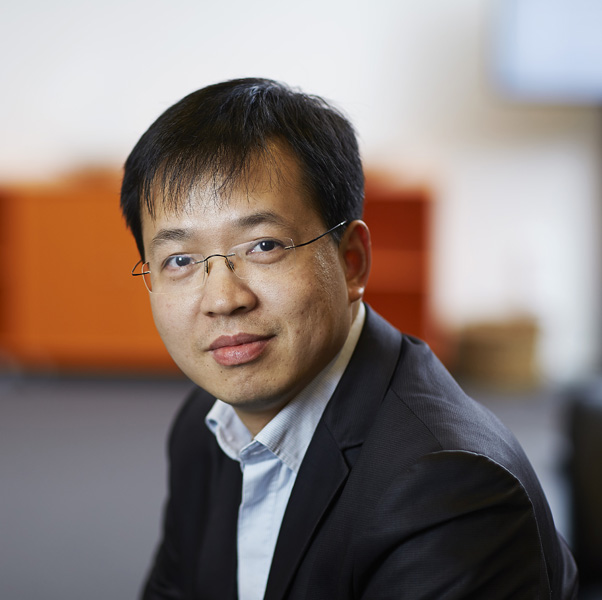
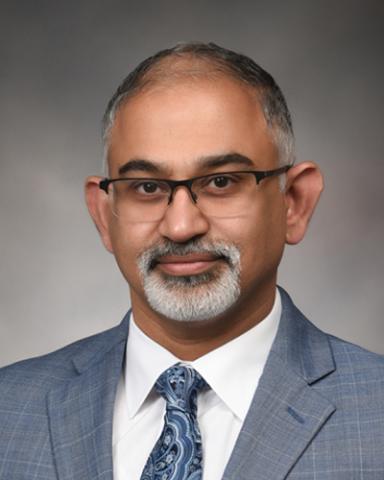
Professor Leila Karimi is the Assistant Associate Dean of Applied Health at RMIT University's Health and Biomedical Sciences department. She specializes in mental health, healthcare workforce wellbeing, and addictive behaviors. Her research bridges psychology, public health, and clinical interventions, with a focus on meditation's cardiometabolic effects and digital addiction analysis using machine learning. She supervises projects addressing pharmacist well-being, ADHD screening tools, and technology-driven mental health solutions. Key roles: Professor & Assistant Associate Dean (Applied Health) Affiliations: RMIT University, College of Health and Biomedical Sciences Research Themes: Mental Health, Healthcare Workforce Resilience, Digital Behavioral Interventions Her work emphasizes crisis management strategies for healthcare workers and validating tools like the Mediterranean Lifestyle Consensus. Recent studies explore clozapine safety in pregnancy and emotional intelligence training efficacy. She collaborates internationally on projects ranging from Parkinson's stem cell therapies to global obesity epidemiology. Publications span behavioral addictions, clinical psychology, and health systems innovation. She is actively involved in supervising doctoral students exploring meditation, workplace well-being, and digital transformation in healthcare.
Prof. Dr. Peter Buxmann is a full professor of business informatics at the Technical University of Darmstadt, holding the Chair in this field. He is an internationally renowned speaker, senior business advisor, and podcaster for the Frankfurter Allgemeine Zeitung. His roles include advisory board memberships for institutions like the Weizenbaum Institute for the Networked Society and Eckelmann AG. His research focuses on AI applications, digital transformation, and future work paradigms, with over 300 publications in top journals and conferences. Education: PhD and habilitation from University of Frankfurt, including a research stay at UC Berkeley's Haas School of Business. Previous positions: Professor at Technical University of Freiberg (2000-2004). Research Interests: Artificial Intelligence (applications in business, healthcare, and ethics), Digital Transformation (organizational and societal impacts), Data-Driven Business Models (platform economics, innovation ecosystems), and Future of Work (human-robot collaboration, agile principles). Keynote Topics: Generative AI and its industry applications Strategic digital transformation frameworks Ethical AI governance Labs/Teams: Leads the HIGHEST innovation center at TU Darmstadt and collaborates with TechQuartier Frankfurt. Founded multiple startups focusing on AI solutions.
Ingrid Bauer-Hänsel is an Assistant Professor of IT Management at the University of St. Gallen (HSG), affiliated with the Information Management (IWI-HSG) department. Her academic career includes roles as a Senior Technology Manager at Chage:ON (AMAG Group) and a doctoral researcher at the University of Zurich. She holds a Ph.D. in Blockchain Information Systems from the University of Zurich and a M.Sc. in Business Administration and Information Systems from Copenhagen Business School. Her research focuses on blockchain technologies, data markets, agile IT systems, and interorganizational systems design. Notable projects include the InnoSuisse Cardossier Project and studies on blockchain consortia. Bauer-Hänsel teaches courses such as Agile IT and Organization , Information Management , and Business Informatics 1 at both bachelor and master levels. She received the 2018 2nd Runner-up Best Paper Award at the ICIS conference. Her work explores socio-technical systems, tokenization, and AI-driven business models, with a particular emphasis on automotive and financial sectors. Current initiatives include designing blockchain-based data markets and exploring generative AI’s impact on knowledge work. Bauer-Hänsel’s professional background includes IT consulting at PwC, risk management roles at Danske Bank, and academic research at IBM and the Karlsruhe Institute of Technology. She actively contributes to bridging academic research with industry applications through collaborative projects and advisory roles.
Zhang Yan is a Full Professor at the Department of Informatics, University of Oslo, Norway. He previously served as Head of Department and Chief Scientist at Simula Research Laboratory (2014–2016). His research focuses on advanced communication technologies including Internet of Things (IoT), 5G/6G networks, mobile edge computing, and blockchain applications. He has held significant roles such as IEEE VTS Distinguished Lecturer (2016–2020) and Chair of IEEE TCGCC (2019–2021). His honors include IEEE Fellow (2020), election to Academia Europaea (2020), and recognition as a Web of Science Highly Cited Researcher (2018–2019). Research interests span interdisciplinary areas like network dynamics, socio-economic systems, and algorithmic design. His work bridges theoretical foundations with practical applications in smart grids, vehicular networks, and global trade systems. Recent publications emphasize network science methodologies applied to economic complexity and information diffusion. Professional contributions include editorial roles for top journals and leadership in EU-funded projects. His awards reflect impactful contributions to both technical innovation and scientific leadership in informatics and communications.
Dr. Johannes Twiefel is a Researcher at the Knowledge Technology Research Group within the Department of Informatics at the University of Hamburg. His work focuses on speech recognition, language understanding, and brain-inspired models using echo state networks. He leads the LemonSpeech project, funded by the German Federal Ministry for Economic Affairs and Energy, which aims to develop German automatic speech recognition (ASR) systems for local hardware deployment. His research spans noise robustness in ASR, robotic interaction, and multimodal learning. Education: Doctor rerum naturalium (Dr. rer. nat.) in Computer Science, University of Hamburg (2020) Master's degree in Computer Science, University of Hamburg (2014) Research Interests: Reservoir Computing and Echo State Networks Machine Learning and Neural Networks Speech Recognition and Language Understanding Human-Robot Interaction Robotics and Multimodal Systems Grants and Projects: EXIST Scholarship (2021–present) for LemonSpeech DOCKS Project (post-processing ASR hypotheses) Labs/Teams: Active in the Knowledge Technology Research Group, collaborating on neuro-inspired architectures and ASR systems.
Pekka Nuorti is a Professor of Epidemiology and Director of the Global Public Health Research and Education Center at the University of Tampere, Finland. He leads the International Doctoral Programme in Epidemiology and Public Health (IPPE) and holds an academic position within the Faculty of Social Sciences, Department of Epidemiology. His research focuses on vaccine effectiveness, infectious disease surveillance, and global health challenges, particularly in low-resource settings. Nuorti has contributed extensively to studies on pneumococcal vaccines, SARS-CoV-2 transmission dynamics, and public health policy. Research Interests: Vaccine impact and effectiveness Infectious disease epidemiology and surveillance Global health equity and NCD prevention Climate change and vector-borne diseases Public health interventions in humanitarian crises Recent Work Trends: Recent articles emphasize vaccine efficacy in Africa and Asia, transmission dynamics of respiratory pathogens, and the intersection of climate change with disease patterns. Collaborations span multi-country analyses, particularly in Eastern Europe and Sub-Saharan Africa. Advising & Grants: As a program director, Nuorti oversees doctoral training in epidemiology and public health. His grants focus on global health research, including WHO-funded studies on pneumococcal vaccines and pandemic preparedness. Labs/Teams: Active in the Global Public Health Research and Education Center, coordinating international projects on infectious disease control and vaccine implementation.
Professor Steven McPhail is a leading academic in health systems innovation and health services research at Queensland University of Technology (QUT). He holds dual roles as Director of the Australian Centre for Health Services Innovation (AusHSI) and the Centre for Healthcare Transformation. His research focuses on improving healthcare delivery through evidence-based strategies, particularly for vulnerable populations. He has secured over $120 million in competitive research funding and published over 300 peer-reviewed articles. His work influences global health policy, cited by organizations like the WHO, World Bank, and OECD. Education: PhD (University of Queensland) and Bachelor of Physiotherapy (University of Queensland). Research interests include health economics, telemedicine, and diabetes-related complications. His recent studies explore opioid use in spinal cord injury, cost-effectiveness of medical interventions, and mobile health applications for chronic disease management. He supervises doctoral and master’s students in health services research and clinical epidemiology. Labs/Teams: Leads AusHSI and the Centre for Healthcare Transformation. Collaborates internationally on improving care quality and reducing healthcare costs. Current projects focus on virtual hospitals, clinical decision support systems, and global vaccination trends. His work emphasizes patient-centered care and health equity.
Wolfgang Ketter is a Professor at the Faculty of Management, Economics, and Social Sciences at the University of Cologne (since 2017), where he directs the Institute of Energy Economics. He previously served as Head of the Information Systems section (2015–2017) and Professor/Endowed Chair (2013–2017) at Rotterdam School of Management, Erasmus University. His research spans Big Data Analytics, Machine Learning, Energy Economics, and Sustainability within Information Systems. He earned a PhD in Computer Science (Artificial Intelligence & Information Systems) from the University of Minnesota (2007), an M.S. in Software Engineering from the University of St. Thomas (2000), and an M.S. in Telecommunication Engineering from Trier University of Applied Sciences (1998). His research interests focus on integrating Big Data Analytics Machine Learning Information Systems Sustainability Energy Economics to address complex societal challenges. He emphasizes competitive benchmarking, smart market design, and real-time decision support systems. Notable scientific awards include INFORMS ISS Design Science Award (2012) Runner-up for Best European IS Research Paper (2013) ERIM Top Article Award (2013) ERIM Impact Award (2014) Runner-Up Best Paper at CIOCITY (2017) His work has been published in top-tier journals like Management Information Systems Quarterly and Information Systems Research , often involving multi-agent systems and data-driven decision support. Notable contributions include platform design for smart markets and electricity customer analytics. He can be contacted via email at ketter@wiso.uni-koeln.de or through his website: http://www.is3.uni-koeln.de/ .
Romil Chadha, MD, MBA, MPH, FACP, SFHM, is a Professor of Internal Medicine at the University of Kentucky College of Medicine and serves as the Chief Medical Information Officer (CMIO) at UK HealthCare. He previously served as Division Chief of Hospital Medicine from 2019 to 2023 and is a certified Epic Physician Builder. His work bridges clinical medicine, health informatics, and executive leadership, with a strong focus on improving patient care through technology and data-driven decision-making. His educational background includes: MBBS from University College of Medical Sciences, Delhi, India MPH from the University of Texas, School of Public Health, Houston MBA from the Gatton College of Business and Economics, University of Kentucky Internal Medicine Residency at Westlake Hospital, Chicago, IL Romil Chadha’s research and professional interests lie at the intersection of hospital medicine and health informatics. He is deeply engaged in clinical decision support systems, data analytics, operational efficiency, and the digitization of healthcare workflows. His work emphasizes patient-centered care, evidence-based medicine, and empowering patients through clear communication. He advocates for innovation in health IT and continuous improvement in clinical systems. The recent articles authored or featured by Dr. Chadha highlight a strong trend in healthcare innovation, leadership, and informatics. Topics include clinical decision support, cybersecurity, workforce scheduling, pandemic response, and digital transformation. His publications reflect a consistent focus on leveraging data and technology to improve clinical outcomes, operational efficiency, and provider well-being. His key professional recognitions include: Fellow of the American College of Physicians (FACP) Senior Fellow of the Society of Hospital Medicine (SFHM) Certified Physician Executive (CPE) by the American Association for Physician Leadership Dr. Chadha is actively involved in mentoring and leadership development through the Society of Hospital Medicine (SHM), where he chairs the Academic Leaders SIG and serves on the Performance Measurement & Reporting Committee. He has contributed significantly to SHM conferences, committees, and chapters, particularly in Kentucky. His leadership roles involve strategic planning, recruitment, operations, and coaching for hospital medicine teams, as well as building clinical order sets and advancing data analytics capabilities. He has no known formal grants listed in the provided text but leads institutional initiatives in health IT and quality improvement. He is a core member of the medical informatics group at UK HealthCare and plays a pivotal role in shaping the institution’s clinical information systems strategy. His work involves close collaboration with physicians, IT teams, and administrative leaders to ensure technology supports clinical excellence and safety.
Dr Michael Crooks is a Senior Lecturer in Respiratory Medicine at the University of Hull, affiliated with the Faculty of Health Sciences and the Hull York Medical School . He serves as an honorary consultant in the Hull and East Yorkshire Hospitals NHS Trust , where he leads the COPD service and specializes in interstitial lung disease and COPD. Education : Undergraduate training at the University of Dundee; Foundation Training at the University of Edinburgh; MD in platelet and endothelium roles in idiopathic pulmonary fibrosis (2013). Research Interests : Chronic breathlessness, interstitial lung disease, COPD, use of technology in healthcare, and non-pharmacological interventions. Scientific Awards : NIHR Academic Clinical Fellow NIHR Clinical Lecturer Grants & Projects : Leads BE CLEAR (2025), HEIF (2023), BREEZE 2 (2024), and SNG001 trials. Advising : Supervised thesis on azithromycin in chronic respiratory disease. Labs & Teams : Active in the Respiratory Research Group and Institute for Clinical and Applied Health Research .
Dorie Apollonio is a Professor in the Department of Clinical Pharmacy at the University of California, San Francisco (UCSF) School of Pharmacy. Her research focuses on industries contributing to non-communicable diseases, particularly tobacco, pharmaceuticals, cannabis, alcohol, and food sectors. Key areas include tobacco cessation for vulnerable populations, cannabis co-use, policy analysis for tobacco/cannabis regulations, and opioid-to-cannabis substitution research. Her work spans law, medicine, public health, and policy disciplines. PhD, University of California, San Francisco MPP, Harvard University BA, Macalester College Her research integrates health policy , substance use , tobacco control , and cannabis policy , with recent emphasis on vulnerable populations and mental health disorders . Articles reveal trends in tobacco regulation , cannabis legalization , and opioid industry practices analyzed through epidemiology , toxicology , and public health policy . She has earned multiple teaching awards and leads grants from NIH/NIDA, FDA, and California state agencies. Her collaborative network includes researchers at UCSF, UC Davis, and international institutions. Current projects examine pharmacist-led interventions , policy implementation , and substance use disparities .
Jennifer Jie Zhang is the Daniel Himarios Endowed Chair Professor of Information Systems in the College of Business at the University of Texas at Arlington , within the Department of Information Systems and Operations Management . She earned her Ph.D. in Computer Information Systems from the University of Rochester in 2003, preceded by an M.S. in Management Science from the same university and a B.E. in Engineering Economics from Tianjin University . Her research interests lie at the intersection of information systems, digital marketing, and AI applications , focusing on: Social Media & Networks : Impact on business and consumer behavior. AI in Business & Healthcare : Analytical and empirical studies. Digital Marketing : Online channel strategies, pricing, and advertising. Crowdsourcing & Innovation : Tournament design and team dynamics. Privacy & Ethics : Consumer data protection and market mechanisms. Her recent publications (2021-2024) emphasize real-time analytics in meal delivery, AI-driven insights for fitness apps, and social media dynamics affecting box office performance. These works highlight her expertise in leveraging big data for operational and strategic decision-making. Awards & Honors: Daniel Himarios Endowed Chair Professorship (2021-present). Best Paper Awards/Runner-ups at ICIS, WITS, HICSS, and AMCIS. Distinguished Research Publication Awards from UTA and College of Business. NSF-funded grants including "Convergence Accelerator Pilot: Credible Open Knowledge Network" ($999,870). Advising & Grants: PhD Chair/Co-Chair for 6+ students (e.g., Siddhi Nair, Jiang Hu). Committee Member for 10+ doctoral candidates. Undergraduate/Master’s Advisor for capstone and thesis projects. Principal/Co-Investigator on federal grants (NSF, totaling ~$1M). Labs & Teams: Leads research initiatives in Web Analytics and Digital Enterprise Management , collaborating with interdisciplinary teams across UTA’s College of Business and external partners (e.g., industry sponsors, international workshops).
Elaine Huang is an Associate Professor of Human-Computer Interaction (HCI) and Head of the People and Computing Lab at the University of Zurich's Department of Informatics. She holds a PhD in Computer Science from Georgia Institute of Technology (2006). Her career includes prior roles as Assistant Professor at the University of Calgary and Senior Staff Researcher at Motorola Labs. Her research focuses on the interplay between technology and human behavior, particularly in areas of gender equality in tech, AI ethics, sustainable HCI design, and accessible technologies. She critiques systemic biases in AI training data and advocates for inclusive design processes integrating Hofstede's cultural dimensions. Her work also explores trust dynamics in sharing economies and predictive health technologies. Huang emphasizes empirical studies over intuition, stressing the need for data-driven insights into disruptive technologies like ChatGPT. She leads initiatives to improve STEM PDF accessibility and designs tools for chronic condition management through incident cards. Her lab develops frameworks addressing obsolescence in smart homes and sustainability in digital interfaces. Awards and recognitions focus on her contributions to HCI ethics and gender studies. She advises students to proactively shape their academic trajectories and leverage institutional resources strategically.
Prof. Dr. Alexander F. Wagner is an Associate Professor of Finance at the University of Zurich (UZH) and a faculty member of the Swiss Finance Institute. He holds roles as Vice Dean for Continuing Education and Alumni, and Co-Head of the UZH Center for Crisis Competence. He obtained his PhD in Political Economy from Harvard University and transitioned to UZH in 2008, becoming an associate professor in 2014. His research focuses on corporate finance, sustainable finance, and behavioral economics, with notable contributions on biodiversity in financial markets, CEO communication during crises, and the impact of climate policies on investor behavior. He has also engaged with practice through roles as Chairman of the proxy advisor SWIPRA, independent counsel for PwC, and visiting professorships internationally. Education: PhD in Political Economy (Harvard University), studies in economics and law (Linz, Austria). Key research themes include nature-dependent investment risks, institutional investor behavior during crises, and ethical decision-making in business. His work bridges academia and real-world applications, addressing governance systems and market resilience. Wagner’s TED Talk on honesty in business has garnered widespread attention.
Gary L. Darmstadt, MD, MS, is a Professor (Teaching) of Pediatrics (Neonatology) at Stanford University School of Medicine and holds a courtesy appointment in Obstetrics & Gynecology. He serves as Associate Dean for Maternal and Child Health and leads the Global Center for Gender Equality at Stanford. His career spans academic medicine, global health leadership at the Bill & Melinda Gates Foundation, and pioneering work in newborn health research. Education & Training: MD from UC San Diego, MS in Agronomy from University of Wisconsin, and residency in Pediatrics at Johns Hopkins. Advanced training includes Dermatology at Stanford and Pediatric Infectious Disease at University of Washington. Research Focus: Advances in maternal and child health, neonatal survival, gender equality in global health, and application of artificial intelligence to health equity challenges. Key projects include The Lancet Series on Gender Equality, Grand Challenges for Women's Health, and interventions to reduce neonatal infections in low-resource settings. Publications & Impact: Over 245 peer-reviewed articles, including landmark studies on neonatal infection mortality, preterm birth biomarkers, and gender norms' impact on health outcomes. Recent work emphasizes machine learning applications in global health diagnostics and policy. Awards & Recognition: Recipient of prestigious honors such as the 2021 Johns Hopkins Outstanding Alumnus Award, 2017 UC San Diego Alumnus of the Year, and multiple Gates Foundation awards for innovative programs. Leads global advisory roles at WHO, UNICEF, and the Global Mental Health Council. Current Roles: Member of Bio-X, Stanford HAI, and Wu Tsai Neurosciences Institute. Oversees interdisciplinary initiatives like the Global Center for Gender Equality and co-directs global pediatric research programs.