University of Illinois Urbana-ChampaignUnited States
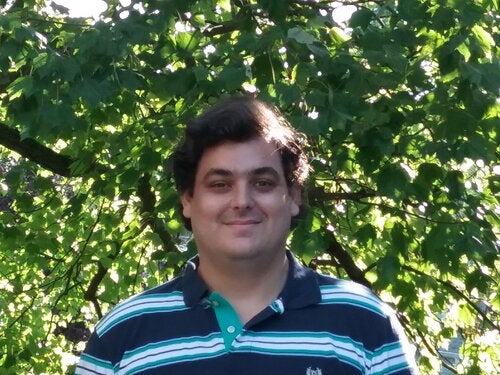
Daniel Cooney is an Assistant Professor in the Department of Mathematics at the University of Illinois Urbana-Champaign. He holds additional affiliations as an Affiliate at the Carl R. Woese Institute for Genomic Biology. His research focuses on applying partial differential equations (PDEs), dynamical systems, and stochastic processes to study evolutionary dynamics, particularly in biological and social systems. Key themes include multilevel selection, evolutionary game theory, and the emergence of cooperative behavior. Cooney earned his PhD in Applied and Computational Mathematics from Princeton University, advised by Simon Levin, and completed a postdoc as a Simons Fellow in Mathematical Biology at the University of Pennsylvania. His work bridges theoretical mathematics with applications in ecology, epidemiology, and social sciences. Recent publications explore topics like altruistic punishment in cultural systems, classroom-turnover dynamics, and protocell evolution. He actively participates in academic outreach, co-organizing conferences such as the AMS Special Session on Mathematics of Infectious Disease and the SIAM Minisymposium on Social-Ecological Systems. His research has been published in high-impact journals including *Proceedings of the National Academy of Sciences* and *Bulletin of Mathematical Biology*.
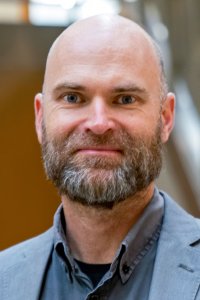
Hugo de Boer is a Professor at the Copernicus Institute of Sustainable Development , Faculty of Geosciences, Utrecht University. He serves as scientific lead for the Delta Climate Center in Vlissingen and coordinates MSc programs in Water Science and Management and Water Management for Climate Adaptation . His research explores climate-ecosystem interactions, focusing on plant ecophysiology, ecosystem dynamics, and nature-inclusive climate adaptation in deltas. Research Themes: Future Deltas, Pathways to Sustainability, Integrative Bioinformatics Projects: LEMONTREE, CloudRoots, 'From losers to winners' (ancient plant lineages under elevated CO2) Teaching Expertise: System thinking for sustainability, quantitative statistics, plant ecophysiology Research Trends emphasize interdisciplinary approaches to climate change impacts on ecosystems, with publications spanning plant-cloud processes, CO2 acclimation, and eco-evolutionary optimality models. His work bridges biogeochemistry, land-atmosphere interactions, and sustainable development frameworks. Projects & Collaborations include experimental studies on ancient plant lineages (Equisetum) and integrative field campaigns in Amazon and temperate forests. He contributes to modeling climate-vegetation feedbacks, pesticide emission scenarios, and social-ecological system transitions.
Prof. Dr. Oliver Krüger is a behavioral ecologist and evolutionary biologist at Bielefeld University 's Faculty of Biology , where he leads the Department of Animal Behaviour since 2013. His research spans avian and marine mammal systems, focusing on life history strategies, parasite-host interactions, and environmental adaptation. Education: Biology studies at Bielefeld University (1994-1996) MSc in Oxford (1996-1997) PhD at Bielefeld University with Fritz Trillmich and Jan Lindström (1998-2000) Research Themes: Behavioral ecology, evolutionary biology, and population dynamics across tropical and temperate ecosystems. Key projects include NC³ (Niche Choice/Construction) and studies on Galápagos sea lions, common buzzards, and pinniped species. Scientific Leadership: Spokesperson, SFB TRR 212 "NC³" (2018-2025) Advisory Board member: German Ornithologists Union, IUCN SSC pinniped group, German Primate Centre Peer review roles: Humboldt Foundation, DFG, HFSP, NSF Awards: Leopoldina Prize (2001) Niko Tinbergen Award (2008) DFG Heisenberg Professorship (2010-2015)
University of Illinois Urbana-ChampaignUnited States
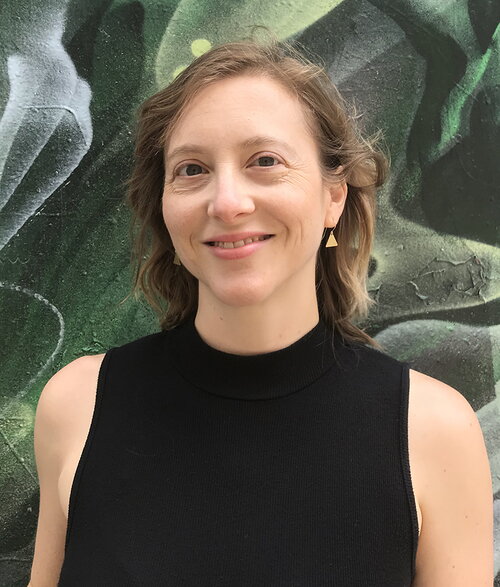
Katy D. Heath is a Professor of Plant Biology and Affiliate Professor in Microbiology at the University of Illinois Urbana-Champaign (UIUC). She leads the Plant Biology department and is affiliated with the Carl R. Woese Institute for Genomic Biology. Her research focuses on the evolution of mutualisms, particularly plant-microbe interactions such as legume-rhizobium symbiosis, emphasizing genetic and ecological factors influencing symbiotic stability and adaptation. She investigates how environmental pressures (e.g., global change) shape mutualistic relationships and microbial community dynamics. Education: B.S. (2000) and Ph.D. (2007) from the University of Illinois and University of Minnesota, respectively, followed by postdoctoral work at the University of Toronto (2007–2009). Research Interests: Symbiosis evolution, microbial genetics, plasmid transmission dynamics, and the impacts of agricultural practices on rhizobia populations. She studies diverse systems, including Medicago-Sinorhizobium, soybean-Bradyrhizobium, and invasive legume-rhizobium interactions. Recent publications (2020–2025) highlight studies on endophyte impacts on soybean yield, rhizobia diversity under conventional farming, and genomic analyses of symbiotic coevolution. Her work integrates molecular biology, quantitative genetics, and ecology. Grants & Collaborations: Lead PI on a $12.5M NSF Biology Integration Institute (Genomics and Eco-evolution of Multi-scale Symbiosis). Her team includes collaborations with institutions like Indiana University and the University of Chicago. Labs & Teams: Heath Lab focuses on symbiosis research, with active projects on microbiome dynamics, plasmid-host coevolution, and community outreach (e.g., Boys and Girls Club collaborations). Recent lab highlights include student graduations (e.g., Ivan Sosa Marquez, Chase) and awards like the John R. Laughnan Award in Plant Biology.
Eric J. Gangloff is an Assistant Professor in the Department of Biological Sciences at Ohio Wesleyan University (OWU). His research focuses on understanding how organisms adapt to environmental changes, particularly in reptiles and amphibians, using integrative approaches combining field studies, lab experiments, and molecular techniques. He holds a B.A. from Cornell University, an M.A. from the University of Denver, and a Ph.D. from Iowa State University. Dr. Gangloff leads a lab investigating physiological and ecological adaptations in species such as the common wall lizard, garter snakes, and red-backed salamanders. Notably, his work on Ohio’s invasive wall lizards has been funded by the NSF, exploring their evolutionary success in urban environments. Collaborations span institutions worldwide, including France, Canada, and Australia. His recent studies examine how temperature, oxygen availability, and urbanization influence lizard physiology, behavior, and survival. Key themes include thermal biology, ecological traps, and resilience to pollutants like lead. The lab actively involves undergraduate students in field and lab research, emphasizing hands-on learning. Gangloff’s lab website (https://glare-owu.wixsite.com/glare) showcases ongoing projects and publications. His work bridges basic science and applied conservation, addressing global challenges in biodiversity and climate change.
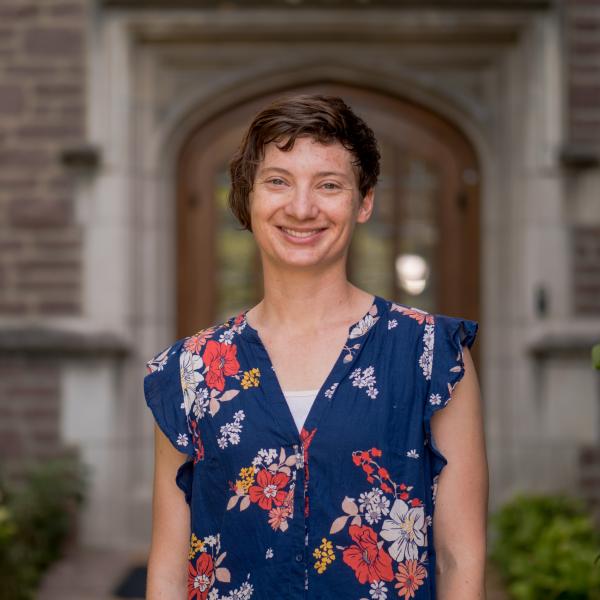
Dr. Rachel Penczykowski is an Assistant Professor of Biology at Washington University studying disease ecology in changing environments. Her NSF CAREER Award supports research on urban plant pathogens, particularly powdery mildew epidemics in urban heat islands. Combining field observations, lab experiments, and mathematical modeling, she examines how climate, biodiversity loss, and urbanization reshape host-parasite interactions. Her work spans diverse ecosystems—from aquatic Daphnia-parasite systems to terrestrial plant-pathogen networks—revealing how predators, resources, and microclimates indirectly modulate disease spread. Current projects investigate warming impacts on fungal virulence and host resistance evolution in St. Louis-area plant populations. Dr. Penczykowski leads outreach through the PlantSTEM program, engaging K-12 students in pathogen research. She mentors high schoolers via Tyson Research Center apprenticeships and teaches Disease Ecology, integrating modeling with empirical approaches. Her lab collaborates with the Taylor Geospatial Institute to map urban microclimate-disease linkages.
George Perry is a Professor of Anthropology at Pennsylvania State University, with research intersections in Biology, Evolutionary Medicine, and Genomics. He is affiliated with the Huck Institutes' Center for Infectious Disease Dynamics, Ecology, Molecular Cellular and Integrative Biosciences, and Bioinformatics and Genomics programs. Perry directs the Anthropological Genomics Lab , focusing on paleogenomics and evolutionary adaptation. Research areas: anthropological genomics, parasite evolution, human body size transitions, and evolutionary medicine Key collaborations: international teams in Madagascar, Europe, and Africa Leadership: Bioinformatics and Genomics Chair (2019–2023) His 2025–2022 publications span evolutionary responses to invasive species, human migration health impacts, chemosensory gene adaptation, and primate genomic diversity. Notable methodological contributions include ancient DNA recovery and comparative paleogenomics. Perry advises graduate students like Vanessa Garcia and Annette Mercedes, with grants including NIH support for Cuban health disparity studies. Scientific leadership includes tenure-line promotions (2023) and NASA Space Grant collaborations.
Swiss Federal Institute of Technology in LausanneSwitzerland
Dominique Foray is a Professor at Ecole Polytechnique Fédérale de Lausanne (EPFL) and holds the Chair of Economics and Management of Innovation (CEMI). He is a member of the Swiss Council for Science, chairman of the KOF Swiss Economic Research Institute's Advisory Board, and a foreign member of Columbia University's Center of Capitalism and Society. His career includes extensive advisory roles, such as with the European Commission's 'Knowledge for Growth' group and Germany's Expert Commission for Research and Innovation. Education: Ph.D. in Economics, University Lumière of Lyon (1984) Habilitation à diriger des recherches, University Lumière of Lyon (1992) Foray's research focuses on the economics of innovation, knowledge-based economy dynamics, technology policy, smart specialization strategies, and institutional frameworks for innovation. He has authored seminal works including The Economics of Knowledge (MIT Press, 2004) and Smart Specialisation (Routledge, 2015). His recent publications explore mission-oriented innovation policies, smart specialization in EU contexts, and knowledge diffusion mechanisms. Foray's work bridges academic theory with practical policy design, influencing regional and national innovation strategies globally. Advising: Past EPFL PhD students: Aouinait Camille Marguerite, Ayoubi Charles Chadi, Baruffaldi Stefano Horst, Bednyagin Denis, Bogers Marcellus, Coffano Monica, Conti Annamaria, Cristelli Gabriele, Gaulé Patrick, Hamdan Livramento Intan Maizurah, Marino Marianna, Muñoz Tellez de Kieffer Viviana Carolina, Pellegrin Claudia, Simeth Markus Foray's institutional roles include leadership in European policy initiatives and contributions to the World Bank's studies on innovation's role in economic growth. His interdisciplinary approach integrates economics, policy analysis, and technology management to address grand societal challenges through innovation.
Leibniz Institute of Freshwater Ecology and Inland FisheriesGermany
Dr. Stephanie Spahr is a Research Group Leader at the Leibniz Institute of Freshwater Ecology and Inland Fisheries (IGB) in Berlin, Germany, where she leads the Organic Contaminants research group within the Department of Ecohydrology and Biogeochemistry. Previously, she served as a Junior Research Group Leader at the University of Tübingen's Center for Applied Geoscience (2019-2021) and as a Postdoctoral Researcher at Stanford University's Department of Civil and Environmental Engineering (2016-2019). Dr. Spahr earned her PhD in Environmental Chemistry from the Swiss Federal Institute of Technology Lausanne (EPFL) and the Swiss Federal Institute of Aquatic Science and Technology (Eawag) in 2016. Her doctoral research focused on the formation of N-nitrosodimethylamine during water disinfection with chloramine. She completed her MSc in Geoecology at the University of Tübingen in 2012, with thesis work on carbon and nitrogen isotope analysis of benzotriazoles conducted at Eawag, and her BSc in Geoecology/Ecosystem Management at the same institution in 2010. Dr. Spahr's research focuses on trace organic contaminants in aquatic systems, with particular expertise in transformation processes of contaminants in natural and engineered systems, advanced oxidation processes for water treatment, urban blue-green infrastructure, and compound-specific isotope analysis. Her work bridges environmental chemistry, engineering, and ecology to address water quality challenges in urban and natural water systems. She employs advanced analytical techniques to track contaminant sources and transformation pathways, with a strong emphasis on practical applications for water treatment and environmental protection. Her recent publications demonstrate a strong focus on biochar-based water treatment technologies, particularly for stormwater management. She investigates how biochar amendments can remove trace organic contaminants from urban runoff, with recent work examining persulfate activation mechanisms, the role of chloride in reactive species formation, and the performance of engineered media filters under dynamic conditions. Her research also extends to understanding contaminant transport in rivers, the ecological impacts of pollutants, and developing analytical methods for environmental monitoring. The interdisciplinary nature of her work connects chemical processes with ecological outcomes. Outstanding Review Paper Award 2023 in Environmental Science: Water Research & Technology Selected for the Falling Walls Female Science Talents Intensive Track 2023 Selected mentee in the Leibniz Mentoring Programme 2022-2023 Best poster award (1st prize) at the Wasser 2022 of the Water Chemistry Society Selected fellow in the Postdoc Academy for Transformational Leadership 2020-2022 (Robert Bosch Stiftung) Selected fellow in the Athene Program for early female career researchers at the University of Tübingen, 2020-2021 As a Research Group Leader, Dr. Spahr supervises multiple research projects including 'POllution in UrbaN ponds, eco-evolutionary Dynamics, and Ecosystem Resilience (POUNDER)', 'Dynamic hyporheic zone', 'NYMPHE', and the 'Incident-related special investigation programme for the environmental disaster in the Oder River'. She serves on the Executive Board of the German Water Chemistry Society and heads its Expert Committee on 'Oxidative Processes'. Her collaborative work spans numerous institutions across Germany and internationally, addressing critical water quality challenges through interdisciplinary approaches. Dr. Spahr leads the Organic Contaminants research group at IGB Berlin, which focuses on understanding the fate and treatment of organic pollutants in water systems. Her team employs advanced analytical techniques including compound-specific isotope analysis to track contaminant sources and transformation pathways. The group collaborates extensively with other departments at IGB and with international partners on projects addressing urban water challenges and ecological impacts of pollution. Current research emphasizes innovative water treatment technologies, particularly biochar-based systems for stormwater management, and investigating the complex interactions between contaminants, aquatic ecosystems, and human activities.
Dr. Silvia Baiocco serves as Assistant Professor at University of Rome Tor Vergata, teaching entrepreneurship, tourism management, and marketing courses across Bachelor and Master programs including 'Creation of Enterprises and Entrepreneurship' (Master), 'Fundamentals of Service Management' (Bachelor), and 'Tourism and Cultural Management for Sustainability' (Bachelor). Her institutional affiliation centers on Business Economics (sector ECON-07/A) with research rooted in co-evolutionary theory. Her research critically examines sustainable business model innovation through three interconnected lenses: (1) tourism-destination co-evolution in historic villages and Alberghi Diffusi, (2) university-industry knowledge exchange for sustainable spin-offs via PNICube Observatory frameworks, and (3) technology integration in smart tourism through AI-driven destination management. She emphasizes context-specific adaptation in both high-income (Italy) and low/middle-income settings (Ghana), with strong focus on social impact and heritage preservation. Analysis of her 2023-2025 publications reveals accelerating focus on digital tourism transformation (AI applications, smart city integration) and resilience-building in accommodation firms. Her work consistently applies co-evolutionary frameworks to decode organizational adaptation, particularly in sustainable entrepreneurship contexts. The PNICube Observatory reports highlight her policy-relevant contributions to university research valorization. As educator, Dr. Baiocco actively shapes future business leaders through courses spanning startup creation to sustainable destination management. Her research trajectory indicates deepening engagement with technology-mediated sustainability solutions and cross-sectoral innovation ecosystems, particularly through ongoing PNICube Observatory initiatives.
Eric W. Schmidt is a Distinguished Professor of Medicinal Chemistry at the University of Utah, with adjunct appointments in Biological Sciences and Chemistry. His research focuses on natural products chemistry, biosynthesis, synthetic biology, and pharmaceutical applications of marine animal microbiomes. University of California, San Diego (BS, PhD) Research areas include: Biosynthesis in animals and their microbiomes Synthetic biology approaches to chemical engineering Drug design from marine natural products Metagenomic analysis of symbiotic relationships Neuroactive compound discovery Antibiotic development against resistant pathogens His lab has pioneered methods for: Biosynthetic gene cluster identification Heterologous expression in E. coli Enzymatic modification of peptides Chemical analysis of marine invertebrates Recent publications highlight discoveries in: Marine animal chemical defense mechanisms Evolution of biosynthetic pathways Antibiotic resistance profiling Ionic channel-targeting compounds Peptide macrocyclization techniques Lipid-polyketide biosynthesis continuum Email: ews1@utah.edu Honors include: Distinguished Professor recognition
Kevin Wood was an Associate Professor of Physics and Biophysics at the University of Michigan. He held a dual PhD in Theoretical Physics and Physical Chemistry from the University of California-San Diego (2007), followed by postdoctoral research in Systems Biology (2008-2013) and Chemistry (2007-2008) at Harvard University. His research focused on applying theoretical physics principles to study antibiotic resistance, microbial ecology, and cancer biology. Wood's work emphasized understanding population dynamics in bacterial colonies, drug resistance evolution, and optimizing treatment strategies through mathematical modeling. Education: B.S. Chemical Physics, Centre College (2001) M.S. Biology, University of California-San Diego (2003) Ph.D. Physics and Ph.D. Physical Chemistry, University of California-San Diego (2007) Postdoctoral Fellowships: Harvard University (2007-2013) Wood's research interests included spatial evolution of drug resistance, collateral sensitivity in bacteria, and critical phenomena in cancer cell populations. His lab developed novel frameworks for predicting antibiotic efficacy and designing treatment sequences to combat resistance. Despite his untimely passing, he left a legacy of impactful contributions to biophysics and mentorship of students. Advising and Grants: Wood mentored numerous students but specific grants were not detailed. His Wood Lab was located in the Randall Laboratory and Homer A. Neal Lab at the University of Michigan.
Femke van Horen is a Full Professor of Consumer Behavior at the Marketing Department of the School of Business and Economics, Vrije Universiteit Amsterdam. She serves as Scientific Director of the VU Behavioural Lab and Associate Editor for the International Journal of Research in Marketing . Her research focuses on product imitation strategies, environmental uncertainty's impact on consumer decisions, and nudging for sustainability. She co-chaired the 2023 EACR Conference and was a visiting scholar at Stanford University. Education: PhD from Tilburg University (2013), followed by postdoctoral research at the University of Cologne's Social Cognition Lab. Joined VU Amsterdam in 2013. Research Interests: Product Imitation: Effectiveness of copycat strategies and brand evaluation dynamics. Environmental Uncertainty: Consumer decision-making during crises or elections. Sustainability Nudging: Behavioral methods to promote eco-friendly actions. Awards & Grants: AMA Research in Practice Award 2019 (for Out-of-Category Brand Imitation ). IJRM Outstanding Reviewer Award 2023. Grants from ACR/Sheth Foundation, University of Cologne, and others. Advising: Co-supervises two PhD students on sustainability and product imitation, and a postdoc on plant-based meat adoption. Labs & Teams: Leads the VU Behavioural Lab, focusing on interdisciplinary consumer research.
Prof. Wouter Roos is a Professor at the University of Groningen's Faculty of Science and Engineering, affiliated with the Molecular Biophysics department at the Zernike Institute for Advanced Materials. His research focuses on viral dynamics, membrane assemblies, and protein mechanics, utilizing advanced techniques like High Speed Atomic Force Microscopy (HS-AFM) and optical tweezers. Education: Studied Physics at the Universiteit van Amsterdam, earned a PhD from the Universität Heidelberg under Joachim Spatz. Conducted postdoctoral research at Max-Planck-Institut, Institut Curie, and Vrije Universiteit before joining Groningen in 2015. Research Interests: Physical Virology (viral material properties and dynamics), membrane biophysics (synthetic cells and lipid interactions), and molecular motor systems. His work bridges physics, chemistry, and biology to understand nanoscale biological processes. Recent Article Trends: Studies on hybrid membranes for synthetic cells, leukemic cell mechanics, and antibiotic-membrane interactions highlight his interdisciplinary approach. Key techniques include HS-AFM and single-particle tracking. Awards: Received a VIDI grant and multiple national/international grants. His lab leads the oLife Co-Fund consortium and participates in the MOSBRI research infrastructure. Grants & Leadership: Coordinates the oLife Fellowship Programme and chairs the Molecular Biophysics Lab. Active in steering committees for EU-funded initiatives. Labs/Teams: Heads the Molecular Biophysics Lab, focusing on viral dynamics and membrane systems. Collaborates globally on projects like ESCRT-III polymerization and antibiotic mechanisms.
Jennifer Williams is a Professor in the Department of Geography at the University of British Columbia (UBC), located on the traditional, ancestral, and unceded territory of the Musqueam People. She holds a PhD from the University of Montana (2008) and a BA from the University of California, Berkeley. Her primary research focuses on understanding how interacting ecological and evolutionary processes influence species distributions and abundances, particularly in the context of global environmental changes like climate change, habitat fragmentation, and biological invasions. Her work integrates field experiments, observational studies, and mathematical modeling to address conservation challenges. Her current research themes include eco-evolutionary dynamics of range expansion, species interactions in Garry oak savannas, plant life history responses to climate change, and invasive species management. She received the prestigious Killam Research Fellowship in 2020, recognizing her contributions to biodiversity and climate science. Williams teaches courses in geography and ecology, and her lab actively collaborates with the Biodiversity Research Centre. Her recent work emphasizes forecasting species' responses to climate change and developing strategies for ecosystem resilience.