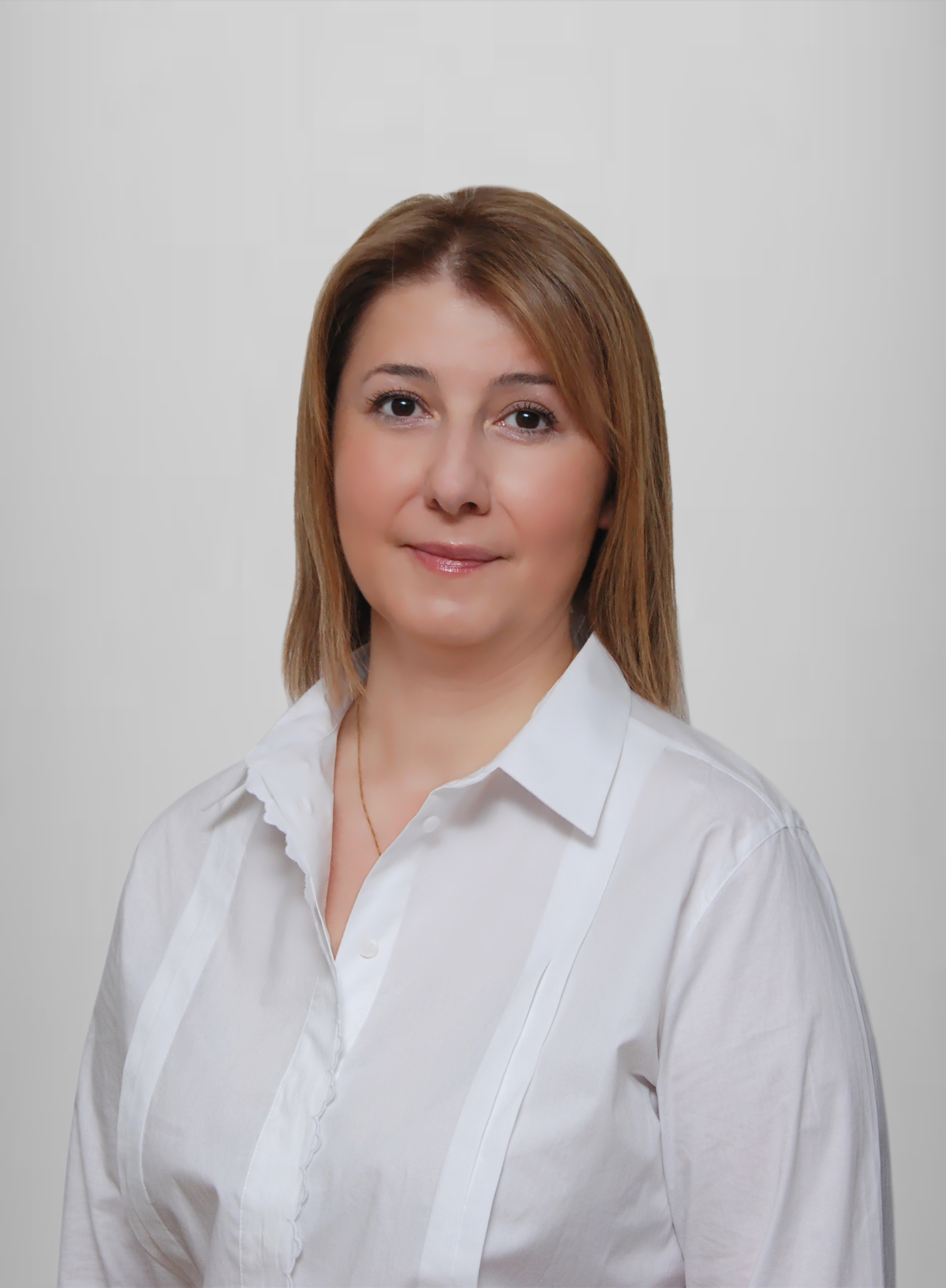
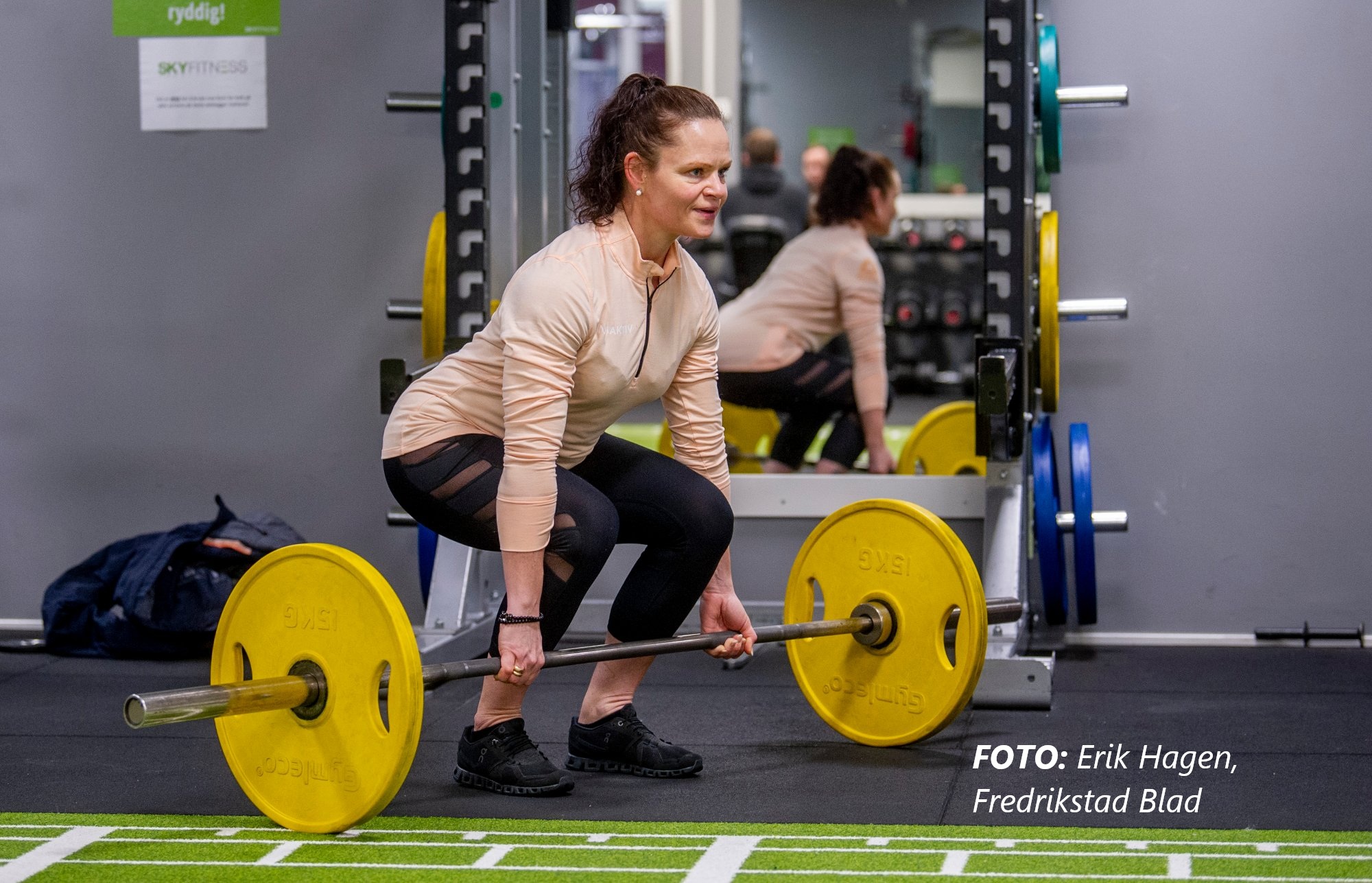
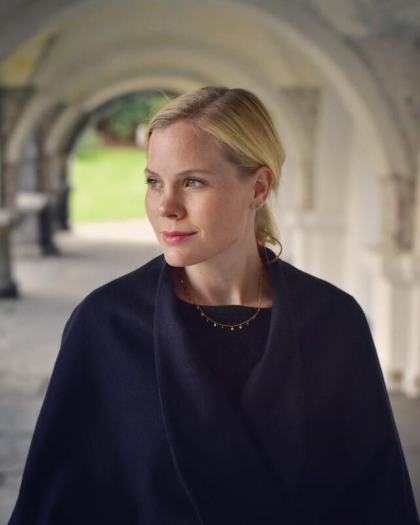
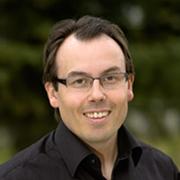
Christina Gjestvang is an Associate Professor at the Department of Sports Medicine, Norwegian School of Sport Sciences. She earned her PhD in 2022 from the same institution, researching fitness clubs as public health venues. With 23 peer-reviewed publications and over 50 invited presentations, she received the institution's research communication award in 2020. She maintains 17+ years of practical experience as a fitness instructor and chairs the Norwegian Association of Exercise Physiologists. Her research focuses on: Fitness club industry dynamics and member behaviors Exercise initiation/adherence mechanisms Women's health including pregnancy exercise Body image and mental health in fitness contexts Public health interventions through physical activity Publication analysis reveals consistent themes in exercise psychology, public health implementation, and fitness industry studies. Recent work emphasizes digital health interventions, pregnancy physiology, and disordered eating in fitness environments. Awards: Norwegian School of Sport Sciences Research Communication Award (2020) As chairman of the Norwegian Association of Exercise Physiologists, she promotes professional standards for exercise-based health interventions. Her extensive industry experience informs both research and teaching in exercise prescription methodologies.
Norwegian University of Science and TechnologyNorway
Eva Langvik is a Professor in the Department of Psychology at the Norwegian University of Science and Technology (NTNU). Her work focuses on depression, health psychology, personality assessment, and occupational psychology. She has extensively published on topics such as moral stress in law enforcement, workplace well-being, and psychological factors in cardiovascular health. Her research interests include the intersection of personality traits and health outcomes, particularly in high-stress professions like policing. Studies often address stress management, organizational support systems, and the psychological impact of working with child abuse cases. Recent articles highlight her analysis of police employees’ experiences with workload and organizational resources, as well as investigations into public perception of offenders and patient experiences in clinical settings. She collaborates with institutions like the NTNU Department of Psychology and the Trøndelag Police District.
Dawit Shawel Abebe is a professor of public health at Oslo Metropolitan University's Faculty of Health Sciences, Department of Nursing and Health Promotion. His office is located at Pilestredet 32, 0166 Oslo, Office number: N050.125, with telephone contact +47 672 37 834. Dr. Abebe holds a PhD in public health with a specialization in epidemiology from the University of Oslo (2014), a master's degree in public health from the University of Oslo (2009), a master's degree in nutrition from Ghent University, Belgium (2006), and a bachelor's degree in public health from the University of Haramaya, Ethiopia (2003). His research spans immigrant health, youth and mental health, comorbidity between somatic and mental illnesses, and global health, primarily using quantitative research methods. His work intersects multiple scientific disciplines including Nutrition, Community medicine, social medicine, Sociology, Medical subjects, Gynecology and obstetrics, Psychiatry, child psychiatry, Infectious medicine, and Health services research. Dr. Abebe's publication record shows consistent focus on health disparities among immigrant populations, with recent work examining migration timing effects on mental health, cultural aspects of mental health diagnosis, and socioeconomic determinants of health. His research increasingly addresses representation issues, highlighting how minorities are significantly underrepresented in research. He leads the Migration and minority health research group and is involved in the EU-funded NEGOTIATE project examining labor market uncertainty among young Europeans. His methodological approach primarily utilizes Norwegian national health registries for large-scale population analyses comparing immigrant populations with native Norwegians. Dr. Abebe maintains an active research profile with 42 scientific publications, 4 research reports, and 35 dissemination activities, positioning him as a significant contributor to understanding health disparities in the Norwegian and European context.
Jorunn Kaiander Sundgot Borgen is a Professor at the Department of Sports Medicine , Norwegian School of Sport Sciences (NIH), and Director of the Center for Women's Health Research in Sports and Physical Activity. She holds a PhD from NIH (1993) and a Master's degree from Arizona State University (1985) . With visiting professorships at UC Berkeley (2010, 2011, 2013) and prior leadership roles at the Norwegian Olympic Training Center (1995-2009) , she has shaped international guidelines as a member of the IOC Working Group on REDs and Nordic Eating Disorder Society . ACSM Fellow Honorary Fellowship, Royal College of Physicians of Ireland & Royal College of Surgeons in Ireland Recipient of the Norwegian Research Council's Excellence in Science Communication Award (2013) Author of 150+ scientific articles on REDs, eating disorders, and women's sports health Her research focuses on Relative Energy Deficiency in Sport (REDs) , pregnancy in athletes , and mental health in sports . Recent work explores: Exercise safety during pregnancy (2025) Eating disorder prevention in youth athletes (2024) Bone health biomarkers in cross-country skiers (2024) IOC consensus statements on REDs (2023) A key advisor to elite athletes and coaches, she leads interventions for disordered eating and energy availability issues . Her 2022-2025 studies span topics from sexual harassment in sports to nutritional impacts on bone density , reflecting her multidisciplinary approach to athlete health.
Norwegian University of Science And TechnologyNorway
Miriam K. Gustafsson serves as Associate Professor in the Department of Public Health and Nursing at the Norwegian University of Science and Technology (NTNU), with active research and teaching responsibilities. Her institutional affiliation includes the Samfunnsmedisinbygget facility in Øya, Trondheim. Her educational background includes an MD from Lund University, Sweden (1998), followed by PhD studies in the Department of Public Health and Nursing at NTNU from 2013-2018. Her doctoral dissertation focused on Vitamin D status and health-related quality of life in pregnancy-impact of exercise . Gustafsson's research centers on maternal-fetal nutrition, particularly vitamin D metabolism during pregnancy and its long-term impacts on offspring health. Her work spans nutritional epidemiology, obesity research, and diabetes prevention, with significant contributions to understanding how prenatal vitamin status affects childhood bone development, dental health, and metabolic outcomes. Recent studies extend into Nepalese population health, examining obesity and diabetes prevalence in rural communities. Analysis of her publication trajectory reveals consistent focus on vitamin D's role in pregnancy since 2016, evolving from Norwegian cohort studies to international comparative research. Her work demonstrates methodological diversity across randomized controlled trials, longitudinal cohort analyses, and population-based surveys, with increasing emphasis on interdisciplinary approaches to maternal-child health. As an academic advisor, she has supervised Master's theses including Axel Sjilov's Should we be concerned about the vitamin A status among Norwegian pregnant women? (2020) and Klara Evjen Seim's The Association Between Maternal Vitamin D Status and Bone Mass in Offspring at 8-9 Years of Age (2018). Her outreach activities include developing the BEDre interdisciplinary obesity treatment model and regular public health communication through media interviews. Gustafsson actively participates in research teams including the longitudinal pregnancy cohort study tracking maternal vitamin status and child outcomes, and collaborates with dental health researchers on enamel hypomineralization projects. Her recent outreach includes academic lectures at European Calcified Tissue Society meetings and popular science presentations on eating disorders through ROS Trøndelag.
Tamara Kalandadze is an Associate Professor at the Department of Education, ICT and Learning at Østfold University College in Norway. She also holds an Associate Professor position at the Knowledge Center for Education at the University of Stavanger and has previously worked as a Senior Lecturer at OsloMet and as a Researcher at the Knowledge Center for Education, Norwegian Research Council. Her academic expertise bridges special education, developmental science, and research methodology with a strong commitment to open and reproducible research practices. Education: 2019: PhD in Special Education, Department of Special Education, University of Oslo 2008: Master's degree in Special Education, Department of Special Education, University of Oslo 2006: Applied Linguistics, Department of Linguistics and Nordic Studies, University of Oslo Tamara Kalandadze's research spans multiple interconnected domains with a central focus on open science methodologies within educational and developmental contexts. Her work significantly contributes to understanding neurodiversity, particularly autism spectrum disorder, developmental language disorders, and figurative language comprehension. She has pioneered approaches to 'open evidence synthesis' including meta-analyses that prioritize transparency and reproducibility. Her scholarship bridges special education, developmental psychology, and research methodology, with particular attention to how research practices can be made more inclusive of neurodivergent perspectives. Kalandadze actively promotes participatory research models where neurodivergent individuals contribute to the research process itself. Analysis of Kalandadze's recent publication record reveals a strong trajectory toward integrating open science principles with neurodiversity research. Her work demonstrates growing emphasis on methodological transparency in developmental science, with increasing focus on participatory approaches that center neurodivergent voices. The publications show evolution from traditional meta-analyses of autism research toward more innovative frameworks that combine open science practices with neurodiversity-affirming approaches. A notable trend is her development of the NIRO (Non-Interventional, Reproducible, and Open) evidence synthesis framework, which has gained recognition across multiple disciplines. Leadership and Editorial Roles: Associate Editor, Infant and Child Development (2023-) Topic Editor for Wiley's Special Issue on Neurodiversity (2023) Initiator and Leader of RIOT (Reproducible, Interpretable, Open and Transparent) Science Club Deputy Leader of the DeveLeP research group Local Node Lead for Norwegian Reproducibility Network (NORRN) Kalandadze actively supervises master's students at both Østfold University College and the University of Oslo, and serves as co-supervisor for PhD candidate Malin Dahlby-Skoog at Karolinska Institutet. Her supervision focuses on research methodology, particularly open and reproducible approaches to studying neurodevelopmental conditions. She has developed and leads a PhD course on 'Open and Credible Science,' reflecting her commitment to training the next generation of researchers in transparent research practices. Her collaborative network spans multiple international institutions including University College London, University of Oslo, University of Stavanger, University of Copenhagen, and institutions in Georgia. As founder of the RIOT Science Club in Norway, Kalandadze has established a vibrant community focused on advancing open science practices. She is actively involved in the DeveLeP research group (Development Learning and Psychological Processes) which investigates developmental trajectories in learning and psychological processes. Her work with the Communicative Processes (ComPros) research group focuses on language development and communication challenges, particularly in neurodivergent populations. These research environments provide interdisciplinary spaces where methodological innovation meets practical application in educational and clinical settings.
Norwegian University of Science And TechnologyNorway
Eva Langvik is a Professor in the Department of Psychology at NTNU. Her research focuses on mental health, personality psychology, and occupational well-being in high-stress professions like law enforcement. She has led studies on police employees' experiences with child abuse investigations, organizational support systems, and the psychological impacts of work-related stress. Her work also explores health psychology topics such as cardiovascular disease risk factors, eating disorders, and sleep deprivation effects. Langvik's research frequently involves collaboration with institutions like the Trøndelag Police District and employs mixed-methods approaches. Key projects include the STRESOB study examining stressors in child abuse investigations and longitudinal analyses of personality traits' roles in health outcomes. She has contributed to policy discussions around mental health screening in healthcare and workplace environments. Her recent publications analyze public perceptions of offenders, virtual reality applications in education, and gender-specific psychological risk profiles for cardiovascular diseases. Langvik’s work bridges clinical, organizational, and forensic psychology, emphasizing practical implications for improving mental health support systems.
Ingunn Olea Lund is an Associate Professor at the Department of Psychology, University of Oslo (since 2020) and holds a concurrent role as Research Professor at the Norwegian Institute of Public Health (since 2019). She completed her Ph.D. in Psychology at the University of Oslo’s Medical Faculty (2013) and holds a Master’s and Bachelor’s in Psychology from the Norwegian University of Science and Technology (NTNU). Her research focuses on health psychology, developmental psychopathology, and substance use, with particular emphasis on parental substance use, mental health, and socioeconomic status impacts on offspring outcomes. Key areas include prenatal stress/exposure effects, mental health during pandemics, and adolescent substance use moderation. She teaches courses on health psychology and health promotion. Awards include the CPDD Early Investigator Travel Award and Fulbright Scholarship. Her work integrates epidemiological and registry-based methods, addressing public health challenges such as opioid use in pregnancy and pandemic mental health trends. She collaborates on projects like PriSUD, diagnosing substance use disorders in prison populations. Recent articles highlight pandemic-era mental healthcare utilization, prenatal maternal stress effects, and adolescent behavioral moderation through sports participation. Dr. Lund’s research spans 20+ years, with over 50 peer-reviewed publications. Key grants and collaborations include studies on parental mental illness identification, cannabis use during pregnancy, and transport risk perception. She leads teams focused on translational research bridging clinical, public health, and developmental psychology domains.
Kjetil Rødje is a faculty member at the University of Oslo, affiliated with the Department of Media and Communication. He holds the academic rank of Professor and has served as Head of Studies since January 2020. His current research focuses on film, visual culture, affect theory, and media theory, with additional interests in media aesthetics, media use, and racialization studies. Education: PhD (2011) from Simon Fraser University, Canada; Cand.Polit. (2002) from the University of Oslo. His work explores intersections between media, culture, and affect, including analyses of film technology, horror cinema, and societal impacts of media representation. Recent publications address topics like intra-diegetic cameras in found footage horror and racialization in Nordic contexts. Key Themes: Cinematic perception, affective media, healthcare communication, racialization, and technology discourse. Work Experience: Lecturer (2015-2017), Postdoctoral Fellow (2013-2015), and External Lecturer (2012) at the University of Copenhagen; Researcher roles in health institutions (2002-2005).
Gro Trondalen is a Professor of Music Therapy at the Norwegian Academy of Music. She holds a PhD specializing in music therapy for young people with eating disorders and has expertise in the Bonny Method of Guided Imagery and Music (GIM). Her work spans clinical practice, education, and research, focusing on mental health, relational dynamics through music, and ethical considerations in therapy. Trondalen has led major academic programs including the Master’s and PhD programs in Music, and directed the Center for Research in Music and Health (CREMAH). Her research emphasizes music’s role in fostering relational healing, particularly for vulnerable populations. Notable projects include Sounding Relationship (1999–2004), exploring music therapy with anorexia patients, and Musicians and Health (2011–2015). She actively contributes to international bodies like the World Federation of Music Therapy and European Association for Music and Imagery. Trondalen has authored/co-authored 2 monographs, 6 edited books, and numerous articles across languages. Her recent work addresses ethical musicality and contemporary developmental psychology applications in therapy. She supervises master’s and PhD students while advocating for music therapy’s role in public health, including dementia care initiatives.
Therese Fostervold Mathisen is an Associate Professor at the Department of Nursing, Health and Laboratory Science, Høgskolen i Østfold (HiØ). Her research focuses on exercise medicine, eating disorders, public health, and sports nutrition. She leads projects on physical activity in eating disorder treatment, prevention of REDs in athletes, and nutrition literacy in youth sports. Education: PhD in Sport Sciences, Norwegian School of Sport Sciences (2013–2018) MSc in Sport Nutrition, Loughborough University & Norwegian School of Sport Sciences (2003–2006) Bachelor's in Exercise Physiology, Norwegian School of Sport Sciences (1996–1999) Research Interests: Combines clinical practice and research to address eating disorders, physical activity's role in mental and physical health, and athlete health policies. She emphasizes prevention programs and evidence-based treatments, such as the PED-t therapy. Key Projects: "Young Athlete Body Project" for eating disorder prevention in adolescents Development of clinical guidelines for REDs in sports Studies on maternal safety in heavy resistance exercise during pregnancy Investigation of food waste apps' impact on healthy eating Professional Roles: President of the Norwegian Society for Eating Disorders (2020–present) President of the Norwegian Society for Exercise Physiologists (2019–2024) Member of research committees at HiØ and international organizations like the IOC Collaborations: Works with institutions like the Norwegian School of Sport Sciences, University of Tromsø, and international experts on IOC-led projects.
Reidar Tyssen is a Professor in the Department of Behavioral Medicine at the University of Oslo. His research focuses on physician mental health , occupational stress , substance abuse , suicidology , psychiatric epidemiology , and resilience in healthcare professionals . He leads the NORDOC 20-year longitudinal study of Norwegian medical students and physicians. His work explores work-home balance , alcohol dependence , lifestyle counseling , and mindfulness interventions for medical students. Key collaborations include institutions in Bergen , Tromsø , British Columbia , and Reykjavik . Current projects include cross-cultural clinical challenges in psychiatry, veterinarian mental health (NORVET study), and mindfulness training effects on coping strategies. He has contributed to occupational health policies and medical education reforms .
Caroline Benedicte Nitter Engen is a Postdoctoral Fellow at the Centre for the Study of the Sciences and the Humanities, University of Bergen, where she conducts interdisciplinary research at the intersection of medical ethics, philosophy of science, and hemato-oncology. She is affiliated with the Neuro-SysMed centre's research group Philosophy of Neurodegeneration , led by Jan Reinert Karlsen, and contributes to the innovation project Communicating Cognitive Decline: Language Games and Tactile Objects . Her work bridges clinical oncology and ethical inquiry, particularly in the context of precision medicine and personalized cancer therapy. PhD in Precision Haemato-Oncology, University of Bergen (2020) Research focus on FLT3-mutated acute myeloid leukemia and ethical dimensions of modern medicine Active participant in CCBIO and S.Net conferences Caroline's research interests center on the ethical, philosophical, and societal implications of advances in cancer treatment. She investigates how precision oncology reshapes clinical practices, patient experiences, and physician roles. Her work critically examines the discourse surrounding cancer drugs, the challenges of responsible clinical trials in personalized medicine, and the moral dimensions of prolonging life through technology. She also explores the suffering of physicians in late modern healthcare systems, advocating for a care ethics framework that recognizes the human vulnerability of medical professionals. The analysis of her recent publications reveals a strong trend toward integrating biomedical science with philosophical and ethical reflection. Her articles span molecular oncology, clinical trial ethics, and the phenomenology of medical suffering, demonstrating a unique interdisciplinary approach. She frequently collaborates with researchers from hematology, psychology, anthropology, and public health, reflecting her commitment to cross-disciplinary dialogue. Scientific Awards and Recognitions: No specific awards mentioned in the provided texts. Caroline Engen has been actively involved in advising and grant-supported research. She contributed to the CCBIO session at the S.Net conference and has participated in projects funded by the Research Council of Norway (reference 223250). Her PhD was conducted within a structured research environment, indicating mentorship and collaborative supervision. She has not listed formal advisees, but her role as a postdoctoral fellow suggests emerging leadership in mentoring junior researchers. She is associated with key research groups including the Philosophy of Neurodegeneration group at Neuro-SysMed and the Research Group Theory of Science at the Centre for the Study of the Sciences and the Humanities. These teams focus on the epistemological and ethical foundations of biomedical research, particularly in neurology and oncology.
Niels Boysen Feddersen is an Associate Professor at the Norwegian School of Sport Sciences (NIH) , where he teaches in the Department of Teacher Education and Outdoor Studies . With a MSc in Sports Psychology and Sociology from the University of Copenhagen and a PhD in Organizational Psychology in Sports Organizations from Liverpool John Moores University, he brings a unique interdisciplinary perspective to his work. His research spans three primary areas: (1) Sociological-Psychological Approaches to Neurological Injury Rehabilitation , collaborating with organizations across Norway, Sweden, Poland, Denmark, and Iceland; (2) Organizational Culture in Sports Organizations , examining power dynamics and destructive culture development in elite sports with federations in the UK, Denmark, and Norway; and (3) Adapting Psychological Support in Elite Sports Environments , particularly through partnerships with English Premier League academies and Norwegian Eliteserien clubs. Feddersen employs qualitative research methods , including ethnography, observational studies, action research, and intervention studies . He emphasizes inclusive physical education and innovative teaching strategies like reverse mentoring and focus groups to enhance student engagement and learning outcomes.
Oddgeir Friborg is a Professor in the Department of Psychology at UiT The Arctic University of Norway , leading the Health Psychology research group. His work spans trauma psychology, sleep disorders, stroke rehabilitation, and sports medicine, with a focus on clinical interventions and population health. Research Interests Health psychology and trauma recovery Sleep-wake dynamics in chronic pain Post-stroke neuropsychological outcomes Eating disorders and sports-related energy deficiency Sámi child health disparities Recent Publications highlight interdisciplinary collaborations in PTSD prevention (EIR study), sleep interventions for pain patients, and health risks in elite athletes. He contributes to clinical trials, epidemiological studies, and health policy frameworks. Labs & Teams : Active in the Health Psychology research group and the Arctic Childhood Study, addressing violence and health in Arctic populations. Collaborates on projects involving TMS depression treatment , stroke rehabilitation, and sports medicine diagnostics.