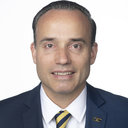
Nita Dragoe is a Professor at Université Paris-Saclay, affiliated with the Institut de Chimie Moléculaire et des Matériaux d'Orsay (ICMMO - UMR 8182) . She co-leads the Synthèse, Propriétés et Modélisation des Matériaux research group, focusing on advanced functional materials synthesis and characterization. PhD (1996): Université Paris Sud XI & Université de Bucarest (Advisors: Alexandre Revcolevschi, Eugen Segal) HDR (2003): Université Paris-Sud Her research spans high-entropy materials , thermoelectric oxides , and functional ceramics , with recent work on entropy-stabilized pyrochlores, superionic conductors, and pH sensor development. Key article trends highlight oxide synthesis , magnetic properties , and disorder-engineered materials . Scientific Awards : CREST Fellow (1997-2000) JSPS Fellow (2021) She has secured grants including the ANR-funded project NEO and maintains active collaborations across France, Japan, and China, with visiting professorships at Beihang University (2017-2022) and University of Tokyo (2019, 2005).
Audrey H. Sawyer is a Professor at The Ohio State University's School of Earth Sciences, where she leads the Computational Hydrogeology Research Group. Her work explores how surface water-groundwater exchange mediates geologic and ecologic processes, with applications to ecosystem health, contaminant transport, and climate impacts on water resources. Research interests include River-groundwater exchange Coastal surface water-groundwater interactions Coupled fluid/heat flow and reactive transport Numerical modeling of hydrologic systems Climate change effects on groundwater recharge Current and former students (e.g., Jacob Clyne, Hannah Field, Kira Harris) have received prestigious awards including GSA Graduate Student Research Grants and NSF Fellowships. She also holds a Visiting Scientist appointment at Universitat Politècnica de Catalunya.
Agata Di Stefano is a Full Professor of Stratigraphic Geology and Sedimentology (GEO/02) at the University of Catania, where she has held academic positions since 2002. She currently serves as President of the Bachelor's Degree Course in Geological Sciences (L-34) and Head of the Marine Geology Laboratory. Her academic journey includes roles as PhD Coordinator for Earth and Environmental Sciences (2017-2023) and prior leadership in the Department of Biological, Geological and Environmental Sciences’ Erasmus initiatives. PhD in Geological Evolution of Mediterranean-Type Orogens (1993) Professional Geologist certification (1990) University of Catania faculty member since 2002 Her research focuses on bio-chronostratigraphic analysis , paleoclimatic modeling , and coastal environmental protection , with emphasis on Mediterranean and oceanic Neogene-Quaternary sequences. She has contributed to international ocean drilling projects (ODP/IODP) and polar sediment studies (ANDRILL), while leading geological cartography under the CARG project. Key projects include: National Coordinator, MIUR-PRIN 2022 'Timing of Early Pleistocene Climate Transitions' Scientific Director, Interreg V SIMIT_THARSY Tsunami Hazard Reduction System Lead Partner, Interreg VI SANDLAND coastal sediment protection Awards: 2013 'Feature Article' in 'Ocean & Coastal Management' 1994 Young Researchers Award (Earth Sciences) from Gioenia Academy As an educator, she teaches 'Stratigraphic Geology', 'Marine Geology', and 'Innovative Methods in Marine Geology', supervising over 88 theses across all academic levels. She serves on editorial boards for the Italian Journal of Geological Science and International Journal of Geoscience , and collaborates with institutions like CNR, INGV, and international universities.
Susan Park is a Professor of Global Governance in International Relations at the University of Sydney. Her research focuses on international organizations, global governance, and their roles in renewable energy transition and environmental accountability. She has held visiting scholar positions at prestigious institutions including the London School of Economics, Oxford University, and the Technical University of Munich. Her work is funded by governments in Australia, Canada, Britain, and Germany. Senior Research Fellow and Research Lead, Earth Systems Governance Affiliated Faculty, Munk School’s Environmental Governance Lab (University of Toronto) External Associate, Centre for the Study of Globalisation and Regionalisation (Warwick University) Her research spans International Relations , Constructivist theory , Global Environmental Politics , and Accountability mechanisms in development banks. She examines how international institutions adapt to environmental challenges and renewable energy governance. From 2023–2025, she leads two Australian Research Council Discovery Grants on Global Governance, Eco-Justice and Global Governing Gaps for Solar Energy . Her publications include books on The Good Hegemon (Oxford University Press) and Environmental Recourse at the Multilateral Development Banks (Cambridge University Press). 2022 Vice Chancellor’s Award for outstanding research Editorial Board: Earth Systems Governance Journal Lead Editor: Global Environmental Politics She supervises current PhD students including Hugh Tuckfield, FEI Su, and Ana-Maria Ulloa, and has previously supervised Marcel Kaba and Helena Varkkey. Park is affiliated with the Sydney Environment Institute, China Studies Centre, and The Net Zero Institute. She is a Hans Fischer Senior Fellow (2019–2023) at the Technical University of Munich.
Allen Burton is a Professor at the University of Michigan's School for Environment and Sustainability and Department of Earth & Environmental Sciences . He holds an Honorary Doctorate from the University of Roskilde (Denmark) and serves as Editor-in-Chief of Environmental Toxicology & Chemistry . His research spans global ecosystems, with Visiting Scientist roles in China, Denmark, Italy, New Zealand, and Portugal. Education: PhD in Environmental Science (Aquatic Toxicology), University of Texas at Dallas MS in Environmental Science, University of Texas at Dallas MS in Microbiology, Auburn University BS in Biology and Chemistry, Ouachita Baptist University Dr. Burton's research focuses on chemical bioavailability , stressor causality in aquatic systems , and ecological risk assessment . He develops innovative tools like the in situ Toxicity Identification Evaluation (iTIE) and DEEAR (Drifting Exposure and Effects Assessment Ring) for oil spill monitoring. His work addresses contaminants in freshwater/marine sediments, stormwater, and microplastics, with a strong interest in hyporheic zone dynamics and metal remediation . Key article trends include: Contaminant bioavailability in sediments Metal speciation and toxicity Microplastics as pollutant vectors Oil spill assessment technologies Groundwater-surface water interactions Multi-stressor impacts on ecosystems Scientific honors include: Honorary Doctorate, University of Roskilde Brage Golding Distinguished Professor of Research Fellow, Society of Environmental Toxicology & Chemistry Dr. Burton leads the Burton Lab , emphasizing interdisciplinary approaches to diagnose ecologically significant stressors in human-dominated ecosystems. His team investigates contaminants across urban, agricultural, and industrial landscapes, integrating chemical, biological, and hydrological data for ecosystem management.
Otakuye Conroy-Ben (Oglala Lakota) is an Associate Professor at Arizona State University's School of Sustainable Engineering and the Built Environment. She holds multiple affiliations, including Environmental Health Engineering Associate Faculty, Faculty in Earth Systems Science for the Anthropocene, Senior Global Futures Scientist at the Global Futures Scientists and Scholars, and membership in the Water Institute. Her office is located in the CNTR Building, Mesa, AZ. Education: Ph.D. in Environmental Engineering, University of Arizona M.A. in Analytical Chemistry, University of Arizona B.S. in Chemistry, University of Notre Dame Research Focus: Dr. Conroy-Ben investigates the biological impacts of polluted water, with emphasis on endocrine disruption, bacterial resistance mechanisms (antibiotic and metal), and wastewater-based epidemiology. Her work bridges environmental engineering, microbiology, and public health to address contamination challenges. Teaching: She instructs courses including CEE 361 (Introduction to Environmental Engineering), CEE 560 (Soil & Groundwater Remediation), and CEE 564 (Contaminant Fate and Transport), and mentors students through research/thesis courses. Leadership: She advises the ASU chapter of the American Indian Science and Engineering Society (AISES), supporting Indigenous students in STEM.
Dr. Wai Kiong Oswald Chong is an Associate Professor at Arizona State University's School of Sustainable Engineering and the Built Environment, with a dual affiliation as Senior Global Futures Scientist at the Global Futures Scientists and Scholars program. He holds a PhD in Civil Engineering from the University of Texas-Austin, MSc and BSc in Building from the National University of Singapore, and focuses on integrating artificial intelligence with sustainable engineering systems. PhD (2005): Civil Engineering, University of Texas-Austin MSc (1999) & BSc (1997): National University of Singapore His research bridges lunar construction with Earth-bound sustainable systems, covering topics like: Space habitat modularization Resource circularity systems AI-enhanced building codes Climate-resilient infrastructure Advanced energy modeling Construction supply chain optimization Publications demonstrate consistent focus on: Semiconductor facility HVAC optimization Building energy consumption anomalies Life cycle assessment frameworks Construction risk management Deconstruction and material reuse AI-driven system modeling Current research projects include: Lunar MVI (Moon Village Initiative) Semiconductor fab design optimization Human-AI knowledge interfaces Thermal insulation systems for extreme environments Smart grid energy modeling
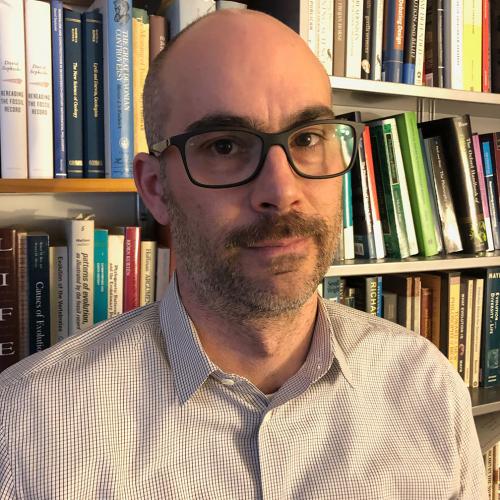
David Sepkoski is the Thomas M. Siebel Chair in History of Science and a Professor in the Department of History and School of Information Sciences at the University of Illinois at Urbana-Champaign. His research focuses on the transnational history of biological, environmental, and information sciences within cultural contexts, with particular attention to data collection, visualization, and the evolution of paleobiology. PhD in History of Science and Technology, University of Minnesota MA in Social Sciences, University of Chicago BA, Carleton College His work examines the interplay between scientific objectivity and cultural biases in debates about human nature. He was awarded the prestigious Guggenheim Foundation Fellowship (2020-2021) for his project on biological determinism. Recent publications analyze sociobiology, environmental history, and the historiography of data. Key research areas include: History of data and information systems Science and technology studies Digital humanities Extinction and biodiversity debates His 2025 article in Historical Studies in the Natural Sciences explores sociobiology's political dimensions, while his 2024 Handbook of the Historiography of the Earth and Environmental Sciences redefines interdisciplinary approaches to ecological science history. Scientific contributions Guggenheim Foundation Fellowship (2020) Author of two monographs on paleobiology and extinction Editorial work on data histories and bioinformatics
Nan Chen is an Associate Professor at the Department of Mathematics, University of Wisconsin-Madison, and a faculty affiliate of the Institute for Foundations of Data Science (IFDS), a multi-University TRIPODS Phase II Initiative. His research spans applied mathematics with applications in atmosphere-ocean science, climate dynamics, and data science. Education: PhD from Courant Institute of Mathematical Sciences (CIMS) and Center of Atmosphere and Ocean Science (CAOS), New York University (NYU), May 2016 Postdoc research associate at CIMS, NYU (June 2016-May 2018) Master's degree from School of Mathematical Sciences, Fudan University, Shanghai Undergraduate in Mechanical Engineering, Fudan University, Shanghai Visited Department of Scientific Computing at Florida State University working with Dr. Max Gunzburger and Dr. Xiaoming Wang Nan Chen's research focuses on contemporary applied mathematics, particularly modeling complex systems, stochastic methods, numerical algorithms, and data science. He specializes in uncertainty quantification (UQ), data assimilation, and developing statistically accurate algorithms to address the curse of dimensionality in large-dimensional complex dynamical systems with strong non-Gaussian features. His work has significant applications in atmosphere-ocean science, including predicting phenomena such as the Madden-Julian Oscillation (MJO), monsoons, El Niño Southern Oscillation (ENSO), and sea ice dynamics. He has also extended his research to material science, neuroscience, and other complex systems. His recent publications demonstrate expertise in inverse problems, wave equations, numerical methods, and data compression techniques that blend mathematical theory with practical applications. Dr. Chen has authored a book titled "Stochastic Methods for Modeling and Predicting Complex Dynamical Systems --- Uncertainty Quantification, State Estimation, and Reduced-Order Models" published by Springer, and a tutorial paper "Taming Uncertainty in a Complex World: The Rise of Uncertainty Quantification — A Tutorial for Beginners" in the Notices of the AMS. Professional Activities: Organizing "Data Meets Dynamics: Workshop on Data Assimilation for Complex Systems and Applications" (August 21-22, 2025) Author of two articles in Elsevier's Reference Module in Earth Systems and Environmental Sciences Participant in Wisconsin Science and Computing Emerging Research Stars (WISCERS) program Judge for Outstanding Student Paper Award (OSPA) program at American Geophysical Union (AGU) fall meetings Involved in Madison Experimental Mathematics Lab (MXM Lab) Dr. Chen actively mentors undergraduate students for research during semesters and summers, encouraging them to present at the UW undergraduate symposium. He also offers reading and independent study courses for interested undergraduates. He is currently seeking highly motivated PhD students to join his research group with possible Research Assistantship support.
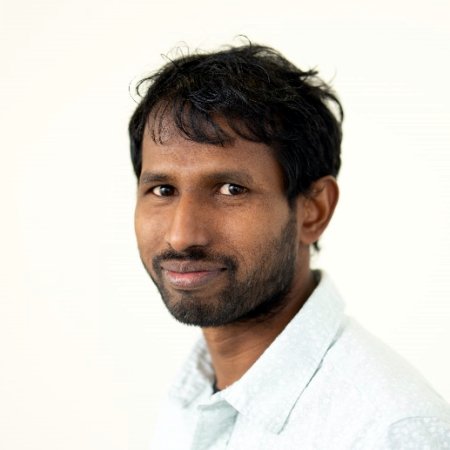
Dr. Ramaraj Ayyappan is an Assistant Professor in the Department of Chemistry at the Indian Institute of Science Education and Research (IISER), Thiruvananthapuram, appointed in August 2022. His research focuses on organometallic chemistry, specifically designing catalysts using first-row transition metals for sustainable applications including CO 2 hydrogenation and bond activation. His academic background includes: B.Sc Chemistry from Gandhigram Rural University, Chinnalapatti, Tamil Nadu Integrated Ph.D. from Indian Institute of Science (IISc), Bangalore (Thesis advisor: Prof Balaji R. Jagirdar) Postdoctoral research at LCC-CNRS, Toulouse, France Postdoctoral research at University of South Wales, Pontypridd, UK Dr. Ayyappan's research centers on developing phosphine and carbene-based multifunctional ligands to tailor transition-metal complexes (Mn, Fe, Co, Ni, Cu, Ru, Ir, Rh) for catalytic applications. His group emphasizes earth-abundant first-row 3d metals for sustainable chemistry, overcoming challenges like labile metal-ligand bonds to achieve CO 2 activation, hydrogenation, and coupling reactions. Current projects focus on CO 2 and P 4 activation using tailored metal complexes. Analysis of his 11 publications (2014-2024) reveals consistent innovation in organometallic catalysis, with recent work (2022-2024) increasingly addressing sustainable CO 2 functionalization and dinitrogen activation. His research demonstrates strategic ligand design to enable challenging transformations with abundant metals, reflecting a strong commitment to green chemistry solutions. Dr. Ayyappan actively mentors students, currently supervising JRF Deepthy Devassy (SERB-SRG project), BS-MS students Aswin Das (SERB project JRF), Shwetha Jayarajan, and Fiza Fathima S, alongside interns from CHRIST University and other institutions. His group secured SERB funding and hosted the Inspire Fellow Anjali Suku. In early 2025, his students Deepthy, Fiza, and Shwetha won the best poster award at FSCHEM 25 symposium for their hydrogenation catalyst research. The research laboratory features Schlenk lines, glove boxes, medium-pressure reaction systems (5-10 bar), Fischer-Porter and Parr hydrogenation apparatus, and comprehensive analytical capabilities (NMR, IR, X-ray, HRMS, GC-MS). Strict safety protocols govern handling of hazardous chemicals and gases (H 2 , CO 2 , NH 3 ), with mandatory training in waste disposal, emergency procedures, and instrument maintenance.
Adrian Unc is a Professor at Memorial University of Newfoundland's School of Science and the Environment, with affiliations at McGill University and University of Leeds. His research focuses on northern agriculture under climate change, boreal soil health, waste re-valorization, and microbiological drivers of soil fertility. B.Sc. in Agronomy (Timisoara, Romania) M.Sc. & PhD in Soil Science (University of Guelph) Postdoc in Environmental Microbiology (University of Ottawa, Medicine) Research spans climate change impacts on boreal soils, biochar applications for soil fertility, microbial transport dynamics, and permafrost-affected soil systems. He established Canada's first graduate program for northern agriculture (Boreal Ecosystems and Agricultural Sciences - BEAS) and co-founded the Canadian Soil Biodiversity Observatory. His 15 most recent articles address soil carbon cycling, microbial ecology in reclaimed mines, fertilizer source effects on nutrient dynamics, biochar's role in boreal agriculture, and geophysical methods for soil moisture mapping. These works emphasize interdisciplinary approaches to food security, environmental quality, and climate adaptation strategies. Senior Cheney Fellow (2014) Top 3% Cited in Soil Use and Management (2024) Scientific Reports Top 100 Earth Science Article (2018) Top 1% Cited in Applied Soil Ecology (2000 paper) As Deputy Editor of Soil Use and Management and former Associate Editor of Algal Research , he has shaped scientific discourse in soil and algal sciences. His work integrates field studies (e.g., Pye Farm, Labrador) with global collaborations on boreal climate impacts.
Summer Rupper is a Professor at the School of Environment, Society & Sustainability at the University of Utah, where she has held her position since July 2019. Her research focuses on understanding the interactions between climate, glaciers, and water resources, with particular emphasis on high mountain regions including High Mountain Asia, the Himalayas, and polar regions. She leads multiple research projects examining glacier dynamics, hydrological processes, and climate change impacts on water security for downstream populations. BS in Geology from Brigham Young University (2001) MS in Geology from University of Washington (2004) PhD in Earth and Space Sciences from University of Washington (2007) Professor Rupper's research spans physical geography, environmental geoscience, and climate change science, with specific expertise in glaciology, hydrology, and atmospheric sciences. Her work integrates field measurements, remote sensing, and numerical modeling to understand glacier dynamics, snow processes, and water resource availability in mountainous regions. She has particular expertise in High Mountain Asia, where glaciers provide critical water resources for over a billion people. Her research addresses fundamental questions about glacier response to climate change, hydrological partitioning, and the implications for water security in vulnerable regions. Her recent publications demonstrate a consistent focus on understanding glacier dynamics, hydrological processes, and climate interactions in mountainous regions. The work spans multiple methodologies including remote sensing analysis, numerical modeling, statistical approaches, and field-based measurements. Key themes include glacier melt contributions to river systems, precipitation patterns in complex terrain, snow density modeling, and the impacts of climate change on water resources in High Mountain Asia and polar regions. Her research often integrates multiple data sources and approaches to address complex questions about cryospheric processes and their societal implications. Superior Research Award (2024, CSBS, University of Utah) G.K. Gilbert Award for Excellence in Geomorphic Research (2022) Outstanding Utah Higher Education Science Teacher (2021) Top Researcher Award, Celebrate U showcase (2017) Antarctic Service Medal (2010, USAF) Professor Rupper actively mentors graduate students through thesis research courses at both the PhD and Master's levels, as well as individual projects. She has secured significant research funding from multiple federal agencies including NSF, NASA, and USAID, with current projects examining climatic controls on Antarctic ice sheets, glacier dynamics in High Mountain Asia, and historical glacier changes. Her collaborative work extends across international boundaries, working with scientists in Pakistan, Bhutan, and other regions to address shared water security challenges. She also engages in community outreach through workshops with school districts and science teacher associations to communicate climate science to broader audiences. Professor Rupper participates in multiple collaborative research teams including the NASA High Mountain Asia Team (HiMAT), where she contributes expertise in glacier dynamics and hydrology. She serves on several scientific committees including the NSF Ice Core Facility Sample Allocation Committee and the American Geophysical Union Cryosphere Section Fellows Committee. Her research often involves interdisciplinary teams combining expertise in glaciology, hydrology, remote sensing, and climate modeling to address complex questions about mountain water systems under changing climate conditions.
Daniel P. Schrag is the Sturgis Hooper Professor of Geology and Professor of Environmental Science and Engineering at Harvard University, serving as Director of the Harvard University Center for the Environment. He also co-directs the Program on Science, Technology, and Public Policy at Harvard’s Kennedy School Belfer Center for Science and International Affairs. His academic foundation includes a B.S. in geology and geophysics and political science from Yale University, followed by a Ph.D. in geology from the University of California, Berkeley in 1993. After teaching at Princeton University, he joined Harvard in 1997. Schrag’s research spans Earth’s entire climate history, specializing in extracting insights from geological records to forecast anthropogenic climate change. His work integrates geochemical oceanography, paleoclimatology, and stable isotope geochemistry with energy technology and policy analysis. Key investigations focus on carbon capture, low-carbon fuels, and the geochemical signatures of ancient climate shifts. His recent publications reveal an intensifying focus on climate policy mechanisms, particularly border carbon adjustments and climate finance frameworks that bridge international equity gaps. His scholarly contributions are recognized through prestigious awards including the MacArthur Fellowship (2000), the American Geophysical Union’s James B. Macelwane Medal, membership in the American Academy of Arts and Sciences, and designation as a Technology Review Young Innovator (1999). MacArthur Fellowship (2000) James B. Macelwane Medal (American Geophysical Union) American Academy of Arts and Sciences Member AAAS Fellow Technology Review 100 Young Innovators (1999) Schrag significantly influenced national policy through eight years on President Obama’s Council of Advisors on Science and Technology (PCAST), shaping reports on energy, climate, and STEM education. He co-founded the Potential Energy Coalition to deploy marketing expertise in climate risk communication and leads the Harvard-based Schrag Group, which explores interdisciplinary solutions at the climate-energy nexus through fieldwork, modeling, and policy analysis.
Tina Treude is a Professor at the University of California, Los Angeles (UCLA), affiliated with the Department of Earth, Planetary, and Space Sciences and the Department of Atmospheric and Oceanic Sciences. She serves as Director of UCLA’s Marine Center at the Institute for the Environment and Sustainability (IoES), fostering interdisciplinary marine science collaboration. Her research spans geomicrobiology, biogeochemical cycles, and climate change impacts on marine ecosystems. Diploma in Biology (1999) from University of Kiel PhD in Biogeochemistry (2004) from Max Planck Institute for Marine Microbiology and University of Bremen Treude’s research focuses on microbial methane cycling in marine sediments, biogeochemical processes in oxygen minimum zones, and geomicrobiological responses to environmental changes. Her work combines field studies, laboratory experiments, and geochemical analyses to understand ecosystem dynamics. Notable trends in her publications include methane oxidation mechanisms, sulfur and nitrogen cycling in anoxic environments, and microbial adaptation to extreme marine conditions. Recent articles emphasize Santa Barbara Basin and Arctic Ocean studies. Scientific Awards: Pritzker Emerging Environmental Genius Award As a principal investigator, she collaborates on projects like the USC Sea Grant study of oxygen deficiency in Santa Monica Basin. Her lab trains students in radiotracer incubations, molecular methods, and sediment analysis. Treude has spent over two years at sea, conducting fieldwork via submersibles and research vessels globally.
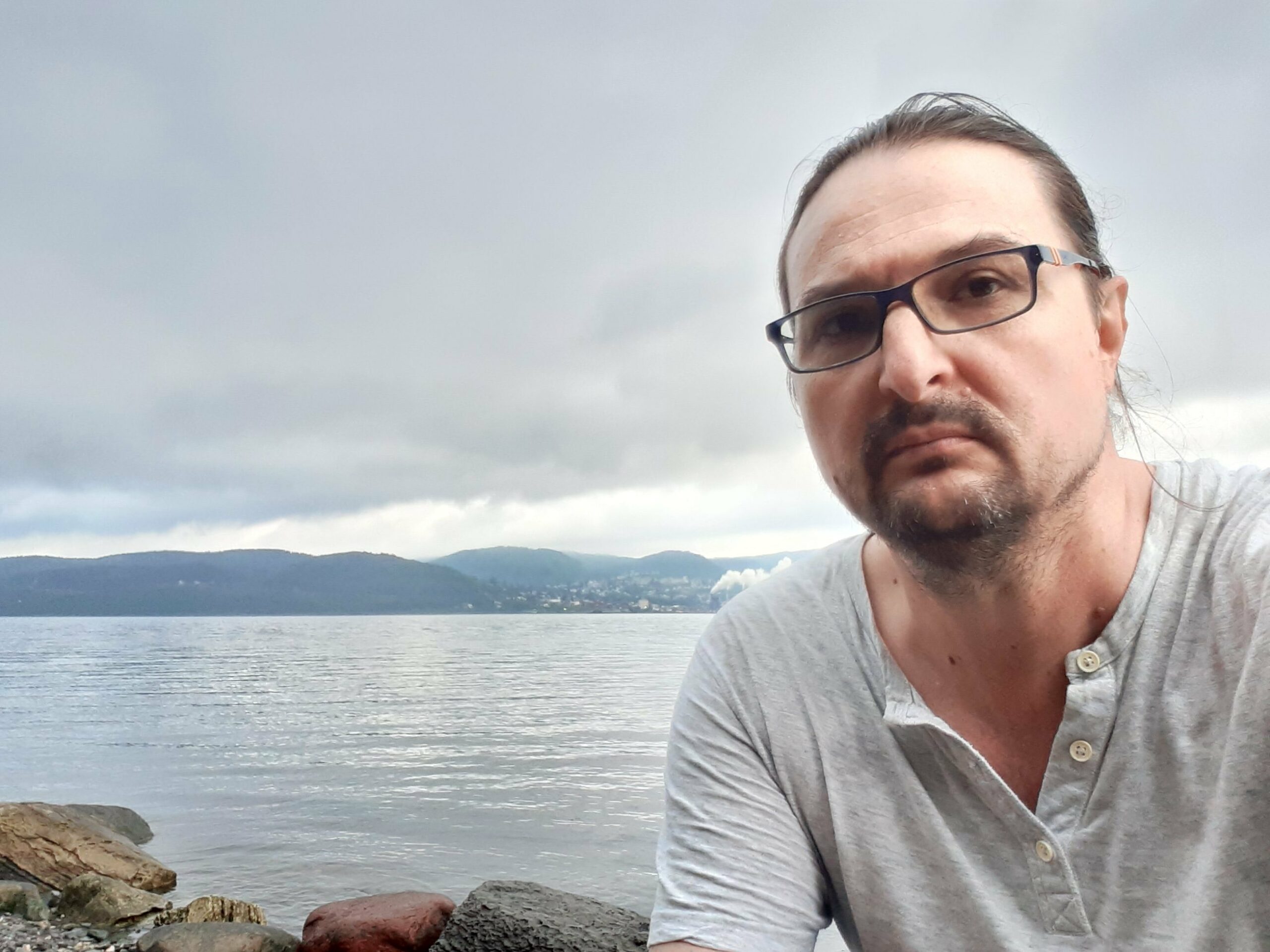
Hermann M. Fritz is a full Professor at the Georgia Institute of Technology within the College of Engineering's School of Civil and Environmental Engineering. With expertise spanning tsunamis, coastal hazards, hurricane storm surges, landslides, and submarine volcanic eruptions, his research focuses on the fluid dynamics aspects of these natural hazards and their mitigation strategies. Dr. Fritz earned his Doctorate degree (Dr. sc. ETH Zurich) in 2002 from the Swiss Federal Institute of Technology in Zurich. His extensive field experience includes leading or participating in more than a dozen post-disaster reconnaissance campaigns across multiple continents, documenting tsunami events from the 2004 Indian Ocean tsunami through the 2017 Greenland event, and hurricane surveys from Hurricane Katrina (2005) to Hurricane Nate (2017). His research integrates physical modeling with field observations, with recent work focusing on tsunamis generated by submarine volcanic eruptions, as evidenced by his development of a unique volcanic tsunami generator for large-scale wave basin experiments. His publication record shows consistent high-impact research in natural hazard science, with a particular emphasis on understanding wave generation mechanisms, coastal inundation patterns, and sediment transport processes during extreme events. Among his notable recognitions is the Plinius Medal from the European Geosciences Union (2014), highlighting his significant contributions to natural hazard research. His work bridges fundamental fluid dynamics with practical applications for coastal protection and disaster risk reduction. Plinius Medal, EGU (European Geosciences Union) - 2014 Dr. Fritz has mentored numerous students through his research projects, though specific names aren't provided in the available information. His collaborative approach is evident through his extensive co-authorship network spanning multiple institutions worldwide. Current research directions include advanced physical modeling of tsunami generation mechanisms, particularly those related to volcanic activity and landslides, as well as improving coastal resilience against extreme events. His laboratory work at Georgia Tech involves sophisticated experimental setups including large three-dimensional wave basins and specialized generators for simulating complex natural phenomena under controlled conditions. This experimental approach complements his extensive field survey experience, creating a powerful research methodology that connects theoretical understanding with real-world observations.