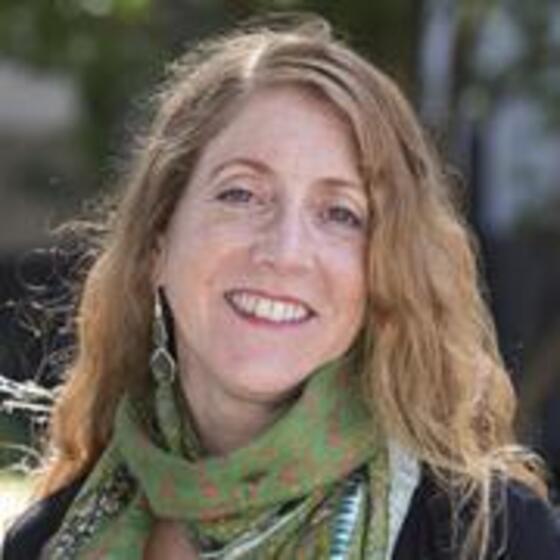
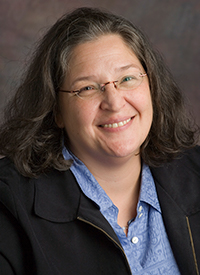
Leslie M Babinski is a Research Professor at Duke University's Sanford School of Public Policy and Department of Psychology and Neuroscience. She directs the Duke School Research Partnership and holds an affiliate position at Duke's Center for Child and Family Policy. Education: Ph.D. in Education, University of California, Berkeley (1993) M.A. in Education, University of California, Berkeley (1988) B.S. in Psychology, University of Scranton (1985) Her research focuses on teacher professional development for English learners, collaboration between ESL and classroom teachers, cultural wealth frameworks, and self-regulation interventions in middle schools. She has led multiple IES-funded studies including the Targeted Reading Intervention and Promoting Self-Regulation projects. Recent publications examine multilingual education strategies, ADHD developmental trajectories, and health curriculum impacts. Her work combines educational policy, neuroscience applications, and public health approaches to improve student outcomes. Key Grants: Efficacy of the DCCS Program (2018-2025) Promoting Self-Regulation (2017-2020) Neuroscience-Based Health Curriculum (2012-2016)
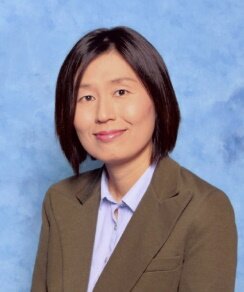
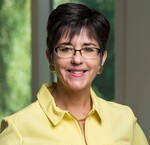
Pam Barger is an Assistant Professor at Wheaton College Graduate School’s TESOL and Intercultural Studies program. She serves as Program Director of the English Language Partnership Programs and teaches courses spanning cross-cultural pedagogy, intercultural communication, and theological dimensions of language education. Education: Ph.D. in Cultural and Educational Policy Studies (Loyola University Chicago), M.A. in Intercultural Studies/TESOL (Wheaton College), B.S. in Psychology (University of Illinois at Urbana-Champaign), and Certificate in Online Teaching (University of Illinois) Her research focuses on intercultural competency development, technology-mediated education access, and the intersection of gender, religion, and education in Southeast Asia. She has explored historical Thai educational systems like Veranda Schools and contemporary MOOC-based training initiatives. Recent publications and presentations highlight her work on inclusive pedagogy through Thai Waterbuffalo Theology, pandemic-era cultural challenges, and democratizing education via digital platforms. She actively engages with academic networks including CIES, TESOL, and Fulbright Program advisory roles. Scientific Awards: Fulbright Scholar recognition While no current student advising details appear in the text, her professional affiliations span organizations like AAR, AAS, and Illinois TESOL-BE. She has taught ESL/EFL courses across all skill domains (writing, reading, listening, speaking, TOEFL) at institutions in Chicago and Thailand.
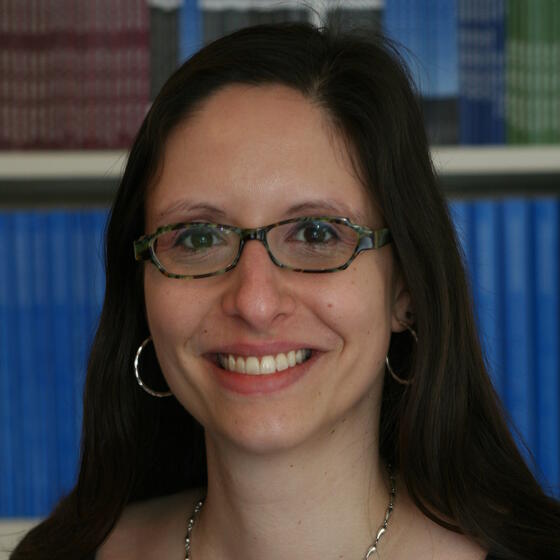
Jill May Swavely serves as a Teaching Professor in the Department of Teaching and Learning at Temple University's College of Education and Human Development. She coordinates the university's ESL certificate program, preparing educators to design instruction, assessments, and curricula for K-12 English learners through specialized coursework and practical application. Her research centers on teacher preparation methodologies for multilingual literacy development, with emphasis on second language writing competencies across K-12 and higher education contexts. She investigates language comprehension processes, literacy pedagogy, and culturally responsive assessment strategies to address diverse learners' needs in urban educational settings. Professor Swavely co-PI'd a $2.7 million Department of Education National Professional Development Grant titled 'Transforming School L.I.F.E. (Leadership, Instruction and Family Engagement) for English learners,' delivering five years of comprehensive support to the School District of Philadelphia through teacher training, leadership development, and community engagement initiatives.
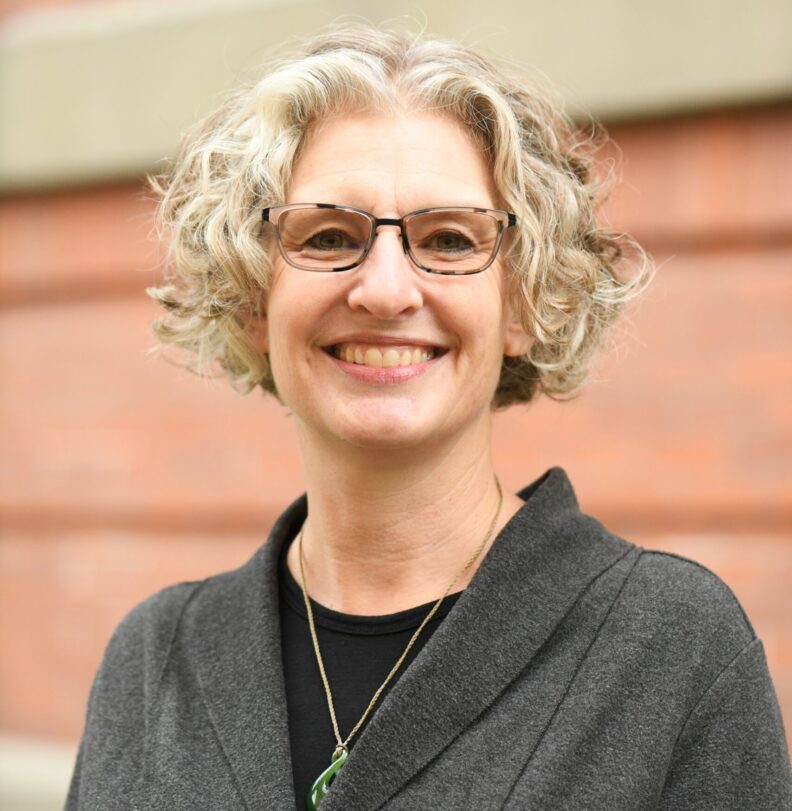
Dr. Sham'ah Md-Yunus is a Professor in the Department of Curriculum and Instruction at Eastern Illinois University (EIU), with dual roles in Teaching, Learning, and Foundations. Her office is located in Buzzard Hall (Room 2203), and she can be reached at smdyunus@eiu.edu. She joined EIU in 2005 after earning her PhD in Elementary Education from Indiana State University. Her research focuses on early childhood education, particularly the care and education of immigrant children and families. She employs frameworks like culturally sensitive care, developmentally appropriate practice, and the Critical 'Immigration' theoretical framework (rooted in Positioning Theory and the Model Minority concept) to inform policy and practice. Key areas include Asian American student experiences, immigrant family dynamics, and Montessori education outcomes in Taiwan. Dr. Md-Yunus is active in professional organizations such as WIDA, the American Educational Research Association (AERA), and the National Association for the Education of Young Children (NAEYC). She teaches courses like EDU 5050: Seminar in Educational Research and ELE 5310: Foundations of ESL/Bilingual Education , and supervises 11 research projects. Her work bridges theoretical insights with practical implications for educators and policymakers.
Licia Masoni is an Associate Professor in the Department of Education Studies 'Giovanni Maria Bertin' at the University of Bologna. Her research focuses on EFL narrative competence, second language identity, the role of narrative in language acquisition, and the study of folk narratives of the British Isles, including folktales and legends. She teaches English Language on the Primary Teacher Education Course, emphasizing oral narrative and children’s literature as teaching tools for ESL/EFL students. Education background includes a PhD in Literatures, Languages and Cultures (specializing in Scottish Ethnology) from the University of Edinburgh (2007), an MSc by Research in Ethnology (2003, with distinction), and a Laurea in Lingue e Letterature Straniere from the University of Parma (2001). She also holds a Cambridge Certificate of Proficiency in English (CPE, 1996). Her academic activities span international collaborations, including teaching at the University of Edinburgh on oral narrative in primary education and research on Scottish ethnology. She has delivered invited lectures at institutions such as the Rockefeller Foundation's Bellagio Center (2014) and organized training programs for EFL teachers in Italy and abroad. Key awards include the 2005 John Orr Research Award from the University of Edinburgh for work in Romance languages/dialects. Her conference contributions address topics like narrative-based pedagogy, urban legends in language learning, and the intersection of folklore with medical and psychological sciences. Teaching and advising: While no formal student advisees are listed, her extensive teacher training programs indicate strong mentorship roles in EFL pedagogy. Grants and collaborations remain unspecified in the provided texts.
Carolyn J. Wicks is an Online Adjunct Faculty member in the School of Education at Liberty University, specializing in curriculum and instruction. She holds dual Ed.D. degrees from Liberty University (Curriculum & Instruction) and Pensacola Christian College (Elementary Education). With 16 years in higher education, her roles have included teaching seminary courses at Pensacola Christian College, contributing to teacher training in India via Maranatha Baptist Bible College, and ESL instruction in Tacoma's community programs. Her research focuses on technology integration in teaching, children’s literature trends, and American education dynamics. Notable publications explore parental technology decisions for preschoolers and socioeconomic influences on doctoral persistence. She maintains certifications in elementary education and school administration, including ACSI principal certification. Carolyn’s career combines international teaching experience with a commitment to Christian education environments, emphasizing practical pedagogical strategies for diverse learner needs.
Dr. Brittany Garling is the Dean of the School of Education and an Associate Professor of Education, with deep involvement in TESL and foreign language education. She serves as chair of the TESL Department, overseeing programs across Storm Lake, online, and graduate formats. Her roles include accreditation coordination, faculty leadership, and course assignment management. She also acts as the Faculty Athletic Representative for NCAA Division III, supporting student-athlete academic eligibility. Education: B.A. in Spanish and Secondary Education, Wartburg College M.A. in Foreign Language Education and ESL, University of Iowa Ph.D. in Foreign Language Education and ESL, University of Iowa Dr. Garling's research focuses on improving teacher preparation for ESL and foreign language educators. Key areas include co-teaching models in higher education, cross-collaboration between pre-service teachers and international ELL students, technology integration in K–12 language classrooms, and systemic barriers faced by ESL students entering schools. She also studies teacher perceptions and pedagogical responses to ELLs, addressing growing demands for ESL services in Iowa. Her work bridges policy, practice, and teacher development. While no publications are listed, her engagement in curriculum design, assessment tools (e.g., ELPA 21), and professional conferences suggests strong scholarly activity in language education and teacher training. Professional Recognition: Selected for ELPA 21 Advisory Committee, reviewing ELL assessment in Iowa Dr. Garling actively mentors pre-service TESL educators and leads field experiences and graduate-level courses. She plays a key role in shaping teacher candidates through methods courses and program leadership. Though no grants are explicitly mentioned, her administrative and curriculum development responsibilities imply involvement in programmatic funding and institutional initiatives. She is a key liaison between faculty, accreditation bodies, and athletic programs. She is actively involved in labs or teams through her leadership of the TESL Department and collaboration with the Iowa Culture and Language Conference, where she co-presents with students. Her work fosters interdisciplinary teams focused on language, culture, and education reform.
Kerri Ullucci is a Professor in the Department of Education at Roger Williams University. Her research focuses on culturally relevant pedagogies, racial equity in education, and preparing teachers for high-poverty and urban schools. She has contributed extensively to critical race theory in education and the development of race-conscious teaching practices. Research areas: Culturally Relevant Teaching, Anti-Racist Education, Urban School Reform Notable work: Operationalizing Critical Race Theory in elementary classrooms, addressing color-blind racism in teacher training Her publications analyze systemic inequities in education, including implications of poverty, accountability policies, and the role of teacher identity in student outcomes. She has evaluated programs for English Language Learners and advocated for humanizing classroom management strategies.
Hyun-Sook Kang is an Associate Professor at the University of Illinois at Urbana-Champaign with multiple affiliations across the institution. She holds appointments in the College of Education's Department of Education Policy, Organization and Leadership, as well as the Center for East Asian and Pacific Studies, the Center for the Study of Global Gender Equity, and the Center for Global Studies. Dr. Kang earned her Ph.D. in Educational Linguistics from the University of Pennsylvania's Graduate School of Education in 2007. Prior to her current position, she served on the faculty in the Linguistics Department at the University of Illinois, Illinois State University, and the University of Texas at San Antonio. Dr. Kang's research focuses on language practice and ideology in relation to global mobility, including immigration and study abroad. Her work examines student agency, belief, and identity in educational contexts with implications for teacher development and internationalization of education. She is particularly interested in ontological, epistemological, and methodological considerations in educational research. Her scholarship bridges linguistic theory with practical applications in diverse educational settings. Her recent publications demonstrate a strong emphasis on international education, language teaching, and the impact of technology on learning. The research spans study abroad experiences, online language education, teacher development, and equity considerations in global contexts. Her work often employs mixed-methods approaches and focuses on Korean and East Asian language learners in international settings. Dr. Kang serves as Co-Editor of the Journal of Language, Identity, and Education and sits on the editorial boards of several academic journals including the European Journal of Education, Study Abroad Research in Second Language Acquisition and International Education, Humanities & Social Sciences Communications, International Journal of Qualitative Methods, Language and Assessment, and Language-Related Research. As an educator, Dr. Kang teaches courses related to global education, education and globalization, learning technologies, and instructional design. She has contributed significantly to the field through her editorial work, research publications, and service on professional committees including the American Association for Applied Linguistics and the Comparative and International Education Society.
Elise Chor is an Associate Professor at Temple University’s College of Liberal Arts in the Department of Political Science , where she also serves as the Director of the Master of Public Policy Program. Her expertise spans Public Policy , Education , Poverty , Social Policy , Prekindergarten , Parenting , and Two-Generation Interventions . Dr. Chor’s research integrates economic and developmental frameworks to analyze family interactions with government and early childhood education systems. She investigates the impacts of universal and targeted preschool programs on child development , parental decision-making , and multigenerational poverty . Her work includes two-generation education interventions and prekindergarten finance policy , with a focus on low-income families . Recent publications highlight her contributions to understanding Head Start programs , immigrant integration , and anti-poverty policies . Her research often examines parent engagement , child attendance , and psychological wellbeing among low-income parents. She teaches courses in U.S. social policy , education policy , and public policy analysis , while offering advanced statistics training. Dr. Chor earned her MPP (2009) and PhD in Public Policy Studies (2014) from the University of Chicago, followed by a postdoctoral fellowship at Northwestern University’s Institute for Policy Research. She collaborates with institutions like Head Start and Northwestern University , emphasizing partnerships that bridge research and practice in early childhood education and poverty reduction.
Nancy Bell is a Professor at Washington State University, specializing in Applied Linguistics and Second Language Acquisition. Her work focuses on the role of humor and language play in second language learning, intercultural communication, and pragmatic competence development. BA: Linguistics, University of Oregon PhD: Educational Linguistics, University of Pennsylvania Her research explores how humor functions in L2 interaction, emphasizing its impact on sociolinguistic competence and classroom dynamics. She has published extensively on topics including L2 humor production, discourse analysis, and pedagogical strategies for multilingual learners. Bell’s publications highlight a strong focus on humor studies, pragmatic development, and language play. Her work bridges theoretical insights from discourse analysis with practical applications in language education, reflecting a sustained interest in enhancing L2 learners’ communicative abilities through playful interaction. At WSU, she coordinates the Linguistics track, trains graduate instructors in academic literacies for multilingual students, and teaches courses supporting international learners. Her career includes two years with the Peace Corps in Cameroon, enriching her expertise in ESL and cross-cultural teaching.
Diana L. Schwinge serves as Associate Professor and Chair in the Ruth S. Ammon College of Education and Health Sciences at Adelphi University, specializing in bilingual education, TESOL, and educational linguistics through research and leadership. Her academic background includes: Ph.D. in Educational Linguistics, University of Pennsylvania (2003) MA in Teaching English to Speakers of Other Languages (TESOL), Teachers College, Columbia University (1998) BA in International Relations, Tufts University (1992) Dr. Schwinge investigates bilingual learning environments, biliteracy development, and teacher preparation, with focus on how students forge cross-linguistic connections through hybrid literacy practices like fractured fairy tales. Her work examines policy implementation challenges faced by bilingual educators navigating federal, state, and local mandates. Publication analysis (2000-2011) shows evolution from foundational biliteracy frameworks toward action research methodologies and creative pedagogical strategies for reflective teaching. Recent work emphasizes intertextual connections using folk narratives in multilingual classrooms. Professional service includes Peace Corps Master's International Program Coordination and Fulbright application reviewing for Thailand, reflecting leadership in international education despite no listed scientific awards.
Daryl M. Gordon is a Professor at Adelphi University's Ruth S. Ammon College of Education and Health Sciences, specializing in TESOL (Teaching English to Speakers of Other Languages) and bilingual education. Her office is located in Harvey Hall 220, and she can be contacted at dgordon@adelphi.edu or by phone at 516.877.4393. Education: Ph.D., University of Pennsylvania (2004) M.S.Ed., University of Pennsylvania (1996) B.A., Bryn Mawr College (1986) Research Interests: Professor Gordon's scholarly work centers on the complex intersections of language, culture, and education, with particular focus on immigrant and refugee populations. Her research examines gendered second language socialization, the impact of trauma on language learning among refugees, naturalization education and national belonging, and content-based instruction for English Language Learners, especially in science contexts. She critically analyzes how language ideologies shape educational experiences and how programs can better serve linguistically diverse communities, often taking a critical perspective on citizenship education and national identity formation. Publication Trends: Professor Gordon's publications reveal a consistent scholarly trajectory focused on language learning in immigrant and refugee contexts, with particular attention to Southeast Asian communities, especially Laotian Americans. Her work spans sociolinguistics, educational anthropology, and teacher education, demonstrating how language learning intersects with gender, trauma, and national identity. Over time, her research has evolved from examining gendered language socialization to exploring the impact of trauma on language learning among refugees, and more recently analyzing citizenship education processes. Many publications involve interdisciplinary collaborations, particularly with health professions colleagues, reflecting her commitment to addressing the holistic needs of immigrant communities through comprehensive educational approaches. Scientific Awards: Research Release Awards (Fall 2010 and Spring 2012) International Faculty Development Grant to Amman, Jordan (Summer 2010) U.S. Department of Education Foreign Language Area Studies Fellow for Lao language study Grants and Professional Activities: Professor Gordon has secured significant external funding including an $816,016 New York State Education Department grant as Co-Principal Investigator for the Graduate Clinically Rich Teacher Preparation Pilot Program (2011-2014), a $478,000 grant for the New York City Preschool Bilingual/ESL Technical Assistance Center (2011-2015), and participation in a $1.2 million Corporation for National and Community Service grant engaging students from 18 universities in service learning with immigrants and refugees. She also contributed to a $600,000 MetLife Foundation grant focused on health literacy for immigrants. Professionally, she serves as a reviewer for prestigious journals including Anthropology & Education Quarterly and Applied Linguistics, participates in the U.S. Student Fulbright National Screening Committee, and is an active member of several professional organizations including the American Association for Applied Linguistics and the American Anthropological Association. University Service: Professor Gordon serves on the Fulbright Campus Committee, Internal Faculty Grants Committee, as Faculty Advocate in the Office of Student Conduct and Community Standards, and on the Faculty Senate Academic Standards Committee. She also volunteers as an ESL teacher at the Central American Resource Center (CARECEN NY), extending her professional expertise to community service.
Dr. Kathleen Ramos is an Associate Professor in the College of Education and Human Development at George Mason University, specializing in English for Speakers of Other Languages (ESOL) Education and World Language Education. She co-leads the Advancing Content-Integrated Education for English Learners with a STEM Focus (ACE-STEM) project and other initiatives like Transmodalising with Technology in Science (TTS) and Teaching for Anti-Racism and Global Competence. Education: PhD in Language, Literacy, and Culture from University of Pittsburgh (2012), MA in Foreign Language Teaching (Pitt). Research Focus: Content-language integrated instruction, translanguaging, multiliteracies, and global competence education for multilingual learners. Her recent articles explore technology-enhanced pedagogy (e.g., infographics in science education) and literature-based approaches to anti-racism. She has received the University-wide Teaching Excellence Award (2021) and the Global Teacher Education Fellowship (2018-2019). Dr. Ramos has extensive experience supporting PK-12 multilingual learners, both as a classroom teacher (1992-2016) and as a teacher educator. She collaborates with global institutions, including OsloMet in Norway, and her work emphasizes equity, cultural pluralism, and preparing educators for interconnected societies.
Katie Welch is a Visiting Assistant Professor at The University of Texas at Arlington (UTA), specializing in Linguistics and TESOL within the College of Liberal Arts. She has over two decades of teaching experience across K-12, adult education, and higher education, including a notable seven-year tenure at UNT-Dallas in the School of Education where she designed award-winning online courses. Currently, she teaches at UTA's English Language Institute, focusing on Developmental English for International Teaching Assistants. Education: PhD in Linguistics, The University of Texas at Arlington, 2009 BA in Spanish, Baylor University, 2003 Her research interests include TESOL methodologies, language pedagogy, second language acquisition, and sociolinguistics. She actively contributes to professional development for ESL teachers through partnerships with organizations like Cambridge University Press, Literacy ConneXus, and the Texas Center for the Advancement of Literacy and Learning (T-CALL). Notably, she was selected as an English Language Specialist by the U.S. Department of State to train faculty in Poland (2021) and Turkey (2023). Awards & Recognition: TexTESOLer of the Year (2024) As an educator, she has advised students through internship programs and collaborated on grants, such as her involvement with the Fulbright Campus Review Committee (2024). She has held leadership roles in TexTESOLV, including President and Treasurer, and organized workshops like the Literacy Texas Regional Symposium (2024). Labs & Collaborations: Katie’s work is closely tied to UTA's English Language Institute and her partnerships with T-CALL and Literacy ConneXus, emphasizing service learning and digital literacy initiatives in TESOL.


/prod02/channel_1/media/faculty/barger-pam.jpg)