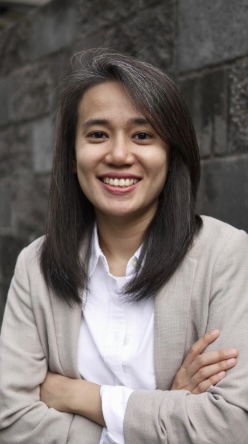
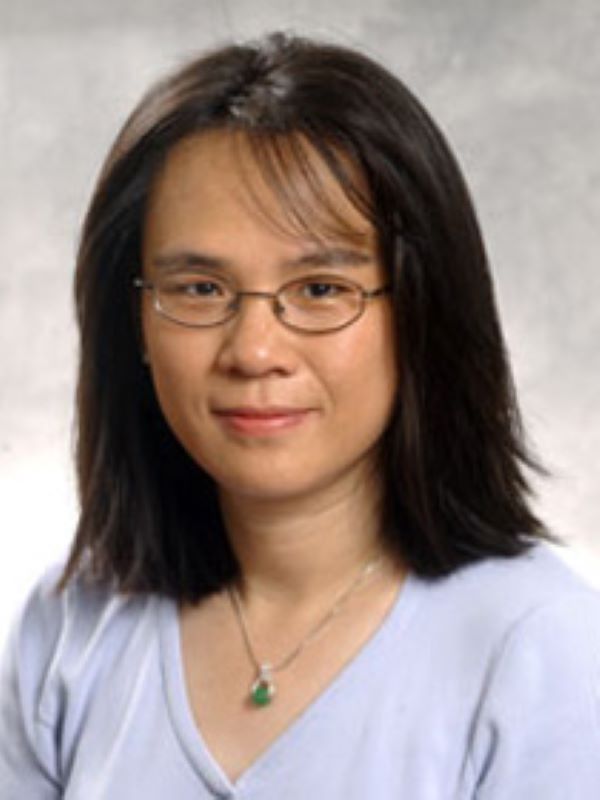
Camellia Zakaria is an Assistant Professor at the University of Toronto, holding appointments in the Biostatistics Division and Institute of Health Policy, Management, and Evaluation (IHPME) at the Dalla Lana School of Public Health (DLSPH), and the Faculty of Information (FoI). She was recently named Canada Research Chair (Tier 2) for mobile health solutions. Her research focuses on integrating mobile technologies and machine learning to develop equitable health monitoring systems. Education: University of Toronto (Present) University of Massachusetts Amherst (2020–2023) Singapore Management University (2014–2019) Research interests span mobile health, applied machine learning, and human-computer interaction, with a focus on creating inclusive health applications. Her work addresses challenges in environmental sensing, sleep monitoring, and mental health tracking through innovative sensor technologies and data analytics. Key articles (2024–2016) explore medical decision-making, aerosol emissions, and group behavior modeling. Her work has been recognized in venues like BMJ , IMWUT , and CHI . Awards : Canada Research Chair (Tier 2, 2024) Projects like StressMon and WATCHME highlight her commitment to scalable health monitoring systems. She collaborates on lab initiatives such as sensAILabs, advancing interdisciplinary health technology solutions.
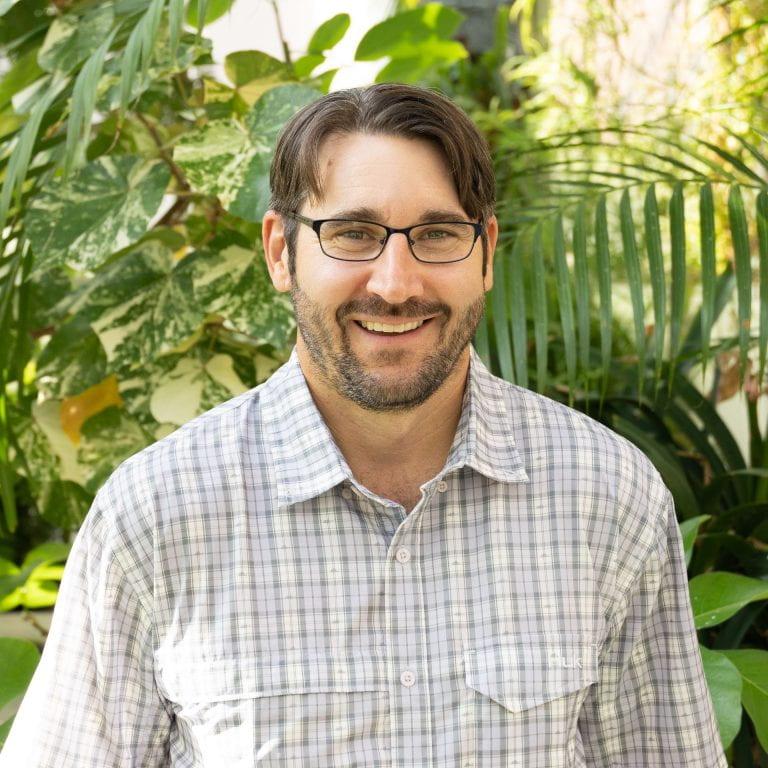
Lara A. Souza is an Associate Professor and Associate Director of the School of Biological Sciences at the University of Oklahoma. Her research focuses on global change impacts on plant communities and ecosystem processes, including climatic change, biological invasions, and resource gradients. She investigates how biodiversity mediates ecosystem properties like productivity and carbon dynamics across spatial and temporal scales, working in temperate prairies, tropical savannas, and montane meadows. Education: PhD in Ecology and Evolutionary Biology (University of Tennessee), MS in Biology (Appalachian State University). Her work integrates field experiments, remote sensing, and data modeling to address global change challenges. She holds no explicit scientific awards listed here but has an extensive publication record. Research emphasizes functional diversity and ecosystem responses to global stressors. Recent studies explore fire exclusion effects, drought impacts, and warming interactions with plant communities. She collaborates on projects involving environmental DNA for endangered species detection and satellite-based ecosystem modeling. No advising or grant details are provided in the text. Lara’s lab focuses on climate-ecosystem interactions, with ongoing projects in Oklahoma and tropical regions. Her work highlights the need for adaptive management strategies in the face of climate shifts and invasive species pressures.
Brian D. Gregory is a Professor of Biology at the University of Pennsylvania's School of Arts & Sciences. His research focuses on RNA modifications, computational biology, and plant genetics, particularly studying how RNA modifications regulate gene expression in plants and animals. He holds a Ph.D. from Harvard University (2005) and a B.S.A. from the University of Arizona (2000). Research Interests: RNA epitranscriptomics (e.g., m6A, NAD+ caps) RNA secondary structure and protein interactions Genomic approaches to study plant stress responses Development of high-throughput sequencing tools like PIP-seq Recent Work Highlights: Recent studies include analyzing pathogen-induced RNA modifications' role in plant immunity (Plant Cell 2023), global RNA structure/protein interaction mapping, and epitranscriptomic dynamics in drought tolerance. His lab's work bridges computational methods with molecular genetics to uncover post-transcriptional regulatory mechanisms. Lab & Collaborations: The Gregory Lab uses Arabidopsis thaliana as a primary model organism but also explores animal systems. They collaborate with institutions like Cornell University and have developed protocols published in Current Protocols in Molecular Biology. Teaching: BIOL 4231: Genome Sciences and Genomic Medicine BIOL 6010: Communication for Biologists
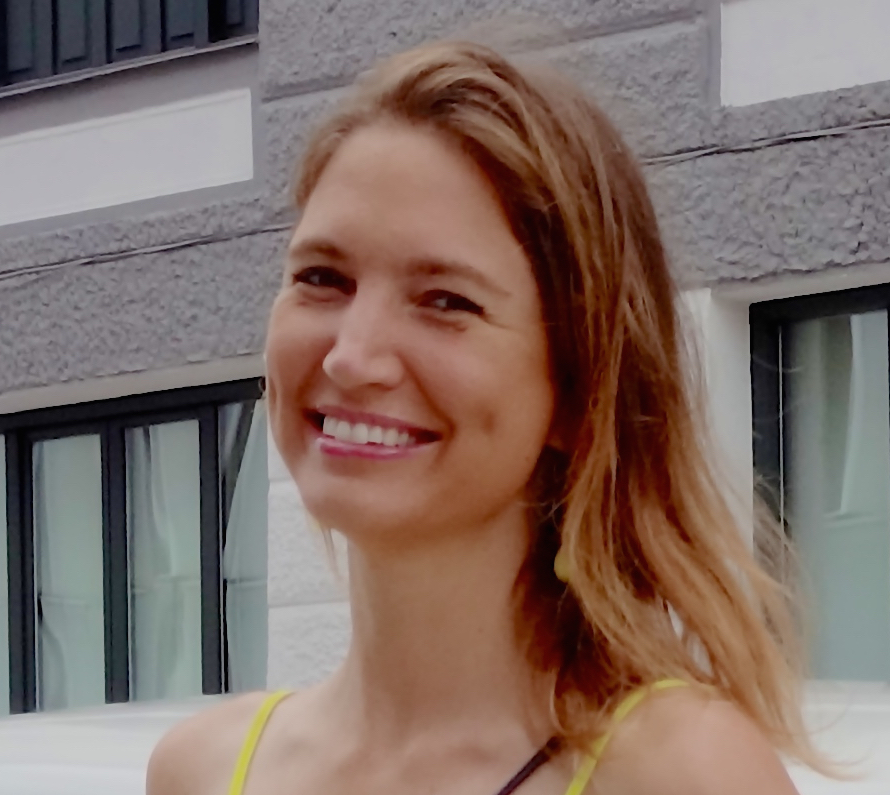
Dr. Annemieke Apergis-Schoute is a Lecturer in Psychology (Teaching and Research) at Queen Mary University of London, affiliated with the School of Biological and Behavioural Sciences and the Centre for Brain and Behaviour. Her research focuses on obsessive-compulsive disorder (OCD), cognitive flexibility, prefrontal mechanisms, and student mental health. She holds a PhD from New York University, where her early work explored threat learning in rats and humans using fMRI. Subsequent roles at the University of Cambridge and UCL expanded her expertise into clinical OCD studies, including deep brain stimulation trials. Her research investigates how prefrontal control deficits and inflexible learning contribute to OCD and related disorders, with a focus on adolescents and young adults. Collaborations include pioneering DBS studies targeting basal ganglia regions to reduce compulsive behaviors. She also explores connections between brain function, interoception, and mental health in daily decision-making contexts. Key publications analyze reversal learning deficits in OCD under serotonergic modulation, neuroimaging markers of cognitive rigidity, and developmental trajectories of compulsivity. Her work bridges basic neuroscience with translational clinical interventions, emphasizing early intervention strategies and cognitive-behavioral approaches.
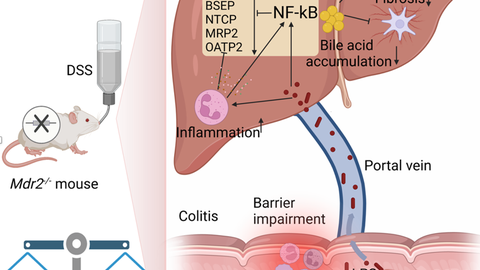
Prof. Kai Markus Schneider is a Full Professor (W3) of Molecular Gastroenterology and Hepatology at the TUD Dresden University of Technology, where he leads a research group at the Center for Regenerative Therapies Dresden (CRTD). He also serves as a Senior Physician in the Department of Medicine I at the University Hospital Dresden. His research deciphers molecular mechanisms of organ crosstalk to develop therapies for gastrointestinal and liver diseases, emphasizing neuro-immune interactions, gut-brain signaling, and microbiota dynamics. Education highlights include: Board Certification in Internal Medicine (2023) PhD (Dr. rer.nat) and MD (Dr. med) from RWTH Aachen University Clinical rotations at Harvard Medical School and MD Anderson Cancer Center His work spans: Neuro-Immunology : Stress-induced inflammation via the gut-brain axis Microbiome-Host Interactions : Dysbiosis in liver cancer and cholestasis Regenerative Therapies : Molecular circuits in GI disease recovery Recent publications (2021-2023) focus on stress-gut-liver interactions, highlighting roles of enteric nerves, microbiota imbalances, and FXR signaling in disease progression. Trends show interdisciplinary integration of neuroscience, immunology, and molecular biology. Awards include: Heinz Maier-Leibnitz Prize (2024) Theodor-Frerichs-Prize (2024) Rising Star Award (UEG, 2023) Early Career Investigator Award (AASLD, 2021) He advises PhD students (e.g., Qusay Salih) and oversees a team of postdocs, technicians, and visiting scientists. Research is funded by European and German institutions.
Liz Ryan is a Senior Lecturer in Nursing at the University of Southern Queensland's School of Nursing and Midwifery, with over 25 years of experience in nursing and 12 years in academia. Her career spans roles as a lecturer, clinical coordinator, program director, and deputy associate head (previous). She is affiliated with the Centre for Health Research and the Higher Education Research and Development Society of Australia (HERDSA). BNurs, MNurs, PhD from the University of New England Her research focuses on patient safety, intentional rounding, student experience, workforce dynamics, rural nursing, and acute care. She employs mixed methods, qualitative, and quantitative research methodologies. Recent publications analyze early career nurses' experiences, intentional rounding practices, rural career aspirations, and psychological resilience in nursing students. She teaches courses NUR1103, NUR1120, NUR8550, NUR8075, and NUR3379, emphasizing holistic nursing education and clinical competency.
Ethan A. Scott is a Research Assistant Professor in the Department of Mechanical and Aerospace Engineering at the University of Virginia. He holds a B.S. (2015) and Ph.D. (2021) in Mechanical and Aerospace Engineering from UVA, followed by a postdoctoral research associate position at Sandia National Laboratories. His research focuses on experimental techniques for analyzing heat and energy transfer in extreme material conditions, including micro- and nanoscale phenomena. He serves as Deputy Director of the EXSiTE Lab led by Professor Patrick Hopkins. Education: B.S., Mechanical Engineering, University of Virginia (2015) Ph.D., Mechanical and Aerospace Engineering, University of Virginia (2021) Postdoctoral Research Associate, Sandia National Laboratories (2021–2023) Research Interests: Ethan explores advanced thermal transport phenomena using electro- and optothermal methods. Key areas include micro/nanoscale heat transfer, microfabrication, and infrared thermal detection. His work addresses challenges in material size extremes (e.g., nanoscale thin films) and environmental extremes (e.g., high-energy ion irradiation effects). Publications: His recent work emphasizes thermal conductivity manipulation through ion irradiation, optothermal sensor development, and novel material characterization. Themes include defect engineering in crystalline systems and optimizing thin-film thermometry for high sensitivity. Awards: Editor’s Pick, Applied Physics Letters (2021) Nuclear Regulatory Commission Fellowship (2017) Labs & Teams: Deputy Director of the EXSiTE Lab, focusing on experimental studies of thermal and mechanical properties of materials under extreme conditions.
Kung-Hui Chu is a Professor in the Department of Civil Engineering at Texas A&M University, affiliated with the College of Arts and Sciences and the Water Program. Her research focuses on biotechnological solutions for environmental challenges, including the biodegradation of contaminants like PFAS, chlorinated solvents, and estrogens using microbial systems. She has pioneered studies on polyurethane biodegradation, acidophilic methanotrophs, and engineered biocatalysts for biofuel production. Her work integrates microbial ecology, genomics, and environmental engineering to address water, soil, and energy sustainability. Notable contributions include the development of magnetic activated carbon (MAC) and hydrothermal alkaline treatment (HALT) for PFAS remediation, and the use of stable isotope probing (SIP) to trace contaminant biodegradation pathways. Her articles highlight advancements in bioremediation technologies, microbial community dynamics, and sustainable waste-to-resource systems. Chu collaborates on projects such as the Texas CREWS initiative and the Aggie BLUE Print Laboratories, emphasizing interdisciplinary environmental solutions.
Jens Krause is a Professor and Head of Department at the Leibniz Institute of Freshwater Ecology and Inland Fisheries (IGB) in Berlin, leading the Research Group on Mechanisms and Functions of Group-Living. He holds a full professorship in Fish Ecology at Humboldt-Universität zu Berlin, Faculty of Life Sciences, Thaer-Institute, and since 2018 has been an Adjunct Professor at Technical University Berlin within the Excellence Cluster 'Science of Intelligence'. His research is centered on collective intelligence, social networks, decision-making, and behavioural ecology in fish and other animals. Full Professor in Fish Ecology, Humboldt-Universität zu Berlin Adjunct Professor at Technical University Berlin (since 2018) Head of Department, IGB Berlin PhD, University of Cambridge Diploma, Free University Berlin His work integrates experimental biology, network analysis, and biomimetic robotics to understand how animals make collective decisions. His expertise spans animal behaviour, evolution, and ecological physiology, with a strong focus on group-living dynamics. Recent research explores group hunting, predator evasion, social foraging, and the impact of environmental stressors on collective behaviour. The analysis of his recent publications reveals a strong trend in understanding collective behaviour in fish, including escape waves, social foraging, group hunting in marlins and sailfish, and the use of robotic agents to study social integration. His interdisciplinary approach combines marine biology, physics, robotics, and data science to uncover the mechanisms behind collective intelligence in both animal and human systems. Editorial Board, Behavioral Ecology Editorial Board, Fish and Fisheries Executive Board, Excellence Cluster 'Science of Intelligence' Advisory Board, Bimini Biological Field Station Foundation He advises numerous PhD students and postdoctoral researchers, and leads major research projects, including 'Developing exploration behaviour' funded by the Excellence Cluster. His work has been supported by extensive collaborations across Europe and North America, and he frequently publishes in top-tier journals such as Nature , Science Advances , Proceedings of the Royal Society , and Current Biology . His lab employs cutting-edge methods including automated tracking, social network analysis, and interactive robotics to study animal groups. His research group, 'Mechanisms and Functions of Group-Living', is embedded within the Excellence Cluster 'Science of Intelligence', where they investigate collective cognition, social information use, and the role of individual differences in group performance. The team combines field studies with laboratory experiments and computational modelling to understand the evolution and function of collective behaviour across species.
Eduardo Alonso Pérez de Agreda is a faculty member at the Universitat Politècnica de Catalunya in the Departament d'Enginyeria del Terreny, Cartogràfica i Geofísica . He leads research in geotechnical engineering and rock mechanics, particularly focusing on landslides, tunneling in expansive rocks, and multiphase soil interactions. Research Highlights Analyzing soil saturation dynamics using digital imaging Modeling tunnel lining in anhydritic claystones Studying mineral precipitation impacts on infrastructure Recent Article Trends Over 15 articles (2021–2025) on landslides, tunneling, soil liquefaction, and multiphase interactions Keywords span geotechnical engineering, computational methods, rock mechanics, and material science Subfields include stress-dilatancy, material heterogeneity, swelling rocks, and landslide triggering mechanisms Awards Baker Medal (2017) Telford Gold Medal (2019) Advising Advised PhD students: G. Di Carluccio (2020), C. Alvarado (2017), M. Alvarado (2021) Co-advised: L. Tapias, Y. Salami, R. Fuentes Labs & Collaborations Active in the MSR - Mecànica del Sòls i de les Roques and GGMM - Grup de Geotècnia i Mecànica de Materials research groups Collaborated with institutions in Spain, Italy, and China
Dr. Sumsun Naher is a Senior Lecturer in the Department of Engineering at City, University of London , where she has worked since 2013. Previously, she served as Lecturer and Research Development Officer at Dublin City University (2006–2013) and as Scientific Officer at Bangladesh Council of Scientific & Industrial Research (1998–2000). Her academic career includes a Post Graduate Diploma in Academic Practice from City, University of London. PhD , School of Mechanical & Manufacturing Engineering, Dublin City University MSc , Materials & Metallurgical Engineering, Bangladesh University of Engineering and Technology BSc , Materials & Metallurgical Engineering, Bangladesh University of Engineering and Technology Her research focuses on semi-solid processing , laser processing , simulation & modelling of materials technologies , and materials characterisation . Recent work explores cellulose nanofiber-based water filters for antibiotic removal and phase change materials in geothermal energy systems. Key article trends reveal expertise in: Laser Surface Modification of metals and composites Advanced Casting Methodologies and semi-solid metal forming Nanoparticle Reinforcement in metal matrix composites Thermal Modelling for energy systems Sustainable Material Solutions in water treatment and energy Computational Materials Science via finite element analysis Naher has received the DCU Invent Commercialisation Award (2011) and holds fellowships from IMechE , Institute of Materials, Minerals & Mining , and Advance Higher Education Authority . She actively reviews for funding bodies and examines PhD theses internationally. As an organiser of the ESAFORM Conference and co-organiser of its Additive Manufacturing symposium since 2017, she contributes to academic leadership. Her professional roles include Board of Directors for the European Association of Materials Forming and participation in EU COST Action projects (Thixoforming, Thixosteel, Nanostructured Materials).
Brian Ingalls is a Professor in the Department of Applied Mathematics and cross-appointed to Biology at the University of Waterloo. His research applies mathematical and control-theoretic approaches to biological systems, including genetic regulatory networks, microbial communities, and cellular metabolism. Institutional Affiliation: Faculty of Mathematics, University of Waterloo Contact: bingalls@uwaterloo.ca His work focuses on systems biology and synthetic biology , particularly sensitivity analysis of biochemical networks, optimal experimental design, and mathematical modeling of cellular processes. Research funding comes from NSERC and CIHR . Notable contributions include the textbook Mathematical Modeling in Systems Biology (MIT Press, 2013) and the Ingalls Quantitative Cell Biology Lab , which investigates intracellular and intercellular network dynamics through computational and experimental methods. Key Collaborations: iGEM Waterloo, Chemical Engineering, and international synthetic biology networks Advising: Mentored 15+ graduate students and postdocs across applied math, biology, and engineering fields
Professor John W. O'Neill is a Professor of Hospitality Management at Pennsylvania State University's School of Hospitality Management. He serves as Director of the Hospitality Real Estate Strategy Group, focusing on real estate, asset management, and strategic management in the hotel industry. His research bridges financial analysis with operational strategies in hospitality. Education : B.S. in Hotel Administration from Cornell University M.S. in Real Estate from New York University Ph.D. in Business Administration from University of Rhode Island O'Neill's research explores hotel financial performance, debt servicing, brand affiliation, work-family dynamics, and market disruption from platforms like Airbnb. His work combines empirical analysis with strategic frameworks to address industry challenges. Leadership and Research Groups : Director, Hospitality Real Estate Strategy Group Active researcher in hotel valuation and operational risk
Aaron Pincus is a Professor of Psychology at Penn State University's Department of Psychology within the College of the Liberal Arts. He is a Licensed Psychologist with extensive research expertise in personality psychology, clinical psychology, and interpersonal processes. Dr. Pincus directs the Personality Psychology Laboratory with a focus on adult clinical psychology. His primary research interests include Contemporary Integrative Interpersonal Theory (CIIT), pathological narcissism, and the DSM-5 Alternative Model of Personality Disorders. His work integrates clinical and personality psychology through the "interpersonal situation" framework, examining how individual differences in personality impact social functioning across multiple timescales. Dr. Pincus has developed several assessment tools including the Pathological Narcissism Inventory (PNI), the Inventory of Interpersonal Problems Circumplex Scales (IIP-C), and the Interpersonal Stressors Circumplex (ISC). His recent publications demonstrate expertise in circumplex measurement methods, interpersonal pathoplasticity, and the integration of personality structure and dynamics. Contemporary Integrative Interpersonal Theory (CIIT) Circumplex Measures and Methods Interpersonal Pathoplasticity Integration of Personality Structure and Dynamics Pathological Narcissism (grandiosity and vulnerability) DSM-5 Alternative Model of Personality Disorders His laboratory employs intensive repeated measures of social perception and behavior using daily diary assessments via smartphone technology to examine intraindividual variability across interactions, days, weeks, and years. This research connects social perception, behavior, emotions, and symptoms to stress, health, psychopathology, and adjustment.
Prof. Dr. Ralf Merz serves as Head of the Department of Catchment Hydrology at the Helmholtz Centre for Environmental Research (UFZ) and holds a Full Professorship in Catchment Hydrology at Martin-Luther University Halle-Wittenberg since 2011. His career bridges hydrological modeling, flood risk assessment, and water quality analysis across diverse climates from Central Asia to Europe. MSc in Civil Engineering (Technical University of Karlsruhe, 1997) PhD in Hydrology (Vienna University of Technology, 2002) Habilitation in Hydrology (Vienna University of Technology, 2009) Research Interests span comparative hydrology, flood generation mechanisms, climate change impacts on water resources, and nitrate dynamics in river systems. His work emphasizes process-based understanding of runoff events and regional flood modeling through innovative approaches like the PHEV distribution framework. Scientific Contributions include over 100 publications (2003-2025) on: Flood frequency analysis in changing climates Groundwater recharge in arid regions Hydrochemical response to droughts Remote sensing applications for groundwater studies Multi-response calibration of hydrological models Key projects involve MOSES observatory development, TRACER research school, and Pamir Mountains glaciological studies. Recognitions : APART research grant (Austrian Academy of Sciences, 2006) Leadership extends to directing the Catchment Hydrology department and participating in European hydrological networks like the Bode Hydrological Observatory and TERENO infrastructure. His methodological advancements include flood time-scale analysis and event runoff coefficient regionalization.