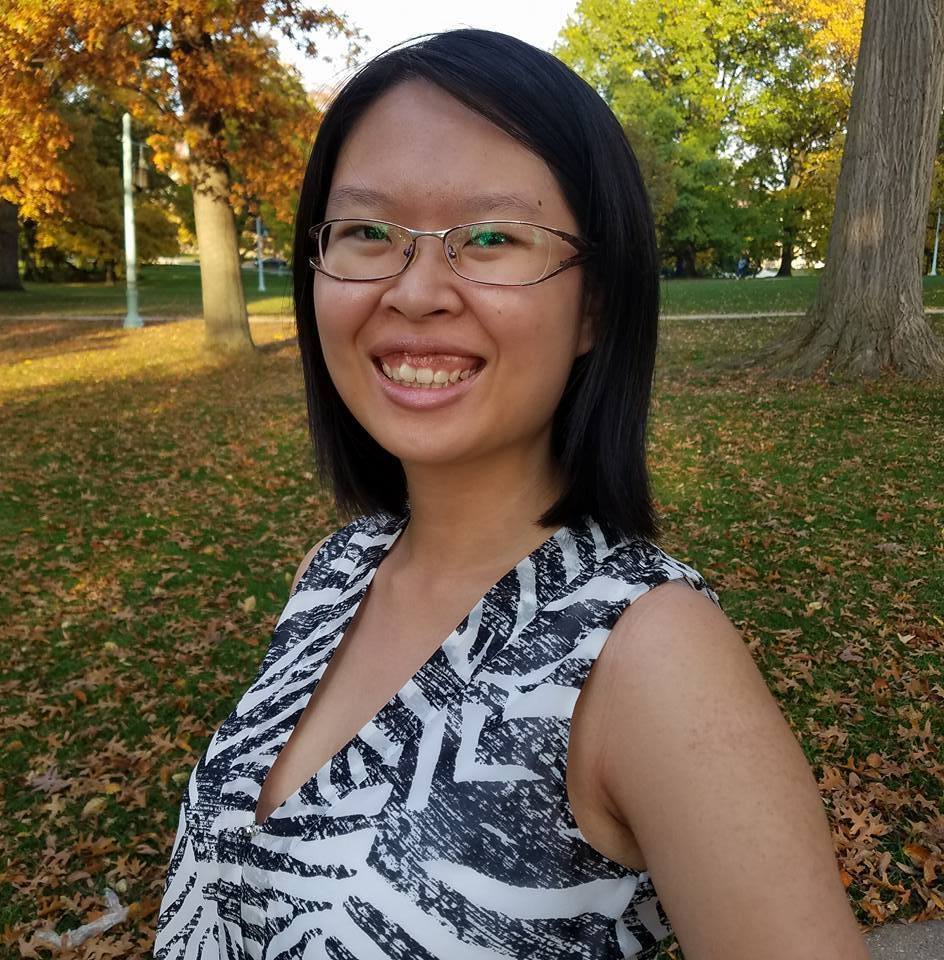
Dr. Yi Ting Chua is a Research Fellow at the University of Cambridge's Department of Computer Science and Technology, affiliated with the Cambridge Cybercrime Centre. She holds a PhD in Criminal Justice from Michigan State University (2019), with prior collaborative work under Dr. T. Holt and Dr. O. Smirnova. Current research bridges computer science, criminology, and gender studies in cybercrime contexts Key methodological approach: Social network analysis of online communities Her article trends ( 2013-2020 ) show interdisciplinary focus on: Cybercrime market economics (price analysis, revenue estimation) Radicalization dynamics in far-right forums Gender roles in online criminal subcultures Framework development for unintended cybersecurity consequences Notable scientific contributions include: 2020 Best Paper (STAST) for cybersecurity framework research 2019 Best Paper (APWG eCrime) for unintended harms analysis Active in stakeholder engagement projects related to: Intimate partner abuse victim support Far-right forum monitoring Cybercrime dataset standardization
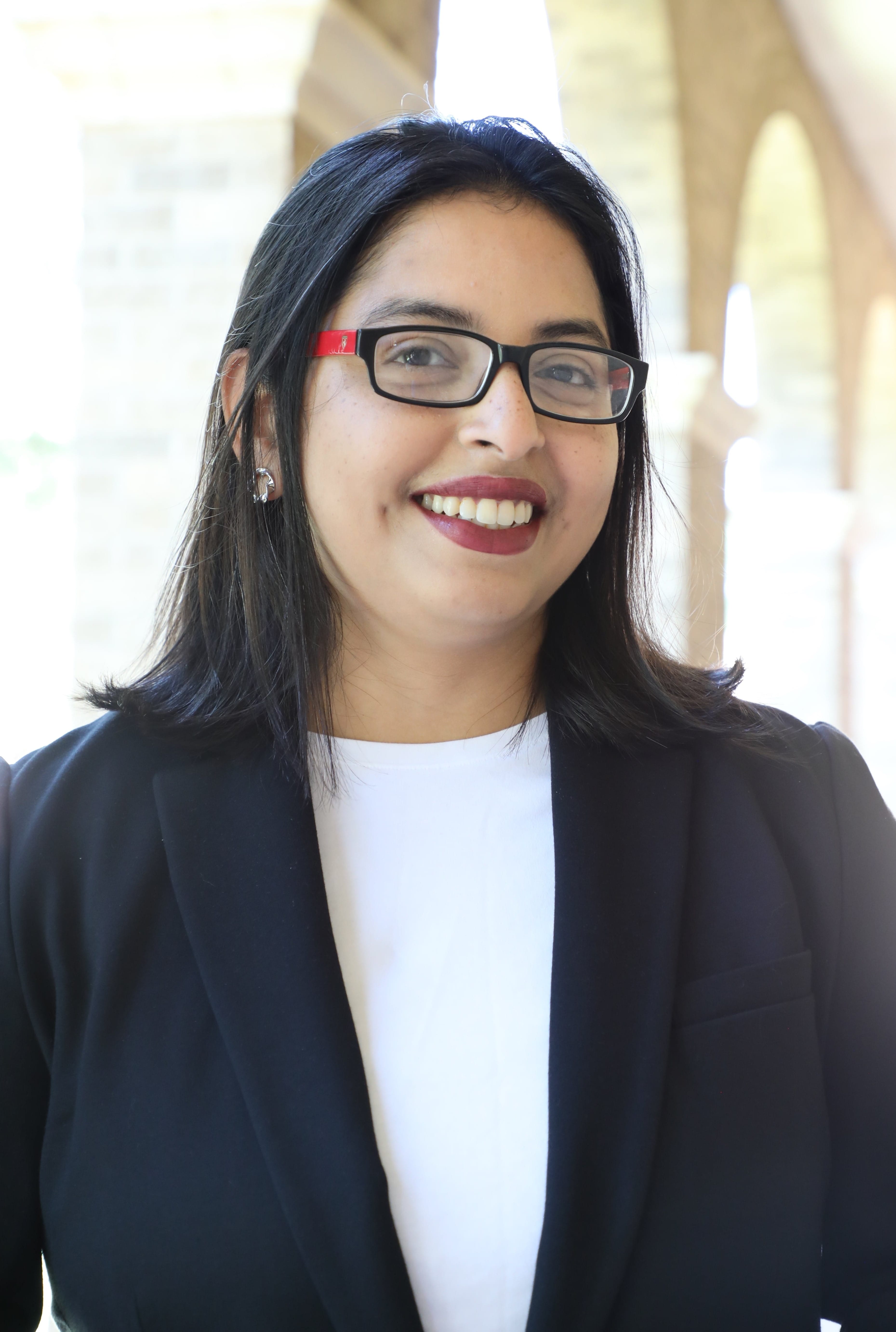
Dr. Tanushree Roy serves as an Assistant Professor in the Department of Mechanical Engineering at Texas Tech University's Whitacre College of Engineering and is an Affiliate Faculty member at the National Wind Institute. Her research pioneers resilient human-centric smart city infrastructures through the integration of control theory, mathematical modeling, and machine learning to address critical challenges in safety, security, and resource optimization for urban systems. Her academic foundation includes: Ph.D. in Mechanical Engineering from The Pennsylvania State University (2022) M.S. in Mathematics from University of Central Florida (2015) M.E. in Electrical Engineering from Indian Institutes of Engineering Science and Technology, India (2011) B.Tech in Applied Electronics and Instrumentation from Maulana Abul Kalam Azad University of Technology, India (2009) Dr. Roy's research centers on cybersecurity , fault diagnostics , and socio-technical systems with specialized applications in smart transportation networks and battery energy storage systems. She develops innovative frameworks that merge human-centric sensing with technical measurements to combat cyberattacks and physical faults in cyber-physical-social systems, emphasizing safety-critical resilience for urban citizens. Her methodology uniquely combines model-based control with data-driven machine learning to address challenges like social data integrity, human behavior modeling, and multi-scale anomaly characterization. Analysis of her 15 most recent publications (2021-2025) reveals dominant trends in cyberattack detection for connected vehicles, thermal fault tolerance in battery systems, and socio-technical traffic modeling. Key technical approaches include Koopman operator theory for secure estimation, control barrier functions for safety certification, and redundancy-based data fusion techniques. These works consistently bridge theoretical control systems with practical smart city implementation, demonstrating strong interdisciplinary connections between transportation engineering, energy systems, and cybersecurity. No scientific awards are documented in the provided information. Dr. Roy actively mentors three PhD students—Sanchita Ghosh (since 2022), Faysal Ahamed, and Soumyoraj Mallick (both since 2024)—alongside undergraduate researcher Mercedes Hernandez. Her research is executed through the Smart Human-centric Automation Resilience (SHARE) Lab, which has secured projects including the secure autonomous mobility testbed and participates in workforce development via Texas Tech's Engineering Research Internship Experience (ERIE) program for high school students. The SHARE Lab operates at the intersection of transportation and energy systems, maintaining two primary research thrusts: resilient human-centric transportation networks and safeguarding battery energy storage infrastructure. Current projects include SUMO-based cyberattack validation for connected vehicle platoons, self-learning voltage estimation under sensor attacks, and thermal fault-tolerant battery management. The lab maintains active collaborations with national conferences (ACC, CCTA) and industry partners to advance real-world implementation of resilient smart city technologies.
Dr. Alraune Zech is an Assistant Professor at the Department of Earth Science, Utrecht University , and a Guest Scientist at the Department of Computational Hydrosystems, Helmholtz Centre for Environmental Research - UFZ . Her work focuses on Hydrogeology and Groundwater Modeling , particularly in quantifying Aquifer Heterogeneity and Transport Theory . Education: Diploma in Mathematics, University of Leipzig (2009) PhD in Environmental System Science, Friedrich-Schiller-University Jena (2013) Research Interests: Alraune investigates transport experiments , field-scale dispersion , and statistical aquifer parameter estimation from pumping tests. Her projects include groundwater simulations in the Thuringian Basin and revisiting transport theories with modern tools. Publications highlight her contributions to macrodispersivity estimation , geostatistical toolboxes , and heterogeneous aquifer modeling . Recent works in Groundwater and Advances in Water Resources emphasize practical applications and theoretical advancements. Collaborations include projects with the UFZ, Utrecht University, and international institutions. She has contributed to interdisciplinary efforts in groundwater-surface water coupling and contaminant transport analysis .
Erica Rutter is a faculty member in the Department of Applied Mathematics at the University of California, Merced, where she joined in July 2019. Prior to this position, she was a postdoctoral scholar at North Carolina State University. Dr. Rutter received her B.Sc. from the University of Michigan in 2009 in Applied Mathematics and Japanese. After her undergraduate studies, she worked for several years as a Research Technician at the Center for Radiative Shock Hydrodynamics in the Atmospheric Oceanic and Space Sciences Department at the University of Michigan. She then pursued her doctoral studies, obtaining a PhD in Applied Mathematics from Arizona State University in 2016. Her research interests span mathematical biology with a focus on disease modeling, physiological modeling, and ecotoxicology. She employs techniques from various mathematical disciplines, including machine learning, to address complex biological problems. Her work often involves developing mathematical models to understand biological processes and applying computational methods to analyze biological data. Dr. Rutter's publication record demonstrates an interdisciplinary approach across mathematical oncology, ecotoxicology, and biomedical image analysis. Her research shows a progression toward increasingly sophisticated methods for modeling biological systems, with emphasis on tumor heterogeneity, glioblastoma growth, and equation learning from limited biological data. She maintains an active research program at UC Merced, contributing to the academic community through her teaching and research mentorship in the Department of Applied Mathematics.
Leila Ahmadpour is a Postdoctoral Fellow at Luiss University and the University of Bologna, holding a PhD in Management from the University of Bologna. She serves as an Adjunct Professor in master's programs at Luiss University's Department of Business and Management, teaching courses on healthcare innovation and circular economy. Education: Postdoctoral Fellow (2023-present) at University of Bologna and Luiss University, Rome Visiting Scholar (2022-2023) at San Jose State University, California, USA PhD in Management (2017-2022) from University of Bologna, Italy M.Sc in Industrial Engineering, Supply Chain Management (2011-2013) from Islamic Azad University, Qazvin, Iran Her research spans two critical domains: surgical team dynamics with focus on technology integration (particularly 3D printing in orthopaedic workflows), and circular business model implementation in startups. She examines knowledge sharing, boundary blurring, and performance in temporary medical teams while investigating sustainable investor support for circular economy practices in entrepreneurial ventures. Her work bridges organizational theory with practical healthcare and sustainability challenges. Publication analysis reveals a methodological shift from early supply chain risk modeling (2015-2017) toward contemporary studies on surgical teams and circular business models (2022-2025). Recent work demonstrates strong emphasis on 3D printing technology adoption in healthcare settings and circular economy applications, utilizing case studies across surgical environments, construction industries, and Iranian manufacturing sectors. Dr. Ahmadpour has no documented scientific awards. Her academic contributions include teaching master's level courses and participating in research projects at Luiss University and the University of Bologna, though specific grant funding or student advising roles remain unreported. Her operational base is Luiss University's Department of Business and Management, where she applies interdisciplinary approaches to organizational innovation.
Peyman Mashhadi is a Senior Lecturer at the School of Information Technology , Halmstad University. His research focuses on machine learning applications in predictive maintenance, automotive systems, and computational optimization. Position: Senior Lecturer University: Halmstad University Email: peyman.mashhadi@hh.se His work spans machine learning , deep learning , and predictive maintenance , with a particular emphasis on feature selection , optimization algorithms , and automotive diagnostics . He has contributed to multitask learning, domain adaptation, and industrial applications of neural networks. Recent publications highlight trends in automotive engineering (battery health estimation, turbocharger diagnostics), computational methods (genetic algorithms, metaheuristics), and machine learning (stochastic optimization, transfer learning). Key themes include robustness in predictive models and cross-domain adaptability. Contact details: peyman.mashhadi@hh.se
Katherine Saul is a Professor in the Department of Mechanical and Aerospace Engineering at North Carolina State University's College of Engineering, where she also serves as Director of Graduate Programs. Her research focuses on dynamics and neural control of the musculoskeletal system, upper limb biomechanics, orthopaedic rehabilitation, computational simulation of movement, and musculoskeletal imaging. Dr. Saul directs the Movement Biomechanics Lab (MoBL), which investigates musculoskeletal structure-function relationships in the upper limb through integrated approaches combining MR imaging, strength assessments, functional testing, and computational simulations. The lab characterizes neuromuscular control mechanisms in both healthy populations and those with impairments such as brachial plexus injuries and cerebral palsy. Her recent publications (2023-2025) reveal consistent focus on upper limb biomechanics across diverse conditions including birth brachial plexus injuries, transtibial amputation, and hemiplegic cerebral palsy. Key methodological themes include computational modeling of musculoskeletal systems, analysis of motor unit properties, and development of rehabilitation frameworks that bridge engineering principles with clinical applications. Scientific awards were not explicitly mentioned in the source material. As Director of Graduate Programs, Dr. Saul oversees MAE's graduate curriculum and mentorship while leading externally funded research. Her active grants portfolio includes projects on brachial plexus birth injury mechanisms, neural interfaces for rehabilitation, military injury evaluation frameworks, rotator cuff repair analysis, MRI segmentation for clinical applications, and exoskeleton control for post-stroke rehabilitation. The Movement Biomechanics Lab (MoBL) serves as the primary research vehicle, employing interdisciplinary teams to translate engineering principles into clinical orthopaedic solutions through advanced imaging and simulation techniques focused on upper limb function.
Philip E. Paré is the Rita Lane and Norma Fries Assistant Professor of Electrical and Computer Engineering at Purdue University's College of Engineering. His research focuses on networked epidemic modeling, control theory, and data-driven systems analysis, with applications to public health and product demand dynamics. Research Areas: Networked Epidemic Modeling, Control Theory, Machine Learning, Privacy in Cyber-Physical Systems Recent work explores multi-virus spread, differential privacy in epidemic models, and optimal curing strategies. A 2023 NSF CAREER Award recipient, he develops frameworks for counterfactual analysis and feedback control in societal-scale challenges. Scientific Awards: NSF CAREER Award (2023)
Simon Power is a Visiting Assistant Professor at The Ohio State University. His research focuses on ecological resilience, vegetation dynamics, and remote sensing applications in non-forest ecosystems. He has contributed to studies on fire impacts, biomass modeling, and alternative stable states in diverse biomes. Recent publications highlight his work in: Restoration of sagebrush-steppe ecosystems Peatland vegetation resilience to wildfires Drone photogrammetry for biomass prediction Fire adaptation strategies in phosphorus-poor environments His email is power.778@osu.edu , and he is based at Kottman Hall, Columbus, OH.
Karin Dorman is a Professor in the Roy J. Carver Department of Biochemistry, Biophysics and Molecular Biology at Iowa State University, where she conducts interdisciplinary research at the intersection of computational methods and biological systems. Her work bridges bioinformatics algorithm development with investigations into immune signaling pathways and stem cell biology. Her educational background includes: PhD in 2001 from the University of California, Los Angeles B.S. in 1994 from Indiana University, Bloomington Dr. Dorman's research focuses on bioinformatics, computational biology, and molecular genetics, with significant contributions to genomic analysis methods and immunological mechanisms. She develops computational tools like MULTICLUST for population genetics and CAPG for polyploid genotyping, while investigating NOD1-dependent NF-kB signaling in hematopoietic stem cell specification. Her work on antimicrobial resistance prediction models bridges veterinary and human health through One Health frameworks. Analysis of her 2022-2025 publications reveals dual methodological and biological emphases: (1) innovative bioinformatics tools for genotyping, epigenomics, and microbiome analysis; (2) mechanistic insights into inflammatory signaling dynamics in stem cell development. This integration of computational and experimental approaches characterizes her interdisciplinary research program. No scientific awards are documented in the provided information. While specific advisees aren't listed in available materials, Dr. Dorman contributes to graduate education through Iowa State's Bioinformatics and Computational Biology Program. Her collaborative work with researchers like Ambuj Kumar and Robert Jernigan demonstrates active engagement in interdisciplinary teams focused on protein interactions and genomic analysis.
Tevfik Aktekin is a Professor in the Department of Decision Sciences at the Paul College of Business and Economics, University of New Hampshire. His research focuses on Bayesian inference and stochastic modeling in service systems and business analytics. Education : Ph.D. in Decision Sciences (George Washington University), M.B.A. in Management Decision Making (George Washington University), B.S. in Mechanical Engineering (Yildiz Technical University). His work applies Bayesian state-space models to multivariate count data, with applications in call center staffing, product modification cycles, and public health analysis. He has published in journals like Annals of Applied Statistics , Bayesian Analysis , and European Journal of Operational Research . The 15 most recent articles highlight trends in sequential Bayesian learning for dynamic systems (e.g., bike-sharing, web traffic), time series of non-Gaussian data, and stochastic optimization under uncertainty. These works bridge statistical theory with practical applications in business and health.
Dr Thamo Sutharssan is a Senior Lecturer at the University of East London within the Department of Engineering & Construction, School of Architecture Computing and Engineering. A Chartered Engineer and Chartered Manager, he leads both the BEng Aeronautical Engineering and BSc Railway Engineering programs, leveraging extensive prior experience at the University of Portsmouth, Havering College, Derby College, and Rolls-Royce Aerospace Academy. His academic qualifications include a BSc in Electrical & Electronic Engineering, an MSc in Aeronautical Engineering, and a PhD in Computing and Mathematics. Dr Sutharssan's research spans Aeronautics, Embedded systems, System integration, Machine learning, and Prognostics and Health Management (PHM). His work addresses critical reliability challenges in engineering systems, with significant contributions to fuel cell monitoring (2017 review cited 261 times) and data-driven PHM approaches (2015 review cited 145 times). Recent publications demonstrate expansion into AI-driven medical imaging and autonomous robotics. His publication trajectory reveals consistent expertise in prognostics evolving toward cutting-edge AI applications, with highly influential reviews establishing foundational methodologies now widely adopted in energy systems and electronics reliability engineering. Scientific recognition includes: Fellow of the Higher Education Academy Research leadership encompasses a £177,500 Knowledge Transfer Partnership project on fuel cell Balance of Plant systems, alongside academic service as Review Manager for the Prognostics and Health Management Society conferences since 2014. His industry collaborations include Scottish and Southern Energy and Sustainable Energy Technologies. Current academic partnerships involve Heriot-Watt University and New Mansoura University (Egypt), focusing on energy systems integration and engineering education development.
Tomas Norton is a Senior Lecturer at the Faculty of Bioscience Engineering, Department of Biosystems at KU Leuven. He is actively affiliated with multiple research units including the Division of Bio-Environmental Control, the KU Leuven Brain Institute (LBI), and the KU Leuven Institute for Integration of Micro- and Nano-scale Technologies (LIMNI). His work is centered at the Animal and Human (A2H) research unit located at Castle Park Arenberg. Dr. Norton's research focuses on precision livestock farming with particular expertise in computer vision, machine learning, and sensor technologies applied to animal monitoring. His current projects span sustainable agriculture, animal vocalization analysis, and bio-response monitoring systems across multiple species including poultry, pigs, and buffalo. He serves as promotor on numerous research initiatives funded through 2028-2029 that address critical challenges in sustainable food production while improving animal welfare. His recent publications demonstrate a strong trend toward AI-driven solutions for animal monitoring, with particular emphasis on behavior recognition, health assessment through sound analysis, and robotic management systems. These works appear primarily in agricultural technology journals with a focus on practical implementation of advanced computational methods in farming contexts. As an academic leader, Dr. Norton serves on the Faculty Council of Bioscience Engineering, the Doctoral Committee for Bioscience Engineering, and the Departmental Council for Biosystems. He teaches courses including Modelling of Biosystems, Bioresponse Measurements and Process Control, and Sustainable Precision Livestock Farming, integrating his research expertise directly into his educational practice. His laboratory work within the A2H unit represents a multidisciplinary approach that bridges engineering, computer science, and animal science to develop practical technological solutions for modern agricultural challenges, with particular emphasis on sustainability and welfare improvements in livestock production systems.
Jasmine Foo serves as Associate Head and Distinguished McKnight University Professor at the University of Minnesota-Twin Cities' School of Mathematics, holding the Northrop Professorship and co-directing the Therapy Modeling and Design Center. Her leadership spans academic administration and interdisciplinary research initiatives in mathematical oncology. Foo's research pioneers stochastic evolutionary modeling of cancer dynamics, integrating mathematical theory with clinical data to understand tumor initiation, progression, and treatment resistance. Her group focuses on five interconnected themes: plasticity and epigenetics in tumor evolution; drug resistance optimization; data-driven precision oncology; spatial carcinogenesis; and tumor-microenvironment interactions using organoid models. This work bridges probability theory, systems biology, and clinical oncology to develop novel therapeutic strategies. Analysis of her 15 most recent publications reveals a consistent emphasis on quantitative approaches to cancer evolution, with growing integration of machine learning and high-resolution experimental data. Key trends include modeling phenotypic plasticity in resistance development, optimizing dosing schedules using evolutionary principles, and translating spatial tumor dynamics into clinical applications. Scientific recognition includes: Honorable Mention, Feldman Prize for theoretical contributions to tumor evolution modeling Foo actively mentors graduate students and postdoctoral researchers through the School of Mathematics, with research supported by multiple grants (though specific funding sources aren't detailed). Her group maintains strong collaborations with experimental oncology labs and clinical researchers, facilitating data-driven model validation. She co-leads the Therapy Modeling and Design Center and organizes the UMN MathBio Group Meetings, fostering cross-disciplinary collaboration between mathematicians, biologists, and clinicians in cancer research.
Dario Ringach is a Professor in the Department of Neurobiology at the University of California, Los Angeles (UCLA) School of Medicine . His research focuses on neural coding , visual cortex organization , and population dynamics in sensory processing . Key projects include studies on energy-efficient coding , Bayesian network estimation , and cortical adaptation mechanisms . NIH R01NS116471 (2020-2023): Population codes and sensory discrimination NIH R01EB022915 (2016-2021): Bayesian connectivity estimation NIH R01EY018322 (2007-2019): Theoretical visual cortex studies NIH R01EY012816 (2000-2011): Quantitative cortical processing His work spans Neuroscience , Computational Biology , and Neurophysiology , with recent emphasis on adaptation geometry , population coding , and neural normalization . Publications analyze mouse models and primate visual systems , covering topics like receptive field development , thalamocortical connectivity , and inhibitory circuits . Contributions include theoretical frameworks for energy efficiency and power laws in cortical processing. Key collaborations include researchers such as Joshua Trachtenberg (UCLA), Mario Dipoppa (UCLA), and Mark Frye (UCLA). He advocates for responsible animal research in neuroscience and has contributed to debates on scientific ethics and methodological transparency .