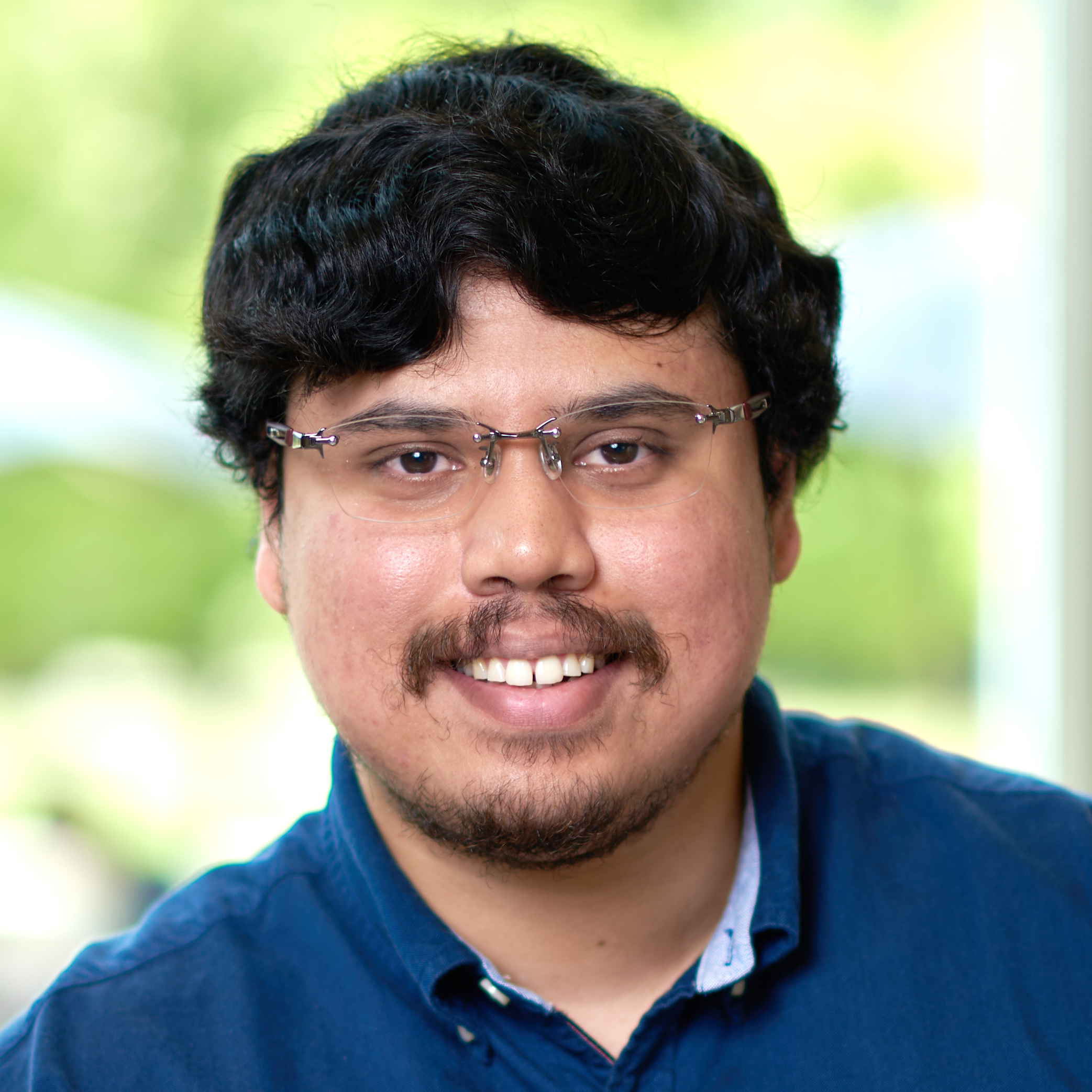
Rainer Bauböck is a political theorist and part-time Professor in the Global Governance Program of the Robert Schuman Center for Advanced Studies at the European University Institute. He serves as a corresponding member of the Austrian Academy of Sciences and Chairman of the Commission for Migration and Integration Studies. Bauböck previously held the chair in social and political theory at the Department of Political and Social Sciences of EUI from 2007 to 2018 and served as Dean of Graduate Studies at EUI from 2012 to 2016. His research spans several interconnected fields: Normative political theory Democratic citizenship European integration Migration and integration policies Nationalism and minority rights Diversity and democracy Bauböck has made significant theoretical contributions to understanding the relationship between diversity and democracy, arguing that diversity is not a threat to democratic systems but rather a fundamental condition that necessitates democratic processes. He challenges the notion that homogeneity is required for successful democracy, instead positing that democratic procedures emerge precisely because people have different interests, identities, and ideas that need reconciliation through legitimate collective decision-making. His recent scholarly work focuses on citizenship laws, migration policies, and democratic inclusion frameworks. Bauböck co-directs GLOBALCIT, an online observatory on citizenship and voting rights, with colleagues from various European institutions. Bauböck's scholarly contributions have been recognized with prestigious awards: Latsis Prize of the European Science Foundation (2006) for work on immigration and social cohesion Corresponding member of the Austrian Academy of Sciences (2013) Throughout his career, Bauböck has held visiting positions at Yale University, Princeton University, Central European University, and University of Edinburgh. He has been instrumental in advancing citizenship and migration studies through both theoretical contributions and practical policy analysis, particularly through his advocacy against essentializing group identities in diversity research.