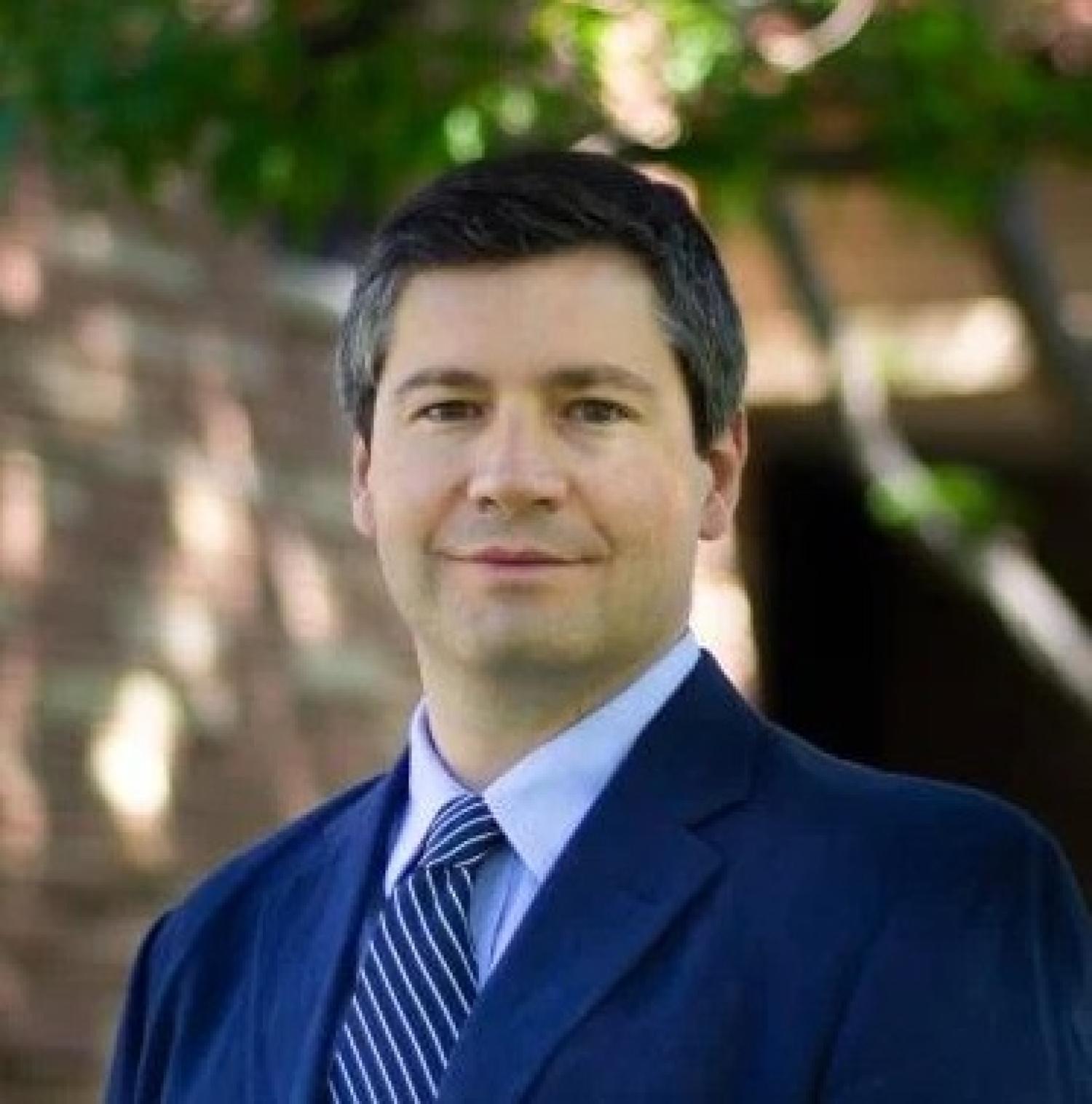
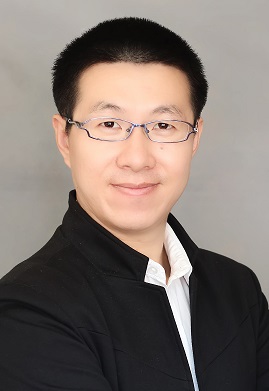
Robert MacCurdy is an Assistant Professor at the Department of Mechanical Engineering, University of Colorado Boulder . He leads the Matter Assembly Computation Lab (MACLab) focused on automating robot design and fabrication. His research bridges computational design and advanced manufacturing to create "robots that walk out of the printer." The lab develops tools like OpenVCAD , an open-source volumetric multi-material geometry compiler.
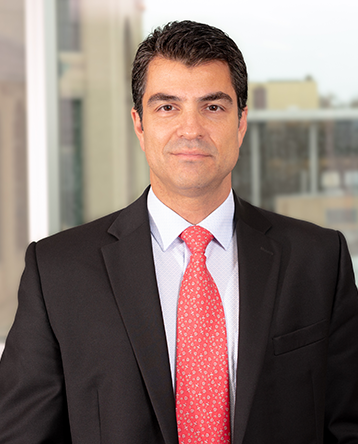
Burak Ozdoganlar is a Ver Planck Endowed Chair Professor of Mechanical Engineering at Carnegie Mellon University (CMU) and Associate Director of the Engineering Research Accelerator. He holds courtesy faculty positions in Biomedical Engineering and Materials Science and Engineering. Ozdoganlar earned his Ph.D. in Mechanical Engineering from the University of Michigan (1999), M.S. degrees from Ohio State University (1993, 1995), and a B.S. in Aeronautical Engineering from Istanbul Technical University (1991). Ph.D., Mechanical Engineering, University of Michigan (1999) MS, Mechanical Engineering, Ohio State University (1995) MS, Aeronautical and Astronautical Engineering, Ohio State University (1993) BS, Aeronautical Engineering, Istanbul Technical University (1991) Ozdoganlar’s research focuses on multi-scale manufacturing processes (macro/micro/nano), precision engineering , structural dynamics , and modal testing , with applications in biomedical device fabrication , microneedle arrays , soft electronics , and 3D ice printing for vascular networks. His work bridges computational modeling with experimental validation. Recent scientific awards include the 2023 AIMBE College of Fellows induction, ASME Fellow (2019), and NSF CAREER Award (2006). He served as interim CTO of the Advanced Robotics for Manufacturing (ARM) Institute and chaired the ASME-MED Manufacturing Equipment Technical Committee. Ozdoganlar leads projects in scalable manufacturing for implantable medical devices , bioelectric medicine , and wearable robotics . His lab develops 3D ice-printed vascular templates for tissue engineering and liquid metal circuits for soft electronics, funded by institutions like the Manufacturing Futures Institute and ARPA-H.
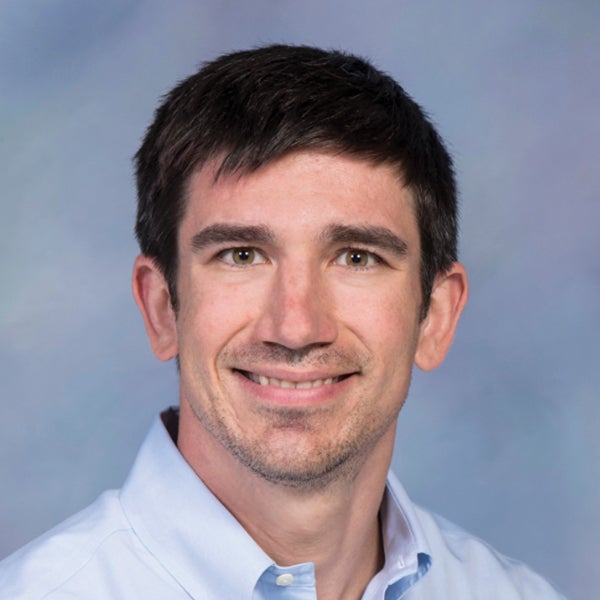
Justin A. Weibel is a Professor of Mechanical Engineering at Purdue University, affiliated with the School of Mechanical Engineering. He directs the Cooling Technologies Research Center (CTRC), a National Science Foundation Industry/University Cooperative Research Center. His research focuses on advanced electronics cooling, phase-change transport, additive manufacturing for thermal components, and machine-learning-driven design optimization. He has led projects funded by DARPA, ONR, ARPA-E, and industry partners, advancing cooling solutions for high-power electronics and energy systems. Research interests span thermal management, heat transfer, micro/nano-scale engineering, and sustainable energy. Key contributions include topology optimization for heat sinks, two-phase flow modeling, and embedded cooling systems for electric motors. His work integrates computational methods with experimental validation. Grants & Programs: DARPA TGP/ICECool, ONR NEPTUNE, ARPA-E ASCEND/COOLERCHIPS, SRC CHIRP Labs: Cooling Technologies Research Center (CTRC) Future Work: Expanding additive manufacturing applications, improving thermal efficiency in electrified transport, and advancing AI-driven thermal system design. Awards: Fellow of ASME (2023) Outstanding Faculty Mentor (2022) Multiple best paper awards from IEEE ITherm, ASME, and SEMI-THERM conferences
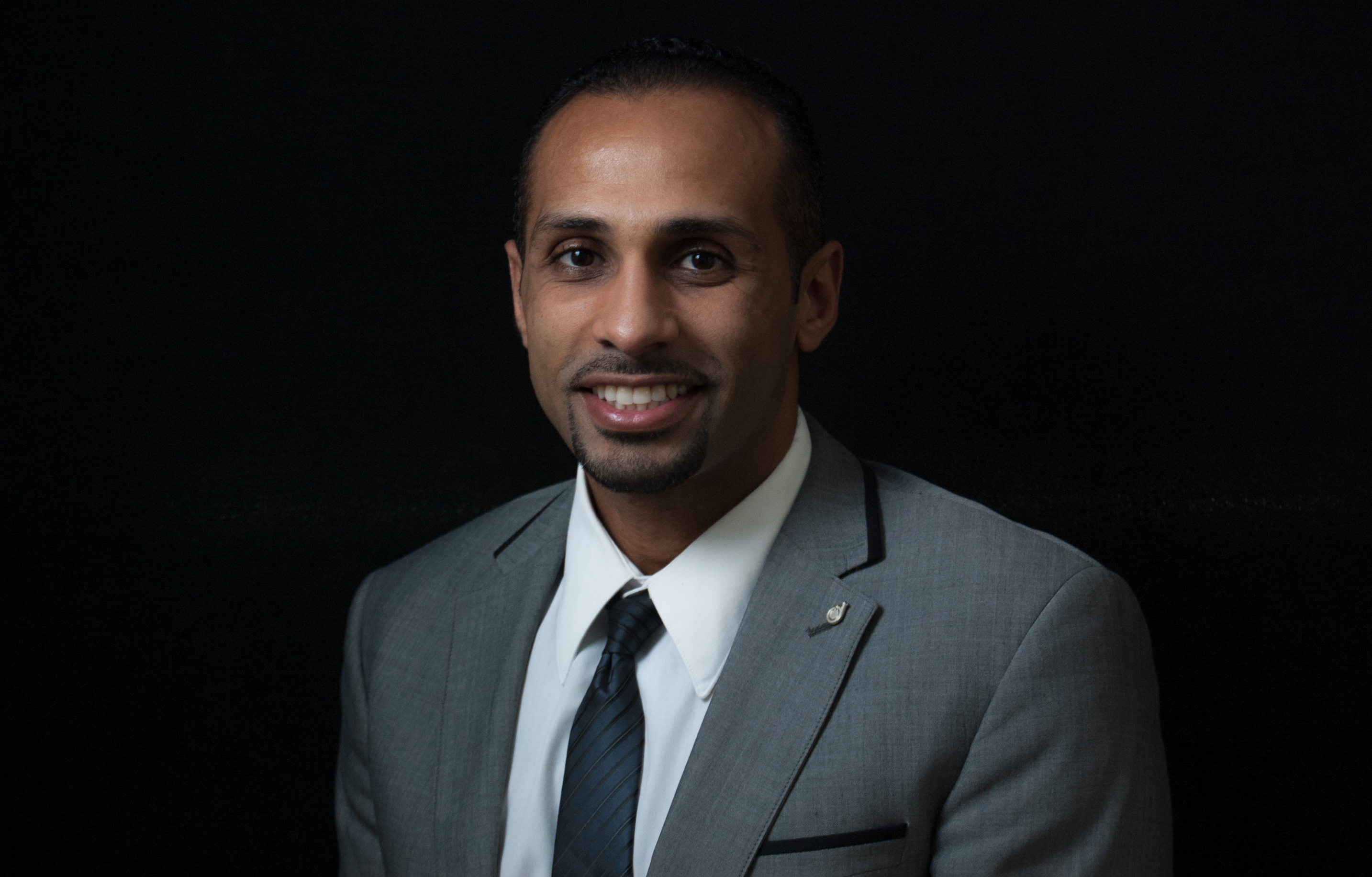
Dr. Daniel J. Preston is an Assistant Professor of Mechanical Engineering at Rice University, leading the Preston Innovation Laboratory (PI Lab). He holds a B.S. from the University of Alabama (2012), M.S. and Ph.D. from MIT (2014, 2017), and postdoctoral training at Harvard University (2017-2019). His research focuses on energy efficiency, soft materials, fluid mechanics, and robotics, with applications in wearable technologies and sustainable systems. Key achievements include the NSF CAREER Award (2022) and pioneering work on necrobotics using biotic materials. The PI Lab collaborates widely, with projects involving biomimetic surfaces, smart textiles, and fluidic control systems. Education: B.S. Mechanical Engineering, University of Alabama (2012) M.S./Ph.D. Mechanical Engineering, MIT (2014/2017) Research Interests: Energy : Thermal management, heat transfer optimization, and waste heat recovery. Materials : Soft actuators, surface coatings, and functional biomaterials. Fluids : Interfacial phenomena, droplet dynamics, and fluid-structure interactions. Notable Publications: Recent work includes advancements in wearable haptic devices ( Science Advances ), necrobotics ( Advanced Science ), and fluidic logic textiles ( PNAS ). Over 50 peer-reviewed articles span multidisciplinary topics from magnetic levitation to virus decontamination. Honors: In addition to the CAREER Award, Dr. Preston has received the NSF Graduate Research Fellowship, Tau Beta Pi Fellowship, and Wunsch Foundation Award. His lab fosters innovation through grants and industry partnerships. Advising & Grants: Supervises ~15 graduate and undergraduate students, including NSF GRFP recipients. Active in mentoring initiatives like the Randall Research Scholars Program and AATCC grants. Labs & Teams: The PI Lab collaborates with MIT’s DRL, Harvard’s Whitesides Group, and institutions globally. Core projects include smart wearables, energy harvesting fabrics, and autonomous soft robots.
Assoc Prof Ng Teng Yong is an Associate Professor at the School of Mechanical & Aerospace Engineering (NTU), specializing in numerical modeling and simulation. With a background as Research Manager at A*STAR Institute of High Performance Computing, his work spans materials science, nanotechnology, and aerospace engineering. Current focus on graphene-based desalination membranes Expertise in molecular dynamics simulations Investigates nanoscale fluid mechanics and structural dynamics Recent publications highlight advancements in energy-efficient electrodialysis, smart robotics, and nonlinear vibration analysis. His interdisciplinary approach integrates computational methods with experimental validation in additive manufacturing and soft material mechanics.
Yayue Pan is a Professor at the Department of Mechanical and Industrial Engineering, University of Illinois Chicago (UIC) , and serves as the Director of NASA MIRO Center for In-Space Manufacturing: Recycling and Regolith Processing (CISM-R2) . Her research focuses on advancing Additive Manufacturing (AM) technologies for applications in biomedical engineering , energy storage , and smart structures . Ph.D., Industrial and Systems Engineering, University of Southern California (2014) M.S., Mechanical Manufacturing and Automation, Zhejiang University, China (2010) B.S., Industrial Engineering, Zhejiang University of Technology, China (2007) Her work addresses technical challenges in AM such as multi-material printing , multi-scale fabrication , and field-assisted processes . Notable projects include: Development of electrostatically-assisted direct ink writing (eDIW) for high-speed, high-resolution printing Continuous projection stereolithography for rapid solid object manufacturing Acoustic field-assisted particle patterning for smart composites Light-curable hydrogels for corneal repair applications Her 15 most recent publications (2022–2025) span topics in: Multi-material AM (conductive polymers, hierarchical composites) Biomedical applications (soft robotics, corneal repair) Energy components (battery electrolytes, supercapacitors) Field-assisted processes (acoustic, electrostatic, magnetic) Scientific Awards : 2024 ASME Chao and Trigger Young Manufacturing Engineer Award 2022 UIC Researcher of the Year Rising Star Award 2020 ASME CIE TC Leadership Award 2019 UIC Outstanding Teaching Award 2017 SME Outstanding Young Manufacturing Engineer Award NSF REU Supplements (2023–2024) Advising : Mentored 24+ graduate/undergraduate researchers, including 17 NASA/GPIP interns. Former advisees hold academic positions at University at Buffalo and University of North Carolina at Charlotte , and industry roles at Apple , GE Healthcare , and ANSYS . Grants : Recipient of a $4.65M NASA grant and multiple NSF awards. Collaborations include Northwestern University, University of Michigan, and NASA centers.
Kareem Ahmed is a Professor in the Department of Mechanical and Aerospace Engineering at the University of Central Florida (UCF) and a faculty member of the Center for Advanced Turbomachinery and Energy Research. He leads research in advanced propulsion and energy systems, focusing on high-speed turbulent combustion, detonations, and hypersonic technologies. His work includes groundbreaking projects in detonation-based propulsion for hypersonic flight and power generation, supported by over $17 million in grants from NASA, AFOSR, and DOE. Education: Ph.D. and M.S. in Mechanical Engineering, University at Buffalo (SUNY) B.S. in Mechanical Engineering, New York State College of Ceramics at Alfred University Research Interests: Ahmed’s expertise spans detonation dynamics, supersonic reacting flows, flow-flame control, and advanced laser diagnostics . His team explores innovations like rotating detonation engines (RDEs) and scramjet combustion systems, with applications in aerospace defense and space exploration. Awards and Recognition: AIAA Associate Fellow American Chemical Society Doctoral New Investigator Award AFOSR Summer Faculty Fellowship UCF Trustee Chair (2025–2030) Grants & Advising: PI of over $17M in research funding; mentors 145+ doctoral, master’s, and undergraduate students. Collaborates with industry leaders like GE, Aerojet Rocketdyne, and Pratt & Whitney. Labs & Teams: Director of UCF’s Center of Excellence in Hypersonic and Space Propulsion, advancing technologies for 15-minute transcontinental flight and clean rocket fuels.
Prof. Dr. Roland Zengerle serves as Full Professor for Application Development at the Institute of Microsystems Technology within the Faculty of Engineering at Albert Ludwigs University of Freiburg, concurrently holding the position of Director at Hahn-Schickard Institute for Microanalysis Systems in Freiburg. His academic leadership spans microsystems engineering with a focus on translational research bridging fundamental science and clinical applications. Zengerle's research expertise centers on Microfluidics, Lab-on-a-Chip systems, Bio-MEMS, Electrochemical Energy Systems, and Tomographic Reconstruction of Mesoporous Materials. He pioneers hybrid manufacturing techniques integrating molten metal printing with polymer processing to develop point-of-care diagnostic platforms and advanced energy systems. Current projects include UTI-Diag for urinary tract infection diagnosis and PhotonMed, a 32-million-euro medical technology initiative where his MEMS Applications Laboratory develops centrifugal microfluidic solutions. Analysis of his recent publications reveals a dominant trend toward multi-technology integration: centrifugal microfluidics combined with 3D bioprinting for organoid-based drug testing, molten metal printing for flexible electronics, and bead-based immunoassays for infectious disease detection. The work demonstrates strong clinical translation focus, particularly in cancer diagnostics (circulating tumor cell isolation), infectious disease testing (TB diagnostics), and regenerative medicine (spheroid/organoid handling). His laboratory has secured significant funding for high-impact projects including: UTI-Diag: Molecular diagnostics for urinary tract infections PhotonMed: Medical technology innovation consortium livMatS: Living, Adaptive and Energy-autonomous Materials Systems Zengerle actively mentors researchers through Freiburg's Master Lab program and Writer's Studio initiative while promoting young talent via Bootcamp training. His group maintains strategic alliances with Hahn-Schickard spin-offs and industry partners, leveraging university cleanroom facilities and specialized service centers for microfabrication. The MEMS Applications Laboratory operates as a hub for interdisciplinary innovation, combining microfabrication expertise with clinical insights to develop commercializable diagnostic solutions. Current infrastructure supports centrifugal microfluidic cartridge development, 3D-bioprinting of tissue models, and electrochemical sensor integration, with ongoing work focused on automating complex biological workflows for point-of-care applications.
Swiss Federal Institute of Technology in LausanneSwitzerland
Arnaud Bertsch is a Lecturer at the École Polytechnique Fédérale de Lausanne (EPFL) within the School of Engineering (STI) and the Department of Microengineering (IEM). He is affiliated with the Microsystems Laboratory 1 (LMIS1) and has been actively involved in teaching advanced microfabrication techniques and MEMS sensor/actuator practicals. His research spans microfluidics, nanofluidics, biomedical devices, and 3D microfabrication, with a focus on neural probes, drug delivery systems, and cell manipulation technologies. Microfluidic hydrodynamic and dielectrophoretic systems Nanovolcano microelectrode arrays for electrophysiology Thermal control of ionic transport in nanochannels 3D lipid microrobots for drug delivery MEMS-based intraocular pressure sensors Arnaud Bertsch has supervised PhD students including Torres Vila Pol, Zhang Tao, and past advisees like Clémentine Lipp, Nicolas Maïno, and Joan Teixidor. His work bridges fundamental research in nanofluidics with applied biomedical solutions, contributing to fields such as neuroscience, cancer therapy, and implantable medical devices. The articles listed demonstrate expertise in microsystem design, electrochemical sensing, and biofabrication technologies.
Professor Michael De Volder is a Fellow and College Lecturer at St John's College, University of Cambridge, holding the position of Professor of Advanced Materials Engineering in the Department of Engineering. His research focuses on energy storage solutions, nanotechnology, and scalable manufacturing methods for sustainable battery technologies. Belgian Royal Academy Laureate Co-founder of Echion Technologies (niobium-based anode materials) Expert in Li-ion/Zn-ion battery innovation Research activities center on improving battery sustainability through novel synthesis techniques, extending battery lifetime via structural optimization, and developing high-energy-density materials. His work spans nanoscale engineering, electrode design, and fundamental electrochemical investigations. Scientific publications from 2022-2025 demonstrate expertise in: Li-ion/Zn-ion battery systems, nanotube integration, electrode manufacturing, and degradation analysis. Recent work explores mechanochromic displays, dual-gradient electrodes, and aqueous-organic electrolyte formulations. Belgian Royal Academy Laureate Co-founder of battery technology startup Echion Technologies
Cecilia Persson is a Professor at Uppsala University in the Department of Materials Science and Engineering; Biomedical Engineering. She leads the BioMaterial Systems (BMS) research group within the Division of Biomedical Engineering, focusing on the development of new biomaterials through additive manufacturing. She also directs a Competence Centre in Additive Manufacturing for the Life Sciences and the national Research Technology Platform WISE Additive. 2018, Professor in Materials Science, Uppsala University 2015, Docent (Assoc. Prof.) in Engineering Science with Specialization in Materials Science, Uppsala University 2009, PhD in Mechanical Engineering, University of Leeds 2004, MSc in Materials Engineering, European degree (EEIGM) with triple diploma Persson's research focuses on biomaterials, biomechanics, materials science, and additive manufacturing. Her work takes an integrated approach to solving clinical and sustainability problems, combining materials science, mechanical and biological engineering with new technologies like 3D printing and machine learning. Key research areas include magnesium-based alloys for bone substitutes, titanium-based alloys for permanent implants, and machine learning methods to enhance manufacturing efficiency. Analysis of her recent publications shows a strong emphasis on additive manufacturing of biomaterials, particularly magnesium and titanium alloys. Her work explores microstructure control, mechanical properties optimization, antibacterial properties, and patient-specific implant design. The research demonstrates a clear trajectory toward more sustainable, patient-adapted medical solutions using advanced manufacturing techniques. Persson has received funding from prestigious organizations including the Swedish Research Council (VR), the Knut and Alice Wallenberg Foundation (KAW), the Swedish Foundation for Strategic Research (SSF), Sweden's Innovation Agency (VINNOVA), and the EU. As an academic leader, Persson has served as Section Dean of Engineering (2020-2023), President of the Scandinavian Society of Biomaterials (2019-2023), and Coordinator of EU Innovative Training Network NU-SPINE (2019-2023). Her BioMaterial Systems research group takes an integrated approach to solving clinical and sustainability problems, bridging fundamental scientific mechanisms with high societal relevance.
Tiina Sikanen is an Associate Professor at the University of Helsinki within the Faculty of Pharmacy, Division of Pharmaceutical Chemistry and Technology . She leads the Chemical Microsystems Lab and serves as a supervisor for doctoral programmes in Drug Research, Chemistry and Molecular Sciences, and Materials Research and Nanosciences. Her research focuses on microfluidic systems, polymer microfabrication, and mass spectrometry applications in drug metabolism studies. Education : MSc in Chemical Technology (Aalto University, 2010), PhD in Pharmaceutical Chemistry (University of Helsinki, 2007) Her research integrates microfluidic total analysis systems with digital microfluidics to create 3D liver and cardiac cell culture models for studying extracellular vesicle activity and cytochrome P450 metabolism. Key projects include PREMIER (risk evaluation of medicines in environment) and CardioEV (cardiotoxicity biomarker discovery). Her recent publications highlight advancements in microdevice-based extracellular vesicle quantitation, Staphylococcus biofilm modeling, and sustainable pharmaceutical life-cycle analysis. Scientific awards include the Academy of Finland Award for Scientific Courage (2019) , Research Fellow (2017) , and Postdoctoral Researcher (2011) . She has supervised numerous Master's and doctoral theses, including Elina Kyllönen's MSc(Pharm) work on microfluidic sustainability challenges and Laura Sirviö's BSc research. Her lab employs 3D printing for cleanroom-free microdevice fabrication and participates in EU-funded initiatives like IMI2-RIA PREMIER.
Dr. Olfa Lopez-D’Angelo is a researcher at the Department of Multiscale Simulation of Particulate Systems at Friedrich-Alexander-Universität Erlangen-Nürnberg. Her research focuses on granular rheology, additive manufacturing for space applications, and the behavior of materials under microgravity conditions. She leads the Rheologie granularer Materialien unter Weltraumbedingungen project (2023–2026), funded by the German Ministry for Economic Affairs and Climate Action (BMWK). Her work bridges theoretical physics, experimental engineering, and space technology. Key research interests include granular fluid dynamics, powder-based manufacturing processes in low-gravity environments, and the structural analysis of metamaterials. She has contributed to pioneering studies on acoustically propelled macroparticles and granular piston-probing in microgravity. Her interdisciplinary approach is evident in collaborations with institutions like ESA and DLR, as well as her involvement in projects such as the VIP-DROP2 module for droplet dynamics experiments. Awards: Granular Matter Gordon Research Conference Poster Prize (2022) ELGRA Research Prize (2021) Fly Your Thesis! 2019 (2018) ESA Networking/Partnering Initiative Fellowship (2017) Dr. Lopez-D’Angelo actively disseminates her work through international conferences (e.g., DPG, IAC) and public engagement initiatives, including the podcast Talk That Science . Her research emphasizes practical applications in space exploration, such as in-situ resource utilization and advanced manufacturing systems for extraterrestrial environments.
Professor Ian Johnston is the Director of the Biodetection Technologies Hub and the Wolfson Centre for Biodetection & Instrumentation Research at the University of Hertfordshire. He leads multidisciplinary research in microfluidics, bioaerosol detection, and antimicrobial nanomaterials. His work spans applications in biosecurity, food safety, and environmental monitoring, with collaborations involving UK defense agencies and institutions like the Pirbright Institute and Universities of Cambridge and Bristol. Affiliations: Wolfson Centre for Biodetection, Microfluidics & Microengineering Research Group Education: BSc (Hons) Physics (University of Leeds, 1994), PhD in Microfluidics (University of Hertfordshire) Research interests include digital microfluidics (EWOD), microfluidic lab-on-a-chip devices, and biodetection systems for in-field applications. His projects address biowarfare threats, aquaculture monitoring, and crop protection. Notable collaborations include developing antimicrobial PDMS polymers and electrowetting-enhanced bioaerosol collectors. Over 30 years of expertise in microfluidics and bioaerosol technologies, with notable contributions to droplet actuation systems and rapid pathogen detection platforms. Projects often involve defense and environmental agencies, emphasizing practical, field-ready solutions. Grants & Projects: Leads or co-leads 40+ projects, including CIBD (Compact Biological Detection), Micro-FloTec (flow technology), and bioaerosol sampling innovations. Recent funding spans 2023–2028 with focuses on hydrogel-based sensing and portable biodetection systems.
Dr. Zhen Li is an Assistant Professor in the Department of Mechanical Engineering at Clemson University's College of Engineering, Computing and Applied Sciences. He joined Clemson in August 2019 after serving as a research associate professor at Brown University and a postdoctoral research associate at University of California, Merced. Education: Ph.D. in Fluid Mechanics, Shanghai University, 2012 MS in Fluid Mechanics, Shanghai University, 2008 BS in Engineering Mechanics, Wuhan University, 2005 Dr. Li's research focuses on multiscale modeling of soft matter, complex fluids, biophysics, and collective dynamics using both bottom-up (coarse-grained molecular modeling) and top-down (from continuum descriptions to fluctuating hydrodynamics) approaches, along with high-performance computing. His work spans mathematical theory for coarse-graining and model reduction, statistical methods and machine-learning approaches applied to multiscale modeling, memory effects in complex fluids, and concurrent coupling of heterogeneous solvers for scale-bridging. Analysis of Dr. Li's recent publications reveals a strong trend toward integrating machine learning with traditional computational methods, particularly neural operators for multiscale problems. His work spans diverse applications from bubble dynamics and blood flow to materials science and bioprinting, demonstrating the versatility of his computational approaches across multiple disciplines in engineering and physics. Awards and Recognition: CECAS Dean's Professor Award (2024) Award of Excellence - Junior Faculty (2021-2022) Best Research Poster Award at SC19 (2019) 2nd Place Award of Best Poster Presentation at DOE/EFRC AIM for Composites meeting (2024) Dr. Li actively mentors PhD students including Miles Lu, Ryan Wan, Haizhou Wen, and Ali Mohammadi, who have published significant research in computational mechanics. His research is supported by multiple grants including an NSF Elements grant as PI for 'SciMem: Enabling High Performance Multi-Scale Simulation on Big Memory Platforms', an NSF CDS&E grant as co-PI for 'HAM3R: Heterogeneous Automated Management of Multiscale Methods and Resources', a DOE/EFRC grant as Thrust lead co-PI for 'AIM for Composites', and a NASA EPSCoR grant as Science-PI. Dr. Li leads the MuthComp (Multiscale theory and Computation) research group, which focuses on developing interfaces between Engineering, Applied Mathematics, Physics-based Machine Learning, and High Performance Scientific Computing. The group has active collaborations with institutions including Idaho National Laboratory, University of Tokyo, and Brown University, and has developed open-source software including USERMESO for GPU-accelerated DPD simulations.