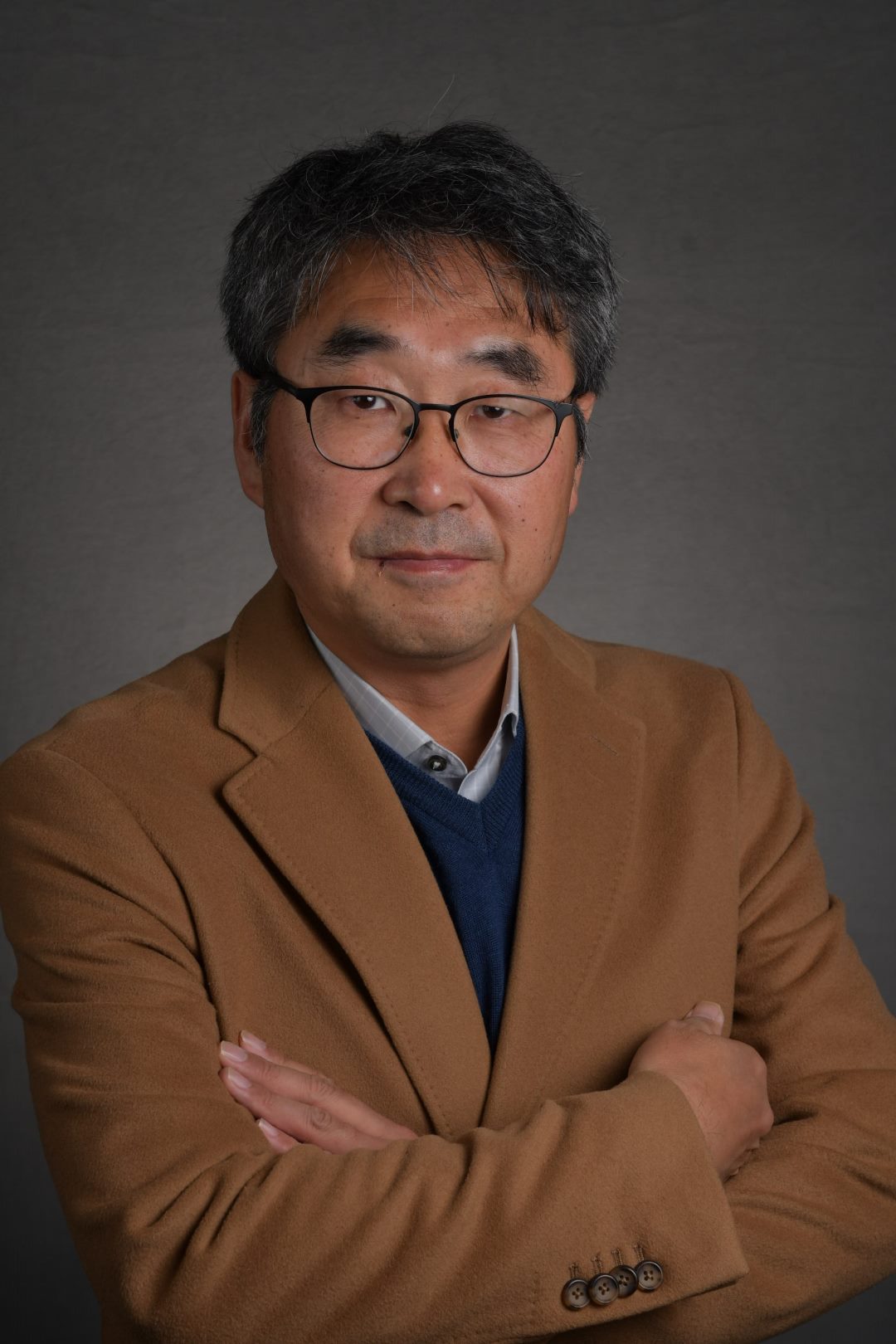
Cristian Román-Palacios is an Assistant Professor in the Department of Ecology and Evolutionary Biology at the University of Arizona, where he also serves as Coordinator and Advisor for the Master of Science in Data Science (MSDS) and Master of Science in Information Systems (MSIS) programs. He is a core faculty member in Artificial Intelligence and Machine Learning, Data Management, Analysis and Visualization, and Environmental, Health and Biological Sciences. Education: PhD in Ecology and Evolutionary Biology, University of Arizona (2020) BS in Biology, Universidad del Valle, Colombia (2015) His research lies at the intersection of phylogenetics, biodiversity modeling, and machine learning, focusing on large-scale biodiversity patterns, the impacts of climate change on species survival, and the development of statistical tools for paleoclimatic reconstructions. He employs computational and data-intensive methods to explore evolutionary and ecological questions across diverse taxa. His recent publications (2024–2025) demonstrate a strong trend toward interdisciplinary research, combining computational biology, geochemistry, climate science, and open-source software development. Key themes include biodiversity informatics (e.g., Animal Culture Database), paleoclimatic modeling (e.g., clumped isotope thermometry), reproducibility in science, and tools for collaborative research (e.g., LabOps, SSARP). His work increasingly integrates data science with biological and environmental applications. Scientific Contributions: Published over 25 peer-reviewed papers, many as first author Research featured in Science News, Popular Science, CNN, USA Today Developed open-source tools: phruta , treedata.table , SSARP , LabOps Cristian advises graduate students through the infosci-msadvise@arizona.edu email and Calendly appointments. He was previously a staff researcher at UCLA’s Tripati Lab. He leads initiatives such as the Southwest Center on Resilience for Climate Change and Health and promotes inclusive, collaborative science through online toolkits and leadership ecosystems aimed at addressing climate and social inequities. His lab, the Román-Palacios Lab, and involvement with the Data Diversity Lab reflect his commitment to open, reproducible, and equitable research practices in data-intensive biology.