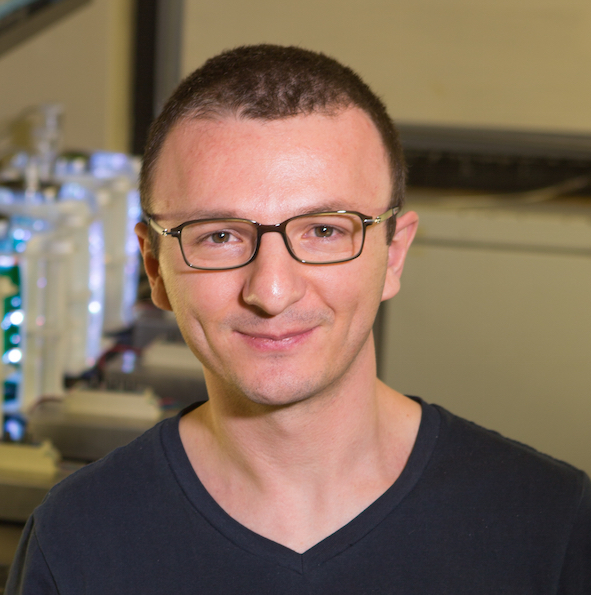
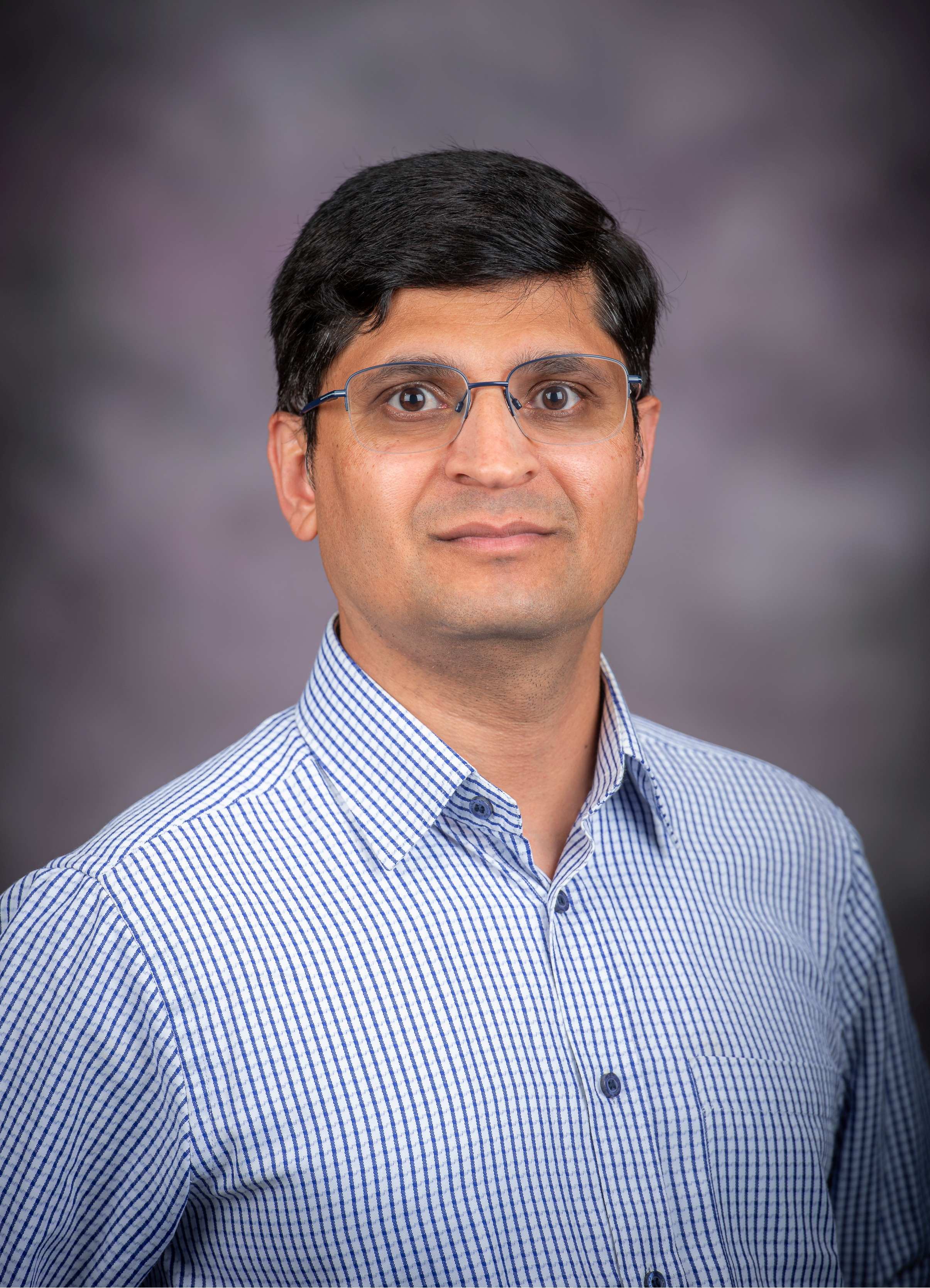
Professor Cleo Kontoravdi is a Professor of Biological Systems Engineering at the Department of Chemical Engineering, Imperial College London, within the Faculty of Engineering. Her roles include Director of Postgraduate Studies (2021–present) and Postgraduate Admissions Tutor (2018–2021). She holds affiliations with key research centers such as the Centre for Process Systems Engineering, Centre for Synthetic Biology, and Future Vaccine Manufacturing Research Hub. Her research focuses on applying systems engineering principles to bioprocessing, integrating model-based tools like sensitivity analysis and optimization with experimental work on mammalian cell cultures and vaccine production. Key areas include metabolic flux analysis, media optimization, and multiscale modeling. Her recent publications highlight advancements in hybrid modeling frameworks, mRNA vaccine process design, and metabolic engineering of CHO cells. She actively contributes to vaccine manufacturing strategies and sustainable biopharmaceutical supply chains. Education: PhD (2007) and MEng (2002) in Chemical Engineering from Imperial College London. Professional experience spans academic roles (since 2007) and industry R&D at Lonza Biologics (2006–2007). Her work bridges computational biology, bioprocess engineering, and systems biology, addressing challenges in vaccine development and production efficiency. Awards: Not explicitly listed in the provided text. Research grants and collaborations are implied through her involvement in high-impact projects like the Future Vaccine Manufacturing Hub. She advises on bioprocess optimization, glycoengineering, and biomanufacturing sustainability.
Lars Rehmann serves as a Professor in the Department of Chemical and Biochemical Engineering within the Faculty of Engineering at the University of Western Ontario. He also holds a Visiting Professor position at RWTH Aachen University in Germany. His academic journey includes a Ph.D. in Chemical Engineering from Queen's University (Canada), a Diplom in Biotechnology from Technical University of Braunschweig (Germany), and an NSERC Post-Doctoral Fellowship at the University of Manchester (2007-2009). Dr. Rehmann's research focuses on sustainable biochemical conversion processes for producing biofuels and value-added chemicals. His work spans multiple interconnected areas including anaerobic digestion, biorefinery design, biochar applications, wastewater treatment, and microbial metabolism in Clostridia species. He has made significant contributions to understanding acetone-butanol-ethanol (ABE) fermentation processes, pyrolysis byproduct valorization, and advanced extraction techniques using ionic liquids. Analysis of his recent publications reveals a strong emphasis on circular economy approaches, particularly in utilizing biochar to enhance biogas production from aqueous pyrolysis condensates. His work increasingly integrates sustainability metrics through exergetic and techno-economic analyses, with recent research expanding into metabolic oscillation phenomena in Clostridia and novel wastewater denitrification methods using solid-phase carbon sources. NSERC Post-Doctoral Fellow (University of Manchester, 2007-2009) Dr. Rehmann maintains an active research program with numerous graduate student opportunities in biochemical engineering. His laboratory infrastructure supports advanced fermentation studies, biomass conversion processes, and analytical characterization of biofuels and biochemicals. Current research directions include developing sustainable alternatives for wastewater treatment, optimizing biochemical conversion pathways for maximum resource recovery, and investigating metabolic engineering strategies for improved product yields in microbial systems.
Bandaru Ramarao is a Professor and Chair of the Department of Chemical Engineering at the SUNY College of Environmental Science & Forestry (ESF). He holds a Ph.D. in Chemical Engineering from Clarkson University and has over three decades of academic and research experience. His expertise spans separation processes, biorefinery technologies, pulp and paper engineering, and environmental biotechnology. He has authored numerous books and journal papers, including Granular Filtration of Aerosols and Hydrosols and Separation Processes in Biorefineries . Education: Ph.D. (1986), M.S. (1982), and B.S. (1980) in Chemical Engineering from Clarkson University and the University of Madras, respectively. Research Interests: Focus on sustainable biorefineries, PFAS removal using nanomaterials, enzymatic hydrolysis of lignocellulosic biomass, and advanced filtration technologies. His work bridges fundamental engineering principles with industrial applications, particularly in the pulp and paper sector. Publications: Over 100 peer-reviewed articles and patents, including innovations in flocculation, biopolymer production, and geotextile dewatering. Recent work explores PFAS removal via cellulose nanocrystals and bioplastic synthesis from waste streams. Awards: Recipient of the Andrew Chase Award (2014) and the Alkyl Amines Tilak ChemCon Award (2012). Recognized for contributions to forest bioproducts and sustainable engineering. Advising & Grants: Supervises graduate students in MS and PhD programs, focusing on bioprocess engineering and paper physics. Leads research projects funded by NASA, industry partnerships, and academic grants. Labs & Teams: Director of the Empire State Paper Research Institute, advancing innovations in papermaking and biorefinery processes. Collaborates with global institutions on filtration, biorefinery design, and environmental remediation.
Prof. Tom Van Gerven is a chemical engineering specialist at KU Leuven's Process Engineering for Sustainable Systems (ProcESS) group. His research focuses on process intensification using alternative energy forms (ultrasound, microwaves, light) for sustainable metallurgy, mineral carbonation, and solvent extraction applications. He leads innovations in low-grade ore processing and carbon capture technologies. Key Research Areas: Process intensification, green metallurgy, CO₂ utilization, and advanced crystallization techniques Recent Work: 2025 publications highlight reactor optimization, mineral carbonation of industrial residues, and acoustic/microwave-assisted separations Technical Expertise: CFD modeling, sonochemical reactors, ionic liquid extraction, and environmental impact analysis
Navid Rekab-saz is an Assistant Professor at the Institute of Computational Perception, Johannes Kepler University Linz (JKU), Austria. He is actively involved in research and teaching, offering courses such as Natural Language Processing and Natural Language Processing with Deep Learning . He maintains regular office hours and is accessible via email and a dedicated booking system for meetings. His research focuses on natural language processing , information retrieval , fairness and bias in AI , and recommender systems , with applications in humanitarian action and ethical AI. He employs deep learning and machine learning techniques to address challenges in bias mitigation, explainability, and domain adaptation. His work often bridges technical innovation with societal impact, especially in developing inclusive and fair AI systems. The recent publications of Navid Rekab-saz reflect a strong trend in debiasing strategies , parameter-efficient learning , and evaluation of societal biases in search and recommendation systems. His research spans from foundational work on word embeddings and retrieval models to applied studies in humanitarian NLP and gender bias in user queries. He frequently collaborates with a broad network of researchers and contributes to the development of datasets and benchmarks. Scientific Awards: Best Student Paper Award at ISMIR 2022 for 'Traces of Globalization in Online Music Consumption Patterns and Results of Recommendation Algorithms' Advising and Grants: Navid Rekab-saz has advised and collaborated with numerous students and researchers, many of whom are co-authors on his publications. While specific grant details are not listed in the provided text, his extensive publication record in top-tier venues suggests active involvement in funded research projects, likely supported by national or European funding bodies. He is also engaged in interdisciplinary research, particularly at the intersection of technical AI and legal or social implications. Labs and Teams: He is a core member of the Institute of Computational Perception at JKU, where he contributes to research projects in computational linguistics and AI. He collaborates closely with the team led by Prof. Markus Schedl and participates in initiatives related to music information retrieval, fairness in AI, and humanitarian applications of NLP.
Daniel Lee Peters is a Limited Term Assistant Professor in the Department of Geography at the University of Victoria, holding additional roles as Associate Fellow at the Canadian Rivers Institute (University of New Brunswick) and Sessional Lecturer at UVic. His research focuses on watershed hydrology, climate impacts, and flow regulation effects, with specialties in northern deltas and instream flow needs. Peters holds a BSc (Environmental Geography, Concordia University), MSc and PhD (Watershed Ecosystems, Trent University). Key research areas include: Hydrological impacts of climate variability/change Flow regulation effects on river systems Runoff processes in northern deltas Instream flow standards for agricultural watersheds Hydrological modeling using isotopic/geochemical tracers His publications (2000-2008) emphasize northern hydrology, with notable contributions to understanding Peace-Athabasca Delta dynamics and Mackenzie Basin hydroclimatology. Awards include the D.M. Gray Award and recognition for student research excellence. Professional roles include editorial board membership for the Canadian Water Resources Journal and active participation in national hydrology organizations (CGU, CWRA, IAHS). Technical reports address water resource management challenges in agricultural and northern environments. Current projects involve climate impact assessments on Okanagan streams and Sooke Lake Reservoir hydrology.
Theresa Scharl-Hirsch is a Senior Scientist and Deputy Scientific Director at the Core Facility Bioinformatics, University of Natural Resources and Life Sciences, Vienna (BOKU). She holds concurrent appointments at the Institute of Statistics, BOKU, and has extensive experience in bioprocess modeling, machine learning, and statistical computing. Her work bridges biochemical engineering with advanced data science methodologies. Her research focuses on real-time monitoring of biopharmaceutical processes, clustering of high-dimensional data (particularly RNA sequencing), and application of explainable machine learning techniques. She has developed statistical models for process optimization and quality prediction in antibody capture and protein purification, with a strong emphasis on industrial implementations using R programming. Key trends in her publications include three-way data analysis, matrix-variate Gaussian mixture models, and permutation-based variable importance methods for deep learning architectures. Her work spans bioprocess engineering, bioinformatics, and industrial data science applications.
CARMEN PADILLA RASCÓN is a Researcher at the Department of Chemical, Environmental and Materials Engineering at the University of Jaén. She obtained her Doctorate in 2022 with the thesis "Production of furfural and bioethanol from olive stones." Education: PhD in Chemical Engineering, University of Jaén (2022) Her research focuses on lignocellulosic biomass valorization through biorefinery systems, particularly using agricultural residues like olive stones and vine shoots for producing biofuels and high-value chemicals. Key techniques include steam explosion, acid/alkaline pretreatments, and microwave-assisted processing. Recent publications highlight integrated biorefinery strategies, furfural production optimization, and recovery of bioactive phenolic compounds. The work often involves process engineering, catalytic transformations, and circular economy principles.
Summer Rupper is a Professor at the School of Environment, Society & Sustainability at the University of Utah, where she has held her position since July 2019. Her research focuses on understanding the interactions between climate, glaciers, and water resources, with particular emphasis on high mountain regions including High Mountain Asia, the Himalayas, and polar regions. She leads multiple research projects examining glacier dynamics, hydrological processes, and climate change impacts on water security for downstream populations. BS in Geology from Brigham Young University (2001) MS in Geology from University of Washington (2004) PhD in Earth and Space Sciences from University of Washington (2007) Professor Rupper's research spans physical geography, environmental geoscience, and climate change science, with specific expertise in glaciology, hydrology, and atmospheric sciences. Her work integrates field measurements, remote sensing, and numerical modeling to understand glacier dynamics, snow processes, and water resource availability in mountainous regions. She has particular expertise in High Mountain Asia, where glaciers provide critical water resources for over a billion people. Her research addresses fundamental questions about glacier response to climate change, hydrological partitioning, and the implications for water security in vulnerable regions. Her recent publications demonstrate a consistent focus on understanding glacier dynamics, hydrological processes, and climate interactions in mountainous regions. The work spans multiple methodologies including remote sensing analysis, numerical modeling, statistical approaches, and field-based measurements. Key themes include glacier melt contributions to river systems, precipitation patterns in complex terrain, snow density modeling, and the impacts of climate change on water resources in High Mountain Asia and polar regions. Her research often integrates multiple data sources and approaches to address complex questions about cryospheric processes and their societal implications. Superior Research Award (2024, CSBS, University of Utah) G.K. Gilbert Award for Excellence in Geomorphic Research (2022) Outstanding Utah Higher Education Science Teacher (2021) Top Researcher Award, Celebrate U showcase (2017) Antarctic Service Medal (2010, USAF) Professor Rupper actively mentors graduate students through thesis research courses at both the PhD and Master's levels, as well as individual projects. She has secured significant research funding from multiple federal agencies including NSF, NASA, and USAID, with current projects examining climatic controls on Antarctic ice sheets, glacier dynamics in High Mountain Asia, and historical glacier changes. Her collaborative work extends across international boundaries, working with scientists in Pakistan, Bhutan, and other regions to address shared water security challenges. She also engages in community outreach through workshops with school districts and science teacher associations to communicate climate science to broader audiences. Professor Rupper participates in multiple collaborative research teams including the NASA High Mountain Asia Team (HiMAT), where she contributes expertise in glacier dynamics and hydrology. She serves on several scientific committees including the NSF Ice Core Facility Sample Allocation Committee and the American Geophysical Union Cryosphere Section Fellows Committee. Her research often involves interdisciplinary teams combining expertise in glaciology, hydrology, remote sensing, and climate modeling to address complex questions about mountain water systems under changing climate conditions.
Guandong Xu is a Professor in the School of Computer Science at the University of Technology Sydney (UTS), where he has been employed since 2012. He also serves as the Director of the UTS-Providence Smart Future Research Centre, which focuses on disruptive technology for sustainability, and leads the Data Science and Machine Intelligence Lab dedicated to research excellence and industry innovation in data science and artificial intelligence. Dr. Xu holds a PhD in Computer Science from Victoria University, Australia, along with MSc and BSc degrees in Computer Science and Engineering. After holding various research positions at European and Australian universities, he joined UTS in 2012 and was promoted to Associate Professor in January 2017, then to Professor in January 2019. His research spans data mining, machine learning, social computing, recommender systems, text mining, predictive analytics, and user behavior modeling. He has published over 240 papers in these areas with increasing citations from academia. His recent work demonstrates a strong focus on integrating large language models with recommendation systems, causal inference in recommendation, multimodal learning, and fairness in AI systems. His publications reveal sophisticated graph-based approaches and addressing challenges in dynamic recommendation scenarios, particularly through temporal modeling and hypergraph structures. Dr. Xu has received numerous prestigious awards including the Digital Disruptors Winner for ICT Research Project of the Year (2021), eBay's Leaders' Choice Award (2021), and was elected Fellow of Institution of Engineering and Technology (IET), UK (2021) and Fellow of Australian Computer Society (ACS) (2022). He has shown strong academic leadership as founding Editor-in-Chief of Human-centric Intelligent Systems Journal, Assistant Editor-in-Chief of World Wide Web Journal, and founding Steering Committee Chair of the International Conference of Behavioural and Social Computing Conference. He has supervised over 25 high degree research students and secured over $8 million in research funding from ARC, government, and industry sources, including projects like 'Smart Personalized Privacy Preserved Information Sharing in Social Networks' and 'A Secured Smart Sensing and Industry Analytics Facility for Industry 4.0.' Dr. Xu directs the Data Science and Machine Intelligence Lab at UTS, which aligns with UTS research priority areas in data science and artificial intelligence. The lab focuses on research excellence and industry innovation across academia and industry, with particular emphasis on developing advanced techniques for recommendation systems, knowledge graphs, and multimodal learning applications.
Slim Essid is a Full Professor at Télécom Paris, leading the Audio Data Analysis and Signal Processing (ADASP) group. He holds a Doctorat (Ph.D.) and Habilitation from Université Pierre et Marie Curie (UPMC). With 15+ years of research experience, he has advised 15 PhD graduates and currently co-advises 10 others. His work focuses on machine learning, signal processing, and multimodal systems, publishing over 150 peer-reviewed papers. He serves as a reviewer for top journals/conferences (e.g., IEEE Transactions) and research funding agencies. Education: State Engineering Degree, École Nationale d’Ingénieurs de Tunis (2001) M.Sc. (D.E.A.) in Digital Communication Systems, École Nationale Supérieure des Télécommunications, Paris (2002) Ph.D., Université Pierre et Marie Curie (2005) Habilitation (HDR), UPMC (2015) Research Interests: Multimodal learning, self-supervised representations, audio-visual segmentation, music structure analysis, domain generalization, and speech enhancement. Recent publications highlight innovations like TACO (training-free sound-prompted segmentation) and CLOUDS (domain-generalized semantic segmentation framework using foundation models). His work bridges audio processing with vision and language models, emphasizing unsupervised/zero-shot approaches. Key achievements include state-of-the-art methods in sound event detection, speaker diarization, and music segmentation. He collaborates with 14 post-docs and leads projects funded by French/EU agencies.
Harald Kucharek is a Research Professor in the Physics & Astronomy Department at the University of New Hampshire (UNH), part of the College of Engineering and Physical Sciences. He is affiliated with the Space Science Center and holds a dual Ph.D. in Physics from the Technical University of Munich and an M.S. in Physics from the University of Regensburg. His research focuses on heliospheric physics, interstellar medium interactions, and space plasma dynamics, leveraging data from missions like IBEX and Solar Orbiter. Dr. Kucharek's work centers on understanding the global structure of the heliosphere, interstellar neutral gas flow, and particle acceleration at shocks. He has contributed to studies of pickup ions, energetic neutral atoms (ENAs), and magnetic reconnection processes. His teaching includes courses on Space Plasma Physics and Magnetohydrodynamics of the Heliosphere. He has been involved in over 22 grants (2005–2024), including mission-related research for IMAP and interstellar probe concepts. Key research trends include analyzing IBEX observations of interstellar helium and oxygen, investigating shock dynamics and ion acceleration, and modeling the heliospheric boundary. His recent work explores the implications of hybrid simulations and multi-spacecraft data for understanding plasma behavior in extreme environments. Collaborations with institutions like NASA and ESA highlight his role in advancing space physics through both observational and theoretical contributions.
Ali Demirci is a Professor in the Department of Agricultural and Biological Engineering at the College of Agricultural Sciences, Pennsylvania State University, where he leads research in food safety engineering and sustainable bioprocessing. His work bridges agricultural engineering with microbiology to develop innovative solutions for food safety and bioresource utilization. His research program focuses on three interconnected domains: Non-thermal Food Safety : Development and characterization of pulsed UV light, electrolyzed oxidizing water, and ozone for microbial inactivation on food surfaces and equipment Advanced Bioreactor Systems : Design of biofilm bioreactors for enhanced production of high-value compounds like menaquinone-7 and nisin using immobilized microbial cultures Waste Valorization : Conversion of agricultural byproducts (particularly distillers' dried grains) into biofuels, enzymes, and functional food ingredients through optimized fermentation processes Analysis of his 2022-2025 publications reveals a strategic research trajectory toward sustainable bioprocess intensification. His work increasingly integrates circular economy principles, focusing on non-sterile processing, waste stream utilization, and techno-economic feasibility. Key technological threads include biofilm reactor scalability, lignocellulosic enzyme optimization, and pulsed light decontamination systems for industrial implementation. Professional recognition includes being honored as part of the Penn State College of Agricultural Sciences faculty by a national society in October 2024, highlighting his contributions to agricultural engineering. Dr. Demirci's research program demonstrates strong industry relevance through development of practical technologies for food safety enhancement and agricultural waste conversion. His collaborations span microbiology, food science, and chemical engineering disciplines, with publications appearing in leading journals including Bioprocess and Biosystems Engineering, Journal of Food Engineering, and Food and Bioprocess Technology. Current projects focus on scaling biofilm reactor technologies and integrating first- and second-generation bioethanol production systems.
Berat Z. Haznedaroğlu is an Assistant Professor at Bogazici University's Institute of Environmental Sciences since 2014. His education includes postdoctoral training at Yale University and a Ph.D. from University of California-Riverside. Research expertise spans environmental biotechnology, microalgae engineering, and sustainable bioprocess development. Current projects focus on microalgae applications for wastewater treatment, bioenergy production, and high-value compound extraction. Publications demonstrate work on algae-bacteria consortia, microalgal metabolic engineering, and algal biomass processing. Recent book chapters cover wastewater bioremediation and industrial metabolite production from microalgae. He leads major initiatives including the INDEPENDENT biorefinery project and MICRO-JET biofuel development. Additional research examines algal-based SARS-CoV-2 inhibitors and space life support systems.
Jeeban Panthi is a Teaching Assistant Professor in the Department of Civil Engineering at Kansas State University's College of Engineering. He holds a Ph.D. in Geosciences (Hydrogeology) from the University of Rhode Island and an M.S. in Environmental Science from Tribhuvan University, Nepal. His research focuses on integrated hydrological systems, particularly groundwater-surface water interactions under climate and land-use changes. Ph.D. - University of Rhode Island (Geosciences/Hydrogeology) M.S. - Tribhuvan University, Nepal (Environmental Science) B.S. - Tribhuvan University, Nepal (Environmental Science) Using numerical modeling, geophysical techniques, and satellite remote sensing (e.g., GRACE/GRACE-FO), Panthi investigates water availability and quality across scales—from mountainous regions to coastal areas. His work bridges upstream to downstream hydrological processes through data-driven approaches. As of 2024, Panthi has authored over 26 peer-reviewed journal articles and 20 conference papers. His research has been funded by prestigious grants including USGS 104(b) program, USAID, and the Kansas Water Institute. Kansas Water Institute’s CoSearch competition winner (2024) Best Presentation Award recipient (2023) UNEP PROVIA Young Scientist Fellow Asia-Pacific Network for Global Change Research grantee Multiple NSF/GSA/AGU research/travel grantee He leads the Panthi HydroSystem Lab, specializing in agricultural and semi-arid landscapes like Kansas. The lab integrates geospatial technologies with field observations to develop science-based water management solutions for sustainability and resilience.