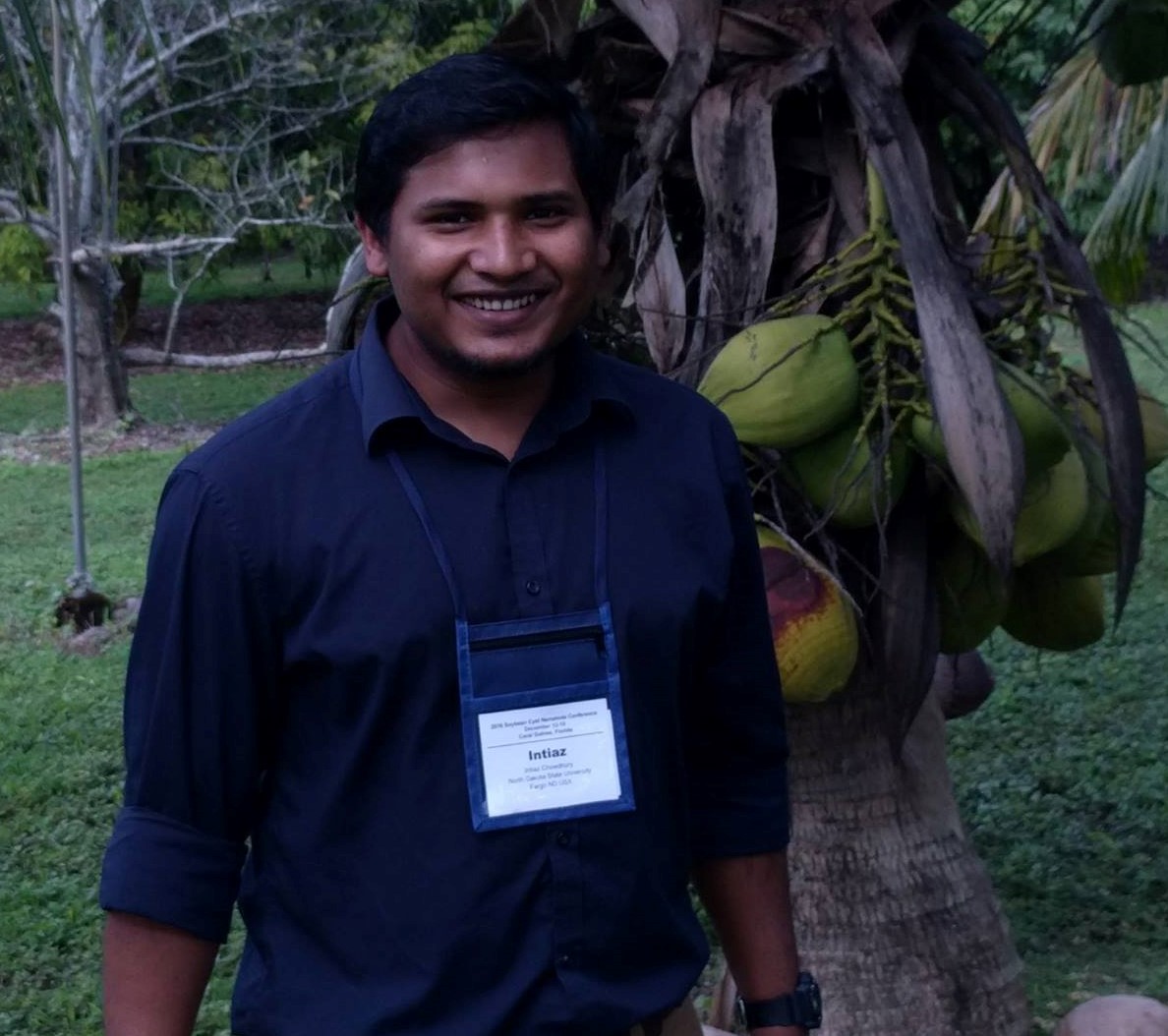
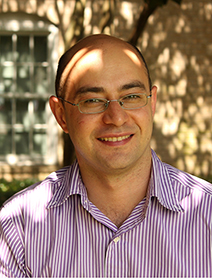
Dr. Intiaz Amin Chowdhury is an Assistant Professor specializing in Cotton and Vegetable Crop Nematology at the University of Georgia. His research focuses on developing sustainable management strategies for plant-parasitic nematodes affecting agricultural crops in the southeastern United States, particularly root-knot nematodes (Meloidogyne spp.) in vegetable and cotton production systems. His program investigates nematode biology, host-pathogen interactions, and chemical/non-chemical control methods. Dr. Chowdhury holds a PhD in Plant Pathology from North Dakota State University and collaborates with extension services to translate research findings into practical farming solutions. His work supports Georgia's agricultural industry through improved crop protection protocols.
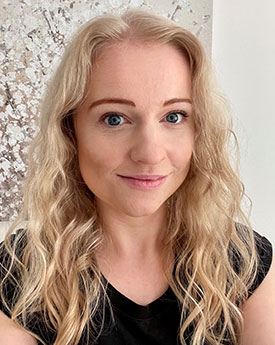
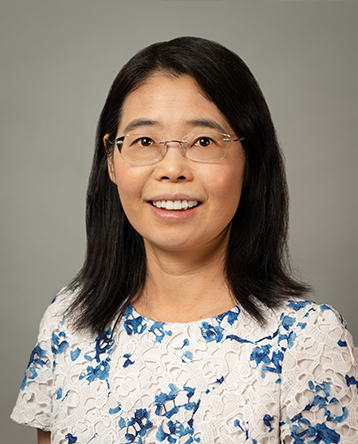
Sharon Tennant is an Adjunct Professor at the University of Maryland School of Medicine with primary appointments in Medicine and secondary appointments in Microbiology and Immunology . Her research focuses on bacterial pathogens, vaccine development, and diagnostic assay innovation, particularly targeting Salmonella , Klebsiella pneumoniae , and Pseudomonas aeruginosa . She leads the Clinical Microbiology and Molecular Diagnostics Section at the Center for Vaccine Development (CVD), supporting global clinical trials. Research Interests Global health initiatives in enteric diseases Pathogenesis of invasive Salmonella strains Live attenuated and conjugate vaccine platforms PCR-based diagnostic assays for resource-limited settings Publication Trends Dr. Tennant's recent work emphasizes age-specific vaccine responses, cross-serovar protection, and expanding conjugate vaccine strategies to Klebsiella and Pseudomonas . Her preclinical models include murine and nonhuman primate studies, with a focus on translating findings to clinical trials. Scientific Awards J.N. Peters Bequest Research Fellowship Laboratory & Resources Her lab operates advanced equipment including real-time PCR machines, biosafety cabinets, and molecular biology tools, enabling microbiology and immunology research for vaccine and diagnostic development.
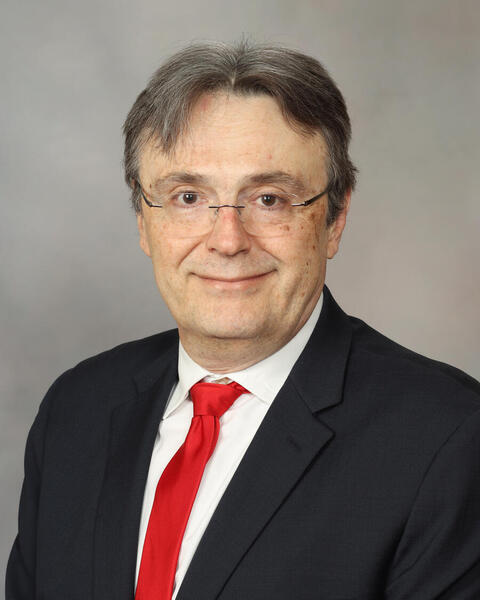
Svetomir N. Markovic, M.D., Ph.D., is a Professor of Medicine and Professor of Oncology at Mayo Clinic College of Medicine, where he serves as a Consultant in the Division of Medical Oncology, Department of Oncology, with joint appointments in the Department of Immunology and the Division of Hematology. He is based in Rochester, Minnesota, and is a leading expert in translational immunotherapeutics for advanced cancers, particularly malignant melanoma and non-Hodgkin’s lymphoma. Research Interests: Dr. Markovic's research is centered on developing more effective and less toxic therapies for advanced cancers. His work includes: Development and clinical testing of cancer vaccines Discovery of agents that boost anti-tumor immunity Integration of combination therapies to enhance immune responses Understanding immune evasion mechanisms in cancer Translational studies bridging laboratory findings to clinical applications His research has been supported by grants from the National Center for Research Resources and the Melanoma Research Alliance, with a focus on personalized medicine and immunomodulatory strategies. Publication Trends: Dr. Markovic's recent publications reflect a strong focus on immunotherapy, particularly immune checkpoint inhibitors, oncolytic viruses, and combination regimens. His work spans clinical trials, mechanistic studies, and reviews, with increasing emphasis on the tumor microenvironment, microbiome, and novel delivery systems such as nano-immunoconjugates and minibeam radiation. Key journals include Nature Communications , JAMA Oncology , and Frontiers in Immunology . Scientific Awards: Distinguished Inventor Award, Mayo Clinic (2024) Charles F. Mathy Professor of Melanoma Research (2009) Outstanding Faculty Award, Mayo Clinic School of Continuous Professional Development (2019) Mentor of the Year Award, CCaTS Program (2016) Multiple early-career and research excellence awards from Mayo Clinic and national societies Advising and Grants: Dr. Markovic has served as Principal Investigator (PI) and Co-PI on multiple NIH-funded and foundation-supported research projects. He has mentored numerous trainees and is actively involved in education at the Mayo Clinic School of Graduate Medical Education and Mayo Clinic School of Medicine. He has held leadership roles in national consortia including the North Central Cancer Treatment Group and the Eastern Cooperative Oncology Group. Labs and Teams: He leads the Melanoma Clinic at Mayo Clinic and chairs the 3-site Melanoma DOG Committee and the Midwest Melanoma Partnership. He is a key member of the Immunology Research and Melanoma Research programs at the Mayo Clinic Comprehensive Cancer Center and contributes to the David F. and Margaret T. Grohne Cancer Immunology and Immunotherapeutics Program.
Helen Barnett is a Lecturer in Statistics at the Department of Mathematics and Statistics , Lancaster University . Her academic work focuses on medical statistics and clinical trial methodology. Primary Affiliation: School of Mathematical Sciences, Lancaster University Research Expertise: Medical statistics, clinical trial design, dose-finding studies Supervision Interests: Response-adaptive designs, dose-finding clinical trials Email: helen.barnett@lancaster.ac.uk
Lucinda Billingham is Professor of Biostatistics within the Institute of Cancer and Genomic Sciences at the University of Birmingham. She has worked for over twenty years as a Biostatistician at the Cancer Research UK Clinical Trials Unit and currently serves as Director of Statistics for the Unit, leading a large team working on an extensive portfolio of early and late phase clinical trials. Her position as Chief Biostatistician for the National Lung Matrix Trial highlights her leadership in cancer clinical research. Professor Billingham's research focuses primarily on lung cancer and sarcoma, with expertise spanning statistical methods for the simultaneous analysis of quality of life and survival data, application of Bayesian methods in trials, design and analysis of trials in rare cancers, early phase trial design, and statistical methodology for biomarker discovery, validation and evaluation for stratified medicine. Her work bridges biostatistical methodology with practical clinical applications, particularly in the oncology space. Her recent publications demonstrate a strong focus on phase II trials across various cancer types including non-small cell lung cancer, Kaposi sarcoma, glioblastoma, and rare diseases like Wolfram syndrome. The trend in her research shows increasing emphasis on histology-independent drug development, biomarker-driven trials, and novel statistical methodologies for precision medicine applications. Her work spans both therapeutic trials and methodological research in clinical trial design. Professor Billingham has been actively involved in numerous research projects including Glo-BNHL (a global study of novel agents in relapsed and refractory B-Non Hodgkin Lymphoma), Thrombo-STOP (apixaban thromboprophylaxis for lung cancer patients), LifeArc Translational Rare Disease Centre, CRUK CRCTU Core Funding, and MonoGerm (a phase II trial for intracranial germinoma). She serves as Principal Investigator, Co-Investigator, or Researcher on these projects. Her academic contributions include over 139 research outputs and participation in 48 academic activities, including conference presentations, invited lectures, and workshops on topics ranging from clinical trial design to personalized medicine. She has also contributed to press and media discussions about cancer clinical trials and biomarker research.
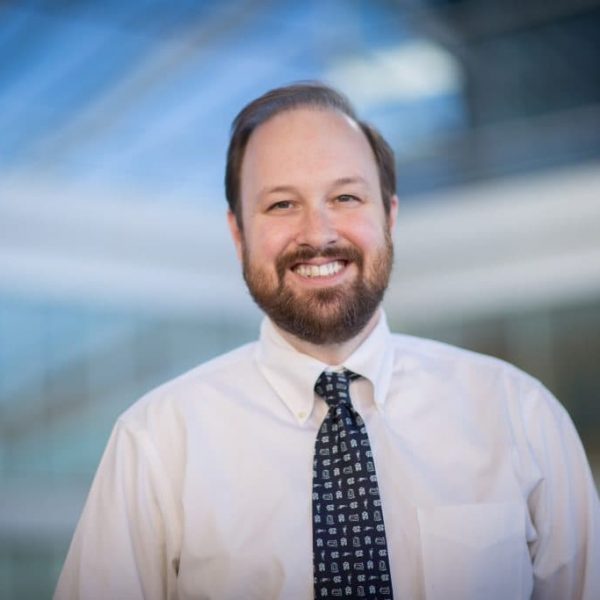
Dr. Benjamin Vincent is an Associate Professor in the Department of Microbiology and Immunology at the University of North Carolina at Chapel Hill School of Medicine. He serves as Principal Investigator of the Vincent Lab, which is part of the UNC Lineberger Comprehensive Cancer Center, an NCI-designated Cancer Center. Dr. Vincent is also co-chair of The Cancer Genome Atlas Immune Response Working Group and affiliated with the UNC Curriculum in Bioinformatics and Computational Biology. Undergraduate: University of North Carolina at Chapel Hill Medical School: University of North Carolina at Chapel Hill Residency: University of North Carolina at Chapel Hill Fellowship: University of North Carolina at Chapel Hill Dr. Vincent's research focuses on systems tumor immunology and immunogenomics, with particular emphasis on understanding anti-tumor immunity and translating these findings into curative immunotherapy strategies. His interdisciplinary laboratory combines experimental and computational approaches to study mechanisms of response versus resistance to tumor antigen vaccination and cellular immunotherapies in humans and murine model systems. Key research themes include understanding tumor immunobiology, developing novel immunogenomics tools, investigating response and resistance to combination immunotherapy, and targeting neoantigens and minor histocompatibility antigens for personalized immunotherapy. His work has highlighted the importance of antigen-specific B cell responses in breast cancer, bladder cancer, and other solid tumors, and has made significant contributions to identifying molecular subtype-specific differential immune responses. Analysis of Dr. Vincent's recent publications reveals a strong focus on translational cancer immunology, with particular emphasis on bladder cancer, breast cancer, and immunogenomics approaches. His work frequently explores the tumor microenvironment, immune checkpoint inhibitors, neoantigen discovery, and biomarkers for predicting treatment response. The publications demonstrate a consistent trajectory of moving basic immunological discoveries toward clinical applications, with increasing emphasis on computational approaches to analyze complex immunological datasets. Yang Family Biomedical Scholars Award, UNC School of Medicine, 2023-24 Biological and Biomedical Sciences Faculty Mentor Award, UNC-Chapel Hill, 2022 Invited speaker, Immuno-Oncology Young Investigators Forum, 2016 Pope Clinical Fellow Award, Lineberger Comprehensive Cancer Center, 2015 Outstanding Fellow Award, North Carolina Oncology Association, 2015 Dr. Vincent actively collaborates with clinicians and scientists across multiple disciplines, as evidenced by his involvement in numerous clinical trials including LCCC1525 (PD-1 inhibition following regulatory T cell depletion in metastatic triple negative breast cancer), LCCC1520 (adjuvant gemcitabine/cisplatin chemotherapy in bladder cancer), and LCCC1522 (with high-dose cytarabine in relapsed acute myeloid leukemia). His laboratory has developed multiple innovative tools for immune repertoire analysis and neoantigen prediction, and he serves as co-chair of The Cancer Genome Atlas Immune Response Working Group, indicating significant recognition within the cancer immunology community. The Vincent Lab operates as an interdisciplinary experimental and computational immunology group within the UNC Lineberger Comprehensive Cancer Center. The lab utilizes murine models of bladder cancer developed by William Kim to study differential immune responses and mechanisms of response versus resistance to immunotherapy. They have developed novel statistical techniques for T cell receptor and B cell receptor repertoire analysis, approaches for immune gene signature analysis, and pipelines for neoantigen prediction. The lab actively collaborates with the LCCC Mouse Phase I Unit and the Parrott Laboratory, creating a robust translational research environment that bridges basic science with clinical applications.
David Severs is a Researcher in the Department of Internal Medicine at Erasmus University Rotterdam, specializing in clinical nephrology and transplantation medicine with a focus on metabolic and immunological aspects of kidney disease. His primary research interests include Chronic Kidney Disease progression, Renal Failure management, Hemodialysis optimization, Kidney Transplantation outcomes, Oxalic Acid metabolism in renal impairment, and Body Composition assessment in uremic patients. He investigates dietary influences on oxalate kinetics, pre-transplant predictors of graft survival, and advanced techniques for nutritional evaluation in chronic kidney disease. Recent publications (2024-2025) demonstrate consistent thematic focus on oxalic acid's role in kidney failure and transplantation, eculizumab dosing protocols for atypical hemolytic uremic syndrome, and validation of body composition measurement methods. These studies reflect translational research bridging laboratory findings with clinical practice to improve patient outcomes in nephrology and transplantation.
Dr. James Marshall is a Research Fellow at the School of Applied Sciences , Edinburgh Napier University. His work focuses on surf therapy, mental health interventions, and program theory development within Sport for Development (SFD) initiatives. PhD in Programme Theory within Surf Therapy (2018-2022) Research interests center on surf therapy's role in improving mental health for post-conflict communities, emergency responders, and individuals with acquired brain injury. His methodological expertise includes Delphi studies , grounded theory , and mixed methods . Recent publications (2019-2024) analyze surf therapy program theories across global contexts (Sierra Leone, Liberia, USA) and examine safe space implementation in SFD projects. Key findings highlight the importance of non-judgmental environments , physical therapeutic elements , and community engagement for mental health outcomes.
Sarah Zohar is Research Director at INSERM and head of the HeKA team. Her work focuses on innovative methods for clinical trials and health data analysis, with applications in oncology, rare diseases, and antimicrobial resistance. She collaborates internationally on methodological frameworks. Key research themes: Adaptive trial designs for small populations Bayesian methods for dose-finding studies Evaluation frameworks for digital medical devices She coordinates EU Horizon projects and PEPR Digital Health initiatives, and has served on French HTA committees.
Amin Khademi is an Associate Professor in the Department of Industrial Engineering at Clemson University. His research focuses on operations research and management with a strong emphasis on healthcare applications, including clinical trials, infectious disease control, and resource allocation in healthcare systems. Education : BS and MS from Sharif University of Technology, PhD from the University of Pittsburgh. Professional Affiliations : INFORMS, MSOM. Dr. Khademi’s research interests revolve around operations research applied to healthcare systems . He investigates problems in adaptive clinical trial design, organ transplantation allocation, infectious disease control, and emergency response optimization. His work often integrates stochastic modeling , dynamic programming , and policy analysis to address complex decision-making scenarios. The 15 most recent articles highlight his focus on response-adaptive clinical trials , organ allocation fairness , infectious disease modeling , and stochastic optimization in healthcare and energy systems. His methodological contributions include dynamic learning in multistage stochastic programs and ergodic control in bipartite matching queues. Scientific Awards : The Board of Trustees Award for Excellence, Clemson University Dean's Faculty Fellows Award, Clemson University NSF CAREER Award (2017-2022) Seth Bonder Scholarship for Health Care, INFORMS (2012) Pierskalla Award Finalist (2012) Meritorious Reviewer, INFORMS Journal on Computing (2024) Advising : Dr. Khademi has advised several PhD students, including Saeid Delshad (Adaptive Clinical Trials), Farhad Hasankhani (Heart Transplant Allocation), and Amir Ali Nasrollahzadeh (Healthcare Applications of Dynamic Programming). He currently co-advises Hanwen Liu and Morteza Soltani on projects related to clinical trial design and wind turbine maintenance optimization.
John E Harris is a Professor and Chair at UMass Chan Medical School, holding the Lambi and Sarah Adams Chair in Genetic Research. He serves in multiple academic capacities across the institution, including in the Department of Dermatology at the T.H. Chan School of Medicine, and in several programs at the Morningside Graduate School of Biomedical Sciences including Immunology and Microbiology, Interdisciplinary Graduate Program, MD/PhD Program, and Millennium MD/PhD Program. Gordon College: BS Premedicine University of Massachusetts Medical School: MD University of Massachusetts Medical School: PhD in Molecular Medicine Harris leads a prominent research program focused on vitiligo, an autoimmune disease causing skin depigmentation affecting approximately 1% of the population. His laboratory investigates the complex interplay between melanocytes and immune cells that leads to vitiligo development. His research employs four major approaches: a mouse model of vitiligo he developed, humanized mouse models, direct analysis of patient samples from his specialty vitiligo clinic, and clinical trials testing novel treatments. A key finding from his work identified the IFN-g/CXCL10 pathway as critical for T cells to locate and destroy melanocytes in vitiligo. Harris's publication record shows consistent productivity with over 100 publications spanning from 2000 to 2025, with a significant increase in output since 2013. His research has evolved from fundamental immunological mechanisms to increasingly translational and clinical applications, particularly focusing on JAK inhibitors as potential vitiligo treatments. His recent work emphasizes health disparities, mental health impacts of vitiligo, and improving therapeutic approaches for diverse patient populations. Harris has been instrumental in advancing vitiligo research through numerous clinical trials, including pivotal studies on ruxolitinib cream and upadacitinib. His laboratory has developed innovative models for studying skin autoimmunity and has made significant contributions to understanding how stressed melanocytes communicate with the immune system. His work bridges basic science discoveries with clinical applications, positioning him as a leader in translational dermatology research. Harris manages a specialty clinic for vitiligo patients while simultaneously directing a productive research laboratory. His team employs cutting-edge techniques including single-cell RNA sequencing, advanced mouse models, and clinical trial design to address fundamental questions about autoimmune skin diseases. His research program has secured significant funding to support investigations into environmental triggers of vitiligo, mechanisms of T cell migration in skin, and development of novel therapeutic approaches.
Susan Galloway Hilsenbeck, Ph.D., is a Professor at Baylor College of Medicine and Director of the Quantitative Sciences Shared Resource at the Dan L Duncan Comprehensive Cancer Center. She specializes in biostatistics and informatics collaboration in cancer research, with a focus on clinical trials and biomarker analysis. Education: Ph.D. in Applied Biostatistics, University of Miami (1990) Her research interests include the design and statistical analysis of translational experiments, clinical trials, and prognostic/predictive biomarker studies. She plays a critical role in multi-center clinical trials and leads biostatistics and informatics initiatives at Baylor. Scientific Awards: Fellow, American Statistical Association Certified Professional Statistician (PStat), American Statistical Association Fellow, American Association for Cancer Research Hilsenbeck actively mentors students, teaches biostatistics courses for biomedical graduate students, and contributes to national and international workshops. She collaborates with teams such as the Advanced Technology Cores at BCM and the Smith Breast Center.
Ties Mulders is a Researcher in the Department of Radiology & Nuclear Medicine at Erasmus University Medical Center (Erasmus MC), specializing in advanced imaging techniques with a focus on PET-CT applications in cardiac and thoracic pathologies. His work bridges nuclear medicine, radiology, and clinical cardiology to improve diagnostic accuracy for complex conditions. His core research spans: Cardiac PET-CT Imaging : Investigating FDG-PET/CT variations in prosthetic heart valves and post-sternotomy complications to differentiate infection from inflammation Lung Cancer Diagnostics : Validating AI-driven CAD systems for lung nodule characterization and optimizing radiation-safe follow-up protocols for pulmonary carcinoids Thoracic Lesion Management : Leading international Delphi initiatives to standardize diagnostics for mediastinal cystic lesions through multidisciplinary consensus Analysis of his 2023-2025 publications reveals a strong trend toward clinical translation of imaging biomarkers, particularly in reducing false positives in cardiac prostheses evaluation and minimizing radiation exposure in lung cancer surveillance. His work consistently integrates quantitative imaging with real-world clinical decision-making across nuclear medicine and radiology domains. No scientific awards were documented in the provided profile. While student mentoring details are absent, his collaborative research involves extensive cross-institutional partnerships with cardiologists, thoracic surgeons, and oncology teams. Current projects include the DETECTION initiative for mediastinal lesions and validation studies for AI-based nodule detection systems, though specific grant information isn't disclosed. Dr. Mulders operates within Erasmus MC's Radiology & Nuclear Medicine department, contributing to multidisciplinary teams focused on cardiac imaging innovation and thoracic oncology diagnostics through active participation in prospective cohort studies and international consensus projects.
Soni Deshwal is a Research Fellow at the Max Planck Institute for Biology of Ageing, Cologne, Germany, affiliated with the Department Langer. Her research focuses on mitochondrial biology, particularly the role of mitochondria in ferroptosis and cellular defense mechanisms. She completed her Master’s in Molecular Genetics at the University of Leicester and earned her PhD from the University of Padova as a Marie Skłodowska-Curie fellow. She was an Alexander von Humboldt fellow at her current institute before securing the prestigious ERC Starting Grant (2024) to establish her independent research group. Her work explores mitochondrial transport of coenzyme Q to inhibit ferroptosis, mitochondrial communication networks, and oxidative stress in diseases like diabetes and neurodegeneration. Key findings include the discovery that mitochondria suppress ferroptosis via coenzyme Q transport and their potential cross-talk with the endoplasmic reticulum. She has also investigated monoamine oxidase A’s role in cardiomyocyte differentiation and diabetic cardiomyopathy. Awarded the ERC Starting Grant (2024), her research bridges mitochondrial biology, cell death mechanisms, and translational medicine. Her group investigates how mitochondrial functions regulate metabolic cell death pathways, with implications for developing therapies targeting ferroptosis in cancer and neurodegenerative diseases.
John Lachin is a Professor and leading biostatistician at George Washington University, renowned for his pivotal role in diabetes research. He joined the Biostatistics Center in 1973 as an Assistant Research Professor and later served as Assistant Director, Co-Director, Director (1988-2000), and Interim Director (2010-2012). His career has been marked by leadership in landmark clinical trials, including the Diabetes Control and Complications Trial (DCCT) and its extension, the EDIC Study. These studies transformed Type 1 diabetes care by demonstrating the benefits of tight glycemic control. His research has generated over $471 million in grants, produced 397 peer-reviewed papers, and 5 books, with over 96,000 citations. Key contributions include advancing statistical methodologies in clinical trials, analyzing biomarkers for cardiovascular and renal complications, and mentoring generations of biostatisticians. In 2024, he received the Tulane Science and Engineering Outstanding Alumni Award for Professional Excellence, recognizing his unparalleled impact on diabetes research and public health. Key Projects: DCCT/EDIC (Type 1 diabetes), GRADE Study (Type 2 diabetes therapies), DPP/DPPOS (diabetes prevention). Awards: 2024 Tulane Alumni Award, cited as one of the most influential figures in diabetes science. Grants: Over $471 million secured as PI/Co-PI since 1985, supporting multi-center trials and coordinated research initiatives. His work bridges biostatistics and clinical practice, emphasizing rigorous data analysis to improve patient outcomes. Ongoing research focuses on glycemic variability, epigenetic mediation of complications, and cardiovascular risk prediction in diabetes.