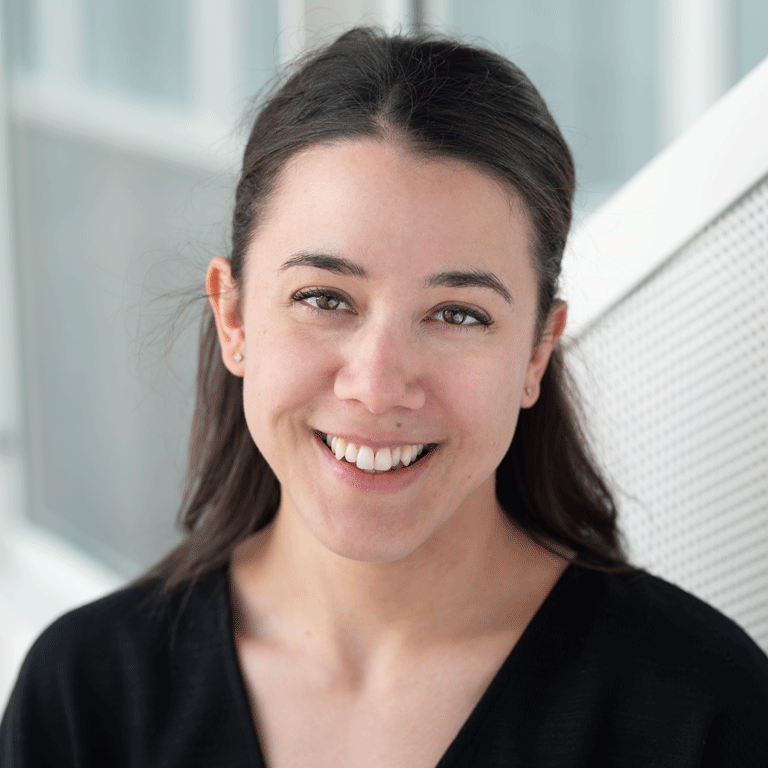
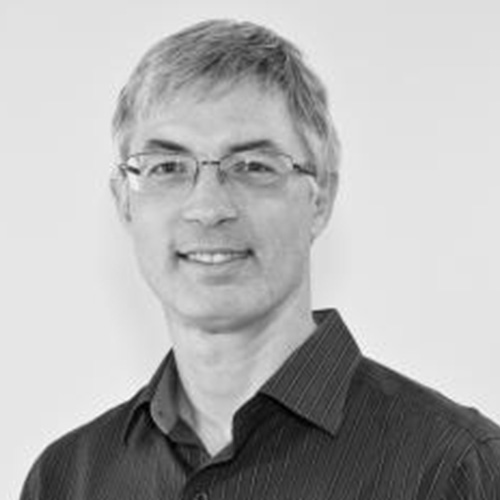
Hayley M. McDaid is an Associate Professor in three departments at Albert Einstein College of Medicine: Oncology (Medical Oncology), Medicine (Oncology & Hematology), and Molecular Pharmacology. Her research focuses on molecular mechanisms of cancer therapy resistance, particularly in lung and breast cancers, with a senescence-centric approach. She investigates therapy-induced senescence (TIS) as a driver of drug resistance and tumor dormancy, and develops strategies to target senescent cells (senolytics) and enhance tubulin ligand efficacy. Her lab’s key projects include: biomarker development for TIS detection, genomic instability in senescent cells, and optimizing discodermolide-based therapies via structural refinement. Collaborations include work with Dr. Amos B. Smith III (UPenn) on tubulin ligand chemistry. Publications span 2010–2022, covering topics like 4E-BP1-dependent resistance, panobinostat as a senolytic, and nanoparticle-encapsulated doxorubicin. No awards are listed here, though her work contributes to translational oncology advancements.
Associate Professor Andrew Biggin is a Specialist Paediatric Endocrinologist at the Children's Hospital at Westmead and Associate Professor at the University of Sydney's Children's Hospital Westmead Clinical School. He holds qualifications including a PhD in neuromuscular junction plasticity (University of London), MBBS, and FRACP. His research focuses on bone dysplasias, metabolic bone disease, osteoporosis, and innovative IT applications in clinical care. Education: PhD (University of London), MBBS, FRACP. Affiliations: Royal Australasian College of Physicians (RACP), Australian Paediatric Endocrine Group (APEG), and others. Current research projects include whole genome sequencing for skeletal genetic disorders, KRN23 efficacy in X-linked Hypophosphatemia, and beta-cell preservation in Type 1 Diabetes. His work emphasizes translational research, such as CRISPR/Cas9 studies on genetic variants. Publications span topics like bisphosphonates in Osteogenesis Imperfecta, burosumab therapy for XLH, and pediatric bone health guidelines. Awards include the 2017 Vice-Chancellor’s Award for Research Supervision. Grants/Advising: Supervised multiple HDR students and contributed to clinical trials (e.g., burosumab phase 3 trials). Labs/Teams: Collaborates with Dr. Lucinda Lee on functional genomics and CRISPR-based research.
Ricky R Savjani is an Assistant Professor-in-residence in the Department of Radiation Oncology at the University of California Los Angeles (UCLA), David Geffen School of Medicine. He clinically treats patients with Head & Neck cancers, as well as Brain and Spine metastases. He leads a research laboratory focused on advanced imaging, clinical informatics, and artificial intelligence applications in radiation oncology. Dr. Savjani's research interests span radiation oncology, medical imaging, and artificial intelligence in healthcare. His work focuses on translating neuroimaging advances to capture cancer tissue properties and guide radiotherapy. He has developed innovative frameworks for sharing radiation dose distribution maps in electronic medical records (Push2PACS project published in Radiology: Imaging Cancer) and works with industry partners including Varian and NVIDIA. His research integrates machine learning models into clinical radiation oncology practice, with emphasis on image registration, motion management, and tumor segmentation. His recent publications demonstrate strong trends in applying AI and advanced imaging techniques to radiation oncology challenges, particularly in head and neck cancer, brain metastases, and motion management. The research spans from clinical implementation of novel imaging techniques like 5DCT to developing machine learning models for treatment prediction and optimization. His work bridges the gap between advanced computational techniques and practical clinical applications in radiation therapy. ASTRO-Varian Research Training Fellowship (2020-2021) Trainee Editorial Board of Radiology: Imaging Cancer Dr. Savjani mentors a diverse research team including postdoctoral fellows, graduate students, medical students, and research staff. His lab has developed computational infrastructure with multiple GPU servers (totaling 14 GPUs, 256 CPU cores, 3086 GB RAM, 376 TB storage) to support AI research in radiation oncology. Current projects include functional MRI neuroscience, resting-state fMRI, radiation therapy dose distribution sharing (Push RT 2 PACS), and saccadotopy functional mapping.
Scott Lempka, Ph.D., is an Associate Professor in the Department of Biomedical Engineering at the University of Michigan. His work focuses on neuromodulation technologies for chronic pain management, particularly through spinal cord stimulation and computational modeling. He is affiliated with the Neuromodulation Lab and located at the NCRC Building 14 in Ann Arbor, MI. Research Interests Biomedical computation and neural engineering Neuromodulation mechanisms for chronic pain Computational modeling of neural activation Spinal cord and dorsal root ganglion stimulation Electrode design for focal neural targeting Recent Article Trends Dr. Lempka’s publications emphasize computational modeling of spinal cord stimulation, neural recruitment patterns, and bioelectronic therapies for pain. Key subfields include ultra-low frequency neuromodulation, patient-specific simulations, thalamic signal inhibition, and artifact analysis in epidural recordings. Labs & Collaborations He leads research at the Neuromodulation Lab, integrating biomedical engineering principles with clinical applications to advance pain management technologies.
Bartosz Ciupek is an Assistant Professor at the Institute of Thermal Engineering, Poznan University of Technology. His research focuses on reducing emissions from solid fuel boilers, improving energy efficiency of heating systems, and combustion process optimization. He is a principal investigator in multiple projects funded by NCBiR and industry partners, addressing low-emission boiler design, alternative fuels, and catalytic emission reduction technologies. He holds a BEng and PhD in Thermal Engineering. His work includes over 20 peer-reviewed publications in journals like Energy , Energies , and Przemysł Chemiczny , covering topics such as flue gas recirculation, catalytic systems, and biomass co-firing. Notable achievements include the Poznan City Scholarship for Young Scientists (2023) and didactic awards from Poznan University of Technology. Ciupek leads projects such as the POIR.04.01.04-00-0135/16 grant (2018-2020) for low-emission boilers and the 0712/PRJG/5189 project (2020) evaluating catalytic reactors. He collaborates with industry partners like CHIRON Werke GmbH (2019) and actively participates in professional organizations like the Polish Association of Mechanical Engineers (SIMP). His teaching includes thermodynamics and combustion processes, with a focus on practical applications in heating systems and energy efficiency. He has supervised experimental studies on boiler performance, fuel additives, and emission modeling.
David R. Taft is a Professor of Pharmaceutics at the Arnold & Marie Schwartz College of Pharmacy and Health Sciences, Long Island University (LIU Pharmacy). He holds a B.S. in Pharmacy from the University of Rhode Island and a Ph.D. in Pharmaceutical Science from the University of Connecticut. His research focuses on pharmacokinetics, drug disposition mechanisms, and preclinical evaluation of novel therapeutics, particularly anticancer agents. He has collaborated extensively with pharmaceutical companies like Onconova Therapeutics and Parion Sciences, securing grants totaling over $100,000 annually since 2011. Education: B.S. (Pharmacy), University of Rhode Island Ph.D. in Pharmaceutical Science, University of Connecticut Post-doctoral fellowship at the University of North Carolina School of Pharmacy Research Interests: Dr. Taft’s work spans pharmacokinetic modeling, drug formulation development, and preclinical drug disposition studies. His recent projects include PBPK modeling for elderly populations, inhaled JAK inhibitor delivery, and radioprotective compound evaluation. Professional Activities: He serves on the editorial advisory boards of Journal of Pharmaceutical Sciences and Drug Development and Industrial Pharmacy . His awards include the AAPS New Investigator Grant (2004) and the UConn School of Pharmacy Distinguished Alumnus Award (2011). Grants/Contracts: Onconova Therapeutics Inc. (2013–2015): Preclinical studies with novel compounds Parion Sciences, Inc. (2011): Renal excretion studies Labs/Teams: His research lab focuses on drug disposition mechanisms, collaborating with industry partners to advance preclinical drug development.
Cormac O'Shea is a Professor and Head of Department at the Faculty of Science and Health, Department of Bioveterinary and Microbial Sciences. His research focuses on animal nutrition, feed efficiency, and gastrointestinal health in swine and poultry systems. Recent publications highlight trends in dietary supplementation with marine extracts (laminarin, fucoidan), mineral dynamics in broiler chickens, and metabolic implications of feed efficiency in laying hens. Key subfields include transcriptomic profiling of digestive organs, microbial ecology in livestock, and functional feed additives. While no specific scientific awards are mentioned in the provided text, his work has been covered by media outlets such as the University of Technology and University of Nottingham. His research spans nutritional interventions to improve productivity, organ health, and welfare in commercial livestock systems.
Ibrahim Akubat is a Senior Lecturer in Exercise Physiology & Sports and Exercise Science at Newman University, serving as Course Leader for the BSc Sport and Exercise Science. He holds dual roles as Postgraduate Research Co-ordinator (Research Training and Development) and leads HPL@Newman, a human performance laboratory consultancy service. Previously, he taught at Coventry University and the University of Hull, where he earned his PhD on training load monitoring in team sports. His research focuses on athlete performance optimization across soccer, cricket, cycling, and Gaelic sports, emphasizing training load monitoring, nutrition, and thermal physiology. Key contributions include a chapter in *Fitness in Soccer* and collaborative work with professional teams and sport technology firms. He actively contributes to BASES, chairing its Sport & Performance Division and serving on the board. Teaching interests span health/wellbeing, human movement, and exercise physiology. Awards include Fellowship of the Higher Education Academy. His work bridges academic research with applied practice through consultancy and postgraduate supervision.
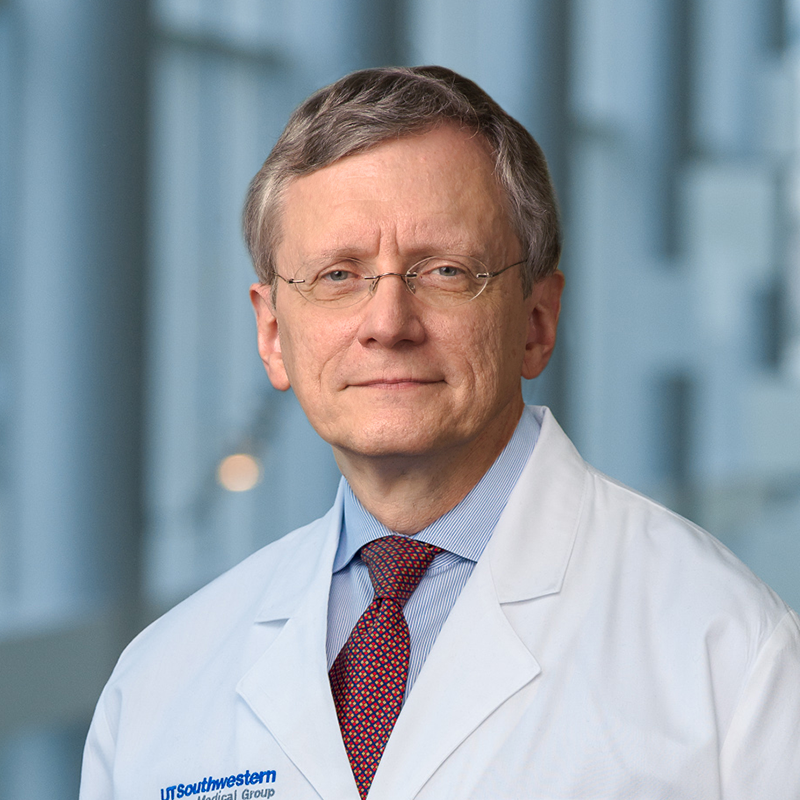
Ronald Peshock is a Professor of Radiology and Internal Medicine at UT Southwestern Medical Center, with dual expertise in cardiology and radiology informatics. His academic career spans over four decades since earning his medical degree from UT Southwestern Medical Center in 1976, followed by internship, residency, and cardiology fellowship at Parkland Health & Hospital System. Dr. Peshock completed his medical education at UT Southwestern Medical Center (1976), followed by an internship (1977), residency in Internal Medicine (1979), and fellowship in Cardiology (1982), all at Parkland Health & Hospital System. His educational background established the foundation for his dual expertise in cardiology and radiology that would define his research career. Dr. Peshock's research spans cardiovascular imaging with particular focus on cardiac MRI, CT angiography, and left ventricular hypertrophy assessment. His work bridges clinical cardiology and advanced imaging techniques, with growing emphasis on artificial intelligence applications in medical imaging. He has been instrumental in implementing standardized imaging protocols across healthcare systems and developing AI tools for risk stratification and diagnostic assistance. His research often leverages population-based studies like the Dallas Heart Study to identify imaging biomarkers with clinical relevance. Analysis of his recent publications reveals a strategic shift toward AI integration in radiology practice, with approximately 40% of his 2020-2025 publications focusing on artificial intelligence applications. His work addresses both technical aspects of AI implementation and practical considerations for clinical workflow integration, particularly in safety-net hospital settings. The publications demonstrate a progression from developing AI tools to evaluating their real-world impact on diagnostic accuracy, turnaround times, and clinical decision-making. Dr. Peshock has made significant contributions to medical imaging standards and protocols, particularly through collaborative work with professional organizations. His research on implementing shared imaging protocols across healthcare enterprises has improved workflow efficiency and quality control in radiology departments. Throughout his career, Dr. Peshock has mentored numerous trainees and collaborated extensively across disciplines, working with researchers in cardiology, neurology, and computer science. His work on integrating AI into radiology residency training reflects his commitment to preparing the next generation of radiologists for technology-driven practice. He has participated in multi-institutional research initiatives focused on cardiovascular risk assessment through advanced imaging techniques.
William Paynter serves as a Clinical Assistant Professor at Widener University within the Physician Assistant Studies program. A veteran of 20 years of active military service with deployments across Latin America, the Middle East, Southeast Asia, and Africa, he specialized in Aviation Medicine, Tropical Diseases, Disaster Preparedness, and Mass Casualty Management. Following his military career, he dedicated 22 years to emergency medicine in one of the East Coast's largest emergency departments, where he also directed physician assistant training programs and maintained academic appointments at Thomas Jefferson University and Drexel University's Hahnemann PA Program. His educational background includes: Military Tropical Medicine Fellowship, Uniformed Services University of the Health Sciences (1997) Master of Physician Assistant Studies, University of Nebraska (1997) US Army Rotary Wing Flight Surgeon Training Program, US Army Aviation Center, Alabama (1996) BS, University of Oklahoma (1992) US Army Physician Assistant Training Program, US Army Medical Department, Texas (1992) Professor Paynter's research portfolio emphasizes practical clinical challenges in global and emergency settings. Key areas include Tropical and Infectious Diseases (with focus on malaria and travel medicine), Disaster Preparedness & Mass Casualty Management, Immigrant Medicine, and Veterans Affairs healthcare. This work stems from his extensive field experience in diverse military and civilian emergency contexts, aiming to improve outcomes for vulnerable populations through evidence-based practice. Analysis of his 15 most recent publications reveals a consistent focus on translating clinical knowledge into accessible practice guidelines. From editorial leadership in the Antibiotic Manual (2007-2017) to the Urgent Care Manual (2021), his work centers on antibiotic stewardship, tropical disease management, and emergency pediatrics. The recurring theme across editions demonstrates his enduring commitment to optimizing antimicrobial use and clinical protocols in acute care settings. His contributions have been recognized with significant professional honors: Outstanding Faculty Teaching Award, PA Program, Philadelphia College of Osteopathic Medicine (2000) Professor Paynter has shaped physician assistant education through multiple leadership roles. As Director of the Emergency Medicine Physician Assistant Intern Training Program, he developed curricula for NCCPA-certified PAs entering emergency medicine. His current focus at Widener centers on training physician assistants with core values of service above self, lifelong learning, and community engagement. Although specific research grants aren't detailed, his editorial contributions to national clinical manuals represent significant professional service influencing emergency care standards across the United States. While his career has centered on clinical practice and education rather than laboratory research, Professor Paynter's work with the Emergency Medicine Residents Association has effectively created knowledge-sharing networks among practitioners, translating field experience into standardized clinical guidance for emergency departments nationwide.
Raja Hatem is a Clinical Associate Professor at the Université de Montréal’s Faculty of Medicine, Department of Medicine. He is a renowned interventional cardiologist specializing in complex coronary interventions, particularly chronic total occlusion (CTO) percutaneous coronary intervention (PCI) and complex hemodynamic procedures (CHIP). He serves as the Cath Lab Director and Director of the CTO-CHIP Program at Hôpital du Sacré-Cœur de Montréal, part of the CIUSSS Nord-de-l’Île-de-Montréal. Dr. Hatem completed his medical degree at Université de Montréal (2009), followed by residencies in Internal Medicine and Cardiology (2015). He further specialized in interventional cardiology at Columbia University Medical Center (2017). His expertise includes innovative techniques in vascular interventions and the use of advanced medical devices, such as the first operator in Canada to deploy critical tools like the SyncVision iFR system (2018), Mamba microcatheter (2020), and MicroRx microcatheter (2024). His research focuses on optimizing CTO-PCI outcomes, radiation exposure reduction, and procedural safety. He has authored and co-authored over 30 peer-reviewed articles, chapters in interventional cardiology manuals, and contributed to global guidelines such as the Global Chronic Total Occlusion Crossing Algorithm (2021). His awards include the Bayer Fellowship (2015–2016) and multiple honors for clinical excellence and innovation. Dr. Hatem is a sought-after international lecturer and has pioneered techniques like the “zero-contrast CTO-PCI” and the “self-made covered stent technique.” He actively participates in clinical trials and registries, including the OPEN-CTO registry, which evaluates retrograde CTO-PCI outcomes. His work bridges clinical practice, research, and medical education, emphasizing patient-centered innovation.
Juliana Schulz is an Associate Professor in the Department of Decision Sciences at HEC Montréal. She holds a PhD in Statistics from Université McGill and an MSc in Mathematics from Université Concordia. Her expertise spans dependence modelling, actuarial mathematics, property and casualty insurance, biostatistics, and adaptive treatment strategies. She is also a member of the Centre de recherches mathématiques (CRM). Her research focuses on advanced statistical methodologies including multivariate Poisson models, comonotonicity in risk analysis, and adaptive treatment strategies in biostatistics. Recent work explores applications in epidemiology, aging studies, and causal inference. In teaching, she has offered courses such as Statistical Modelling, Survival Analysis, and foundational statistics courses for management students over recent years. She supervises Master's theses and projects in areas like insurance adjudication processes, customer churn prediction, and machine learning applications in inventory management.
Dr. Lynn Mahony is Professor of Pediatrics at UT Southwestern Medical Center, where she chairs the NHLBI-funded Pediatric Heart Network. Her clinical expertise spans pediatric cardiology with research focus on congenital heart disease outcomes and clinical trials. Key research areas include: Long-term outcomes of Fontan procedure Neurodevelopmental sequelae of congenital heart disease Marfan syndrome therapeutics Quality of life assessment methodologies Perioperative management protocols She leads multicenter clinical trials investigating pharmacological interventions for Marfan syndrome and single ventricle physiology. Recent publications emphasize functional outcomes, quality of life metrics, and neurodevelopmental trajectories in pediatric cardiac populations. Dr. Mahony mentors early-career investigators through the Pediatric Heart Network and contributes to guideline development for congenital heart disease management.
Laura Miller is a Professor of Occupational Therapy at the School of Allied Health, Faculty of Health Sciences. Her research focuses on pediatric rehabilitation, particularly for children with cerebral palsy, neurodisabilities, and chronic conditions. She explores interventions to enhance motor function, goal-setting strategies, and family-centered care. Her work emphasizes co-design approaches with caregivers and emphasizes mastery motivation in therapy outcomes. Her research interests include play and leisure activities, early intervention strategies, and the impact of parental involvement. She has contributed to program development such as the ENVISAGE initiative, aimed at supporting families of children with neurodevelopmental disorders. Her studies often involve randomized controlled trials and systematic reviews to assess intervention efficacy. Key themes in her publications include optimizing therapy for children with disabilities, parent-child communication dynamics, and the psychosocial impact of chronic illnesses like myalgic encephalomyelitis. She collaborates internationally and integrates clinical practice guidelines with innovative methodologies. While no scientific awards are listed, her extensive publication record highlights her expertise in pediatric occupational therapy and interdisciplinary research. Laura’s work also addresses the lived experiences of adults with chronic conditions, advocating for holistic care approaches. She is involved in training programs for clinicians and has contributed to both academic textbooks and peer-reviewed journals.
Dr. Glenn Wells is an Associate Professor at the University of Ottawa and an Adjunct Professor in Physics at Carleton University. He is a research scientist at the University of Ottawa Heart Institute, focusing on multimodality imaging combining nuclear medicine techniques like SPECT and PET with CT. His work addresses challenges in cardiac imaging, including improving accuracy through dynamic SPECT for myocardial blood flow measurement and optimizing novel camera designs. He holds advanced qualifications (PhD, FCCPM) and leads projects on scatter modeling, camera performance, and dose reduction in medical imaging. His research interests span nuclear medicine imaging technologies, particularly advancements in cardiac SPECT systems, scatter correction methods for solid-state detectors, and the development of quantitative imaging protocols. He collaborates with institutions like the University of Ottawa Heart Institute and Carleton University's Physics department to advance clinical applications of imaging technologies. Recent work emphasizes optimizing cardiac SPECT for disease detection and improving image quality through novel reconstruction techniques. His contributions bridge engineering and medicine, aiming to enhance diagnostic precision and reduce patient radiation exposure.