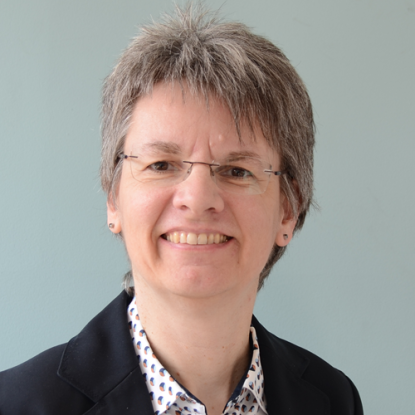
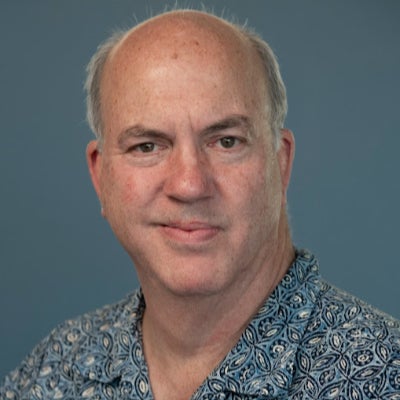
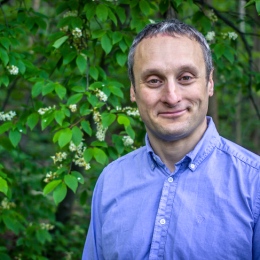
Prof. Anja Klein is a Professor in the Department of Electrical Engineering and Information Technology at Technische Universität Darmstadt. She leads the Communications Technology group, focusing on cutting-edge research in wireless communications, edge computing, and UAV-enabled systems. Her work emphasizes optimization techniques, machine learning applications, and energy-efficient network designs. Key areas of expertise include integrated sensing and communication (ISAC), multi-agent systems, and resilient digital infrastructure. Her research spans topics such as UAV-assisted communication networks, risk-aware optimization, and decentralized learning in mobile edge computing. Notable contributions include advancements in beamforming algorithms for UAV systems, age of information minimization, and sustainable resource allocation strategies. Prof. Klein collaborates extensively on projects like the MAKI initiative, exploring future wireless network transitions and protocol-independent architectures. Her publications highlight innovations in network resilience, such as Safehaul for mmWave self-backhauling and techniques for handling imperfect feedback channels in status update systems. She also investigates socio-technical challenges, including user preferences in data forwarding and incentive mechanisms for video streaming in multi-hop networks. Her work bridges theoretical foundations with practical applications in 5G/6G networks, IoT, and smart city technologies.
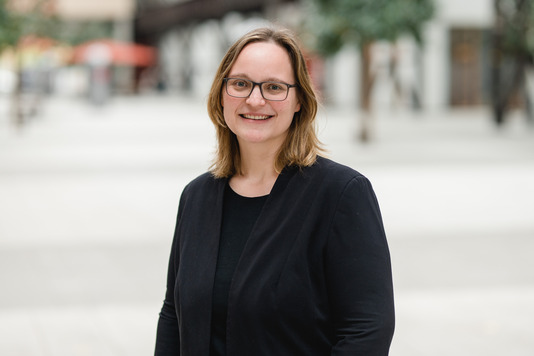
Prof. Dr. Yvonne Garbers is a Professor of Organizational Psychology at the Institute for Communication Management , Osnabrück University of Applied Sciences, Lingen Campus. Her research focuses on organizational leadership, team dynamics, and the interplay of virtuality and diversity in workplaces. She also teaches Human Resource Management, Organizational Communication, and Applied Statistics. Education: PhD in Psychology (summa cum laude), Christian-Albrechts-Universität zu Kiel; Diplom in Psychology (grade: "Sehr gut"), CAU Kiel. Research Trends: Recent publications explore cytokine signaling in osteoarthritis, justice repair dynamics, and health impacts of workplace innovations like sit-stand desks. Her work bridges molecular biology and organizational psychology, emphasizing interdisciplinary applications. Labs & Projects: Involved in the Mittelstand-Digitalzentrum Lingen.Münster.Osnabrück and the Labor für Organisationspsychologie (Interaction & Communication section), focusing on adaptability and leadership models. Teaching: Courses include Organizational Psychology, Human Resource Management, Communication in HR, Introduction to General Psychology, and Workshops on Change and Resilience. Her contact details: Office Hours by appointment, Room KB304, Phone: 0591-80098-435, Email: y.garbers@hs-osnabrueck.de . She is married with two daughters (born 2014 and 2016).
Prof. Dr. Heinz-Josef Eikerling is a full professor at the Faculty of Engineering and Computer Science, Osnabrück University of Applied Sciences, specializing in distributed systems, cloud computing, and mobile applications. His research bridges machine learning and interactive sensor systems with practical education methods. Teaching: Offers courses on distributed systems, algorithms, operating systems, and mobile application development at both bachelor's and master's levels. Research Trends: Focuses on scalable sensor networks, contactless gait analysis, and gaming technology applications in education, with recent work on kinematic estimation and rehabilitation monitoring . Scientific Collaborations: Has co-authored publications with Michael Uelschen, Jaap Buurke, and others, presented at conferences like ICAMPAM , EMBEC , and HEALTHINF . Projects: Led initiatives such as KI Nordwest for industrial posture analysis and Listroots for root damage detection via sensor data. Contact: h.eikerling@hs-osnabrueck.de
Xiaojun Xu is a Professor at the School of Computer Science, Beijing Institute of Technology, with a prolific research career spanning machine learning security, medical AI, and robotics. Their work demonstrates strong interdisciplinary collaboration across computer science, healthcare, and engineering domains. Institution: Beijing Institute of Technology, School of Computer Science Research Focus: AI security, medical imaging, robotics, and remote sensing applications Collaborations: Extensive work with Bo Li (29 papers), Dawn Song (11 papers), and medical researchers Xu's research interests center on adversarial machine learning, with significant contributions to model security, backdoor detection, and LLM unlearning. They've pioneered techniques like Meta Neural Analysis for Trojan detection and developed frameworks for certified robustness. Their medical imaging work focuses on quantitative susceptibility mapping for neurodegenerative diseases, particularly Parkinson's and Alzheimer's. In robotics, they've advanced control systems for quadruped and amphibious vehicles. Recent publications reveal a strong trend toward large language model security, with multiple 2024-2025 papers on machine unlearning and watermarking techniques. Their work bridges theoretical security with practical healthcare applications, particularly in medical image analysis where they've developed tools for subcortical nucleus segmentation and brain age prediction. Key venues: NeurIPS, CCS, IEEE S&P, NeuroImage, IEEE Transactions Research impact: High citation count with consistent top-tier publication record Xu has secured significant research funding, evidenced by the volume and diversity of publications across multiple domains. Their work on blockchain-enabled IoT systems and RAFT-based private blockchain demonstrates expertise in distributed systems. The medical imaging research shows strong hospital collaborations, particularly in developing tools for Parkinson's diagnosis. Current projects appear focused on LLM security challenges and multimodal medical AI systems with potential clinical applications.
Jörg Denzinger is a Professor at the University of Calgary, Canada, specializing in artificial intelligence, multi-agent systems, and automated testing. His work bridges evolutionary computation, cybersecurity, and game-based simulations, with a focus on emergent behavior and cooperative strategies. Key Research Areas: Multi-Agent Systems, Evolutionary Algorithms, Automated Theorem Proving, Game AI, Data Mining, Cybersecurity, Distributed Systems. Recent Trends: He has concentrated on applying exploratory evolutionary testing to security policy optimization, using deep learning for medical imaging, and modeling emergent coordination in self-organizing systems. Scientific Contributions: Developed frameworks for combining security mechanisms and testing multi-agent systems. Explored decentralized control in water distribution networks and adaptive risk management. Contributed to code reuse tools like Jigsaw and structural correspondence analysis.
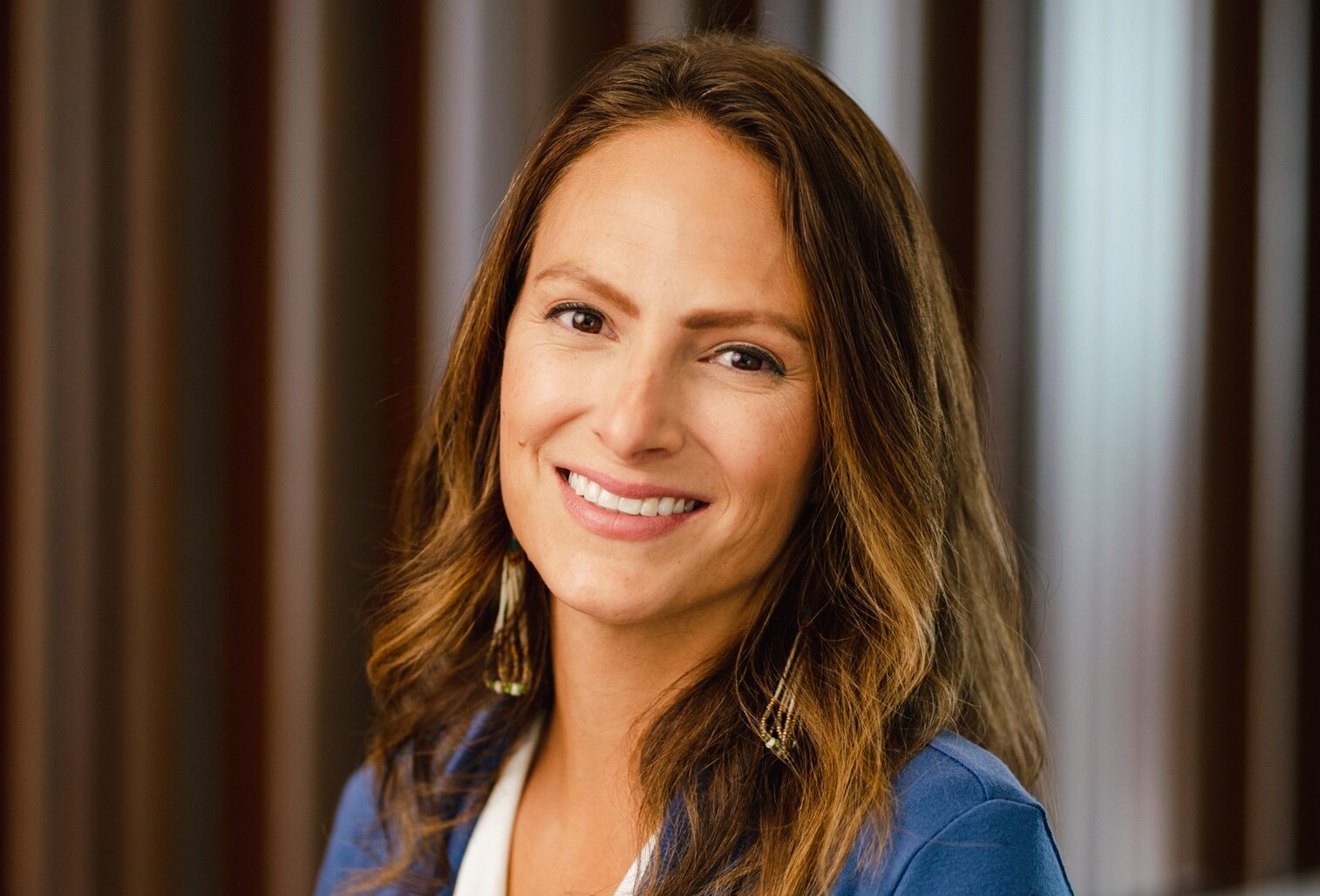
Heather Tanana is a Research Assistant Professor at the University of Utah College of Law and affiliated with the Wallace Stegner Center for Environmental Law . Her work bridges Environmental Law and Indian Law , focusing on water rights, climate change, and health equity in Tribal communities. Expertise : Environmental Law, Indian Law, Water Security, Climate Justice, Tribal Sovereignty Key Themes : Intersection of legal frameworks with public health, policy advocacy, and Tribal self-determination Her recent research explores: Water insecurity in Indian Country Tribal sovereignty in climate change mitigation Legal barriers to health services in Native communities Policy reform for clean water access Historical evidence in Supreme Court Indian Law cases Her publications highlight interdisciplinary approaches to environmental justice, Tribal governance, and federal policy. She actively engages in regulatory comment processes for agencies like the Bureau of Land Management and USDA.
Dr. Jeffrey S. Olafsen is an Associate Professor in the Department of Physics and Astronomy at Baylor University. He holds a Ph.D. in Physics from Duke University (1994) and has conducted postdoctoral research at the University of Massachusetts-Amherst (thin films) and Georgetown University (granular physics). His academic journey includes faculty roles at the University of Kansas and Baylor University since 2006. Education: Ph.D. in Physics, Duke University (1994) M.A. in Physics, Duke University (1991) B.S. in Physics and Mathematics, University of Southern Mississippi (1989) Research Interests: Dr. Olafsen specializes in nonlinear dynamics and non-equilibrium systems, with a focus on granular physics and condensed matter. His interdisciplinary work bridges physics with engineering and biology, exploring phenomena like molecular chaos in granular gases, 2D melting dynamics, and gravitational billiards. Collaborations span departments and institutions, emphasizing cross-disciplinary innovation. Publication Trends: His research spans granular materials, non-equilibrium statistical mechanics, and experimental physics, with notable contributions to velocity distributions, thermal transport, and polymer-like folding in granular chains. Publications appear in premier journals like Physical Review Letters and Nature , reflecting both theoretical and applied approaches. Teaching & Service: Dr. Olafsen teaches graduate and undergraduate courses in physics, including Statistical and Thermal Physics, Nonlinear Dynamics, and Honors-level classes. He actively promotes integrating classroom learning with research laboratory experiences and serves as Editor for the Physics Department Newsletter. Contact: Jeffrey_Olafsen@baylor.edu | (254) 710-2280
Frederick J. Vetter is an Associate Professor at the University of Rhode Island in the Department of Electrical, Computer and Biomedical Engineering . His research focuses on Cardiac Physiology , Computational Modeling , and Biomedical Engineering . Education Ph.D. in Bioengineering, University of California, San Diego (1999) M.S. in Bioengineering, University of California, San Diego (1994) M.B.A., University of California, Davis (1989) M.S. in Electrical and Computer Engineering, University of California, Davis (1988) B.S. in Electrical and Computer Engineering, University of California, Davis (1984) Dr. Vetter's research spans computational cardiology, finite element modeling, and cardiac material parameter optimization using genetic algorithms . His work also extends to biomechanics and cardiac hypertrophy analysis. Key publications include studies on three-dimensional heart models and GPU performance optimization . Scientific Awards : 2009 NSF CAREER Award Dr. Vetter has advised graduate students such as Arun U. Nair and Michael Eugene Dunn, with contributions to patents related to integrated finite element circulatory models . His work bridges engineering and cardiac physiology .
Nailya Ordabayeva is the Kelli Questrom Associate Professor in Marketing at Boston University's Questrom School of Business. Her research focuses on political ideology's influence on consumption behavior, luxury consumption, and economic inequality. University: Boston University School: Questrom School of Business Department: Marketing Rank: Associate Professor Her work spans topics like political polarization , social identity , and status signaling . Recent publications examine how ideological differences shape preferences for luxury goods and responses to inequality. She has presented at seminars and conferences across Hong Kong, Paris, Nashville, and virtual platforms, collaborating with researchers on themes like racism in consumer behavior and personality-driven market dynamics .
Zico Kolter is a Professor and Director of the Machine Learning Department at Carnegie Mellon University . He also serves on the OpenAI Board of Directors as chair of the safety and security committee, co-founded Gray Swan AI (an AI security company), and acts as a Chief Expert at Robert Bosch, LLC . Research Focus: AI safety and robustness, LLM security, data impact on models, implicit models, and adversarial defense. Teaching: Offers graduate courses in artificial intelligence and deep learning systems. His work investigates robustness in deep learning, constraints in optimization, and security in foundation models. Recent publications address adversarial compression, diffusion models, and prompt engineering. Notable Awards: DARPA Young Faculty Award Sloan Fellowship Best Paper at NeurIPS, ICML (honorable mention), AISTATS (test of time), IJCAI, KDD, and PESGM.
Philip Tucker is a Researcher at Stockholm University's Department of Psychology, working as a guest researcher at the Stress Research Institute. He has been seconded from his permanent position as Senior Lecturer in the Psychology Department at Swansea University in the UK. His research primarily focuses on the impact of work hours on employee health and safety, with particular emphasis on circadian rhythms in relation to shift work effects. Tucker's research considers various aspects of work scheduling including shift system design, timing and distribution of rest breaks, long work hours, innovative work schedules, and the impact of free time activities on recovery from work. His methodological approaches span large-scale questionnaire surveys, epidemiological analysis of accident data, and field studies using both objective and subjective measures of sleep, stress, and cognitive performance. Recent research has focused on shift work in relation to aging, diet and metabolic syndrome development, and doctors' working time arrangements. His publication record demonstrates a consistent focus on how work scheduling affects health outcomes, with particular attention to gender differences, nursing populations, and the relationship between shift work patterns and medication use. The research shows how different shift work arrangements impact sleep quality, medication use for various health conditions, work-life balance, and mental health outcomes. Tucker serves as a Consulting Editor for the journals Work & Stress and the Scandinavian Journal of Work, Environment and Health . He has been commissioned twice by the International Labour Organization to write reviews on working time arrangements and has provided consultancy services to clients in the leisure industry, food industry, and health sector on work scheduling issues. His current research projects include the Swedish Longitudinal Survey of Occupational Health (SLOSH) and the Longitudinal Analysis of Nursing Education (LANE), conducted in collaboration with colleagues at the Karolinska Institute and the Royal Institute of Technology (KTH), as well as analysis of data from the VISAT (Aging, health & work) study with French colleagues.
Dr. Mandar Gogate is a Senior Research Fellow at the School of Computing Engineering and the Built Environment, Edinburgh Napier University. He actively contributes to the Centre for Artificial Intelligence and Robotics, focusing on multimodal signal processing and AI applications. Research Themes: Audio-Visual Speech Enhancement, Green AI, Data Privacy, Hearing Aid Technology, Climate Modeling Collaborations: Prof. Amir Hussain, Dr. Kia Dashtipour, Prof. Ahmed Al-Dubai His research explores audio-visual speech enhancement for hearing aids, leveraging deep learning and fuzzy logic. He investigates green AI techniques like neural network pruning for energy efficiency and develops privacy-preserving frameworks using thermal imaging. His work spans climate data analysis with partial least squares and underwater image enhancement via dimension decomposition transformers. Recent publications include 2026 surveys on ensemble malware detection and 2025 studies on cognitive load-driven speech enhancement . He has contributed to federated learning for market surveillance and multimodal hearing aid projects. As a second supervisor for Idrees Hasan's research on COG-MHEAR hearing aids, he mentors emerging scholars. His grants include £3.25M from EPSRC for the COG-MHEAR project (2021-2026) and £12k from Royal Society for multilingual speech enhancement studies. He works with the Centre for Artificial Intelligence and Robotics and Centre for Distributed Computing , integrating 5G-IoT systems into assistive technologies. His technical background includes compiler design, embedded systems, and wireless sensor networks from earlier projects like gesture mice and Hadoop-based rule mining.
Tae Soon Park is a Professor in the Department of Computer Engineering at Sejong University, where he has maintained continuous academic service since 1995. His professional affiliation spans nearly three decades at this institution, with current teaching responsibilities including Advanced C Programming, Linux Programming, and Latest Technology Colloquium courses through 2026. His educational background includes: Ph.D. in Computer Science from Texas A&M University (1994) M.S. in Computer Science from Texas A&M University (1989) B.S. in Computer Engineering from Seoul National University (1987) Professor Park's research centers on computational resilience, with primary focus areas spanning fault-tolerant systems, mobile computing environments, mobile agent architectures, distributed systems, and grid computing. His work addresses critical challenges in maintaining system reliability amid network instability and device mobility, particularly through innovative checkpointing and recovery techniques. The research trajectory shows consistent evolution from foundational distributed systems work in the 1990s toward specialized mobile computing applications in recent decades. His publication record demonstrates significant contribution to fault tolerance methodologies, with particular emphasis on mobile ad-hoc networks and agent-based recovery systems. The research output shows sustained productivity across multiple decades, with recent publications in 2022 confirming ongoing scholarly activity in distributed snapshot algorithms and message optimization techniques. Professor Park maintains the Fault Tolerance Lab (room 603C) at Sejong University, where he conducts research on reliable mobile computing systems. His office hours are held on Mondays from 15:00-17:00, and he can be contacted at tspark@sejong.ac.kr or by phone at 02-3408-3240.
Dr. Can Nerse is an early-career researcher and Adjunct Fellow at the School of Mechanical and Mechatronic Engineering, University of Technology Sydney (UTS), where he works as a Postdoctoral Research Fellow at the Centre for Audio, Acoustics and Vibration (CAAV). He joined UTS in February 2021 and has progressed from Postdoctoral Research Associate to Postdoctoral Research Fellow. His academic journey includes a Postdoctoral Research Associate position at Gwangju Institute of Science and Technology in South Korea. Dr. Nerse received his PhD in Mechanical Engineering from Gwangju Institute of Science and Technology in August 2020, following an MSc from the same institution in 2015 and a BSc from Middle East Technical University, Ankara, Turkey in 2013. Dr. Nerse's research focuses on the intersection of vibro-acoustics, metamaterials, and bioinspired engineering. He investigates how eusocial insects like honey bees build structures with specific vibro-acoustic properties and applies these insights to develop novel materials and vibration control solutions. His work spans theoretical modeling, experimental validation, and practical industrial applications in noise and vibration mitigation. Current research interests include vibroacoustics, metamaterials, biotremology, self-organization, digital twins, and numerical methods. Dr. Nerse's publication record demonstrates a progression from fundamental vibration analysis to bioinspired metamaterial applications. His most recent work focuses on topological mechanical states in hyperuniform materials, wild bee signal classification, and bio-inspired acoustic metasurfaces manufactured through knitting technology. This research trajectory shows increasing integration of biological principles with engineering solutions for noise and vibration problems. International Institute of Acoustics and Vibration (IIAV) - Member since 2023 Society for Experimental Mechanics - Member since 2015 Korean Society for Noise and Vibration Engineering (KSNVE) - Member since 2013 Dr. Nerse has secured multiple research grants including the UTS FEIT Blue Sky Research Scheme Grant for bio-informed sensing and the UTS Cross-Faculty Collaboration Grant for acoustic well-being through metasurfaces. He has taught courses including Embedded Mechatronics System, Dynamics and Control, FEM and Optimization, and Sound and Vibration. He is available for Master's research supervision and PhD student supervision, particularly in areas related to his expertise in vibro-acoustics and metamaterials. Dr. Nerse leads research in the Centre for Audio, Acoustics and Vibration (CAAV) at UTS, working with interdisciplinary teams to develop innovative solutions for vibration and noise problems. His current projects involve creating acoustic metasurfaces using knitting technology to address noise issues in communal spaces, aligning with UN Sustainable Development Goals for Sustainable Cities and Communities, Industry Innovation and Infrastructure, and Climate Action.
Aslak Steinsbekk is a Professor at the Department of Community Medicine and Nursing, Faculty of Medicine and Health Sciences, Norwegian University of Science and Technology (NTNU). His research focuses on Health Services Research , E-health , Medical Education , and Health Communication , with a particular interest in Patient Education and Complementary Medicine . He leads the research group for Health Services Research and Health Communication and coordinates interdisciplinary teaching initiatives at NTNU. Health Services Research E-health Medical Education Health Communication Patient Education Complementary and Alternative Medicine Steinsbekk's recent publications span Virtual Reality (VR) medical training , patient portal design , chronic pain management , and interdisciplinary collaboration . His work often employs qualitative research and randomized controlled trials to assess interventions in primary care , mental health , and rehabilitation settings . Key projects include VR-based ISBAR training and the development of digital care plans for cross-organizational teams. He has been involved in multiple studies evaluating the Johns Hopkins Adjusted Clinical Groups System for risk stratification in Norwegian healthcare . His educational contributions include designing interdisciplinary courses like TverrSam and TverrPraks, integrating patient-centered communication and qualitative methods into medical school curricula. Although no scientific awards are listed, his work consistently addresses health equity , digital health innovation , and systematic clinical observation in Norwegian contexts.