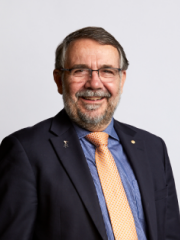
Professor Bruce Chater, OAM, is the Mayne Professor and Head of the Mayne Academy of Rural and Remote Medicine, and Head of the Rural & Remote Medicine Clinical Unit at the University of Queensland's Medical School (Rural Clinical School). He holds a Bachelor (Honours) of Medicine from the University of Queensland and is available for PhD supervision. His research focuses on rural health systems, medical education, workforce distribution, and rural hospital sustainability. Notable contributions include studies on rural medical training impacts, global health workforce pathways, and policy advocacy for rural healthcare equity. He has led projects such as the Limerick Declaration on Rural Health Care and contributed to systematic reviews on workforce retention. Professor Chater has authored or co-authored over 50 publications since 1993, including works on rural clinical education, procedural grants programs, and community-engaged research. His articles emphasize actionable insights for rural healthcare policy globally. He received the Order of Australia Medal (OAM) for his contributions to rural health. Current supervision includes projects on CRP assays in rural settings and Saudi Arabia's Vision 2030 healthcare strategy.
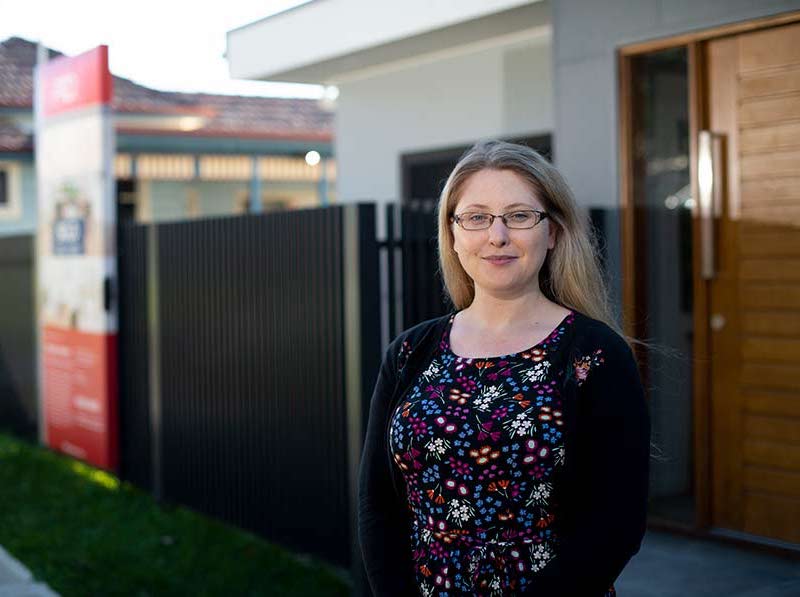
Kathryn Hodgins is an Associate Professor in the School of Biological Sciences at Monash University, specializing in evolutionary and ecological genomics. Her work focuses on understanding how species adapt to environmental changes, particularly in the context of climate change and biological invasions. She leads multiple research projects funded by the Australian Research Council, including studies on rapid adaptation to climate extremes, genetic rescue of endangered species, and developing climate-resilient restoration strategies. Her research integrates genomic tools to study invasive species biology, parallel evolution, and the genetic basis of climate adaptation. Notable projects include analyzing genomic data of Ambrosia artemisiifolia (common ragweed) to track invasion dynamics and investigating structural variants driving parallel adaptation. Hodgins also explores social factors in STEM education, such as how group identity impacts academic outcomes. Hodgins has authored over 50 peer-reviewed articles and collaborates internationally on topics like genomic tools for invasion management and predicting species' responses to environmental shifts. Her work contributes to UN Sustainable Development Goals related to life on land and climate action.
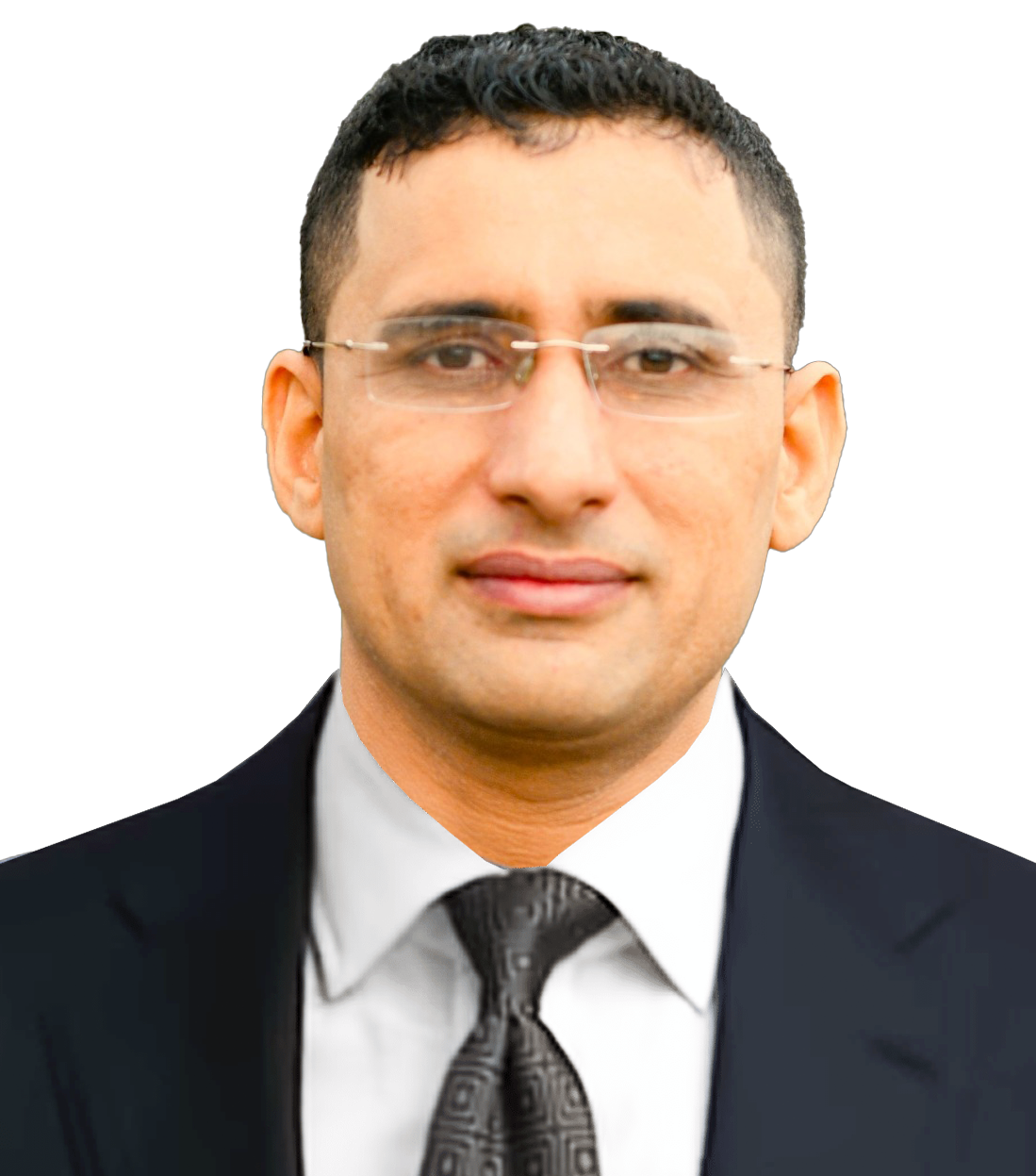
Professor Dave Allen is affiliated with the University of Sydney and actively contributes to research in financial econometrics, volatility modeling, and emerging market risk analysis. His work bridges quantitative finance with advanced machine learning techniques. Current research focuses on high-dimensional financial time series and synthetic data generation via GANs Recent publications explore pandemic-related financial impacts and cross-market volatility spillovers Research interests include: Volatility and risk modeling (GARCH, stochastic volatility) Nonlinear time series analysis (NARDL, cointegration) Machine learning applications in finance Covid-19 financial and health data analysis His recent work shows increasing interdisciplinary scope combining financial economics with public health analysis. Publications demonstrate expertise in: Hybrid deep learning for volatility forecasting Extreme value theory applications Autoregressive conditional duration models Correlation asymmetry and causality measures Current advisee: Leonard Mushunje (PhD candidate analyzing high-dimensional financial functional data).
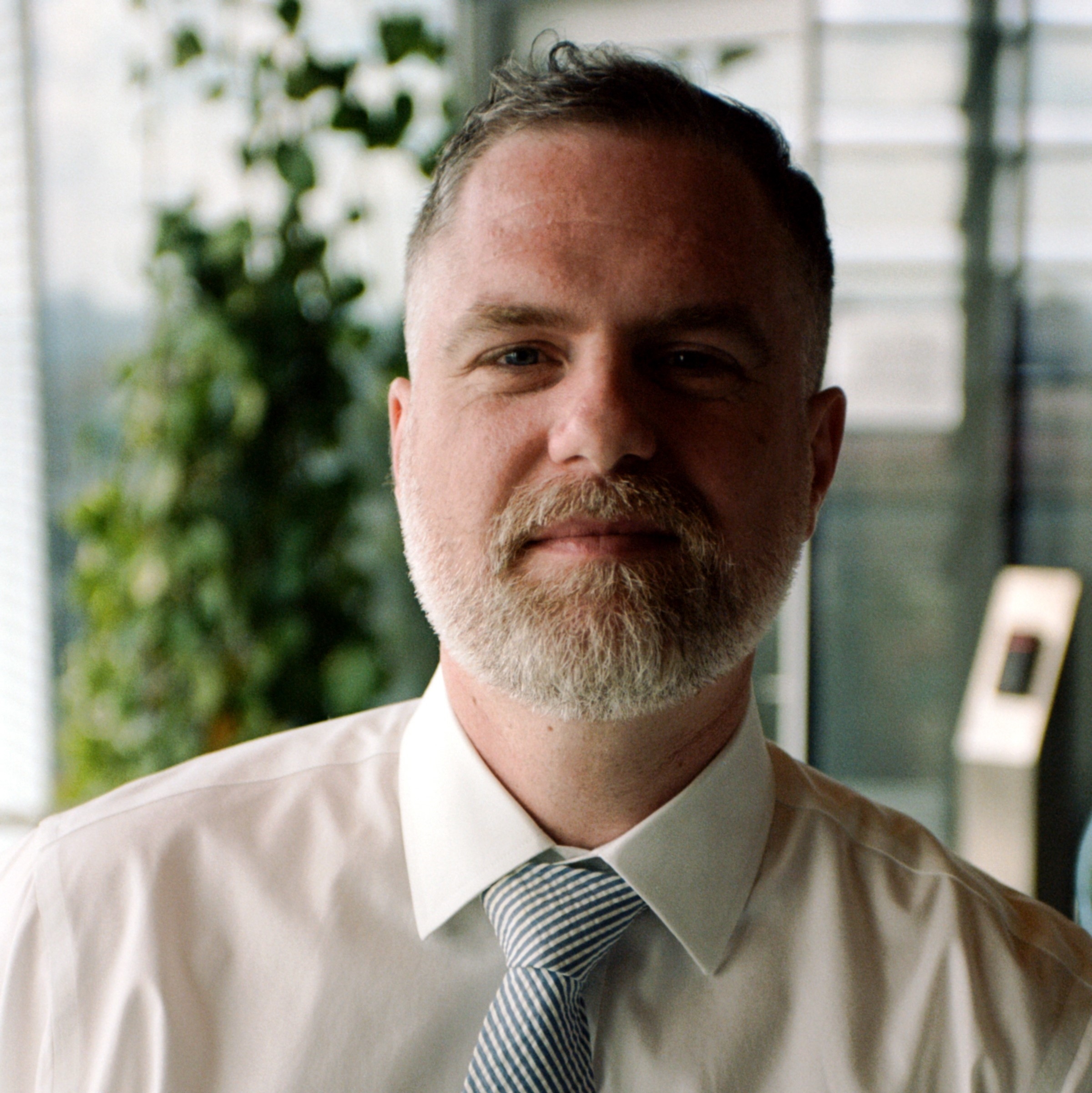
Dr. Ismail Ali is a Lecturer at the School of Systems and Computing at UNSW Canberra, where he is affiliated with the Capability Systems Centre. He specializes in optimization problems, evolutionary algorithms, and simulation-based optimization techniques, with applications in production systems, supply networks, and defense-related problems. Dr. Ali's educational background includes: Bachelor's degree in Computer and Information from Zagazig University, Egypt (2010) Master by Research in Computer Science from UNSW Canberra (2014-2016) PhD in Computer Science from UNSW Canberra (2016-2020) Dr. Ali's research focuses on developing advanced optimization algorithms, particularly differential evolution techniques, for solving complex combinatorial optimization problems. His work spans multiple domains including production systems, supply chain management, and defense applications. He has made significant contributions to the adaptation of evolutionary algorithms for discrete optimization problems such as the traveling salesman problem and knapsack problems. His recent research has expanded into applications involving swarm robotics, carbon policy modeling, and secure simulation frameworks for defense applications. Analysis of Dr. Ali's publication record shows a consistent progression from theoretical algorithm development to practical applications in manufacturing, supply chains, and defense systems. A notable trend is the increasing integration of simulation techniques with optimization algorithms to address complex, multi-objective problems in dynamic environments. His work demonstrates strong interdisciplinary connections between computer science, operations research, and applied engineering domains. Dr. Ali has received significant recognition for his academic work: The Stephen Fester Prize for Outstanding Master's Thesis (2016) The Stephen Fester Prize for Outstanding PhD Thesis (2020) Dean's Award for Outstanding PhD Thesis at UNSW Canberra (2021) As an academic supervisor, Dr. Ali mentors PhD students and final-year graduation projects at UNSW Canberra. He has secured research funding through the Rapid Research Funding program ($16,500 in 2023) and the Faculty Seed Fund ($38,000 in 2024), supporting his work on optimization algorithms and their applications. His teaching responsibilities include courses in simulation, reliability engineering fundamentals, reliability program management, and reliability engineering assurance. As a member of the Capability Systems Centre at UNSW Canberra, Dr. Ali collaborates with researchers working on complex systems analysis, defense applications, and advanced computational methods. His work contributes to the Centre's mission of addressing challenging problems in defense and security through innovative systems approaches.
Dr Neil Malan is a Research Associate at the University of New South Wales within the School of Biological, Earth and Environmental Sciences and affiliated with the Climate Change Research Centre . His work focuses on oceanographic processes and climate dynamics. Research Interests include oceanography, marine heatwaves, coastal dynamics, and climate science. His studies investigate cross-shelf transport, subsurface temperature trends, and mesoscale circulation impacts on marine ecosystems. Recent Publications highlight marine heatwaves, coastal temperature rises, and eddy-driven transport in regions like the East Australian Current and Agulhas Bank. Keywords span Oceanography , Climate Science , and Marine Ecology . Email: n.malan@unsw.edu.au
Professor Melissa Hart serves as the Associate Director - Training and Leadership at the ARC Centre of Excellence for 21st Century Weather , affiliated with the Institute for Marine and Antarctic Studies at the University of Tasmania. She specializes in urban climate research, thermal comfort, and air quality, with a focus on cross-institutional collaboration and climate education. Email: melissa.hart@utas.edu.au Co-Chair, World Climate Research Programme Training Academy Her research explores: Urban heat island effects and microclimate dynamics Integration of citizen science in climate monitoring Thermal comfort modeling and climate-sensitive design Impacts of extreme weather on educational environments Recent publications investigate: Machine learning applications for outdoor thermal sensation Building height variability in urban canopy flow Land surface temperature dynamics Smartwatch-based ambient temperature measurement Scientific recognition : UNSW Vice-Chancellors Award for Higher Degree Research Leadership She leads national researcher development programs and contributes to global climate discourse through modeling advancements and interdisciplinary studies.
Professor Fuwen Yang is a leading academic at Griffith University's School of Engineering and Built Environment, specializing in Electrical and Electronic Engineering. With expertise in microgrid control, networked control systems, and renewable energy integration, he leads the Smart Energy Systems Group at the Institute for Intelligent and Integrated Systems. His research focuses on optimizing distributed energy resources and enhancing grid resilience through advanced control strategies. Current research aligns with Australian net-zero emissions goals Secured significant grants including ARC Discovery and Linkage projects Supervises 23 PhD and 35 Master's students Recent publications highlight innovations in virtual inertia control, digital twin frameworks, and data-driven predictive control. His work has earned global recognition, including the Stanford Top 2% Researchers list and Fellowships from Engineers Australia. Professor Yang's editorial roles include Associate Editor for IEEE Transactions on Industrial Informatics and other prominent journals. Acted as Chief Investigator on 8 major funded projects Contributed to Sustainable Development Goals 7 (Affordable Energy) and 9 (Infrastructure Innovation)
Elena Sitnikova is an Associate Professor of Cybersecurity and Networking at Flinders University's College of Science and Engineering . As a Certified Secure Software Lifecycle Professional , she leads cutting-edge research in Critical Infrastructure protection, focusing on intrusion detection for SCADA systems and Industrial Internet of Things (IIoT). Her work explores system antifragility and AI-driven analysis of abnormal data in cyber-physical systems. Education : PhD in Computer Technology (Mathematical Modelling of Space Communication Systems), Bachelor of Electrical Engineering with Honours. Elena's research spans Cyber-Physical Systems Security , Critical Infrastructure Protection , and SCADA Systems Cybersecurity , with a focus on intrusion detection, antifragility, and AI applications. Her recent work includes datasets for IIoT intrusion detection and frameworks for cyberworthiness assessments. She has received numerous awards , including the Women in AI Cybersecurity Award , Senior Fellowship of the Higher Education Academy , and Australian Office for Learning and Teaching Citation award . Elena has secured over AU$1.5 million in research grants and supervised six PhD completions . Leadership : Academic Lead of the Australian Affiliate of Women in Cyber Security (WiCyS), Associate Editor for the Australian Journal of Multidisciplinary Engineering, and Chair/Editor for international conferences/journals. Teaching : Innovates in online cybersecurity education and research-led teaching, pioneering student engagement strategies.
Dr Julia Cook is a Senior Lecturer in Sociology at the University of Newcastle's School of Humanities, Creative Industries and Social Sciences. She is a youth sociologist specializing in housing, family finance, and their impacts on young people's lives. As an ARC DECRA Fellow (2022-2025) and chief investigator on the ARC-funded Life Patterns longitudinal research program (2021-2026), her work bridges academic research and policy development. Dr Cook completed her Doctor of Philosophy and Bachelor of Arts (Honours) at the University of Melbourne. Her educational background established the foundation for her expertise in the sociology of youth, time, and housing, with particular attention to economic sociology. Her research focuses on how housing and family financial assistance shape young adults' pathways into homeownership, with special attention to intergenerational financial transfers and young adults' navigation of debt. Through qualitative and mixed methods research, she amplifies young people's voices to inform policy changes, particularly regarding housing, loans, and family assistance. Her work reveals how financialized property markets, precarious housing, and conditional tenancy arrangements impact youth transitions to adulthood. Analysis of her recent publications shows a consistent focus on the financialization of young people's lives, with increasing attention to digital financial services like 'Buy Now Pay Later' platforms, intergenerational wealth transfers, and the gendered dimensions of financial management. Her work increasingly examines how these financial arrangements intersect with housing pathways and future orientations of young people. ARC DECRA Fellow (2022-2025) 2022 ABC Top 5 (Humanities) scholar Co-editor in chief of Journal of Applied Youth Studies Editorial board member: Time & Society, Journal of Youth Studies, Irish Journal of Applied Social Studies Dr Cook actively supervises PhD students focusing on youth, social media, mental health, and housing. She has secured over $2.7 million in research funding, including major ARC grants examining intergenerational financial assistance with homeownership and young people's experiences with debt. Her research partnerships include collaborations with the Greater Bank Financial Literacy Laboratory and the Centre for Household Assets and Savings Management at the University of Birmingham. As a founding member of the Newcastle Youth Studies Centre, Dr Cook contributes to an interdisciplinary research hub focused on youth issues. She regularly engages with media as a commentator on youth sociology topics and has developed interventions to improve financial literacy programs for young people based on her research findings.
Dr. Natalie Enninghorst is a Senior Lecturer at the University of Newcastle, School of Medicine and Public Health, within the Faculty of Health and Medicine. She serves as the discipline representative for Year 5 MD and Deputy Convener of the Master of Traumatology, focusing on trauma research and surgical education at both postgraduate and undergraduate levels.
Dr. Jose Ferrer is a Senior Research Fellow at the School of Biological, Earth and Environmental Sciences at the University of New South Wales (UNSW). With extensive field experience in Germany, Venezuela, and South Africa , his work focuses on spatial ecology, biodiversity informatics, and ecosystem conservation , particularly through developing analytical tools for conservation decision-making. Affiliation: UNSW, IUCN Global Ecosystem Typology project Research Themes: Species distribution modeling, ecosystem risk assessment, environmental data integration His research spans diverse ecosystems, with a strong emphasis on animal/plant distribution patterns and human impact mitigation . Recent publications address: Ecosystem resilience under anthropogenic stressors Red List of Ecosystems applications in Africa Mining expansion impacts in Venezuela Ecological trap detection for Andean bears Invasive species effects in arid environments Conservation strategies for critically endangered species He contributes to open science initiatives through: Code sharing via UNSW codeRs group Data repository contributions Drop-in research assistance sessions His teaching emphasizes reproducible research methods and data management skills , supporting both academic and conservation communities through technical training.
Jared Ray Coleman is an Assistant Professor at Loyola Marymount University in Los Angeles, CA. He is also a Ph.D. Candidate in Computer Science at the University of Southern California (USC), affiliated with the Autonomous Networks Research Group ( ANRG ), and a Member of the Technical Staff at the Aerospace Corporation. His research focuses on decentralized computing, cyber-physical systems, and cooperative multi-agent systems. Education : Ph.D. Candidate, University of Southern California M.S. in Computer Science, California State University, Long Beach B.S. in Computer Science, California State University, Long Beach Research Interests : Spanning Distributed Computing , Online Algorithms , and Edge Computing , his work addresses challenges in Internet of Things (IoT) , Artificial Intelligence (AI) , and Blockchain applications. Recent projects include resource allocation algorithms for large-scale sensor networks and decentralized review systems for NFT marketplaces. Projects : Includes Lane detection for Nvidia Jetson TX2 , WfCommons (scientific workflow framework), Tendermint consensus (blockchain), and GCN-based schedulers for robotic systems. He also contributes to Kubishi , a digital archive for Owens Valley Paiute language and culture. Personal : A proud member of the Big Pine Paiute Tribe of the Owens Valley, he actively participates in language revitalization efforts. Outside academia, he enjoys board games, hiking, and cultural preservation work.
Dr. Matthew Barr is a Senior ANFF Support Officer and Researcher at the University of Newcastle , affiliated with the School of Information and Physical Sciences . His work bridges organic electronics and scanning helium microscopy , focusing on printed solar technology, surface imaging, and material characterization. He completed his PhD on helium microscopy at the University of Newcastle, earning the Royal Society’s Jak Kelly Prize (2016) and showcasing his research at the Royal Society Summer Science Exhibition (2019). Expertise : Apparatus design, nanomorphology control, synchrotron techniques Key Projects : Charge Around Australia documentary (2022), Coldplay Printed Solar Project (2024) Leadership : Instrument design for helium microscopy, equipment for large-scale solar installations Research Trends : His 40+ journal articles emphasize organic solar cells , helium-based imaging , and nanoparticle engineering . Awards include the 2024 CESE Staff Excellence Award and multiple university and Royal Society recognitions. 2025 : Development of solar simulator for Lumpy Skin Disease research 2020 : Upscaling printed solar technology under NSW RAAP funding 2019 : Synchrotron studies on eco-friendly materials Teaching : Course Coordinator for Engineering Computations and Procedural Programming (2022-2023) and Engineering Physics (2024).
Dr. Tariq Khan is a senior researcher in the School of Computer Science and Engineering at UNSW Sydney, Australia. He joined UNSW in 2021 after holding positions at Macquarie University (PhD), COMSATS University Islamabad Pakistan (Assistant Professor), and Deakin University (Research Fellow). His primary research interests include: Computer Vision Machine Learning Image Segmentation Image Classification Medical Image Analysis Deep Neural Networks Retina Image Analysis Dr. Khan is particularly renowned for his work in retinal image analysis, where according to SciVal data from the last 5 years, he is ranked number 1 in the world for research in the topics of Retina Image, Retina Blood Vessels, and Hypertension Retinopathy. He has published over 30 papers in these fields with a field-weighted citation impact of 1.99, indicating he has been cited twice the global rate expected for his field. His research portfolio shows a strong trend toward applying deep learning techniques to medical image analysis, particularly in ophthalmology. Many of his recent publications focus on developing automated quantitative analysis methods for biomedical imaging data, with applications in hypertension detection and other industrial uses. Dr. Khan has published over 90 peer-reviewed journal and conference papers with total citations exceeding 2400+, an H-index of 32, and an i10-index of 56. Dr. Khan is actively involved in research supervision, currently guiding multiple PhD students in projects related to computer vision and medical image analysis. His laboratory work focuses on developing new computer vision and machine learning methods, particularly deep learning approaches for automated analysis of biomedical imaging data.
David J. Carter is a Scientia Associate Professor in the School of Law, Society and Criminology within the Faculty of Law & Justice at the University of New South Wales (UNSW). As an Australian lawyer and expert in medical and health law, he applies legal expertise to understand law as a factor in the cause, distribution, and prevention of disease and injury while advancing fair treatment for those living with communicable diseases. His educational background includes professional experience as an executive in the Australian health sector where he developed and led private hospitals and rural and remote primary care services before transitioning to academia. Carter's research focuses on socio-legal issues at the intersection of criminal law, public health law, and healthcare delivery. His work examines legal barriers to healthcare access, patient safety, and the treatment of people living with blood-borne viruses. He leads the Health+Law Research Partnership which aims to improve access to justice and quality of life for those living with Hepatitis B or HIV in Australia. His research often takes a cross-disciplinary approach examining how legal frameworks impact health outcomes and equity. Carter's publications span medical and health law, criminal law, and socio-legal research with particular emphasis on the intersection of law and public health. His work addresses critical issues including healthcare access for vulnerable populations, legal frameworks for disease prevention, and the balance between individual rights and public health imperatives. He currently serves as a board member of the HIV/AIDS Legal Centre and is Chair of the Ramsay Health Care Human Research Ethics Committee A, demonstrating his commitment to translating research into practical legal and healthcare improvements. As an educator, Carter teaches primarily in criminal law and procedure alongside topics in medical and health law, bringing his practical health sector experience to the classroom. His supervision focuses on critical issues at the intersection of law, health, and social justice including healthcare rationing, migrant health access, and aged care regulation. His research team and partnerships include collaborations with community organizations, health services, and peak bodies in both the health and legal sectors, creating a bridge between academic research and real-world application.