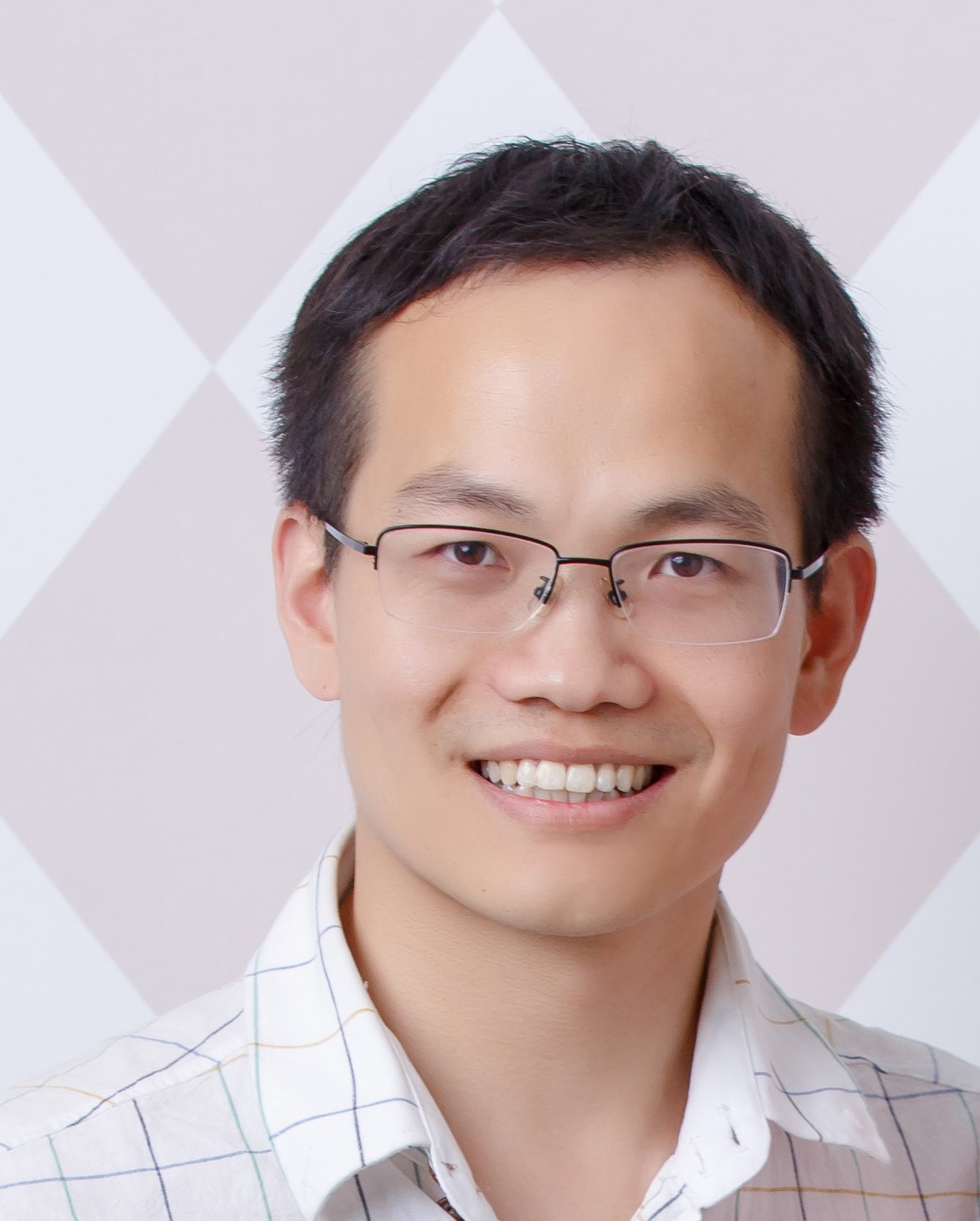
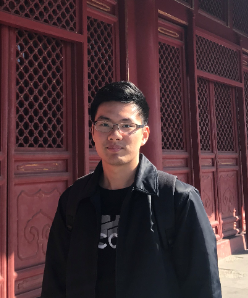
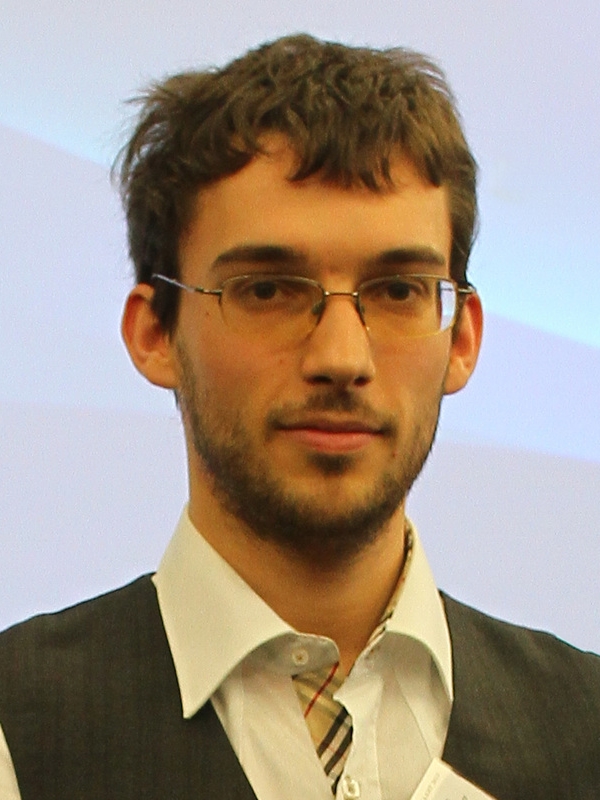
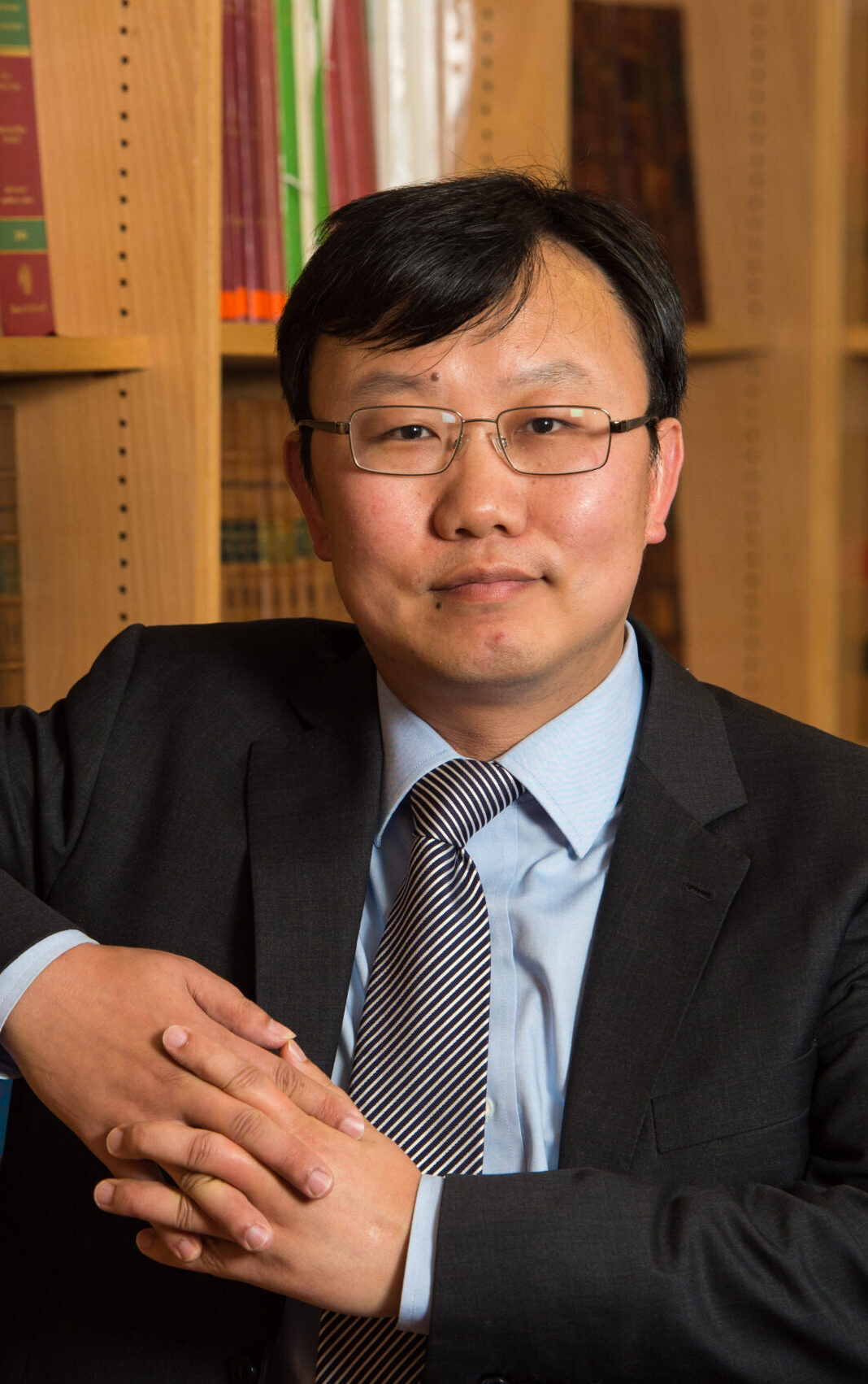
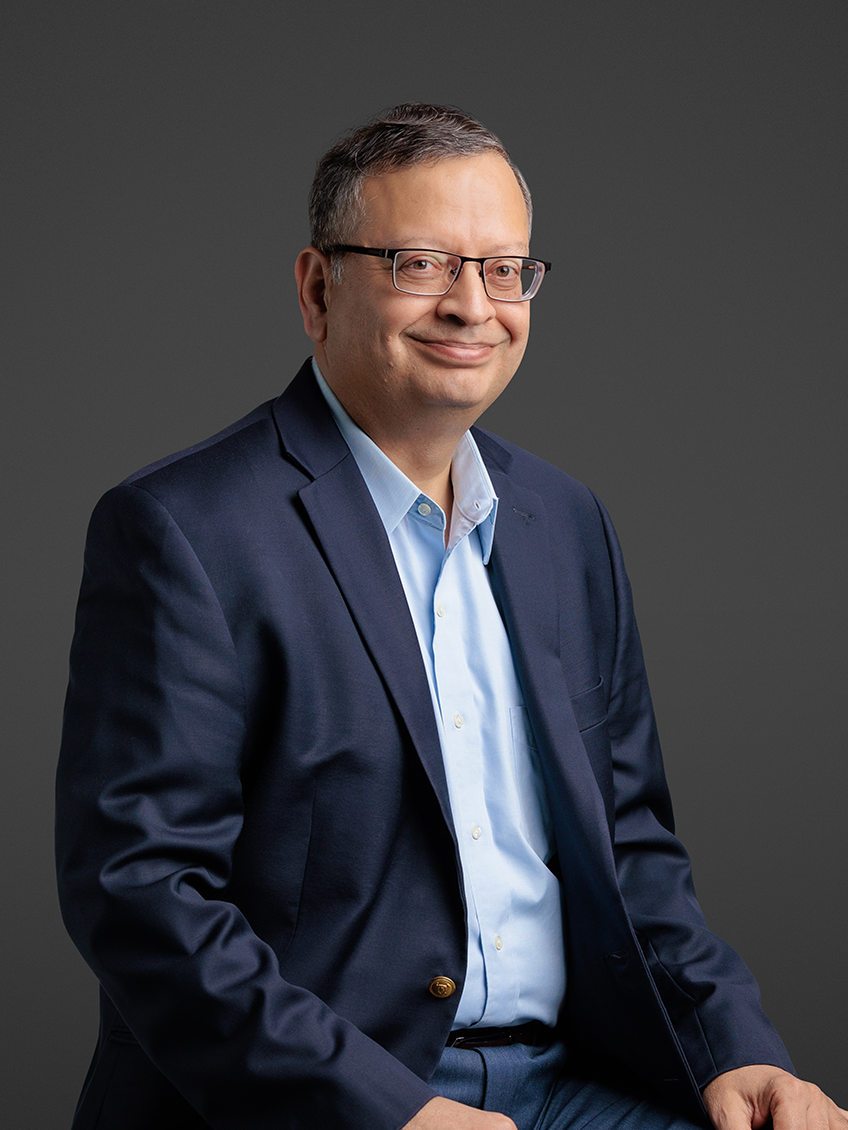
Affiliations Full-time Assistant Professor of Computer Science at the School of Computing and Information Systems (SCIS) , Singapore Management University (SMU). Research focuses on cryptography, post-quantum systems, and secure protocols. Previously affiliated with PolyU for select teaching and collaborations. Education PhD in Computer Science, Chinese Academy of Sciences (2015). Research Interests Specializes in advanced cryptographic techniques including: Post-Quantum Cryptography (e.g., lattice-based systems) Threshold Cryptography (e.g., secure distributed ECDSA) Zero-Knowledge Proofs and Privacy-Preserving Technologies Authenticated Key Exchange (AKE) protocols Efficient implementations of cryptographic primitives (e.g., Kyber, NewHope) Notable Awards First Prize (LAC.PKE) and Second Prize (SIAKE, LAC.KEX) in Chinese Post-Quantum Cryptography Competition (2020) Best Paper Awards at IWSEC 2015 and ProvSec 2014 Advising & Collaborations Advises PhD students JIANG Bowen and WANG Jiaheng at SMU. Collaborates with researchers such as Guofeng Tang (post-doc) and international teams. Active in organizing conferences (e.g., CCS, ProvSec) and contributes to open-source projects like the Preprocess-then-NTT library. Labs & Teams Leads research initiatives at SMU focused on cryptographic protocol design and implementation. Collaborates with PolyU on advanced security projects.
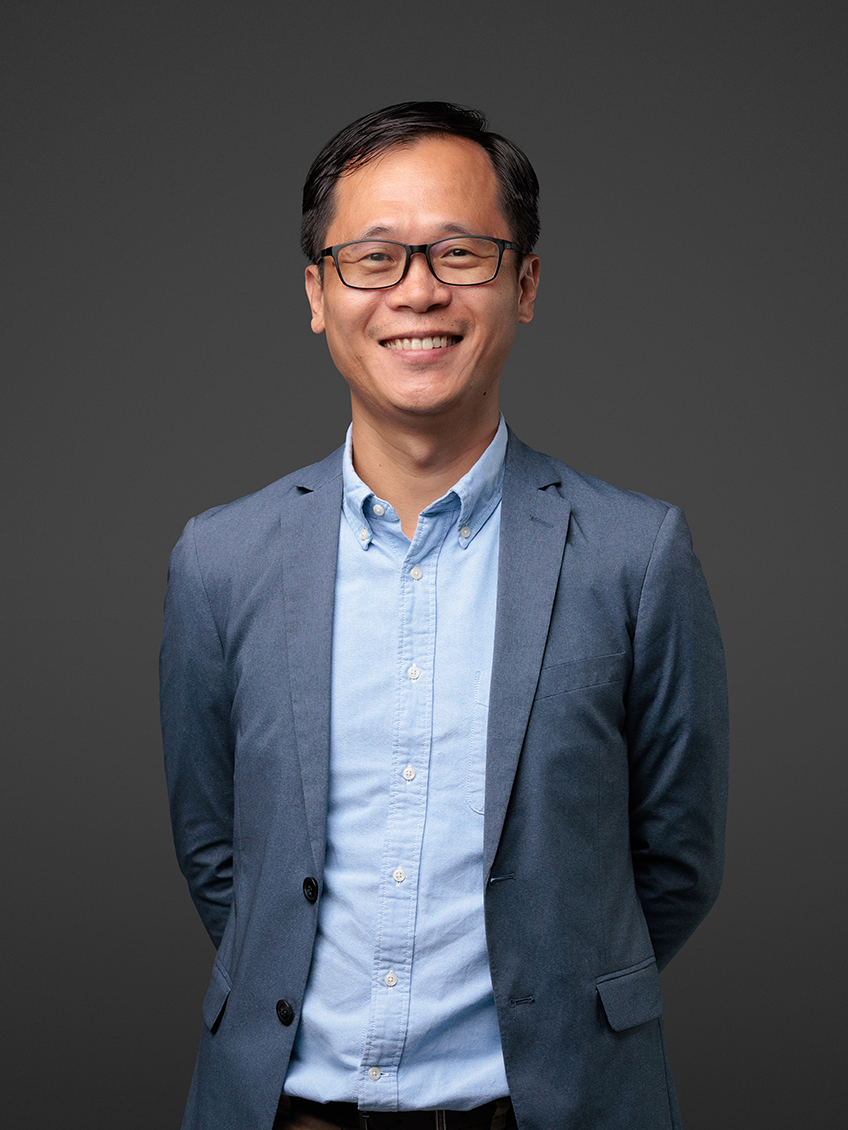
Chen Binbin is an Associate Professor and Associate Head of Pillar (Innovation and Enterprise) in the Information Systems Technology and Design (ISTD) pillar at Singapore University of Technology and Design (SUTD). He serves as Deputy Director for the Future Communications Research and Development Programme (FCP), Singapore. Previously, he was a Principal Research Scientist at the Advanced Digital Sciences Center (now Illinois ARCS), affiliated with the University of Illinois. Education: PhD in Computer Science from National University of Singapore, and Bachelor's from Peking University. Research focuses on wireless networking, distributed systems, and cyber security for critical infrastructures like smart grids and industrial control systems. His work addresses secure communications, intrusion detection, and resilience against cyber-physical threats. Notable contributions include error-estimating coding, provenance verification in ICS, and AI-driven network security solutions. Key awards include the 2010 ACM SIGCOMM Best Paper Award for error-estimating coding research. His grants span agencies like Singapore's National Research Foundation (NRF), Cyber Security Agency (CSA), and Energy Market Authority (EMA). He leads projects on secure smart grid communication, industrial control system defense, and AI-enhanced cybersecurity tools. Technical leadership involves developing frameworks like CyberSAGE for security assessment and CMD for IoT malware detection. Active in collaborations with industry and government, his work bridges theory and practice in securing critical infrastructure systems.
Haifeng Yu serves as Dean's Chair Associate Professor in the Department of Computer Science at the National University of Singapore's School of Computing. He actively contributes to academic governance as a Member of the Faculty Teaching Excellence Committee (FTEC) and teaches graduate courses including CS4231 Parallel and Distributed Algorithms and CS5223 Distributed Systems. His educational background includes: Ph.D. in Computer Science, Duke University, USA (2002) M.S. in Computer Science, Duke University, USA (1999) B.E. in Computer Science, Shanghai Jiao Tong University, P.R. China (1997) Professor Yu's research centers on Distributed Systems Security —particularly blockchain vulnerabilities like sybil attacks—and Distributed Algorithms for dynamic networks. His work bridges theoretical foundations with practical applications in vehicle-to-vehicle communication and disaster recovery systems, where mobile devices form ad-hoc networks when infrastructure fails. Current projects include BCube and Flint for overcoming blockchain's 50% barrier and Massively Parallel Aggregation in dynamic networks. Analysis of his 2018-2022 publications reveals a dominant focus on blockchain scalability challenges and dynamic network theory. Key trends include developing Byzantine fault tolerance beyond malicious majority thresholds, establishing fundamental lower bounds for network diameter uncertainty, and optimizing sublinear algorithms for T-interval dynamic networks. His work consistently targets top-tier venues like IEEE Security & Privacy (Oakland), JACM, and PODC. His research excellence is recognized through multiple prestigious awards: Best Paper at ACM SPAA (2020) Best Paper at ACM SIGCOMM (2010) Best Paper at ACM/IEEE IPSN (2009) Best Paper at USENIX NSDI (2006) Professor Yu mentors graduate students including Yuda Zhao and Irvan Jahja, with whom he co-authored seminal works on network diameter costs and dynamic network lower bounds. His research is supported by competitive grants enabling participation in premier conferences where he serves on program committees for PODC, DISC, SIGCOMM, CCS, and Oakland. He leads the BCube/Flint research group investigating blockchain security and dynamic network algorithms, with findings having direct implications for vehicle communication systems and post-disaster recovery networks.
Assoc Prof Xiaohui Bei is an Associate Professor at Nanyang Technological University (NTU), holding dual appointments in the School of Physical & Mathematical Sciences (Division of Mathematical Sciences) and the College of Computing & Data Science. His research focuses on algorithmic game theory, fair division, auction design, and computational economics. He earned his Ph.D. from Tsinghua University in 2012 under Prof. Andrew Yao and held postdoctoral positions at NTU and the Max Planck Institute for Informatics. His work bridges theoretical computer science and economics, addressing challenges in fair resource allocation, truthful mechanisms, and market design. Key interests include cake-cutting protocols, auction optimization, and voting systems with mixed goods. He has contributed to foundational studies on Nash welfare, submodular valuations, and connectivity constraints in fair division. Prof. Bei’s research is supported by grants exploring topics such as optimal auction mechanisms and dynamic resource allocation. His publications often emphasize practical algorithmic solutions to complex economic challenges, ensuring both efficiency and fairness.
Assoc Prof Frederique Elise Oggier is an Associate Professor in the School of Physical and Mathematical Sciences, Division of Mathematical Sciences at Nanyang Technological University (NTU). She holds a PhD from the Swiss Federal Institute of Technology (EPFL) and has held visiting positions at Caltech and the Research Center for Information Security (Tokyo). Her research focuses on algebraic coding theory, lattice-based cryptography, and applications of number theory to secure and reliable communication systems. Education: Bachelor’s and Master’s in Mathematics from the University of Geneva PhD in Mathematics from EPFL Research Interests: Her work bridges abstract algebra with practical coding challenges, emphasizing lattice codes for wiretap channels, distributed storage systems, and security protocols. Specialized in algebraic structures like cyclic division algebras and modular lattices, her contributions advance both theoretical foundations and real-world implementations of secure communication systems. Publications: Her recent work addresses cutting-edge topics such as MDS codes, non-GRS code constructions, and lattice-based security in noisy channels. These contributions highlight her expertise in coding theory and its interdisciplinary applications. Grants/Advising: While specific grants are not detailed, her prolific publication record reflects sustained research activity. She advises on projects related to distributed storage and secure coding, though student names are not listed in the provided texts. Labs/Teams: Affiliated with NTU’s mathematical sciences division, she collaborates with global researchers on projects such as lattice coding for 5G/6G systems and cryptographic protocols leveraging algebraic number theory.
Dr. Hong Ming Tan is a Senior Lecturer at the Department of Analytics and Operations, NUS Business School, and a Research Fellow at the Institute of Operations Research and Analytics (IORA) at National University of Singapore. He holds a PhD in Operations Research and Analytics (2021), MSc in Mathematics (2017), and BSc (Hons) in Applied Mathematics and Economics (2013) from NUS. Doctor of Philosophy, Operations Research and Analytics (2021) Master of Science, Mathematics (2017) Bachelor of Science (Hons), Applied Mathematics and Economics (2013) His research spans Business Analytics , Machine Learning , Operations Research , and Pharmacogenetics . Recent work includes: EcoVal Framework for efficient data valuation in ML Personalized Mental Health through adaptive testing and clustering Antibiotic Resistance modeling using antiresistic strategies CYP2D6 Methylation prediction for precision medicine His publications demonstrate expertise in ML optimization , healthcare informatics , behavioral analytics , and decision science . Current projects include AI-led Smart Data Centre Management and SIA Corp Lab research. He serves as Chair of the Department Finance Committee and advisor to student clubs like Business Analytics Consulting Team. His work addresses real-world challenges in industrial operations, healthcare diagnostics, and educational innovation.
Rahul Jain is a Professor in the Department of Computer Science at the National University of Singapore (NUS), School of Computing. He was promoted to full Professor from January 2020, having previously served as Associate Professor (July 2013-July 2013) and Assistant Professor (November 2008-July 2013). He is also a Principal Investigator at the Centre for Quantum Technologies (CQT), Singapore since November 2008. Dr. Jain earned his Ph.D. in Computer Science from Tata Institute of Fundamental Research, Mumbai (2003) and B.Tech. in Electrical & Electronics Engineering from Indian Institute of Technology, Mumbai (1997). Prior to joining NUS, he conducted postdoctoral research at UC Berkeley (2004-2006) and at the Institute for Quantum Computing, University of Waterloo, Canada (2006-2008). His research spans quantum computation, information theory, complexity theory, communication complexity, and cryptography. Dr. Jain has made significant contributions to quantum information theory, particularly in quantum communication complexity, quantum key distribution, and quantum algorithms. His work bridges theoretical computer science with quantum information processing, exploring fundamental limits of quantum computation and communication. His research demonstrates strong expertise in both theoretical proofs and practical applications of quantum information principles. Analysis of Dr. Jain's recent publications (2022-2025) reveals a consistent focus on quantum cryptography foundations, quantum communication protocols, and quantum information theory. His work frequently appears in top theoretical computer science venues including FOCS, STOC, and QIP, as well as leading journals like IEEE Transactions on Information Theory. Key themes include non-malleable quantum codes, quantum state redistribution, quantum communication complexity, and quantum cryptographic protocols with rigorous security proofs. Award under the VISITING ADVANCED JOINT RESEARCH FACULTY SCHEME (VAJRA) 2017-18 by Department of Science and Technology, Government of India BEST of 2016 by ACM Computing Reviews Young Researcher Award, National University of Singapore, 2012 Best paper award at STOC 2010 IBM Distinguished Dissertation Award, 2005 TAA-Sasken Best Thesis Award, 2005-2006 Dr. Jain has supervised numerous graduate students who have secured positions at Harvard University, IBM, JPMorgan Chase, University of Waterloo, and other prestigious institutions. His research is supported by significant grants including the VAJRA Faculty Scheme award. He serves as Associate Editor for the Journal of Computer and System Sciences and on program committees for major conferences including ITCS 2025, FOCS 2022, and QIP 2022-2014. At CQT, he leads research in quantum information theory and quantum algorithms, contributing to Singapore's position as a regional hub for quantum computing research.
Associate Professor Leow Wee Kheng is affiliated with the Department of Computer Science at the School of Computing, National University of Singapore . His career spans over three decades with expertise in medical image analysis , computer vision , and surgical simulation . Ph.D. in Computer Science, University of Texas at Austin (1994) M.Sc. in Computer Science, National University of Singapore (1989) B.Sc. in Computer Science, National University of Singapore (1985) His research focuses on medical image analysis for craniofacial surgery and stroke diagnosis, 3D modeling of anatomical structures, and computer vision techniques like robust PCA and texture analysis . Recent work includes knee joint motion modeling and forearm rotation simulation for clinical applications. Key trends in his 2017-2025 publications involve skull reconstruction algorithms , multi-objective optimization for digital media, subject-specific biomechanical modeling , and low-rank decomposition techniques in visual computing. Collaborations include institutions like Singapore General Hospital and National Taiwan University Hospital . Scientific Awards : CAIP 2017 Best Paper Award 2007 Andrew P. Sage Best Transactions Paper Award Faculty Teaching Excellence Award (AY2015/16) Annual Teaching Excellence Award (AY2015/16) He has mentored numerous students in medical imaging , computer vision , and biomedical modeling . Current and former advisees include Chen Ying , Vineta Lum Lai Fun , and Long Huizhong (Ph.D.).
Heyuan Shi is an Associate Professor at the School of Electronic Information, Central South University since 2023. He earned his B.S. (2015) and Ph.D. (2020) from Central South University and Tsinghua University respectively. His research focuses on software quality assurance with emphasis on kernel fuzz testing , open source software security , and AI application security . Presided over 10+ projects including NSFC General Program (No.62472448) and National Key R&D Sub-Project Published 30+ CCF-A/B papers across software security, machine learning, and quantum testing Supervised 15+ graduate students in software quality assurance areas His recent 2024-2025 publications demonstrate expertise in: LLM-enhanced patch classification Quantum neural network verification Hypergraph adversarial attacks RTOS fuzzing techniques Scientific recognition includes: 2024 Beijing Science & Technology Progress Award (First Prize) Hunan Province Xiaohe Sci-Tech Talent (2023) China Association for Science & Technology Young Talent (2025-2027) Active in academic service as PC member for FM2024 and reviewer for IEEE Transactions journals. Leads industry collaborations with Alibaba and Beijing Institute of Aerospace Metrology.
Guillaume A SARTORETTI is an Assistant Professor in the Mechanical Engineering Department at the National University of Singapore (NUS), part of the College of Design and Engineering. He specializes in distributed/decentralized coordination of multi-agent systems, with a focus on robotics, stochastic modeling, and reinforcement learning. His work spans applications in multi-robot systems, articulated robots, and swarm intelligence. Joined NUS in 2019 after a postdoctoral fellowship at Carnegie Mellon University (CMU) and a PhD from EPFL. Education: PhD in Robotics (EPFL, 2016); MSc and BSc in Mathematics/Computer Science (University of Geneva). Research interests include: Multi-agent pathfinding Decentralized control policies Swarm intelligence Reinforcement learning applications in robotics Recent publications emphasize scalable solutions for multi-agent systems, traffic signal control, and safe robotic exploration. His 2018 MFI postdoctoral fellowship recognized work on distributed reinforcement learning for pathfinding. Current projects involve bio-inspired locomotion and collaborative learning frameworks for heterogeneous robots.
Roles & Affiliations: Professor and President's Chair Professor in Computer Science and Engineering at Nanyang Technological University (NTU), Singapore. Member of the IEEE and IET, with roles in editorial boards of major journals like IEEE Transactions on Network Science and Engineering and IEEE Communications Surveys & Tutorials. Current positions: Editor-in-Chief of IEEE Transactions on Network Science and Engineering, Area Editor in multiple journals including IEEE Communications Surveys and Tutorials. Education: Ph.D. (2008) and M.Sc. (2005) in Electrical and Computer Engineering from the University of Manitoba, Canada. B.Eng. (1999) in Computer Engineering from King Mongkut's Institute of Technology Ladkrabang, Thailand. Research Interests: Focuses on mobile generative AI, edge general intelligence, quantum networking, incentive mechanisms, and wireless communication systems. Explores applications in 6G, IoT, UAV networks, and secure communication. Recent Articles & Trends: 15 most recent articles highlight advancements in generative AI for wireless networks, quantum computing integration, secure communication protocols, and AI-driven network optimization. Key themes include semantic communication frameworks, RIS-aided systems, and federated learning in edge networks. Awards: Over 20+ prestigious awards including IEEE Fellow (2017), IET Fellow (2022), Stuart Meyer Memorial Award (2024), and multiple best paper awards at top conferences like IEEE WCNC and IEEE ICC. Advising & Grants: Advisor to numerous students (not listed explicitly). Active in funding initiatives for AI in wireless systems, quantum networks, and low-altitude economy networking. Leads projects on GenAI for networking and 6G innovations. Labs & Teams: Research focuses on CCDS labs at NTU, collaborating on projects like GenAI for ISAC, mobile edge computing, and secure federated learning systems.
Professor DU Ming is a Visiting Professor in Chinese Law and Co-Director of the Global Policy Institute at Durham University. He holds an LLM from Harvard Law School and a DPhil from the University of Oxford. His research focuses on global economic governance, China's approach to international law, and the development of legal frameworks in contemporary China. He advises on complex international disputes and sits on editorial boards of leading law journals. **Education:** Tsinghua University School of Law (China) LLM, Harvard Law School (Victor and William Fung Fellow) DPhil, University of Oxford (Clarendon Scholar) **Research Interests:** His work bridges legal theory and practice, particularly in cross-border trade/investment law, corporate governance, and the ethical implications of emerging technologies. Recent publications explore federated learning governance, model licensing, and AI ethics within legal systems. **Awards:** Victor and William Fung Fellowship (Harvard) Clarendon Scholarship (Oxford) His advisory roles and legal practice in New York and Beijing inform his research on transnational legal challenges. Collaborations span technical and legal domains, addressing issues like data privacy in federated learning systems.
Dr. Chou Mabel is Associate Professor in Analytics & Operations at the National University of Singapore. Her research spans inventory management, supply chain optimization, healthcare operations, and flexibility design, with particular focus on uncertainty modeling and operational efficiency. Recent work explores digital transformation in supply chains, including applications of digital twins in humanitarian logistics and risk mitigation strategies for sustainable investments. Her publications demonstrate strong methodological contributions to stochastic optimization, online resource allocation, and process flexibility design. Key research themes include: green technology investment risks, adaptive resource allocation under uncertainty, emission compliance in transportation, and innovative payment mechanisms to stimulate R&D. Her work frequently bridges operations management with marketing strategy and sustainability governance.
Rakesh Nagi is a Professor and Head of the Engineering Systems and Design Pillar at Singapore University of Technology and Design (SUTD), where he joined in August 2023. He concurrently holds the Donald Biggar Willett Professorship at the University of Illinois, Urbana-Champaign (UIUC), on leave. His academic leadership includes serving as Department Head of Industrial and Enterprise Systems Engineering at UIUC (2013–2019) and as Interim Director of the Illinois Applied Research Institute (2016–2018). Previously, he was Chair of Industrial and Systems Engineering at the University at Buffalo (SUNY) from 2006 to 2012. Education: PhD (1991) and MS (1989) in Mechanical Engineering from the University of Maryland, College Park, with work at the Institute for Systems Research and INRIA, France. BE (1987) in Mechanical Engineering from the University of Roorkee (now IIT Roorkee), India. Research focuses on Data Science, Machine Learning, Operations Research, GPU-accelerated computing, and military applications. Key areas include Big Graphs, High-level Information Fusion, Production Systems, and Multi-Agent Systems. His work often leverages parallel computing and optimization techniques. Recipient of prestigious awards: IISE David F. Baker Award (2022), INFORMS Koopman Award (2021, 2018), and multiple DARPA Graph Challenge recognitions. Contributions span over 100 peer-reviewed articles in top journals (e.g., Operations Research, IEEE Transactions) and conferences. Research projects include Hybrid AI/ML-Optimization for cloud workflows, GPU-accelerated algorithms for multi-target tracking, and interventions against illicit supply chains. Active collaborations with IBM-Illinois and NSF-funded initiatives address strategic resource allocation and network analysis. Labs/Teams: Leads the Engineering Systems and Design Pillar at SUTD and coordinates interdisciplinary projects at UIUC’s Coordinated Science Laboratory.
Shaohui Foong is an Associate Professor in the Engineering Product Development (EPD) pillar at Singapore University of Technology and Design (SUTD). He previously served as a Visiting Assistant Professor at MIT's Department of Mechanical Engineering (2011). His research focuses on innovative robotics and UAV systems, medical technology, and design-centric pedagogy. Core projects include magnetic localization for medical devices, nature-inspired aerial robotics (e.g., THOR hybrid UAV), and competitive engineering design activities like Designettes. Research interests span biomimetic flight systems, autonomous navigation, and interdisciplinary educational frameworks. Notable innovations include the Transformable HOvering Rotorcraft (THOR), which merges fixed-wing and rotor-wing capabilities, and magnetic localization for nasogastric tube tracking. His work emphasizes practical applications in healthcare, infrastructure inspection, and environmental monitoring. Teaching emphasizes ethical engineering practice and hands-on design. He actively mentors students across PhD, master’s, and undergraduate levels, offering research opportunities in robotics, control systems, and medical technology. Collaborative projects with industry and academic partners are encouraged, with a focus on sustainability and technological innovation. Current research trends reflect a blend of bio-inspired design, advanced control algorithms, and cross-disciplinary problem-solving. Recent publications highlight advancements in monocopter dynamics, hybrid UAV architectures, and sensor integration for medical and industrial applications.