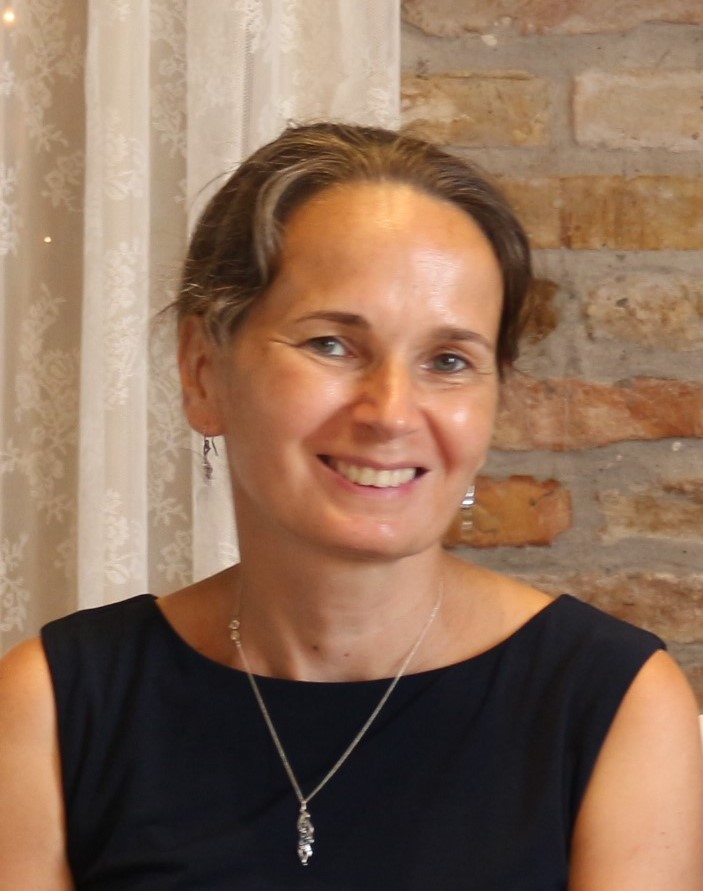
Edina Robin is a Habilitated Associate Professor at the Institute of Language Mediation , part of Eötvös Loránd University . She serves as the Director of the Institute and leads two departments: the Department of Translation and Interpreting and the Department of Hungarian as a Foreign Language . Her work bridges theoretical and applied translation studies, emphasizing modern challenges in language mediation. Role: Director of Institute of Language Mediation Role: Head of Department of Translation and Interpreting Role: Head of Department of Hungarian as a Foreign Language Research Interests Translation universals and revision practices Corpus-based translation analysis Human-in-the-loop machine translation systems Ethical implications of AI in translation Distance education methodologies in translation training Publication Trends reflect her interdisciplinary focus on machine translation (33%), translation teaching (25%), corpus linguistics (20%), and crisis communication (15%). Recent works explore the intersection of artificial intelligence, human agency, and ethical frameworks in language mediation. Academic Leadership includes institutional development for language mediation, curriculum design for Hungarian as a foreign language, and fostering collaboration between academic and industry translation practices.
Louis Theran is a Lecturer in Mathematics at the University of St Andrews , School of Mathematics and Statistics. His research bridges geometry, combinatorics, and algorithmic problems, with applications in physics, materials, and machine learning. Education: Ph.D. in Computer Science, University of Massachusetts, Amherst (2010) M.S. in Computer Science, University of Massachusetts, Amherst (2007) B.S. in Computer Science and Mathematics, University of Massachusetts, Amherst (2006) Theran’s research focuses on the rigidity theory of frameworks , exploring how geometric and combinatorial properties determine structural stability. He investigates discrete geometry, sparse hypergraphs, and pebble game algorithms, connecting these to machine learning (e.g., low-rank matrix completion) and materials science (e.g., auxetic metamaterials, sticky disks). His recent work analyzes rigidity transitions in random graphs , universal rigidity in one-dimensional frameworks, and maximum likelihood thresholds via graph rigidity. Collaborations span computational geometry, algebraic statistics, and physics, emphasizing interdisciplinary applications. Scientific Awards: Heilbronn small grants scheme (2021) NSF/KOSEF East Asia and Pacific Summer Institutes Fellowship (2006) Theran has supervised numerous BSc, MMath, and PhD projects , including topics like tensegrities, graphons, and geometric constraint systems. He has also contributed to Gaussian graphical models and universality theorems for Delaunay triangulations.
Ali Tavallaei serves as an Assistant Professor at Toronto Metropolitan University since 2019 and concurrently holds a Visiting Scientist position at Sunnybrook Research Institute. He is also the President and Co-founder of Magellan Biomedical Inc. (2018-present) and Vital Biomedical Technologies Inc. (2012-present), demonstrating strong industry engagement in medical device commercialization. His academic foundation includes: Ph.D. in Biomedical Engineering from Western University (2010-2015) Medical Innovation Fellowship at University of Minnesota/Western University (2015-2016) Postdoctoral Fellowship at Sunnybrook Research Institute, University of Toronto (2016-2019) Dr. Tavallaei's research centers on image guided therapy with emphasis on solving unmet clinical needs in minimally invasive interventions. His core focus areas include: Cardiovascular device innovation and evaluation Medical imaging instrumentation for real-time guidance Robotic systems for catheter navigation Mechatronic solutions for therapeutic delivery His work bridges engineering design with clinical translation through preclinical and clinical validation. Recent publications (2023-2026) reveal a concentrated effort in developing next-generation catheter technologies, including steering mechanisms (CathPilot), imaging tools (CathEye, CathCam), and specialized devices for vascular interventions. The research consistently emphasizes performance validation, mechanical characterization, and clinical feasibility across peripheral artery disease, aneurysm repair, and cardiac ablation applications. As director of the Medical Devices and Systems Lab, Dr. Tavallaei leads a translational research program focused on fundamental advances in cardiovascular disease management. The lab's workflow integrates solution design, system verification, preclinical testing, and technology transfer to address global healthcare challenges posed by cardiovascular diseases—the leading cause of death worldwide.
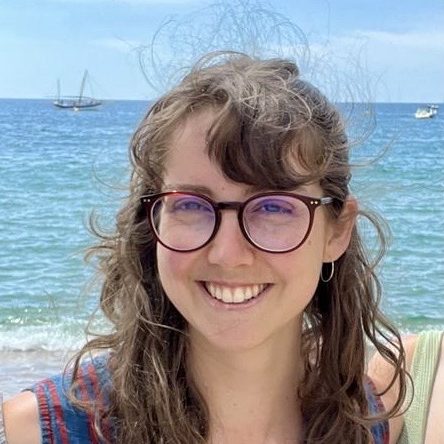
Alice Haynes is a Digital Futures Postdoctoral Fellow at KTH Royal Institute of Technology, working on the Felt Connections project under the Division of Media Technology and Interaction Design . She collaborates with Prof. Kristina Höök and Associate Prof. Iolanda Leite to create shape-changing textile interfaces that foster meaningful bodily interactions for children and adults. Education PhD in Engineering Mathematics, University of Bristol (2022) Specialization in Soft Robotics and Haptic Interfaces Her research blends soft robotics, e-textiles, and soma design to develop tactile technologies that prioritize bodily engagement over traditional visual/auditory interfaces. Current work explores: first-person design for scoliosis, symmetry-asymmetry dynamics in bodily interactions, and soma-driven methods that emphasize felt experiences. Key article trends include shape-changing textiles (SMA-actuated smocking, machine embroidery), emotional/therapeutic applications (anxiety relief, social touch), and multisensory integration (audio-tactile mappings, biosignal interaction). Scientific Contributions Recipient of Digital Futures Postdoctoral Fellowship Co-design methodologies for child-centered technology Material-driven evaluation frameworks for e-textiles Embodied interaction paradigms through haptic cushions Alice teaches Human-Computer Interaction Research Seminars (DH2632) and Media Technology and Interaction Design (DM2601) , while actively seeking Master's students for collaborative thesis work.
Dr. Johan Pauwels is a Lecturer in Audio Signal Processing at Queen Mary University of London's School of Electronic Engineering and Computer Science, where he is affiliated with the Centre for Digital Music and the Centre for Multimodal AI. His educational background includes: Master of Science in Electrical/Electronics Engineering from KU Leuven (2006) Master of Science in Artificial Intelligence from KU Leuven (2007) PhD from Ghent University (2016) on automatic harmony recognition from audio Johan's research focuses on making machines understand audio to the level of a trained professional. His work combines machine learning, signal processing, data science, and music theory to develop tools for musicians, listeners, and music learners. He has been working on narrowing the gap between academic research and user-centric applications, web-based music services, and the personalization of spatial and immersive audio. His specific interests include machine learning for audio, audio signal processing, music information retrieval, and binaural audio. His recent publications show a strong focus on music representation learning, with particular attention to limited data scenarios, multimodal approaches, and spatial audio processing. His work bridges theoretical music concepts with practical machine learning applications, especially in chord recognition, beat detection, and instrument recognition. He has made significant contributions to HRTF (Head-Related Transfer Function) research and development of tools for spatial audio processing. Dr. Pauwels is actively involved in research funding, with current grants including the AIM CDT Internship with Sofilab (2025), AIM CDT Studentship - Stem (2024), and AIM CDT Internship with stem.tech (2024). He currently supervises multiple PhD students, primarily through the UKRI Doctoral School in AI and Music, with research topics spanning intelligent audio editing, neural drum synthesis, source separation, graph neural networks for music recommendation, and more. In addition to PhD supervision, he typically guides 8-10 undergraduate and 8-10 master's students through their final year projects. His teaching responsibilities include ECS7013P Deep Learning for Audio and Music (MSc/PhD level) and ECS411U Signals and Information (first-year undergraduate).
Eva Kassens-Noor is an Adjunct Professor of Transportation, Urban and Regional Planning in the School of Planning, Design, and Construction at Michigan State University, holding a joint appointment with the MSU Global Urban Studies Program (GUSP). She also maintains adjunct appointments in the MSU Departments of Civil and Environmental Engineering as well as Geography, Environment and Spatial Sciences. Her educational background includes: Diplom-Ingenieur (equivalent to a BA and one year MS) in Business Engineering from Universität Karlsruhe (TH), Germany Master of Science in Transportation from Massachusetts Institute of Technology PhD from Department of Urban Studies and Planning at Massachusetts Institute of Technology Dr. Kassens-Noor's research centers on how people perceive, cope with, and understand extreme events. Her work spans from examining societal transitions toward living with artificial intelligence and autonomous technologies to investigating how transportation systems enable resilience during disasters, pandemics, and hazards. She employs diverse methodologies including grounded theory, interviews, ethnography, online and mail surveys, big data analysis, and content analysis. Her research aims to create livable communities within an autonomous, sustainable, and resilient society where citizens maintain agency over technological impacts. Her publication portfolio reveals a consistent focus on emerging transportation challenges, with emphasis on autonomous vehicles, pandemic resilience, sociomobility, and mega-event planning. These works demonstrate interdisciplinary approaches connecting urban planning, transportation engineering, and social sciences to address complex societal transitions. Notable recognitions include: 2013-2014 MSU Lilly Teaching Fellow 2014 AT&T Faculty Award Competition in Instructional Technology (best blended course) 2021 AT&T Faculty Award for 'Experiencing Autonomous Futures' Dr. Kassens-Noor has secured significant research funding from the National Science Foundation and Michigan Department of Transportation, supporting projects on autonomous vehicles and public transportation systems. She pioneered the 'flipping, moving and tweeting classroom' teaching methodology that emphasizes experiential learning with emerging technologies. Her work extends to developing Massive Open Online Courses (MOOCs) on mega-event planning, including those focused on the Sochi Winter Games and FIFA World Cup. She actively contributes to several research initiatives including Mega Event Planning, Autonomous Futures, and MSU Mobility, demonstrating commitment to bridging academic research with practical applications in urban planning and transportation systems.
Albert Fornells Herrera serves as Professor and Vice Dean of Academic Planning at IQS School of Management, Ramon Llull University, where he also leads the Department of Mathematics and Data Analytics. With an academic career spanning since 2003, he has held significant leadership roles in academic management, research coordination, and teaching quality improvement across multiple universities. His research centers on data science, AI-based decision support systems, and disruptive technologies addressing societal challenges. Current work focuses on improving cancer patients' quality of life through data analytics solutions, with applications in breast cancer, melanoma, and leukemia. His interdisciplinary approach spans education, tourism, and sustainability, demonstrating how data literacy drives real-world solutions. Dr. Fornells' publication portfolio shows strong emphasis on hospitality technology adoption, student competency development, and tourism impact analysis. His recent work reflects commitment to practical applications of data science across sectors, with publications appearing in high-impact journals in artificial intelligence, education, and tourism fields. ADAMIQS research group recognized as emerging group by Generalitat of Catalonia (SGR 2022) He has supervised five completed doctoral theses (three in AI, two in skills development) and currently mentors three PhD candidates working on leukemia patient quality of life and food packaging defect detection. His grant portfolio includes ALL-TARGET precision medicine trial (2024-2029), EcoHarmony project (2024-2027), and multiple tourism technology initiatives funded by Ramon Llull University and public entities. As a research leader, he founded the ADAMIQS (Applied Data Analytics and Maths IQS) group and transformed the Department of Quantitative Methods into the current Department of Mathematics and Data Analytics. He previously created the Department of Tourism and its research group at HTSI-URL (2018) and contributed to establishing the Tourism Tech cluster promoted by ACCIÓ (Generalitat de Catalunya).
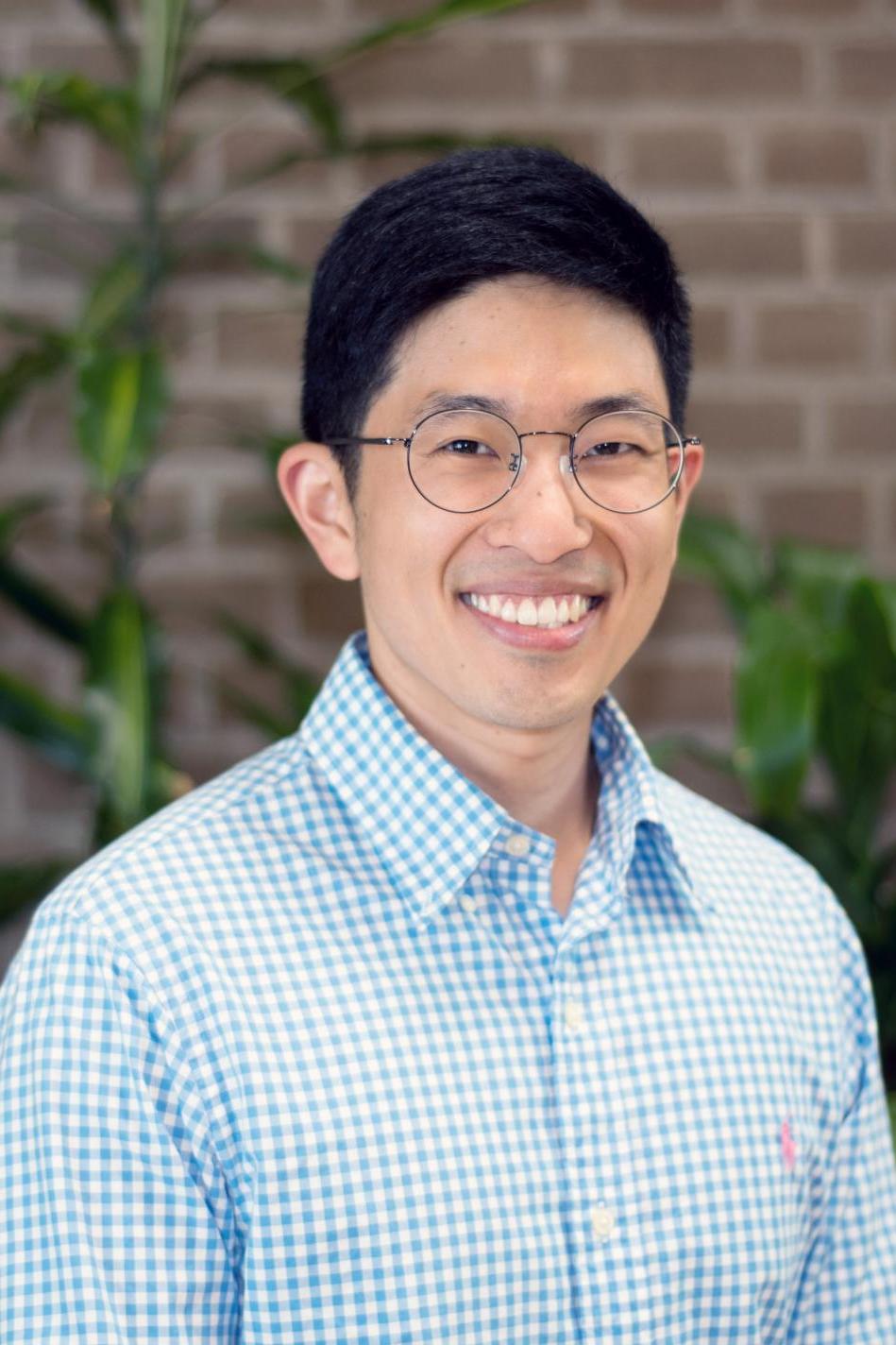
Kris Kim is an Associate Professor, Teaching Stream in the Department of Physical & Environmental Sciences at the University of Toronto Scarborough (UTSC). His academic role focuses on undergraduate teaching and curriculum development in chemistry, particularly in analytical chemistry and introductory chemistry courses such as CHMB16H3 and CHMA11H3. His research interests span multiple disciplines including polymer chemistry, nanomaterials, and chemical education. He has contributed to advancements in block copolymer self-assembly, nanoscale material characterization, and the development of virtual laboratory tools for remote education. His work also intersects with biomedical applications, such as studying integrin roles in cancer progression and exploring biopesticides for sustainable aquaculture. Kim’s publications reflect a strong focus on merging educational innovation with cutting-edge research, including the design of open-source laboratory equipment and collaborative initiatives like the Chemistry Teaching Fellowship Program. His interdisciplinary approach bridges chemistry with environmental science, materials engineering, and biomedical research.
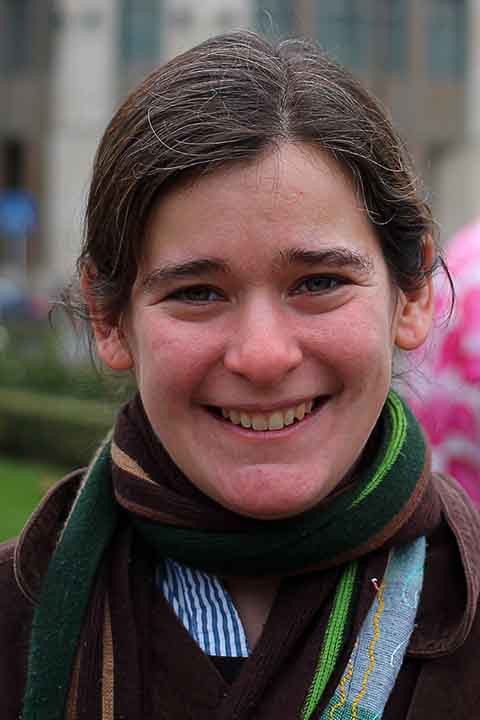
Erin Wolf Chambers is a Professor in the Department of Computer Science and Engineering at the University of Notre Dame, with a concurrent appointment in the Department of Applied and Computational Mathematics and Statistics. She holds the Snyder Family Mission Collegiate Professorship. Previously, she was at Saint Louis University (SLU) as a Professor in Computer Science and Mathematics. Her research focuses on computational topology and geometry, combinatorial algorithms, and improving STEM education inclusivity. She earned her Ph.D. in Computer Science from the University of Illinois Urbana-Champaign in 2008. Dr. Chambers teaches courses such as Topological Data Analysis and Algorithms. She has been recognized with the Rev. Edmund P. Joyce Award for Excellence in Undergraduate Teaching and serves as an editor for the Journal of Computational Geometry and Journal of Applied and Computational Topology. She is actively involved in initiatives like SafeToC and the Society for Computational Geometry. Her research includes NSF-funded projects, with notable contributions in topological data analysis, geometric algorithms, and educational equity. Over 40 publications span topics like Reeb graphs, medial axis analysis, and plant root morphology. She advises students on cutting-edge interdisciplinary research and advocates for fostering inclusive academic environments.
Svetlana Yarosh is a Professor at the University of Minnesota , focusing on Human-Computer Interaction (HCI) , Virtual Reality (VR) , and Social Support Systems . Her research explores technology's role in Online Health Communities , Intergenerational Communication , and Substance Use Recovery , emphasizing ethical design and participatory methods. Affiliation: University of Minnesota, Minneapolis, MN, USA Research Interests: Yarosh investigates Mediated Social Touch , XR for Children , and Collaborative Technologies in health and family contexts. Her work addresses Privacy in Online Communities , Dynamic of Recovery Support , and Ethical Frameworks for emerging technologies, particularly focusing on Stigmatized Populations and Peer Support Systems . Article Trends: Recent publications highlight VR Video applications in education, AR for Remote Reading , and Ethical Considerations in children's technology use. Themes include Community-Engaged Research , Interactive Volumetric Video , and Conflict Resolution through VR perspective-taking.
Assistant Professor in Educational Psychology and Curriculum at University of Illinois specializing in science education and technology-enhanced learning. PI of $1.5M NSF project developing learning analytics for face-to-face collaboration. Research focuses on leveraging speech analytics, augmented reality, and NGSS-aligned assessments to improve STEM education. Published extensively on collaborative learning analytics and educational technology. Research examines student interaction patterns using advanced audio analysis techniques in STEM classrooms. Publications focus on technology-enhanced collaborative learning, virtual labs, and multimodal analytics frameworks.
Lenka Sokolová is a Professor at the Faculty of Social and Economic Sciences , Comenius University in Bratislava, with a focus on Educational Psychology and School Psychology . Her career spans teaching, research, and leadership in promoting well-being and inclusive education. PhD in Educational Psychology (2006, Comenius University) doc. (2019) and prof. (2025) degrees in Educational Psychology (Charles University, Czech Republic) Her research bridges educational psychology , mental health , and teacher training , with recent work on neurodiversity, social support systems, and pandemic-era teaching adaptations. She leads the STRAWS project (funded by UK’s Arts and Humanities Research Council) and contributes to European psychology education frameworks. Key article trends include: Adolescent mental health and social inclusion Teacher resilience and classroom dynamics Neurodivergent student support Cross-cultural psychology education Technology integration in psychology teaching Preventive psychological interventions Scientific contributions include: President of the European Federation of Psychology Teachers’ Associations (2019-2022) Board member of EFPA Educational Affairs (2017-2023) International conference leadership (EARLI, Coalition of Schools for Mental Health) She mentors through continuing professional development courses and collaborates globally, including Erasmus+ mobility programs and Monash University’s Visiting Scholar initiative. Her work emphasizes participatory research and qualitative methodologies.
Dr. Vikrant Shirodkar is an Associate Professor of International Business specializing in Strategy and Marketing at the University of Sussex Business School. He convenes the MSc International Management programme and focuses on non-market strategies (corporate political activity, CSR, environmental management), institutional distance effects on multinational enterprises, and emerging markets business contexts. His research appears in top journals like Journal of World Business and International Business Review . Education: PhD in Management, University of Kent (2013) MSc in Information Technology, Lancaster University (2009) B.Eng (Computer Engineering), University of Mumbai (2004) Postgraduate Certificate in Learning and Teaching, University of Sussex (201?) Key Roles: Associate Editor, Multinational Business Review Editorial Board Member, International Business Review AIB UKI Executive Board Member (2021–present) Former Director of BSc International Business (2018–2021) and Doctoral Studies (2018–2019) Research Interests: His work examines how firms navigate non-market challenges in global markets, including political strategies, institutional barriers, and CSR practices. He has co-edited a Palgrave book on non-market strategies and contributed to frameworks analyzing MNE subsidiary performance. Awards: 2020: Best Reviewer, European Management Review 2019: Research Excellence Award, Sussex Business School 2018: Best Paper at AIB UKI Conference Advising & Grants: Supervised four PhD students (Yan Wu, Sushma Kumari, Ashjan Baokbah, Jackie Lyons) and contributed to the EU-funded RESPECT project (2018–2021). Teaching: Courses include Global Strategy , Business Context in Emerging Economies , and Economic/Social Environment Analysis . Previously taught at Imperial College London, University of Amsterdam, and other institutions.
Janosch Haber is a Visiting Professor at Queen Mary University of London's School of Electronic Engineering and Computer Science. His research focuses on Natural Language Processing (NLP), Computational Linguistics, and Semantic Analysis, with emphasis on polysemy, word sense similarity, and contextualized language models. He has contributed to studies on anaphora resolution, dialogue systems, and neuro-linguistic modeling using tools like GPT-2. His work bridges cognitive science and machine learning, addressing challenges in multilingual NLP and social media analysis. Recent publications explore polysemy patterns, human ratings for word concreteness, and visual dialogue datasets like PhotoBook. His research aims to improve contextualized embeddings and collaborative dialogue systems, reflecting a commitment to interdisciplinary applications in AI and linguistics.
Petter Dyverfeldt is a Professor and Head of Unit at Linköping University's Department of Health, Medicine and Caring Sciences (HMV), within the Faculty of Medicine and Health Sciences (MEDFAK). His research focuses on cardiovascular imaging and modeling, particularly exploring abnormal blood flow dynamics and their interplay with cardiovascular diseases using advanced MRI techniques like 4D flow cardiovascular magnetic resonance (CMR). Education: He holds a PhD in Biomedical Engineering/Applied Thermodynamics and Fluid Mechanics from Linköping University (2010), an MSc in Applied Physics and Electrical Engineering (2005), and has held academic positions including Senior Associate Professor (2022–2023), Associate Professor (2015–2022), and Lecturer (2012–2015). He was a postdoc at the University of California, San Francisco (2010–2012) and a guest researcher at the University of Washington (2014). Research Interests: His work aims to quantify blood flow, wall shear stress, and vessel wall status using MRI to advance understanding of cardiovascular pathophysiology. Key areas include aortic dilation, atherosclerosis, and the effects of hemodynamic stresses on vessel walls. His interdisciplinary approach integrates imaging with computational models for novel diagnostic and treatment insights. Publications Trends: Recent articles (2023–2025) emphasize 4D flow MRI applications in aortic diseases, turbulence analysis, biomarker correlations, and clinical follow-up studies. His work highlights the role of hemodynamics in disease progression, such as abnormal wall shear stress in aortic dilation and the predictive value of MRI-derived metrics. Grants and Collaboration: He has secured significant grants, including a SEK 30 million award from the Swedish Heart Lung Foundation (2025) for cardiovascular research. Collaborations include SciLifeLab Linköping and the Cardiovascular Imaging and Modeling (CIM) group, focusing on translational research and advanced imaging technologies. Labs/Teams: He leads the CIM research cluster, which develops imaging methods to assess cardiovascular function, hemodynamics, and tissue characteristics. His unit also belongs to the Division of Diagnostics and Specialist Medicine (DISP), emphasizing clinical translation of research.