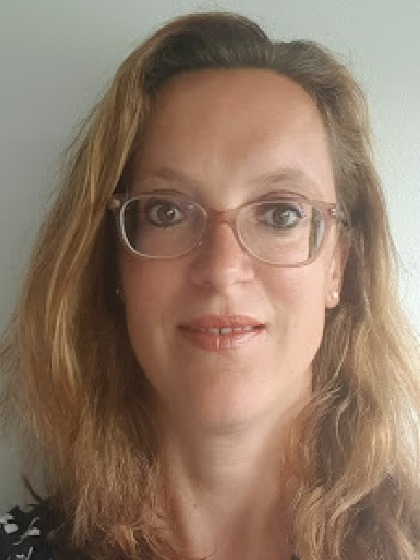
Dr. Kirstin Greaves-Lord is an Assistant Professor at the University of Groningen’s Faculty of Behavioural and Social Sciences, Department of Clinical Psychology and Experimental Psychopathology. She is also a Senior Researcher at the Autism Team North-Netherlands (part of Lentis) and leads the Academic Workplace Autism (AWA), an interdisciplinary initiative focusing on improving societal inclusion for autistic individuals. Her research integrates clinical, developmental, and neurodivergence-focused perspectives, emphasizing co-creation with autistic individuals in intervention design. Greaves-Lord obtained her PhD in 2007 from Erasmus MC, focusing on stress physiology and psychological problems in autism. She established a research group on Autism Assessment and Interventions in 2009, expanding to societal impact through collaborations like Yulius. Her work includes developing interventions for autistic adolescents’ transitions, such as the PEERS program, and addressing psychosexual health and identity development. Her research interests span neurodivergence, identity development, CBT-based coaching, and autism spectrum disorders. She has published over 95 peer-reviewed articles and supervised 70+ Master’s and 10 PhD students. Key projects include the Lifespan Curriculum for autistic individuals and the AWA’s integrative approach to well-being.
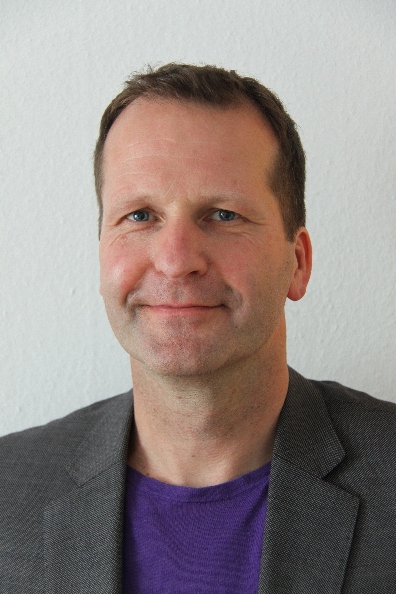
Dr. Elisabeth Busch-Nentwich is a Senior Lecturer in Organismal Biology at Queen Mary University of London, affiliated with the School of Biological and Behavioural Sciences. Her research focuses on gene regulatory responses to challenges such as genetic mutations, chromatin disruption, and infection, primarily using zebrafish as a model system. Her lab investigates molecular mechanisms underlying disease susceptibility, lipid metabolism, and developmental processes. Key research areas include understanding how genetic mutations impact cellular functions and host-pathogen interactions. She has supervised PhD students Pavol Kramár and Tian Qiu, and postdoctoral researchers Ian Sealy and Richard White. Recent work highlights her lab’s contributions to studying Shigella infection susceptibility, tumor suppression mechanisms in melanoma, and the role of selenoproteins in vascular disorders. Her publications reflect a strong emphasis on translational research, bridging fundamental biology with clinical implications. Dr. Busch-Nentwich’s lab, based in London, employs cutting-edge techniques such as single-cell RNA sequencing and CRISPR-mediated mutagenesis to dissect complex biological processes. Her work has implications for understanding metabolic diseases, genetic disorders, and infectious diseases.
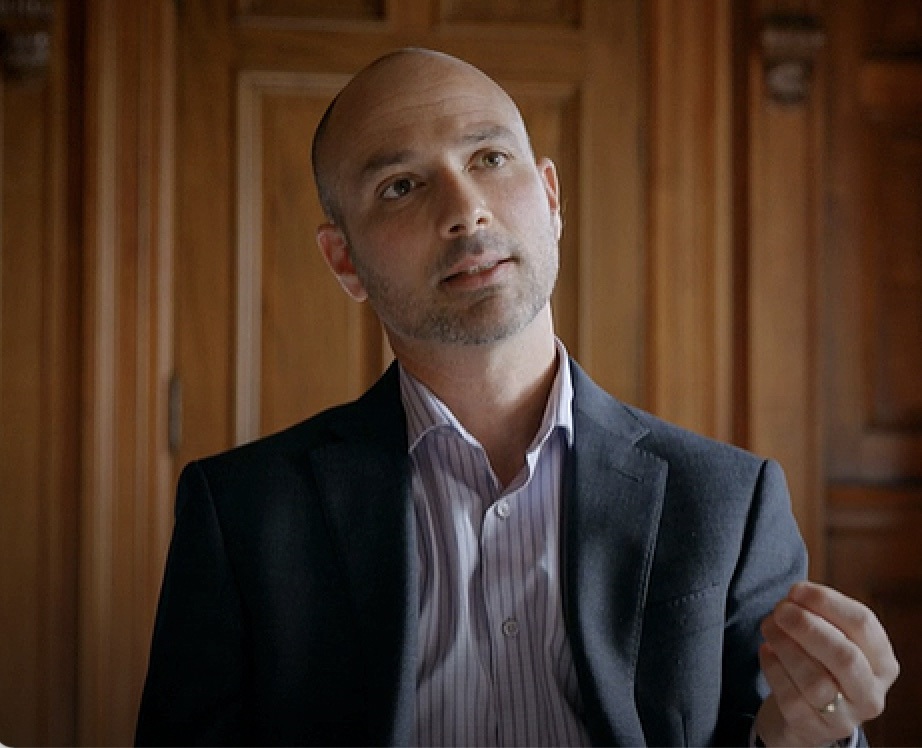
Dr. Matt Parker is an Associate Professor of Neuroscience and Behavioural Analysis at the University of Surrey , affiliated with the Surrey Sleep Research Centre within the School of Biosciences . He leads the Brain and Behaviour Lab , focusing on the biological mechanisms of neuropsychiatric, neurodevelopmental, and neurodegenerative disorders using zebrafish models. He is also a Royal Society Short Industry Fellow collaborating with eptivA Therapeutics on chronic pain treatments. His research spans stress, impulsivity, addiction, ADHD, and chronic pain , integrating experimental psychopharmacology, molecular genetics, and computational analysis . Parker has pioneered standardized zebrafish behavioural assays, advancing high-throughput screening and reproducibility in neurobehavioural research. His work emphasizes precision medicine and translational approaches to develop personalized interventions. His recent publications highlight key themes: genetic models of ADHD (adgrl3.1) , metabolomic insights into ADHD therapeutics , validation of amlodipine as a novel ADHD treatment , stress-boredom-impulsivity interactions , and nostalgia’s cognitive benefits in Alzheimer’s . These works reflect a strong trend in cross-species validation , drug repurposing , and behavioural phenotyping . Scientific Awards and Recognition: Royal Society Short Industry Fellow Fellow of the Higher Education Academy (FHEA) Advising and Grants: He supervises PhD students including Courtney Hillman, Pooja Ram, and Austin Cooper . His research is funded by the Royal Society, BBSRC, NC3Rs, 3Z Pharmaceuticals, Dstl, and the ALS Association . He serves on expert panels for BBSRC, NC3Rs, National Science Center (Poland), and HORIZON Marie Skłodowska-Curie . Labs and Teams: He founded the Brain and Behaviour Lab and the Portsmouth zebrafish facility . His team collaborates with industry partners such as eptivA Therapeutics and 3Z Pharmaceuticals , and works on defence-related applications with Dstl .
Dr. Ankie Menting has served as an Assistant Professor in the Department of Developmental Psychology at Utrecht University since 2016. Her work focuses on parent training interventions for vulnerable populations , particularly children of incarcerated parents . She leads the Better Start project and contributes to evidence-based practices in forensic psychology and child development . Education: PhD (2012) - Utrecht University (thesis: Parent training for incarcerated mothers) MSc in Clinical Developmental Psychology (2000-2006) - University of Amsterdam Research: Meta-analysis of Incredible Years Parent Training effectiveness Long-term effects of parenting interventions for formerly incarcerated mothers Integrative data analysis on child behavior and parenting programs Scientific Awards: Ministry of Justice award (2011) for 'Better Start' intervention Activities: Organized Society for Prevention Research conferences Advisor for KP RINO postdoctoral training Presented at 15+ international symposia on parenting and incarceration
Silvia Colabianchi is a researcher and assistant professor („Ricercatore“) at the Department of Computer, Control and Management Engineering „Antonio Ruberti“ of Sapienza University of Rome, where she teaches the Smart Factory course in the Master’s programmes in Management and Mechanical Engineering. Born in Rome in 1994, she obtained her PhD in Industrial and Management Engineering from the same university in 2023 with a dissertation on human-centred cyber-resilience of socio-technical systems. Education: PhD in Industrial and Management Engineering, Sapienza University of Rome, 2023 MSc in Management Engineering, Sapienza University of Rome, 2019 Scientific high-school diploma, Liceo Scientifico “PNI”, Rome Research interests revolve around the integration of cutting-edge digital technologies into manufacturing from a human-centric, Industry 5.0 perspective. She combines computer vision, large language models and immersive virtual reality to improve quality inspection, operator assistance and occupational safety, while investigating cyber-resilience, organisational learning and sustainable/circular product design. Her 2023-2025 publications show a clear trend toward AI-enabled manufacturing support (digital assistants, LLMs, conversational agents), advanced training technologies (VR, Safety-II, ergonomic pose detection) and resilience assessment (fuzzy maturity models, storytelling-based studies, warehouse and supply-chain disruptions). Interdisciplinary work spans from industrial engineering and operations management to behavioural cybersecurity and space manufacturing logistics. She is member of the scientific sector ING-IND/17 “Industrial Mechanical Systems” and actively collaborates on national and international projects that apply machine-learning models, data-analysis dashboards and immersive tools to real industrial environments. Office: Room A125, Via Ariosto 25, 00185 Rome, Italy Phone: +39 06 7727 4036 (int. 35036) Email: silvia.colabianchi@uniroma1.it
Ari Ho-Foster serves as a Senior Research Fellow in Epidemiology at the University of Botswana Faculty of Medicine, specializing in global health research focused on Botswana. Her work bridges epidemiological methods with population health improvement through rigorous measurement development. Her research interests center on stigma-related health barriers across multiple domains: Intimate partner violence stigma and help-seeking behaviors HIV and mental illness intersectional stigma Cervical cancer care access barriers Tuberculosis-mental health comorbidities Culture-salient intervention development She employs mixed-methods approaches to develop contextually appropriate measurement tools and stigma-reduction interventions. Current projects demonstrate her leadership in major global health initiatives: Principal Investigator for the Intimate Partner Violence Stigma and Help-Seeking Behaviours Study developing Botswana-specific IPV scales Co-Investigator on an RCT testing intersectional stigma interventions for women with HIV and severe mental illness Co-Investigator addressing cervical cancer stigma across survivorship stages Her publication record shows consistent focus on culturally-grounded epidemiology with 10 recent publications in high-impact journals including PLOS Global Public Health and American Journal of Public Health. Dr. Ho-Foster's scientific contributions emphasize community-engaged research with stakeholders across Botswana's health system. Her work consistently addresses structural vulnerabilities while centering patient perspectives through approaches like "What Matters Most" frameworks.
Junchul Kim is an Associate Professor at the University of Toronto with primary appointment in the Psychology Department and cross-appointment in Cell and Systems Biology. His research focuses on elucidating hippocampal circuits and GABA interneuron functions in anxiety, stress, and memory processes using optogenetic and chemogenetic approaches. PhD in Molecular Biology and Biochemistry, Simon Fraser University (2005) Postdoctoral Research Fellow, Harvard Medical School (2005-2010) Kim's laboratory investigates two major areas: (1) Functional specialization of hippocampal pathways in emotional and cognitive control, and (2) Distinct roles of PV- and CCK-GABA interneuron subtypes in neural oscillations and behavioral modulation. His work has produced significant insights into hippocampal-prefrontal connectivity and anxiety-related circuitry. Key methodological contributions include developing recombinase-based genetic tools for noninvasive neuron labeling and silencing. Current research explores how specific neural circuits coordinate defensive responses and maintain memory stability across behavioral contexts. The Kim Lab actively trains graduate students in neuroscience research and offers opportunities for postdoctoral fellows. Current students include Cindy Hong, Kendall Mar, Andrew Cheon, Ruth Tran, Stephanie Shishis, and Charlotte Romain, while lab alumni feature notable researchers like Afif Aqrabawi and Paul Whissell.
Frank Elgar is a Professor in the Department of Equity, Ethics and Policy within the School of Population and Global Health at McGill University. He also serves as an associate member of the Department of Psychology and the Margaret A. Gilliam Institute for Global Food Security, and maintains an affiliation as a visiting professor at the Department of Developmental Psychology and Socialisation, University of Padova, Italy. Dr. Elgar's research focuses on social patterns in child and adolescent health, particularly examining how poverty, food insecurity, violence, and economic inequality impact youth wellbeing in various political and economic contexts. His work involves extensive national and international collaborations, including the World Health Organization's Health Behaviour in School-aged Children study and the Global Burden of Disease study. Current projects explore ways to improve children's health outcomes amid challenging social conditions and investigate impacts of school violence, social media use, and corporal punishment legislation on adolescent mental health. His publication record demonstrates significant contributions to understanding health inequalities, with numerous high-impact articles published in leading journals across 2024-2025. These works span topics from food insecurity and mental health to global patterns of violence and socioeconomic determinants of wellbeing. His research methodology often employs sophisticated cross-national comparative approaches that highlight how structural factors shape health outcomes. Canada Research Chair in Social Inequality in Child Health Fulbright Visiting Scholar Dr. Elgar has received research support from major funding agencies including SSHRC, CIHR, Canada Research Chairs, and Fulbright-Canada. His advising work extends through international collaborations on major studies, and he contributes to developing measurement tools like the Alabama Parenting Questionnaire-Short Form and indices for relative food insecurity and social capital. His laboratory work centers on the Health Behaviour in School-aged Children study, where he leads international research teams examining adolescent health patterns across dozens of countries.
Dr. David McGovern is an Assistant Professor at the School of Psychology, Dublin City University , specializing in sensory neuroscience and perceptual decision-making. He earned his PhD in Visual Neuroscience from the University of Nottingham and holds prior degrees in Cognitive Science from University College Dublin. Teaching: Modules in Cognition, Perception, and Behavioural Neuroscience Methods across four programs (BSc/MSc Psychology, Psychology & Mathematics, Psychology & Disruptive Technologies). Research: Investigates multisensory integration, aging effects on perceptual decision-making, and computational modeling. Uses psychophysics, EEG, and simulations. Selected Article Trends: Focus on sensory adaptation, age-related neural changes, multisensory dynamics, and computational approaches to cognition. Recent work links perceptual training to improved temporal integration and explores decision-making in sports and AI. Honors: Government of Ireland Postdoctoral Fellowship (2013) Brain Travel Scholarship (2011) Universitas 21 Scholarship (2009) University of Nottingham Research Scholarship (2006) Projects: Principal Investigator for Evaluating the Role of Sensory Perception in Elite Soccer (2024–2028) and Neurally-Informed Modeling of Adult ADHD (2022–2026).
Mark J. Buckley is a Professor of Behavioural and Cognitive Neuroscience at the University of Oxford and a Fellow of The Queen's College. He leads the Brain and Behaviour Research Group, focusing on neural mechanisms underlying cognition, memory, and executive control. His work integrates neuropsychological, neurophysiological, and neuroimaging techniques to study brain networks in both normal and pathological conditions. Key research interests include prefrontal cortex function, temporal lobe disorders (e.g., Alzheimer’s), and the interplay between brain regions during goal-directed behavior. Education: MA and DPhil (Oxford University). Affiliations: Visiting Professor at Tohoku University’s Brain Science Center and collaborator at RIKEN Brain Science Institute. His research emphasizes understanding how brain networks mediate learning, memory, and decision-making. Current projects explore conflict-induced behavioral adjustments, rule-based decision-making, and network modularity in the frontal lobe. Funded by the MRC, BBSRC, and Wellcome Trust, his work bridges basic neuroscience with applications in neurodegenerative diseases. Recent publications highlight advances in prefrontal cortical dynamics, including studies on executive control variability, frontopolar cortex roles, and neural geometry during learning. Collaborations with international institutions underscore his global impact in cognitive neuroscience.
Dr. Joana Carvalheiro is a Research Associate at the University of Glasgow's School of Psychology & Neuroscience. She investigates cognitive and neural mechanisms underlying reward/punishment learning, addiction, and stress effects, employing EEG/fMRI and computational modeling. Her ORCID profile reflects interdisciplinary work bridging neuroscience and psychology. Education: Holds a Ph.D. focusing on neurocomputational mechanisms of stress effects on learning, using reinforcement-learning paradigms and fMRI. Current role includes supervising postgraduate students and teaching 'Cognition and Behaviour under Stress' at Level 4 Neuroscience. Research emphasizes disruptions in reward/punishment pathways contributing to addiction. Her Wellcome Early-Career Award supports studies on punishment's role in reward learning. Recent work explores mindfulness interventions in aging populations and high-resolution MRI techniques for brain structure analysis. Key grants: Wellcome Trust (2025-2030) grant 'No pain, no gain: Investigating the influence of punishments on reward learning' Collaborations: Active with neuroimaging teams using 7T MRI systems
Prof. Peter Meerlo is an Associate Professor in the Biology of Sleep at the University of Groningen's Faculty of Science and Engineering, within the Groningen Institute for Evolutionary Life Sciences. His research focuses on sleep regulation, circadian rhythms, stress effects, and their neurobiological implications. He supervises multiple PhD students and has contributed to over 170 peer-reviewed publications. Education: Meerlo coordinates bachelor programs in Psychobiology, Chronobiology, and Neurobiology. At the master's level, he oversees the Chronobiology: Timing of Behaviour program. His teaching emphasizes neuroscience and behavioral studies. Research Interests: His work explores sleep's role in brain function, neuronal plasticity, memory, and stress-sleep interactions. Key areas include circadian rhythms, sleep deprivation consequences, and links between sleep disruption and psychiatric disorders like depression. Advising & Grants: Supervises current PhD projects on light effects on brain function, sleep deprivation's impact on memory, and stress's circadian effects. Past students have addressed topics from sleep homeostasis in birds to neurobiological consequences of chronic sleep restriction. Labs & Collaborations: Collaborates widely, including on BioClock projects studying circadian clocks in diurnal/nocturnal species. His lab integrates behavioral, molecular, and ecological approaches to sleep research.
Dr. Andrew Wicking is an Adjunct Research Associate at the University of South Australia's Justice & Society department. His research focuses on psychology, public health, and health services, particularly examining the interplay between technology use, sleep patterns, and psychological wellbeing in children and adolescents. He has collaborated on large-scale studies involving tens of thousands of Australian youth to understand the impacts of cyberbullying and nighttime mobile phone usage on health outcomes. Key research outputs include analyses of sleep deprivation correlates in pre-adolescents and adolescents, as well as moderation effects of cyberbullying on sleep and mental health. His work highlights critical public health implications for digital device regulation and sleep hygiene education. Dr. Wicking's affiliations include the UniSA Justice & Society unit and the Behaviour-Brain-Body Centre. He collaborates with institutions like Resilient Youth Australia and maintains active partnerships within the University of South Australia's academic network.
Professor Julie Beadle-Brown is an Honorary Professor in Intellectual and Developmental Disabilities at the University of Kent's Tizard Centre, School of Social Policy, Sociology and Social Research (SSPSSR), and also holds a professorial position in Disability at La Trobe University, Australia. She has been a key figure in developing postgraduate programs in autism and intellectual disabilities, with a strong focus on e-learning and distance education. Her academic base is firmly rooted in disability research, policy, and practice improvement. Her research interests are extensive and include deinstitutionalisation, community-based service development, person-centred active support, quality of life for people with intellectual and developmental disabilities, supportive interventions for autistic individuals and their families, staff and managerial perspectives in learning disability services, and the exclusion of people with challenging behaviours. She has contributed significantly to understanding organisational culture in group homes, transition services, and strengths-based approaches in social care. The 15 most recent publications reflect a consistent focus on improving service quality, measuring outcomes, and understanding the lived experiences of people with intellectual and developmental disabilities. Her work spans international comparative studies, qualitative investigations into organisational culture, and systematic reviews of evidence-based practices. Key themes include transition planning, strengths-based models, economic barriers to self-advocacy, and the impact of global events like the COVID-19 pandemic on vulnerable populations. Professor Beadle-Brown is a Chartered Psychologist, HCPC-registered Practitioner Psychologist, and Senior Fellow of the School for Social Care Research. She is a member of the Medical Research Council’s College of Experts and serves as Secretary/Treasurer and Chair of the Comparative Policy and Practice Special Interest Research Group of IASSIDD. These roles highlight her leadership in shaping research agendas and policy in the field. She supervises PhD research and contributes to teaching in postgraduate programs, particularly in intellectual and developmental disabilities and autism studies. Her collaborative network includes researchers across the UK, Australia, and Europe, such as Jan Šiška, Jill Bradshaw, Christine Bigby, and James Caiels. She has also authored influential reports and guides for organisations like Mental Health Europe and United Response, demonstrating her commitment to translating research into practice.
Erez Freud is an Associate Professor in the Department of Psychology at York University, Faculty of Health. He leads the Freud Lab, which is affiliated with the Centre for Vision Research and the VISTA program. He is eligible to supervise graduate students in the Biology Graduate Program and the Brain, Behaviour and Cognitive Science stream. Position: Associate Professor Department: Psychology Faculty: Faculty of Health Institution: York University, Toronto, Canada Lab: Freud Lab Research Affiliations: Centre for Vision Research, VISTA program Dr. Freud's research centers on the cognitive and neural mechanisms of visual perception and object interaction. His work explores how humans recognize objects, guide actions through vision (vision-for-action), and how these systems develop and break down due to aging or brain injury. He investigates the interface between perception and action, with a focus on developmental trajectories and neural reorganization after cortical damage. His lab uses a multidisciplinary approach combining functional MRI, neuropsychological testing, motion tracking, and behavioral experiments in diverse populations including children, older adults, and patients with brain lesions. The recent publications (2022–2025) reflect a strong trend in perception-action dissociation, neural plasticity after brain surgery, face perception under pandemic conditions, and the functional organization of dorsal and ventral visual pathways. Topics include depth perception, attention allocation, motor control, and the impact of environmental changes (e.g., face masks) on social and visual cognition. The research spans cognitive neuroscience, developmental psychology, and clinical neuropsychology, with methodologies rooted in advanced neuroimaging and behavioral analysis. No scientific awards are explicitly mentioned in the provided text. Dr. Freud actively mentors a diverse team of graduate and undergraduate researchers. His lab includes PhD and Master’s students in Psychology, Biology, and Neuroscience programs, working on topics such as visuomotor control in autism, depth perception, memory, and neurodivergence. He has co-supervised students with other faculty members and has hosted postdoctoral researchers. While specific grant details are not listed, the involvement of students in NSERC USRAs suggests participation in funded research projects. The Freud Lab is a dynamic research group within the Department of Psychology at York University, focused on vision science and cognitive neuroscience. It is part of the Centre for Vision Research and the VISTA program, indicating strong interdisciplinary collaboration. The lab investigates brain representations for visual behavior, developmental changes, and neural resilience after injury. Resources include shared fMRI datasets, behavioral paradigms, and stimulus sets (e.g., possible/impossible objects) made publicly available under Creative Commons licensing.