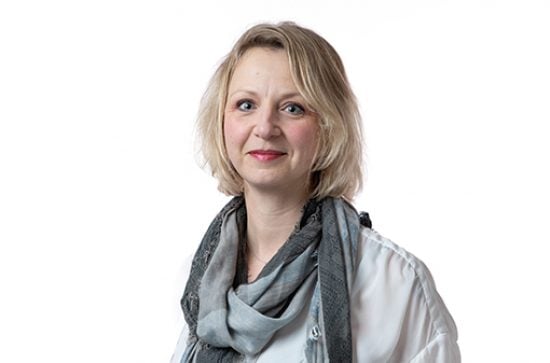
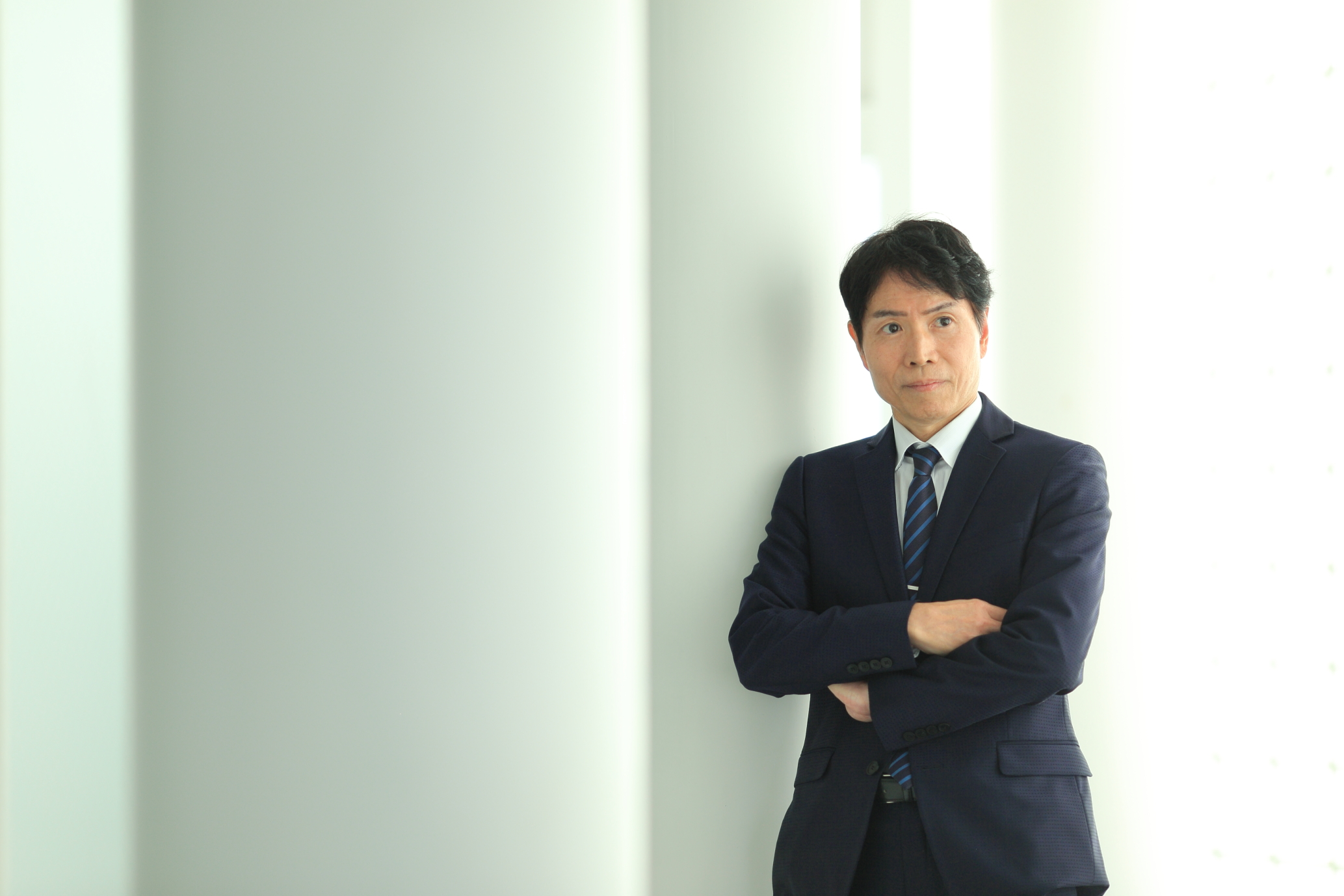
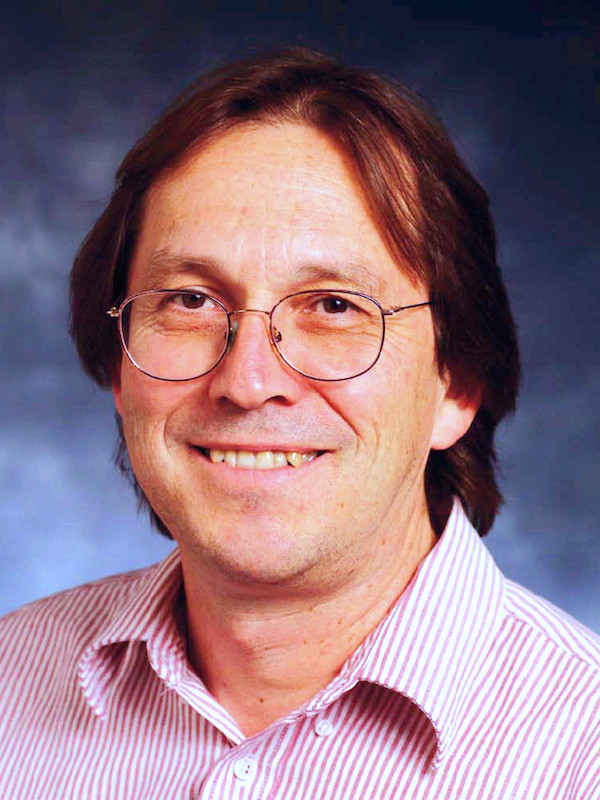
Dr. Catherine Gander is an Associate Professor in American Literature and Visual Culture at Maynooth University’s Faculty of Arts and Humanities. She holds a PhD from King’s College London and previously lectured at Queen’s University Belfast, where she founded the Research Centre for the Americas. Her research bridges modern/contemporary American literature with visual studies, focusing on intersections between poetry, art, and social justice. She is a poet, editor, and award-winning scholar with works like Mixed Messages (2016) and Muriel Rukeyser and Documentary (2013). Key affiliations include Chair roles in the Irish Association for American Studies (2019-2024) and co-Associate Dean for EDI (2021-2023). She led the IRC-funded Diversifying Irish Poetry project (2021-2022), advancing equity in literary reviewing. Her current projects include a monograph on transmedial poetics (Cambridge UP) and co-editing Beyond Ourselves: Contemporary Poets on Muriel Rukeyser (2026). Her teaching spans American literature modules like Picturing America and The Political is Personal , earning awards including the 2025 SPARK Teaching Award. She mentors postdocs on topics such as sleep studies and ecofeminism, and her creative works include poetry collections like Matches (2024) and Sea Between Us (2022). She has delivered keynote lectures globally, including the inaugural Max Nänny Lecture (2025).
Mikko Hokka is a Professor and Head of the unit in the Department of Materials Science and Environmental Engineering at the Faculty of Engineering and Natural Sciences, Tampere University. His research focuses on experimental characterization of material behavior under dynamic loading conditions, with particular emphasis on high and low temperature testing at high strain rates. He leads the Engineering Materials Science (EMS) group and is an active member of the DYMAT Governing Board since 2016. His research interests include developing experimental methods for studying dynamic phenomena such as strain-induced phase transformations in materials, percussive drilling of rocks and concrete, plastic deformation in high entropy alloys, and the effects of adiabatic heating on plastic deformation using high-speed imaging techniques. Key areas of expertise are mechanical testing, digital image correlation, infrared imaging, and the application of the Split Hopkinson Pressure Bar. His recent work spans dynamic material behavior, including investigations into phase transformations in steels, composite material failure under high strain rates, and geomechanical processes such as rock drilling. Hokka has also contributed to foundational texts like the 2024 anthology Dynamic Behavior of Materials , showcasing his leadership in advancing the field's theoretical and applied aspects. Notable contributions include studies on adiabatic heating effects in metals, piezoelectric excitation of quartz in granitic rocks, and energy quantification in percussive drilling. This interdisciplinary work bridges materials science with geomechanics and engineering, addressing challenges in both industrial and fundamental research contexts.
Alexandre MUSSI is a Lecturer at the University of Lille, affiliated with the Materials and Transformations Unit (UMET, CNRS UMR 8207) and teaches in the Physical Measurements department at IUT A in Lille. His research is centered on mineral plasticity, particularly in mantle and subduction zone minerals, using advanced Transmission Electron Microscopy techniques such as electron tomography, weak-beam imaging, and orientation mapping. His research interests include mineral deformation mechanisms, dislocation dynamics, electron tomography, high-pressure mineral physics, and geophysical applications of materials science. He collaborates extensively with researchers like Patrick CORDIER, Philippe CARREZ, and Karine GOURIET. Alexandre MUSSI’s recent publications (2021–2024) span high-impact journals such as Nature , Annual Review of Earth and Planetary Sciences , and Journal of Geophysical Research: Solid Earth . The articles reflect a strong focus on dislocation behavior in olivine, quartz, and MAX phases under extreme conditions, combining experimental TEM with mechanical modeling. A secondary theme involves materials for pharmaceutical applications, particularly mesoporous silica-based drug delivery systems. He has co-directed PhD theses by Timmo WEIDNER (2024) and Billy Clitton NZOGANG (2019). He actively presents his work at international conferences, including invited talks at Thermec 2021 and the French Microscopy Society (SFµ) 2023. He has not received any explicitly mentioned scientific awards in the provided text. He is actively involved in research projects related to planetary interiors and materials characterization. Alexandre MUSSI is part of the Plasticity research team at UMET and utilizes advanced electron microscopy platforms such as PMEL. He is not indicated as part-time, retired, or a former staff member, and there is no mention of his passing, confirming his active status.
Dr. Claire Donnelly is a Research Professor and Lise Meitner Group Leader heading the Spin3D research group at the Max Planck Institute for Chemical Physics of Solids in Dresden, Germany, where she investigates three-dimensional magnetic systems using advanced imaging techniques. She holds a distinguished research position focused on nanoscale magnetism and spintronics. Education & Career Following her MPhys at the University of Oxford, Donnelly completed her PhD at ETH Zurich and Paul Scherrer Institute (2017). Her doctoral work on 3D magnetic systems received multiple honors. She subsequently held postdoctoral positions at ETH Zurich and the University of Cambridge as a Leverhulme Early Career Research Fellow before establishing her independent group at MPI-CPFS in 2021. Research Focus Donnelly specializes in developing cutting-edge X-ray magnetic tomography techniques to visualize 3D magnetization dynamics at the nanoscale. Her work encompasses: Three-dimensional magnetic nanostructures and topological spin textures Advanced imaging methods including X-ray vector nanotomography and soft X-ray laminography Chiral magnetic interactions and domain wall dynamics in complex geometries Her research bridges fundamental magnetism with potential applications in high-density data storage and quantum computing. Publication Trends Donnelly's recent publications demonstrate strong focus on three-dimensional characterization of magnetic systems, with recurring themes: nanoscale topological textures (skyrmions, Bloch points), advanced X-ray tomography techniques, chiral interactions in synthetic antiferromagnets, and curvature effects in magnetic nanostructures. Her work consistently integrates novel imaging methodologies with fundamental physics exploration. Honors APS Richard Greene Dissertation Award Werner Meyer-Ilse Memorial Award ETH Medal for outstanding doctoral thesis SPS Award for Computational Physics L'Oréal-UNESCO For Women in Science Fellowship European Magnetism Association Young Scientist Award Leadership As founder of the Spin3D group, Donnelly leads a research team developing next-generation magnetic imaging techniques. Her group focuses on creating novel approaches to visualize and manipulate 3D magnetic configurations in complex nanomaterials, with ongoing work in nanofabrication of magnetic architectures and time-resolved imaging of magnetization dynamics.
Irene Fonseca is a Full Professor of Mathematics at Carnegie Mellon University (CMU), where she also holds the Kavčić-Moura Professorship in Mathematics. She is Director of the Center for Nonlinear Analysis and has served as President-Elect of SIAM (2012–2013) and Vice-President of the American Mathematical Society (2024–2027). Her research focuses on calculus of variations, geometric measure theory, partial differential equations, and their applications to materials science and image processing. Education: Licenciatura in Mathematics, University of Lisbon (1980) MS (1983) and PhD (1985) in Mathematics, University of Minnesota Affiliations: Mellon College of Science (CMU) Center for Nonlinear Analysis (CMU) Her work addresses properties of novel materials, phase transitions, fracture mechanics, and image reconstruction. Over 140 peer-reviewed papers and 2 books highlight her contributions. Key awards include the AWM-SIAM Sonia Kovalevsky Lecture (2006), the International Society for the Interaction of Mechanics and Mathematics Senior Prize (2022), and knighthood in Portugal’s Military Order of St. James (1997). Notable research includes: Epitaxial film growth dynamics Homogenization techniques in materials science Mathematical models for dislocations and defects in solids She mentors over 40 postdocs and students, fostering international collaborations through affiliations with institutions worldwide. Her leadership in professional societies and advocacy for women in mathematics further amplify her global impact.
Naonori Ueda is a Research Professor and Deputy Director at RIKEN Center for Advanced Intelligence Project. He also serves as a Visiting Fellow at NTT Communication Science Laboratories, Research Supervisor for Mathematical Information Platform at Japan Science and Technology Agency (JST), and Visiting Professor at Kobe University's Graduate School of System Informatics. His distinguished career spans academia, government research institutions, and industry collaboration, with significant contributions to advancing artificial intelligence and machine learning applications across multiple scientific domains. Dr. Ueda's research interests focus on the intersection of machine learning, artificial intelligence, and physical sciences. He specializes in physics-informed deep learning approaches that integrate governing physical equations with neural network architectures. His work spans geophysical data analysis, remote sensing applications, computational seismology, and environmental monitoring systems. He has pioneered methods for crustal deformation modeling, earthquake prediction, tsunami inundation forecasting, and satellite imagery analysis using advanced machine learning techniques. His research demonstrates how AI can solve complex scientific problems by bridging the gap between data-driven approaches and physical domain knowledge. His publication record reveals a strong trend toward applying machine learning to solve real-world geophysical and environmental challenges. His recent work shows increasing sophistication in physics-informed neural networks that incorporate domain-specific knowledge into deep learning architectures. The publications span high-impact journals like Nature Communications, demonstrating the interdisciplinary significance of his work. His research consistently focuses on practical applications of AI for disaster prevention, environmental monitoring, and scientific discovery. Fellow of IEICE (Institute of Electronics Information and Communication Engineers) Member of Japan Prize field review committee Selection Committee Member for Brilliant Female Research Award (The Jun Ashida Award) Member of Kyoto Prize Selection Committee Dr. Ueda has secured substantial research funding through multiple government-sponsored projects including RIKEN Pioneering Project 'Prediction Science,' JST AIP Acceleration Research projects on weather prediction and drug discovery, and AMED-funded medical research initiatives. His leadership extends to serving as Sub-project Director for Japan's Moonshot R&D Project. He actively mentors researchers through his roles at RIKEN, NTT, and various academic institutions, fostering the next generation of AI scientists. As Deputy Director of RIKEN Center for Advanced Intelligence Project, Dr. Ueda leads one of Japan's premier AI research initiatives. He also serves on the Advisory Board of Kobe University's Mathematical and Data Science Center and Kyoto University's Graduate School of Informatics. His leadership extends to coordinating the AI Seminar at Osaka Industrial Association and supervising the Keihanna 'Edison Society' at the International Institute for Advanced Studies, demonstrating his commitment to bridging academic research with industrial applications.
Professor Jean-Bernard VOGT is affiliated with the Materials and Transformations Unit (UMET - CNRS UMR 8207) at the University of Lille. His research focuses on the mechanical behavior of advanced steels under extreme conditions, including fatigue damage , cyclic plasticity mechanisms , and liquid metal embrittlement in nuclear reactor environments. Key collaborations include Centrale Lille Institute and interdisciplinary nuclear projects Team leadership in Physical Metallurgy and Materials Engineering Research Interests : Specializes in microstructure-fatigue interactions , corrosion-mechanical synergy , and high-strain metallurgical analysis . Investigates hydrogen embrittlement , liquid metal-assisted fracture , and advanced characterization techniques (EBSD, ToF-SIMS, OIM). Publication Trends : Recent work emphasizes nuclear reactor materials (Lead-Bismuth Eutectic interactions), pearlitic steel fatigue , and protective coatings against corrosion. Uses multi-scale microscopy for damage mechanism visualization. Thesis Supervision : Co-directed 15+ theses on topics ranging from zinc coating corrosion to martensitic steel fatigue , with students now working at Thyssenkrupp, Villares Metals, and Nexans.
Véronique Aubin is a Professor at CentraleSupélec, where she leads research on mechanical behavior of materials. She earned her degree in Mechanics of Materials from École Normale Supérieure de Cachan (1998) and a PhD from University of Lille (2001). After serving as Assistant Professor at École Centrale de Lille (2003), she joined CentraleSupélec in 2010. She directs the Paris-Saclay Mechanics Laboratory, focusing on experimental and computational analysis of material performance. Research Expertise: Her work spans mechanical characterization, damage modeling, and microstructure-property relationships in metallic systems. Key areas include: Crystalline plasticity and fatigue mechanisms In-situ observation techniques for deformation analysis Behavior of wires/cables under complex loading Model-experiment correlation for material calibration Damage evolution in stainless steels and alloys Publication Focus: Recent articles demonstrate concentrated work on cyclic loading responses in duplex stainless steels, crystal plasticity modeling, fatigue damage in structural components, and superconducting materials. Studies frequently combine multiscale experimentation with computational frameworks to decode deformation mechanisms.
Andreas Kronenberg is a Professor and the Michael T. Halbouty Chair in Geology at Texas A&M University, serving as Associate Director of the Center for Tectonophysics. He holds dual affiliations with the Department of Geology and Geophysics and the Texas A&M College of Geosciences. His research focuses on structural geology, tectonophysics, and mineral physics, with emphasis on Earth materials' mechanical properties and deformation mechanisms at high pressure/temperature conditions. Dr. Kronenberg leads experimental studies on water weakening in quartz/feldspar, anisotropic rock behavior, and carbonate rheology in subduction zones. Education: PhD (Geology, Brown University, 1983), MS (Geology, Brown University, 1979), BS (Geology, UCLA, 1977). Research explores (1) fluid-rock interactions in deformation, (2) crystal plasticity in silicates and carbonates, and (3) high-temperature creep mechanisms. Key contributions include discovering reversible water weakening in quartz and developing StraboSpot's digital deformation data archives. He participates in AGU's Mineral and Rock Physics Focus Group and the NSF-funded In-situ Rock Deformation RCN. Award-winning educator and researcher, Kronenberg teaches graduate courses in structural petrology (Geol 665) and experimental rock mechanics (Geop 615), while mentoring students through collaborative projects. His work bridges laboratory experiments with field observations, advancing understanding of lithospheric deformation processes.
Prof. Petrus Nolte is an Endowed Professor in Oral Cell Biology at the Academic Centre for Dentistry Amsterdam (ACTA). He concurrently serves as a surgeon at Spaarne Gasthuis Hospital in Hoofddorp, holding an ancillary role since 2003. His primary affiliation is with ACTA, where he focuses on translational dental and bone research, particularly in orthopedics. Nolte’s research emphasizes prosthetic joint infections, bone regeneration, and implant biocompatibility, bridging clinical and experimental studies. His work integrates cell biology, biomaterials, and clinical outcomes in orthopedic applications. Research Interests: His specialties include Total Knee Arthroplasty, osteoclast biology, biofilm treatment, and prosthetic infection management. He explores endolysin-based therapies for MRSA biofilms and investigates implant surface effects on bone cell behavior. Recent studies focus on antibiotic combination therapies for prosthetic joint infections and long-term outcomes of knee implant systems. Education: PhD research on unhealed bone at ACTA, foundational to his translational bone research. Awards: None explicitly mentioned in the text. Grants/Supervised Work: Supervised 2 PhD theses. Collaborates on clinical trials like the RiCOTTA-trial for prosthetic infection protocols. Labs/Teams: Engaged with multidisciplinary teams at ACTA and Spaarne Gasthuis, focusing on translational orthopedic and dental research. Leads studies on implant materials and biofilm therapies, with datasets available on platforms like Figshare.
Hector Basoalto is a Professor of Metallurgy and Multiscale Materials Modeling at the University of Sheffield's School of Chemical, Materials and Biological Engineering. He leads the M2i2 research group and serves as Beacon Director of the Materials Made Smarter Centre (MMSC), focusing on bridging academic research with industrial applications through partnerships with companies like Rolls-Royce, GKN, and Airbus. His research specialises in: Micromechanics and multiscale material modeling Integrated Computational Materials Engineering (ICME) Digital Threading frameworks for materials engineering Physics-based AI for materials Creep deformation in superalloys Additive manufacturing process modeling Key article trends include: Residual stress analysis in 3D printed components Thermal-fluid dynamics in laser and electron beam welding Microstructural modeling across scales Creep and fatigue behavior in aerospace alloys Uncertainty quantification in metallurgical processes Industrial applications of material informatics Scientific awards: NIST AM-Bench Challenge 2022 – 1st and 2nd prizes NIST AM-Bench Challenge 2018 – 1st prize He holds a PhD and B.Eng (Hons) and has led research teams at QinetiQ, HMV Catapult AFRC, and the University of Birmingham's PRISMM computational laboratory.
Takayoshi Shimura is a Professor at Waseda University's Graduate School of Information, Production, and Systems . With a Ph.D. in Engineering from Nagoya University, he specializes in semiconductor materials and device physics, particularly focusing on Silicon Carbide (SiC) and Gallium Nitride (GaN) technologies. Current research emphasizes defect engineering in MOS structures Developing quantum photonics via color centers Optimizing epitaxial growth for optoelectronics His recent work reveals trends in nitrogen passivation , single-photon emitter fabrication , and high-temperature annealing for oxide reliability. Over 235 publications with 3,083 citations demonstrate his impact in applied physics and materials science. Scientific Awards : Multiple Japan Society of Applied Physics Poster Awards (2016, 2014) IWDTF Best Poster Award (2008) Research leadership includes: Collaborations with Osaka University and Waseda University Professional memberships in four major academic societies Patents and media coverage in 5 major publications (2018)
Edmund Tarleton is an Associate Professor in the Department of Engineering Science at the University of Oxford and a UKAEA/Royal Academy of Engineering Senior Research Fellow in Materials Modelling for Fusion Energy. He holds a DPhil and MSc from Oxford and is a Supernumerary Fellow at St Anne’s College. His research focuses on computational materials science, particularly crystal plasticity and hydrogen effects in engineering materials. Key contributions include modelling dislocation dynamics, fusion energy materials, and microstructural heterogeneity. He has received prestigious awards, including the EPSRC Early Career Fellowship (2015–2021) and the 2019 Rising Star in Computational Materials Science Prize. His work bridges experimental observations with advanced simulations, addressing challenges in nuclear materials, metallic alloys, and hydrogen embrittlement. Edmund collaborates with institutions like UKAEA and leads projects on fusion reactor materials. His lab develops frameworks like OXFORD-UMAT for crystal plasticity simulations. Current research emphasizes predictive models for material behavior under extreme conditions, with applications in aerospace and energy sectors.
Professor Michael Horn-von Hoegen leads the experimental physics group at the University of Duisburg-Essen's Faculty of Physics, focusing on surface dynamics and 2D material behavior through ultrafast electron diffraction and microscopy. With over 185 publications and significant citations (h=42), his work bridges fundamental quantum phenomena and applied nanotechnology. Academic Roles: DFG Liaison Professor, Dean's Office member, former SFB 616 spokesperson Key Projects: CRC 1242 'Non-equilibrium Dynamics' with projects on phonon transport, plasmonics, and atomic wire systems Research Focus: Specializes in heteroepitaxy , topological plasmonics , and nanoscale heat transport through techniques like time-resolved LEED and ultrafast electron microscopy . Notable discoveries include negative thermal expansion in hBN and surfactant-modified epitaxy mechanisms . Recent Article Trends: 2023-2025 publications demonstrate expertise in fractional angular momentum systems, phase transition dynamics , and defect-free 2D material growth using advanced interferometry and microscopy techniques. Scientific Awards: IBM Postdoctoral Fellowship Heinz-Maier-Leibnitz Prize iCORE Visiting Professor Grants Academic Leadership: Advises multiple PhD candidates while maintaining collaborative projects with institutions across Canada, Australia, and Europe. His group provides training in cutting-edge methods like single-path interferometry and plasmon-enhanced electron emission within the DFG-funded CRC 1242 graduate school.
Dr. Lisa Lattanza is the Ensign Professor and Chair of the Department of Orthopaedics and Rehabilitation at Yale School of Medicine. She is a world-renowned hand and upper extremity surgeon specializing in pediatric and adult elbow reconstruction, with particular expertise in 3D surgical planning for deformity correction. As one of only two female chairs of orthopaedics in the U.S. when she began her appointment in September 2019, she has been a trailblazer for women in this male-dominated field. Her educational journey includes: MD from Medical College of Ohio (now University of Toledo College of Medicine and Life Sciences) in 1993 Internship at Harbor-UCLA Medical Center Residency in orthopaedic surgery at University of Missouri Kansas City Fellowship in hand surgery at Columbia College of Physicians and Surgeons/Roosevelt Hospital Additional fellowship training in pediatric hand and upper extremity at Texas Scottish Rite Hospital for Children Dr. Lattanza's research focuses on innovative approaches to upper extremity reconstruction, particularly using 3D surgical planning for deformity correction in both children and adults. Her work has pioneered new classification systems and treatment approaches for complex conditions like Chronic Monteggia Fracture Dislocations in children. She is also deeply committed to addressing the underrepresentation of women in orthopaedic surgery through research and outreach initiatives. A leader in global health, Dr. Lattanza frequently travels to Nicaragua and other countries on surgical mission trips, performing hand surgery and expanding global initiatives within her department. Her clinical expertise was demonstrated in 2016 when she led a team to perform the world's first elbow-to-elbow transplant, transplanting a patient's left elbow into his right arm to provide him with one functioning extremity after a devastating accident. Her significant contributions to the field have been recognized with numerous awards: Diversity Award from the American Academy of Orthopaedic Surgeons (2021) Medical University of Ohio Distinguished Alumni (2024) UCSF's Compassionate Physician Award (2013) and Exceptional Physician Award (2014) Jefferson Award for Community Service (2014) Multiple designations as a "Top Doctor" by San Francisco Magazine (2012-2019) and Marin Magazine (2015-2019) Dr. Lattanza co-founded the Perry Outreach Program in 2009 (now the Perry Initiative), which has grown from 18 high school girls in San Francisco to over 17,000 participants across the country. Her research has shown that young women who complete the program apply and match to orthopaedic surgery residencies at a rate of about 24%, significantly higher than the national average of 14%. She serves as president of the Ruth Jackson Orthopaedic Society and is active in several professional organizations including the American Academy of Orthopaedic Surgeons, the American Society for Surgery of the Hand, and the American Orthopaedic Association. She leads the 3D Orthopaedics Lab and the 3-D Patient-Specific Surgical Correction Program at Yale, where her team develops innovative approaches to surgical planning and execution using advanced imaging and printing technologies. Her work continues to push the boundaries of what's possible in precision orthopaedic surgery while addressing critical issues of diversity and inclusion in the field.