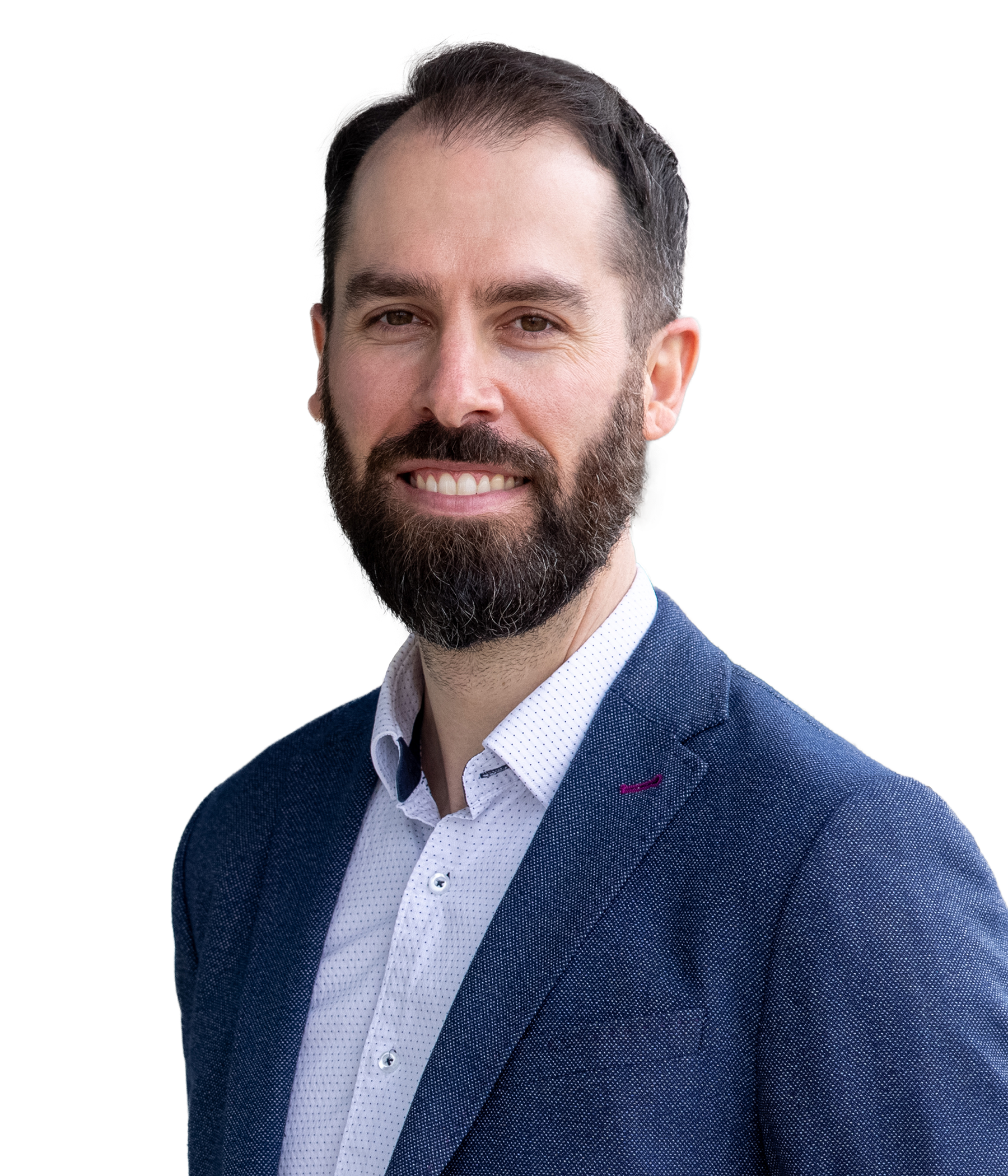
Maxwell J. Smith is an Assistant Professor at the School of Health Studies within the Faculty of Health Sciences at Western University . He holds multiple appointments across the Department of Philosophy , Schulich Interfaculty Program in Public Health , Department of Epidemiology and Biostatistics , and other research centers. As the Western Research Chair in Public Health Ethics , his work bridges bioethics, public health policy, and social justice. Research Domains: Public health ethics, infectious disease ethics, health equity, moral philosophy Collaborations: Social epidemiologists, global health organizations, interdisciplinary ethics institutes Key Focus: Ethical frameworks for pandemic response, health equity in policy-making His recent publications explore the intersection of ethics and epidemiology in health equity modeling, pandemic treaties, workplace vaccination mandates, and resource allocation during crises. He has contributed to high-impact journals like New England Journal of Medicine and The Lancet Infectious Diseases . Notable contributions include: Developing empirical ethics studies for public health policy Advocating for intersectoral action on health inequities Addressing systems thinking in ethical frameworks Global governance of pandemics Equity-focused vaccine monitoring strategies Dr. Smith’s work emphasizes translating philosophical ethics into practical public health solutions, with a strong commitment to social justice and interdisciplinary collaboration.
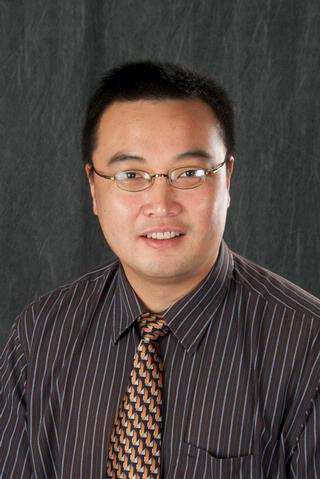
Fulai Jin, PhD, is an Associate Professor in the Department of Genetics and Genome Sciences at Case Western Reserve University School of Medicine, with joint appointments in the Department of Population and Quantitative Health Sciences and the Department of Computer and Data Sciences. He is also Co-Leader of the Cancer Genomics and Epigenomics Program at the Case Comprehensive Cancer Center. Dr. Jin holds a PhD in Molecular and Medical Pharmacology from UCLA and bachelor’s degrees in Biology and Computer Science from USTC. His postdoctoral training at the Ludwig Institute for Cancer Research focused on genomics and epigenetics. His research focuses on 3D genome architecture, computational tools for genomic data integration, and single-cell technologies applied to health and disease. Key areas include cancer, diabetes, and neurological disorders, with a focus on chromatin structure, enhancer function, and ancestry-related disease mechanisms. His lab develops low-input 3D genome mapping methods and employs CRISPR tools, scRNA-seq, and multi-omic integration. Research is funded by NIH grants. Dr. Jin seeks motivated students/postdocs with experimental or computational expertise. The lab’s work is detailed on their website, and publications are listed on PubMed.
Dean Cruess is a Professor in the Department of Psychological Sciences at the University of Connecticut. He holds a Ph.D. from the University of Miami (1998) and conducts research at the intersection of clinical, health, and personality psychology. His work examines how psychosocial factors like stress, depression, anxiety, and personality traits influence mental and physical health outcomes across diverse populations including psychiatric inpatients, people with HIV/AIDS, cancer patients, and cardiovascular disease patients. Dr. Cruess's research program focuses on: Psychophysiological mechanisms linking psychological states to health outcomes Development of behavioral interventions for chronic illness populations Personality factors in treatment adherence and health behaviors Stress-disease pathways in vulnerable clinical groups He teaches undergraduate and graduate courses including Abnormal Psychology (PSYC 2300), Adult Psychopathology (PSYC 5301), and Adult Psychotherapy Practicum (PSYC 6301). His publication trends (2020-2025) show consistent focus on: Mental-physical health comorbidities in clinical populations Personality predictors of psychiatric outcomes Behavioral interventions for chronic conditions Methodologically rigorous approaches including randomized trials, meta-analyses, and systematic reviews Specialized work in HIV psychology, cardiac health, and inpatient psychiatry
Lee Kennedy-Shaffer is an Assistant Professor in the Department of Biostatistics at the Yale School of Public Health. He holds a PhD in Biostatistics from Harvard University, with prior research experience at Harvard’s Center for Communicable Disease Dynamics. Before joining Yale, he was an Assistant Professor at Vassar College. His work focuses on statistical methods for infectious disease studies, including cluster-randomized trials, quasi-experimental designs, and analyses of vaccine efficacy against transmission. He has contributed to studies on SARS-CoV-2 viral load dynamics, pandemic response strategies, and policy evaluation using difference-in-differences methods. Education: PhD (Harvard University, 2020), MA (Harvard, 2017), BS (Yale University, 2013) Research Interests: Infectious disease trial design, spatiotemporal epidemiology, causal inference in public health His research bridges statistical methodology and practical public health challenges, with applications to vaccine evaluation, pandemic preparedness, and policy analysis. Notable contributions include work on viral load-based transmission models and the design of serosurveys for early outbreak detection. Awards: Winner of the 2024 Carnegie Mellon Sports Analytics Reproducible Research Competition and the 2022 Royal Statistical Society’s Statistical Excellence in Early Career Writing Award. Labs/Teams: Involved in the Public Health Modeling Unit and the Big Data Summer Immersion at Yale program. Serves as Statistical Editor for Nature Medicine and Associate Editor for Epidemiologic Methods .
Dr. Christie Petrenko is a Research Associate Professor and Director of Clinical Training in the Department of Psychology at the University of Rochester. Her work focuses on preventing secondary conditions in individuals with Fetal Alcohol Spectrum Disorders (FASD), particularly through interventions like Families on Track. She investigates prenatal alcohol exposure’s long-term effects on cognition, behavior, and mental health, alongside co-occurring adversities such as maltreatment and out-of-home care. Dr. Petrenko’s research integrates developmental psychopathology frameworks to address risk factors and protective mechanisms. She has conducted pivotal studies on neuropsychological functioning in FASD, emotion regulation interventions, and caregiver support strategies. Key projects include a randomized controlled trial of Families on Track, which targets adaptive developmental pathways for children aged 4-8 with FASD. Her work emphasizes translational research to bridge clinical practice and policy. Notable contributions include telemedicine programs (e.g., ECHO FASD) to improve diagnosis capacity and mobile health tools like the My Health Coach app. She also advocates for equity in FASD care through critical race theory and disability studies perspectives. Dr. Petrenko collaborates with educators, healthcare providers, and policymakers to enhance FASD recognition and support systems. Her research spans neuroimaging analyses, qualitative caregiver studies, and longitudinal follow-ups to characterize FASD trajectories and intervention efficacy.
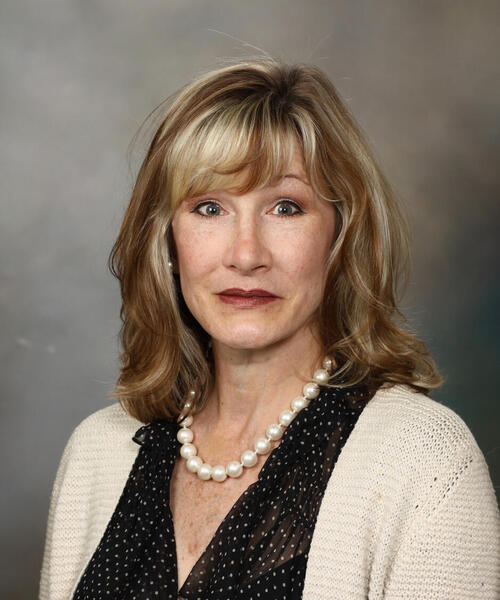
Dr. Yue Li is a tenured Professor in the Departments of Public Health Sciences and Psychiatry at the University of Rochester School of Medicine and Dentistry (SMD). She holds leadership roles as Director of the Health Services Research and Policy (HSR&P) MS/PhD programs and Director of Research in the Division of Health Policy and Outcomes Research. She also serves as Editor-in-Chief of Health Services and Outcomes Research Methodology (HSORM) . Her research focuses on Medicare policy, healthcare quality, and disparities in long-term care and hospital settings. Current projects include analyzing nursing home patient safety culture, suicide risk prediction in older adults, and the impact of Medicare payment reforms like bundled payments. Dr. Li has received numerous awards, including the Best Student Abstract Award (2013), the James G. Zimmer New Investigator Research Award (2009), and the Aetna Susan B. Anthony Award (2007). Her work bridges clinical practice, policy, and research, addressing critical issues such as racial disparities in healthcare access and outcomes. Collaborative projects involve federal grants from AHRQ, NIMH, and other agencies, examining topics like surgical outcomes under Medicare ACOs and the effects of state regulations on assisted living facilities. Her teaching includes courses on quality of care, risk adjustment, and health economics. Dr. Li’s research has been featured in high-impact journals and media outlets like JAMA , Neurology , and Reuters Health . Key contributions include studies on post-acute care utilization, hospital readmission penalties, and the sociodemographic factors influencing healthcare disparities.
Kevin Edgar is a Professor of Biomaterials and Bioprocessing and Director of the ICTAS Bio-Based Materials Center at Virginia Tech's College of Natural Resources and Environment, Department of Sustainable Biomaterials. With a Ph.D. in Organic Chemistry from Duke University (1979) and a B.S. in Chemistry from Bucknell University (1975), he has established himself as a leading researcher in polysaccharide chemistry and sustainable biomaterials. Dr. Edgar's research focuses on designing and creating derivatives of natural polysaccharides to address demanding performance requirements, exploring structure-property-performance relationships for applications including drug-delivery systems, tissue engineering, biodegradable plastics, polymer compatibilization, hydrogels, and block copolymers. His work specifically targets novel methods to control and utilize the nanostructure of polysaccharides, with emphasis on regioselective substitution reactions of complex polysaccharides. He investigates how to effectively utilize natural polysaccharides to address societal needs, leveraging their diverse natural functions from structural support to information storage. Analysis of his recent publications reveals a strong focus on hydrogel development, drug delivery systems, and polysaccharide modification techniques. His work spans fundamental chemistry of polysaccharides to applied pharmaceutical and medical applications, with particular emphasis on creating sustainable alternatives to fossil fuel-based materials. The research demonstrates consistent innovation in regioselective synthesis methods and structure-property relationships of polysaccharide derivatives. 2023 Appointed to Virginia Tech Academy of Faculty Leadership 2022 Virginia Tech College of Natural Resources and Environment Outstanding Graduate Student Mentor Award 2016 Anselme Payen Award for outstanding professional contributions to cellulose science 2010 Named Fellow of the ACS Division of Cellulose and Renewable Materials 2009 Named Fellow of ACS (inaugural class of ACS Fellows) Dr. Edgar has mentored numerous graduate students through their Ph.D. and Master's research, with many receiving prestigious awards including multiple Eastman Awards for outstanding graduate students. His research has been supported by significant grants from NSF, USDA NIFA, and other funding agencies. He leads the ICTAS Bio-Based Materials Center and co-directs the Infectious Disease Interdisciplinary Graduate Education Program, demonstrating strong leadership in interdisciplinary research. His lab actively develops sustainable biomaterials with applications in drug delivery, tissue engineering, and environmental health.
Andrea L. Cheville, M.D., MSCE is a Professor of Physical Medicine and Rehabilitation at Mayo Clinic in Rochester, Minnesota. She holds primary appointment as Consultant in the Department of Physical Medicine & Rehabilitation and joint appointment as Consultant in the Section of Palliative Care, Department of Internal Medicine. Dr. Cheville serves as Medical Director of the Patient-Centered Outcomes Program in the Robert D. and Patricia E. Kern Center for the Science of Health Care Delivery since 2014 and was Chair of the Department of Physical Medicine and Rehabilitation from 2020-2021. She is an elected member of the National Academy of Medicine since 2016. Dr. Cheville's research focuses on innovative approaches to cancer rehabilitation and pain management. Her key areas include: Digitally enabled cancer pain management through the ASCENT clinical trial Enhanced cancer symptom control using electronic patient-reported outcomes Non-pharmacological pain management via the NOHARM trial Home discharge planning for Alzheimer's patients through Project HoPe Smartphone-based technology for wheelchair users to monitor seating pressure Her work emphasizes culturally informed, patient-centered care with a focus on underserved populations. Dr. Cheville's research has led to significant advancements in integrating technology into clinical practice to improve patient outcomes, particularly in pain management and cancer rehabilitation. Her publications span clinical trials, health informatics, rehabilitation medicine, and patient-centered outcomes research, with notable emphasis on health equity and underserved communities. Member, National Academy of Medicine (2016-present) Distinguished Academician Award, Association of Academic Physiatrists (2021) Exceptional Women in Medicine, Castle Connolly (2021) Distinguished Member Award, American Academy of Physical Medicine and Rehabilitation (2020) Merit award, National Health Information Awards (2017) As an educator and mentor, Dr. Cheville has contributed to the training of numerous medical professionals in physical medicine and rehabilitation. Her leadership extends to various national committees and organizations where she helps shape the future of rehabilitation medicine and pain management. She has secured multiple NIH grants including the ASCENT trial, Project HoPe, and the NOHARM pragmatic clinical trial.
Claudia Allemani is Professor of Global Public Health at the London School of Hygiene & Tropical Medicine (LSHTM), where she leads the Cancer Survival Group within the Department of Non-Communicable Disease Epidemiology in the Faculty of Epidemiology and Population Health. With over 20 years of experience in cancer epidemiology, she serves as co-Principal Investigator for the global CONCORD cancer surveillance program and Principal Investigator for the ERC-funded VENUSCANCER project studying worldwide inequalities in cancer survival. Her educational background spans applied mathematics to public health, with degrees including an MSc in Mathematics from the University of Turin (1996), MSc in Statistical and Informatic Methods from the University of Milan (1998), a PhD equivalent in Medical Statistics (2001), and a PhD in Public Health and Education (2006), all from Italian institutions. Professor Allemani's research focuses on international comparisons of cancer survival trends, high-resolution studies on patterns of care, and estimation of avoidable premature deaths with direct impact on cancer policy. Her work encompasses multiple cancer types across more than 70 countries, examining how healthcare systems, socioeconomic factors, and policy interventions affect cancer outcomes globally. She has pioneered methodologies for population-based cancer survival analysis that have become standard in the field. Her extensive publication record demonstrates consistent focus on global cancer surveillance, with particular attention to breast, cervical, and ovarian cancers, as well as pediatric malignancies. The research shows clear evolution from European-focused studies (EUROCARE) to truly global population-based analyses (CONCORD), reflecting growing recognition of cancer as a worldwide health challenge requiring international comparative approaches. Fellow of the Higher Education Academy (2012) Honorary Member of the UK Faculty of Public Health (2014) UK Faculty of Public Health's inaugural Global Public Health Award (2016) European Research Council Consolidator grant recipient (2017) Member of The Lancet Oncology International Advisory Board (2021-2024) Co-Chair of the CONCORD-Lancet Global Commission on Cancer Professor Allemani actively supervises PhD students and teaches across multiple MSc programs at LSHTM, particularly in epidemiology and medical statistics. Her grant portfolio includes major funding from the European Research Council, Cancer Research UK, CDC, WHO, and other international bodies supporting the CONCORD program's expansion to include 22 adult cancers and all childhood cancers diagnosed from 2000-2019 across 70+ countries. She leads a dedicated team of five researchers in the Cancer Survival Group, collaborating with major international health organizations including the Organisation for Economic Co-operation and Development, US Centers for Disease Control and Prevention, Institute for Health Metrics and Evaluation, WHO, International Atomic Energy Agency, and numerous national cancer institutes to translate survival data into actionable cancer control policies worldwide.
Eric T. Hileman is an Assistant Professor in the Wildlife and Fisheries Resources program at West Virginia University. He serves as the quantitative ecologist for the Eastern Massasauga Rattlesnake Species Survival Plan, contributing to conservation efforts for this threatened species. Educational background: B.S. and M.S. from University of Wisconsin institutions, Ph.D. from Northern Illinois University Prior roles: Assistant Research Professor at Mississippi State University, Mendenhall Research Fellow at USGS Fort Collins Science Center Research Interests Dr. Hileman specializes in population ecology, applying advanced statistical methods like capture-recapture and occupancy models to study wildlife dynamics. His work spans snake conservation, invasive species control, and ecological modeling, with direct applications for conservation management. Scientific Contributions Recent publications focus on snake behavior, disease risk, and habitat management, reflecting his expertise in quantitative approaches. Key topics include invasive brown treesnake control, snake fungal disease, and demographic modeling for pitvipers. Collaborations Active in interdisciplinary teams, including the Eastern Massasauga Rattlesnake conservation group and Guam-based invasive species research initiatives.
**Dr. Bahar Candas Altınbaş** is an Assistant Professor in the Nursing Department at Karadeniz Technical University's Faculty of Health Sciences, specializing in Surgical Nursing. She holds a PhD from Karadeniz Technical University (2019) and has extensive academic and clinical experience in surgical nursing, patient safety, and perioperative care. Her research focuses on reducing patient anxiety through innovative education methods, surgical nursing practices, and enhancing recovery protocols. Education: PhD: Karadeniz Technical University (2019), Surgical Nursing MSc: Karadeniz Technical University (2014), Surgical Nursing BSc: Karadeniz Technical University (2010), Nursing Research Interests: Patient safety in surgical environments Perioperative anxiety management Enhanced recovery after surgery (ERAS) protocols Evidence-based nursing practices Web-based patient education Health literacy and vaccination hesitancy Key Contributions: Developed a web-based education program reducing thyroidectomy patients' anxiety (randomized controlled trial) Authored studies on surgical nurses' compassion satisfaction/ fatigue and spiritual care practices Contributed to global patient safety initiatives through WHO surgical checklist research Published 113+ papers in indexed journals like Journal of PeriAnesthesia Nursing and Pakistan Journal of Medical Sciences Awards & Recognition: Doctoral Thesis Award (2019, Surgical Nursing Congress) Onursal Başkan Mansiyon Award (2015) Recipient of prestigious research fellowships at University of Oslo (2017, 2019) Professional Roles: Member of Turkish Surgical and Operating Room Nurses Association Member of KTÜ Nursing Alumni Board Vice President of Professional Education Development Commission
Marisa Gilles serves as an Adjunct Associate Professor in the School of Health and Clinical Sciences at The University of Western Australia, with research focused on public health disparities affecting vulnerable populations. Her work addresses critical gaps in Indigenous health, rheumatic heart disease management, and prison healthcare systems through interdisciplinary collaboration. Her primary research domains include rheumatic heart disease epidemiology, Indigenous health equity (particularly Aboriginal communities), prison health services, and infectious disease outbreak response. Methodologically, she specializes in mixed-methods approaches and implementation science to evaluate health interventions in real-world settings, with strong emphasis on community engagement and culturally safe practices. Analysis of her recent publications reveals a cohesive trajectory targeting health inequities through three interconnected streams: 1) Rheumatic heart disease elimination programs in Australia and Timor-Leste, 2) Maternal and child health within correctional systems, and 3) Vaccine-preventable disease surveillance. Her work consistently bridges clinical practice, public health policy, and community-led solutions, with increasing focus on implementation research since 2023. Dr. Gilles currently leads or participates in multiple funded projects including Good paths for health hearts (Department of Health, Western Australia, 2023-2026) and Good paths for healthy hearts (Medical Research Future Fund, 2023-2026), both addressing rheumatic heart disease through penicillin delivery innovations. Her historical projects span diabetes surveillance in Midwest Australia (2006), Indigenous health research leadership development (2005-2009), and national stroke unit implementation (2003). She maintains active collaborations with Timor-Leste health systems and Australian Aboriginal community organizations.
Julia A. Palacios is an Associate Professor of Statistics and Biomedical Data Science at Stanford University, with a courtesy appointment in Biology. She leads the Palacios Lab, focusing on developing statistical methods for evolutionary genomics, infectious diseases, and stochastic processes impacting public health. Her work integrates Bayesian nonparametric techniques, probabilistic AI, and computational statistics to address challenges in genetics, health, and cancer research. Her educational background includes a PhD in Statistics and postdoctoral research in computational biology. Current lab members include postdocs Bingjing Tang and Isaac Goldstein, PhD students Yi-Ting Tsai, Ivan Specht, Julie Zhang, and Leda Liang, and undergraduate researcher Shinnosuke Yagi. Former postdocs like Airam Blancas and Jaehee Kim have moved to faculty positions at ITAM and Cornell, respectively. Research funding includes NIH, NSF, Sloan Foundation grants, and the Terman Fellowship. Key contributions span phylodynamic modeling, coalescent theory, and real-time pathogen surveillance. Her lab's software tools include phylodyn (R package for phylodynamic inference) and adaPop (Bayesian population dynamics inference). Awards include the Sloan Research Fellowship and Gabilan Fellowship. Teaching roles include courses like Stats 376 and Stats 305A . Her lab actively recruits students and postdocs for research in evolutionary stochastic processes and biomedical data science. Labs/Teams: Palacios Lab at Stanford's Department of Statistics, collaborating with institutions globally on pandemic tracking and genomic studies. Current projects focus on multifurcating trees in infectious diseases, Bayesian nonparametric coalescent models, and computational tools for public health.
Tyler Bold, MD, PhD serves as Associate Professor in the Division of Infectious Diseases and International Medicine within the Department of Medicine at the University of Minnesota Medical School. He concurrently holds faculty appointments in the Microbiology, Immunology and Cancer Biology (MICaB) Ph.D. Graduate Program and the Department of Medicine, establishing a multidisciplinary research presence spanning infectious disease pathogenesis, immunology, and host-pathogen interactions. His research program integrates clinical infectious disease expertise with fundamental immunological investigation, focusing on tuberculosis host-directed immunotherapy, SARS-CoV-2 pathogenesis mechanisms, and macrophage biology in atherosclerosis. Key interests include T cell costimulation in granulomatous diseases, viral-microbiome interactions during respiratory infections, and diagnostic innovations for resource-limited settings. His work bridges basic science discovery with translational clinical applications, particularly in immunocompromised populations and complex infectious syndromes. Analysis of his 15 most recent publications reveals dominant research trajectories in tuberculosis immunology (40% of articles), SARS-CoV-2 pathogenesis and therapeutics (35%), and atherosclerosis immunometabolism (15%), with emerging work on fungal infections in hematologic malignancies. The publications demonstrate consistent use of advanced techniques including single-cell resolution analysis, structural biology, and randomized clinical trials, reflecting both mechanistic depth and clinical relevance across infectious disease subspecialties.
Dr. Megan Dewdney is an Associate Professor and Extension Specialist in the Department of Plant Pathology at the University of Florida's Citrus Research and Education Center. Her extension work focuses on integrated management strategies for citrus canker, citrus greening (huanglongbing), and fungal pathogens, while her research investigates the biology of bacterial and fungal pathogens to develop enhanced disease control methods. She holds a Ph.D. and leads active research programs in citrus pathology. Her primary research interests include: Integrated disease management systems for citrus pathogens Biology and epidemiology of fungal and bacterial diseases in citrus Development of molecular detection tools for plant pathogens Implementation of precision agriculture technologies for disease forecasting Physiological impacts of huanglongbing on citrus trees Analysis of her recent publications reveals strong emphasis on: Advanced detection methods using hyperspectral imaging and machine learning Genomic studies of fungal pathogens like Phyllosticta citricarpa Development of web-based disease advisory systems for growers Physiological management of huanglongbing-affected trees Molecular characterization of citrus pathogens She currently advises doctoral student Eva Mulandesa and collaborates with postdoctoral researcher Pamela Suellen. Her laboratory team includes research technicians, a lab manager, and program support staff focused on citrus pathology research.