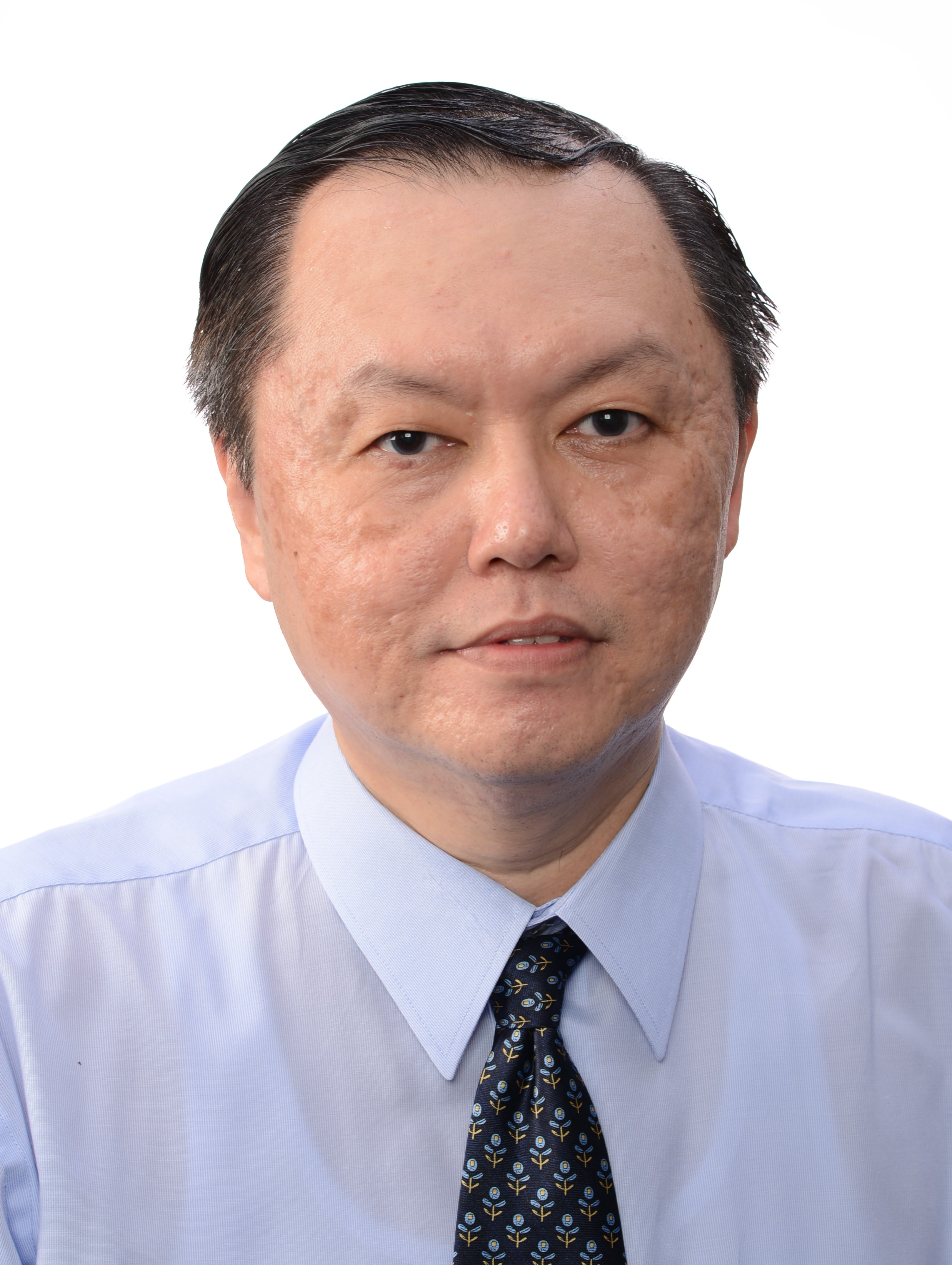
Dr. Wangcheng Zhang is an Assistant Professor in Offshore Geotechnics at Durham University's Department of Engineering, with a secondary affiliation as Fellow of the Institute of Hazard, Risk & Resilience. He holds an MEng from Tongji University (2013) and a PhD from the University of Western Australia (2018), followed by postdoctoral research at ETH Zurich. His work focuses on offshore geotechnical engineering, submarine landslide dynamics, and multi-scale numerical modelling. Research outcomes include over 30 publications, including a 2017 IACMAG award-winning paper. Key interests span marine geohazards, soil-structure interaction, and geotechnical risk analysis. His numerical tools expertise includes Finite Element Methods (FEM), Discrete Element Methods (DEM), and Smoothed Particle Hydrodynamics (SPH). Recent studies investigate submarine landslide evolution, seabed instability, and geohazard mitigation for offshore renewables. Awards include the IACMAG Excellent Paper Award (2017). Supervises four PhD students focusing on geotechnical engineering and computational mechanics. His research aims to bridge fundamental geotechnical science with industry applications, safeguarding infrastructure against marine geohazards.
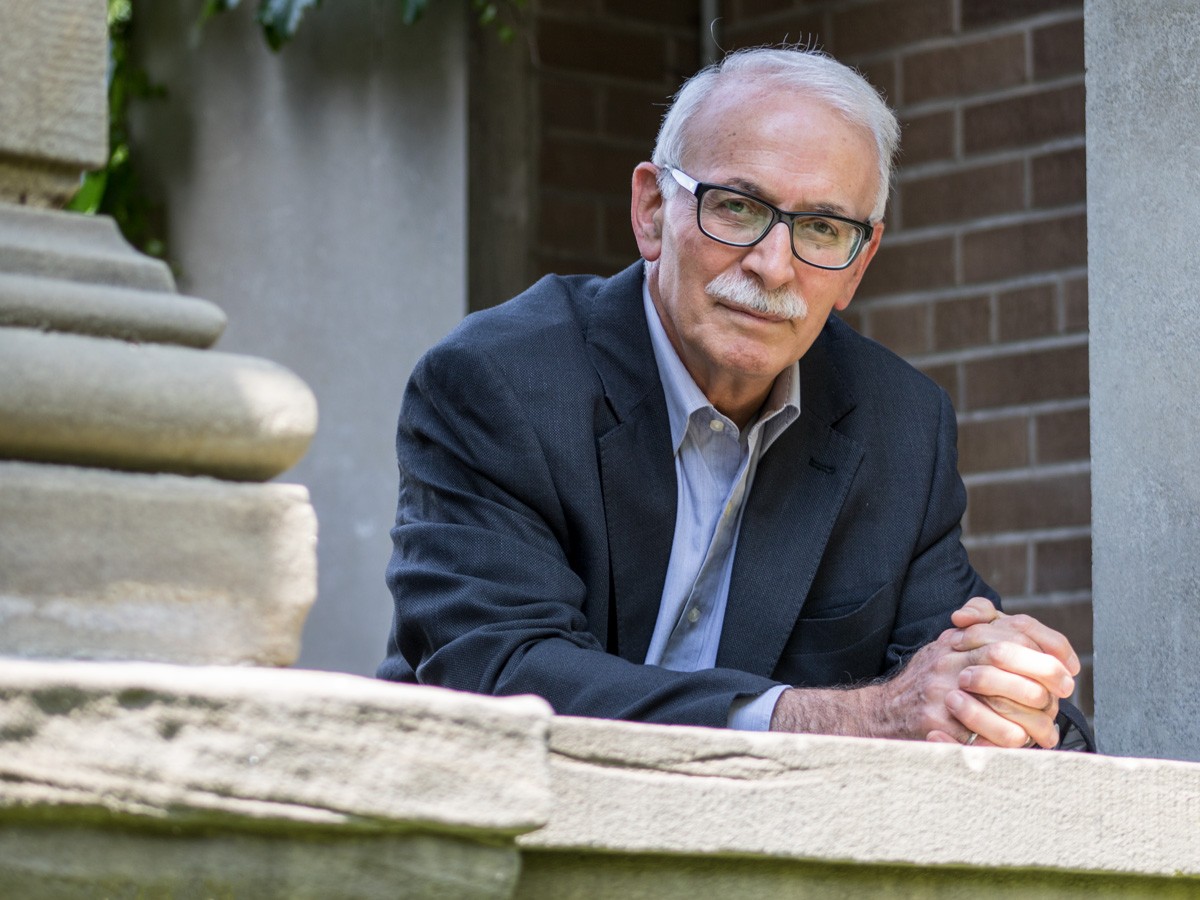
Stefan Luding is a Full Professor at the University of Twente, affiliated with the Multi Scale Mechanics department within the MESA+ Institute. His research focuses on granular and soft matter systems, with a strong emphasis on computational modeling techniques such as the Discrete Element Method (DEM). He has made significant contributions to understanding wet granular systems, sintering processes, and aeolian sediment transport. With an h-index of 59 and over 10,000 citations, Luding is a leading figure in the field of granular matter physics. His work spans interdisciplinary applications in mechanical engineering, materials science, and environmental science. He has supervised 25 academic works and contributed to numerous datasets, including studies on particle segregation and wet granulation. Luding actively participates in international conferences and collaborates globally, advancing both theoretical and applied aspects of granular dynamics.
Alvaro Marin is an Associate Professor at the MESA+ Institute, specialized in Physics of Fluids. His research focuses on droplet dynamics, colloidal systems, and fluid-structure interactions. Key areas include evaporation-driven phenomena, clogging in suspensions, and Marangoni effects in multiphase systems. He has contributed to over 67 peer-reviewed publications and datasets on evaporating droplet behavior, suspension flow mechanics, and microfluidic applications. Collaborations span global institutions, addressing topics like colloidal self-assembly and phase separation. Marin has presented at conferences on topics such as droplet evaporation patterns and fluid dynamics in constrained geometries. His work aligns with UN Sustainable Development Goals related to sustainable engineering and clean energy technologies. Research Interests: Droplet Physics, Colloids, Evaporation Processes, Clogging Mechanisms, Marangoni Flows, Microfluidics Recent articles highlight advancements in understanding clogging in noncohesive suspensions and evaporation-driven phenomena in colloidal systems. His datasets, such as those on graphene oxide-laden droplet buckling, are openly accessible. Marin’s contributions bridge fundamental fluid mechanics with applications in material science and biomedical engineering.
Dr. Jiang Chen is Research Fellow at Monash University's Department of Chemical and Biological Engineering and the ARC Research Hub for Computational Particle Technology. He holds a PhD in Materials Science from UNSW and BS from Tongji University. Research expertise spans: Computational modeling of particle-fluid systems Separation process optimization for industrial applications Multiscale simulation of particulate flows Cyclone separator design and efficiency analysis Recent work develops coarse-grained CFD-DEM approaches to model gas-solid flows in cyclones, enabling high-efficiency industrial separation systems. His research bridges fundamental particle technology with practical mineral processing applications.
Professor Tobias Weinzierl heads the Scientific Computing research group at Durham University's Department of Computer Science. He is Co-director of the Institute for Data Science (IDAS) with responsibility for Large-Scale Computing initiatives and serves as inaugural director of the Master in Scientific Computing and Data Analysis (MISCADA). Professor Weinzierl is a reviewer for the EuroHPC JU and principal investigator on multiple ExCALIBUR projects. His research focuses on parallel algorithms, high-performance computing, and scientific computing methodologies. Key areas include adaptive mesh refinement, task-based parallelism, and exascale computing frameworks. Professor Weinzierl develops the Peano software framework for parallel grid traversals and contributes to the ExaHyPE engine for hyperbolic PDEs. His publications span parallel computing paradigms, performance optimization, and applications in computational geophysics. Research trends include GPU offloading, fault tolerance in HPC, and SYCL programming models. Professor Weinzierl has authored books including Principles of Parallel Scientific Computing and edited volumes such as Advanced Computing . He regularly presents at major HPC conferences and workshops worldwide. He advises postgraduate students working on parallel algorithms, GPU acceleration, and computational science applications. Research groups include the Scientific Computing and Data Analysis initiatives at Durham.
Dr. Sina Haeri is a Senior Lecturer in Mechanical Engineering at the University of Edinburgh's School of Engineering, affiliated with the Institute for Materials and Processes. His research specializes in computational modeling of granular materials and particle-laden systems using advanced numerical methods and high-performance computing. Research focuses on multiphysics phenomena in particulate systems with applications ranging from additive manufacturing to renewable energy. Recent investigations examine particle-wall interactions, powder spreading dynamics in 3D printing, and erosion mechanisms in wind turbine blades. Publications demonstrate consistent focus on developing hybrid computational approaches combining peridynamics, DEM, and lattice Boltzmann methods to simulate complex particle-fluid-structure interactions across scales.
Dr David Taborda is a Reader in the Department of Civil and Environmental Engineering at Imperial College London , specializing in Geomechanical Modelling and Energy Geotechnics . His research focuses on numerical simulation of soil-structure interaction, particularly in offshore wind turbine foundations and thermo-active ground-source heating systems. Education : BEng in Civil Engineering, University of Coimbra (2004) PhD in Numerical Modelling of Dynamic Soil Behavior, Imperial College London (2010) Research Interests include: Development of numerical methods for thermal and mechanical ground analysis Constitutive models for sands and clays under cyclic loading Thermo-active foundations (piles, retaining walls, tunnels) Offshore wind turbine foundation design (PISA project) Recent Publications highlight advancements in: Liquefaction resistance and post-liquefaction soil behavior Machine learning applications for foundation diagnostics and surrogate models Multi-directional limit state envelopes for offshore monopiles Thermal conduction in granular materials using DEM and pore-scale models Affiliations : Energy Futures Lab, Imperial College London Geotechnics Section, Department of Civil and Environmental Engineering Advising : Open to supervising PhD students with focus on numerical geomechanics and energy geotechnics
Dr. Goh Siang Huat is an Associate Professor in the Department of Civil Engineering at the National University of Singapore. He holds a B.Eng. (First Class Honours) and M.Eng. from NUS (1991, 1995) and a Ph.D. from Cornell University (2001). His research focuses on geotechnical centrifuge modeling, seismic soil-pile interaction, and large deformation numerical analysis. He has contributed to the recovery efforts of the World Trade Centre post-9/11 and led roles in the Centre for Protective Technology and Underground Singapore Conference. Education: B.Eng. (First Class Honours), National University of Singapore (1991) M.Eng. (Civil), National University of Singapore (1995) Ph.D., Cornell University (2001) Research Interests: Geotechnical Centrifuge Modeling of Dynamic Events Numerical Analysis of Seismic Soil-Pile Interaction Large-Scale Parallel Computations Offshore Foundation Design (Spudcans, Lattice Legs) Recent Trends in Publications: His recent work emphasizes computational methods for seismic response analysis, geotechnical reliability under spatial variability, and machine learning applications in subsurface modeling. Key themes include spudcan foundations, slope stability, and gas reservoir dynamics. Awards: Silver Award, Singapore Accreditation Council Assessor (2012) Bronze Award, Singapore Accreditation Council Assessor (2009) Teaching & Service: He teaches Geotechnical Finite Element Methods and has served as Associate Editor for Journal of Earthquake and Tsunami . His roles include Operations Manager at the Centre for Protective Technology and organizer of APSSRA2012 and Underground Singapore Conference. Labs/Teams: Active in the Centre for Protective Technology within the Faculty of Engineering, focusing on geotechnical innovation and disaster resilience.
Dr Deheng Wei is an academic researcher affiliated with the Department of Civil Engineering at The University of Sydney. His work focuses on granular mechanics, materials science, and computational modeling of complex systems. He investigates phenomena such as granular flow dynamics, particle behavior in fluids, and surface mechanics at microstructural scales. Research interests include fractal surface interactions, drag coefficient universality in granular materials, and energy pile thermal performance. His studies combine experimental methods like X-ray micro-CT with advanced computational techniques such as discrete element modeling (DEM) and computational fluid dynamics (CFD). Dr Wei's recent work explores topics such as droplet transport in deformable channels, flexoelectric effects in rough surfaces, and aggregate shape impacts on cement composites. His publications demonstrate multidisciplinary approaches addressing challenges in geotechnical engineering, fluid-particle systems, and material science. While no specific awards or grants are listed, his extensive publication record indicates active participation in international research collaborations. His work contributes to both theoretical understanding and practical applications in civil engineering and materials science domains.
Dr. Ali Lohi is a Professor in the Department of Chemical Engineering at Toronto Metropolitan University (TMU), specializing in process simulation, fluid dynamics, and sustainable energy systems. He holds a PhD from the University of Waterloo and has over 40 years of academic and research experience. His work focuses on optimizing chemical processes, membrane fouling remediation, bioenergy production, and waste valorization. Lohi teaches courses like Process & Engineering Optimization and Sustainable Energy Technology, emphasizing eco-friendly energy solutions. Education: PhD, University of Waterloo (1988) Master of Applied Science, University of Waterloo (1974) Bachelor of Applied Science, Sharif University of Technology (1970) Research interests include fluid-particle systems modeling, bio-oil synthesis from agricultural waste, and energy-efficient bioreactor design. He has pioneered coaxial mixer technologies for non-Newtonian fluids and developed ultrasound-assisted membrane cleaning methods. Lohi’s interdisciplinary approach bridges chemical engineering, biotechnology, and environmental science to address global sustainability challenges. His publications (2020–2025) emphasize machine learning for process optimization, CFD-DEM modeling, and bioenergy systems. He collaborates with industry partners to advance scalable solutions for waste utilization and low-energy processes. Lohi’s labs focus on bioreactor scale-up strategies and biomimetic membrane development for water treatment.
Jie Su is a researcher affiliated with Zhejiang University of Technology, College of Information Engineering, Institute of Cyberspace Security. Their work spans interdisciplinary areas including machine learning, control systems, medical imaging, environmental science, and computer vision. Notable contributions include advancements in reinforcement learning for sepsis treatment, prescribed-time control theory, and Arctic sea-ice motion analysis using satellite data. They also contribute to medical AI applications like bone marrow image analysis for hematological disorders and adversarial robustness in object tracking systems. Research interests emphasize applying machine learning to solve real-world challenges in healthcare, environmental monitoring, and engineering systems. Recent work focuses on neural dynamics models for decision-making, energy-efficient hybrid vehicle systems, and vibration analysis in urban infrastructure. Their interdisciplinary approach bridges theoretical foundations (e.g., control systems, signal processing) with practical applications in biomedical and environmental domains. Publications reflect a strong focus on AI-driven solutions, including medical image analysis, adversarial machine learning, and physics-informed algorithms. Collaborations span multiple disciplines and institutions, evidenced by frequent co-authorships on topics ranging from biomedical engineering to civil engineering applications.
Edward Kavazanjian is a Regents' Professor and Ira A. Fulton Professor of Geotechnical Engineering at Arizona State University's School of Sustainable Engineering and the Built Environment. He leads the NSF-funded Center for Bio-mediated and Bio-inspired Geotechnics (CBBG), focusing on biogeotechnical engineering innovations for sustainable infrastructure. Education: Ph.D. Civil and Geotechnical Engineering, UC Berkeley (1978) M.S. Civil Engineering, MIT (1975) B.S. Civil Engineering, MIT (1973) Research Interests: Biogeotechnical engineering, geotechnical earthquake engineering, waste containment systems, and soil mechanics. His work emphasizes sustainable solutions for civil infrastructure, including bio-cementation techniques and microbial-based ground improvement. Awards & Recognition: 2013: Elected to the National Academy of Engineering 2018: Distinguished Member, American Society of Civil Engineers Recipient of Ralph B. Peck, Thomas A. Middlebrooks, and Terzaghi Awards (ASCE) Grants & Leadership: Directed the CBBG since 2015 Past-President of the ASCE Geo-Institute and US Universities Council for Geotechnical Education and Research Principal investigator on NSF and industry-funded projects totaling over $30M Labs & Collaborations: CBBG fosters interdisciplinary research in bio-inspired geotechnics, addressing challenges in earthquake resilience, waste containment, and sustainable infrastructure. Collaborations include universities, NGOs, and industry partners globally.
Dr Aleksej Lavrinec is a Research Associate at the University of Newcastle , affiliated with the School of Engineering and the Centre for Bulk Solids and Particulate Technologies (CBSPT) . He holds a PhD from the University of Newcastle and a Master's in Structural Engineering from the University of Edinburgh. His research focuses on pneumatic conveying systems, bulk solids handling, CFD-DEM simulations, and IoT applications in industrial processes. Education: PhD in Mechanical Engineering, University of Newcastle (2017–2021) MEng in Structural Engineering with Architecture, University of Edinburgh (Scotland) Research Interests: Dr Lavrinec specializes in dense phase pneumatic conveying, particulate matter measurement, and DEM simulations for ore handleability. His work addresses challenges like slug flow dynamics, pressure fluctuations, and system optimization. He has contributed to projects on low-cost particulate sensors, iron ore dewatering, and coal dustiness standards. Grants & Funding: He has secured over $1.2M in grants from industry and government bodies, including MACH Energy, Roy Hill Iron Ore, and Australian Coal Research Limited. Recent projects include optimizing biomass conveying models, moisture migration analysis, and safe maritime transport protocols for ores. Advising: Currently co-supervising a PhD student researching moisture migration under oscillatory motions. His collaborative work spans 19 journal articles and 6 conference papers since 2018. Labs/Teams: Active member of the CBSPT, contributing to cross-disciplinary projects in bulk solids engineering and industrial fluidization systems.
Professor Kenneth Williams is a leading academic in Mechanical Engineering at the University of Newcastle's School of Engineering. His research focuses on advancing bulk material handling technologies, including pneumatic conveying systems, moisture migration in materials, and biomass feedstock optimization. He has driven interdisciplinary collaborations with institutions in Germany, China, Brazil, Turkey, and the USA, enhancing research and innovation in materials handling. Williams has secured over $11.4M in competitive and industry grants, leading projects in areas like dense phase conveying and coal ore transport. He holds patents for a vibrational belt cleaning system and advanced de-watering technology. Awards include the 2016 Excellence in Innovation Award and 2015 Best Paper at the Iron Ore conference. Williams has mentored over 15 PhD/Master’s students annually, fostering a research group with cross-disciplinary ties to civil engineering, chemical engineering, and environmental science. His work emphasizes translating research into industry solutions, such as improving materials handling logistics and reducing operational wear through advanced system design. Education: PhD (Mechanical Engineering), University of Newcastle Diploma in Aviation Science, University of Newcastle Bachelor of Engineering (Mechanical) (Hons), University of Newcastle Research Interests: Professor Williams' work spans bulk material dynamics , pneumatic conveying optimization , moisture migration modeling , and biomass handling innovation . His team uses advanced computational tools like Discrete Element Modelling (DEM) and coupled CFD-DEM to simulate material behavior under varying conditions. Recent efforts include studying ship-motion induced moisture migration in coal and developing predictive frameworks for chute blockages. Awards: 2016 Excellence in Innovation Award, Newcastle Innovation 2015 Best Paper, Iron Ore 2016 conference Grants and Supervision: Williams has led 21 projects totaling $4.4M and contributed to 33 additional projects ($7M). His supervision fosters interdisciplinary research, with students focusing on topics like particle dynamics and industrial system optimization. Collaborations include the ARC Research Hub for Iron Ore Technologies and the Global Centre for Environmental Remediation. Labs & Teams: He leads the Bulk Materials Handling group within the Centre for Bulk Solids and Particulate Technologies (CBSPT), part of the Particle Technology and Transport Research Program (PRC-PTT). This group develops cutting-edge solutions for material flow challenges, integrating experimental and computational methods.
Dr. George (Georgios) Kouretzis is an Associate Professor in the School of Engineering at the University of Newcastle. His research focuses on pipeline engineering, soil-structure interaction, computational geomechanics, and geotechnical earthquake engineering. He has contributed to the development of practical design tools for buried pipelines affected by geohazards and seismic events. His work integrates advanced numerical simulations with experimental methods, such as physical modeling and vane shear testing. Educations: PhD in Geotechnical Engineering, National Technical University of Athens (NTUA), Greece (2005) MSc in Civil Engineering, NTUA, Greece Diploma in Civil Engineering, Democritus University of Thrace, Greece Research Interests: Onshore pipeline infrastructure safety under environmental and seismic hazards Soil dynamics and computational geomechanics Seismic design of tunnels and geotechnical structures Advanced constitutive models for soft soils Dr. Kouretzis has led major projects funded by the Australian Research Council (ARC), focusing on environmental impacts on pipelines and laboratory apparatus development. He collaborates internationally, aiming to establish a national buried pipeline research hub. His awards include recognition for research and teaching excellence from IACMAG and ACCM. He serves as an associate editor for the Canadian Geotechnical Journal and actively reviews for leading journals and funding bodies. His academic roles include course coordination for geotechnical engineering courses and supervision of postgraduate students. Parallel to academia, he provides expert consultancy for energy and transportation infrastructure projects, including pipelines and seismic-resistant tunnels. He is a member of the Australian Geomechanics Society and served as Secretary of its NSW-Newcastle Chapter.