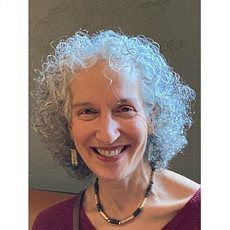
Matthew Duvall is a Lecturer at the University of Pennsylvania’s Graduate School of Education. His career spans roles as a computer programmer, high school teacher, instructional designer, and writer. His research focuses on leveraging technology to create inclusive learning experiences, particularly for underserved populations. He specializes in game-based learning, computational thinking, teacher professional development, and corporate training. Dr. Duvall’s work includes directing the Skyscraper Games project at Drexel University’s ExCITe Center, where middle school students designed video games displayed on Philadelphia’s Cira Centre. His dissertation explored using Goodreads to engage high school students in English language arts. He has also designed corporate training programs informed by learning science frameworks. His research trends emphasize bridging educational technology with practical applications, such as evaluating serious games, refining teacher feedback models, and integrating literacy tools like Goodreads into classrooms. His articles reflect a focus on equity, innovative pedagogy, and technology’s role in fostering authentic learning experiences. While no specific awards are listed, Dr. Duvall’s projects highlight impactful contributions to educational equity and technology integration. He collaborates with teams like the ExCITe Center and organizations serving individuals with autism, emphasizing collaborative approaches to educational innovation.
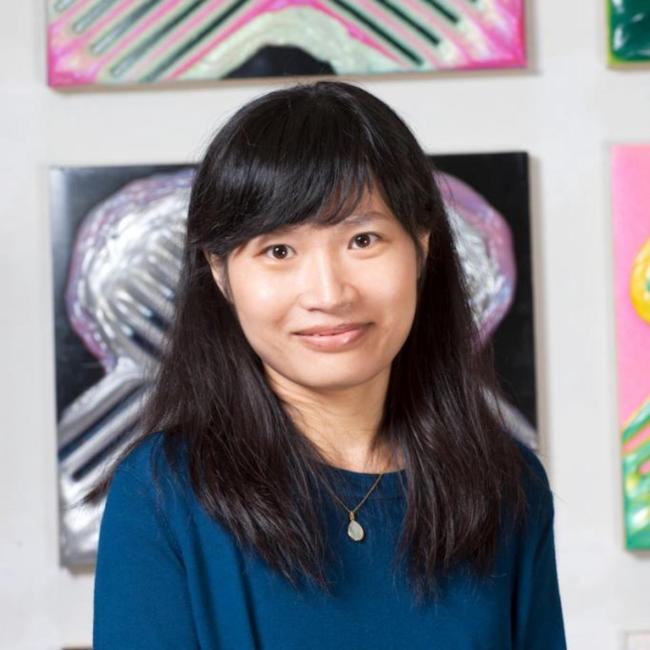
Aleksandra Raonic is an Associate Professor at the Norwegian University of Science and Technology (NTNU), affiliated with the Department of Architecture and Technology under the Faculty of Architecture and Design. She previously held an Associate Professorship at Xi'an Jiaotong-Liverpool University (XJTLU) in China from 2014 to 2020, where she led Year 3 architecture programs and collaborated with the University of Liverpool. Raonic is also the founder and principal architect of RAUM, an award-winning architectural studio known for research-driven design projects. Her work spans architectural education, urban design, and innovative residential/commercial projects, with a focus on sustainability and community engagement. Her research emphasizes experimental pedagogy and the integration of design practice with academic teaching. Notable projects include the Stubline Kindergarten (2017 S.ARCH Award) and the Central Greenmarket in Negotin (2019 DANS International Award). Raonic has received over 25 design and teaching awards, including the Jiangsu Province Tutor Award (2018) and the Suzhou Excellent Educator Award (2016). She has supervised numerous student projects recognized at national and international levels. Raonic’s teaching philosophy combines theoretical rigor with hands-on practice, evident in her co-authored publications like Framing Indeterminacy (2019). Her recent exhibitions, including Barnas Katedral (2023) and Work in Progress (2023), highlight her commitment to experimental design and public space innovation. She actively collaborates across institutions, such as the Threads of Innovation project with CEPT University in India (2021). Education Background: Professional journey began with early architectural competitions (e.g., 1998 student award for urban design in Pancevo). Formal training includes studies at the Städelschule in Frankfurt, influencing her experimental design ethos. Awards Overview: Over 25 awards spanning teaching excellence, design competitions, and architectural innovation, including Grand Prix (Leonardo 2005) and multiple jury-selected projects. Grants & Projects: Leads applied research initiatives like NTNU’s Threads of Innovation , focusing on space interventions and cross-cultural academic partnerships. Raonic’s architectural practice and academic roles are deeply intertwined, reflecting her belief in education as a platform for advancing architectural discourse and societal impact.
Professor Charles Stafford is a leading anthropologist specializing in China, Taiwan, and the United States. He holds a professorship at the Department of Anthropology, London School of Economics (LSE), and is a Fellow of the British Academy (FBA). His research focuses on learning, child development, morality, and the intersection of economic life with cultural and psychological processes. His seminal works include The Roads of Chinese Childhood (1995) and Economic Life in the Real World (2020), which explore how cultural contexts shape human behavior and ethical frameworks. Professor Stafford's fieldwork spans decades, from Taiwanese fishing communities in the 1980s to recent studies of kinship and cooperation in rural China and Oklahoma. He has authored influential books such as Separation and Reunion in Modern China (2000) and edited volumes on ordinary ethics and cooperative dynamics in Chinese communities. His work bridges anthropology, psychology, and economics, emphasizing interdisciplinary dialogue. His research interests include cognitive anthropology, the psychology of economic life, and the role of ritual in structuring social relations. Recent studies investigate moral judgment and cooperative behavior in diverse cultural settings. His contributions have shaped debates on how cultural norms influence decision-making and ethical practices in both traditional and modern contexts.
Luis Emilio Bruni is an Associate Professor at Aalborg University’s Department of Architecture, Design and Media Technology, within The Technical Faculty of IT and Design. He leads the Media Cognition and Interactive Systems (MeCIS) research group and coordinates the Master of Science in Medialogy. Bruni is also the founder and director of the Augmented Cognition Lab, focusing on perception, cognition, and immersive technologies. His academic roles include PI on multiple interdisciplinary projects and board memberships in international associations like the Nordic Association for Semiotic Studies (2011–2017) and the International Society for Biosemiotic Studies (founding member, 2005). Academically, Bruni holds a Ph.D. in Molecular Biology and Theory of Science (University of Copenhagen), M.Sc. in International and Global Relations (Universidad Central de Venezuela), and B.Sc. in Environmental Engineering (Pennsylvania State University). His research spans narrative cognition, extended reality, biosemiotics, and the interplay between technology, cognition, and culture. He has conducted projects on neurocinematic analysis, interactive storytelling, and the psychological impact of digital media. Key research contributions include studies on EEG responses to branded advertising, functional connectivity in psychiatric disorders, and the role of narrative in immersive technologies. Bruni’s work bridges cognitive science, computer science, and semiotics, with applications in healthcare (e.g., pediatric counseling tools) and cultural engagement (e.g., citizen curation systems). Over 80+ publications and active participation in conferences and media discussions highlight his interdisciplinary impact.
Professor Donna Marie Ladkin is a leading scholar in leadership and ethics at the Department of Management, Birmingham Business School, University of Birmingham. She holds the title of Professor of Inclusive Leadership and is internationally recognized for her critical, philosophically grounded contributions to leadership theory. Her academic journey includes prior roles at Cranfield University, Plymouth University, and Antioch University in the USA, where she contributed to doctoral programs in leadership and change. PhD in Organizational Psychology, Cranfield University (1992) MBA, Cranfield University (1988) MA in Environmental Ethics, Lancaster University (2004) BA in Music and Philosophy, Yale University (1981) Donna Ladkin’s research critically examines leadership through the lenses of continental philosophy, embodiment, aesthetics, and ethics. Her work challenges dominant paradigms such as authentic and transformational leadership by highlighting their cultural, racial, and epistemological biases. She is a pioneer in exploring how embodied practices, aesthetic sensibility, and critical race theory can enrich leadership understanding. Her current interests include decolonizing management research, fostering ecologically sustainable organizations, and developing culturally responsive leadership in education. Her recent publications reflect a strong trend toward critical, inclusive, and philosophically rigorous leadership scholarship. The 15 most recent works span topics such as whiteness in leadership theorizing, embodied sustainability practices, and the ethical implications of aesthetic leadership. These articles are published in premier journals like Leadership Quarterly , Business Ethics Quarterly , and Journal of Business Ethics , demonstrating consistent high-impact contributions. Among her scientific honors are being named a Fellow of the Royal Society of Arts and co-authoring one of the most influential articles of the 2010–2020 decade in The Leadership Quarterly . Her book Rethinking Leadership (2020) has received widespread acclaim for reimagining foundational leadership concepts. She actively supervises doctoral candidates and has designed leadership development programs for both academic and public sector clients. Her consulting work includes engagements with BT, the UK National Audit Office, Sony, and housing associations. As a sought-after keynote speaker, she has presented at major international conferences, including those of the International Leadership Association and the International Studying Leadership Conference. She also contributes to public discourse through podcasts, such as her appearance on the ILA’s Phronesis series discussing race in leadership. Donna Ladkin’s research is deeply collaborative and interdisciplinary, often involving scholars from philosophy, organizational behavior, and ethics. She has maintained long-standing affiliations with institutions like the University of Bath’s Centre for Action Research in Professional Practice, reflecting her commitment to applied, transformative scholarship.
Ying Wang is an Associate Professor in English linguistics at Karlstad University since 2020, specializing in English for academic purposes, applied corpus linguistics, and second language writing. She holds a PhD from Uppsala University (2013) and has taught courses at both undergraduate and graduate levels focusing on academic writing, second language pedagogy, and corpus methodology. Her research explores rhetorical structures in disciplinary genres, evaluative language resources, and the impact of extramural English activities on L2 writing development. Notable projects include the Swedish Learner English Corpus (SLEC) initiative and analyses of predatory publishing practices in political science. She has also examined government communication strategies during the UK's COVID-19 pandemic response through corpus-assisted discourse studies. Key research contributions span formulaic language use in ELF contexts, methodological innovations in corpus linguistics, and linguistic comparisons between well-established and predatory journals. Her work bridges theoretical linguistics with practical applications in education and scholarly publishing ethics. Publications span prestigious journals like English for Specific Purposes , Text & Talk , and Journal of Second Language Writing , reflecting her interdisciplinary approach to language studies. Current projects emphasize corpus-driven research on academic communication practices and their pedagogical implications.
Shelley Thompson is Pro Vice-Chancellor for Student Experience at Bournemouth University, with a distinguished career spanning journalism and academia. She previously served as Deputy Dean of the Business School and Head of the Department of Communication and Journalism within the Faculty of Media and Communication. Her academic and administrative roles reflect deep engagement with media, communication, and gender studies. Bournemouth University, Faculty of Media and Communication Department of Communication and Journalism Pro Vice-Chancellor, Student Experience Education: PhD in Journalism, Bournemouth University, 2012 MA in Journalism Studies, Cardiff University, 2009 BA (Hons) in Journalism, University of Massachusetts, Amherst, USA, 2000 PGCE in Education Practice, Bournemouth University, 2015 Fellow of the Higher Education Academy, 2015 Shelley Thompson's research centers on science journalism, with a focus on how emerging and controversial science is framed in the media. She investigates gender disparities in science reporting, particularly the underrepresentation of women’s voices in scientific discourse. Her work extends to political communication, youth political participation, and the role of journalists as gatekeepers in the digital era. She employs critical discourse analysis, framing theory, and interdisciplinary methods to explore media narratives and public engagement. Her recent publications span psychology, media studies, and political science, with recurring themes in misinformation, cultural cognition, and gendered representation. Articles such as 'Utilising online eye-tracking to discern the impacts of cultural backgrounds on fake and real news decision-making' and 'Perceptions of women as political leaders at a time of crisis' highlight her interdisciplinary approach, combining media analysis with cognitive and psychosocial research. Her work consistently addresses issues of equity, public understanding, and democratic engagement. Scientific Awards and Recognition: Investigative Reporting Awards First Amendment Award for a series on a secret government payment Shelley Thompson actively supervises PhD students and has contributed to postdoctoral mentorship in areas including science journalism, political communication, and stigma in mental health discourse. She has secured research funding through Bournemouth University’s Fusion Fund for international collaboration. Her public engagement includes speaking at the BU Festival of Learning on topics like 'Women in Science' and publishing accessible commentary in The Conversation . She is a member of MeCCSA and contributes to the Politics and Media Research Group. She leads and participates in interdisciplinary research teams focused on media, public perception, and socio-technical systems, especially through projects analyzing news framing, digital gatekeeping, and the impact of media on public understanding of science and politics.
Maria Elena Cobas Cobiella is an Associate Professor in the Department of Civil Law at the Faculty of Law, University of Valencia. Her academic work is deeply rooted in civil and private law, with significant contributions to inheritance, family, mediation, and European private law. She is an active member of two research groups: the GPF Research Group on Person and Family and the GEDPED Study Group on European Private and Digital Law. Research Interests: Her research spans civil law, succession law, bio-law, legal mediation, reproductive rights, and legal education. She has explored the legal implications of posthumous reproduction, European succession instruments, Cuban property law, and innovative teaching methods such as concept mapping and cooperative learning in legal education. Her work often bridges doctrinal analysis with practical and ethical considerations. The trends in her scholarly publications from 2001 to 2017 reflect a sustained focus on succession law and legal modernization, with increasing attention to European harmonization, digital law, and interdisciplinary issues in bio-law. Her articles also reveal a strong commitment to pedagogical innovation and comparative legal analysis, particularly between Spanish and U.S. legal systems. Scientific Contributions: PhD from the University of Valencia (2001) on testamentary executorship. Active researcher in European private and digital law. Prolific author on mediation, inheritance, and legal education. Advising and Grants: While no specific grants are listed, she has supervised PhD research, as evidenced by her role as advisor to Dr. Lorenzo Prats Albentosa’s thesis. She actively contributes to academic discourse through publications and research group leadership. Her work in legal education suggests involvement in curriculum development and pedagogical projects. Labs and Teams: She collaborates with the GPF Research Group on Person and Family and the GEDPED Study Group on European Private and Digital Law, indicating active participation in team-based legal research focused on contemporary civil law challenges.
Professor Conor O'Mahony is a faculty member in the School of Law at University College Cork (UCC), where he holds the rank of Professor of Law and serves as Vice-Dean for Research. He is also the Director of the UCC Child Law Clinic, leading initiatives in child protection litigation and law reform. He earned his BCL and LLM from UCC and a PhD from the University of Wales, Aberystwyth. PhD, Law, University of Wales, Aberystwyth (2005) LLM, Law, University College Cork (2002) BCL, Law, University College Cork (2001) His research centers on constitutional law and child law, with a strong emphasis on children's rights, family rights, education law, and constitutional reform. He has published extensively in leading journals such as the International Journal of Constitutional Law , Human Rights Law Review , and Harvard Human Rights Journal . His recent articles reflect a consistent focus on constitutional interpretation, child protection mechanisms, and legal reform, often analyzing landmark cases and policy developments in Ireland and internationally. From 2019 to 2022, he served as Ireland’s Special Rapporteur on Child Protection, producing annual reports and expert recommendations to the government. His scientific awards include UCC’s Researcher of the Year (2019) and Research Team of the Year (2016). He has secured significant research funding, including from Horizon 2020 for projects like IDEA and FYDO, which address children’s rights and victim support in the justice system. He supervises PhD students in constitutional and child law and has advised several successful graduates. He is an active public intellectual, contributing over 30 op-eds and 200 media interviews, and providing expert testimony to Oireachtas Committees, the Constitutional Convention, and the Citizens’ Assembly. He is engaged in outreach through the Child Law Clinic, which supports legal practitioners in children’s rights litigation.
Bianca Basciano is an Associate Professor at the Department of Asian and North African Studies , Ca' Foscari University of Venice, where she has held the Director's Delegate for Research role since 2023. Her work focuses on Chinese linguistics , particularly Mandarin morphology, syntax, and second language acquisition. Research Areas: Chinese compounding, reduplication, causative constructions, resultative compounds, and language teaching methodologies. Teaching: Offers BA/MA courses in Chinese language and linguistics at Ca' Foscari University. Editorial Roles: Member of the editorial boards for Sinica Venetiana and Lingue e Linguaggio . Research Projects: Principal investigator for the PRIN 2020 project on Italian learners' acquisition of Chinese resultative verbs, with extensive corpus-based analysis. Collaborates with Giorgio Arcodia and other international scholars. Key Themes: Event structure delimitation, Vendlerian verb classes, micro-parametric syntactic variation. Publications: Over 40 works including monographs with Oxford University Press and Bologna University Press. Her methodological approach combines theoretical linguistics with corpus analysis, contributing to the understanding of Chinese as both a linguistic system and a second language acquisition challenge. She has also organized international conferences like the 31st IACL Annual Meeting.
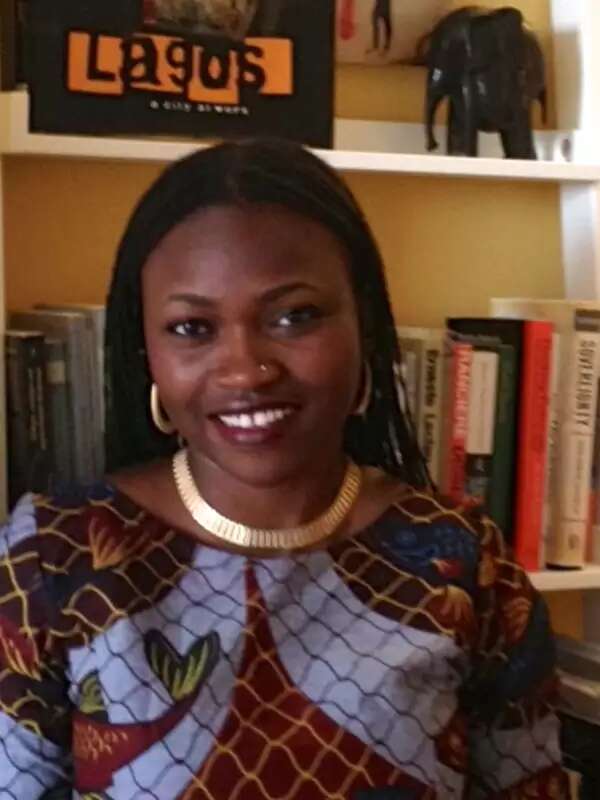
Abosede George serves as Associate Professor of History and Africana Studies at Barnard College, Columbia University, and Director of Columbia's Institute of African Studies. A historian of Modern Africa, she specializes in West African urban history with concentrated focus on Lagos, youth and childhood studies, women and gender, and migration patterns across colonial and postcolonial contexts. Her educational trajectory includes a B.A. in History and Political Science from Rutgers University (1998), followed by M.A. (2002) and Ph.D. (2006) in History from Stanford University. Prior to joining Columbia in 2007, she held an Assistant Professor position at Trinity College. George's research interrogates intersections of gender, youth, and urban development through frameworks of social reform and transnational exchange. Her acclaimed monograph Making Modern Girls (2014) examines colonial-era girlhood and labor in Lagos, while current work investigates 19th-century migrant communities' reshaping of citizenship in Lagos. She teaches courses spanning African urban history, childhood studies, and gender dynamics. Recent publications reveal evolving scholarly engagement with neoliberalism's impact on African youth, colonial subjecthood through human-animal relations, and Lagos as a site of architectural transnationalism. Her work consistently centers African agency within global historical processes while challenging Western theoretical frameworks. Award highlights include the Aidoo-Snyder Book Prize (2015), Tow Professorship (2022-2024), and fellowships from the Netherlands Institute for Advanced Studies (2022-2023) and University of Pennsylvania Wolf Humanities Center (2021-2022). George actively mentors junior colleagues across U.S. and Nigerian institutions while serving on executive boards of the African Studies Association Women’s Caucus (which she co-convenes), Global Urban History Project, and Society for History of Childhood and Youth. Her institutional leadership extends to the Columbia University Senate and advisory roles at the Barnard Center for Research on Women.
Prof. Dr. Igor Radeka is a full professor at the University of Zadar , Faculty of Philosophy , Department of Pedagogy , specializing in history of pedagogy, comparative pedagogy, didactics, and teacher education. Since 1987, he has been a leading figure in Croatian pedagogy, serving as Head of the Department (2015/16–2020/21), Deputy Head of doctoral and specialist studies, and coordinator of teacher-competence programs. Education: 1986 – Bachelor’s in Pedagogy, Faculty of Philosophy, University of Zadar 1991 – Master’s in Pedagogy, Faculty of Education, University of Rijeka 2000 – PhD in Pedagogy, Faculty of Philosophy, University of Rijeka Research Interests: His work spans history of pedagogical thought in Croatia , comparative education systems , didactic methodologies , lifelong teacher education , and curriculum reform . He critically examines the evolution of pedagogical discourse, socialist-era education, and the impact of the Bologna Process on teacher training. Recent Publications & Trends: Recent outputs (2020–2025) analyze post-Yugoslav teacher education reforms , island schooling , doctoral dissertation trends , and philosophical reflections on education’s purpose . His work consistently bridges historical analysis with contemporary policy, emphasizing sustainable educational development. Scientific Awards & Roles: Rektor’s Award (1985) – Best Student Oscar Academicus (2004/05) – Best Professor (Student Council) Member, Croatian Bologna Follow-Up Group (2014–2018) President, Sectoral Council for Education & Sport (2019–2021) Coordinator, EU Horizon project on “Blue Sustainability” (2023–) Grants & Projects: Principal investigator of national projects on lifelong teacher education (2007–2013), bilateral Croatian-Slovenian research, and multiple EU-funded initiatives. He has co-authored six books and over 70 peer-reviewed articles. Labs & Teams: Leads pedagogical research teams at the University of Zadar , collaborating with the Stjepan Matičević Centre and international partners (Slovenia, Austria, Germany). He mentors doctoral candidates and coordinates curriculum-reform expert groups for the Croatian government.
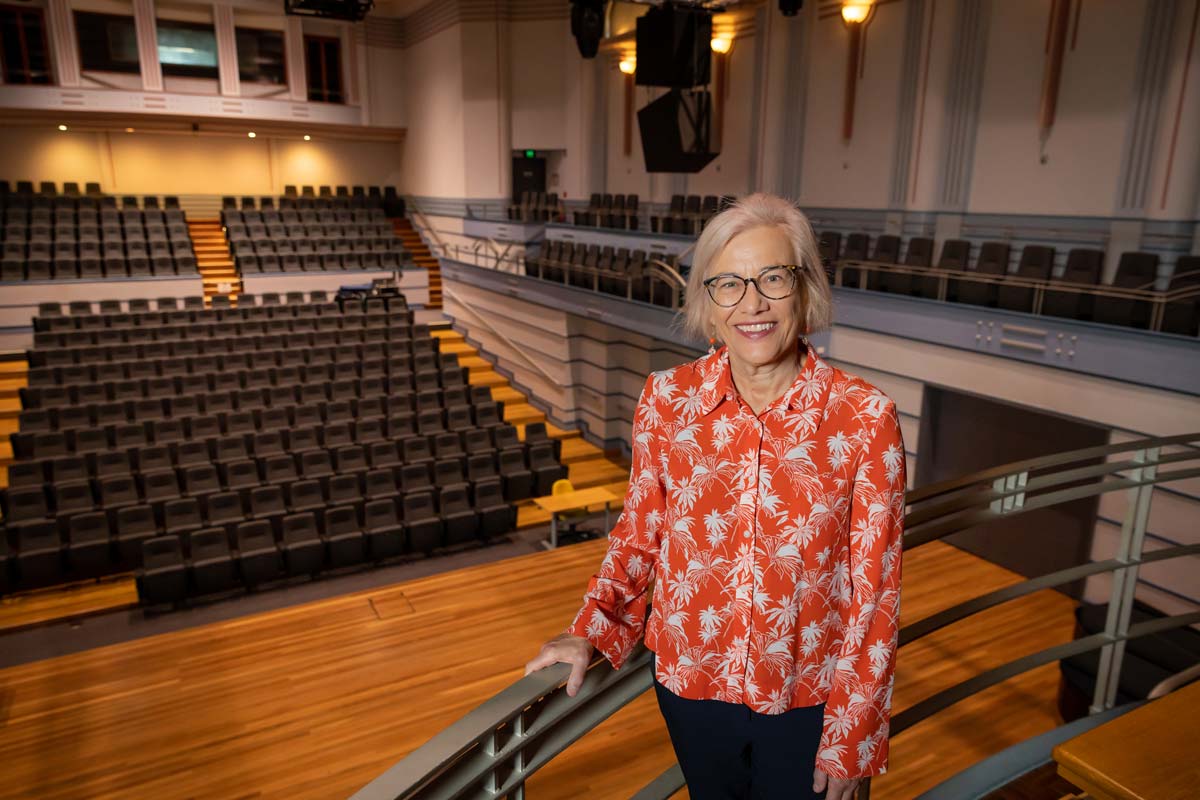
Associate Professor Helen English is a music sociologist and academic at the University of Newcastle , affiliated with the School of Humanities, Creative Industries and Social Sciences . Her work bridges musicology, creative ageing, and equity in music education. PhD in Musicology (University of Newcastle, 2016) Diploma in Music (Guildhall School of Music and Drama) Master of Arts (Music) (University of Newcastle) Helen's research focuses on music's transformative potential for ageing populations and marginalized communities. She leads the creative ageing research program and investigates: Music sociology and world-building frameworks Music's impact on cognitive and social wellbeing Equity in access to music education Gender dynamics in music technology education Her 15 most recent publications explore: Community music-making for older adults (2025) Modular composition techniques (2025) Gender barriers in tertiary music programs (2024) Historical music practices in colonial Australia (2019) Scientific contributions include: National Council of Women Musicology Award (PhD) ARC DECRA Fellowship (2022-2024) for 'Creative Ageing through Transformative Engagement with Music' Dementia Australia Project Grant (2022-2024) for creative arts programs She supervises 12 postgraduate researchers and collaborates with: Prof Frini Karayanidis (University of Newcastle, Psychology) Prof Jane Davidson & Prof Felicity Baker (University of Melbourne, Music Therapy) International partners at Universities of Leeds, Queensland, and Griffith Key partnerships include: Aged-care providers: NovaCare, Uniting Care, Maroba, Whiddon Care Lake Macquarie Museum of Art and Culture Arts in Care Homes movement (UK partnership)
Dr. Catrine Torbjørnsen Halås is a Professor of Social Work at Nord University, a position she has held since 2023. She previously served as an Associate Professor at the University of Nordland from 2012, which later became part of Nord University. She has held significant leadership roles including Head of the Center for Practical Knowledge and Program Manager for the PhD program in Professional Science. She was also the cohort coordinator for the National Research School for Teacher Education (NAFOL) at NTNU from 2018 to 2020. Her research centers on practical knowledge , experiential learning , and qualitative methodologies , with a strong emphasis on ethnographic and narrative approaches. She explores how professional practice in social work can be informed by lived experience and reflective processes. Her work with vulnerable youth focuses on participation, involvement, and creating meaningful change through dialogue and recognition. The recent publications of Dr. Halås reveal a consistent engagement with knowledge-reflected practice , praxeology , and democratic knowledge production . Her research spans topics such as the role of practical knowledge in education, youth narratives challenging social norms, and participatory methods like the Dialogue Café. She emphasizes the integration of theory and practice in professional training and advocates for inclusive, reflective, and ethically grounded research. She is actively involved in research networks such as the European Association of Social Work Research (EASWR), where she convenes a Special Interest Group on Social Work Practice Research, and the International Community for Practice Research in Social Work. She leads the PrepChild Research Center for Children and Youth and Social Preparedness and contributes to the Nordic research network on youth, belonging, and outsiders. Her editorial work includes influential anthologies like Practical Knowledge: An Introduction (2023) and Humanistic Research Approaches to Professional Practice (2017), which have shaped discourse in the field. Dr. Halås has extensive experience in both academic and practical social work. Before her academic career, she served as a Senior Advisor to the County Governor of Nordland (1996–2011) and as a caseworker and manager in Oslo’s Grorud social welfare office (1989–1996). This background deeply informs her research, grounding it in real-world challenges and professional practice. She has not received any explicitly mentioned scientific awards, but her sustained scholarly output and leadership in research networks indicate significant influence in her field.
Phillip B. Levine serves as the Katharine Coman and A. Barton Hepburn Professor of Economics at Wellesley College, with active affiliations as a Nonresident Fellow at the Brookings Institution and Research Associate at the National Bureau of Economic Research (NBER). His academic home is firmly within Wellesley's Department of Economics, where he teaches core statistics and econometrics courses alongside specialized policy-focused seminars. Levine's research spans critical social policy domains including fertility economics, college pricing systems, and childhood poverty interventions. His methodological signature involves rigorous statistical analysis of real-world policy impacts, particularly regarding disadvantaged youth. Key contributions include seminal work on abortion policy effects, retirement behavior during economic crises, and the disconnect between college sticker prices and actual affordability. His influential publications include the books Sex and Consequences: Abortion, Public Policy, and the Economics of Fertility , Targeting Investments in Children (co-edited), and A Problem of Fit: How the Complexity of College Pricing Hurts Students . Recent scholarship (2022-2025) reveals intensifying focus on declining US fertility rates, racial wealth gaps in college access, and post-pandemic birth trends, with frequent appearances in top economics journals. As founder and CEO of MyinTuition Corp., Levine bridges academic research and practical application through a simplified financial aid calculator now adopted by dozens of institutions. His policy commentary reaches broader audiences via New York Times , Washington Post , and major broadcast networks, demonstrating exceptional translation of complex economics into public discourse.