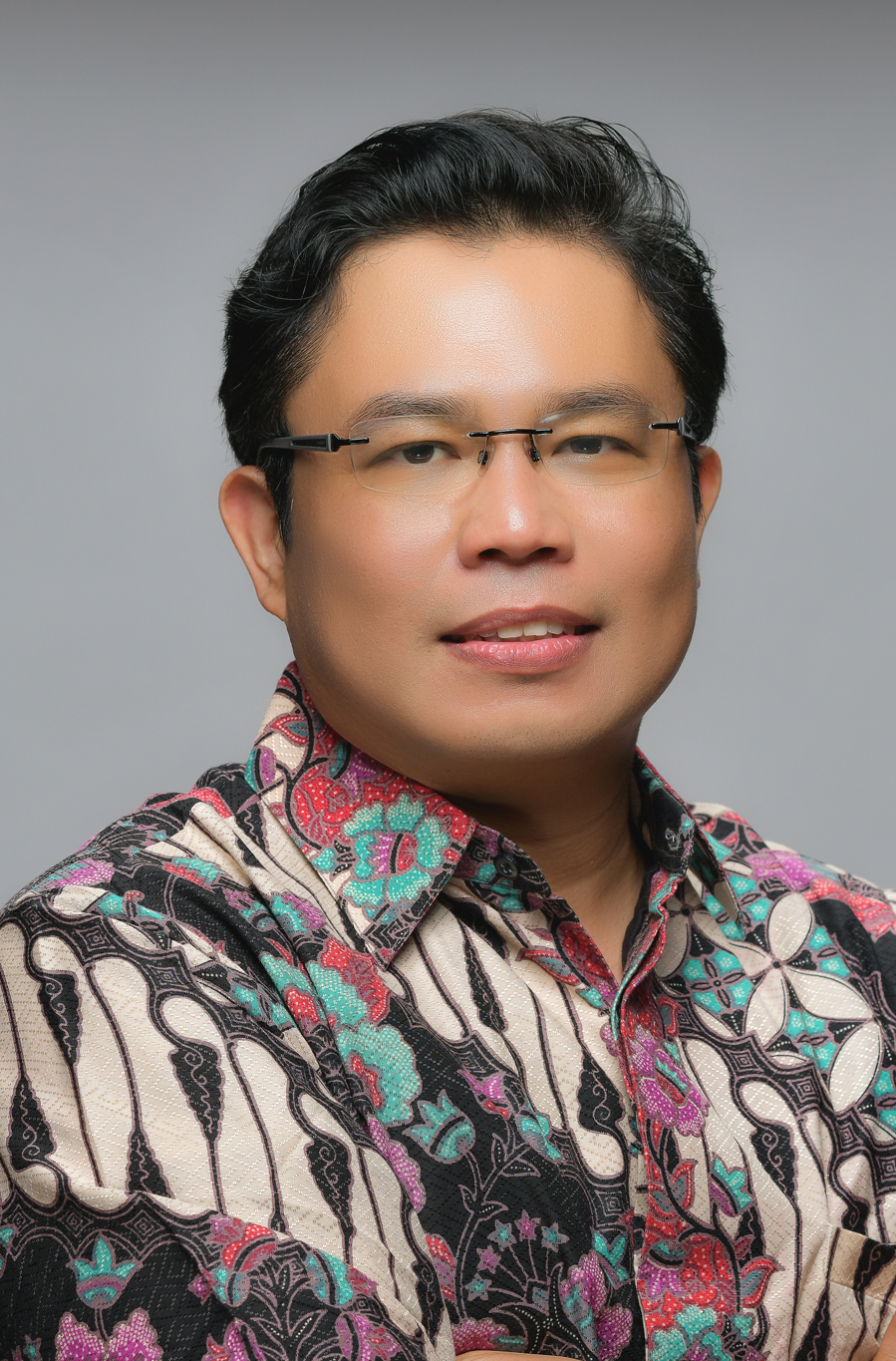
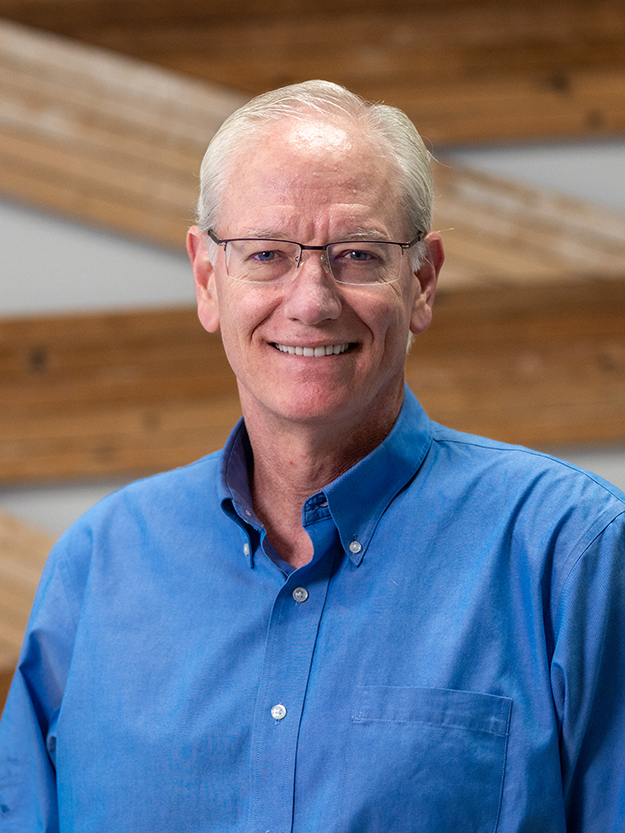
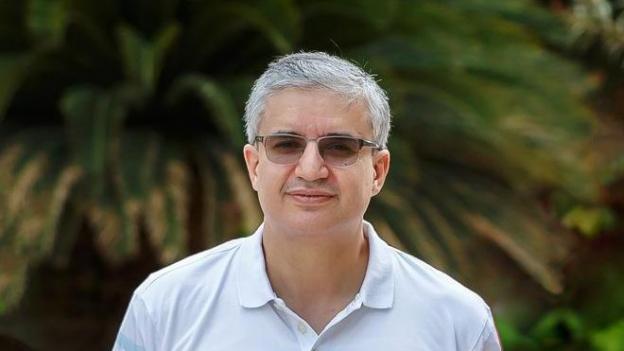
Dhrubodhi Mukherjee , Ph.D., LCSW-S, is an Associate Professor in the Department of Social Work at the University of North Texas . His work focuses on the intersection of trauma and substance use disorder , emphasizing integrated care , community health workforce development , and healthcare system fragmentation . Program Director/Principal Investigator: $1.8M HRSA-funded CHW-OSUDS (Community Health Worker Program for Opioids/Substance Use Disorders) Co-Principal Investigator: BTIIC (Bilingual Trauma-Informed Integrated Care Project) Certified in EMDR , TfCBT , and Financial Social Work Dr. Mukherjee’s research explores: Challenges in rural-urban addiction responses Multidisciplinary workforce integration through community needs assessments Role of social capital and technology in aging populations and virtual volunteering His publications span trauma-informed care , climate change mental health impacts , elder abuse , and digital governance , with grants from SAMHSA and HRSA supporting innovative interventions in addiction recovery.
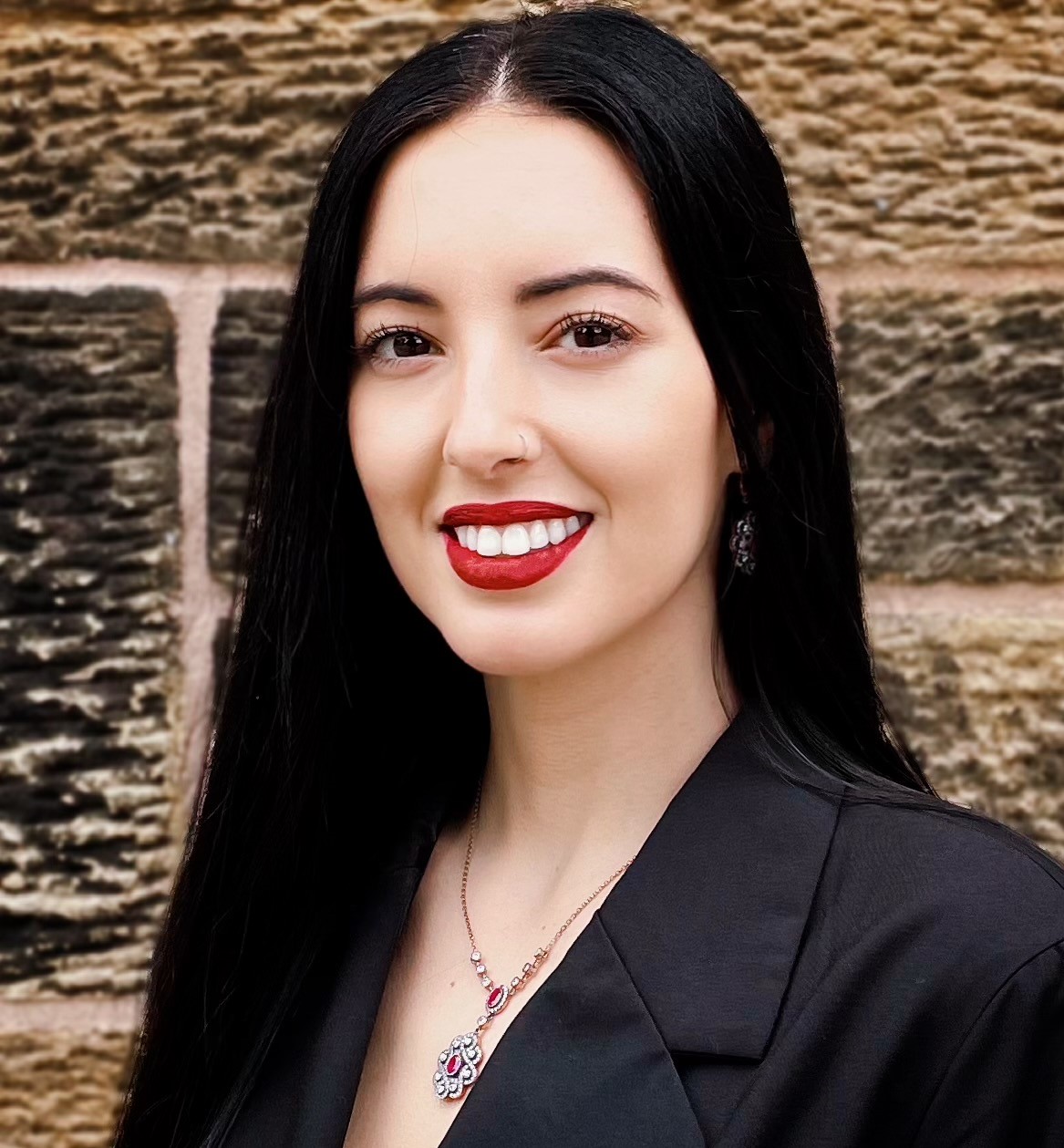
Anto Mohsin is an Assistant Professor in Residence in the Liberal Arts Program at Northwestern University in Qatar, with an affiliation to the Science in Human Culture Program at Northwestern’s Weinberg College of Arts and Sciences. His research focuses on the history and sociology of science and technology, particularly in Indonesia and Southeast Asia, examining intersections between infrastructure, energy, and society. He holds a PhD in Science and Technology Studies (STS) from Cornell University and previously held a Henry Luce Postdoctoral Fellowship. Education: PhD in Science and Technology Studies, Cornell University Affiliated with the Science in Human Culture Program (Weinberg College) Research Interests: Mohsin explores how technological systems interact with social and political dynamics through case studies like Indonesia’s electrification history, disaster responses, and energy infrastructure maintenance. His work bridges STS with environmental and disaster studies, emphasizing the sociopolitical dimensions of technological development. Key Contributions: Authored Electrifying Indonesia: Technology and Social Justice in National Development (2023), analyzing electrification from colonial to postcolonial eras. Investigates borderland electrification and labor practices in power infrastructure maintenance. Recipient of the Association of Asian Studies First Book Subvention Award. Teaching: Courses include Introduction to Science and Technology Studies , Science, Technology, and Society , and Energy, Environment, and Society . He emphasizes Asian-focused perspectives in STS education. Awards & Grants: Qatar National Research Fund Grant (2019) Cornelia Ye Outstanding Teaching Assistant Award (2013) Future Work: A new book project examines labor practices in maintaining electrical infrastructure, revealing the hidden work sustaining power systems.
Dr. Jianbei Huang is a Group Leader at the Max Planck Institute for Biogeochemistry in Jena, Germany, within the Department of Biogeochemical Processes (BGP). His research focuses on understanding mechanisms driving plant-soil carbon cycling, particularly in dryland ecosystems and plant allocation strategies. Key areas include how environmental stresses like drought affect carbon partitioning, tree defense mechanisms, and ecosystem resilience. His work integrates field experiments, isotopic labeling (e.g., 13C, 14C), and advanced analytical techniques (e.g., LC/GC-MS, PTR-MS) to study carbon dynamics, secondary metabolites, and BVOC emissions. Collaborations with Prof. Susan Trumbore and Prof. Sönke Zaehle highlight interdisciplinary approaches to model ecosystem responses under climate change. Research themes emphasize trade-offs between growth, carbon storage, and defense in trees, as well as the impact of extreme climate events on vegetation and soil carbon. Current opportunities include postdoc and PhD positions on dryland forest ecology and carbon-water relations in changing climates. Affiliations: Max Planck Institute for Biogeochemistry (Jena, Germany) Labs/Teams: Dryland Ecosystem Processes Group, Plant Allocation Research Notable projects include investigating Mediterranean forest responses to drought, carbon storage prioritization in spruce trees, and modeling tree defense against bark beetles in drying environments.
David Brady is a Professor at the Sol Price School of Public Policy, University of Southern California. Previously, he held roles including Professor and Director of the Blum Initiative on Global and Regional Poverty at UC Riverside (2015-2024), Visiting Research Professor at the WZB Berlin Social Science Center (2020-2024), and Adjunct Professor at Indiana University's School of Public and Environmental Affairs since 2013. Education: Ph.D. in Sociology with minor in Public Management, Indiana University (2001) M.A. in Sociology, Indiana University (1997) B.A. in Sociology with minor in Political Science, University of Minnesota (1994) Research focuses on poverty, inequality, social policy, globalization, and labor markets. Key themes include cross-national comparisons of welfare systems, immigration impacts, unionization effects, and racial disparities in economic outcomes. His work bridges sociology, political science, and public policy, emphasizing empirical analysis of structural and institutional drivers of inequality. Major contributions include books like The Oxford Handbook of the Social Science of Poverty (2016) and Rich Democracies, Poor People (2009). His articles analyze topics ranging from refugee integration in Germany to Medicaid's role in reducing racial health gaps. Labs/Teams: Associated with the WZB's Inequality and Social Policy research unit and the Blum Initiative. Active in policy-oriented research collaborations focusing on global poverty trends and social policy frameworks.
Dr. Emily-Marie Pacheco is an Associate Tutor (School of Education) and Tutor (Academic Services) at the University of Glasgow, with a UKRI-ESRC Research Fellowship at University College London (UCL). She holds a Ph.D. in Psychology from the University of Glasgow, focusing on trauma exposure in international students from conflict-affected regions. Her work bridges social psychology, education, and disaster recovery, emphasizing resilience, identity, and cross-cultural dynamics. Research interests include trauma’s psychosocial impacts, stress coping mechanisms, and community resilience in post-disaster contexts. She employs mixed-methods approaches to study global issues like international student well-being, WASH provision for displaced communities, and cultural adaptation theories. Education: Ph.D. in Psychology, University of Glasgow Key Research Themes: Psychosocial resilience in conflict-affected populations Indirect trauma exposure and mental health Cross-cultural identity development Disaster recovery strategies for displaced communities Recent Work Focus: Her 2023 research on doctoral well-being during crises and 2022 studies on post-disaster WASH interventions highlight her commitment to practical, community-centered solutions. Earlier work (2020) explored political impacts on international students’ mental health, linking geopolitics to psychological well-being. Grants and Fellowships: UKRI-ESRC Research Fellowship (UCL)
Grant Bollmer is an Associate Research Professor in the Department of Communication at the University of Maryland, College Park. His research focuses on digital cultures, critical theory, cultural studies, and the history of science. He holds a Ph.D. in Communication Studies from the University of North Carolina at Chapel Hill. His work examines topics such as influencer culture, emotion measurement, media materialism, and the philosophical implications of technology. Key publications include The Influencer Factory (2024), The Affect Lab (2023), and Materialist Media Theory (2019). His research has been supported by grants from the National Endowment for the Humanities and a residency at the Media Archaeology Lab. Bollmer’s recent scholarship explores AI ethics, absurd temporalities, and neo-feudal economic structures. He has received awards including the NC State CHASS Outstanding Junior Faculty Award and contributed to a magazine issue honored by the Canadian National Magazine Awards. His current projects include studies on 'bad' video games, generative AI in brain decoding, and the intersection of capitalism and billionaire behavior. Bollmer’s interdisciplinary approach synthesizes Marxist theory, media archaeology, and critical cultural analysis.
Prof. Edwin Woerdman is a Professor of Markets and Regulation at the University of Groningen's Faculty of Law. He specializes in energy and carbon market regulation, particularly emissions trading and tradable rights. He leads the LLM in Energy and Climate Law program, ranked among the world's top 10 energy masters. His research focuses on EU climate law, with over 100 publications, including Essential EU Climate Law and influential articles in top journals like Transnational Environmental Law . Education: PhD in Climate Law and Economics (University of Groningen, 2002, cum laude) MSc in Political Science (Radboud University Nijmegen, 1996) Research Interests: Market-based climate regulation, emissions trading systems (EU ETS), carbon pricing mechanisms, and the intersection of law and economics. His work contributes to UN Sustainable Development Goals related to climate action (SDG 13) and affordable clean energy (SDG 7). Key Roles: Academic Director of the LLM in Energy and Climate Law Board Member of the Groningen Centre of Energy Law and Sustainability (GCELS) Chair of the Programme Committee for the North Sea Energy Law Partnership Grants and Projects: Supervised numerous PhD projects on topics like maritime emissions trading, microgrids regulation, and hydrogen economy dynamics. Recent grants include studies on EU ETS expansion and hydrogen economy co-evolution. Labs and Teams: Active in the Groningen Centre of Energy Law and Sustainability (GCELS) and collaborates with institutions like the University of Twente and Delft University of Technology.
Efthimios S. Skordas is an Associate Professor of Experimental Solid State Physics at the Department of Physics, National and Kapodistrian University of Athens. Born in Lefkada, Greece in 1960, he holds a Mathematics degree (1984) from the University of Crete and a Doctorate (1992) from Uppsala University, Sweden. His research focuses on seismicity analysis through the lens of natural time analysis, complex systems, and non-extensive statistical mechanics. University of Crete (1984, Mathematics) Uppsala University (1992, Doctorate) His work demonstrates deep expertise in earthquake prediction, detection of pre-seismic anomalies through geoelectric/magnetic field variations, and entropy dynamics under time reversal. Recent publications highlight applications of natural time analysis to diverse domains including cardiovascular health monitoring. He has authored over 120 peer-reviewed publications and two monographs, with an h-index of 32. Skordas' research bridges geophysics with interdisciplinary applications, showing particular emphasis on entropy fluctuations, order parameter analysis, and multi-scale seismicity patterns. His laboratory contributes to understanding the physical interconnection of seismic electric signals with earthquake dynamics.
Joe Geunes is a Professor and Associate Department Head for Graduate Affairs in the Department of Industrial & Systems Engineering at Texas A&M University, holding the Mike and Sugar Barnes Professorship. His research focuses on production planning, supply chain management, logistics, and operations optimization. He earned his Ph.D. in Business Administration (Management Science & Operations Research) and M.B.A. from The Pennsylvania State University in 1999 and 1993, respectively. Dr. Geunes has received notable accolades including Fellow of the Institute of Industrial Engineers (2015), Marilyn and L. David Black Faculty Fellow (2022), and Best Reviewer Award from Omega (2022). His work spans infrastructure network restoration, supply chain resilience, and optimization algorithms for logistics systems. Recent projects address railcar operations, distribution network fortification, and disaster response strategies. Education: Ph.D., Business Administration (Management Science & Operations Research), The Pennsylvania State University – 1999 M.B.A., The Pennsylvania State University – 1993 Awards: Fellow, Institute of Industrial Engineers – 2015 Marilyn and L. David Black Faculty Fellow – 2022 Best Reviewer Award, Omega – 2022 Best Application Paper, IISE – 2018 His research integrates mathematical modeling and computational methods to address real-world challenges in supply chain design, inventory management, and infrastructure resilience. Recent publications emphasize multi-modal logistics, robust optimization under uncertainty, and post-disaster network recovery strategies.
Prof. Donat Fäh is a faculty member at ETH Zurich's Institute of Geophysics, part of the Swiss Seismological Service (SED). His work focuses on advancing seismic hazard assessment and site response modeling in Switzerland and beyond. He leads interdisciplinary projects integrating geophysical surveys, machine learning, and empirical data to refine risk models for urban areas like Basel and Lucerne. Key contributions include developing the ERM-CH23 national earthquake risk framework and improving methodologies for nonlinear soil behavior analysis using KiK-net data from Japan. His research emphasizes high-resolution amplification mapping, subsurface characterization via ambient vibrations, and understanding glacial and subaqueous slope dynamics. Research interests span seismic site effects, soil mechanics, landslide stability monitoring, and the application of advanced geophysical inversion techniques. He collaborates internationally to enhance earthquake risk communication and building code compliance, particularly in low seismicity regions. Current efforts include refining 3D geophysical models for urban settings and exploring Bayesian methods for subsurface structure identification. His work bridges fundamental geophysical research with practical engineering solutions for infrastructure resilience. Advising and grants: No formal advisees or grant details are explicitly listed in the provided texts. His collaborative projects, however, suggest involvement in large-scale initiatives such as URBASIS and the Swiss strong-motion network modernization. Labs and teams: Prof. Fäh is affiliated with the Swiss Seismological Service (SED) and actively contributes to ETH Zurich’s seismic monitoring infrastructure. His team collaborates with institutions in Japan (KiK-net network) and applies cutting-edge geophysical techniques to study subglacial environments and lakebed geotechnics.
Mohamed-Slim Alouini is a Professor of Electrical Engineering and Associate Dean of the Computer, Electrical and Mathematical Science and Engineering (CEMSE) Division at King Abdullah University of Science and Technology (KAUST) in Saudi Arabia. He also serves as the Associate Vice President for Research and holds the UNESCO Chair in Education to Connect the Unconnected. With over 500 journal publications and more than 46,000 citations, he is a world-renowned expert in wireless communications who was elected IEEE Fellow in 2009 at the age of 39. Education: PhD in Electrical Engineering, California Institute of Technology (Caltech), 1998 MS in Electrical Engineering, Georgia Institute of Technology (Georgia Tech), 1995 Diplôme d'Etudes Approfondies (DEA) in Electronics, Université Pierre & Marie Curie (Sorbonne University), 1993 Diplôme d'Ingénieur, École Nationale Supérieure des Télécommunications (Télécom Paris Tech), 1993 Habilitation, Université Pierre & Marie Curie (Sorbonne University), 2003 Dr. Alouini is a world-renowned expert in wireless communication and networking with research interests spanning diversity combining techniques, MIMO systems, multi-hop/cooperative communications, optical wireless systems, cognitive radio, UAV communications, and advanced modulation schemes. His current focus addresses the technical challenges of uneven information and communication technology distribution, particularly targeting rural, low-income, disaster-prone, and hard-to-reach areas through integrated ground-airborne-space networks. His work bridges theoretical foundations with practical implementations to solve real-world connectivity problems. His recent publications (2020-2024) demonstrate a clear research trajectory toward integrated communication networks combining terrestrial, aerial, and space components. There's growing emphasis on UAV communications, satellite systems, optical wireless technologies, and rural connectivity solutions, with increasing integration of machine learning techniques for network optimization. His work shows consistent focus on addressing the digital divide, with several publications specifically targeting 6G challenges for connecting underserved populations and recycling existing infrastructure for enhanced rural connectivity. Scientific Awards: Member of the European Academy of Sciences and Arts (2019) Fellow of the African Academy of Sciences (2018) IEEE Fellow (2009) Abdul Hameed Shoman Award for Arab Researchers (2016) OIC Science & Technology Achievement Award (2017) Multiple recognitions as Highly Cited Researcher NSF CAREER Award (1999) Dr. Alouini has mentored numerous successful students and post-doctoral fellows who have secured positions at top institutions worldwide including Harvard, Caltech, Imperial College, and faculty positions at Korea University, Hanyang University, and universities across the Middle East. His December 2018 PhD graduate Qurrat-Ul-Ain Nadeem received the prestigious Marconi Society Paul Baran Young Scholars award, while post-doctoral fellows have won IEEE ComSoc Young Professionals Best Innovation Award and attended the Lindau Nobel Meeting. His Communication Theory Lab at KAUST drives significant research in wireless communications with funding supporting extensive publication output and innovative projects. Dr. Alouini leads the Communication Theory Lab at KAUST and holds the UNESCO Chair in Education to Connect the Unconnected, focusing specifically on technical solutions for connecting underserved communities. His lab works on integrated ground-airborne-space networks to bridge the digital divide, with particular emphasis on rural, low-income, and hard-to-reach areas. The team develops practical solutions using UAVs, satellite communications, and recycled infrastructure to provide cost-effective connectivity where traditional approaches fail.
Denis Fischbacher-Smith is a Professor and Research Chair in Risk and Resilience at the University of Glasgow's Adam Smith Business School, within the College of Social Sciences. Previously, he held roles at the University of Liverpool, including founding director of its Management School, and held academic positions at Sheffield, Durham, and John Moores Universities. He also served as a visiting professor at Kobe University (Japan), San Diego State University (USA), and Innsbruck University (Austria). His academic journey includes degrees from Manchester, Glasgow, St Andrews, and others, culminating in a DLitt in Crisis Management. He holds over a dozen professional certifications, including Fellowships from the Academy of Social Sciences and Higher Education Academy, and Chartered statuses in Geography, Security, and Management. Research focuses on risk management, crisis response, and organizational resilience, with 112+ publications spanning three decades. Key areas include evacuation strategies, crisis team performance, emergency planning limitations, and organizational vulnerability. He advises governments (e.g., UK Department of Health, Lesotho), corporations, and regulatory bodies, and has led projects on healthcare safety and terrorism preparedness. Publications emphasize interdisciplinary approaches to risk, such as using comics in education and analyzing post-EU expansion crises. Awards recognize his contributions to public health policy, emergency planning, and security practices. He chairs HARM Consulting and serves on boards of NHS trusts and sports organizations.
Andrew Baker is a Lecturer in the Department of History within the College of Arts and Humanities at Clemson University. His work focuses on post-1945 U.S. history, particularly political, economic, and religious transformations in the American South, with a regional emphasis on South Carolina. Education: Ph.D., Auburn University (2020) M.A., Clemson University (2012) B.A., Clemson University Dr. Baker's research examines the political realignment of the South, especially in Greenville, South Carolina, from a textile manufacturing hub to a diversified economy, and the role of institutions like Bob Jones University and figures like Jewish mayor Max Heller in urban and political change. His work intersects with themes of labor, religion, conservatism, and Sunbelt development. His recent publications explore the Republican Party's appeal to white working-class voters, the New Left at Clemson, and Jewish leadership in Southern politics. He has presented at multiple academic conferences on Southern political history and disaster response leadership. Scientific Awards: Jewish History Collections Fellowship at Emory University (Summer 2022) Dr. Baker has taught at Auburn University and Anderson University prior to joining Clemson. He has contributed reviews to the Journal of Southern History and is currently revising his dissertation into a book manuscript. While no formal advising or grant activity is listed, his active publication and presentation record indicate strong scholarly engagement. He is not affiliated with any named research lab or team, but contributes to regional historical discourse through symposia and scholarly panels.
Marek Ilnicki is a Lecturer at the University of Gdańsk , affiliated with the Faculty of Social Sciences and specifically the Department of Strategic and Security Studies . His academic focus lies at the intersection of political science, security studies, and maritime law. Fields of Interest : Political Science, Security Studies, Maritime Law, Counterterrorism, International Relations, and Crisis Management. Research Trends in his publications emphasize legal frameworks for state security, maritime governance, terrorism prevention, and international cooperation. His work often addresses Poland's strategic challenges in maritime environments and border security. Contact Information : Email: marca.ilnicki@ug.edu.pl Phone: +48 58 523 41 81
Jeffrey A. Lee is a Professor in the Department of Geosciences at Texas Tech University, specializing in aeolian geomorphology and environmental processes. With academic appointments since 1988, his work focuses on wind-driven sediment transport and dune dynamics across multiple continents. Education: B.A. in Geography (1979), University of California, Los Angeles M.A. in Geography (1984), University of California, Los Angeles Ph.D. in Geography (1990), Arizona State University Research interests center on aeolian processes, particularly dust emission dynamics and wind erosion patterns. His work examines temporal trends in blowing dust across Texas and the American Southwest, while also investigating long-term shifts in wind climate patterns. Professor Lee teaches foundational physical geography courses including Global Environmental Science and advanced topics in arid land geomorphology. Recent publications demonstrate interdisciplinary focus across aeolian geomorphology, environmental monitoring, and climate science. Key themes include dust source characterization using satellite data, drought legacy effects on erosion, and historical analysis of environmental disasters like the Dust Bowl. Contact: jeff.lee@ttu.edu | 213 Holden Hall, Texas Tech University | (806) 834-8228