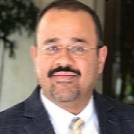
Fredrik Søren Berg is a Research Fellow at the Department of Philosophy, Classics, History of Art and Ideas, University of Oslo, specializing in cultural heritage conservation and sustainable building practices. His work intersects historic architecture preservation with energy efficiency and climate change adaptation. Research Trends: His recent publications focus on energy performance in historic buildings, climate risks to cultural heritage, and interdisciplinary approaches to conservation. Key themes include stave churches, life cycle analysis, and geo-hazard assessments. Other Affiliations: Associated with the Faculty of Humanities and contributes to research groups on International and Nordic modernism.
Dr. Manuela Colombini is an Associate Professor in Health Systems, Policy, and Gender-Based Violence at the London School of Hygiene & Tropical Medicine (LSHTM), within the Department of Global Health and Development and the Faculty of Public Health and Policy . She co-directs LSHTM’s Gender Violence and Health Centre (GVHC) and leads the gender-based violence theme at the Centre for Maternal Adolescent and Child Health (MARCH) . Her work focuses on health systems responses to gender-based violence (GBV), particularly in low- and middle-income countries (LMICs), integrating feminist theories and health policy frameworks. Her research explores how health systems can better address violence against women (VAW) through service integration, policy implementation, and intervention design. Notable projects include evaluating One Stop Crisis Centres (WHO collaboration), assessing the impact of lockdowns on VAW service provision in South Africa, and studying intersections between VAW and violence against children in the Middle East. She has led studies in Brazil, Palestine, Nepal, Sri Lanka, South Africa, Kenya, and Malaysia. Dr. Colombini’s teaching roles include Project Content Director for the Distance Learning Master in Health in Humanitarian Crises and Module Organiser for courses on Health Policy, Process and Power . She also contributes to training programs for tropical nursing and gender-based violence research. Her professional engagements include advisory roles with the WHO, UNICEF, and the Sexual Violence Research Initiative. Awards include Honorary Fellow (2018–2024) and Honorary Lecturer (2017–2019). Her work emphasizes translating evidence into actionable policies, with a focus on vulnerable populations and health equity.
Joannes Westerink is the Joseph and Nona Ahearn Professor in Computational Science and Engineering at the University of Notre Dame's College of Engineering. He holds concurrent faculty titles in the Departments of Aerospace and Mechanical Engineering, Earth Sciences, Computer Science and Engineering, and other disciplines. His research focuses on computational fluid dynamics, tidal hydrodynamics, and hurricane storm surge prediction. He earned his Ph.D. from MIT in 1984, followed by M.S. and B.S. degrees in Civil Engineering from SUNY Buffalo. Key research interests include finite element methods, coastal circulation modeling, and geophysical turbulence. In 2025, he was awarded the International Coastal Engineering Award for his contributions to storm surge forecasting and coastal hazard mitigation. Westerink leads the Computational Hydraulics Laboratory, advancing numerical models like STOFS (Surge and Tide Operational Forecast System) for global water level predictions. His recent work integrates AI-driven nudging techniques and machine learning to enhance model accuracy, with applications in disaster risk assessment and climate adaptation.
Prof. Alper SEZER is a faculty member at Ege University's Department of Civil Engineering (Faculty of Engineering), specializing in Geotechnics. His research focuses on geotechnical engineering, earthquake effects, soil mechanics, and sustainable development. He has conducted extensive studies on soil liquefaction, seismic site effects, and post-earthquake damage assessments in regions like Antakya, Izmir, and Adıyaman. His work integrates computational methods (e.g., genetic algorithms, artificial neural networks) with experimental geotechnics to improve soil characterization and disaster resilience. He has collaborated on projects analyzing valley effects, ground motion amplification, and the mechanical behavior of soils under cyclic loading. Education: Details not explicitly provided in text, inferred through academic publications and position. Research interests include geotechnical hazard mitigation, soil stabilization techniques (e.g., polymer-modified soils), and the application of fractal analysis to soil properties. His studies address practical challenges such as sulfate resistance in cement-stabilized soils and freeze-thaw resistance of fiber-reinforced materials. He has contributed to microzonation studies and seismic risk assessments in urban areas like Izmir Bay. Publications emphasize field reconnaissance findings from major earthquakes (e.g., 2020 Samos, 2023 Türkiye earthquakes) and laboratory experiments on soil behavior under dynamic loading. Awards and recognitions are not explicitly listed in the text. Grant activities and advising details are not provided, but his extensive publication record suggests sustained research funding. He is affiliated with geotechnical laboratories at Ege University, focusing on experimental testing and computational modeling in geotechnical engineering.
Dr. Agathoklis Giaralis is a Senior Lecturer in Structural Engineering within the Department of Civil Engineering at the School of Engineering and Mathematical Sciences, City, University of London. He earned his PhD in Civil & Environmental Engineering from Rice University, USA, in 2008, following an MSc and a 5-year Diploma (Ptychion) in Structural Engineering from Aristotle University of Thessaloniki, Greece. He is a Fellow of the Higher Education Academy, UK. PhD, Civil & Environmental Engineering, Rice University, USA (2008) MSc, Seismic Design of Structures, Aristotle University of Thessaloniki, Greece (2004) Ptychion (5 yr Diploma), Civil/Structural Engineering, Aristotle University of Thessaloniki, Greece (2003) Dr. Giaralis's research is centered on nonlinear stochastic dynamics and time-frequency signal analysis , applied to critical areas such as earthquake engineering , seismic structural design and assessment , structural health monitoring (SHM) , and passive vibration control . His work is pioneering in the development and application of inerter-based vibration control systems, such as the Tuned Mass-Damper-Inerter (TMDI), for enhancing the resilience of structures. He also explores compressive sensing and low-power wireless sensors for sustainable SHM, as well as digital twinning and machine learning in wind engineering. His recent research has significant implications for offshore wind turbines and urban wind comfort. An analysis of his 15 most recent publications reveals a consistent and cutting-edge research trajectory focused on the optimization and application of inerter-based devices for structural control. The work spans from developing analytical tuning formulas for TMDIs to conducting experimental validation on shaking tables and exploring novel applications in offshore wind turbines and composite floors. A strong emphasis is placed on performance-based design , uncertainty quantification , and practical implementation for real-world infrastructure. His scientific contributions have been recognized by prestigious awards, including the Fulbright Exchange Student Program scholarship for his PhD studies and a Fellowship from the Higher Education Academy . He is also a member of several leading professional organizations such as the American Society of Civil Engineers (ASCE) and the Society for Earthquake and Civil Engineering Dynamics (SECED). Dr. Giaralis is actively involved in research funding and academic mentorship. He has secured significant grants from Innovate UK and the EPSRC to support his work on machine learning-based design and optimal inerter configurations. He supervises a cohort of PhD students whose theses focus on advanced topics like adaptive control of bridge joints, inerter-based energy harvesting, and seismic assessment using digital twins. He also leads the Smart Structures and Structural Health Monitoring Research Unit , driving collaborative research in smart infrastructure technologies.
Wendy Stubbs is an Associate Professor in the School of Social Sciences at Monash University, specializing in corporate sustainability and purpose-driven business models. Her research explores how businesses can holistically address environmental, social, and economic responsibilities, with a focus on B Corps, purpose ecosystems, and the Sustainable Development Goals (SDGs). She leads major ARC-funded projects like 'Sustainability Transformation Pathways for SMEs' and co-investigates the global TRANSFORM initiative. Her PhD (2006) pioneered the 'sustainability business model' concept, recognized as foundational in the field. She has taught corporate sustainability for over 15 years in Monash’s graduate programs. Notable awards include top 0.05% global ranking in Sustainability by ScholarGPS (2024), Banksia Research Award (2019), and multiple teaching commendations. Research interests span sustainability reporting, integrated reporting effectiveness, and governance mechanisms for SDG alignment. Recent work examines SMEs’ experimentation with transformative business models and B Corps’ stakeholder engagement strategies. Her contributions bridge academia and industry via advisory roles with CPA Australia and global sustainability partnerships.
Maria Shahgedanova is a Professor in the Department of Meteorology at the University of Reading, Faculty of Science. She serves as Programme Co-Director for the MSc in Environmental Management and teaches climatology and climate change at both undergraduate and postgraduate levels. She is affiliated with key research groups including the Walker Institute, Water@Reading, and the Environmental Science Research Division. Research Interests: Her work centers on climate change and variability in extratropical Eurasia and mountainous regions, with emphasis on the mountain cryosphere, glacier dynamics, water resources, and natural hazards. She investigates the impacts of light-absorbing impurities on snowmelt, uses stable water isotopes in hydrological assessments, and develops meteorological forecasts for early warning systems. Her research is particularly focused on Central Asia and High Mountain Asia. The recent publications reflect a strong trend in climate-hydrology interactions in glacierized environments, with increasing emphasis on disaster risk reduction, isotope hydrology, and climate adaptation. Much of her work integrates remote sensing, modeling, and field data to assess future water security and hazards under climate change. University of Reading Engagement and Impact Award (2022) Schlumberger Foundation Fellowship Climate and Cryosphere (CliC) Fellowship Contributing Author, IPCC SROCC Chapter on High Mountain Areas Maria leads multiple international research projects funded by IAEA, UKRI, the Royal Society, and GCRF. She supervises PhD students including Qiao Li and Saule Suleimenova, and mentors postdoctoral researchers such as Dr. Gavkhar Mamadjanova and Dr. Vadim Yapiyev. She leads the Mountain Observatories working group at the Mountain Research Initiative (MRI) and established the Central Asia Research and Adaptation Water Network (CARAWAN), enhancing regional collaboration and capacity building. Her team’s work at the Tuyuksu Mountain Observatory has gained international recognition, including coverage in the New York Times . She actively collaborates with ECMWF, WMO’s Third Pole Regional Climate Change Network (TPRCC), and IAEA’s GLOWAL network, demonstrating strong engagement in global climate science initiatives.
Dr. Linda K. Nozick is a Professor and Director of Civil and Environmental Engineering at Cornell University, leading research in infrastructure resilience and disaster risk management. She co-founded the College Program in Systems Engineering and previously served as a Visiting Associate Professor at the Naval Postgraduate School. Her work focuses on mathematical modeling for complex systems, including transportation networks, natural hazard mitigation, and critical infrastructure protection. Education: B.S. in Systems Analysis and Engineering, George Washington University (1989) M.S./Ph.D. in Systems Engineering, University of Pennsylvania (1990-1992) Research Interests: She pioneers models for transportation systems, network science, and disaster risk management. Key areas include: Optimization of infrastructure resilience Hurricane evacuation modeling Insurance-market dynamics for catastrophic risks Seismic retrofitting strategies Data-driven decision support systems Recent Work Highlights: Recent studies address hurricane evacuation behavior prediction using mobility data, equity in hazmat routing, and multi-hazard risk assessment for power grids. Awards: 2011 Presidential Early Career Award for Scientists and Engineers NSF CAREER Award (1997) Sandia National Labs Recognition Award (2009) Member of Nuclear Waste Technical Review Board Academic Service: Leads Cornell's Master of Engineering strategic planning and coordinates the Engineering Systems & Management mission area. She advises federal agencies on infrastructure renewal through National Academy Committees. Lab/Team Affiliations: Directs research initiatives in disaster resilience engineering and collaborates with Sandia National Labs on infrastructure optimization tools.
Joshua P. Kilborn is a Research Assistant Professor at the University of South Florida’s College of Marine Science. His expertise spans marine biology, ecosystem dynamics, and fisheries management. He holds a Ph.D. (2017) and B.S. (2002) from the University of South Florida and Jacksonville University, respectively. His research focuses on understanding ecological impacts of environmental disasters (e.g., Deepwater Horizon oil spill), climate-driven changes in fisheries, and ecosystem resilience. Kilborn leads projects funded by NOAA and the Gulf of Mexico Fishery Management Council, including studies on Gulf of Mexico large marine ecosystems and stock-recruitment relationships in amberjack fisheries. He teaches Applied Multivariate Statistics and Biometry , and his awards include the Eagle Scout Award (1995) and recognition as Outstanding Mathematics Student (2000). His work emphasizes data-driven solutions for marine resource management and ecological recovery.
Jihye Park is an Associate Professor in the Department of Civil and Construction Engineering at Oregon State University's College of Engineering. She specializes in GNSS (Global Navigation Satellite System) positioning/navigation and remote sensing applications, focusing on enhancing system performance in harsh environments and leveraging GNSS for atmospheric monitoring. Her research includes detecting ionospheric disturbances caused by earthquakes, volcanic eruptions, and artificial explosions, as well as developing algorithms for real-time anomaly detection and navigation system improvements. Dr. Park holds a Ph.D. in Geodetic Science and Surveying from The Ohio State University (2012), an M.S. in Geodetic Science and Surveying from the same institution (2010), and prior degrees in Geoinformatics from The University of Seoul (B.S. 2004, M.S. 2006). Her research interests span GNSS remote sensing applications such as monitoring ionospheric anomalies, hurricane-induced rainfall trajectories, and coastal hazards. She also explores GNSS-Reflectometry (GNSS-R) for sea level changes, storm surge monitoring, and climate-related phenomena. Her work emphasizes real-time data processing, machine learning integration, and interdisciplinary applications in disaster response and geophysical monitoring. Dr. Park has contributed to advancements in GNSS accuracy through projects like JPL's GUARDIAN system and studies on the Galileo High Accuracy Service. Her recent work highlights automated detection systems and deep learning approaches for TID (Traveling Ionospheric Disturbance) identification, reflecting her commitment to bridging geomatics with environmental and disaster resilience challenges.
Dr. Curt Harris is an Associate Professor and Director of the Institute for Disaster Management (IDM) at the University of Georgia's College of Public Health. He holds concurrent appointments in Health Policy & Management and Epidemiology & Biostatistics. His roles include overseeing undergraduate and graduate educational programs, directing IDM's research and outreach initiatives, and serving as a liaison between the college administration and external partners. Dr. Harris earned a BS in Chemistry from Georgia College and State University and a PhD in Toxicology from UGA. His career at UGA spans over a decade, encompassing staff and faculty roles before becoming IDM Director. His research focuses on disaster management, public health preparedness, and emergency response systems, with recent emphasis on healthcare workforce resilience, nuclear event response, and pandemic preparedness. His recent publications highlight interdisciplinary approaches to disaster challenges, including nuclear fallout modeling, CNA staffing shortages, and integrating machine learning in burn patient outcomes. Dr. Harris leads major projects like the South Carolina Low Country Emergency Preparedness Program and the Southern Regional Disaster Response System. His work has been featured in media outlets like NPR, CBS46, and the Huffington Post. Dr. Harris teaches courses such as Introduction to Disaster Management and Public Health Crises and Disaster Management . He advocates for disaster education as a core competency in public health curricula. His professional service includes coordinating the CPH graduate program and advising on emergency medical protocols.
Robert Silverman is a Professor in the Department of Urban and Regional Planning at the University at Buffalo, School of Architecture and Planning. He has been a key academic figure since joining in 2003, with a strong research focus on community development, affordable housing, education policy, and shrinking cities. His work emphasizes equity, inclusion, and community-based planning in urban contexts. His educational background includes a Ph.D. in Urban Studies from the University of Wisconsin–Milwaukee, an M.P.A. in Public Administration, and a B.S. in Political Science, both from Arizona State University. Dr. Silverman's research explores the intersections of housing, race, and urban policy, particularly in shrinking cities like Buffalo, Detroit, and Cleveland. He investigates community resistance to redevelopment, equitable housing siting, and the role of public participation in urban revitalization. His qualitative methodology is central to understanding grassroots perspectives and institutional dynamics. His recent publications reveal a consistent trend toward analyzing spatial equity, housing justice, social inclusion, and policy implementation in urban environments. Themes include the impact of cannabis legalization on underserved communities, neighborhood walkability, and the challenges of fair housing policy in racially segregated markets. Outstanding Reviewer Award, Urban Education (2014–2015) Article of the Year Award, Leadership and Policy in Schools (2014) Emerald Literati Network Commended Article Award (2012) Scott Greer Award for Postgraduate Achievement (2009) Community Development Society Outstanding Program Award (2008) Outstanding Graduate, Arizona State University (1992) Dr. Silverman actively mentors students and contributes to academic service, having advised on numerous community development projects and served on editorial boards for journals such as Critical Sociology and Community Development . He has received research support through professional networks and institutional affiliations, though specific grant details are not listed. His public engagement includes roles with the Partnership for the Public Good and the Housing Opportunities Made Equal initiative. He is involved in research initiatives focused on shrinking cities, equitable development, and community-based planning. His work with the Partnership for the Public Good underscores his commitment to applied research and policy advocacy in Buffalo and beyond.
S. Alexander Haslam is a Professor of Social and Organizational Psychology and Laureate Fellow at the University of Queensland's School of Psychology, where he maintains an active research program with over 300 peer-reviewed articles and 15 authored or edited books. He currently serves as Associate Editor of The Leadership Quarterly and previously held the Chief Editor role for the European Journal of Social Psychology . His work bridges academia and real-world application through interventions like Groups 4 Health and More Than Sport, targeting mental health via social identity principles. Haslam's research centers on social identity theory and group processes across organizational, health, and social contexts. He examines how shared identities influence leadership, mental health outcomes, and collective resilience, with key applications in workplace stress, athletic performance, retirement transitions, and emergency response interoperability. His social identity model of leadership challenges traditional views by emphasizing group-based influence, while interventions such as social identity mapping directly address loneliness through community identification. The 2025 articles reveal three dominant trends: (1) mental health applications in high-stress occupations (construction, emergency services), (2) identity leadership in sports across cultures, and (3) organizational identity in crisis scenarios. Methodologically, they feature randomized controlled trials, longitudinal designs, and cross-national collaborations—particularly in Japan and Europe—validating the social identity approach for loneliness reduction, team performance, and ethical behavior. Common threads include psychological safety, group membership multiplicity, and intervention scalability. Scientific awards include Distinguished Contribution to Psychological Science from both the Australian Psychological Society and British Psychological Society, plus his 2022 appointment as a Member of the Order of Australia for 'significant service to higher education, particularly psychology, through research and mentoring.' While specific grant details are absent, his work is embedded in major collaborative projects like the Global Identity Leadership Development Project and pandemic response studies. He mentors researchers globally, with his leadership evident in large-scale cross-cultural teams (e.g., 25+ co-authors on Capitol attack analysis). Policy impact is demonstrated through advisory roles in social prescribing and mental health frameworks. Haslam co-leads the Groups 4 Health intervention team and develops tools including the Identity Leadership Inventory–Youth (ILI-Y) and Visual Identity Leadership Scale (VILS). His research group collaborates across sports, clinical, and emergency domains, with ongoing projects on psychedelic therapy, retirement transitions, and AI-human interaction. The BBC Prison Study remains a foundational reference for his organizational identity work.
Professor Christine Schmitt is a Chaired Professor of Physical Geography with a focus on Human-Environment Research at the University of Passau since April 2021. She contributes to international policy consulting and serves on advisory boards including the German Society for Tropical Ecology (gtö) and BayWISS Joint Academic Partnership Life Sciences and Green Technologies. Previously, she was a Senior Researcher at the Center for Development Research (ZEF) of the University of Bonn. Current Affiliation: University of Passau Prior Affiliation: Center for Development Research (ZEF), University of Bonn Her research spans vegetation geography, global change, and sustainable development, emphasizing tropical mountain forests and human-environment interactions. She analyzes climate change effects on biodiversity, carbon storage, and ecosystem services across East Africa and Europe. Recent publications highlight her work on tropical forest carbon stocks (2021 Nature ), agroforestry dynamics in Ghana and Myanmar, and community-based conservation strategies in Ethiopia and Kenya. The 15 most recent articles reflect her focus on biodiversity patterns , land-use conflicts , and climate adaptation frameworks . Maria von Linden Fellowship (2019-2020) IPBES Expert (2014) Global Forest Expert Panel on REDD+ (2012) Professor Schmitt supervises doctoral students including Kerstin Hikel (seed dispersal in Kenyan forests) and Su Mon San (remote sensing in Myanmar). Her lab integrates vegetation surveys, remote sensing, and interdisciplinary methods to address conservation challenges.
Dr. Hesham El-Askary is a Professor of Computational and Data Science at Schmid College of Science and Technology, Chapman University . With expertise in Global Climate Change, Remote Sensing, and Natural Disasters , his research spans atmospheric aerosols, marine ecosystems, and sustainable resource management. He holds a Ph.D. in Computational Sciences from George Mason University. B.Sc. Alexandria University M.Sc. George Mason University (×2) Ph.D. George Mason University His research interests focus on: Dust storm monitoring via remote sensing Climate change impacts on sea-level rise and coral reefs Renewable energy for sustainability Hydrological extremes and drought analysis AI/ML applications in environmental science Marine habitat and coastal zone management Recent publications highlight his work in: Machine learning for groundwater vulnerability Land surface temperature trends Coral reef monitoring in the Red Sea Solar energy optimization in Egypt/UAE Drought prediction in Mediterranean regions Awards & Grants : Chapman University Senior Wang-Fradkin Professorship (2015) Regional Coordinator for EU Horizon 2020 GEO-CRADLE Project ($3M, 2016) Saudi Environmental Management Award (2006) Funding from NSF, NASA, USDA, and EU As a IEEE and AGU member , he bridges environmental science with advanced computational methods.