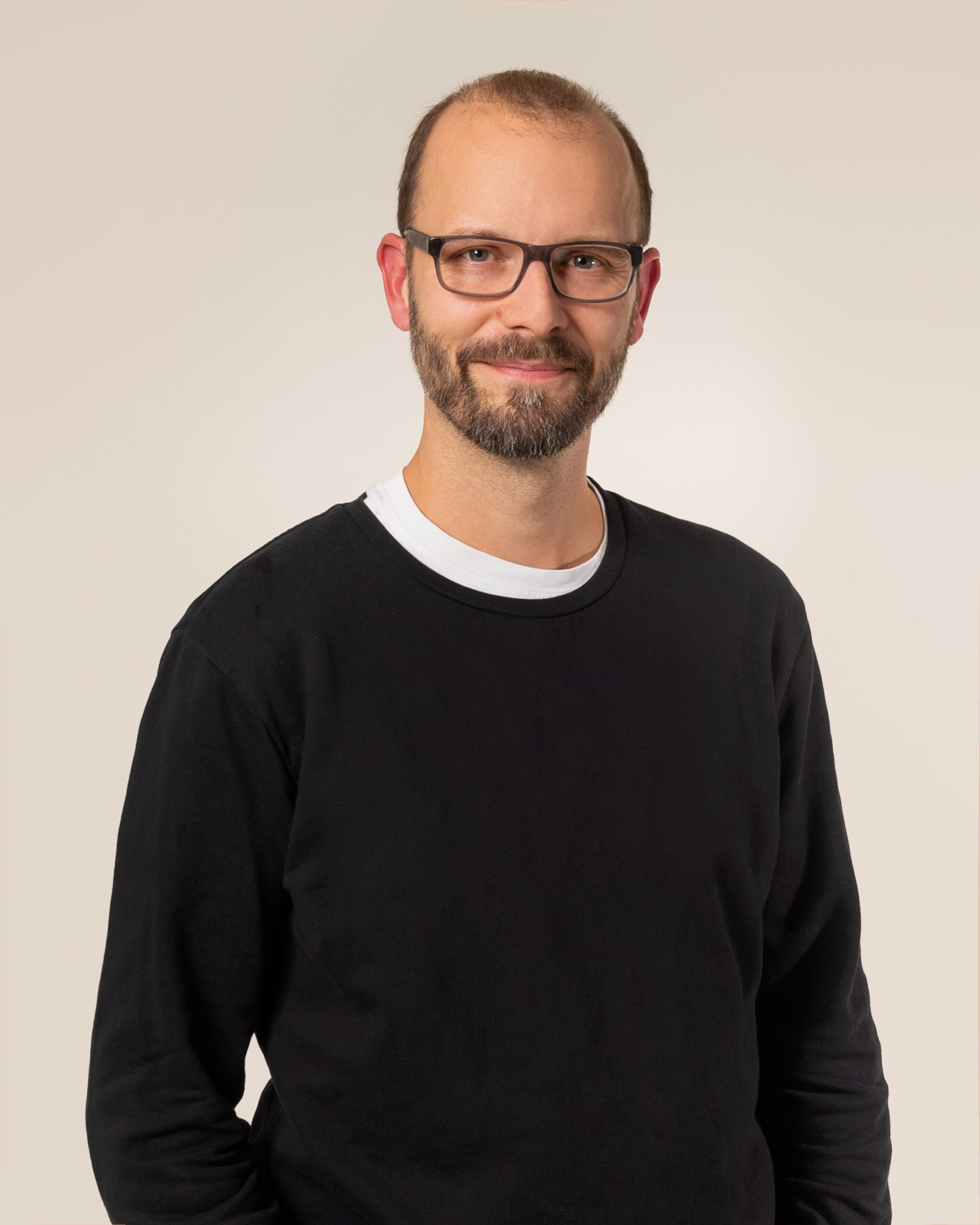
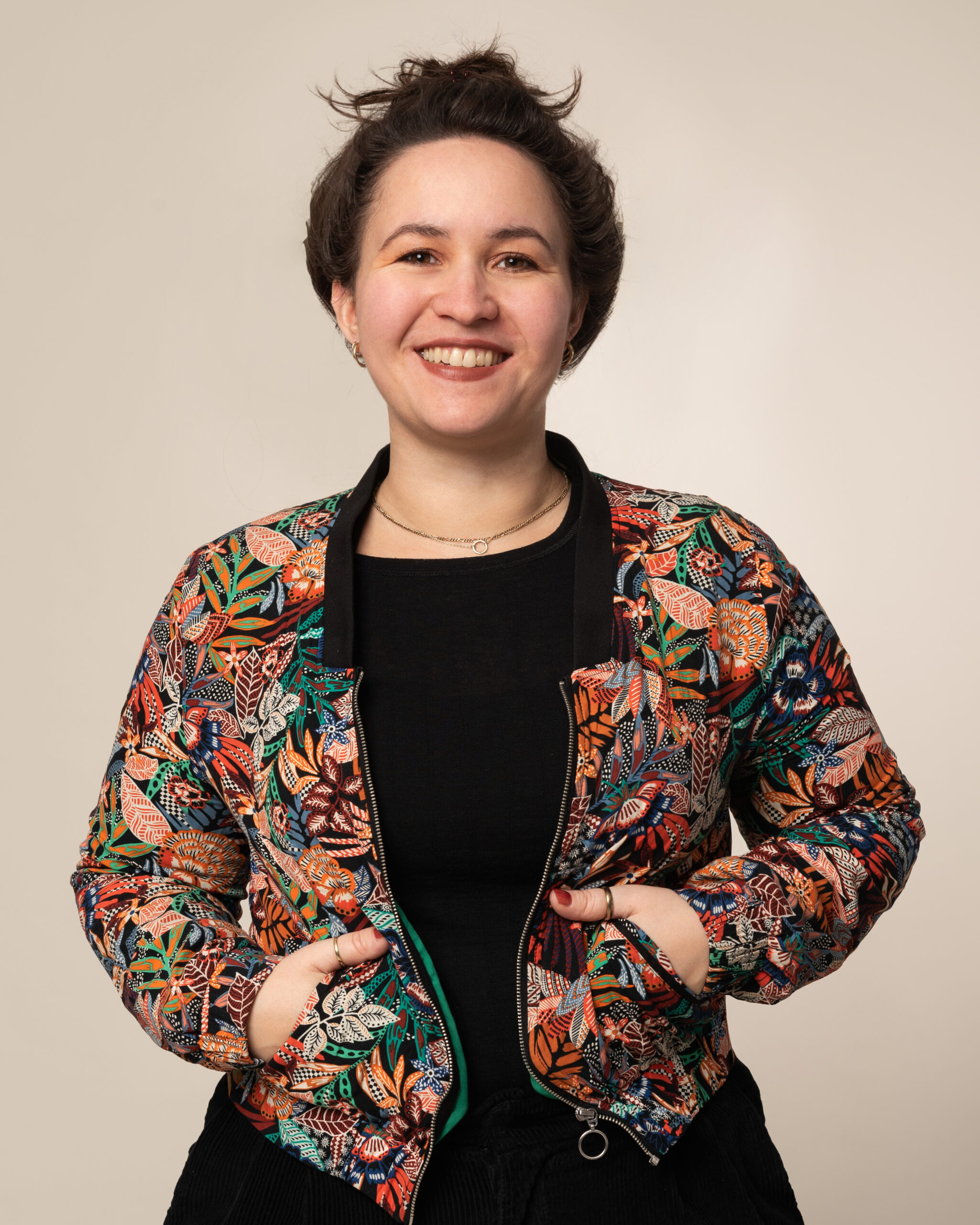
Dr. Grzegorz Tutak is an Assistant Professor at the Department of Political Theory and Eastern Studies , Institute of Political and Administrative Sciences , Faculty of Social Sciences , John Paul II Catholic University of Lublin . His research focuses on migration policy, EU security challenges, post-Soviet political evolution, and the role of religious institutions in refugee support. Specializes in securitization of migration, hybrid threats, and integration policies Recipient of Erasmus+ and Ministry of Science scholarships His publications examine: Migrations in Central/Eastern Europe Polish-Belarusian border security Digital political transformations Catholic Church's humanitarian response to Ukraine war Climate migration challenges He has organized international conferences like The Three Seas Universities Network and hosted discussions on EU institutional evolution post-Maastricht Treaty.
Dr. Shahina Parvin is a Postdoctoral Research Fellow in the Department of Sociology at Brandon University . Her research focuses on gender, race, disability, health, biomedicine, and power. She holds a Ph.D. in Cultural, Social, and Political Thought from the University of Lethbridge, an M.A. in Sociology, and advanced degrees in Anthropology from Jahangirnagar University in Bangladesh. Her work critiques structures of power through postcolonial and intersectional lenses. Education: Ph.D.: Cultural, Social, and Political Thought, University of Lethbridge M.A.: Sociology, University of Lethbridge MSS & BSS: Anthropology, Jahangirnagar University Research interests include mental health disparities among racialized immigrant women, reproductive justice in Bangladesh, disability studies through postcolonial frameworks, and critiques of biomedical practices. Her work combines ethnographic methods with critical theory to analyze systemic inequities. Her publications (2015–2025) address topics like Norplant’s societal impact, peer review systems in academia, and representations of disability in sports. She also explores colonial legacies in population control programs and gendered narratives in healthcare access. Dr. Parvin’s teaching focuses on medical anthropology, qualitative research methods, and South Asian sociocultural dynamics. She emphasizes anti-colonial and anti-racist praxis in both research and pedagogy.
Laura Hetrick serves as Associate Professor in the School of Art and Design at the University of Illinois, with significant affiliations at the Beckman Institute for Advanced Science and Technology and the Carl R. Woese Institute for Genomic Biology. Her interdisciplinary work bridges art education, visual culture studies, and identity theory within these collaborative research environments. Her educational background includes a Doctor of Philosophy in Art Education from The Ohio State University (2010), establishing foundational expertise in pedagogical theory and visual learning. Hetrick's research critically examines teacher identity formation through psychoanalytic frameworks while exploring contemporary visual phenomena like fandoms and digital streaming cultures. She investigates how streamers function as informal arts educators and analyzes intersectional identities in scholarly contexts, particularly focusing on marginalized experiences in art education. Her work consistently connects theoretical psychoanalysis with practical classroom applications and emerging digital landscapes. Recent publications reveal a trajectory toward digital pedagogy and critical identity studies, with increasing emphasis on neurodiversity, race, and gender intersections within art education scholarship. Her editorial leadership in Visual Arts Research further shapes discourse in the field. No scientific awards were documented in the source materials. Hetrick maintains active scholarly engagement through editorial work but no student advising or grant activities were specified in the available information. Her institutional affiliations with the Beckman Institute and Carl R. Woese Institute facilitate cross-disciplinary collaborations in advanced science and genomic research contexts, though specific lab teams weren't detailed.
Jennifer Bartlett is a Professor in the School of Advertising, Marketing & PR within the Faculty of Business & Law at Queensland University of Technology (QUT). With over two decades of academic contribution, she has established herself as a leading scholar in corporate social responsibility, public relations, and organizational communication. Her work bridges theoretical frameworks with practical applications, particularly in how organizations navigate institutional pressures and legitimacy challenges. Her research interests focus on Corporate Social Responsibility , Public Relations , Organizational Communication , Institutional Theory , Legitimacy Studies , and Stakeholder Engagement . Bartlett's work examines how organizations construct meaning around CSR, navigate institutional complexity, and communicate legitimacy to diverse stakeholders. She has made significant contributions to understanding how institutional pressures shape organizational communication practices, particularly in data-driven environments. Analysis of her recent publications (2015-2023) reveals consistent focus on institutional dynamics, legitimacy construction, and the evolving nature of corporate communication. Her work spans multiple sectors including education, retail, and resource industries, demonstrating interdisciplinary reach while maintaining core theoretical grounding in organizational communication and institutional theory. Notably, she has increasingly addressed issues of social inclusion, particularly regarding disability employment and refugee advocacy. Bartlett has contributed extensively to academic literature through journal articles, book chapters, and encyclopedia entries. Her collaborative work with researchers across disciplines demonstrates her integrative approach to organizational communication challenges. While specific grant information isn't detailed in the provided materials, her sustained publication record suggests successful research funding throughout her career. Her methodological approach combines qualitative analysis with theoretical development, often employing discourse analysis and institutional theory frameworks to examine organizational communication practices. Bartlett's work has practical implications for how organizations navigate complex stakeholder environments while maintaining legitimacy.
Katherine Vroman is a Lecturer in the Department of Teacher Education at Rider University, specializing in Inclusive Education and Special Education . She has held adjunct roles at institutions including the University of New Hampshire, The College of New Jersey, and Montclair State University. Her work focuses on universal design for learning, disability rights, and systemic change in K-12 and postsecondary education. Ph.D. in Cultural Foundations of Education from Syracuse University C.A.S. in Disability Studies from Syracuse University Master’s in International Educational Development from Boston University B.A. in Classical Civilization and Women’s Studies from Boston University Vroman's research explores inclusive pedagogy, disability studies, and the intersectionality of race and disability in education. She advocates for collaborative practices, differentiated instruction, and the inclusion of individuals with intellectual and developmental disabilities in academic and social settings. Her publications emphasize dismantling ableism, fostering communication through physical activity, and inclusive leadership frameworks. Vroman has received recognition for her dissertation and academic achievements, including Pass With Distinction for her Ph.D. Vroman serves on advisory committees such as the Pennsylvania Inclusive Higher Education Consortium and the National Down Syndrome Society's Inclusive Education Task Force. She also contributes as a reviewer for journals like the Journal of Inclusive Postsecondary Education .
Daniel L. Fay is an Associate Professor at Florida State University's Askew School of Public Administration and Policy, specializing in public policy and management with emphases on diversity issues, veterans' affairs, policy diffusion, and higher education governance. His research bridges theoretical frameworks with practical policy implementation across multiple sectors. His academic credentials include: Postdoctoral Fellowship, Syracuse University (2013-2014) Ph.D. in Public Administration and Policy, University of Georgia (2013) MPA in Public Administration, University of Georgia (2009) BA in English, University of Florida (2006) Dr. Fay's research program critically examines diversity dynamics in public management—particularly for employees with disabilities during crises like the pandemic—and investigates veterans' transition policies through military-friendly university initiatives. His policy diffusion studies reveal complex vertical-diagonal adoption patterns across states, while his higher education work analyzes branding, admissions equity, and fiscal governance. This interdisciplinary approach consistently centers equity and administrative effectiveness. Analysis of his 2021-2025 publications shows escalating focus on administrative burden reduction, telework policy evolution, and intersectional identity impacts. Key trends include military policy diffusion in academia, disability inclusion frameworks, and morality policy framing—demonstrating responsiveness to contemporary governance challenges while maintaining methodological rigor through experimental and diffusion studies. His scholarly recognition includes: COSSPP Outstanding Faculty Service Award (2022) 40 for 40 Fellowship Award from APPAM (2018) 2nd Place Poster Award at APPAM Conference (2016) Though source materials don't detail specific advising relationships or grant funding, his extensive publication record suggests active mentorship in public administration. Similarly, while no dedicated research labs are referenced, his collaborative work patterns indicate involvement in cross-institutional policy analysis teams focused on veterans' affairs and disability inclusion.
Lauren Knight (she/her) is a PhD Candidate and Part-Time Course Instructor in the Faculty of Information at the University of Toronto, specializing in Media, Technology, and Communication. She teaches courses including Popular Music and Media Cultures (Winter 2025) and Popular Culture and Society (Summer 2024), while completing her doctoral research. PhD Student, Faculty of Information: University of Toronto (2022–ongoing) MA in Communication: Simon Fraser University (2021) BA Honours in Media Production: Toronto Metropolitan University (2019) Her research explores acoustic ecology, decolonial media studies, and sensorial ethnography through sound-based artistic practices. Knight examines how sound functions as a political and environmental tool across urban landscapes, Indigenous knowledge systems, and technological interfaces. Her creative work spans sound installations, podcasts, and documentary media, with pieces nationally broadcast on CBC and featured on CBC Gem. Her recent publications reveal a trajectory examining sound's relationship to power structures (neoliberalism, colonialism) and ecological systems. The work increasingly incorporates participatory methods, co-creation with marginalized communities, and nonhuman perspectives through sonification techniques. SSHRC Canadian Graduate Scholarship Doctoral Award ($105,000) Ontario Graduate Scholarship ($15,000) R. Murray Schafer Soundscape Award ($1,200) Graduate Student Merit Award - Canadian Communication Association Conference ($500) Knight actively mentors through teaching roles across three institutions since 2019, serving as Course Instructor, Guest Lecturer, and Teaching Assistant for 15+ courses. Her research is supported by multiple SSHRC-funded projects examining AI discourse, Toronto arts funding, and remote connectivity infrastructures. She co-created the BEEP zine project mapping Toronto's urban soundscapes and produced the CBC-broadcast documentary Stereo Toronto profiling musicians in significant city locations. As a practicing sound artist, Knight develops community-based projects like Livable Soundscapes (a community toolkit) and has presented work through the Canadian Association for Sound Ecology. She serves on the Doctoral Students Association and Academic Appeals Committee at UofT while maintaining membership in CASE.
Scot Danforth is a Professor and Assistant Dean of Research Education at the Attallah College of Educational Studies, Chapman University. He is a leading scholar in inclusive education and disability studies, contributing significantly to the Ph.D. in Education program and undergraduate disability studies courses. His interdisciplinary research spans philosophy, history, sociology, and education, with a focus on democratic, inclusive, and equitable schooling. His educational background includes a Ph.D. from the University of South Florida, a Master of Education from the University of North Carolina at Chapel Hill, and a Bachelor of Arts from The College of William and Mary. These foundational experiences inform his critical approach to education and disability. Scot Danforth’s research explores the political and ethical dimensions of disability in education, advocating for schools that are accepting, supportive, and caring for all. His work critically examines special education, deficit thinking, and the narratives embedded in educational materials and policies. He has published extensively, with over 90 publications including 13 books, and his scholarship reaches educators, policymakers, and researchers globally. His recent publications reflect a strong trend toward intersectionality, historical analysis, and narrative inquiry, particularly in exploring the lives and legacies of key disability rights figures like Ed Roberts, and philosophical influences such as John Dewey. Themes of autonomy, interdependence, solidarity, and democratic inclusion recur across his work. He has received notable recognition, including the Senior Scholar award at the 2014 Second City Disability Studies in Education Conference. He co-founded the Disability Studies in Education Special Interest Group of AERA and has served as co-editor of Disability Studies Quarterly and coeditor of two book series with Peter Lang Publishing. Danforth was formerly a special education teacher for six years in Virginia, North Carolina, and Florida, providing him with practical experience that deeply informs his academic work. He mentors graduate students and contributes to editorial and leadership roles, though specific advisees are not listed. His work continues to shape discourse in inclusive and disability studies in education. He is actively involved in academic leadership through his role as Assistant Dean and through editorial and collaborative research projects. His public engagement includes narrative writing, as seen in his piece for Narratively on Ed Roberts and whale conservation, bridging academic and public audiences.
Dr. Tullio Richter-Hansen is a Researcher in Film Studies at the Institute for Film, Theatre, Media and Cultural Studies, Johannes Gutenberg University Mainz. He serves as co-editor of the journal Nach dem Film (2021–2025) and specializes in film theory, sports cinema, and intersectional media analysis across gender, race, and class. Current Academic Advisory (MA Film Studies) Coordination of Postgraduate Term Papers His research explores transmediality as epistemology , focusing on weird corporeal aesthetics and hip-hop visualization . Key projects include the DFG-funded Figurations of Difference in Cinematic Moving Images (2019–2022) and postdoctoral work on film-sports interplay . Recent publications analyze pharmapornographic breathing in sports documentaries (2022), queer crisis aesthetics in European cinema (2018), and post-9/11 auditory terrorscapes (2015). Articles span gendered sports narratives , postfactual media , and transnational media analysis . Heinrich Böll Foundation Scholarship (PhD Research) Co-Editor, Nach dem Film Journal Dr. Richter-Hansen advises MA students and coordinates academic continuity. His affiliations include the German Society for Media Studies (GfM) and European Network for Cinema and Media Studies (NECS). Office hours: Wednesdays 3–4 pm or by appointment at Wallstr. 11, Mainz.
Dr. Leonie Zilch is a Research Fellow in Film Studies at the Institute for Film, Theatre, Media and Cultural Studies , Johannes Gutenberg University Mainz, and serves as a BA study advisor. Since 2020, she has been affiliated with the Institute, following a DFG Research Training Group fellowship (2016-2020) at Ruhr University Bochum, where she completed her dissertation Exciting Documents. Pornography and Documentary Authority . Education: PhD in Film Studies (2020), Goethe University Frankfurt Research Areas: Porn Studies, Feminist Film Theory, Documentary Dramaturgy, and the Epistemology of Female Sexuality Her recent publications explore intersections between pornography and documentary forms, affective labor in academic publishing, and the materiality of media. She contributes to the ffk journal and collaborates on projects like the Ecocinema Initiatives . As a member of the Society for Media Studies and the European Network for Cinema and Media Studies, she advocates for inclusive academic practices.
Jason W. Ellis is an Associate Professor of English at the New York City College of Technology, CUNY , where he coordinates the City Tech Science Fiction Collection and co-organizes the Annual City Tech Science Fiction Symposium. His academic work bridges literature, science fiction, and technical communication. Education : PhD in English (Kent State University), MA in Science Fiction Studies (University of Liverpool), BS in Science, Technology, and Culture (Georgia Institute of Technology). Research Interests include 20th/21st-century American literature, science fiction, technical communication, digital literacy, and neurohumanities. His publications explore intersections of technology, culture, and speculative fiction. Notable Publications include The Postnational Fantasy and contributions to journals like SFRA Review and The Wellsian . He also co-authored a chapter on cyborgs in the Ashgate Encyclopedia of Literary and Cinematic Monsters . Ellis maintains the blog DynamicSubspace.net , focusing on science fiction, pedagogy, and digital humanities. He has engaged in public discourse via StarTalk Radio , discussing the societal implications of science fiction with Neil deGrasse Tyson.
Borbála Simonovits is an Associate Professor at Eötvös Loránd University's Faculty of Education and Psychology, affiliated with the Institute of Intercultural Psychology and Education. She holds a PhD in Sociology and an AMA in Social Policy Analysis from ELTE and Leuven, respectively. Her research focuses on international migration, sharing economy dynamics, trust mechanisms, discrimination, and attitudes, with notable contributions to EU-funded projects like CEASEVAL (H2020) and FP7 initiatives. Currently leading NKFIH FK-127978 ("Trust and Discrimination in the Sharing Economy") and OTKA K-147169 (shared mobility services), she also serves on ELTE's Quality Management Committee. Research interests include field experiments analyzing discrimination in housing, sports access, and digital platforms, alongside migration policy and social trust. Awards include ELTE's 2019 Promising Researcher recognition and the 2024 János Bolyai Scholarship. She chairs the Intercultural Psychology and Education Research Group and edits the Sociological Review .
Dr Uschi Klein is a Senior Lecturer in the School of Art and Media at the University of Brighton, affiliated with the Centre for Design History. She is an active researcher, educator, and curator with a focus on photography as cultural resistance, particularly within communist Romania (1947–1989). Her work is deeply engaged with decolonising the Western photography canon and amplifying marginalised voices in visual culture. Her educational background includes a BA in Media Studies and Linguistics from Victoria University of Wellington, an MA in Image and Communication from Goldsmiths, University of London, and a PhD from the University of Brighton. She is a Fellow of the Higher Education Academy and completed a PGCert in Learning and Teaching in Higher Education, with a focus on decolonising curricula. Dr Klein's research explores vernacular photography, everyday life under totalitarianism, and the role of photography in cultural memory and resistance. She integrates her research into teaching, delivering innovative, research-informed modules across art, media, and design. Her scholarly output spans journals like Visual Studies and Visual Communication , book chapters, exhibitions, and conference presentations. Her recent publications reflect a thematic focus on photography in communist Romania, including darkroom practices, artistic manoeuvring under propaganda, and post-revolution witnessing. These works highlight recurring subfields such as vernacular photography, cultural resistance, archival silence, and decolonial visual epistemologies. Peter E. Palmquist Memorial Fund Research Grant 10x10 Research Grant on Photobook History Dr Klein supervises PhD students in photographic histories, visual culture, and resistance politics. She has contributed to major research projects, including a UKRI-funded national partnership tackling health inequalities. She also serves as an external examiner at Charles Darwin University and Coventry University, demonstrating her academic leadership. Her teaching philosophy is rooted in decolonial pedagogy, aiming to transform curricula through inclusive and critical approaches. Dr Klein leads and contributes to exhibitions and curatorial projects, such as Epoca de Aur and Andrei Pandele & Dan Perjovschi: Witnessing pre/post Revolution in Romania , bridging academic research with public engagement. Her work forms a unique fingerprint in the study of Romanian visual culture and the global decolonisation of art history.
Sally Doughty is Associate Professor in Dance and Reader in Dance and Improvisation at De Montfort University, where she is also Deputy Head of the School of Humanities and Performing Arts and Director of the Centre for Interdisciplinary Research in Dance (CIRID). She is affiliated with the Arts, Design and Performance Research Institute and leads practice-based research projects supported by Arts Council England and Knowledge Transfer Partnerships. MA by Independent Study: improvisation as a creative tool in the rehearsal process BA (Hons) Performing Arts: Dance Sally Doughty’s research centers on improvisation, corporeal and extended archives, memory, and reflective practice in dance. She explores how the dancer’s body functions as a living archive and investigates autobiographical and cognitive dimensions of performance. Her pedagogic research focuses on developing reflective and analytical skills in movement improvisation, using technology to enhance learning. She is a leading voice in practice as research, emphasizing the documentation and articulation of artistic processes. Her recent publications and performances reflect a sustained inquiry into hybrid artist-academic identities, audience co-authorship, and the materiality of performance. Works like Please Do Touch and Body of Knowledge explore tactile engagement and embodied memory, while her writing in Oxford Handbook of Improvisation and Dance Fields addresses epistemological and disciplinary questions. Her research outputs span performances, exhibitions, and scholarly texts, demonstrating a commitment to interdisciplinary and practice-led methodologies. Scientific awards include: DMU Teacher Fellow (2010) DMU Vice-Chancellor’s Distinguished Teaching Award (2009) Sally supervises multiple PhD students and has secured funding for numerous practice-based research studentships through M3C, M4C, and internal bursaries. She has led externally funded projects such as the Management KTP with FABRIC and Arts Council England grants for Please Do Touch , Body of Knowledge , and Renaissance . She also provides professional consultancy, including for Dance4 and Leicester City Council, influencing regional cultural strategy. She is actively involved in research groups including the Centre for Interdisciplinary Research in Dance (CIRID) and the Arts, Design and Performance Research Institute. She has curated symposia such as Dance Improvisation: The Estranged Cousin and leads initiatives that bridge academic research with professional dance practice.
Sita Nataraj Slavov is a Professor of Public Policy at the Schar School of Policy and Government, George Mason University. She is an economist specializing in public finance, the economics of aging, and microeconomic policy. She is also a research associate at the National Bureau of Economic Research, an associate editor at the Journal of Pension Economics & Finance , and a nonresident senior fellow at the American Enterprise Institute. PhD in Economics, Stanford University BA, College of William and Mary Her research focuses on retirement policy, work at older ages, and the economic implications of aging populations. She examines how public policies—particularly Social Security and pension systems—affect labor market behavior, household welfare, and fiscal sustainability. Her work integrates microeconomic theory with empirical analysis to inform evidence-based policymaking. Her recent publications span topics such as Social Security reform, retirement incentives, pension design, and labor force participation among older adults. The research demonstrates a consistent focus on quantitative policy evaluation, behavioral responses to incentives, and long-term demographic trends. Her interdisciplinary approach bridges economics, public policy, and political economy. Scientific contributions and recognitions include: Member, 2019 Social Security Technical Panel on Assumptions and Methods Testified before U.S. Congress on Social Security Published in leading journals including Journal of Health Economics , Journal of Public Economics , and Review of Economic Studies Regular contributor to public discourse via op-eds in New York Times , Los Angeles Times , and The Hill She has advised government agencies and contributed to national policy debates. Her grants and research projects are primarily funded by academic and policy research institutions. She has taught courses such as Public Sector Economics, Microeconomics for Public Policy, and Research Design for Public Policy, mentoring students in economic analysis and policy evaluation. She is affiliated with research teams at the National Bureau of Economic Research and collaborates with scholars at the American Enterprise Institute on studies related to aging and public finance.