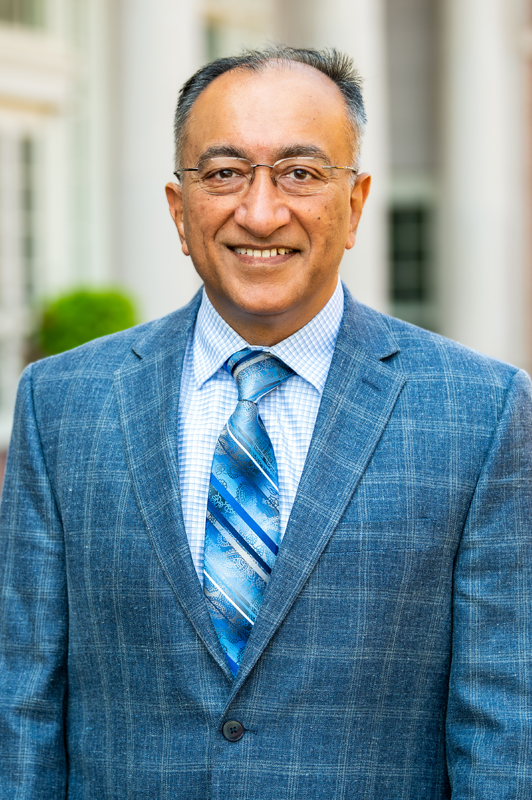
James E. Smay is a Professor and Head of the Materials Science and Engineering department at Oklahoma State University. He holds a Ph.D. in Materials Science and Engineering from the University of Illinois and a B.S. in Mechanical Engineering from Oklahoma State University. Ph.D. Materials Science and Engineering, University of Illinois B.S. Mechanical Engineering, Oklahoma State University Dr. Smay’s research focuses on colloidal assembly processes, particularly direct write manufacturing, to create novel devices. His work spans 3D printing of photonic band gap crystals , bone scaffolds , all-ceramic dental crowns , and metal-ceramic composites , leveraging colloidal gel inks with ceramic, metallic, and polymer particles in aqueous media. His publications highlight advancements in additive manufacturing , bioactive ceramics , rheological control of complex fluids , and sanitation engineering . Key trends include the application of direct printing to biomedical and photonic fields, alongside studies on emulsion stability and pathogen deactivation. The Smay lab is equipped for powder processing , advanced rheology , thermal treatment of ceramics/metals/polymers, and particle size/zeta potential measurements , supporting interdisciplinary research in sustainable manufacturing and biomedical materials.
Pradeep Lall is the MacFarlane Endowed Distinguished Professor and Alumni Professor in the Department of Mechanical Engineering at Auburn University’s Samuel Ginn College of Engineering. He serves as Director of the Auburn University Electronics Packaging Research Institute (EPRI) and holds a joint courtesy appointment in the Department of Electrical and Computer Engineering. A leader in flexible hybrid electronics and harsh environment systems, Dr. Lall has built a world-renowned research program focused on additive manufacturing, electronics reliability, and sustainable materials. Ph.D. in Mechanical Engineering, University of Maryland M.B.A. in Finance and Strategy, Northwestern University M.S. in Mechanical Engineering, University of Maryland B.E. in Mechanical Engineering, Delhi College of Engineering Dr. Lall’s research centers on Flexible Hybrid Electronics (FHE) , Harsh Environment Electronics , Semiconductor Packaging , and Prognostics Health Management . His work leverages additive manufacturing techniques such as Aerosol-Jet, InkJet, and screen printing to develop conformal, robust, and sustainable electronic systems. His innovations include the Flexible Biometric Band for monitoring workers in hazardous environments and additively printed antennas for aerospace applications. His recent focus includes eliminating PFAS from electronics and developing water-based inks for eco-friendly manufacturing. The 15 most recent publications reflect a strong trend toward sustainability , additive manufacturing , and real-world applications in defense, aerospace, automotive, and healthcare. His work bridges fundamental research with industrial realization, particularly through partnerships with NextFlex and federal agencies. Themes include reliability under shock and vibration, sensor development for extreme environments, and workforce training in advanced manufacturing. Dr. Lall has received numerous scientific honors, including: SMTA Founder’s Award (2024) SEMI FlexTech R&D Achievements Award (2023) ASME Avram Bar-Cohen Memorial Medal (2022) IEEE Biedenbach Outstanding Engineering Educator Award (2020) IEEE Sustained Technical Contributions Award (2018) NSF Alex Schwarzkopf Prize (2016) Fellow of ASME, IEEE, NextFlex, and Alabama Academy of Science Dr. Lall has secured over $2 million in annual research funding from SRC, NSF, and NextFlex, leading large-scale projects on sustainable electronics and workforce development. He mentors numerous graduate and undergraduate students and leads the NSF-CAVE3 Center. As founding faculty advisor of the SMTA student chapter, he promotes student engagement in electronics manufacturing. His lab, EPRI, features a full prototyping line for additive electronics and collaborates with industry and government to advance domestic manufacturing capabilities. EPRI, under Dr. Lall’s leadership, partners with the Auburn University Research and Technology Park, the Office of Economic Development, and multiple colleges to drive technology commercialization and workforce education in electronic packaging. The institute is at the forefront of the national effort to reestablish U.S. leadership in semiconductor packaging and advanced electronics manufacturing.
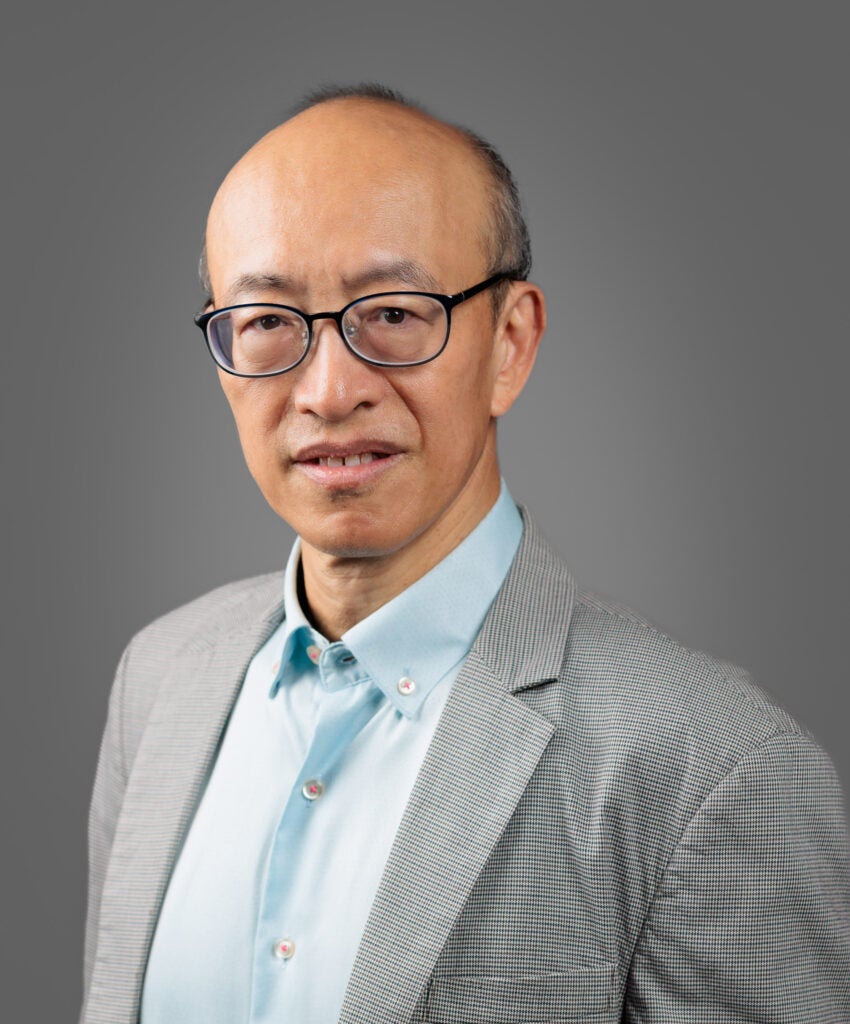
Professor Ding Jun is a faculty member in the Department of Materials Science and Engineering at the National University of Singapore's College of Engineering. His research spans additive manufacturing and nanomaterials with applications in energy, environment, and healthcare. Contact details include office location E2-03-17 and phone 65164317. His primary research interests include: Additive Manufacturing for multi-material and multi-functional devices Nanomaterials fabrication for energy harvesting/storage, water purification, and sensor development 3D printing of metals, ceramics, and graphene-based structures Analysis of his 10 most recent publications reveals strong focus on practical applications of 3D printing across energy storage (Li-O 2 batteries, water splitting), environmental remediation (air filters, water purification), and advanced manufacturing techniques (robocasting, metallization). Key technological themes include hierarchical porous structures, multi-material integration, and performance optimization at high current densities. No scientific awards were mentioned in the source material. Professor Ding teaches core materials engineering courses including MLE3203 Engineering Materials, MLE3111 Materials Properties & Processing Laboratory, MLE4212 Advanced Structural Materials, and MLE5301 Advanced Metallic and Ceramic Materials in Additive Manufacturing. No information on research grants or student supervision was provided. His work demonstrates strong integration between novel 3D printing methodologies and real-world environmental/energy applications, with particular emphasis on creating functional architectures for electrochemical systems and pollution control.
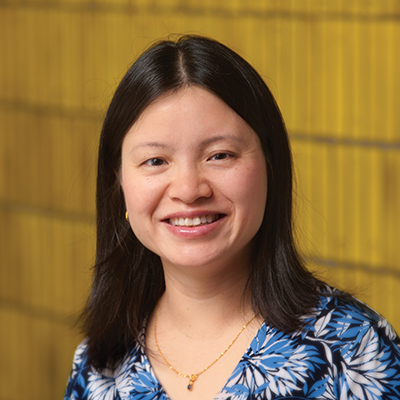
Amy Wagoner Johnson is a Professor in the Department of Biomedical and Translational Sciences at the Carle Illinois College of Medicine, University of Illinois Urbana-Champaign, with secondary appointments in Mechanical Science and Engineering. She leads the Applied Biomaterials and Biomechanics Lab (ABBL), conducting interdisciplinary research spanning bone tissue engineering, women's reproductive health, and coral reef restoration. Her educational background includes: Ph.D. in Materials Science from Brown University (2002) M.S. in Materials Science from Brown University (1998) B.S. in Materials Science and Engineering from The Ohio State University (1996) Professor Wagoner Johnson's research focuses on biomaterials and biomechanics, particularly: Developing multiscale bone scaffolds for trauma repair Investigating cervical biomechanics in pregnancy and preterm birth Creating coral settlement substrates for reef restoration Designing hydroxyapatite-based systems for stem cell delivery Her work integrates materials science, mechanical engineering, and clinical medicine to address critical challenges in tissue regeneration. Analysis of her recent publications reveals strong trends in translational biomaterials development, with increasing emphasis on women's health applications and marine ecosystem restoration. Her bone scaffold research has evolved toward multi-material systems with spatially graded architectures, while her reproductive health work increasingly employs advanced imaging techniques like second-harmonic generation microscopy. Her scientific honors include: Fellow of the American Institute for Medical and Biological Engineering (2021) Grainger College DEI Award (2022) Andersen Faculty Scholar (2020) Dean's Research Excellence Award (2018) As an educator, she has received multiple teaching awards including the Society of Women Engineers Outstanding Engineering Educator Award (2020) and multiple 'Teachers Ranked as Excellent' recognitions. She serves as MechSE Pre-Med Advisor and actively mentors undergraduate researchers, receiving the Campus Award for Guiding Undergraduate Research (2013). Her lab has secured significant funding for projects including NSF's 'Collaborative Research: ECO-CBET' and NIH-supported work on preterm birth mechanisms. The Applied Biomaterials and Biomechanics Lab maintains strong collaborations with veterinary medicine, surgery departments, and international partners including the NanoSciences Foundation in Grenoble, France. Current projects focus on developing tools to track inflammation in human tissue as Chan Zuckerberg Biohub Chicago Investigators.
Cecilia Persson is a Professor at Uppsala University in the Department of Materials Science and Engineering; Biomedical Engineering. She leads the BioMaterial Systems (BMS) research group within the Division of Biomedical Engineering, focusing on the development of new biomaterials through additive manufacturing. She also directs a Competence Centre in Additive Manufacturing for the Life Sciences and the national Research Technology Platform WISE Additive. 2018, Professor in Materials Science, Uppsala University 2015, Docent (Assoc. Prof.) in Engineering Science with Specialization in Materials Science, Uppsala University 2009, PhD in Mechanical Engineering, University of Leeds 2004, MSc in Materials Engineering, European degree (EEIGM) with triple diploma Persson's research focuses on biomaterials, biomechanics, materials science, and additive manufacturing. Her work takes an integrated approach to solving clinical and sustainability problems, combining materials science, mechanical and biological engineering with new technologies like 3D printing and machine learning. Key research areas include magnesium-based alloys for bone substitutes, titanium-based alloys for permanent implants, and machine learning methods to enhance manufacturing efficiency. Analysis of her recent publications shows a strong emphasis on additive manufacturing of biomaterials, particularly magnesium and titanium alloys. Her work explores microstructure control, mechanical properties optimization, antibacterial properties, and patient-specific implant design. The research demonstrates a clear trajectory toward more sustainable, patient-adapted medical solutions using advanced manufacturing techniques. Persson has received funding from prestigious organizations including the Swedish Research Council (VR), the Knut and Alice Wallenberg Foundation (KAW), the Swedish Foundation for Strategic Research (SSF), Sweden's Innovation Agency (VINNOVA), and the EU. As an academic leader, Persson has served as Section Dean of Engineering (2020-2023), President of the Scandinavian Society of Biomaterials (2019-2023), and Coordinator of EU Innovative Training Network NU-SPINE (2019-2023). Her BioMaterial Systems research group takes an integrated approach to solving clinical and sustainability problems, bridging fundamental scientific mechanisms with high societal relevance.
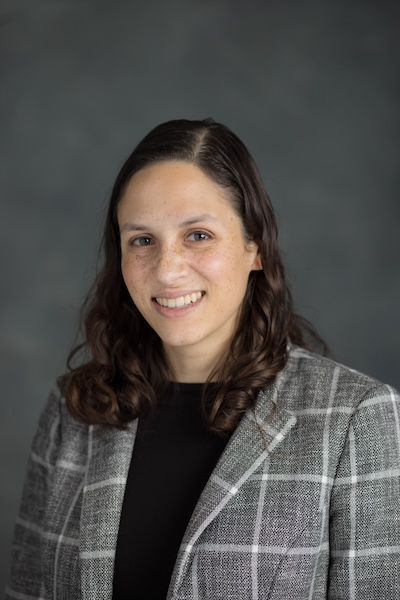
Ria D. Corder is an Assistant Professor in the Department of Chemical and Biomolecular Engineering at the University of Tennessee, Knoxville, housed within the Tickle College of Engineering. Her research focuses on the rheological characterization of complex materials, including soft tissues, polymers, and nanocomposites, with applications in biomedical engineering, sustainable materials, and additive manufacturing. Education: BS and MS in Chemical Engineering, University of Alabama (2014) PhD in Chemical Engineering, North Carolina State University (2020) Lillian Gilbreth Postdoctoral Research Fellow at Purdue University College of Engineering (2021–2023) Research interests span rheological studies of biological tissues, enzyme-assisted biomass processing, and the design of functional materials for 3D printing. Her work integrates experimental techniques with data-driven modeling to understand and optimize material behavior under mechanical and chemical stimuli. Key areas include drug delivery systems, tumor mechanics, and ceramic-polymer composites. Publications reflect a focus on rheology-driven insights into material behavior, covering topics from thermosensitive drug carriers to nonlinear flows in industrial and biomedical contexts. Recent studies emphasize interdisciplinary applications, such as enzyme-mediated tissue digestion and additive manufacturing challenges in ceramics. Notable awards include the prestigious Lillian Gilbreth Postdoctoral Fellowship (2021–2023). While her advising record is not detailed here, her postdoctoral mentorship and collaborative projects suggest active involvement in training early-career researchers. She contributes to grants focused on sustainable biomaterials and advanced manufacturing technologies. No specific labs or research teams are explicitly mentioned, though her work aligns with UT’s initiatives in bioengineering and materials innovation.
Johan Sidén is a Lecturer and Associate Professor at Mid Sweden University , employed in the Department of Computer and Electrical Engineering (DET) . His work focuses on RFID technology , antenna design , and printed/flexible electronics , with a particular emphasis on industrial IoT and welfare technology applications. Research Keywords : Radio Frequency Identification, Antenna Design, Flexible Electronics, Wireless Sensor Networks, Microwave Engineering, Electronic Design Key Projects : DRIVEN (data-driven industrial transformation), SmartArea (functional surfaces), Pressure (ulcer monitoring), MakeSense! (welfare technology) Publications : 15+ recent works on wearable antennas, smart packaging, UWB antenna design, and RFID sensor integration Collaborations include partnerships with industrial and academic institutions, focusing on sustainable electronics, sensor systems, and smart infrastructure. His technical expertise spans antenna optimization , printed circuits , and edge computing for harsh environments.
Pietro MAGARO' is a researcher (Assistant Professor equivalent) in the Department of Mechanical, Energy and Management Engineering at the University of Calabria. His academic focus is in Mechanical Design and Machine Construction, with particular expertise in materials science and mechanical engineering applications. His research interests span several key areas in mechanical engineering and materials science: Mechanical characterization of engineering materials at micro and macro scales Verification and design of complex structures Shape memory alloys and their applications Additive manufacturing and laser processing technologies Fatigue analysis and fracture mechanics Tribology and wear mechanisms Dr. MAGARO's recent publication record demonstrates his active research in shape memory alloys (particularly NiTi), additive manufacturing, fatigue analysis, and advanced materials. His work often involves multi-scale approaches to material characterization and structural analysis, with applications ranging from automotive to oil&gas sectors. His research combines both experimental and computational methodologies to address complex mechanical engineering problems. Dr. MAGARO' teaches courses in Mechanics of Materials, Machine Design, and Machine Elements for both Mechanical Engineering and Management Engineering programs. His teaching reflects his research expertise in mechanical design and materials science.
Shu Yang is the Joseph Bordogna Professor and Department Chair of Materials Science and Engineering at the University of Pennsylvania's School of Engineering and Applied Science. Her research spans multiple departments, with primary appointments in both Materials Science and Engineering and Chemical and Biomolecular Engineering. She directs the Yang Lab, which operates at the intersection of multi-materials synthesis, nano-/microfabrication, and device processing, backed by deep understanding of physical, mechanical and biological principles. Director, Center for Analyzing Evolved Structures as Optimized Products (AESOP) Principal Investigator, NSF NRT: Climate Action and Resilience for Extreme Urban Heat (CLIMATE-CARE) Member of the Engineering Research Visioning Alliance (ERVA) Professor Yang's research focuses on developing novel materials synthesis, assembly and eco-manufacturing of complex, multi-functional, nano- to macrostructured soft, sustainable materials and composites. Her lab addresses fundamental questions centered around surface/interface, actuation mechanisms, and structure-property relationships. Through directed assembly of oligomers, polymers, gels, colloids, liquid crystals, amphiphiles, and their composites with inorganic materials and biomolecules across nano- to macroscales, her team creates complex, multi-functional nano- and microstructures with unique surface, optical, and mechanical properties. Analysis of Professor Yang's recent publications reveals a strong trend toward environmentally responsive materials with applications in sustainability, water harvesting, carbon capture, and climate resilience. Her work increasingly integrates kirigami engineering principles with liquid crystal elastomers to create programmable, shape-morphing materials. The research shows a clear trajectory from fundamental materials science toward real-world applications addressing global challenges, particularly in climate action and sustainable infrastructure. Inaugural Nat Geo 33 Extraordinary Changemaker List 2022 Cozzarelli Prize from PNAS for Class III: Engineering and Applied Sciences Advanced Materials Hall of Fame collection recognition Multiple highly cited papers according to Web of Science Professor Yang's research group has secured significant funding for projects addressing climate change, sustainable materials, and advanced manufacturing. Her lab has developed numerous technologies with potential applications in coatings, adhesives, smart windows, displays, sensors, soft robotics, biomedical devices, dehumidifiers, and carbon-absorbing concrete. The Yang Lab maintains a strong mentoring record with numerous students and postdocs who have gone on to successful careers in academia and industry. Her group actively collaborates across disciplines, working with biologists, physicists, environmental scientists, and engineers to tackle complex challenges. The Yang Lab operates state-of-the-art facilities for materials synthesis, characterization, and fabrication. The lab is particularly known for its expertise in liquid crystal elastomers, kirigami engineering, and biomimetic materials. The group maintains strong industry partnerships and has filed multiple patents based on their research. Their facilities enable everything from molecular-scale synthesis to macro-scale manufacturing of functional materials, with particular strength in bridging these scales through innovative design principles.
David Salac, PhD, is an Associate Professor in the Department of Mechanical and Aerospace Engineering at the University at Buffalo, part of the School of Engineering and Applied Sciences. His research focuses on computational fluid dynamics, material systems with moving interfaces, numerical methods, directed self-assembly, and high performance computing. He holds a PhD and MS from the University of Michigan (2007) and a BS from Michigan Technological University (2002). Education: PhD in Mechanical Engineering, University of Michigan, 2007 MS in Mathematics, University of Michigan, 2007 BS in Mechanical Engineering, Michigan Technological University, 2002 His research interests span computational modeling of fluid-structure interactions, vesicle dynamics, and advanced material systems. He has developed numerical methods for partial differential equations and explored applications in biophysics and materials science. Recent work includes studies on microplastic transport, ceramic matrix composites, and membrane physics. Salac has received the NSF CAREER Award (2013) for his work on electrohydrodynamics of vesicles. His publications emphasize interdisciplinary approaches to fluid dynamics and materials science challenges. His advising and grants include contributions to NSF-funded research and collaborative projects in computational engineering. He maintains active research in labs focusing on computational mechanics and soft matter systems.
Brian J. Jaques is an Assistant Professor in the Micron School of Materials Science and Engineering at Boise State University, where he joined in 2009. He also serves as the director of the Boise State Advanced Materials Laboratory (AML) and holds a joint appointment with the Idaho National Laboratory (INL). His extensive institutional affiliations include being the Nuclear Energy Focus lead at the Center for Advanced Energy Studies (CAES) in Idaho Falls and serving as the Boise State program director for the Advanced Sensors and Instrumentation (ASI) with the INL. Boise State University - Micron School of Materials Science and Engineering Idaho National Laboratory (Joint Appointment) Center for Advanced Energy Studies (CAES) - Nuclear Energy Focus Lead (2019-2022) Boise State Advanced Materials Laboratory (Director) Dr. Jaques' research focuses on materials for extreme environments, energy materials, and nuclear enabling technologies. His primary interests include nuclear fuel synthesis, sensor design for nuclear applications, sintering processes, corrosion science, gas-solid reaction kinetics, mechanochemistry, particle science/powder synthesis, and mechanical behavior of materials. His work often intersects with additive manufacturing techniques for nuclear applications and advanced sensor development for in-pile (reactor core) environments. His research output shows a clear trend toward developing materials and sensors for nuclear applications, with increasing emphasis on additive manufacturing techniques since 2018. His recent publications demonstrate expertise in uranium dioxide and carbide fuels, zirconium-based materials for nuclear thermal propulsion, boron nitride coatings, and advanced strain sensing technologies for extreme environments. Dr. Jaques has received numerous scientific awards including: NSF S-STEM Scholar (2004) Advanced Fuel Cycle Initiative/Generation IV Fellow (2006) Outstanding Mechanical Engineering Student Award (2006) Professional Engineer license in Metallurgy and Materials Science (2011) Materials Science and Engineering Scholar Award (2015) He has been actively involved in significant research funding, serving as Co-PI on multiple Nuclear Energy University Program grants and National Science Foundation projects. His current work includes international collaborations to advance high uranium density fuels for Small Modular Reactors and developing additively manufactured sensors for nuclear applications. Dr. Jaques also contributes to educational initiatives including the REU Site on Advanced Manufacturing for a Sustainable Energy Future. His laboratory work centers around the Boise State Advanced Materials Laboratory (AML) and collaborations with the Idaho National Laboratory, focusing on developing novel sensors for in-pile applications that provide real-time, accurate, and spatially resolved information regarding test conditions and the performance of fuels and materials during irradiation.
Prof Arun Arjunan is a Professor in Research at the University of Wolverhampton , affiliated with the Faculty of Science and Engineering and the School of Engineering . He serves as the Director of the Centre for Engineering Innovation and Research (CEIR) and leads the Additive Manufacturing of Functional Materials (AMFM) research group. His roles span academic leadership, research, and teaching in advanced manufacturing and materials science. PhD in Structural Mechanics and Vibro-Acoustics (University of Wolverhampton, 2014) PgCert in Higher Education (2014) Senior Fellow of the Higher Education Academy (SFHEA, 2015) His research focuses on additive manufacturing of metamaterials , including auxetic structures, meta-biomaterials for tissue regeneration, infection-resistant implants, and acoustic metamaterials for noise control. He has pioneered the development of Herschel Quincke-Arjunan waveguides for passive noise cancellation. His work integrates numerical modeling, mechanical testing, and advanced fabrication techniques. His recent publications span biomedical engineering , sustainable materials , environmental technology , and energy systems , with a strong emphasis on 3D printing applications. Themes include personalized implants, water purification using natural coagulants, and sustainable manufacturing. His work demonstrates a multidisciplinary approach bridging engineering, biology, and environmental science. Vice Chancellor’s Award for Outstanding Contribution to Research (2020) UK Engineering Innovation Award (2021) THE ENGINEER UK Collaborate to Innovate Finalist (2021) Nominated for Blavatnik Awards (2019, 2020) GKN Award (2011) Senior Fellow, Higher Education Academy (2015) Arun actively supervises PhD students and has secured research grants from the UK Department of Transport (DfT) , Innovate UK , European Union (ERASMUS+) , and industrial partners. He previously served as Course Leader for Mechanical Engineering (BEng/MEng) and led TEF and NSS enhancements in the School of Engineering. He teaches advanced modules such as Advanced FEA and Applied Stress Analysis . He leads the AMFM Research Group and CEIR , fostering interdisciplinary collaboration with post-docs, research technicians, and PhD students. He is also a member of the BSI AMT/8 Additive Manufacturing standards committee and has served as an external examiner for the University of Greenwich.
Joel E. Cohen is the Abby Rockefeller Mauzé Professor at The Rockefeller University, where he leads the Laboratory of Populations. With over five decades of research experience, Cohen has pioneered innovative mathematical approaches to study biological populations and variability. His work bridges mathematics, biology, and environmental science, fundamentally changing how scientists understand population dynamics and the significance of biological variability. Dr. Cohen's research focuses on developing new mathematical tools to address population problems in demography, epidemiology, and ecology. He has made seminal contributions to the understanding of heavy-tailed distributions that describe extreme events like hurricanes and disease outbreaks, challenging traditional statistical approaches. His laboratory has conducted groundbreaking research on the spatial distribution of human populations in relation to geophysical factors, with unexpected practical applications ranging from soap formulation to semiconductor manufacturing. Cohen has also developed mathematical models for Chagas disease control in rural Argentina and created algorithms to predict international migration patterns. Analysis of Cohen's recent publications reveals a sustained focus on Taylor's law of fluctuation scaling, population dynamics, and ecological statistics. His work consistently demonstrates how abstract mathematical concepts can transform our understanding of biological systems, from cellular processes to global population trends. The research spans theoretical mathematics to practical applications in disease control, conservation biology, and environmental management. Olivia Schieffelin Nordberg Prize for excellence in writing in the population sciences (March 1997) Gheorghe Lazar Prize of Romanian Academy (December 2000) As director of the Laboratory of Populations, Cohen has led research on human population growth, infectious diseases, food webs, and international migration. His methods for assessing the uncertainty of population projections have been applied in court cases for predicting future claimants of asbestos-related diseases. Cohen's laboratory has collaborated with the United Nations Population Division on migration studies and developed mathematical models that account for more than half of the variability in annual migration numbers among 229 countries. Current research directions include understanding how demographic, economic, and cultural changes interact with Earth's physical, chemical, and biological environments. The Laboratory of Populations employs a multidisciplinary approach that combines mathematical modeling, statistical analysis, and field studies to address complex population issues. Their work exemplifies how basic quantitative research on populations frequently yields unexpected practical applications, demonstrating the profound connections between theoretical mathematics and real-world challenges in public health, environmental science, and resource management.
Irina T. Sorokina is a Professor of Physics and the head of the Laser Physics Group at the Norwegian University of Science and Technology (NTNU). Her research focuses on ultrafast laser technology, nonlinear optics, and mid-infrared laser applications. She has pioneered advancements in solid-state lasers, femtosecond pulse generation, and mid-IR laser applications in sensing, materials processing, and quantum computing. Prof. Sorokina is a Fellow of the Optical Society of America (2006) and recipient of the IEE Snell Premium Award (2004). She co-founded ATLA Lasers AS, an NTNU spin-off company. Her research interests include femtosecond laser writing, mid-IR laser development, and applications in materials processing, spectroscopy, and quantum technologies. Recent work explores ultrafast laser modification of silicon and ZnS crystals, energy scaling of mid-IR oscillators, and dissipative soliton dynamics. Key contributions include advancements in chirped-pulse amplifiers, subsurface material processing, and frequency comb generation. Awards: Fellow of OSA (2006), IEE Snell Premium Award (2004) Lab/Group: Laser Physics Group at NTNU Spin-off: Co-founder of ATLA Lasers AS Publications emphasize mid-IR laser systems, ultrafast processing techniques, and interdisciplinary applications spanning from quantum sensors to industrial manufacturing.
Professor Yulin Zhong is a faculty member at Griffith University's School of Environment and Science, specializing in Chemistry and Forensic Science. He holds a Professorship since 2025, previously serving as an ARC Future Fellow (2020–2024) and Senior Lecturer (2016–2019). His research focuses on electrochemical synthesis of nanomaterials, additive manufacturing for energy storage devices, and green materials engineering. Zhong has led numerous funded projects, including ARC grants totaling over $1.4M, and collaborates with institutions like the Queensland Micro and Nanotechnology Centre. He has supervised over 20 doctoral students and authored 111+ research outputs. Education: BAppSc Hons (2005) and PhD (2010) from National University of Singapore (NUS), followed by postdocs at Princeton University (2009) and MIT (2011–2012). Awards include the ARC Future Fellowship (2021), A*STAR Fellowship (2010), and Gold Medal for Outstanding PhD Thesis (2009). Research interests span nanomaterials, electrochemical energy storage, and wearable devices. Key contributions include scalable 2D material synthesis and 3D-printed energy components. His work aligns with Sustainable Development Goals 7 (Clean Energy) and 13 (Climate Action).