Bertrand VIGNERON is a Professor at the French School of Public Health (EHESP), teaching in the Institute of Management. His career spans biomedical engineering leadership roles at CH Elbeuf (1999-2015) and contractual engineering at CHU Amiens (1997-1999). He specializes in medical logistics, information systems, and project management, with a focus on Agile methodologies. Education: General Engineering Diploma (ENIB, 1996), Specialized Master's in Biomedical Equipment (UTC/EHESP, 1997), EEA License (University of Lille, 1993) Research interests include hospital technical platforms (operating rooms, imaging), healthcare information systems, medical supply chain optimization, and health safety protocols. He has developed international training programs in medical logistics across Ivory Coast, Congo, Algeria, Lebanon, Mongolia, and Vietnam. Key publications cover topics such as business intelligence in healthcare, endoscope sterilization, and radiology equipment digitalization. He has also contributed to national biomedical engineering guidelines and delivered oral presentations at major French medical engineering conferences.
Ruben Pauwels is an Associate Professor in the Department of Dentistry and Oral Health at Aarhus University, Denmark. As the strategic research coordinator of the 'Intelligent Systems' research theme, his work focuses on integrating artificial intelligence (AI) and deep learning into clinical workflows, particularly in medical imaging, radiation protection, and dental data science. His research spans applications like image enhancement, automated segmentation, lesion detection, and risk assessment for treatment planning, with a strong emphasis on cone-beam computed tomography (CBCT) and medical physics in dentistry. His educational background includes a PhD and MSc, and he actively contributes to interdisciplinary research involving multiple departments. Teaching activities align with his expertise, covering digital workflows and novel technologies in dental practice. Key research areas include biomedical image processing, machine learning in odontology, and biophysics. He has authored 118 publications, with recent work focusing on AI-driven medical imaging solutions and radiation protection standards. Notable contributions include the European consensus on patient contact shielding and organ-specific deep learning models for radiation dose calculation. Received awards such as the Bagger-Sørensen Young Researcher Award (2024) and ECMP Best Radiation Protection Presentation (2022). Active in professional networks: EMRA, EFOMP, and ITU/WHO/WIPO initiatives on AI in healthcare. Supervised students like B. N. de Freitas and R. J. Gonçalves da Motta in projects involving digital twin technology and mandibular canal labeling.
Maurizio Teli is an Associate Professor in the Department of Sustainability and Planning at Aalborg University, part of The Technical Faculty of IT and Design. His work focuses on participatory design, sustainable development, and computing for social good. He coordinates major projects such as Reworlding (Horizon Europe, 2024–2027) addressing socio-environmental challenges and EDUS (ERASMUS+, 2023–2026) developing training methodologies for sustainable education. Teli is affiliated with the AI for the People Centre, Danish Centre for Health Informatics, and Green Societies, emphasizing interdisciplinary collaboration. His research spans participatory design methodologies, sustainability transitions, and the role of technology in fostering commoning practices. Notable contributions include exploring non-human stakeholders in sustainable development and infrastructuring public history. Teli has authored over 70 publications, including book chapters and peer-reviewed articles in journals like interactions and Radiography . Advising and grants include leadership roles in 7 active projects totaling €10M+ funding. His work bridges academia and practice, with datasets like 'Community Radio Guidelines' (Zenodo, 2019) promoting accessible design practices. Teli’s labs and networks focus on digital sustainability, healthcare informatics, and participatory urban planning.
Ron Spronk is a Professor in the Department of Art History and Art Conservation at Queen's University. He holds a joint appointment as the Jheronimus Bosch Chair at Radboud University in the Netherlands. His research focuses on technical art history, particularly the application of digital imaging and material analysis to Early Netherlandish and Dutch Golden Age paintings. He has pioneered interdisciplinary projects such as the Bosch Research and Conservation Project and the Closer to Van Eyck online tool. Education: PhD, Groningen University (2005); earlier studies at Indiana University, Bloomington Professional Roles: Formerly at Harvard Art Museums (13 years); co-curator of major exhibitions like Bruegel, The Hand of the Master (2018) His research interests include technical examinations of paintings using X-radiography and infrared reflectography, with a focus on artists like Van Eyck, Bosch, and Mondrian. He is establishing QU-MoLTAH, a mobile lab for technical art history at Queen's. Notable awards include the 2002 College Art Association Award for Mondrian: The Transatlantic Paintings and the 2007 George Wittenborn Memorial Book Award for Prayers and Portraits . He collaborates extensively with conservators and conservation scientists on projects such as the Ghent Altarpiece restoration. His advising and grants include leadership in interdisciplinary museum collaborations. He is a key figure in digital humanities initiatives, including the Inside Bruegel web application. Labs/Teams: QU-MoLTAH (Queen’s University Mobile Laboratory for Technical Art History), Bosch Research and Conservation Project.
Kurt Jonny Johansen is a Senior Lecturer and Study Program Manager for the Radiography BSc program at UiT The Arctic University of Norway . Based in Tromsø, he works in the Department of Radiography within the Institute of Health Sciences (IHO). His research interests span: Medical imaging safety protocols Nuclear medicine education E-learning technologies in healthcare training Emergency radiography Environmental impact assessment on aquatic species Recent publications highlight his work in MRI safety checklists, PET radiopharmaceutical development, and virtual teaching tools for radiography. While no specific awards are listed, his collaborations with researchers like Richard Fjellaksel and Helen Egestad demonstrate his active engagement in both educational and applied research. As a member of the Research Group Acute and Critically Ill , he contributes to healthcare research at UiT's MH East U9.130 facility.
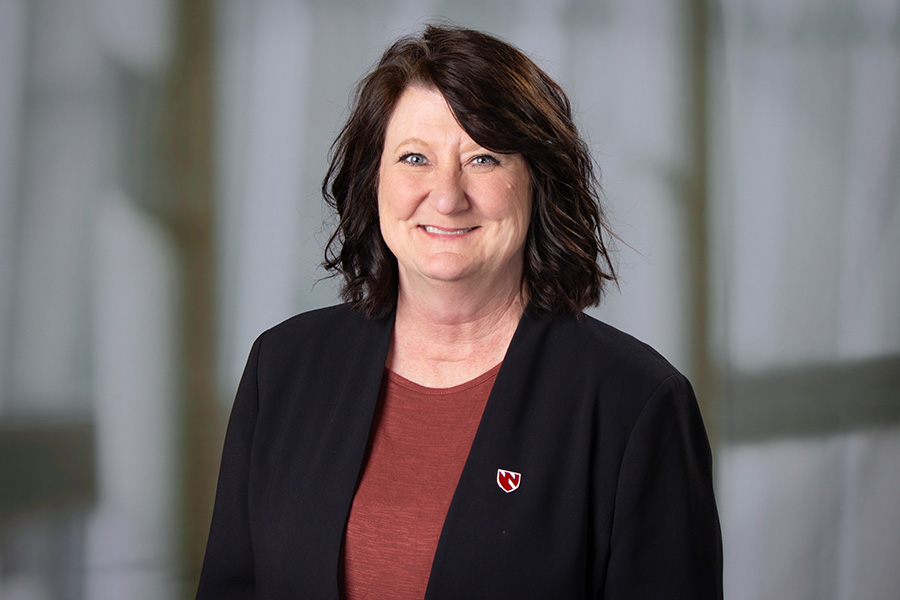
Lisa Bartenhagen is a Professor and Charles R. O'Malley Endowed Chair in the Department of Clinical, Diagnostic, & Therapeutic Sciences at the University of Nebraska Medical Center (UNMC). She serves as Program Director for the Radiation Therapy program and chairs the department, roles she has held since 2000. Her academic background includes a BS in Biology (University of Nebraska-Lincoln, 1990), BS in Radiography/Radiation Therapy (UNMC, 1993), and MS in Radiation Science Education (Midwestern State University, 2005). She is ARRT-certified in Radiography and Radiation Therapy. Her research focuses on educational methodologies in healthcare, including flipped-classroom models, e-learning platforms, and interprofessional collaboration. She also investigates patient education in oncology and occupational health risks for healthcare workers exposed to radiation. Notable work includes studies on redox dysregulation in radiation-exposed professionals and anxiety mitigation strategies for head and neck cancer patients. Bartenhagen's contributions to medical education reform include pioneering the use of virtual learning environments and 3D printing in radiation therapy training. Her programmatic leadership has emphasized quality improvement in oncology care and adherence to accreditation standards like ASTRO's APEx. She maintains active roles in UNMC's College of Allied Health Professions and collaborates with clinical and academic teams across the institution. Endowed Position: Charles R. O'Malley Endowed Chair Key Contributions: Developed Therapy Physics Education in a Virtual Learning Environment and Flipped-Classroom Medical Physics Course Labs/Teams: Oversees the Radiation Therapy Program and collaborates with the Department of Clinical, Diagnostic, & Therapeutic Sciences on interdisciplinary initiatives.
Dr. Andrew Kingston is a Postdoctoral Fellow in the Department of Materials Physics at the Australian National University, where he contributes to the X-ray tomography and applications research group. His work focuses on advancing imaging technologies with applications across materials science, geology, and potentially medical fields. Dr. Kingston's research spans X-ray tomography, computed tomography, ghost imaging, and digital image processing. He has developed novel techniques for high-fidelity X-ray micro-tomography and image reconstruction algorithms that address challenges in image quality, radiation dose reduction, and complex material analysis. His work bridges theoretical developments with practical applications in materials characterization and geological analysis. Analysis of Dr. Kingston's publication trend shows consistent innovation in X-ray imaging technologies, particularly in ghost imaging techniques and micro-tomography. His work demonstrates increasing sophistication in handling beam hardening effects, motion correction, and spectral information extraction, reflecting the evolving complexity of modern imaging challenges. Dr. Kingston actively collaborates with researchers across multiple institutions, contributing to the advancement of X-ray imaging methodologies. His work with the X-ray tomography and applications group at ANU has produced significant contributions to the field, particularly in developing methods that improve image quality while addressing practical constraints like radiation exposure and computational efficiency.
Dr. Lauren Stewart serves as Associate Professor and Director of the Structural Engineering and Materials Laboratory (SEML) at Georgia Tech's School of Civil and Environmental Engineering. She holds the Williams Family Professorship and serves as Associate Chair for Graduate Programs. Her leadership encompasses a 18,000-square-foot facility housing blast, shock, and impact research capabilities with specialized equipment including servo-controlled hydraulic actuators and overhead cranes. Education: B.S. in Structural Engineering, University of California, San Diego (2004) Ph.D. in Structural Engineering, University of California, San Diego (2010) Dr. Stewart's research pioneers experimental methods for structural response to extreme hazards, with national recognition as one of the top blast researchers in the US. Her work spans blast engineering (steel columns, CLT panels, UHPC systems), mechanical shock (ROOSTER apparatus development), seismic resilience , and infrastructure durability (ASR mitigation, concrete preservation). Current projects address ballistic timber applications, UHPC retrofits, and blast-resistant construction with military relevance. Her interdisciplinary approach integrates computational mechanics with large-scale physical testing. Her research portfolio demonstrates consistent focus on protective structures and infrastructure resilience, with recent publications emphasizing timber-based ballistic systems, ASR damage detection, and UHPC applications. The work bridges military needs (CLT for temporary construction) and civilian infrastructure challenges (bridge deck longevity). Scientific Awards: National Defense Science and Engineering Graduate Fellow 2017 Rising Star in Structural Engineering CEE Excellence in Research Program Development Award (2017) NSF/NDSEG Fellowship mentor for students Dr. Stewart actively mentors military-affiliated scholars, with advisees including LTC Kate Sanborn (first woman to lead USACE Hawaii District) and LTC Marc Sanborn. Her research program has secured over $773k in recent grants including Wood Innovations Grants ($200k+) for CLT military applications and GDOT contracts for concrete durability. She directs the CEE London program taking students to structural landmarks in London, Edinburgh, and Paris. As SEML Director, she oversees Georgia Tech's blast testing capabilities including the Blast, Shock, and Impact Laboratory. Her team collaborates with USACE, ERDC, West Point, and ARL on force protection research, with recent projects focused on rapid-deployment timber structures and high-g shock measurement systems.
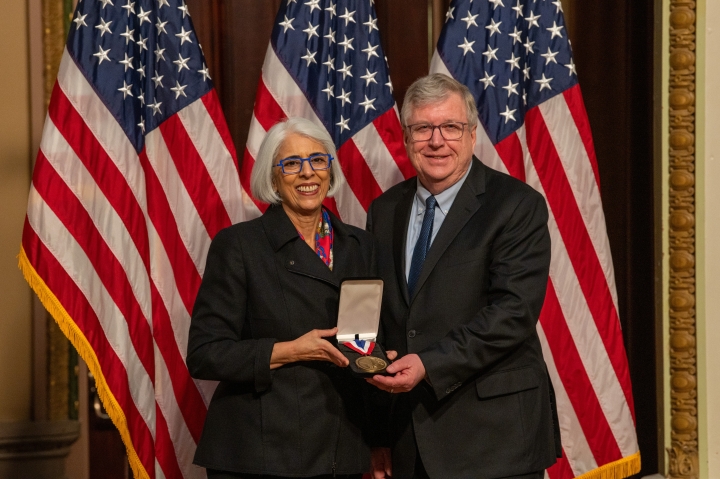
Eric R. Fossum is the John H. Krehbiel Sr. Professor for Emerging Technologies at the Thayer School of Engineering at Dartmouth College. He serves as Vice Provost for Entrepreneurship and Technology Transfer and Director of Dartmouth's PhD Innovation Program. As one of the world's leading experts in solid-state image sensors, he invented the CMOS active pixel sensor technology that revolutionized digital imaging in smartphones, medical devices, and automotive systems. His work has earned him numerous accolades, including the National Medal of Technology and Innovation (2025) and the Queen Elizabeth Prize (2017). His research interests focus on: Solid-state image sensors (CCDs, CMOS active pixel sensors, Quanta Image Sensors) Advanced imaging systems and on-chip processing New applications for image sensors in medicine, security, and space Dr. Fossum's recent publications demonstrate significant advancements in: Photon-counting sensors for low-light applications High-speed imaging for microscopy and radiography Backside-illuminated and sub-diffraction-limit pixel designs Quantum random number generation using sensor technology Infrared spectral extension of CMOS sensors His scientific awards include: National Medal of Technology and Innovation (2025) Queen Elizabeth Prize for Engineering (2017) IEEE Andrew S. Grove Award (2009) Induction into National Inventors Hall of Fame (2011) Emmy Award for Technology & Engineering (2021) Doctor of Science, Honoris Causa from Trinity College (2014) As an entrepreneurial leader, Dr. Fossum has: Co-founded Gigajot Technology with former PhD students Previously led Photobit and Siimpel Corporations Active participant in technology transfer initiatives at Dartmouth Founder and Past President of the International Image Sensor Society
Professor Jianping Lu is a leading academic at the University of North Carolina at Chapel Hill, affiliated with the Department of Physics and Astronomy within the College of Arts and Sciences. His work focuses on advancing medical imaging technologies, particularly in X-ray and computed tomography (CT) systems, with a strong emphasis on carbon nanotube (CNT) X-ray sources. He holds a Ph.D. in Physics from the City University of New York (1988). Education: Ph.D. in Physics, City University of New York, 1988 Research Interests: Development of novel imaging systems, including stationary tomosynthesis and multisource CBCT Optimization of X-ray technology for clinical applications (e.g., oncology, cardiology, dentistry) Integration of artificial intelligence (AI) for diagnostic accuracy and automated analysis Portable and low-cost medical imaging solutions Recent Work Trends: His 2025 publications highlight advancements in AI-driven diagnostics for pancreatic cancer, improved contrast in adaptive radiation therapy, and stationary chest tomosynthesis systems. Key innovations include low-cost dual-energy CBCT and carbon nanotube-based X-ray arrays, which enhance image quality while reducing radiation exposure. His 2024 studies further explore cardiac imaging, dental tomosynthesis, and system optimizations for clinical adoption. Awards: None explicitly listed in the provided text. Advising & Grants: While student advisees are not listed, his research is likely supported by grants focusing on medical imaging innovation. Collaborations span physics, engineering, and clinical departments to bridge technical and clinical challenges. Labs/Teams: Likely affiliated with UNC’s imaging research groups, particularly those developing CNT X-ray technologies and clinical imaging systems for cancer and cardiovascular applications.
Professor Paul White is a distinguished academic at the University of the West of England (UWE Bristol), serving as Professor of Applied Statistics within the Faculty of Engineering and Technology's Department of Engineering, Design and Mathematics. His work focuses on applying statistical methods to benefit society (ASBOS), with particular emphasis on collaborative research across UWE's applied and life sciences departments and with the National Health Service (NHS). Dr. White holds a BSc, MSc, and PhD, though specific institutions are not mentioned in the provided text. His academic journey has established him as a leading figure in applied statistics education and research methodology. Professor White's research spans multiple domains of applied statistics, with particular expertise in quantitative research methods, research methodology, sample size determination, and the design and analysis of experiments. He maintains a strong ethical focus in quantitative research while applying his skills to medical statistics and multivariate statistics. His work often intersects with healthcare applications, as evidenced by his involvement in clinical trials and medical research collaborations. A notable initiative he co-founded is the DARK ARTS (Design And Research Knowledge for Analysis of Randomised Trials) group, which focuses on advancing methodologies for randomized trials. His extensive publication record shows a clear trend toward interdisciplinary collaboration, particularly in healthcare applications of statistics. The most recent articles demonstrate expertise in clinical trials methodology, medical statistics, and psychological interventions. Many publications involve randomized controlled trials across diverse areas including eating disorders, body image interventions, respiratory medicine, oncology, and obstetrics. This reflects his commitment to 'Applying Statistics for the Benefit of Society' (ASBOS) through rigorous quantitative methods. Professor White is actively involved in mentoring students and colleagues, describing himself as 'a willing coach or mentor.' His teaching portfolio is diverse, including courses on 'GANSTA's' (Good At Numbers and STAts) for mathematics students, quantitative methods for healthcare programs, and professional development courses through the UWE Graduate School. He expresses particular interest in developing new statistical techniques using stochastic simulation and welcomes potential PhD students to collaborate on these research programs. Among his collaborative efforts, the DARK ARTS initiative stands out as a significant research group focused on randomized trials methodology. This team, which includes Dr. Caterina Gentili, Dr. Jason Anquandah, and Dr. Deirdre Toher, represents a concentrated effort to advance statistical approaches to clinical research design and analysis.
Dr. Pratik Shah is an Assistant Professor in the Department of Pathology at the University of California, Irvine (UCI) School of Medicine. He leads a cutting-edge research group focused on translational artificial intelligence and biomedical technologies to advance diagnostic imaging, uncover biological mechanisms, and enable clinical deployment of digital therapeutics. Institution: University of California, Irvine School: School of Medicine Department: Department of Pathology Academic Rank: Assistant Professor Email: pratik.shah@uci.edu Dr. Shah's research lies at the intersection of computational medicine, artificial intelligence, and biomedical imaging. His work emphasizes developing interpretable and explainable AI systems that enhance model effectiveness, safety, and clinical utility. Key research areas include generative AI for nondestructive histopathology, deep learning for medical image analysis, AI-driven clinical decision support for infectious diseases, and multimodal imaging for biological insights. His lab is dedicated to creating equitable and responsible technologies to improve diagnosis and treatment of cancer, infectious diseases, and neurological disorders. The recent publications highlight a strong trend in applying deep learning to digital pathology, particularly in computational staining and tumor detection from non-stained images. There is a consistent focus on developing interpretable AI tools for medical image segmentation, with applications in cancer diagnostics, sepsis detection, and dental imaging. The research spans from foundational AI methods to clinical validation, showing a trajectory toward regulatory science and real-world deployment of AI in healthcare. MIT NEWS feature on computational staining research SPIE publication selected for Deep-Dive spotlight session SPIE publication selected for oral presentation IEEE BioInformatics and BioEngineering publication selected for oral presentation Dr. Shah has mentored a diverse group of students and postdoctoral associates, including PhD candidates in Mechanical Engineering at MIT and undergraduate researchers in Electrical Engineering and Computer Science. His trainees have contributed to high-impact publications in journals like JAMA Network and conferences like IEEE EMBC. He has fostered collaborations with institutions including Stanford, UCSF, and the FDA, indicating strong research outreach and interdisciplinary partnerships. His lab has received recognition through media features and conference selections, reflecting the significance and innovation of his work in AI for healthcare. Dr. Shah leads a multidisciplinary research team comprising postdoctoral associates, graduate students, research staff, and student researchers, primarily focused on machine learning and medicine. The lab has strong ties to MIT, where much of the prior research was conducted, and maintains collaborations with clinical and engineering experts across the US.
Carlos Vázquez is a Professor at the Department of Software Engineering and IT, École de technologie supérieure (ÉTS). He holds a B.Eng. and M.Sc. from ISPJAE, Cuba, and a Ph.D. from INRS, Montreal. His research focuses on computer vision, medical imaging, 3D reconstruction, and immersive video technologies. He co-leads the Summit Tech Research Chair in Immersive and Interactive Video and is affiliated with the Multimedia Research Laboratory (LABMULTIMEDIA) and the Open Innovation Laboratory in Health Technologies (LIO-ÉTS). His expertise includes stereoscopic imaging, multi-view video coding, and GPGPU programming. Notable research axes are software systems, multimedia, cybersecurity, and health technologies. He has supervised numerous doctoral and master’s theses, including works on 3D spine reconstruction, personalized femur modeling, and immersive video compression. Key contributions include advancements in medical imaging analysis, 3D reconstruction from biplanar radiographs, and efficient video coding for virtual reality. His work bridges clinical applications and engineering, with implications in surgical planning, patient rehabilitation, and multimedia systems optimization.
Enes Ayan serves as a Doctor Lecturer in the Department of Computer Engineering at Kirikkale University's Faculty of Engineering and Natural Sciences, where he has maintained continuous academic affiliation since his 2014 appointment as Research Assistant. His career trajectory includes completing both master's (2015) and doctoral degrees (2019) in Computer Engineering at the same institution following his 2013 bachelor's graduation from Süleyman Demirel University. Education Bachelor's: Computer Engineering, Süleyman Demirel University (Isparta), 2013 Master's: Computer Engineering, Kirikkale University, 2015 Doctorate: Computer Engineering, Kirikkale University, 2019 Research Focus Dr. Ayan's work centers on deep learning applications across three primary domains: medical imaging (specializing in dental diagnostics, radiology, and endoscopy), security systems (weapon detection and traffic monitoring), and agricultural technology (crop pest classification). His research bridges theoretical AI advancements with practical healthcare solutions, particularly through explainable AI frameworks for dental caries detection and pneumonia diagnosis. Publication Trends Analysis of his 15 most recent publications (2020-2025) reveals intensifying specialization in dental AI applications (60% of 2024-2025 output), with significant contributions to caries detection under prostheses and tooth numbering systems. Concurrently, his work maintains strong threads in security-focused computer vision (UAV-based traffic analysis, weapon detection) and agricultural AI, demonstrating methodological versatility through genetic algorithm optimizations and ensemble CNN architectures. Professional Context No information regarding student supervision, research grants, laboratory facilities, or scientific awards appears in the source materials. His academic progression from Research Assistant to Doctor Lecturer indicates standard career advancement within Kirikkale University's engineering faculty without notable interruptions.
Dr. Bob Mahmoodi serves as a Lecturer in the Department of Electrical and Computer Engineering at the University of St. Thomas School of Engineering, where he has taught for 10 years since 2012. Concurrently, he holds an adjunct instructor position at the University of Minnesota's Electrical and Computer Engineering department for 35 years. His industry background includes over 30 years at 3M in R&D focused on wireless RFID and biometric sensors, plus three years at Honeywell developing airborne radar systems. His educational qualifications include: PhD in Electrical Engineering and Control Sciences from the University of Minnesota MS in Electrical Engineering from the University of Minnesota BS in Electrical Engineering from the University of Minnesota Dr. Mahmoodi's research spans wireless communication, digital signal processing, control systems, medical instrumentation sensors, and FPGA/IC design. His work integrates analog/digital systems with applications in biometric security and image compression. Current teaching focuses on Electronics I laboratories, Engineering Design Clinic II, and graduate-level Digital Signal Processing coursework emphasizing machine learning applications. His publication history from 1981-2013 reveals consistent innovation in image enhancement algorithms and radar signal processing, with increasing specialization in medical imaging after 1984. Key thematic developments include the transition from military radar applications to medical/biometric systems and the evolution of real-time processing techniques for commercial printing technologies. Dr. Mahmoodi holds seven U.S. patents covering image enhancement (1986, 1994), projection displays (2006), and oil quality monitoring systems (2012-2013). His professional service includes IEEE Twin Cities Chapter chairmanship (1989-1990), IS&T Conference chairmanship (1991), and ACR-NEMA standards committee membership for image compression. As an active design clinic instructor, he mentors student teams in industrial problem-solving through the Senior Design Clinic program. His industry experience directly informs classroom instruction, particularly in sensor integration and system modeling applications. Laboratory development for electronics courses leverages his 3M/Honeywell background in practical circuit design.