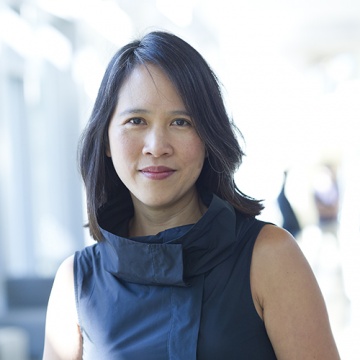
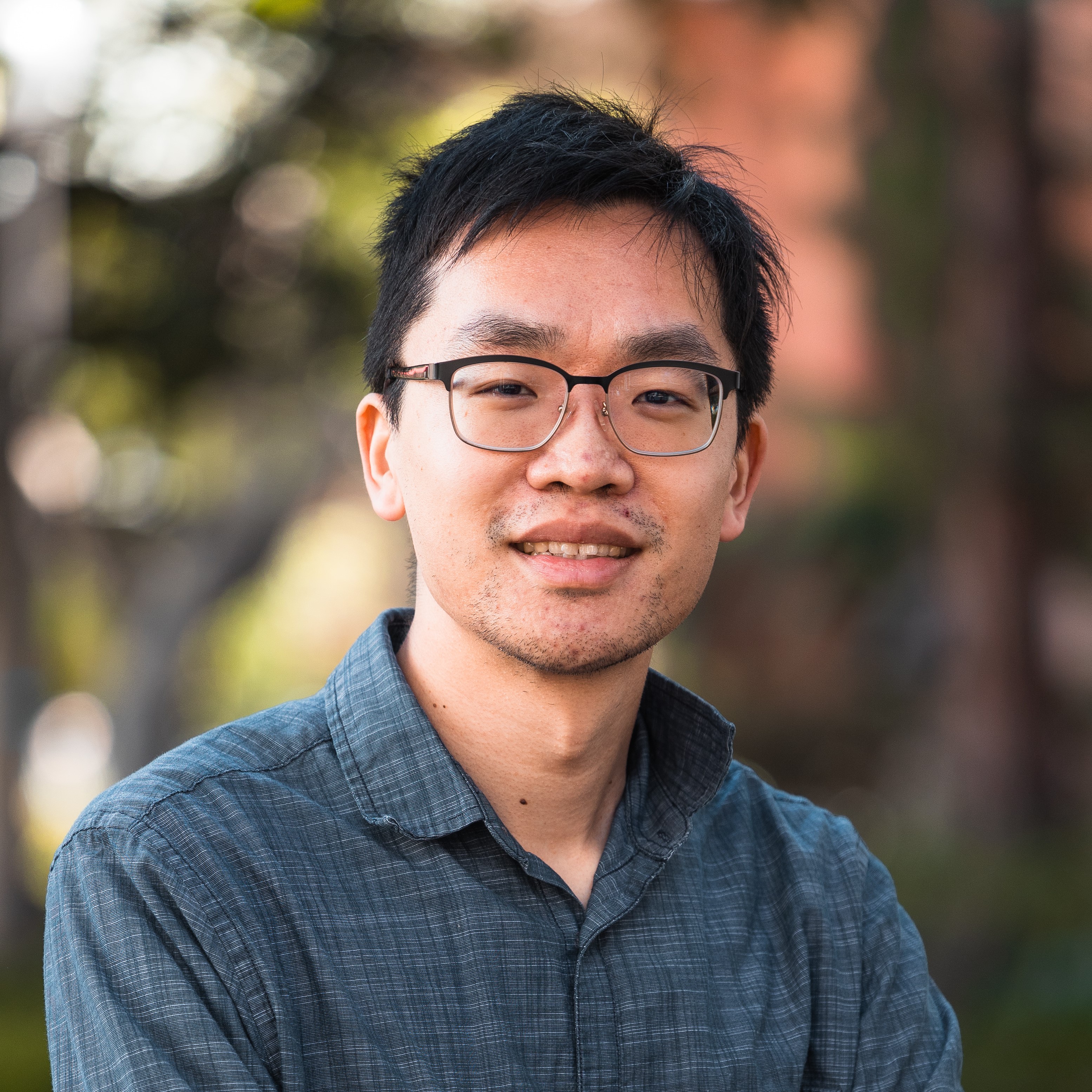
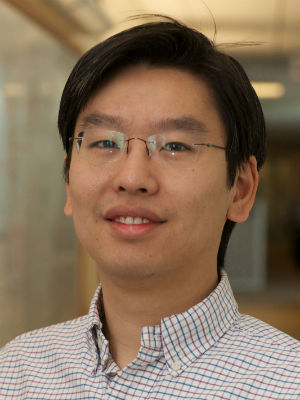
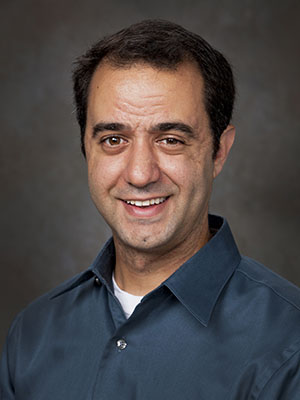
Lily L. Tsai is the Ford Professor of Political Science at the Massachusetts Institute of Technology (MIT) and founder/director of the MIT Governance Lab (MIT GOV/LAB). She previously chaired the MIT Faculty and focuses her research on governance, accountability, and political participation in developing contexts, particularly Asia and Africa. Her research explores how decentralization, democratic reforms, informal institutions, and economic development influence public goods provision. She also investigates the dual impacts of social capital and civil society on political outcomes, and analyzes political behavior in authoritarian and transitional systems through surveys, interviews, and field experiments. Recent publications span topics including collective governance, vaccine compliance in Uganda, anticorruption strategies in China, and the role of informal institutions in rural China. Tsai’s work appears in journals like American Political Science Review and World Development . Dogan Award for best book in comparative research (2007-08) She leads interdisciplinary projects such as the Compass Initiative (SHASS Education Innovation Fund) and The Science of Respect with MIT’s Brain and Cognitive Sciences department. MIT GOV/LAB, which she founded in 2014, emphasizes real-time empirical collaboration between researchers and practitioners to address governance challenges.
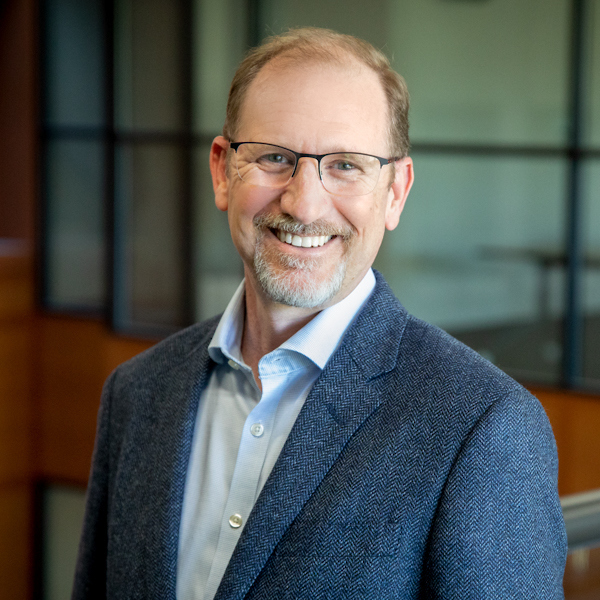
David Williamson Shaffer is the Sears Bascom Professor of Learning Analytics and Vilas Distinguished Achievement Professor of Learning Sciences at the University of Wisconsin-Madison's Department of Educational Psychology. He is also a Data Philosopher at the Wisconsin Center for Education Research. His work focuses on merging statistical and qualitative methods to model complex human collaboration. Shaffer holds an AB in History and East Asian Studies from Harvard University (1987), and MS/PhD in Media Arts and Sciences from MIT (1996/1998). Before academia, he was a teacher, curriculum developer, and game designer. His research emphasizes Quantitative Ethnography —a methodology combining big data analysis with cultural interpretation. Key contributions include Epistemic Network Analysis (ENA) and over 250 publications, including influential books like How Computer Games Help Children Learn (2006) and Quantitative Ethnography (2017). Awardees of the EU Marie Curie Fellowship (2008) and Spencer Foundation Fellowship (2003), Shaffer's work has been presented globally at conferences like Learning Analytics & Knowledge and Computer Supported Collaborative Learning. His interdisciplinary approach bridges education, data science, and humanities, addressing challenges in authentic STEM experiences, collaborative learning analytics, and culturally responsive pedagogy.
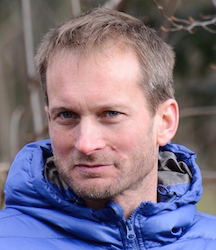
Tomaso Aste is a Professor of Complexity Science at the Department of Computer Science, University College London (UCL). He founded the Financial Computing and Analytics group and co-founded the UCL Centre for Blockchain Technologies. His work bridges complex systems, data science, and finance, with applications in blockchain, fintech, and market modeling. Education: PhD in Physics (Politecnico di Milano, 1994); Laurea in Physics (University of Genoa, 1990) Prior Appointments: Reader at University of Kent's School of Physics; Associate Professor at Australian National University's Applied Mathematics His research focuses on data-driven modeling of complex systems , particularly financial systems, complex networks, and statistical physics. He has pioneered information filtering networks and topological machine learning methods for financial applications, including portfolio optimization, risk assessment, and cryptocurrency analysis. Recent publications highlight his expertise in financial time-series analysis, blockchain technology, and AI-driven modeling. Articles explore topics like limit order books, cryptocurrency market fragility, and topological neural networks. His work has influenced regulatory technology (RegTech) frameworks and digital economy strategies. Scientific Awards : Marie Curie Individual Fellowship University of Genoa graduate study specialization Fellowship Bacheflor Boncompagni-Ludovisi Foundation Fellowship Awarded fellowships from European Commission and academic foundations support his interdisciplinary research. He has held editorial roles at journals like Philosophical Magazine and Granular Matter , and contributed to professional societies including American Physical Society and Australian Research Council panels. Teaching & Academic Leadership : Co-created four UCL Master's programs: Financial Risk Management, Computational Finance, Financial Technologies, Emerging Digital Technologies Coordinates executive training on AI, blockchain, fintech, and regtech for regulators and private firms Teaches graduate-level courses in Data-Driven Modeling, Data Science, and Advanced AI
Pascal Frossard is a Full Professor at the Department of Electrical Engineering in the School of Engineering (STI) at EPFL, with a courtesy appointment in the School of Computer and Communication Sciences. He founded and directs the LTS4 laboratory since 2003, co-leads the EPFL AI Center and Swiss Data Science Center, and serves as Associate Dean for Research at STI. Research Focus: Machine Learning, Graph Signal Processing, AI Applications in Healthcare, Computer Vision Academic Leadership: IEEE Fellow, ELLIS Fellow, Conference Chair roles Key Projects: Digital Pathology for Oncology, Cardiac Digital Twins, Robust Machine Learning Research Interests: His work bridges signal processing, machine learning, and applied mathematics, emphasizing biomedical applications. Recent research includes adversarial robustness in classifiers, network representation learning, and 360-degree video analysis. Scientific Awards: IEEE Fellow ELLIS Fellow Leadership in IEEE technical committees Advising & Grants: Supervised 20+ PhD students and postdocs. Secured major grants from PHRT, Hasler Foundation, FNS-Sinergia, Armasuisse, Google, and Cisco.
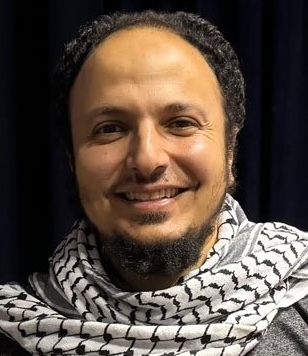
Walid Magdy is a Professor at the School of Informatics, The University of Edinburgh, where he is a faculty member at the Institute for Language, Cognition and Computation (ILCC). He holds a PhD from Dublin City University's School of Computing and has been a faculty fellow at The Alan Turing Institute. With substantial industry experience, he has worked for Qatar Computing Research Institute (QCRI), Microsoft, and IBM, where he filed nine patents. His research spans computational social science and natural language processing. In computational social science, he focuses on social content analysis, political bias detection, polarization, and users' behavior analysis/prediction, with particular attention to understudied communities. His natural language processing work centers on social applications including sentiment analysis, sarcasm detection, and hate-speech identification, with specialized expertise in Arabic and its dialects as well as Persian. Professor Magdy's recent publications demonstrate a consistent focus on Arabic language processing and social media analysis, with growing attention to cultural factors in NLP systems. His work bridges computational methods with social science questions, particularly regarding misinformation, cultural differences in online behavior, and the impact of platform policies on diverse linguistic communities. He has expanded his research to include Persian language processing and continues to explore social dynamics across different cultural contexts. His significant contributions have been recognized with multiple awards: Best Demo Award for TwiXplorer at CSCW 2024 Outstanding Paper Award at ACL 2024 Best Paper Award Runner-up at SocInfo 2022 Best Paper Award at WANLP-EMNLP 2022 Best Paper Award at AIRS 2015 Best Dataset Award at ICWSM 2013 Professor Magdy serves as an editor for Springer's Social Network Analysis and Mining journal and has held leadership roles in major conferences including ACL 2023, ArabicNLP 2023, ICWSM 2022, and ASONAM 2022. He has co-organized numerous shared tasks focused on Arabic language processing and social media analysis, contributing significantly to community resources and benchmarks. He founded and directs the Social Media Analysis and Support for Humanity (SMASH) research group at the University of Edinburgh, which has organized the Summer School in Computational Social Science (SICSS-Edinburgh) in 2022, 2023, and 2025, training researchers in computational social science methodologies.
Robin Jia is an Assistant Professor in the Thomas Lord Department of Computer Science at the University of Southern California (USC) , where he leads the AI, Language, Learning, Generalization, and Robustness (Allegro) Lab . His research focuses on enhancing the reliability and robustness of large language models (LLMs) through mechanistic understanding, benchmarking under distribution shifts, and neurosymbolic integration. Key affiliations include collaborations with the USC Keck School of Medicine and contributions to legal frameworks like the EU's Digital Services Act. Robin's research spans multiple domains, including: Scientific analysis of LLM capabilities in in-context learning , data memorization , and numerical reasoning Advancements in robust NLP systems , emphasizing uncertainty estimation and calibration Development of methods combining LLMs with symbolic solvers for complex reasoning tasks Interdisciplinary applications in medicine and law , such as privacy-preserving synthetic data generation and medical misconception evaluation . His recent publications (2024-2025) address Fourier-based numerical embeddings (NeurIPS), neurosymbolic planning (NAACL), and multimodal benchmarking (COLM), with a strong emphasis on privacy , fairness , and transparency . Scientific awards include the Google Research Scholar Award (2023) , SoCalNLP Symposium Best Paper Awards , and ACL/EMNLP outstanding papers . He advises PhD students like Johnny Wei and Ameya Godbole, and has secured grants from the NSF , USC-Capital One , and USC-Amazon .
Arti Singh is an Assistant Professor in the Department of Agronomy at Iowa State University. Her research focuses on plant breeding, soybean diseases, genomics, and phenomics, with a strong emphasis on integrating artificial intelligence and high-throughput technologies into agricultural systems. She leads projects involving AI-driven disease identification, precision agriculture, and crop improvement strategies. Her expertise includes developing machine learning models for real-time weed and insect classification (e.g., WeedNet and InsectNet), deploying drones and ground robots for crop phenotyping, and leveraging genomic data to map traits like flowering time and disease resistance in legumes. Singh collaborates on initiatives like the AIIRA Institute for Resilient Agriculture and the BioTrove biodiversity dataset. Singh’s work spans plant stress phenotyping, digital twin technologies for plant sciences, and multi-sensor phenotyping for early disease detection. Her research bridges computational methods with traditional agronomy, aiming to enhance crop resilience and sustainability in the face of environmental challenges. Her recent projects include optimizing robotic navigation for precision agriculture, improving soybean yield estimation via video analysis, and dissecting genetic architectures of traits in mungbean and soybean using GWAS and genomic tools. She actively contributes to conferences and publishes in high-impact journals, advancing both foundational and applied aspects of agricultural science.
Rhonda Goldman is a Full Professor in the Clinical Psychology Department at The Chicago School of Professional Psychology in Chicago, Illinois. She is a licensed Clinical Psychologist in Illinois and runs her private practice, Emotion-focused Therapy, Chicago, where she sees both couples and individuals. Dr. Goldman is a founding board member of the International Society of Emotion-focused Therapy and serves as President of the Emotion-focused Therapy Institute. Dr. Goldman earned her academic credentials from York University in Toronto, Ontario, Canada, receiving her Bachelor of Arts in 1987, Master of Arts in 1991, and Doctor of Philosophy in Clinical Psychology in 1997. She taught at the Illinois School of Professional Psychology for 22 years before transitioning to her current position at The Chicago School of Professional Psychology following the closure of the Illinois School. Dr. Goldman is a leading expert in Emotion-Focused Therapy (EFT), a therapeutic approach that integrates elements of client-centered therapy, Gestalt therapy, and modern emotion theory. Her research focuses on EFT for couples, emotional processes, empathy, vulnerability, depression, case formulation, and self-soothing. She has authored six texts on EFT and two professional videos published by the American Psychological Association. Dr. Goldman teaches graduate courses in Humanistic and Experiential Psychotherapy, Psychotherapy Seminars, and Emotion-Focused Therapy, emphasizing the importance of emotional processing in therapeutic change. Dr. Goldman's publications demonstrate a consistent focus on advancing Emotion-Focused Therapy through both theoretical development and practical application. Her work spans individual therapy, couples therapy, case formulation, and therapist training, with recent emphasis on adapting EFT for online delivery. Her research shows how emotional awareness and processing serve as central mechanisms of change in psychotherapy, with applications across various clinical issues including depression and relationship distress. Dr. Goldman is actively involved in professional organizations that support the development and dissemination of Emotion-Focused Therapy. She serves as a founding board member of the International Society for Emotion-focused Therapy, past-president of the Society for the Exploration of Psychotherapy Integration, Action-Editor for the Journal of Person-centered and Experiential Psychotherapies, and member of the Society for Psychotherapy Research. As an educator and clinician, Dr. Goldman has mentored numerous professionals in the field of psychotherapy. She travels internationally conducting training workshops for mental health professionals in Emotion-focused therapy for Couples and Individuals across Europe, Asia, and North America. Her work bridges research and practice, emphasizing the importance of emotional processing in therapeutic change while maintaining a strong commitment to evidence-based practice. Dr. Goldman co-founded the Emotion-focused Therapy Institute (EFTI), which facilitates and fosters training and educational opportunities for psychologists and therapists interested in incorporating EFT into their professional practices. Through EFTI and her international workshops, she has created a global community of practitioners dedicated to advancing Emotion-Focused Therapy.
Harris H. Wang is an Associate Professor in the Department of Systems Biology and Department of Pathology and Cell Biology at Columbia University's Vagelos College of Physicians and Surgeons, where he also serves as Interim Chair of Systems Biology. He is affiliated with the Center for Computational Biology and Bioinformatics (C2B2) and the Integrated Program in Cellular, Molecular and Biomedical Studies (CMBS). B.S., Physics and Mathematics, MIT Ph.D., Biophysics, Harvard University Dr. Wang's research lies at the intersection of systems and synthetic biology, focusing on developing foundational technologies for genome engineering, microbiome manipulation, and synthetic genomics. His lab pioneers methods such as MAGE, MAGIC, CAST, and CAMII to enable high-throughput genetic manipulation, in situ microbiome engineering, and AI-driven microbial culturomics. Key research themes include understanding microbial community dynamics, engineering cellular memory systems, designing biocontained genetic circuits, and applying synthetic biology to human health challenges in personalized medicine and infectious disease. His recent publications reveal a strong trend in spatial and functional metagenomics, CRISPR-based microbiome editing, and synthetic biology tools for data storage and genetic stability. The articles span high-impact journals like Nature , Science , and Nature Biotechnology , reflecting his leadership in developing scalable, programmable biological systems. Scientific Awards: NIH Director’s Early Independence Award Forbes 30 Under 30 in Science Sloan Research Fellowship NSF CAREER Award ONR Young Investigator Award Burroughs Wellcome Fund PATH Award Schaefer Scholar Blavatnik National Award Vilcek Prize PECASE Dr. Wang has advised numerous PhD and postdoctoral researchers, many of whom have gone on to independent scientific careers. His lab is supported by major grants from NIH, NSF, DARPA, DOE, and foundations including the Bill & Melinda Gates Foundation and CZ Biohub NY. He is actively involved in educational initiatives, including organizing Columbia’s iGEM team and the Cold Spring Harbor Laboratory Synthetic Biology course. The Wang Lab is based at the Columbia University Irving Medical Center and is part of national consortia such as the Engineering Biology Research Consortium (EBRC) and the Genome Project-Write (GP-Write) initiative. The lab develops and applies cutting-edge technologies in automation, machine learning, and synthetic biology to engineer microbiomes for applications in medicine, global health, and climate change.
Dr. Kaya de Barbaro is an Associate Professor in the Department of Psychology at the University of Texas at Austin (College of Liberal Arts). She holds a Ph.D. from the University of California San Diego. Her research focuses on bridging computer science and developmental/clinical psychology, particularly maternal mental health and infant social-emotional development. She directs the Daily Activity Lab, which uses mobile/wearable sensors and machine learning to analyze real-world interactions, aiming to develop just-in-time interventions for new mothers. Key research areas include maternal-infant dynamics, physiological synchronization, and the impact of environmental chaos on development. She has pioneered methods for analyzing high-density data, such as Granger causality and machine learning algorithms to detect behaviors like crying and holding. Recent work emphasizes leveraging ecological momentary assessment surveys and 24-hour LENA audio recordings to understand proximal mechanisms of development. Dr. de Barbaro teaches Psychology 333D (Introduction to Developmental Psychology) and has developed curricula for both in-person and online formats. She is actively involved in training students through the Eureka program at UT Austin. Her lab collaborates on tools like chatbots for postpartum mental health and has published extensively on sensor-based methodologies in developmental science.
Bobak Mortazavi is an Associate Professor in the Department of Computer Science & Engineering at Texas A&M University. His research focuses on medical analytics, machine learning, wearable sensors, and cyber-physical systems. He leads interdisciplinary projects in healthcare technology, including AI-driven diagnostics and predictive modeling for cardiovascular diseases. He has received notable awards such as the Best Demonstration Award at IEEE EMBS 2012 and the Best Paper Award at the Fourth International Conference on Data Analytics 2015. His work bridges machine learning with clinical applications, emphasizing practical solutions for healthcare challenges. Recent research includes developing AI tools for aortic stenosis detection, electrolyte estimation via ECG, and real-time patient monitoring systems. He collaborates with industry and academic partners to advance telemedicine and wearable health technologies. Key contributions include the SMART-LV project for smartphone-based cardiac diagnostics and the ArterialNet framework for blood pressure reconstruction using wearable sensors. His work is published in top journals like IEEE Journal of Biomedical and Health Informatics and Elsevier's Pervasive and Mobile Computing.
Dr. Laura Channing serves as Assistant Professor in Economic History within the Department of History at Durham University, concurrently holding roles as Department Representative and Fellow of the Durham Research Methods Centre. Her academic foundation includes a History degree from King's College London, followed by an MPhil in Economic and Social History (2017) and PhD in History (2021) from the University of Cambridge. Distinguished appointments include the Jane Eliza Procter Fellowship at Princeton University (2019-2020), Economic History Society Anniversary Fellowship at the Institute of Historical Research, and Visiting Fellowship at LSE's Department of Economic History. Channing's research pioneers interdisciplinary analysis of West African economic development from the 19th-20th centuries, specializing in colonial taxation systems, labor dynamics, and living standards. Her methodological innovation integrates qualitative archives with newly digitized quantitative sources from British and African repositories, currently culminating in a monograph on taxation-representation relationships in West African colonies. Recent publications reveal consistent focus on fiscal governance within composite colonial states and African agency in humanitarian frameworks. Jane Eliza Procter Fellow at Princeton University Economic History Society Anniversary Fellow at the Institute of Historical Research Her teaching expertise in African and Economic History, demonstrated during LSE appointments, complements active contributions to the Durham Research Methods Centre's interdisciplinary initiatives in historical methodology and data analysis.
Dr. Camila Aquino serves as Assistant Professor in both the Department of Clinical Neurosciences and Department of Community Health Sciences at the University of Calgary's Cumming School of Medicine, and is a Full Member of the Hotchkiss Brain Institute. As Medical Director of the Deep Brain Stimulation Program, she specializes in Parkinson's disease, essential tremor, dystonia, and chorea management, including EMG-guided botulinum toxin injections. Her educational background includes: M.D. in Medicine from Escola Superior de Ciencias da Santa Casa (2005) M.S. in Neurosciences from Federal University of Sao Paulo (2012) Ph.D. in Neurosciences from Federal University of Sao Paulo (2019) M.S. in Health Research Methods, Clinical Epidemiology from McMaster University (2020) Dr. Aquino's research addresses unmet needs in movement disorders through innovative clinical trial designs for Parkinson's disease, focusing on precision-medicine approaches, early intervention, and outcome optimization. She actively evaluates neuromodulation therapies including Deep Brain Stimulation, Spinal Cord Stimulation, and MRgFUS, with emphasis on expanding indications and improving patient outcomes. As an International Parkinson and Movement Disorder Society member, she chairs the web-based learning committee and serves on evidence-based medicine and outcome measure committees. Analysis of her 15 most recent publications (2021-2025) reveals a cohesive research trajectory centered on Parkinson's disease management, with dominant themes in motor fluctuation treatments, deep brain stimulation methodology, and clinical trial innovation. Her work bridges fundamental clinical practice guidelines with advanced neuromodulation technologies, demonstrating consistent commitment to evidence-based solutions for movement disorders. Her scientific recognition includes: Parkinson Canada research grant Mohammed Al Zaibak Foundation scholarship CAPES scholarship from Brazilian Ministry of Education Dr. Aquino has secured significant research funding supporting clinical trials in Parkinson's disease neuroprotection and neuromodulation therapies. While specific student advisees aren't listed, her leadership of the DBS Program and active clinical trial portfolio indicate substantial mentorship responsibilities. Her grant portfolio emphasizes translational research with direct clinical impact. She directs the University of Calgary's Deep Brain Stimulation Program and contributes to the MRI-guided focused ultrasound initiative. Through her International Parkinson and Movement Disorder Society committee roles, she shapes global educational standards and evidence-based practices in movement disorders.
Tijana Gajić is a researcher at Singidunum University in Belgrade, Serbia. She holds a Ph.D. in Philology (2020), an MA in English Language and Literature (2009), and a BA in the same field (2007) from the University of Belgrade. Her work focuses on the intersection of language education, digital tools, and critical pedagogy. Doctoral Studies: Philology , University of Belgrade (2017-2020) Master Studies: English Language and Literature , University of Belgrade (2008-2009) Bachelor Studies: English Language and Literature , University of Belgrade (2003-2007) Dr. Gajić’s research explores the impact of digital technologies on language acquisition, critical thinking development, and the sociopolitical dimensions of English language learning. She has published extensively on mobile applications like Duolingo, HelloTalk, and WordUp, analyzing their efficacy in modern pedagogy. Her recent publications (2024-2025) examine digital tools’ influence on language education, critical pedagogy in Serbian classrooms, and AI-driven language learning innovations. Earlier works (2020-2016) established her expertise in tandem learning, vocabulary enhancement via apps, and affective factors in language acquisition. Notable collaborations include partnerships with researchers like N. Maenza , A. Gagić , and J. Nikolić . While no specific grants or awards are mentioned, her involvement in conferences such as Sinteza and ELTA Serbia underscores her active role in advancing language education. Her 2022 book, Nastava stranih jezika i razvoj kritičkog mišljenja u eri neoliberalizma , synthesizes her critical pedagogy framework. Current projects likely continue her focus on digital transformation in language teaching.
Professor Maria Craig is a distinguished academic and researcher at the University of New South Wales, Faculty of Medicine & Health, specializing in childhood diabetes research. She holds a prominent position as a Professor with extensive contributions to the field of pediatric endocrinology and diabetes, particularly focusing on type 1 diabetes in children. Professor Craig's educational background includes: MB BS from the University of Melbourne MMedSc(ClinEpid) from the University of Newcastle PhD from the University of Sydney FRACP (Fellow of the Royal Australasian College of Physicians) Professor Craig's research primarily focuses on childhood diabetes, with special emphasis on prediction and prevention of type 1 diabetes. She has a significant interest in the association between viruses and type 1 diabetes, collaborating with the Virology Research Group at Prince of Wales Hospital (POWH). Together with Professor Bill Rawlinson, she leads the viral theme for the multicentre ENDIA study (endia.org.au). As principal investigator for the CoRD trial, she is conducting a world-first phase 1 study using autologous cord blood for prevention of type 1 diabetes in children with islet autoimmunity. Additionally, she serves as principal investigator for the Australasian Diabetes Data Network (ADDN). Her research portfolio also encompasses the epidemiology of various forms of childhood diabetes (type 1, type 2, cystic fibrosis related diabetes and monogenic diabetes) and diabetes complications, in collaboration with Professor Kim Donaghue at the Children's Hospital at Westmead. Professor Craig's extensive publication record, including over 361 journal articles, demonstrates her leadership in advancing our understanding of childhood diabetes. Her recent work shows increasing focus on early detection methods, risk prediction models, technological interventions for diabetes management, and the complex interplay between viral infections and autoimmune diabetes development. She has been instrumental in developing clinical practice guidelines through her role as co-editor of the International Society for Pediatric and Adolescent Diabetes (ISPAD) guidelines. Professor Craig has received numerous prestigious awards recognizing her contributions to pediatric endocrinology and diabetes research: Australian Paediatric Endocrine Group Young Investigator's Award (1997) Asia Pacific Paediatric Endocrine Society Clinical Teaching Award (2008) Lifetime Honorary Member, Caring and Living as Neighbours (2013) Australian Diabetes Society Jeff Flack Diabetes Data Award (2019) Australian Paediatric Endocrine Group Norman Wettenhall Award for Research and Innovation (2019) Throughout her career, Professor Craig has demonstrated exceptional leadership in professional societies, having served as former president/treasurer of the Australasian Paediatric Endocrine Group (APEG) and currently as Scientific Convenor of the Asia Pacific Paediatric Endocrine Society Fellows school. Her work with the ENDIA study and Australasian Diabetes Data Network represents significant collaborative research efforts involving multiple institutions across Australia and internationally. Her principal investigator roles for major studies indicate substantial research funding support. Professor Craig leads several important research initiatives including the ENDIA study, the CoRD trial, and the Australasian Diabetes Data Network. These programs involve multidisciplinary teams of researchers, clinicians, and support staff working collaboratively to advance understanding and treatment of childhood diabetes. Her work at the intersection of virology and diabetes represents a unique and innovative approach to understanding the environmental triggers of type 1 diabetes.