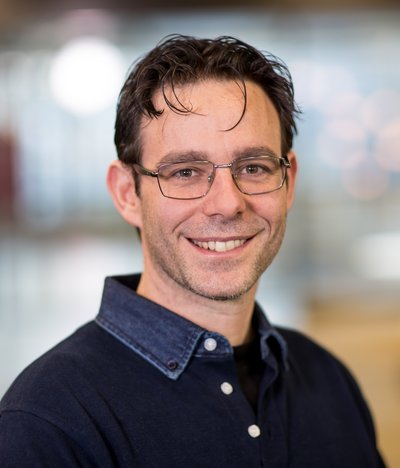
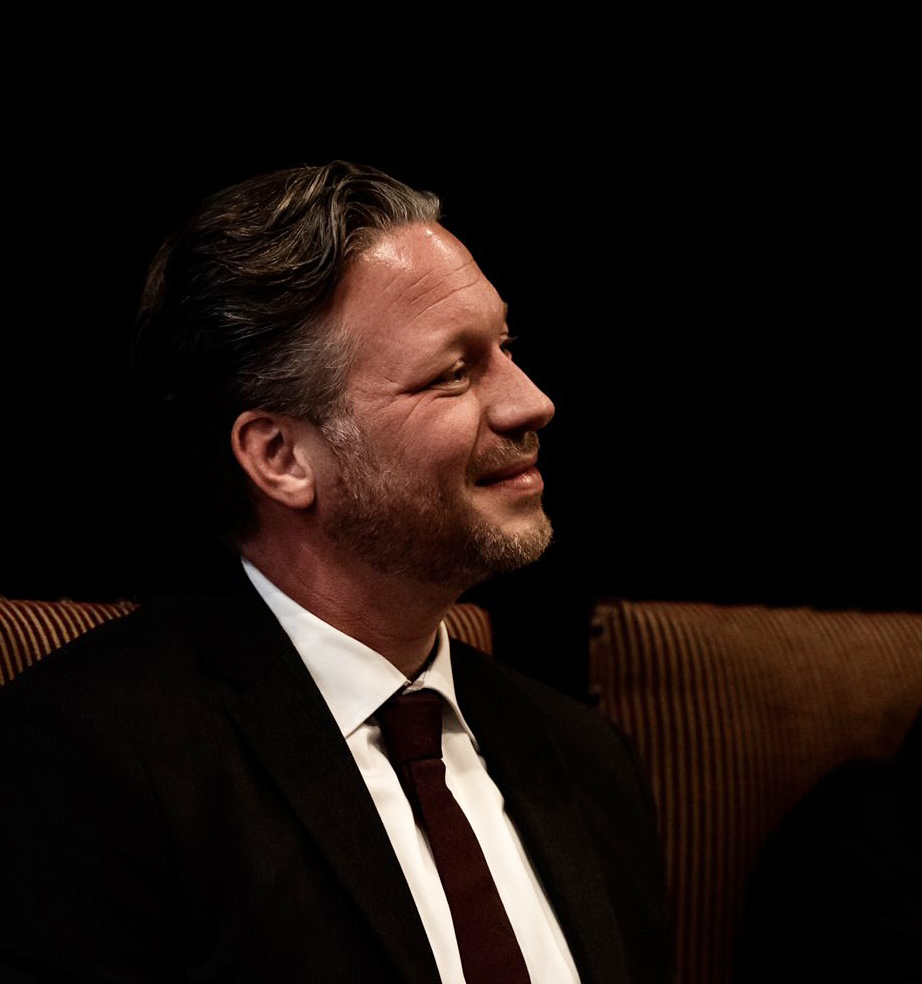
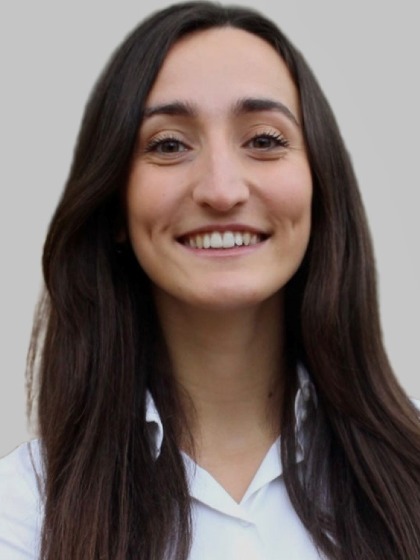
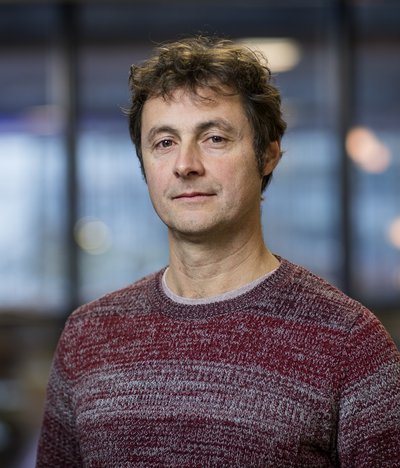
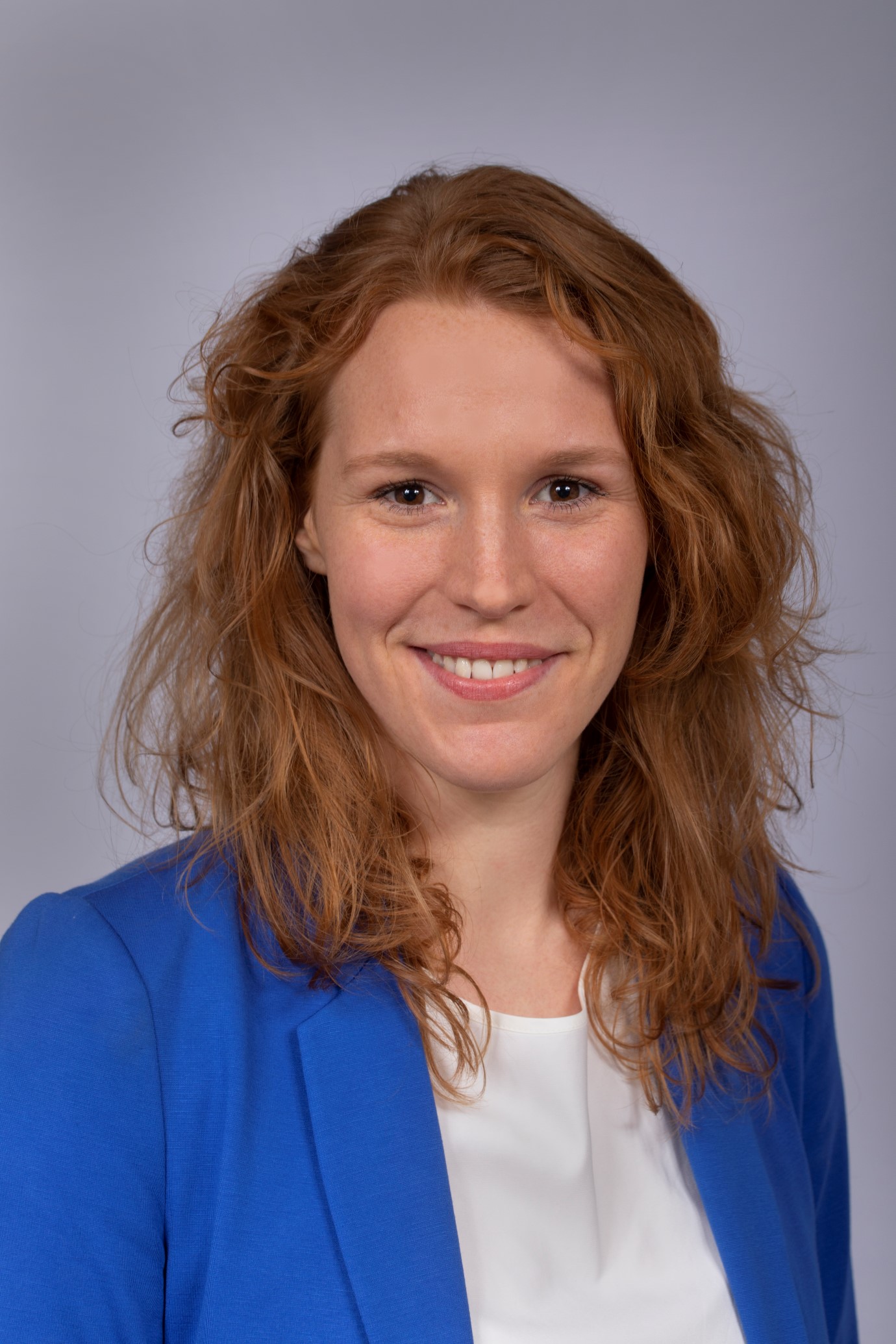
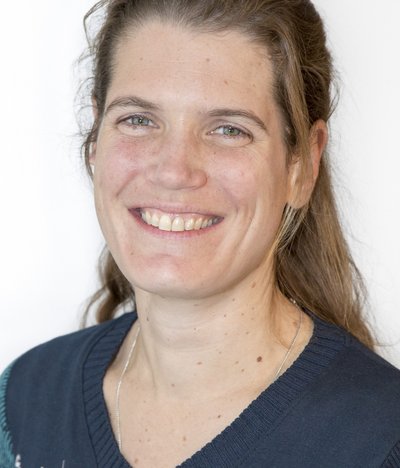
Massimo Mischi is a Full Professor at the Faculty of Electrical Engineering of the Eindhoven University of Technology (TU/e) and chairs the Signal Processing Systems (SPS) Division , the largest division at TU/e with over 250 researchers. He founded the Biomedical Diagnostics (BM/d) Lab in 2012, which now includes 180 researchers and clinical/industrial advisors, focusing on biomedical signal processing for diagnostics and monitoring.
Anna Vilanova is a Full Professor in Visual Analytics at the Department of Mathematics and Computer Science, Eindhoven University of Technology (TU/e), and is associated with the Electrical Engineering department's Signal Processing Systems. Previously, she served as Associate Professor at TU Delft (2013-2019) and Assistant Professor at TU/e (2002-2013). Her research focuses on Visual Analytics for high-dimensional data , explainable AI , and biomedical applications including Diffusion Weighted Imaging, 4D Flow, and Pangenomics. Education: Doctorate in Computer Graphics & Visualization (2001) Master in Computer Science (1997), Universitat Politècnica de Catalunya Research Highlights: Vilanova leads work on Visual Analytics systems for biomedical data, with recent publications in Diffusion MRI modeling , Tractography visualization , Explainable AI frameworks , and Pangenomic variant analysis . Her work bridges dimensionality reduction , uncertainty visualization , and medical imaging applications. Scientific Contributions: NWO-Veni grant (2005): "Visualization of global tensor information for diffusion tensor imaging" NWO-Aspasia grant (2013) Best Poster Award EuroVis (2025) Best Demo/Poster Awards (2022) Leadership & Service: Vilanova serves on the IEEE VIS Steering Committee , was EUROGRAPHICS President (2019-2022), and contributes to conferences like IEEE Visualization and EG-EuroVis . She co-founded the EAISI Health research initiative at TU/e.
Melissa Hooijmans is an Assistant Professor at the Vrije Universiteit Amsterdam, affiliated with the Faculty of Behavioural and Movement Sciences and the Physiology department. She also holds a position in the AMS - Ageing & Vitality research group. Her research focuses on advancing MRI techniques for studying muscular dystrophies, skeletal muscle biology, and sports-related injuries. Key areas include diffusion tensor imaging, magnetic resonance imaging applications, and muscle fiber analysis. Her work integrates clinical and biomechanical perspectives, with recent studies on Becker muscular dystrophy, hamstring injury recovery, and exercise physiology. She actively contributes to interdisciplinary collaborations and has published extensively in peer-reviewed journals like NMR in Biomedicine and the Journal of Magnetic Resonance Imaging. Dr. Hooijmans teaches advanced courses such as Master Research Projects and Functional Anatomy, emphasizing hands-on research training for graduate students. She leads initiatives in compositional and functional MRI methodologies, aiming to improve diagnostic precision and therapeutic strategies for muscle-related disorders.
Jordan Boyle is an Assistant Professor in the Department of Sustainable Design Engineering at the Faculty of Industrial Design Engineering, Delft University of Technology (TU Delft). He is affiliated with the Materializing Futures Section, where he conducts research in robotics, bio-inspired systems, swarm intelligence, and human-robot interaction. Academic Background: PhD in Computer Science, University of Leeds – focused on neuro-mechanical control of locomotion in C. elegans . MSc and BSc (Hons) in Electrical Engineering, University of Cape Town. Prior academic experience at the University of Leeds as Research Fellow, Lecturer, and Associate Professor over 12 years. Research Interests: Dr. Boyle’s research centers on robotics with a strong emphasis on bio-inspired design. His work spans swarm intelligence , multi-robot systems , human-robot interaction , and robotic fabrication . He also specializes in designing experimental apparatus for pre-clinical and engineering applications. His interdisciplinary approach integrates mechanical design, control systems, and AI for real-world deployment in construction, medicine, and infrastructure. Publication Trends: His recent publications (2022–2024) demonstrate a clear trajectory toward bio-inspired autonomous systems applied in construction and medical imaging. Key themes include swarm robotics for construction, MRI trajectory correction with robotic components, and locomotion mechanisms inspired by biological systems. These works reflect strong interdisciplinary collaboration, particularly with biomedical and mechanical engineering teams. Teaching: Product Engineering (2024, 2025) Advanced Product Engineering (2024, 2025) Scientific Affiliations and Activities: Visiting Researcher, School of Mechanical Engineering, University of Leeds (2022–2026) Advising and Grants: While no formal students or specific grants are listed in the provided text, Dr. Boyle has supervised research projects and collaborated across disciplines, particularly in medical and civil engineering applications. His role in designing experimental apparatus indicates active involvement in grant-funded interdisciplinary research. Labs and Research Groups: He is part of the Materializing Futures Section within Sustainable Design Engineering, which likely operates in conjunction with TU Delft’s broader design and robotics labs, though specific lab names are not mentioned.
Frank Erik de Leeuw is a Professor of Cerebrovascular Disease at the Department of Neurology, Radboud University Medical Center (Radboudumc), affiliated with the Faculty of Medical Sciences. He is also a Principal Investigator at the Donders Institute for Brain, Cognition and Behaviour and the Donders Community for Medical Neuroscience. Clinically, he is a vascular neurologist specializing in cerebrovascular diseases, particularly in young stroke patients and cognitive consequences of cerebrovascular disorders. His research focuses on the causes and consequences of cerebral small vessel disease, white matter lesions, and microbleeds using neuroepidemiology, neuroimaging, and neuropsychology. He leads major studies such as the RUNDMC study (since 2006), FUTURE study (since 2009), and ODYSSEY study (since 2013). Awards include the ZonMW VIDI Grant (2012) and the European Neurological Society Research Award (2004). His work bridges clinical observations with applied research, aiming to improve patient outcomes through large cohort studies and clinical trials. As an associate editor of the International Journal of Stroke and advisor to the Dutch Heart Foundation, he contributes to advancing stroke research and policy. His research emphasizes translating findings back to clinical practice, addressing cognitive and behavioral recovery in cerebrovascular patients.
Martijn Froeling serves as an Assistant Professor at University Medical Center Utrecht, actively contributing to the Precision Imaging research group within the High Field division. His work bridges advanced MRI technology development with clinical applications targeting critical health domains including brain cancer, circulatory health, dementia, and musculoskeletal disorders. His academic foundation includes: Master's in Biomedical Engineering from Eindhoven University of Technology (July 2009) PhD in Diffusion Tensor Imaging of the human forearm from Amsterdam University Medical Center and Eindhoven University of Technology (October 2012) Dr. Froeling's research centers on pioneering quantitative MRI methodologies, with specialized expertise in Diffusion Tensor Imaging (DTI) across multiple organ systems (brain, peripheral nerves, muscle, kidney, heart). He drives innovation in 7T MRI hardware development—including specialized coils for multi-nuclei imaging—and conducts clinical studies focused on neuromuscular diseases. His QMRITools software platform for Mathematica enables sophisticated quantitative MRI analysis, directly supporting his mission to 'see the unseen' for advancing clinical diagnostics in cancer, cardiovascular disease, stroke, and MSK conditions. Analysis of his 2024-2025 publications reveals a cohesive research trajectory: DTI applications dominate clinical studies (hamstring injuries, fasciculation mapping), while parallel technical work advances ultra-high-field hardware (double-tuned coils for ²H/³¹P imaging). This dual focus on clinical impact and technological innovation demonstrates his commitment to translating engineering breakthroughs into tangible medical solutions. No scientific awards were documented in the provided materials. While the text confirms Dr. Froeling's role in supervising PhD work (evidenced by his PhD completion under prominent supervisors), no current students or specific grant funding details are explicitly mentioned in the source material. He operates within the High Field group at University Medical Center Utrecht, leading the Precision Imaging research initiative. This team specializes in developing cutting-edge MRI hardware (particularly for 7T systems), maintaining the QMRITools analysis platform, and executing clinical trials targeting neuromuscular pathologies alongside broader applications in oncology and cardiovascular medicine.
Dr. Alia Alia is an Assistant Professor at Leiden University's Leiden Institute of Chemistry (LIC), part of the Faculty of Science. Her research focuses on advancing MRI and NMR techniques to study neurodegenerative diseases, particularly Alzheimer's, and environmental toxin impacts on organisms like zebrafish. She has held academic positions since 1995, including a JSPS fellowship in Japan and roles at Jamia Millia University, New Delhi. Education: PhD in Bioscience (1992), Jamia Millia University M.Sc. in Biosciences (1989), Jamia Millia University B.Ed. (1988), Jamia Millia University B.Sc. in Life Sciences (1986), University of Delhi Research Interests: Alia's work combines cutting-edge MRI/NMR methodologies with biological systems to explore Alzheimer's biomarkers, neurochemical changes, and toxin effects. She pioneers applications of HR-MAS NMR to study nanoplastics and PFAS toxicity. Her lab uses zebrafish as a versatile model for human disease mechanisms. Publications: Over 50 peer-reviewed articles, including studies on sex-specific GABA alterations in Alzheimer's models, microstructural changes in zebrafish muscles, and nanoplastic-induced amyloid fibrillation. Awards: C.J. Kok Prize for Discovery of the Year (2004) Alzheimer Forschung Initiative Grant (2013) Japan Society for Promotion of Science Fellowship (1996) Labs/Teams: Leads the Alia Group at Leiden University, collaborating internationally on neuroimaging and toxicology projects. Collaborations include Leipzig University and institutions in Japan.
Sofia Marcolini is a Postdoctoral Researcher at the Faculty of Medical Sciences, University of Groningen. Her work focuses on neuropsychology, clinical neurosciences, and neuroimaging, with a particular emphasis on dementia, aging risk factors, and cerebrovascular imaging. She holds a PhD in Neuroscience (2025) and has contributed to multidisciplinary studies on cognitive aging mechanisms, neuroimaging biomarkers, and mental health outcomes following traumatic events. Her research spans clinical psychology, neurology, and public health, addressing topics such as prolonged grief, metabolic syndrome impacts, and Alzheimer's disease interventions. Key collaborations include the Netherlands Consortium of Dementia Cohorts and the Department of Defense Alzheimer’s Disease Neuroimaging Initiative. She is affiliated with the University Medical Center Groningen (UMCG) and has published in journals like BMC Neurology and Journal of Alzheimer's Disease . Her thesis, The Vessels of Cognitive Aging: Clinical and Neuroimaging Markers (2025), explores neurovascular mechanisms underlying cognitive decline. Marcolini’s research integrates clinical, epidemiological, and translational approaches, with notable contributions to understanding white matter alterations in PTSD survivors, small vessel disease effects in mild cognitive impairment, and personality-cognition relationships in population cohorts.
Luc Florack is a Full Professor in the Applied Differential Geometry group at Eindhoven University of Technology (TU/e). His research focuses on multiscale and differential geometric representations of medical imaging data, particularly in MRI techniques like diffusion and tagging MRI. He applies these methods to connectomics and myocardial function analysis. He holds an MSc in theoretical physics and a PhD in medical image analysis from Utrecht University. He has authored nearly 200 peer-reviewed papers and served on editorial boards and conference committees. His work includes developing the Sheet Probability Index (SPI) for white matter analysis and stability metrics for optic radiation tractography. Affiliations: EAISI, EAISI Health, Center for Analysis, Scientific Computing & Appl., Applied Differential Geometry Research interests include differential geometry applications to image analysis, tensor calculus, and partial differential equations. His recent work emphasizes clinical workflow integration of mathematical techniques. He has contributed to international conferences and holds roles in Dutch academic organizations like 3TU.AMI and NWO's Mathematics Advisory Board. Publications span neuroimaging, cardiovascular MRI, and tractography validation. His methods address challenges in quantifying brain sheet structures and improving surgical prediction accuracy.
Jet M.J. Vonk is an Assistant Professor of Neurology at the University of California San Francisco (UCSF), specializing in circulatory health-related research. She holds a PhD in Speech-Language-Hearing Sciences from the City University of New York Graduate Center and is pursuing a second PhD in Epidemiology at Utrecht University's Julius Center for Health Sciences and Primary Care. Primary affiliation: UCSF Department of Neurology Secondary affiliation: Utrecht University Julius Center Academic focus: Alzheimer's disease, language-cognition interactions Her research integrates neurolinguistics, neuroimaging, and epidemiological methods to identify early diagnostic markers for dementia. Key areas include: Language evolution in neurodegenerative diseases Mechanisms of cognitive decline in aging Semantic memory impairment detection White matter connectivity analysis Endothelial dysfunction biomarkers Longitudinal cognitive assessment Contact: jvonk3@umcutrecht.nl
Carola van Pul is a Professor (Part-time) at Eindhoven University of Technology (TU/e), specializing in Clinical Physics with a focus on medical technology for mother-and-child care. She is a clinical physicist at Maxima Medical Center (MMC) since 2006 and actively contributes to research in neonatal intensive care monitoring, alarm systems, and patient safety. Her work integrates machine learning and data mining to improve diagnostic tools and reduce clinical alarm fatigue. Education: MSc in Applied Physics from Delft University of Technology, PhD on Diffusion Tensor Imaging in neonates at TU/e. She trains in medical physics at MMC and collaborated on neonatal brain imaging projects at the University Medical Center Utrecht. Research Interests: Sensors and patient monitoring systems, alarm management in ICU settings, serious gaming in medical education, and biomedical diagnostics. She leads projects in the Eindhoven MedTech Innovation Center (e/MTIC), focusing on perinatal care and cardiovascular innovations. Key Activities: Teaches courses on medical technology, NMR/MRI imaging, and care-and-cure innovations. Active in journals like IEEE J Biomed Health Inform and Pediatric Research. Her research groups include the Biomedical Diagnostics Lab and Transport in Permeable Media. Collaborations: e/MTIC partnership between TU/e, Philips, MMC, Catharina Hospital, and Kempenhaeghe. Her work is funded by Dutch and Chinese grants, including NWO and the National Natural Science Foundation of China.
Wouter De Baene is an Associate Professor in the Department of Cognitive Neuropsychology at Tilburg University’s Tilburg School of Social and Behavioral Sciences. He holds a PhD from KU Leuven and a PostDoc from Ghent University, specializing in Experimental Psychology and Neuroimaging. His research focuses on brain anatomy, function, and cognitive functioning in both healthy and clinical populations, employing neuroimaging techniques like diffusion MRI, resting-state fMRI, and task-based fMRI, alongside advanced analyses such as machine learning and graph theory. Affiliations: Tilburg University, Department of Cognitive Neuropsychology; Academic Collaborative Center for Digital Health & Mental Wellbeing. Education: Master’s and PostDoc in Experimental Psychology (Ghent University); PhD in Neuroimaging (KU Leuven). Research Interests: Neuroimaging applications in clinical populations (e.g., glioma, meningioma, brain metastases). Machine learning for automated tumor segmentation and predictive modeling. Functional and structural connectivity in brain tumors and neurocognitive disorders. Effects of treatments (e.g., surgery, radiotherapy) on cognitive outcomes. Publications: Recent work emphasizes automated tumor segmentation, cognitive function prediction in glioma patients, and neuroimaging-based analyses of brain networks. His articles span topics like meningioma segmentation using nnUNet, executive function impairments linked to tumor location, and machine learning applications in oncology. Grants & Labs: Involved in multidisciplinary collaborations, including the Academic Collaborative Center for Digital Health & Mental Wellbeing. Active in editorial roles (e.g., BMC Neuroscience).
Rikkert Hindriks is an Assistant Professor at the Faculty of Science in the Department of Mathematics at Vrije Universiteit Amsterdam. He also holds an affiliation with Amsterdam Neuroscience - Mood, Anxiety, Psychosis, Stress & Sleep . His research focuses on advanced neuroimaging techniques, particularly magnetoencephalography (MEG) and electroencephalography (EEG), with emphasis on functional connectivity, neural signal processing, and brain network dynamics. Key research areas include phase-lag analysis, non-reversible brain state characterization, and spatiotemporal modeling of neural activity. He teaches courses such as Probability and Statistics and oversees Bachelor Project: Business Case . Hindriks has published extensively in journals like NeuroImage and PLoS Computational Biology , with recent work addressing MEG data reconstruction and neural field theory applications. No ancillary activities or scientific awards are listed in the provided profile. His research collaborations span institutions globally, reflecting his interdisciplinary approach to neuroscience and computational modeling.
Anke van der Eerden is a researcher at Erasmus MC in the Radiology & Nuclear Medicine department. She specializes in applying MRI and hybrid imaging techniques to clinical problems across neurology, pediatrics, and oncology. Primary Affiliation : Erasmus MC - Radiology & Nuclear Medicine Research Focus : Her work centers on neurotrauma , parkinsonism diagnostics , and prognostic MRI applications . Key areas include traumatic brain injury, diffusion tensor imaging, and longitudinal analysis of neurological conditions. Recent Trends : Her publications highlight MRI's role in early Parkinsonism detection, pediatric post-cardiac arrest outcomes, and rhinoplasty applications. Collaborations span oncology, neurology, and pediatrics.
Dr. JJM (Joep) Suskens is a Researcher at Utrecht University's Faculty of Veterinary Medicine, Department of Clinical Sciences, specializing in Equine Sciences. His work bridges veterinary medicine and human sports science, with significant contributions to understanding muscle physiology and biomechanics in both horses and humans. He is simultaneously pursuing his PhD at Amsterdam UMC in the Department of Orthopedic Surgery and Sports Medicine, creating a unique interdisciplinary research profile. His primary research expertise encompasses: Equine biomechanics and locomotion Human movement science and sports medicine Surface electromyography (sEMG) applications Magnetic Resonance Imaging techniques Applied data science in life sciences Hamstring muscle function and injury prevention Dr. Suskens' publication record demonstrates a dual research focus: investigating muscle function in human athletes (particularly regarding the Nordic Hamstring Exercise and injury prevention) and studying equine movement patterns. This cross-species approach applies similar biomechanical principles to both veterinary and human contexts, yielding insights valuable for both fields. His methodology combines advanced techniques including multichannel electromyography, diffusion tensor MRI, and computational data analysis using Matlab and SPSS. His research has practical implications for equine healthcare, human sports medicine, injury prevention, rehabilitation approaches, and performance optimization. With 8 documented research outputs between 2022-2023 (including 5 articles, 2 conference abstracts, and 1 editorial), he demonstrates active scholarly productivity in reputable journals such as the Scandinavian Journal of Medicine & Science in Sports and Journal of Applied Biomechanics.