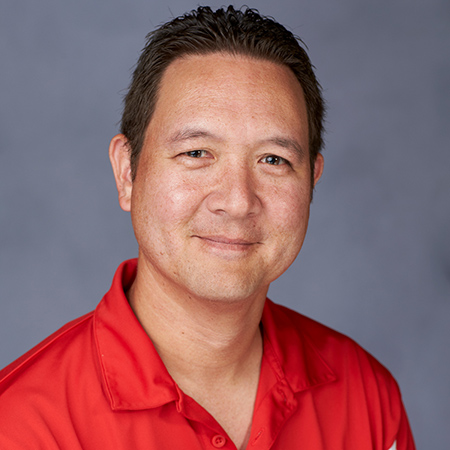
Kai A. James is an Associate Professor in the Department of Aerospace Engineering at the University of Illinois at Urbana-Champaign (UIUC), with affiliations in Computational Science and Engineering. He holds a Ph.D. (2012) and M.A.Sc. (2006) from University of Toronto, and B.A.Sc. (2004) in Engineering Science. His research focuses on multidisciplinary design optimization, topology optimization, aeroelasticity, and nonlinear mechanics, with applications to aerospace structures, additive manufacturing, and smart materials. He teaches courses such as Structural Design Optimization (AE 498), Nonlinear Solid Mechanics (AE 598), and Finite Element Analysis (ME 471). His honors include the NSF CAREER Award (2018), Scott White Aerospace Engineering Fellow (2020), and UIUC Teacher of the Year (2017). His work spans academic publications (over 50 journal/conference articles listed) and innovations in topology optimization frameworks for complex systems. Recent research emphasizes bi-stable structures (e.g., cardiovascular stents, morphing airfoils), thermomechanical design of shape-memory alloys, and spatial packing optimization for engineering systems. His lab, located in Talbot Laboratory, develops computational tools for multiphysics and multiscale design optimization.
Professor Steve G Burrow is a faculty member at the School of Civil, Aerospace and Design Engineering at the University of Bristol. His research focuses on energy harvesting, vibration control, and environmental sensing, particularly in aerospace and glaciological contexts. Professor of Aircraft Systems Member of the Cabot Institute for the Environment Active in Dynamics and Control research themes His work in energy harvesting emphasizes electromagnetic transducers and nonlinear resonant structures, while environmental sensing involves deploying sensors under ice sheets to study glacial hydrology. Recent articles highlight inerter-based suspension systems, vibration absorber optimization, and broadband energy harvesting techniques. Collaborations span nonlinear mathematics, glaciology, and structural dynamics. No scientific awards were explicitly mentioned, but his research outputs demonstrate extensive contributions to power electronics and sustainable technologies.
Jeffrey Guasto , Associate Professor at Tufts University, holds joint appointments in the School of Engineering (Mechanical Engineering) and School of Arts and Sciences (Physics & Astronomy). His work bridges engineering, physics, and biology to study transport properties in complex systems. Ph.D., Engineering (2009), Brown University Sc.M., Engineering (2004), Brown University Dual B.S. in Physics and Mechanical Engineering (2003), Lehigh University Research Interests focus on: Biophysics : Flagellar mechanics, chemotaxis, cell-fluid interactions Soft Matter : Active suspensions, colloids, viscoelastic materials Microfluidics : Device design for cell motility studies and gradient generation Environmental Transport : Microbial ecology in porous systems Scientific Trends from his 77+ publications show emphasis on microscale fluid dynamics, bacterial transport mechanisms, and viscoelastic flow instabilities. His 2024 Nature Microbiology work reveals phage-infected bacteria driving marine chemotaxis, while 2023 PNAS research explores stress topology in viscoelastic flows. Scientific Awards : NSF CAREER Award (2016) for cell dispersal mechanisms Collaborative NSF grants (2015-2023) Advising includes mentoring 15+ students and postdocs. His grants portfolio features 9+ awards, notably NSF grants for viral-microbe interactions (2018) and flagellar mechanics (2020). Labs & Teams : Leads the Guasto Laboratory at Tufts, integrating microfluidics and high-speed imaging for studying microbial transport, while collaborating with MIT, Harvard, and international institutions.
Dr. Karen Cochrane is an Assistant Professor at the University of Waterloo, specializing in Human-Computer Interaction (HCI) with a focus on wearable and tangible computing for mental health and accessibility. Her research integrates soma design, autoethnography, and design fiction to address the needs of underrepresented communities, particularly those with disabilities. Key projects include developing assistive technologies for queer/crip identities, accessible gaming wearables, and tactile interfaces for sensory exploration. She explores embodied experiences through multidisciplinary approaches, blending traditional craft practices with modern computational tools. Her work prioritizes participatory design methodologies, collaborating with occupational therapists, disabled communities, and neurodivergent individuals to co-create inclusive technologies. Recent innovations include VARitouch (a haptic feedback device), Breathing Scarf (for emotional regulation), and adaptive switches for children with motor disabilities. Her research extends into sensory narratives, exploring how fabric and data can articulate bodily experiences through projects like Sensory Data Dialogues and Queer/Crip Body Mapping. While no formal grants or awards are listed, her publications reflect a strong focus on ethical technology, accessibility, and embodied interaction. Current projects emphasize the intersection of wearable tech with identity expression, mindfulness practices, and neuromotor rehabilitation. She actively designs prototypes that bridge clinical needs with creative technology solutions, though specific lab affiliations or team collaborations are not detailed in available texts.
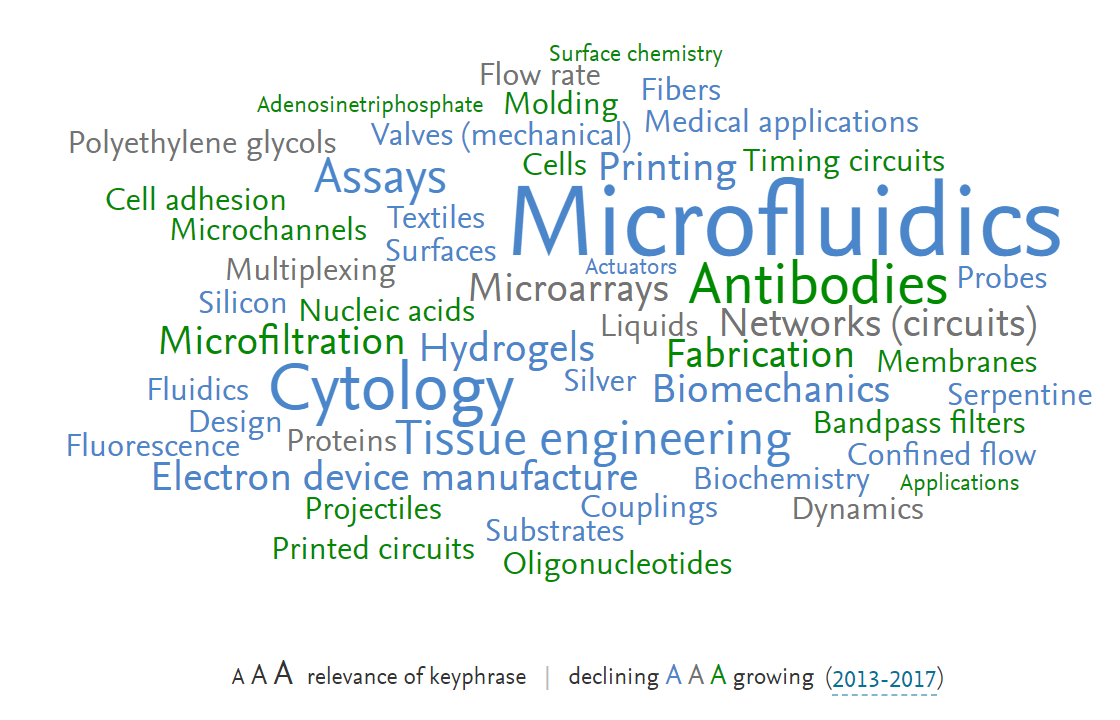
David Juncker is a Professor and Department Chair of the Department of Biomedical Engineering at McGill University. He serves as a Principal Investigator at the McGill University & Genome Quebec Innovation Centre and holds associate memberships in the Department of Neurology and Neurosurgery, Department of Electrical and Computer Engineering, Division of Experimental Medicine, Department of Surgery, and Goodman Cancer Research Centre. His research focuses on micro- and nano-bioengineering technologies for bioanalysis, precision medicine, and organs-on-chips. Key areas include microfluidics, lab-on-a-chip devices, biomedical sensors, medical diagnostics, biomaterials, tissue engineering, and cancer biomarker discovery. His lab develops scalable antibody microarrays, self-powered diagnostic platforms, microfluidic probes for brain tissue perfusion, and nanogradients for neuronal navigation, with applications in cancer diagnostics, global health, and neuroscience. Recent publications (2023-2025) reveal strong emphasis on extracellular vesicle analysis, single-cell proteomics, 3D-printed microfluidic/organ-on-a-chip systems, and capillary-driven circuits. Key trends include low-cost point-of-care diagnostics, advanced circulating tumor cell isolation methods, and biomimetic synthetic vesicles for drug delivery, demonstrating translational potential in early disease detection. Dr. Juncker leads a highly interdisciplinary team comprising undergraduate and graduate students, post-doctoral fellows, and staff from diverse scientific, engineering, and cultural backgrounds. His lab actively recruits Canadian/permanent resident graduate students for projects on single extracellular vesicle and protein detection in cancer and infectious diseases, leveraging microfluidics and wearables for biomarker discovery. The Juncker Lab operates from the McGill University & Genome Quebec Innovation Centre (740 Dr. Penfield Avenue, Room 6206). It maintains a collaborative, multicultural environment focused on developing transformative micro- and nano-bioengineering technologies with significant potential impact on human health diagnostics and treatment.
Dr. James W. Navalta is an Associate Professor in the Department of Kinesiology and Nutrition Sciences at the University of Nevada, Las Vegas. His research focuses on physiological responses to outdoor exercise (hiking, trail running) and the validity/reliability of wearable technology. He earned his B.S. in Physical Education and Biology from Brigham Young University–Hawaii, M.S. in Kinesiology from UNLV, and Ph.D. in Exercise Physiology from Purdue University. Education: B.S. - Physical Education & Biology, Brigham Young University–Hawaii M.S. - Kinesiology, University of Nevada, Las Vegas Ph.D. - Exercise Physiology, Purdue University His research portfolio includes: Wearable technology validation for physiological measurements Comparative studies of indoor vs outdoor exercise environments Impact of gender-inclusive approaches on sports science Metabolic and cardiovascular responses to unconventional workouts Psychological benefits of nature immersion Recent publications demonstrate expertise in: Wearable device accuracy testing VO2max and lactate threshold validation Environmental influence on exercise physiology Methodological improvements in data collection Gender-inclusive research design Outdoor activity impact assessment As co-founder and executive editor of the International Journal of Exercise Science, he contributes significantly to academic discourse. He also serves on editorial boards for journals related to digital health and exercise technology.
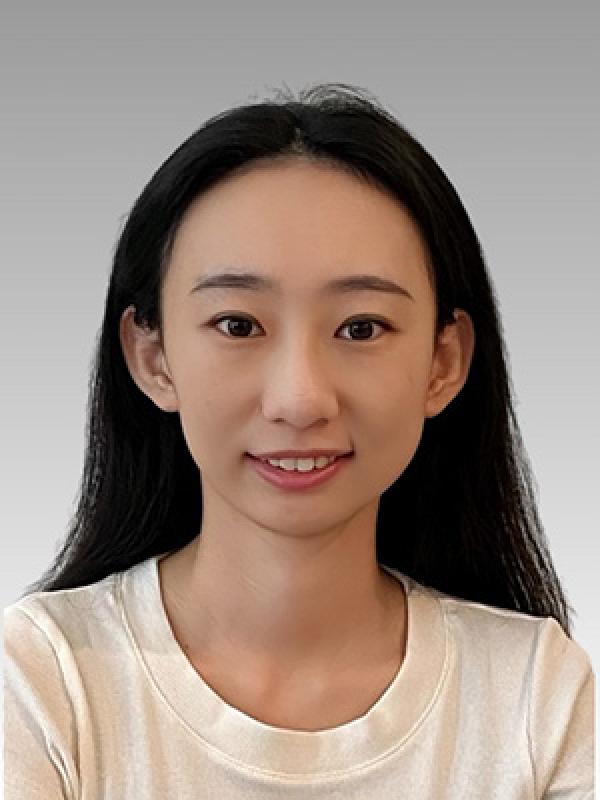
Xiaoxuan (Tracy) Cai is an Assistant Professor in the Department of Statistics at Ohio State University, with affiliations in the College of Public Health and Translational Data Analytics Institute. She develops statistical methods for causal inference, missing data, and mediation analysis with applications to digital health data. Her research focuses on analysis techniques for multivariate time series from mobile devices (EMA, GPS, accelerometer) with applications in psychiatry. She addresses challenges in network interference modeling for infectious disease interventions and clinical trial design.
Prof. Michel Clement is a Professor of Marketing & Media at the University of Hamburg Business School, holding the Chair for Marketing & Media since 2006. He previously held academic positions at the University of Passau (2005/2006) and Christian-Albrechts-University Kiel (2002–2005). His research focuses on entertainment media product management, new technologies, and donor/customer management. He has held significant administrative roles including Academic Senate Member (2013–present), Faculty Council Member (2014–present), and Director of the Research Center Media and Communication (2008–present). Education: PhD in Marketing from Christian-Albrechts-University Kiel (mentor: Prof. Sönke Albers), with a Master's in Business Administration focusing on Marketing, Innovation Management, and Psychology. Pre-academic career included management roles at Bertelsmann mediaSystems and Bertelsmann eCommerce Group, where he founded Snoopstar.com GmbH as Vice President. Research interests span digital media economics, prosocial behavior in healthcare donations, platform business models, and consumer decision-making in entertainment industries. He has contributed to understanding blood/plasma donation retention strategies, smart speaker impacts on media consumption, and pandemic-related behavioral changes. Leadership roles include supervisory board memberships at MADSACK Mediengruppe (2018–present), Studierendenwerk Hamburg (2017–present), and Universität Hamburg Marketing GmbH (2015–present). He has directed major initiatives like the Hamburg Graduate School for Media and Communication (2009–2016) and co-developed international MBA programs with Fudan University (2006–2008). Grants and collaborations include state-funded excellence initiatives and industry partnerships. His work integrates academic research with practical applications in media technology scouting, venture consulting, and digital platform governance.
Prof. Raimon Jané Campos is a leading figure in biomedical signal processing at the Universitat Politècnica de Catalunya (UPC) and Universitat de Barcelona (UB). As co-director of UPC's Biomedical Signal and System Group (CREB) and coordinator of the Biomedical Engineering PhD Programme, he bridges engineering and clinical applications. His work focuses on respiratory and sleep disorder diagnostics, with significant contributions to COPD and sleep apnea monitoring through wearable devices and machine learning. PhD in Biomedical Engineering (UPC, 1989) Visiting researcher at Université de Nice-Sophia Antipolis Vice-president of Spanish Society of Biomedical Engineering Research spans respiratory mechanics , sleep-disordered breathing , acoustic biomarkers , bioimpedance , and machine learning in biomedical contexts . His 2025 work on microcalorimetric pathogen classification and 2024 spiking neural networks for apnea detection demonstrate cutting-edge integration of computational methods with physiological monitoring. Articles from 2017-2024 reveal consistent focus on non-invasive diagnostics , cardiorespiratory synchronization , and smartphone-based health solutions . Awarded the Barcelona City Technology Research Award (2005) and serving on the International Advisory Board for Physiological Measurement since 2010, his career combines academic leadership with real-world clinical translation through IBEC's technology transfer initiatives.
Dr Brandon M Grainger is an Eaton Faculty Fellow and Associate Professor of Electrical and Computer Engineering at the University of Pittsburgh’s Swanson School of Engineering, where he also directs the Electric Power Technologies Laboratory, serves as Associate Director of the Energy GRID Institute, and co-directs Pitt AMPED. A key architect of Pitt’s electric power program since 2008, he focuses on advanced power conversion, high-voltage electronics, wide-band-gap semiconductors, and aerospace power systems. Education PhD, Electrical Engineering (Power Conversion), University of Pittsburgh, 2014 MS, Electrical Engineering, University of Pittsburgh, 2011 BS, Mechanical Engineering & Minor in Electrical Engineering, University of Pittsburgh, 2007 Executive Education Certificate, Tepper School of Business, Carnegie Mellon University, 2019 Research Focus Dr Grainger’s work lies at the intersection of power electronics, high-voltage engineering, and sustainable energy systems. He specializes in medium- and high-voltage power electronics (HVDC, STATCOM), resonant converters, and ultra-high-power-density designs leveraging SiC and GaN semiconductors. His investigations extend to electric-vehicle traction drives, solid-state transformers, optimized magnetics for aerospace applications, and resilient microgrids. He and his students routinely collaborate with NASA JPL, Johns Hopkins APL, Honeywell Aerospace, and the Naval Research Laboratory, leveraging Pitt’s NSF SHREC center to push the boundaries of power conversion in space and defense systems. Selected Research Themes High-frequency, high-density DC/DC converters for satellite power systems Radiation-tolerant GaN converters and point-of-load power stages Medium-voltage testbed development (13.8 kV, 5 MVA) Rare-earth-free permanent-magnet machine topologies Model-predictive control of multi-phase drives and microgrids Honors & Awards 2024 IEEE Region 2 Outstanding Educator Award 2024 Pitt STRIVE Outstanding DEI Service Award 2019 ESWP Engineer of the Year 2019 ASEE 2nd Place Best Paper Award 2019 SRI Undergraduate Best Mentor Award Richard K. Mellon Endowed Graduate Fellowship National Academies of Science & Engineering Ambassador Senior Member, IEEE Grants & Industry Partnerships Dr Grainger’s research has been continuously funded by federal agencies and industry partners including NASA JPL, Johns Hopkins APL, Honeywell Aerospace, the Naval Research Laboratory, Eaton, and the National Science Foundation through the SHREC Center. These awards support graduate students and post-docs working on next-generation power systems for aerospace, naval, and terrestrial applications. Laboratories & Teams Director, Electric Power Technologies Laboratory (EPTL) Associate Director, Energy GRID Institute Co-Director, Pitt AMPED (Advanced Multimodal Power and Energy Development) Faculty Affiliate, NSF SHREC Center
Donguk Lee is an Assistant Professor in the Department of Audiology and Speech Language Pathology at the University of North Texas. He holds a Ph.D. from the University of Tennessee Health Science Center (2023) and previously worked as an audiologist in clinical and hearing aid settings. He also served as a medic in the South Korean Navy, providing medical support in naval and land-based environments. His research focuses on preventing noise-induced hearing loss through studies of auditory efferent systems, leveraging techniques like otoacoustic emissions and auditory evoked potentials. Dr. Lee’s work addresses both clinical and environmental aspects of hearing conservation. His recent studies explore variability in medial olivocochlear reflex responses to noise exposure and the interplay between efferent unmasking and cortical processing. Earlier work assessed noise levels in stadiums, subways, and other public spaces, linking environmental noise to hearing health risks and public attitudes. He was awarded the 2022 Student Research Grant in Audiology from ASHA for his innovative contributions to hearing loss prevention. His articles span from 2014 to 2023, reflecting a trajectory from hearing aid technology development to advanced auditory physiology and environmental noise policy implications.
John Nassour is a Researcher at the Technical University of Munich's School of Computation, Information and Technology, affiliated with the Chair of Cognitive Systems. He holds engineering degrees from Tishreen University (electronics), a Master's in intelligent systems from University of Cergy-Pontoise/École Nationale Supérieure de l'Électronique, and a joint PhD from University of Versailles/TUM. His interdisciplinary research focuses on computational cognitive systems applied to robotics, including wearable devices, humanoid robots, soft robotics, and robot learning for locomotion/manipulation. Before joining TUM in 2020, he was a lecturer/researcher at Chemnitz University of Technology. He teaches courses in cognitive systems, neuro-inspired engineering, and soft robotics.
Omer T Inan is the Regents Entrepreneur Endowed Chair and Assistant Professor at the School of Electrical and Computer Engineering (ECE) at Georgia Institute of Technology. His work bridges biomedical engineering and wearable technology, focusing on non-invasive physiological monitoring for chronic disease management. He holds a Ph.D. in Electrical Engineering from Stanford University (2009) and previously worked at Countryman Associates (2007-2013) as Chief Engineer, developing professional audio systems. Education: B.S., M.S., Ph.D. in Electrical Engineering, Stanford University (2004-2009) His research interests include medical devices for home-based cardiovascular monitoring, musculoskeletal sound analysis, and neuromodulation of stress responses. He has pioneered technologies for heart failure patients, PTSD treatment, and osteoarthritis diagnostics. Recent publications highlight innovations in AI-driven cardiac parameter estimation, motion artifact removal in seismocardiograms, and multimodal stress tracking via wearables. His work spans biomedical signal processing, clinical translation, and portable diagnostic systems. Scientific Awards 2024 IEEE Fellow 2023 IEEE Distinguished Lecturer 2023 American College of Cardiology Fellow 2022 American Institute for Medical and Biological Engineering Fellow 2021 Academy Award for Technical Achievement (The Oscars) 2018 ONR Young Investigator Award 2018 NSF CAREER Award At Georgia Tech, Inan leads the Inan Research Lab, which develops technologies for physiological monitoring and modulation. Projects include musculoskeletal sound analysis for joint health, non-invasive cardiovascular sensing, and neuromodulation to treat PTSD via vagal nerve stimulation.
Malcolm von Schantz is a Professor and Deputy Faculty Pro Vice-Chancellor at Northumbria University, affiliated with the HLS Faculty Management and Administration. Previously, he held leadership roles at the University of Surrey, including Associate Dean (International) and acting Pro-Vice Chancellor (International Relations). He is also an Honorary Professor at the University of the Witwatersrand, South Africa. He holds a PhD in Zoology from an unspecified institution (awarded 10 Dec 1994). His research focuses on human circadian rhythms and sleep, their molecular determinants, and links to physical/mental health. He has secured over £6.4M in research funding from bodies like the MRC, Wellcome Trust, and NIH. Key research areas include sleep architecture, chronotype variability, HIV-related sleep disruptions, and cardiometabolic health correlations. His work has been published in high-impact journals and widely featured in media. He actively participates in international conferences and public outreach, including translating sleep education materials into multiple languages. Notable collaborations include the BioClocks UK initiative and the Baependi Heart Study in Brazil. His recent articles address daylight saving policies, gender-specific sleep-cardiovascular links, and light sensitivity in bipolar disorder. He supervises PhD students and engages in editorial roles across journals. Public impacts include translating educational comics and participating in community health events. His research emphasizes global health equity, particularly in low-resource settings.
Pietro de Anna is an Associate Professor at the Institute of Earth Sciences (ISTE), University of Lausanne, since August 2021. He holds an Italian nationality and completed a Master's in Theoretical Physics (2009) at the University of Florence, followed by a PhD in Earth Sciences at the University of Rennes 1 (2012). His research focuses on reactive transport in porous media, filtration, and interactions between bacteriological activity and flow dynamics. He directs the Environmental Fluid Mechanics Laboratory since 2015, employing microfluidics, numerical simulations, and theoretical models to study coupled physical, biological, and chemical mechanisms in confined systems. He has published 21 peer-reviewed articles, teaches environmental science courses at the Bachelor's and Master's levels, and supervised two PhD theses and four postdoctoral researchers. His work includes investigations into microbial biomass accumulation in porous media, diffusion-limited mixing, and biocementation processes. Key research themes are spatial heterogeneity effects, chemotaxis, and quorum sensing in microbial systems. He has pioneered methods combining microfluidics with microscopy to analyze transport at pore scales.