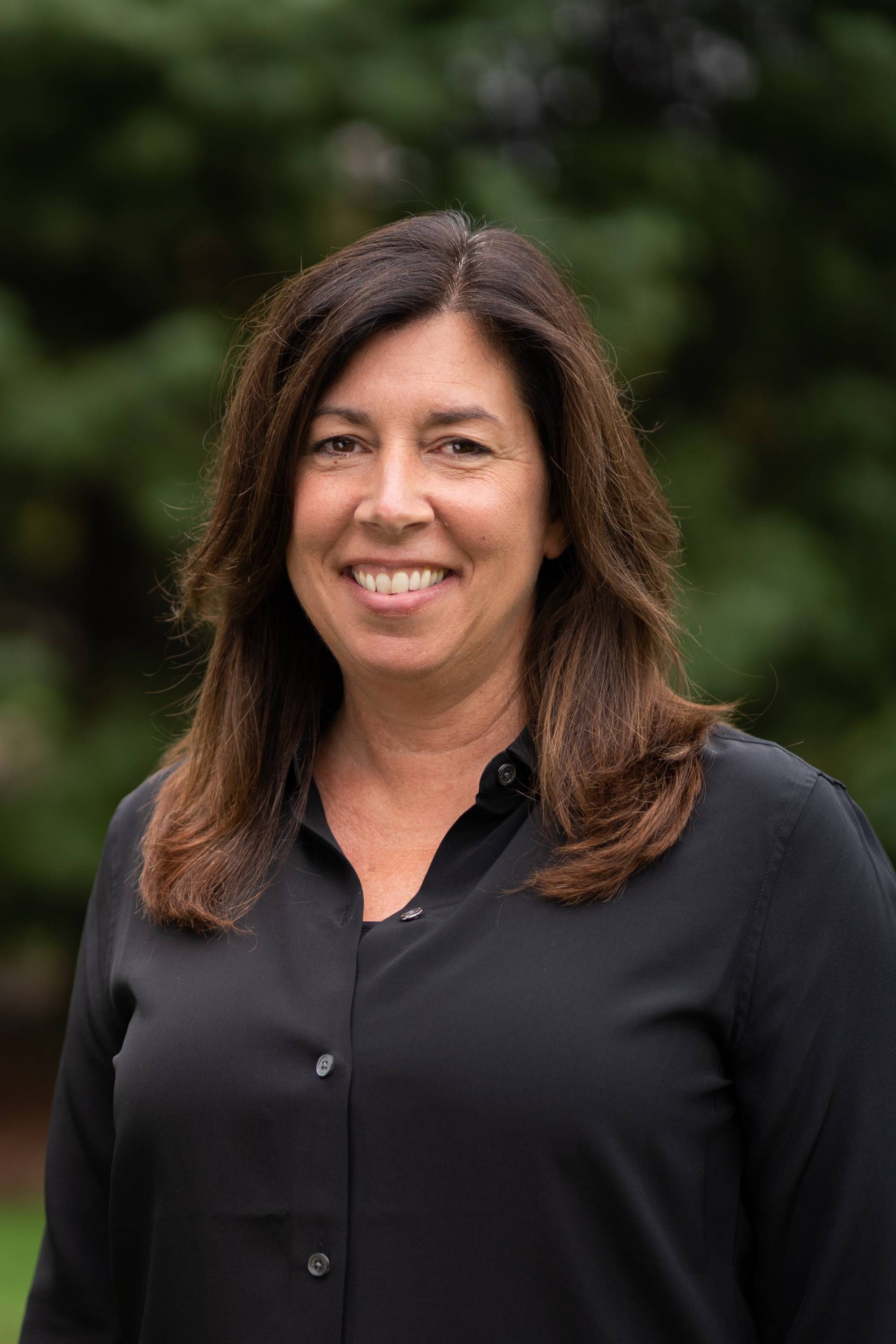
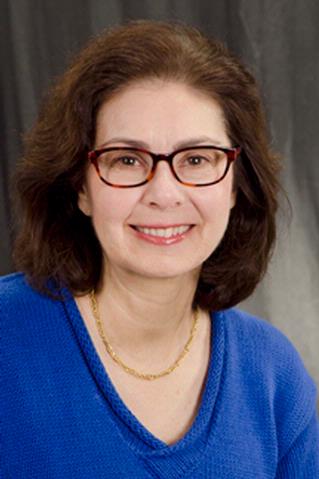
James McCracken is a tenured Professor of Psychiatry and Biobehavioral Sciences at UCLA's David Geffen School of Medicine. As Director of the Division of Child and Adolescent Psychiatry at the Semel Institute for Neuroscience and Human Behavior, he leads the NIMH-funded Research Center 'Translational Research to Enhance Cognitive Control' focusing on novel treatments for cognitive deficits in child psychiatry. His research spans pharmacogenomics, neurodevelopmental disorders (ASD, ADHD, OCD), and autonomic neurophysiology. Key affiliations: Center for Autism Research and Treatment (CART), ADHD Brain Research Institute, Society for Neuroscience Research themes: Pharmacologic interventions for neurodevelopmental disorders, white matter sex differences, EEG biomarkers, and genome-wide association studies Leadership roles: Principal Investigator for multiple NIMH grants, editorial board member for the Journal of Child and Adolescent Psychopharmacology His recent publications (2023-2025) emphasize precision medicine in ASD, OCD genetics, and pupillary response as a neurophysiological marker. Awards include the APA Young Psychiatrist Research Award and listings in Best Doctors and Top Doctors databases. Scientific Awards American Psychiatric Association Young Psychiatrist Research Award Best Doctors in America America's Top Doctors Publications Over 150 peer-reviewed articles across child psychiatry Leading research in pharmacogenomics and neuroimaging
Jamie Owen-DeSchryver is a Professor in the Psychology Department at Grand Valley State University, specializing in Clinical Psychology with a focus on Autism Spectrum Disorder (ASD). Holding a PhD from SUNY Stony Brook, they combine academic research with practical applications in educational settings. Education: B.A. from Kalamazoo College M.A. from Johns Hopkins University Ph.D. from State University of New York at Stony Brook Their research centers on implementing educational and behavioral interventions for individuals with ASD across developmental stages, from preschool to college. Current projects include the Statewide Autism Resources and Training (START) initiative, funded by MDE/OSEP, where they develop materials and provide technical assistance to schools in Michigan. Recent publications highlight expertise in video modeling, visual supports, self-management systems, peer supports, and opportunities-to-respond techniques. They also mentor graduate students in school psychology on intervention strategies for K-12 students with diverse needs, including ADHD, learning disabilities, and anxiety disorders. Contact: Office: 1319 Au Sable Hall Phone: (616) 331-8703 Email: owendesj@gvsu.edu
Matthew W. State, MD, PhD is the Oberndorf Family Distinguished Professor and Chair of Psychiatry at the University of California, San Francisco (UCSF) School of Medicine, and Director of the Langley Porter Psychiatric Institute and Hospital. He is also affiliated with the UCSF Weill Institute for Neurosciences, where he leads groundbreaking research at the intersection of child psychiatry and human genetics. Dr. State received his undergraduate and medical degrees from Stanford University, completed his residency in psychiatry and fellowship in child psychiatry at the UCLA Neuropsychiatric Institute, and earned a PhD in genetics from Yale University working in the lab of David C Ward. He was on the faculty at Yale from 2001 to 2013 where he was the Donald J. Cohen Professor of Child Psychiatry, Psychiatry and Genetics and the Co-Founder and Co-Director of the Yale Program on Neurogenetics. Dr. State is a leading child psychiatrist and human geneticist whose research focuses on pediatric neuropsychiatric syndromes, particularly autism spectrum disorders (ASD) and Tourette disorder (TD). His laboratory has played a pivotal role in demonstrating the contribution of rare and de novo genetic variation to these conditions. His work has contributed significantly to the identification of dozens of ASD risk genes and the first high-confidence TD genes. Through systems biological approaches, his research has characterized the spatial and temporal convergence of autism genes in developing human brain, providing crucial insights into disease mechanisms. His lab utilizes diverse methodologies including genomic analysis, functional studies in model systems, and collaborative large-scale sequencing efforts. Analysis of Dr. State's recent publications reveals a strong focus on the molecular and cellular mechanisms underlying autism spectrum disorders. His research increasingly examines the convergence of autism-related proteins, chromatin regulation, and the role of specific cellular structures like cilia in neurodevelopment. There's also a growing emphasis on translating genetic findings into potential therapeutic approaches, with several recent papers addressing treatment development and biomarker identification for autism and related conditions. His work demonstrates a clear trajectory from gene discovery to understanding biological pathways and ultimately to developing novel therapeutic strategies. Yale Graduate School Alumni Association 2020 Wilbur Cross Medal National Academy of Medicine 2017 Rhoda and Bernard Sarnat International Prize in Mental Health National Academy of Medicine 2014 Elected member American Academy of Child and Adolescent Psychiatry 2014 Tarjan Award Brain and Behavior Research Foundation 2012 Ruane Prize Science Magazine 2011 Annual Top 10 Scientific Breakthroughs Science Magazine 2005 Annual Top 10 Scientific Breakthroughs Dr. State plays a leadership role in numerous national and international collaborative genomics studies, including the Simons Simplex Collection Genomics Consortium, the Autism Sequencing Consortium, and the Tourette International Collaboration (TIC) on Genetics. His NIH-funded research portfolio includes multiple principal investigator roles on grants examining the genetic architecture of autism and Tourette disorder, brain development, and the functional consequences of genetic variants. His laboratory has been continuously funded by the National Institutes of Health since 2002, with recent grants totaling millions of dollars supporting cutting-edge research in neurogenetics. His collaborative approach has established him as a central figure in the field of psychiatric genetics. Dr. State directs a vibrant research program that integrates genomic analysis with functional studies to understand the biological basis of neurodevelopmental disorders. His work bridges basic science and clinical applications, with a growing emphasis on identifying potential therapeutic targets based on genetic findings. He collaborates extensively with researchers across multiple institutions and disciplines, fostering a collaborative approach to understanding the complex genetic architecture of autism spectrum disorders and Tourette disorder. His research program includes both human genetic studies and functional validation in model systems, creating a comprehensive pipeline from gene discovery to biological mechanism.
Christopher L. Asplund is an Associate Professor at the National University of Singapore (NUS), affiliated with the Department of Biomedical Engineering and Yale-NUS College. He serves as Head of Studies for Psychology at Yale-NUS and holds courtesy appointments in NUS Psychology, Institute for Digital Medicine (WiSDM), Centre for Sleep and Cognition, and Duke-NUS Neuroscience & Behavioural Disorders program. His research explores attentional control, consciousness, and the neural basis of cognition through behavioral experiments, fMRI, and EEG. Research Focus: Understanding attentional states and their modulation by surprise Investigating individual differences in attention, including ASD/ADHD Exploring surprise's role in learning and pain perception Developing digital therapeutics for cognitive training Examining how consciousness and intelligence emerge from neural networks Methodological Expertise: Behavioral experimentation, functional neuroimaging (fMRI, EEG), eye-tracking, and physiological measures.
Umit Aydin is a researcher affiliated with the University of Reading. His work focuses on neuroimaging techniques applied to developmental disorders such as ADHD and autism spectrum disorder, as well as epilepsy and sleep deprivation effects. He has contributed to studies using EEG, MEG, and fNIRS technologies to understand brain connectivity, cognitive deficits, and clinical outcomes. His research integrates genetic analyses, signal processing advancements, and multimodal neuroimaging approaches. Key areas of investigation include: Electrophysiological correlates of neuropsychiatric disorders Development of advanced neuroimaging methodologies Integration of EEG/MEG with clinical outcomes
Catherine Lord is Professor-in-Residence in the Department of Psychiatry and Biobehavioral Sciences at the UCLA School of Medicine, holding the prestigious Dr. George Tarjan Chair in Intellectual and Developmental Disabilities Research. She is a leading authority in autism spectrum disorder (ASD) research with extensive contributions to diagnostic criteria, assessment tools, and longitudinal studies of developmental trajectories. Dr. Lord's research focuses on autism spectrum disorder across the lifespan, with particular emphasis on assessment tools like the Autism Diagnostic Observation Schedule (ADOS) and Autism Diagnostic Interview-Revised (ADI-R). Her work examines social communication, diagnostic stability, intervention approaches, and adult outcomes in ASD. She has pioneered research on minimally verbal children with autism and the development of daily living skills from childhood through adulthood. Her extensive publication record demonstrates consistent contributions to understanding autism diagnosis, intervention efficacy, and developmental trajectories. Recent work explores contextual factors in autism research, neurodiversity perspectives, and the transition from single words to phrase speech in children with ASD. Her research often employs longitudinal methodologies to track developmental changes and outcomes. Among her notable honors is the Dr. George Tarjan Chair in Intellectual and Developmental Disabilities Research, reflecting her significant contributions to the field. She has contributed to major publications including The Lancet Commission on the future of care and clinical research in autism. Dr. Lord's work includes extensive collaboration with research teams across multiple institutions, focusing on intervention development, assessment tool refinement, and understanding developmental trajectories in autism. Her research has practical implications for clinical practice, diagnostic criteria, and intervention approaches for individuals with autism across the lifespan.
Dr. Nicky Wood is an Honorary Lecturer at the University of Kent's School of Social Sciences and a Consultant Clinical Psychologist at the Children's Assessment Centre, Kent and Canterbury Hospital. With over 20 years of NHS experience, she specializes in neuro-developmental disorders (e.g., ASD, ADHD) and physical health conditions in children and youth. Previously, she worked at Guy’s and St Thomas’/Evelina Children’s Hospital and the Specialist Paediatric Sleep Service. Research Interests: ASD and sleep disorders Wetting and soiling in children Psychoeducational resources for cerebral palsy patients Hypnosis-based treatments for bed-wetting Current projects include developing a cerebral palsy psychoeducational tool and trialing hypnosis for nocturnal enuresis. No specific awards are listed, but her work emphasizes clinical and applied research in pediatric psychology.
Louise Yong serves as a Research Associate at CRADLE@NTU (Centre for Research and Development in Learning) within Nanyang Technological University. Previously affiliated with the Office of Early Childhood Research at the National Institute of Education (NIE), she holds a psychology degree and focuses on educational research for learning disabilities and early childhood development. Her research centers on the neurobiological basis of learning, translating neuroscience findings into practical educational applications. Using fMRI, she analyzes brain activation patterns in neurotypical individuals and those with Autism Spectrum Disorder (ASD) and Attention Deficit Hyperactivity Disorder (ADHD) to identify early biomarkers of learning difficulties. Current projects investigate socio-affective and neurocognitive brain networks in adults with ASD/ADHD to optimize learning strategies, and brain networks for reading/math to improve diagnostic interventions. At CRADLE@NTU, she contributes to interdisciplinary research on learning mechanisms across the university's ecosystem, bridging neuroscience with real-world educational practices to enhance developmental outcomes.
Susan L. Hyman is a part-time Professor at the University of Rochester School of Medicine and Dentistry , affiliated with the Division of Developmental and Behavioral Pediatrics . She serves as a UR Medicine Faculty member within the University of Rochester Medical Center (URMC) and is associated with the Accountable Health Partners network. Education: MD from Warren Alpert Medical School at Brown University (1979) Training: Fellowship in Developmental-Behavioral Pediatrics (Johns Hopkins Hospital, 1982-1985), Residency in Pediatrics (University of North Carolina, 1980-1982) Dr. Hyman's research focuses on Autism Spectrum Disorders (ASD) , particularly: Comparative analysis of ASD with other developmental conditions Role of nutrition and dietary interventions in autism management Medical comorbidities (sleep disorders, GI issues, Down syndrome associations) Genetic polymorphisms linked to autism Her 15 most recent publications span 2000-2015 , emphasizing clinical research into autism diagnostics , complementary medicine , and medical management strategies . She co-developed a consensus report on gastrointestinal disorders in ASD with the Autism Treatment Network. Scientific awards include: Mass Mutual Exceptional Parent (2010) EP Maxwell J Schleifer Distinguished Service Award (2009) Professional Service Award (2006) Dr. Hyman has contributed extensively to understanding autism treatment , behavioral interventions , and multidisciplinary care models . Her work addresses both clinical practice and research gaps in neurodevelopmental disorders.
Dr. Borja Blanco is a Research Associate at the Department of Psychology, University of Cambridge, specializing in developmental neuroscience and infant cognition. His research employs advanced neuroimaging techniques like high-density diffuse optical tomography and fNIRS to investigate functional brain development during early childhood. Research interests focus on: Neuroplasticity and bilingualism effects in infant brains Sleep-state modulation of neural connectivity Cross-cultural studies of cognitive development Clinical applications for ASD/ADHD early detection Wearable neurotechnology for infant monitoring Dr. Blanco's work has pioneered methods for cot-side neuroimaging and home-based assessment of infant brain function. His publications demonstrate consistent focus on functional connectivity patterns, bilingual exposure effects, and clinical applications of optical neuroimaging techniques.
Bianca Boyer is an Associate Professor in Developmental and Educational Psychology at Leiden University's Faculty of Social and Behavioural Sciences. Her work bridges clinical practice and scientific research, focusing on effective treatments for neurodevelopmental disorders like ADHD and Autism Spectrum Disorders. She develops and evaluates interventions such as 'Zelf Plannen' (self-planning CBT for ADHD) and 'SIESTA' (sleep-focused CBT for adolescents with ADHD). Research interests include mechanisms underlying treatment efficacy, implementation science, and addressing practical gaps in mental healthcare. Collaborations with institutions like KU Leuven and Accare Research Centre support her work. She co-owns Psychologenpraktijk Kuin, offering clinical services for ADHD and ASD diagnoses. Awards include the 2023 Casimir prize for contributions to suicide prevention education. Supervises PhD projects on topics like sleep problems in ADHD, digital well-being, and school-based planning interventions.
Ruth Segal, Ph.D., OTR, serves as Department Chair and Professor in the Department of Occupational Therapy at Seton Hall University's Interprofessional Health Sciences Campus. She leads the department with dedication to academic excellence and celebrates her graduates' professional achievements. Education: Ph.D. in Occupational Therapy, University of Southern California (1995) M.A. in Occupational Therapy, University of Southern California (1989) B.S. in Occupational Therapy, University of Southern California (1987) Research Focus: Dr. Segal's scholarship centers on teaching and learning methodologies in occupational therapy education, with particular emphasis on academic resilience . Her work explores caregiving dynamics , aging processes , wellness promotion , and the experiences of parents of children with disabilities . Through qualitative research, she investigates how individuals and families construct meaning through occupation during life challenges including bereavement, disability, and chronic conditions. Publication Trends: Her 20+ year publication record reveals consistent focus on family occupations and disability, with increasing attention to educational interventions. Early work examined ADHD family dynamics (1998-2000), evolving to caregiver experiences (2002-2006), and recently emphasizing student resilience and interprofessional training (2010-present). The research demonstrates methodological rigor in qualitative approaches applied to occupational science. Scientific Awards: No specific awards or fellowships are documented in the provided materials. Grant Leadership: Project Transitions (2023-2028): $1.18M federal grant developing OT/SLP training for ASD school transitions Project Write to Learn (2017-2022): $1.23M program improving writing interventions for children with learning disabilities Resilience Training (2022-present): $15K university-funded study on student academic resilience Academic Contributions: Dr. Segal teaches graduate research methods courses (GMOT 7303/7320) and mentors student researchers through federally funded projects. Her scholarship bridges clinical practice and education, with current work focusing on interprofessional collaboration and student development. Research Ecosystem: She directs interdisciplinary teams through OSEP-funded initiatives, creating dynamic research environments where OT/SLP students collaborate on pediatric interventions. These projects function as living laboratories for developing evidence-based practices in school-based and community settings.
Antonia María Gómez Hinojosa is a Lecturer at the Department of Psychology and Speech Therapy, Blanquerna Faculty of Psychology and Educational and Sports Sciences, Universitat Ramon Llull. Her research focuses on Quality of Life Schizophrenia Psychosocial Intervention Autism Spectrum Disorders Pervasive Developmental Disorders Therapeutic Alliance Her publications analyze the intersection of sports science and clinical psychology, particularly Judo-based interventions for neurodevelopmental disorders Pharmacological treatments for ADHD Metabolic syndrome management in schizophrenia Contextual factors in psychosocial development Recent work includes longitudinal studies on adapted judo programs and pandemic-related behavioral regression in ASD populations. She collaborates with the PSICOPERSONA research group and participates in projects funded by the Agència de Gestió d'Ajuts Universitaris i de Recerca (AGAUR). Her h-index of 4 reflects her contributions to developmental psychology and adaptive physical activity research.
Hasan Cem Aykutlu is an Assistant Professor in the Department of Child and Adolescent Psychiatry at Trakya University's Faculty of Medicine. He holds a Doctoral Degree (2017), Master's Degree (2013), and completed medical training at Ege University Faculty of Medicine. His research focuses on neurodevelopmental and behavioral disorders in children, with expertise in Autism Spectrum Disorder (ASD), ADHD, learning disabilities, and digital media impacts on adolescent mental health. His work emphasizes clinical psychiatry, epidemiological studies, and psychopharmacology. Recent publications explore: ASD diagnostic models and pandemic-related challenges ADHD treatment outcomes and eating behaviors Digital eye strain and screen addiction in adolescents Genetic underpinnings of neurodevelopmental disorders Dr. Aykutlu contributes to national programs for ASD recognition and has investigated psychiatric comorbidities in specialized populations (e.g., gifted children, oncology patients). No awards, grants, or student advisements are documented in the provided materials.
Dr. Andrea Witwer is a Clinical Associate Professor in the Department of Psychiatry and Behavioral Health at The Ohio State University College of Medicine, affiliated with the Nisonger Center. Her expertise focuses on autism spectrum disorders (ASD), developmental disabilities, and intellectual disabilities. She holds a PhD in Intellectual and Developmental Disability Psychology from The Ohio State University and completed a fellowship in Neurodevelopmental Disabilities at Nationwide Children’s Hospital. Her research addresses comorbid psychiatric conditions in individuals with ASD/DD and improving healthcare practices for this population. Current projects include identifying effective treatments for psychiatric disorders in those with intellectual disabilities and workforce training via the National Training Initiative (Project SCOPE). She has received grants from OAR, the Ohio Department of Mental Health, and others. Dr. Witwer’s clinical interests include diagnostic assessment of ASD and advancing interdisciplinary care. She collaborates on initiatives like the Rehabilitation and Research Training Center on Health and Function for IDD populations. Professional memberships include the American Psychological Association and American Association on Intellectual and Developmental Disabilities.