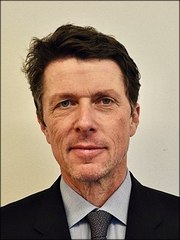
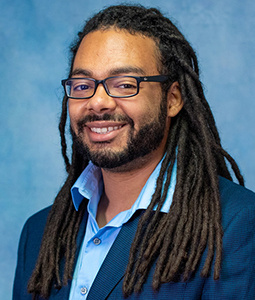
Jung Han is the William A. Norton Professor of Electrical & Computer Engineering at Yale University, affiliated with the School of Engineering & Applied Science. He holds a Ph.D. from Purdue University and leads the Optoelectronics Materials and Devices Group, focusing on interdisciplinary research in III-nitride semiconductors, optoelectronics, and power electronics. His work bridges fundamental materials science with practical applications in solid-state lighting, energy harvesting, and next-generation electronics. Research interests include wide-bandgap semiconductor materials (e.g., GaN), nanoscale device fabrication, and epitaxial growth techniques. He pioneered nanoporous GaN distributed Bragg reflectors (DBRs) for high-efficiency LEDs and lasers, as well as selective-area growth methods for power electronics. His lab explores green energy technologies, flexible electronics, and hybrid organic-inorganic semiconductors. Publications emphasize advancements in GaN-based vertical-cavity surface-emitting lasers (VCSELs), SWIR detectors, and micro-LED displays. Recent work addresses challenges in defect control, scalability of III-nitride devices, and integration with emerging materials. His group collaborates across engineering, applied physics, and chemistry to advance sustainable energy and high-performance optoelectronics. Notable contributions include wafer-level integrated white-LEDs with quantum dots, damage-free in-situ GaN etching via TBCl, and stacking-fault-free GaN growth on foreign substrates. His research has been recognized in high-impact journals like Advanced Materials and Applied Physics Letters .
Prof. Dr. Robert Blick is a faculty member at the University of Hamburg , leading the Institute for Nanostructure and Solid State Physics under the Faculty of Mathematics, Informatics, and Natural Sciences. He serves as Director of the Center for Hybrid Nanostructures (CHyN) and Head of the Board of Examiners of Nano-Science. Research Focus: Atomic Layer Deposition (ALD), quantum dots, superconducting thin films, biomaterials, and nanomechanical devices. Key Collaborations: Deutsches Elektronen-Synchrotron (DESY), molecular-beam epitaxy groups, Forschungslabor Mikroelektronik Deutschland. His academic contributions span nanoscience, materials growth, and biomedical applications. Current funding includes support from the Deutsche Forschungsgemeinschaft (DFG), Exzellenzcluster CUI, and the Joachim Herz Foundation. The CHyN research group operates a state-of-the-art clean room facility for electron-beam and focused-ion-beam lithography, enabling 8nm feature definition on 6-inch wafers. Applications of his work include memristor technology, quantum devices, and advanced biosensors. His PhD students include Ahmed Alshaikh, Kristian Deneke, Daniel Hensel, Marianna Brede, Daniel Schmidt, Malte Siegmund, and Jan Stelzner. Senior researchers Dr. Stefanie Haugg and Dr. Robert Zierold contribute to materials growth and atomic layer deposition.
David A. Muller serves as the Samuel B. Eckert Professor of Engineering in the School of Applied and Engineering Physics at Cornell University and co-directs the Kavli Institute at Cornell for Nanoscale Science. His research group focuses on developing quantitative electron microscopy methods to understand materials properties at the atomic scale, with particular emphasis on sustainable energy applications and quantum materials. Muller's laboratory utilizes some of the world's highest resolution electron microscopes housed in specially designed, environmentally isolated rooms. Muller received his undergraduate education at the University of Sydney and earned his Ph.D. in Physics from Cornell University in 1996. Between 1997 and 2003, he was a member of the technical staff at Bell Laboratories, where he applied his expertise in imaging single atoms and atomic-scale spectroscopy to determine the physical limits of transistor miniaturization. In 2003, he returned to Cornell as a faculty member, where he has since established himself as a leader in advanced electron microscopy techniques. Muller's research spans multiple frontiers in materials science, with particular focus on understanding how electronic-structure changes at the atomic scale control macroscopic behavior in diverse systems like turbine blades, fuel cells, and transistors. His current work emphasizes the physics of renewable energy materials, atomic-scale control of materials to create electronic phases that cannot exist in bulk, and developing hardware and algorithms for 'big data' acquisition from high-bandwidth pixelated electron microscope detectors. His group's work bridges theoretical physics and experimental techniques, requiring researchers who can think in both real and reciprocal space while considering both fundamental principles and practical applications. Analysis of Muller's recent publications reveals a strong trend toward advancing electron ptychography and 4D-STEM techniques for atomic-scale imaging. His group has pioneered methods for 3D atomic-scale metrology, strain mapping, and imaging of radiation-sensitive materials. The research spans applications from semiconductor technology to quantum materials and energy storage systems, demonstrating the versatility of his microscopy approaches across multiple scientific domains. Top 100 Young Innovator by Tech Review Magazine (2003) Burton Medal from Microscopy Society of America (2006) Ernst Ruska Prize of German Society for Electron Microscopy (2021) John Cowley Medal from International Federation of Societies for Microscopy (2023) Fellow of American Physical Society Fellow of American Association for the Advancement of Science Fellow of Microscopy Society of America Muller has mentored an extensive group of students and postdocs who have gone on to successful careers in academia and industry. His former students hold faculty positions at institutions including Rice University, University of Southern California, Seoul National University, Colorado School of Mines, and the University of Michigan, among others. His research has been supported by substantial grants, including a $22.5M NSF grant that accelerates materials discovery. The Muller lab maintains close collaborations with the Kavli Institute at Cornell and PARADIM (Platform for the Accelerated Realization, Analysis, and Discovery of Interface Materials). The Muller lab operates at the forefront of electron microscopy, housing specialized instrumentation including high-resolution transmission electron microscopes in environmentally isolated rooms. The group collaborates extensively with other research teams at Cornell and worldwide, focusing on understanding materials atom by atom. Current research directions include applying machine learning to electron microscopy data analysis, developing cryogenic techniques for studying low-melting-point materials, and exploring quantum phenomena in engineered materials systems.
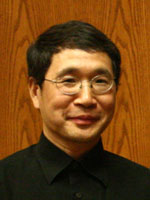
Dr. Hongxing Jiang is a Professor at the Whitacre College of Engineering, Texas Tech University, affiliated with the Department of Electrical & Computer Engineering. He holds the Edward E. Whitacre Jr. Chair and co-directs the Center for Nanophotonics. PhD in Physics, Syracuse University (1986) MS in Physics, Syracuse University (1983) BS in Physics, Fudan University (1981) His research focuses on III-Nitride semiconductors (BN, AlN, GaN, InN) for optoelectronics , photonics , and radiation detection . Key areas include solid-state lighting , energy-conversion devices , MOCVD growth , and micro-emitter arrays . Recent publications highlight advancements in h-BN quasi-bulk crystals , fast neutron detectors , and wide bandgap materials . Themes span crystal growth optimization , doping techniques , and optical characterization . National Academy of Inventors Fellow (2018) American Association for the Advancement of Science Fellow (2016) International Society for Optics and Photonics Fellow (2015) Optica Fellow (2014) American Physical Society Fellow (2010) China-U.S. Physics Examination and Application Fellow (1981) As co-director of the Center for Nanophotonics, Jiang leads research in semiconductor materials for high-energy lasers and neutron detection , emphasizing scalable growth methods like hydride vapor-phase epitaxy .
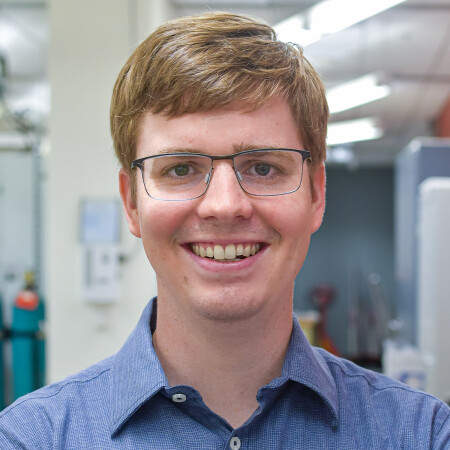
Kyle McCall is an Assistant Professor in the Department of Materials Science and Engineering at the University of Texas at Dallas, within the Erik Jonsson School of Engineering and Computer Science. He holds a PhD in Applied Physics from Northwestern University (2019) and a B.S. in Physics and Mathematics from the University of Notre Dame (2014). He served as a Postdoctoral Research Fellow at ETH Zurich, Switzerland, from 2019 to 2021. Research Interests: Dr. McCall's research lies at the intersection of materials science, chemistry, and physics, focusing on the synthesis and characterization of complex semiconductors for energy and radiation detection applications. His group employs a materials-by-design approach to develop novel functional optoelectronic materials, particularly halide perovskites and related compounds. Key areas include crystal growth (via Bridgman method), X-ray crystallography, and the development of materials for solar cells, light-emitting devices, X-ray photodetectors, and neutron/gamma-ray scintillators. Publication Trends: His recent publications (all from 2021) highlight a strong focus on halide perovskite materials for radiation detection and optoelectronics. Themes include room-temperature gamma-ray detection, neutron imaging using luminescent materials, structural instabilities in perovskites, and optical behavior tuning via cation engineering. The work combines fundamental structure-property studies with device-relevant performance metrics. Scientific Awards and Memberships: Member, American Chemical Society (ACS) Member, Materials Research Society (MRS) Advising and Grants: As a tenure-track faculty member, Dr. McCall leads the McCall Research Group at UT Dallas, mentoring students in interdisciplinary materials research. He was part of the 2021 cohort of new tenured/tenure-track faculty at UT Dallas. While specific grants are not listed, his research program is clearly supported by institutional funding and infrastructure, including crystal growth and characterization facilities. Laboratories and Teams: He founded the crystal growth component of the ETH+ SynMatLab facility during his postdoc at ETH Zurich. At UT Dallas, he leads his own research group focused on materials chemistry and functional device integration, continuing his work on single crystal growth and optoelectronic characterization.
Ye (Sarah) Sun is an Associate Professor in the Department of Mechanical Engineering at the University of Virginia (UVA), part of the School of Engineering and Applied Science. She joined UVA in 2021 after serving as an Associate Professor at Michigan Technological University. Her work focuses on wearable sensors, robotics, smart health systems, and cyber-physical systems. She leads the WEARLab research group. Education: Ph.D. in Electrical Engineering from Case Western Reserve University (2021), B.S. in Instrumentation Engineering from Tianjin University (not specified). Research interests include wearable electronics, health monitoring, and human-technology interaction. Her interdisciplinary approach integrates engineering innovations with healthcare applications. Notable projects involve self-powered triboelectric sensors and optical fiber-based health monitoring systems. Recent publications highlight advancements in photodiode technologies for high-frequency applications, including millimeter-wave generation and photonic integrated circuits. Awards include the NSF CAREER Award (2018) and NSF BRITE Award (2022). She has organized major conferences and holds editorial roles in health technology journals. Grants include NSF funding for cyber-physical systems and smart health initiatives. Her lab collaborates on projects involving wearable robotics and connected health solutions, with a focus on real-world applications in healthcare and IoT.
Professor Paul Sellin is a Professor of Physics at the University of Surrey's School of Mathematics and Physics, with visiting roles at UCL and the University of Wollongong. He holds a PhD in Nuclear Physics from the University of Edinburgh (1992) and a BSc (Hons) in Physics from the University of Birmingham (1988). His research focuses on radiation detector materials, including perovskites, semiconductors, and scintillators, with applications in medical imaging, nuclear security, and high-energy physics. Key interests include perovskite semiconductor development, neutron/gamma detection, and radiation-hard materials. His group collaborates internationally on projects like the DTRA Interaction of Ionizing Radiation with Matter (IIRM) University Research Alliance. Publications highlight advancements in X-ray detection using perovskite nanocomposites, Cu-doped crystals, and organic semiconductors. His work emphasizes material synthesis, charge transport optimization, and device fabrication for low-dose imaging and high-sensitivity detection. Professor Sellin has supervised over 30 postgraduate students, many contributing to seminal studies on perovskite detectors, plastic scintillators, and semiconductor characterization. His contributions span academic networks like the Nuclear Threat Reduction Network (NTR-net) and the STFC NuSec program.
Robert M. Weikle, II is a Professor in the Charles L. Brown Department of Electrical and Computer Engineering at the University of Virginia, with a courtesy appointment in the Department of Physics. He earned his B.S. from Rice University (1986), M.S. (1987), and Ph.D. (1992) in Electrical Engineering from Caltech, followed by postdoctoral work at Chalmers University of Technology (1992). His research focuses on millimeter-wave and terahertz electronics , applied electromagnetics, integrated antennas, low-noise sensors, and heterogeneous integration of compound semiconductors. His work bridges electronics and photonics for spectrum access, with applications in astronomy, spectroscopy, and metrology. He has published extensively on micromachined silicon substrates, superconducting materials, and emerging technologies. Scientific Awards: IEEE Microwave Prize (1993) David A. Harrison III Award (1999) University of Virginia All-University Outstanding Teaching Award (2000) Edlich-Henderson Innovator of the Year (2016) Fulbright Scholar (2001) As Chief Technology Officer and co-founder of Dominion Microprobes, Inc., he commercializes micromachined wafer probes for high-frequency metrology. His lab, located in E220 Thornton Hall and the Jesse W. Beams Physics Building, has produced 15+ recent publications on submillimeter-wave devices, THz probes, and calibration techniques.
Dan McCammon is a Professor in the Department of Physics at the University of Wisconsin-Madison, affiliated with the College of Letters & Science. His research focuses on X-ray astronomy, including studies of the diffuse X-ray background, interstellar and intergalactic media, and the development of advanced X-ray instrumentation. He is a key contributor to the XRISM (X-ray Imaging and Spectroscopy Mission) satellite, leading efforts in high-resolution X-ray spectroscopy and mission operations. McCammon's work emphasizes understanding cosmic plasma dynamics, galaxy cluster physics, and supernova remnant evolution through cutting-edge observational techniques and detector technology. His research interests span multiple subfields, including the thermodynamic properties of galactic clusters, charge-exchange processes in astrophysical plasmas, and the design of cryogenic microcalorimeters for space-based observatories. He has pioneered advancements in transition-edge sensors (TES) and superconducting detectors, enhancing the precision of X-ray spectral measurements. McCammon has contributed to numerous sounding rocket missions, such as Micro-X, and has been instrumental in the development of the Line Emission Mapper (LEM) probe concept, aimed at mapping the soft X-ray sky with unprecedented resolution. His work on the Hitomi (ASTRO-H) satellite demonstrated breakthroughs in resolving the thermal and dynamic properties of cosmic plasmas, such as the Perseus galaxy cluster and the Crab Nebula. His publications highlight a focus on high-resolution X-ray spectroscopy of cosmic sources, including galaxy clusters, active galactic nuclei, and supernova remnants. He has explored topics like non-thermal pressure contributions in cluster cores, ionized plasma diagnostics, and the role of charge-exchange emissions in interpreting diffuse X-ray backgrounds. McCammon's instrumentation innovations have enabled breakthroughs in measuring spectral features with sub-eV resolution, advancing our understanding of astrophysical processes. Despite the absence of explicitly listed awards or grants in the provided text, his leadership in major space missions and pioneering detector technologies underscores his contributions to the field. His research team collaborates on international projects, such as XRISM and LEM, reflecting a commitment to advancing observational astrophysics through interdisciplinary collaboration.
Forest Agostinelli is an Assistant Professor in the Department of Computer Science and Engineering at the Molinaroli College of Engineering and Computing, University of South Carolina, where he is also affiliated with the AI Institute. His research focuses on designing AI algorithms for pathfinding problems, integrating deep learning, reinforcement learning, heuristic search, and formal logic. He holds a Ph.D. in Computer Science from the University of California, Irvine, an M.S. from the University of Michigan, and a B.S. in Electrical and Computer Engineering from The Ohio State University. Research Overview : Agostinelli’s work emphasizes solving pathfinding problems in domains like robotics, theorem proving, and molecular optimization. His group develops explainable AI methods to enable collaboration between humans and machines. Key projects include DeepCubeA (solving the Rubik’s Cube via deep reinforcement learning) and neural activation function research. Funding & Awards : He has secured grants from NSF, NASA EPSCoR, and South Carolina’s ASPIRE and MADE programs. Notable awards include the NSF Graduate Research Fellowship and the Graduate Education for Minority Students Fellowship. Teaching : He teaches courses in Artificial Intelligence (CSCE 580) and Deep Reinforcement Learning and Search (CSCE 790), mentoring over 15 students at undergraduate and graduate levels. Labs & Collaborations : Active in AI-driven education and interdisciplinary projects, his lab contributes to tools like ALLURE for children’s learning and Bioinformatics platforms like CircadiOmics.
Michael P. Bradley is a Professor in the Department of Physics and Engineering Physics at the University of Saskatchewan, affiliated with the College of Arts and Science. He holds a Ph.D. from MIT and is a Professional Engineer (P.Eng.). His research focuses on precision measurement techniques, plasma-based nanofabrication, and quantum metrology, including work on diamond NV-centre magnetometers and superconducting watt balance systems. He leads the University of Saskatchewan Plasma Physics Laboratory (U of S PPL) and has received a Canada-UK Joint Quantum Technology grant for quantum sensor development. Education BSc (Honours) in Applied Physics, University of New Brunswick Ph.D. in Physics, Massachusetts Institute of Technology (MIT) Research Interests Bradley specializes in quantum magnetometry , plasma processing , semiconductor nanostructures , and precision electromagnetic measurements . His lab develops novel techniques for materials characterization and fabrication, including plasma immersion ion implantation (PIII) for micro- and nano-scale engineering, graphene doping, and silicon photonics. Recent work includes advancements in diamond NV-centre magnetometry for quantum technologies. Grants & Collaborations Recipient of a prestigious Canada-UK Joint Quantum Technology grant (2023). Collaborated internationally, including at the Bureau International des Poids et Mesures (BIPM) in France, where he contributed to superconducting watt balance prototypes for redefining mass standards. Teaching Teaches courses in optics, thermodynamics, and planetary astronomy, including EP421: Optical Systems & Materials and ASTR104: Planetary Astronomy .
Benedikt Günther is a research scientist at the Technical University of Munich (TUM) working within the Chair of Biomedical Physics led by Prof. Dr. Franz Pfeiffer. His research focuses on the Munich Compact Light Source (MuCLS), a laboratory-scale inverse Compton X-ray source that provides synchrotron-like radiation for biomedical applications. Günther plays a key role in developing, optimizing, and characterizing this innovative technology, contributing to both its fundamental physics and practical medical applications. His primary research interests center around X-ray physics and imaging techniques, particularly laser enhancement cavities for inverse Compton X-ray sources, X-ray microscopy, dynamic phase-contrast imaging, and X-ray spectroscopy. Günther's work bridges fundamental physics with practical medical applications, developing instrumentation that brings synchrotron-quality imaging to conventional laboratory settings. His research has significant implications for improving medical diagnostics while making advanced imaging techniques more accessible. Analysis of Günther's publication record reveals a consistent focus on advancing compact X-ray source technology and its applications. His work demonstrates expertise in both theoretical modeling and experimental implementation, with publications spanning instrument development, imaging techniques, and specific medical applications. The research shows progression from fundamental source characterization to increasingly sophisticated biomedical applications, particularly in breast imaging, dental diagnostics, and materials science. 2019 Best Poster Award at the combined meeting of the 68th Denver X-ray Conference (DXC) & 25th International Congress on X-ray Optics and Microanalysis (ICXOM) for 'Full-Field Structured Illumination Super-Resolution X-ray Transmission Microscopy' Günther regularly presents his work at major international conferences including the International Particle Accelerator Conference, High-Brightness Sources and Light-driven Interactions Congress, and specialized X-ray imaging meetings. His research is conducted within the Munich Compact Light Source facility, a collaborative project involving physicists, engineers, and medical researchers working to develop laboratory-scale synchrotron technology for widespread biomedical use.
Carsten Rott is a Professor in the Department of Physics & Astronomy at the University of Utah and holds the Jack W. Keuffel Memorial Chair until December 2025. His academic journey began with a Ph.D. in Physics from Purdue University (2004), preceded by undergraduate studies at the Universität Hannover. Rott has held academic positions at institutions including The Ohio State University (CCAPP Senior Fellow 2009-2013), Penn State University (postdoc 2005-2008), and Sungkyunkwan University in South Korea (Assistant Professor 2013-2017, Associate Professor 2017-2025). He has been a member of the IceCube Neutrino Telescope collaboration since 2005 and serves on committees like the IceCube-Gen2 Coordination Committee and JSNS2 Speakers Board. His research spans Particle Physics , Neutrino Astronomy , and Dark Matter Detection . Key projects include analyzing IceCube data for sterile neutrino signatures, studying cosmic-ray anisotropy, and investigating terrestrial gamma-ray flashes. Notable achievements include the Bruno Rossi Prize (2021) for high-energy astrophysics contributions. Rott's work involves multimessenger observations (neutrinos, gamma-rays, radio signals) and detector calibration innovations, such as those for the JSNS2 experiment. Recent publications focus on atmospheric neutrino oscillation parameters, TGF spectroscopy, and dark matter constraints. He employs machine learning techniques (CNNs) for event reconstruction and leads initiatives like the IceCube Master Class for student engagement. Grants include funding for IceCube upgrades (2024-2026) and Hyper-Kamiokande collaborations (2023-2026). As department chair since 2023, Rott continues to bridge experimental particle physics with astrophysical discoveries.
Ulrich Vogt is a Professor in Applied Physics at Kungliga Tekniska Högskolan (KTH) and leads the X-ray Optics and Nanoimaging group within the Bio-Opto-Nano unit. He serves as Vice-head of the Applied Physics department for undergraduate education. His research focuses on developing advanced X-ray microscopy techniques, particularly at synchrotron facilities like MAX IV’s NanoMAX beamline. He specializes in X-ray optics, nanoimaging, and diffractive optical elements for applications in materials science, biology, and medicine. Key contributions include the design of the NanoMAX beamline, optimization of X-ray zone plates via metal-assisted chemical etching, and advancements in multi-beam ptychography. Vogt has pioneered compact X-ray microscopy systems using laser-plasma sources and liquid-jet targets. His work integrates nanofabrication, computational imaging, and synchrotron instrumentation to achieve sub-100 nm resolution in hard and soft X-ray regimes. Teaching responsibilities include courses on experimental physics, photonics, and X-ray applications. His lab collaborates internationally on projects like the European XFEL, emphasizing high-brightness sources and radiation-resistant optics. Recent innovations include adaptive multi-beam ptychography and stereo X-ray imaging for 3D nanoscale visualization. Research highlights span over 100 peer-reviewed articles, with a focus on coherence characterization, beamline instrumentation, and nanostructured materials. Vogt’s grants include a Röntgen-Ångström Cluster award supporting multi-beam ptychography and cryo-microscopy advancements.
Aldo Mozzanica is a Researcher at the Paul Scherrer Institute (PSI) in Switzerland, affiliated with the Laboratory for X-ray Nanoscience and Technologies. He holds a degree in Physics from Insubria University and a Ph.D. from the University of Milan, where his doctoral work focused on scintillating fiber vertex detectors for CERN's Antiproton Decelerator facility. At PSI, he leads detector development projects for synchrotron and free-electron laser applications. His research centers on advancing X-ray detector technology, including: Developing next-generation integrating pixel/strip detectors (JUNGFRAU, GOTTHARD) Improving frame rates, noise performance, and radiation hardness Exploring novel detector concepts for XFEL/synchrotron applications Enabling new experimental capabilities in structural biology and materials science Mozzanica's 135+ publications focus on X-ray detector innovation, with recent work emphasizing: Hybrid pixel detector optimization for 4th-generation light sources On-chip digitization and charge transport modeling High-speed data acquisition systems Applications in crystallography, spectroscopy, and phase-contrast imaging As principal developer of the JUNGFRAU detector, he oversees: ASIC design, testing, and characterization Readout electronics and firmware development Module production and supply chain management Commissioning at SwissFEL endstations