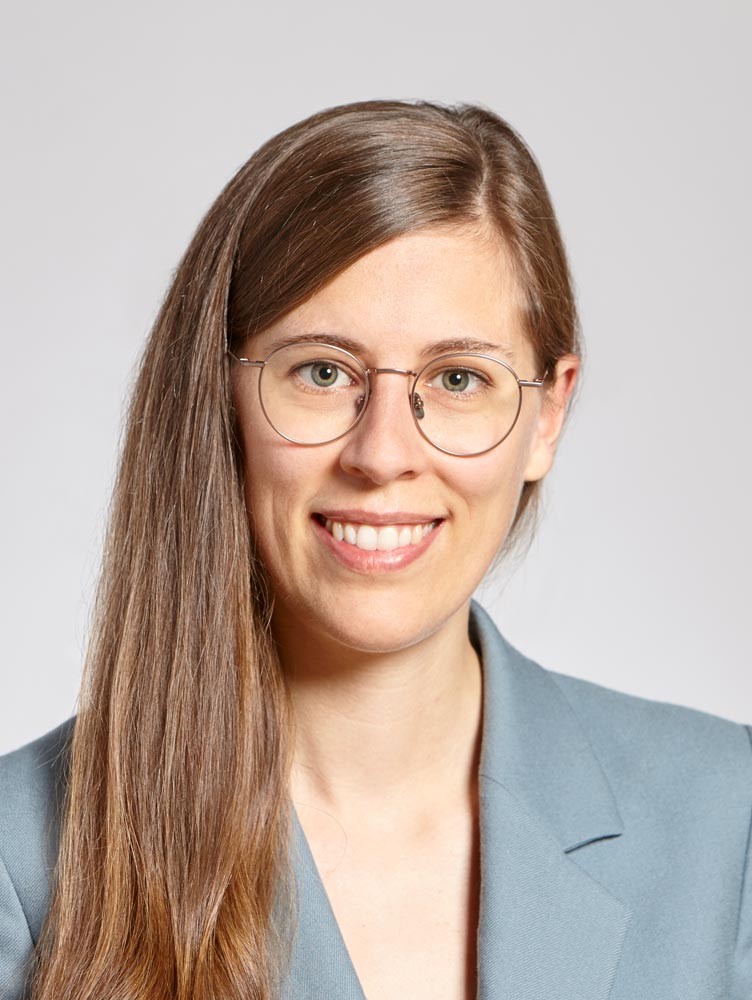
Sophie Isaksson Hallstedt is a Full Professor at Chalmers University of Technology, conducting research in Sustainable Product Development (SPD) with a focus on strategic sustainability integration in product innovation. She holds appointments at both Chalmers and Blekinge Institute of Technology, and serves on international Design Society committees. Key Research Areas: Strategic socio-ecological sustainability, digital decision support tools, circular value chains, and sustainability in emerging technologies. Notable Projects: SUSTAIN (aerospace sustainability), Circular Design Nexus (user behavior analysis), and Digital Materials Ecosystems. Awards & Recognition: Featured in Royal Swedish Academy of Engineering Sciences (IVA) 100-list (2020, 2023). Publications: Over 80 peer-reviewed works demonstrating methods for sustainability maturity assessment, impact evaluation, and progress visualization. Teaching & Education: Developed master's programs and PhD courses in sustainability-driven product development. Collaborates extensively with industry partners like GKN Aerospace and VINNOVA. Current work examines predictive models for user behavior and sustainability implications of additive manufacturing.
Professor Meng Tao is a full Professor in the School of Electrical, Computer and Energy Engineering at Arizona State University (ASU), Tempe campus. He also holds the concurrent appointment of Senior Global Futures Scientist within ASU’s Global Futures Scientists and Scholars initiative. Since joining ASU in 2011, he has led the Laboratory for Terawatt Photovoltaics and played a pivotal role in founding the U.S. Photovoltaic Manufacturing Consortium under SEMATECH. Education: Ph.D. Materials Science and Engineering, University of Illinois at Urbana-Champaign, 1998 M.S. Semiconductor Materials, Zhejiang University, China, 1986 B.S. Ferrous Metallurgy, Jiangxi Institute of Metallurgy, China, 1982 Research Focus: Professor Tao’s research is broadly centered on the science and engineering challenges of scaling photovoltaics to the terawatt level while ensuring sustainability and cost-effectiveness. His group investigates earth-abundant chalcogenide semiconductors and transparent conducting oxides for thin-film devices, substitutes silver with low-cost aluminum in Si solar cell metallization, develops energy-efficient electro-refining routes to upgrade metallurgical-grade silicon to solar-grade purity, pioneers value-added recycling technologies for end-of-life Si modules, and explores solar-powered electrolysis using metal/metal-oxide loops for long-term electricity storage. Grant Portfolio & Trends: Recent funding from NSF and DOE has supported projects on high-efficiency Schottky-barrier silicon cells, theoretical/experimental studies of iron oxysulfide absorbers, doping of cuprous oxide in electrolytes, and CVD-based valence-mending passivation for crystalline silicon. These grants underscore a consistent emphasis on materials innovation, process intensification, and circular-economy solutions for PV. Teaching & Mentoring: Professor Tao teaches and mentors across the EEE, MSE and CHE programs, offering courses ranging from introductory circuits to advanced photovoltaic energy conversion and doctoral dissertation supervision. While specific advisee names are not disclosed, the extensive thesis and research course listings indicate a large, active graduate group. Laboratory & Collaborative Networks: The Laboratory for Terawatt Photovoltaics under his direction serves as the central hub for experimental work on solar cell fabrication, electroplating, electrochemical recycling, and materials characterization. The lab collaborates closely with national consortia such as SEMATECH and leverages ASU’s advanced clean-room and analytical facilities.
Prof. Michele Germani is a Full Professor at the Polytechnic University of Marche, Department of Industrial Engineering and Mathematical Sciences. His research focuses on ergonomics, sustainability, and human-centered design, with particular emphasis on industrial automation, wearable technologies, and circular economy principles. He leads projects on ergonomic risk assessment, environmental impact modeling, and smart manufacturing systems. Academic Background: Holds a position in the Faculty of Engineering, contributing to both teaching and research. His work integrates machine learning, sensor-based systems, and virtual reality to address challenges in manufacturing, healthcare, and sustainable design. Research Interests: Prof. Germani explores topics such as design for disassembly, eco-design tools, and the application of advanced technologies (e.g., exoskeletons, cobots) to enhance workplace safety and efficiency. His studies often bridge engineering and environmental science, aiming to reduce carbon footprints through innovative design methodologies. Key Projects: Development of decision support systems for fall risk detection, sensor-based ergonomic evaluation tools, and frameworks for circular economy implementation. He also investigates the impact of Industry 4.0 technologies on workforce dynamics and operator training via mixed reality simulations. Grants & Collaborations: Engaged in interdisciplinary collaborations focusing on sustainable manufacturing, healthcare technology, and smart systems. His research has led to tools like Durabot for durability analysis and Greenbuild for green building design. Labs & Teams: Oversees labs developing eco-design strategies, human-robot collaboration systems, and ergonomic assessment protocols, with a focus on real-world industrial applications.
Kevin W. Hamlen is the Louis A. Beecherl, Jr. Distinguished Professor in the Department of Computer Science at the University of Texas at Dallas. He serves as Executive Director of UT Dallas' Cyber Security Research and Education Institute. His research focuses on language-based security , binary software hardening , cyberdeception , and formal program verification . He has received multiple grants from agencies like AFOSR, NSF, DARPA, and industry partners including Lockheed Martin and Intel. PhD and MS from Cornell University BS from Carnegie Mellon University His research explores automated approaches to software security through techniques like binary disassembly , control-flow integrity , and honey-patching . He has pioneered methods for malware defense and cloud/web/mobile security . Recent work examines adaptive cyberdeception and GPU-based security frameworks . His publications span binary code manipulation , malware mitigation , and blockchain security . Key awards include the NSF IUCRC Technology Breakthrough Award and two CSAW Best Paper 2nd Prizes . He advises numerous PhD students, many of whom now work at Google, IBM, and Microsoft. His book Autonomous Cyber Deception (Springer, 2019) with Ehab Al-Shaer and Cliff Wang provides comprehensive coverage of adaptive cyberdeception strategies.
Harpa Birgisdottir is a Professor and Head of the Building Sustainability Section at Aalborg University's Department of Construction, Urban and Environmental Engineering. Her work focuses on Life Cycle Assessment (LCA), net-zero carbon buildings, and circular economy strategies in construction. Key Research Areas: Greenhouse Gas Emissions, Environmental Product Declarations (EPD), Urban Development, and Climate Mitigation Academic Recognition: 2022 Best Paper at Sustainable Built Environment, 2020 Applied Energy Highly Cited Award Research Trends Recent publications emphasize data-driven sustainability assessments, embodied carbon in buildings, and fire safety LCA tools. She leads EU-wide projects on greenhouse gas emissions and co-develops frameworks for net-zero carbon buildings through IEA EBC Annex 89. Scientific Awards Best Paper (Sustainable Built Environment Berlin 2022) Highly Cited Research Paper (Applied Energy 2020) Det Bæredygtige Element - Produktprisen (2019) ROCKWOOL Prisen (2017) Best Paper (2013) As a principal investigator and supervisor, she guides PhD projects on biobased fire safety and urban circularity. Her team collaborates with international researchers on climate impact metrics and sustainable construction standards.
Krista A. Ehinger is an Associate Professor and co-lead of the AI group at the University of Melbourne's School of Computing and Information Systems. She holds a PhD from MIT and has held postdoctoral positions at York University and Harvard Medical School. Her research focuses on the intersection of human and computer vision, including scene recognition, visual search, and depth perception. Methodologically, she combines Bayesian models, deep learning, and behavioral experiments like eye tracking. Current projects explore AI applications in space systems (e.g., SpIRIT satellite) and ethical implications of workplace surveillance via computer vision. Recent work emphasizes amodal completion (e.g., reconstructing occluded objects) and AI reasoning systems. She collaborates on medical imaging (TCAM-Diff model), autonomous driving (truck speed detection), and 3D reconstruction. Her lab actively engages in open-source tools like the SUN Database for scene understanding. Professional activities include AI ethics discussions and academic service. She advises students on Masters/PhD projects and contributes to conferences like CVPR and NeurIPS.
Professor Sami Pajunen is affiliated with the Department of Civil Engineering at Tampere University, within the Faculty of Built Environment. His research focuses on structural engineering, timber and steel composites, fire safety, computational modeling, and sustainable construction practices. He has contributed significantly to the analysis of timber structures, impact sound insulation, and fire resistance of materials like cross-laminated timber (CLT). His work bridges experimental methods with advanced numerical simulations, addressing challenges in structural acoustics, nonlinear behavior, and eco-friendly construction systems. Key research interests include: structural integrity of glued laminated timber (glulam), optimization of steel-timber composite systems, fire performance of CLT panels, and vibration analysis of timber floors. He has explored innovative solutions such as the HB structural timber system and design-for-disassembly principles. His studies often involve collaboration with Finnish industry on case studies related to industrial wood construction productivity and bridge engineering practices. Publications emphasize parametric studies on structural components under fire conditions, mechanical testing of composite beams, and the application of finite element methods (FEM) for acoustic and thermal modeling. His work highlights the integration of computational tools with experimental validation to advance sustainable construction technologies.
Linda Huang is a Professor in the Department of Biology at the University of Massachusetts Boston, where she also serves as the Graduate Program Director. Her expertise lies in cell biology, with a focused research program on meiosis and spore formation in the budding yeast Saccharomyces cerevisiae . Education: PhD in Biology, California Institute of Technology BS in Biology, University of California, Los Angeles, 1988 Education Abroad Program, University of Sussex, England, 1986–87 Research Interests: Linda Huang's research centers on understanding the molecular mechanisms of meiosis and gametogenesis using yeast as a model organism. Her lab investigates how cellular events during meiosis are coordinated, particularly focusing on the regulation of meiotic exit and spore morphogenesis. She employs genetics, molecular biology, and biochemistry to dissect signaling pathways such as the Cdc15-Sps1 cascade, which plays a critical role in cytokinesis and spindle disassembly during meiosis II. Her recent work has contributed to defining a non-canonical Hippo-like pathway that governs key events in meiotic progression, distinguishing it from mitotic regulation. This research has implications for understanding fundamental cell division processes and their regulation in eukaryotic cells. Publications and Contributions: Huang has authored numerous peer-reviewed articles in top-tier journals, focusing on yeast genetics, cell signaling, and meiotic regulation. Her work has been featured in journals such as Genetics , Molecular Biology of the Cell , and Journal of Fungi . She has also contributed to educational materials, including test banks for widely used biology textbooks.
Prof. Adrian Filipescu is a full professor and PhD supervisor at the Department of Automation and Electrical Engineering, Dunărea de Jos University of Galati. He holds a PhD in Control Systems (1993) and has over 40 years of academic and research experience. His expertise spans numerical calculus, adaptive control, robotics, and Industry 4.0/5.0 applications. He has authored 12 books and over 110 indexed articles with an h-index of 11 (SCOPUS), and his work earned two UEFISCDI awards (2014, 2019). Education: Engineer diploma in Automatic Control (Polytechnic University of Bucharest, 1981) and PhD in Control Systems (Dunărea de Jos University, 1993). His research focuses on mechatronics systems integration, robotic control, digital twins, and industrial automation. Notable contributions include developing a mechatronics line with integrated autonomous robots, wheelchair systems for disabled users, and multidirectional autonomous vehicles. Research Themes: Digital twin frameworks, IoT-cloud robotics control, Industry 4.0/5.0 systems, inverse kinematics modeling, and autonomous robotic navigation. His recent work emphasizes cloud-based remote control, HIL simulation, and SCADA integration. Awards: Recipient of the 2014 and 2019 UEFISCDI 'Award for Research Results' for highly commended papers. He has led 10+ research projects, endowing labs with advanced robotic infrastructure and PLC-controlled systems. Advising & Grants: Supervised 7 completed PhD theses (including 1 international co-supervision). Projects focused on robotic-assisted manufacturing, autonomous systems, and mechatronics line optimization. Current lab facilities include mobile robots, industrial manipulators, and PLC-based control systems. Labs/Teams: Director of a research lab developing Industry 5.0-ready systems, including robotic assistants for elderly/disabled users and flexible assembly/disassembly technologies. Collaborations include NATO internships at Politecnico di Torino (Italy), INPG Grenoble (France), and ISR Coimbra (Portugal).
Dr Laura Lander is a Lecturer in Engineering at King's College London's Department of Engineering, part of the Faculty of Natural, Mathematical & Engineering Sciences. Her research focuses on sustainable energy storage systems, particularly advancing high-performance batteries through materials science and techno-economic analysis. She holds a PhD from the Collège de France and has held postdoctoral roles at the University of Tokyo and Imperial College London. Her work emphasizes battery recycling, lifecycle assessment, and circular economy frameworks. Notable contributions include developing methodologies for recycling lithium-ion batteries and optimizing battery pack designs for cost-effective disassembly. She leads the UKRI Future Leaders Fellowship-funded project 'Aluminium-Ion Batteries for a Resilient Energy Future' (2024–2028). Key collaborations span institutions globally, addressing challenges in energy storage sustainability. Her research aligns with UN Sustainable Development Goals related to affordable and clean energy (SDG7) and responsible consumption (SDG12). Office hours: Wednesdays 10am–12pm at Strand Campus. Education: PhD (Collège de France), Postdoc (University of Tokyo), Faraday Institution Researcher (Imperial College London) Awards: JSPS Postdoctoral Fellowship, UKRI Future Leaders Fellowship Research interests include battery materials discovery, life cycle assessment, and techno-economic analysis of renewable energy storage systems. She is affiliated with the London Centre for Nanotechnology and the Centre for Sustainable Business.
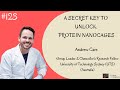
Andrew Care is a Senior Lecturer and Academic Director of the Biologics Innovation Facility (BIF) at the University of Technology Sydney (UTS), within the School of Life Sciences. He holds a PhD in Chemistry and Biomolecular Sciences from Macquarie University and has held prestigious fellowships, including the Cancer Institute NSW Early Career Fellowship and UTS Chancellor's Research Fellowship. His research focuses on combining synthetic biology and nanomedicine to engineer biologically-derived nanoparticles for drug delivery and vaccines. He is actively involved in industry collaborations, notably as a Chief Investigator in the ARC ITRC IDEAL Hub. Teaching and leadership roles include Program Director for the Biomedical Engineering program and coordination of the Australasian Synthetic Biology Challenge, which fosters student innovation. He has been recognized with a UTS Vice-Chancellor’s Teaching Citation and multiple Dean’s Awards for integrating Work Integrated Learning (WIL) and enhancing student engagement. His contributions to education and research excellence have earned awards for collaboration and partnership. Research interests span nanoparticle engineering, neurodegenerative disease therapies, and biomanufacturing. Notable projects include developing an Alzheimer’s vaccine using encapsulin protein cages and investigating nanoparticle interactions in brain cells. His work bridges academia and industry, emphasizing translational applications in healthcare. Awards: UTS Vice-Chancellor’s Research Excellence Award (2024), UTS Teaching Citation (2024), Multiple Dean’s Awards for Science Initiative, Innovation, and Student Experience. Leadership: Academic Lead of BIF, Editor of SYNTHESIS Magazine, and EMCR Representative in research committees. Grants: Providence Foundation Project Grant (2023), ARC IDEAL Hub funding. Andrew’s labs, including the Biologics Innovation Facility, provide advanced training in biomanufacturing and nanomedicine, equipping students and professionals for industry roles. His research aims to address unmet clinical needs through innovative biomedical solutions.
Prof. Catherine De Wolf is an Assistant Professor at ETH Zurich's Department of Civil, Environmental and Geomatic Engineering and Deputy Head of the Institute of Construction and Infrastructure Management. She leads the Chair of Circular Engineering for Architecture (CEA), an interdisciplinary lab focused on automating building material reuse through digital innovation. Her work bridges academia, government, and industry, exemplified by partnerships with institutions like the Centre Pompidou and initiatives like Anku and the Digital Circular Economy (DiCE) Lab. She is also a faculty member at ETH Zurich's AI Center and collaborates with EMPA's Urban Energy Systems Lab. Her roles include Chair of the Design++ Advisory Board and PI in the National Centre of Competence in Research on Digital Fabrication (DFAB). Education: Catherine holds a PhD in Building Technology from MIT, with prior studies in Civil Engineering and Architecture at VUB and ULB. She has additional training in documentary filmmaking and postdoctoral research at the University of Cambridge and EPFL's Structural Xploration Lab, funded by Marie Sklodowska-Curie and Swiss Excellence scholarships. Research Interests: Her work centers on digital tools for circular construction, including blockchain-based material passports, AI-driven design, and automated deconstruction planning. Key areas include: Material reuse and lifecycle analysis Building Information Modeling (BIM) applications Decentralized data networks in construction Carbon reduction in structural systems Interdisciplinary collaboration across engineering, architecture, and computer science Awards: Marie Sklodowska-Curie Postdoctoral Fellowship (European Commission) Swiss Excellence Scholarship Advising & Grants: Catherine has overseen projects funded by EU initiatives and industry partnerships. Her research group actively collaborates with firms like Arup and Thornton Tomasetti through initiatives such as the Structural Engineers 2050 Commitment. She advises on policy frameworks like the EU's Level(s) sustainability standard. Labs & Teams: Her CEA lab operates with 20+ researchers and has pioneered tools like the '5D Digital Circular Workflow.' The lab's work is showcased in real-world projects such as the Centre Pompidou material reuse case study.
Dana Vaux is an Associate Professor in the Department of Industrial Technology at the University of Nebraska at Kearney, within the College of Business & Technology. She specializes in Interior and Product Design, with a strong emphasis on interdisciplinary research connecting people and environments. Education: Ph.D., Interdisciplinary: Architecture, Design, Environmental History – Washington State University M.A., Interior Design – Washington State University B.A., Interior Design – Washington State University Her research focuses on the intersection of culture, history, and the built environment. Key areas include place theory , design pedagogy , and the cultural-historical meanings of interior spaces . Dr. Vaux explores how interiors shape human experience and identity, integrating environmental history and ethical considerations into design practice. The 15 most recent publications reflect a consistent trajectory in interdisciplinary design research , spanning ethics, pedagogy, sustainability, and cultural identity. Her work bridges architecture, interior design, and environmental psychology, often emphasizing qualitative and historical methodologies. Themes of human well-being , historical continuity , and educational innovation recur across her scholarship. Scientific Awards: 2022 Midwest Regional Best of Award for Scholarship of Teaching and Learning-Pedagogy (IDEC) 2021 Midwest Regional Best of Award for Scholarship of Design Research-History and Theory (IDEC) 2019 Best Paper in Family Studies/Human Development (AAFCS) 2021-2022 College of Business & Technology Outstanding Faculty Award: Scholarship Dr. Vaux is an active researcher and educator, contributing significantly to design scholarship and pedagogy. She has co-authored influential books used in classrooms and published in top journals. While specific grant details are not listed, her sustained output and recognition suggest successful funding and institutional support. She mentors future designers through curriculum development and research integration in teaching, emphasizing the importance of research for ethical and effective design. Though no formal lab or research team name is mentioned, her interdisciplinary approach suggests collaboration across departments, particularly in architecture, environmental studies, and family sciences. Her work continues to influence both academic and professional practices in interior design.
Premila P. Samuel Russell is an Assistant Professor of Chemistry at Saint Louis University (SLU), within the School of Science and Engineering. Her research focuses on computational modeling of human cell environments to study biomolecular dynamics and hidden states inaccessible via traditional experiments. She integrates in silico simulations with experimental assays for validation. Education: B.A. in Chemistry, Berea College, Kentucky, 2012 Ph.D. in Biochemistry, Rice University, Texas, 2017 Research Interests: Computational Chemistry: Developing atomistic models of cytoplasmic environments to simulate protein behavior. Biophysics: Exploring protein folding, misfolding, and interactions in cellular contexts. Protein Dynamics: Investigating enzyme choreography and metabolon formation through all-atom simulations. Drug Design: Analyzing hemoglobin structure for therapeutic applications like Voxelotor. Her recent work emphasizes 'cells-on-computers' simulations and high-throughput experimental assays, addressing limitations in spatial-temporal resolution of conventional methods. Awards: Cooley’s Anemia Foundation Research Fellowship (2023) D.E. Shaw Research Women’s Fellowship (2021) Rice University’s George J. Schroepfer Awards for Thesis and Research Excellence (2017–2018) Her lab (Premila Research Group) bridges computational and experimental approaches to advance understanding of biomolecular systems. Contact: premila.russell@slu.edu at Monsanto Hall, SLU.
Dr. Amon Göppert serves as Professor and Chair of the Intelligence in Quality Sensing group at RWTH Aachen University's Laboratory for Machine Tools and Production Engineering (WZL). His work integrates artificial intelligence into manufacturing processes to enhance quality control, production efficiency, and sustainable practices. Göppert's research spans intelligent manufacturing systems with core expertise in AI-driven production engineering, circular economy applications, and advanced assembly systems. He investigates how machine learning optimizes production ramp-up, disassembly processes, and flexible manufacturing while developing sensor-based quality control solutions for industrial applications. His recent publications reveal strong trends toward AI implementation in production planning, with emphasis on worker assistance systems for disassembly, digital twin applications for real-time control, and mobile robotics in line-less assembly environments. Key focus areas include sustainable manufacturing, metrology innovation, and adaptive scheduling systems. Göppert leads multiple high-impact research initiatives: AI-driven Product Development: Machine learning for smart measurement strategies in metrology MetaVision Consortium: Industrial metaverse applications for AI-supported vision systems Generative AI for Non-Destructive Testing optimization Cluster of Excellence Internet of Production participation As Chief Engineer at WZL, he oversees technical implementation of research projects and collaborates with industry partners to translate innovations into practical manufacturing solutions, particularly in adaptive assembly systems and quality sensing technologies.