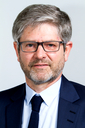
Miguel A Paniaguaمشاهده پروفایل
استاد مدعو
Dr. Miguel A Paniagua serves as Adjunct Professor of Medicine at the Perelman School of Medicine, University of Pennsylvania, and Vice President of Medical Education at the American College of Physicians. He provides consultative Hospice and Palliative Medicine services at the Hospital of the University of Pennsylvania for patients aged 18+. His academic training includes: Medical School: University of Illinois School of Medicine Residency: University of Washington Hospital and Clinics Fellowship: University of Washington Hospital and Clinics Dr. Paniagua's research bridges Medical Education and Palliative Care . In medical education, he pioneers assessment methodologies including SHARP (Short Answer, Rationale Provision) for clinical reasoning evaluation, remote proctoring systems, and studies on USMLE Step 1's psychological impact. His palliative care work focuses on non-pain symptom management protocols and dementia care transitions, particularly for older adults navigating post-pandemic societal reintegration. Analysis of his 2021-2024 publications reveals a consistent emphasis on assessment innovation (60% of works), with key contributions in eye-tracking validation studies and multiple-choice versus short-answer question efficacy. Palliative care research (30% of works) centers on caregiver support systems and symptom management, while regulatory medicine comprises the remainder. His professional distinctions include: Fellow of the American College of Physicians (FACP) Fellow of the American Academy of Hospice and Palliative Medicine (FAAHPM) Dr. Paniagua shapes medical education through editorial leadership as co-editor of foundational texts including 'Constructing Written Test Questions for the Basic and Clinical Sciences' and the UNIPAC palliative medicine series. His active publication record indicates ongoing research support, though specific grants aren't detailed. He contributes to national policy through his American College of Physicians leadership while maintaining clinical palliative care practice at Penn Medicine. His scholarly activities operate within Penn's Department of Medicine framework rather than a standalone laboratory, integrating clinical practice, medical education research, and professional society leadership to advance assessment science and palliative care delivery.